



















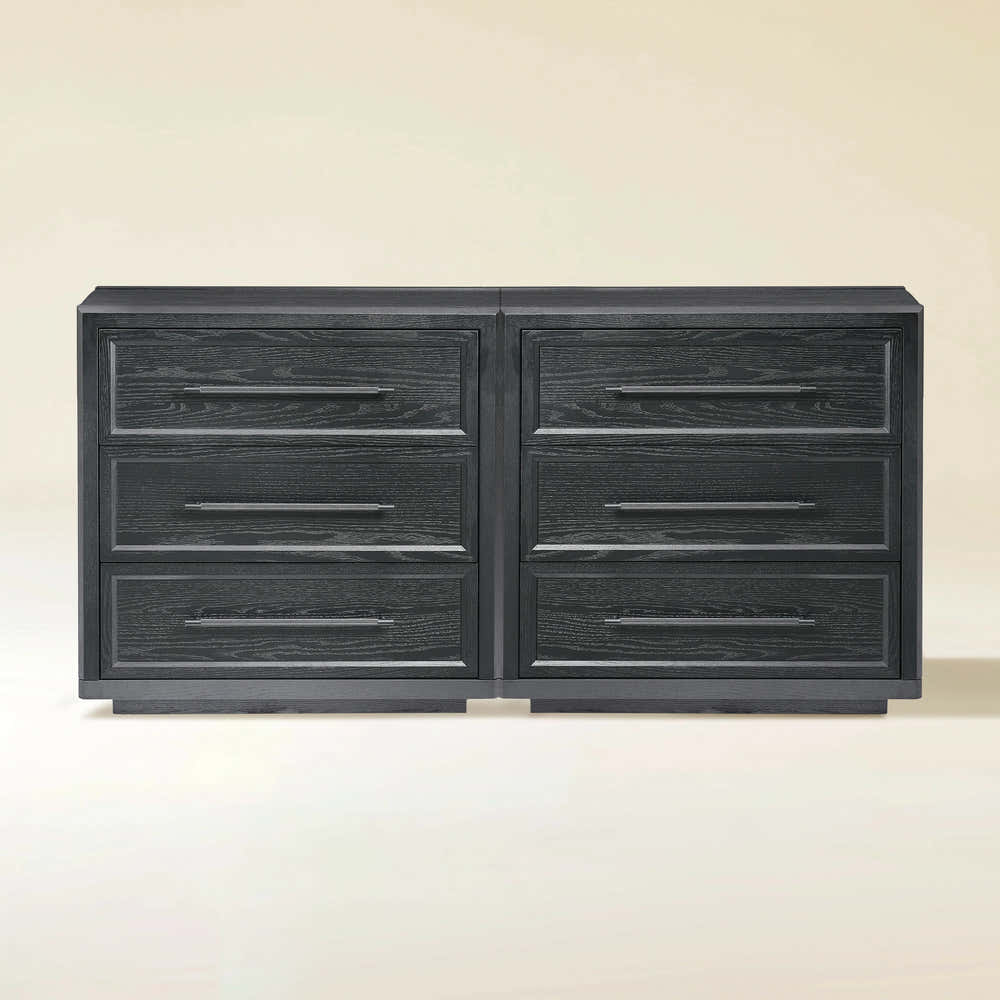


Alvar 61″ Oak 6-Drawer Chest(Set of 2)

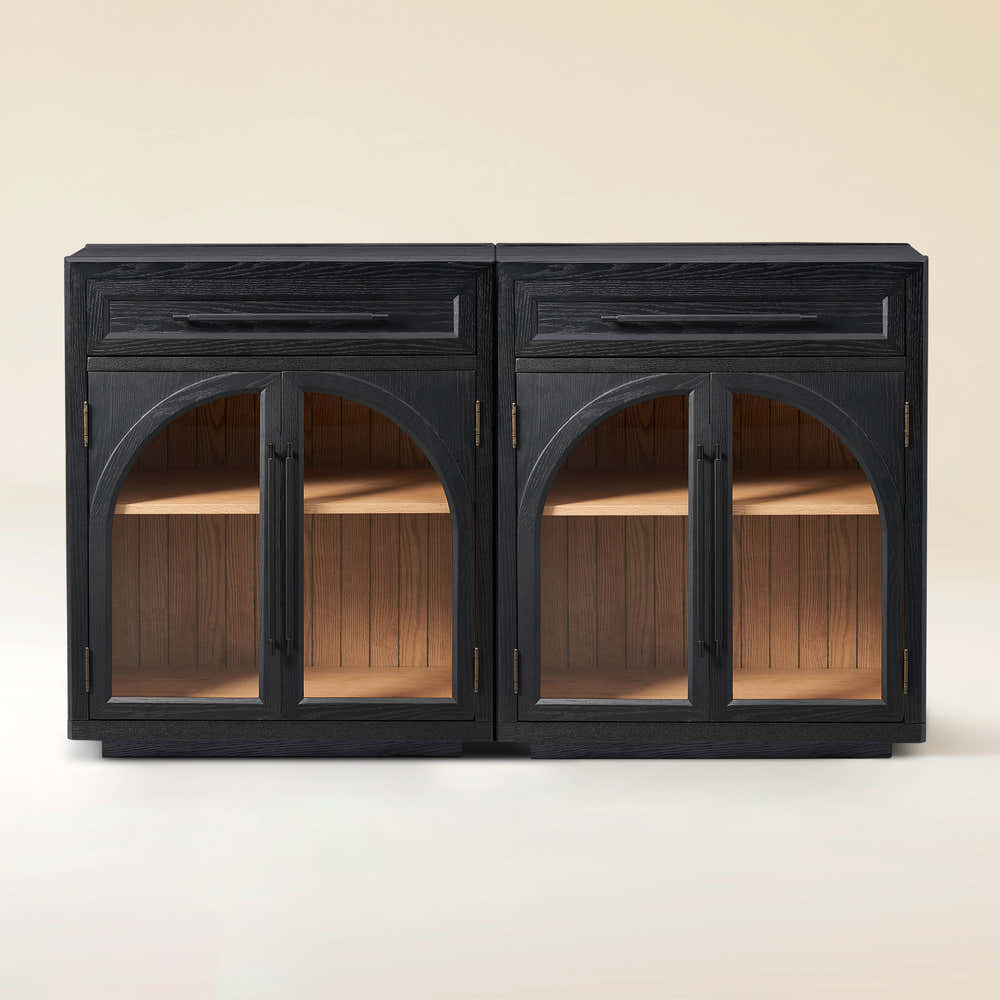


Alvar Arched 61" Oak Sideboard with Drawers(Set of 2)
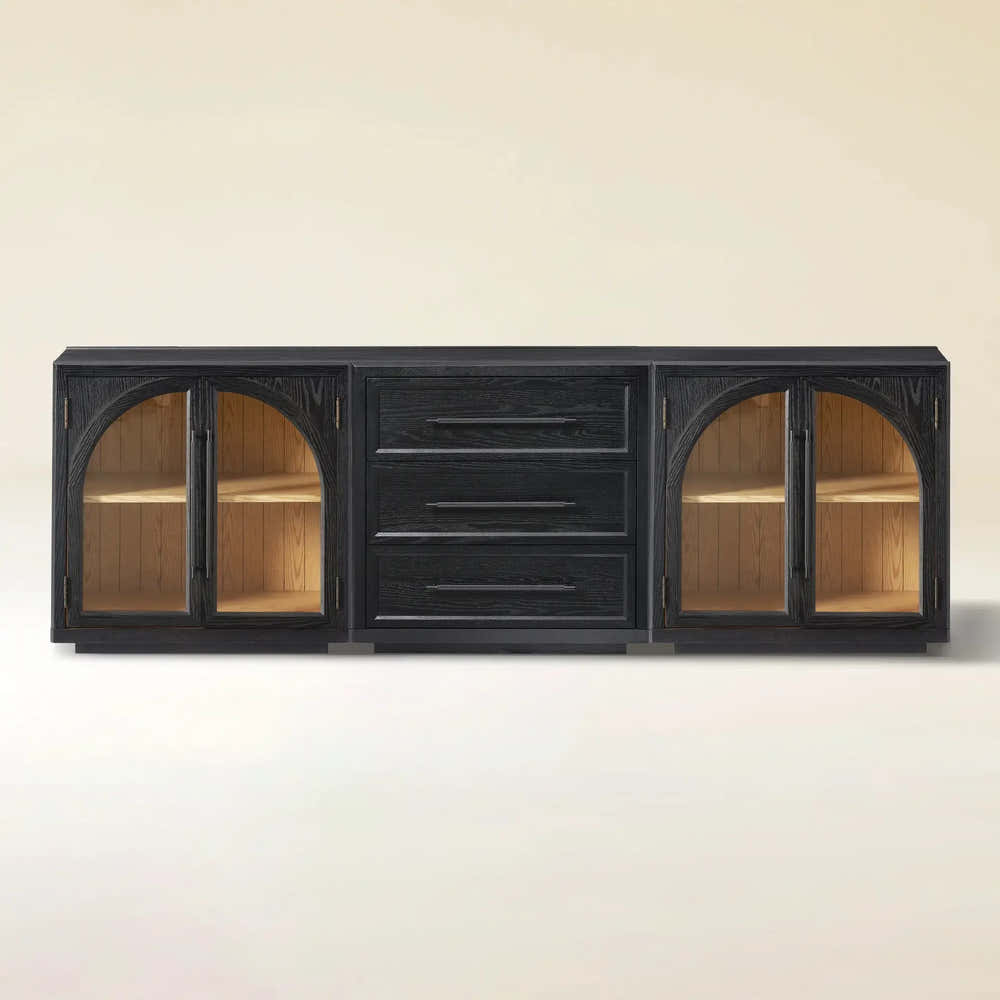


Alvar Arched 91″ Oak Modular Media Console(Set of 3)
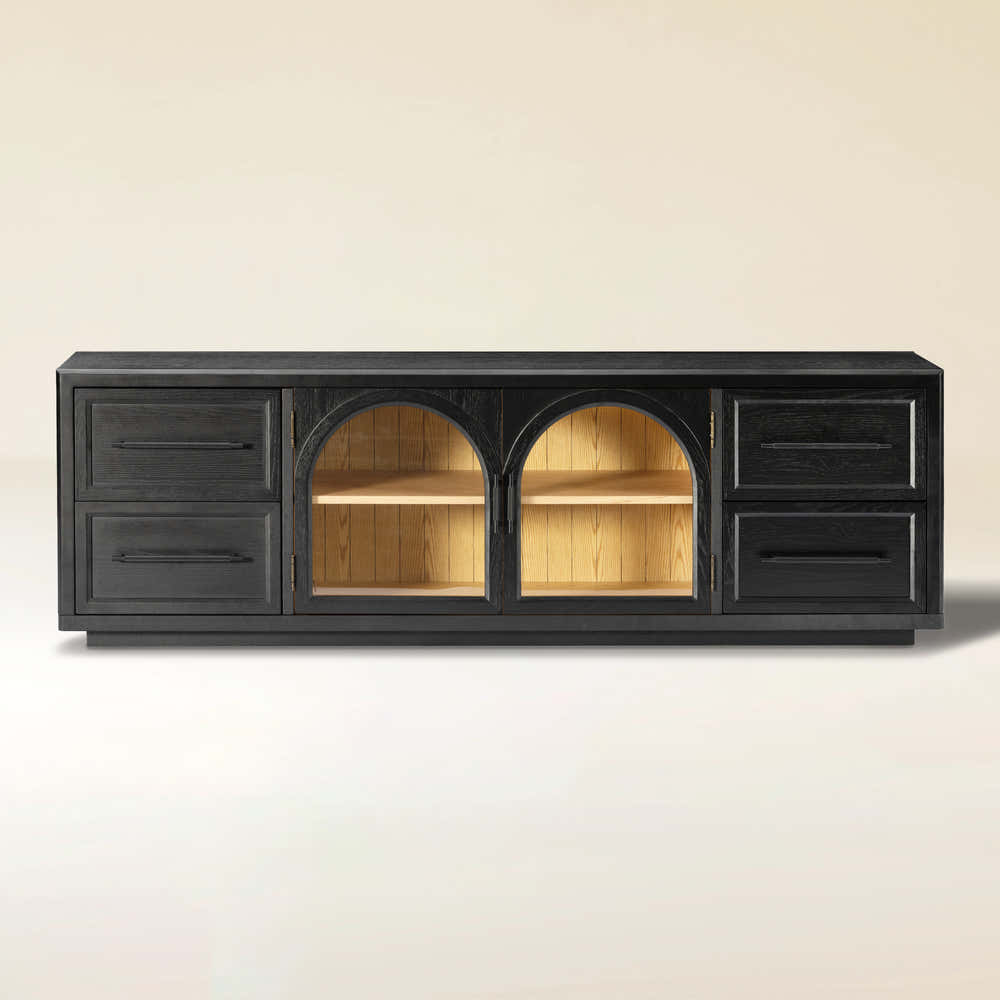
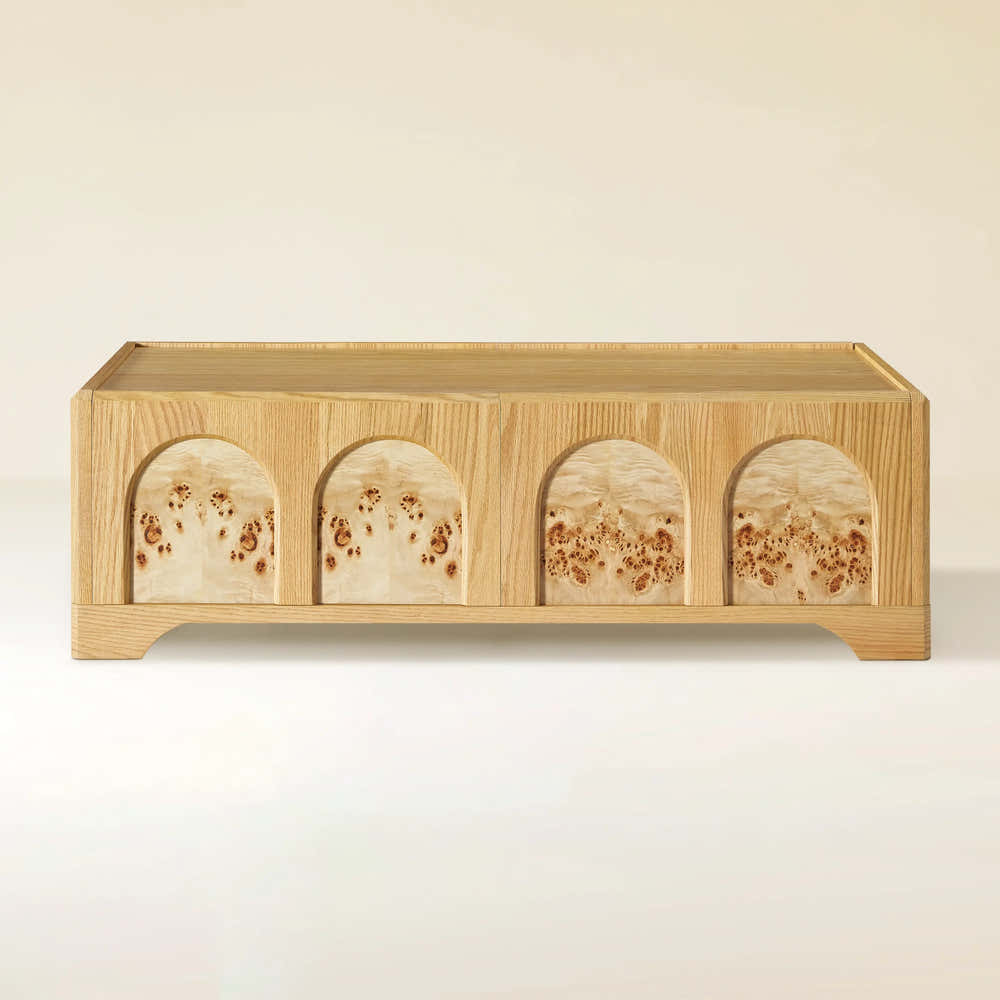
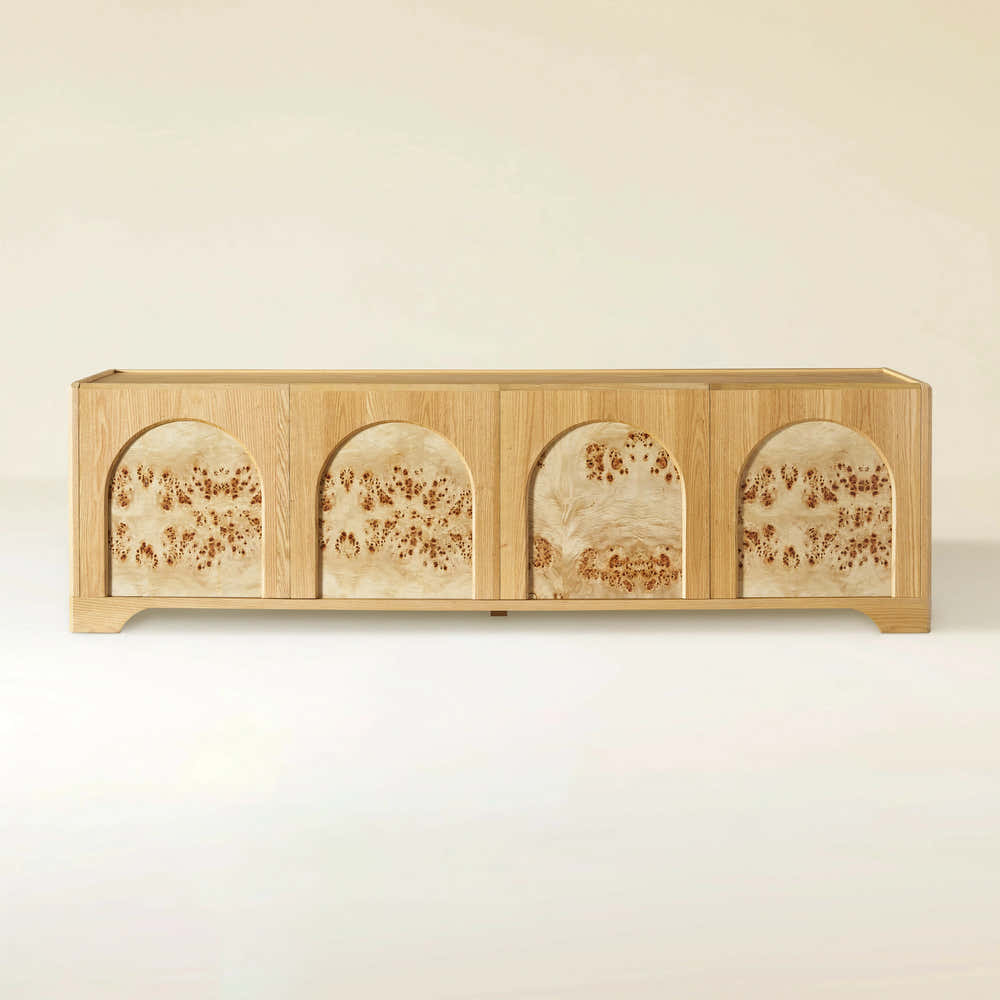
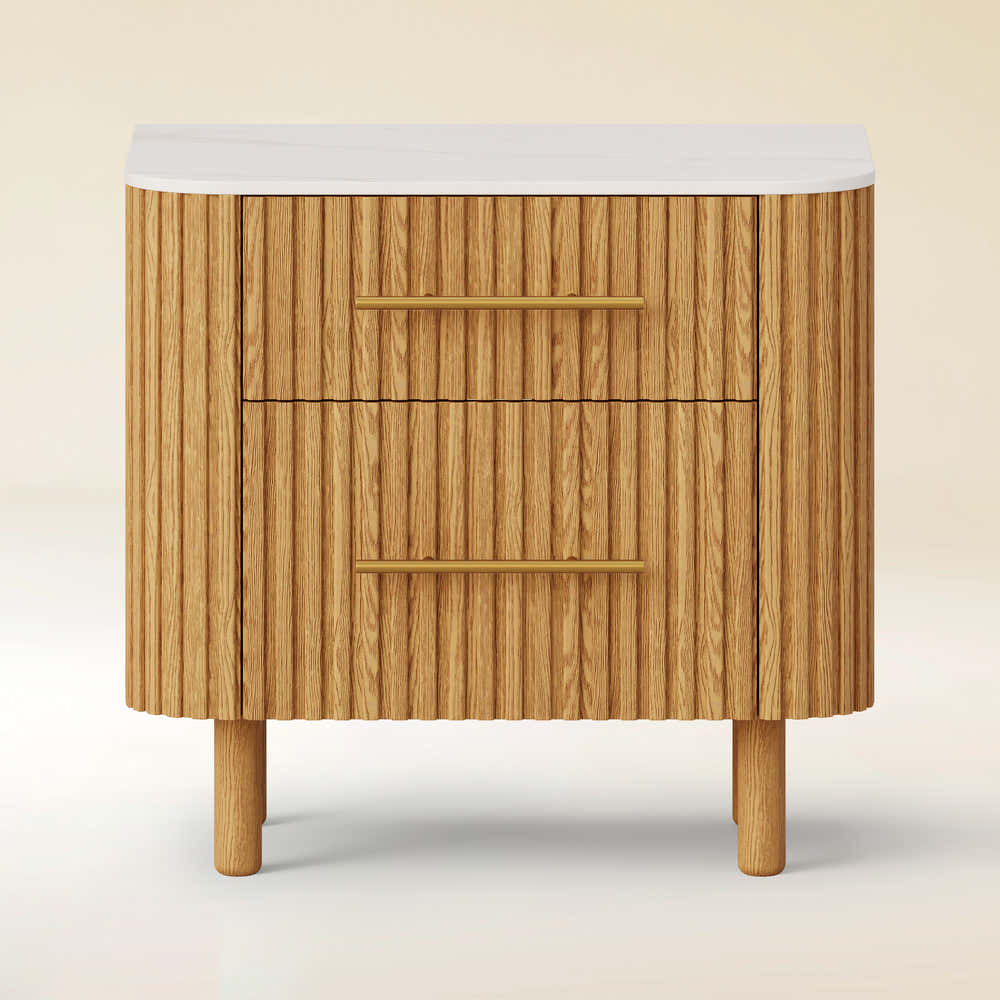
Charlie Sintered Stone Nightstand 26" W
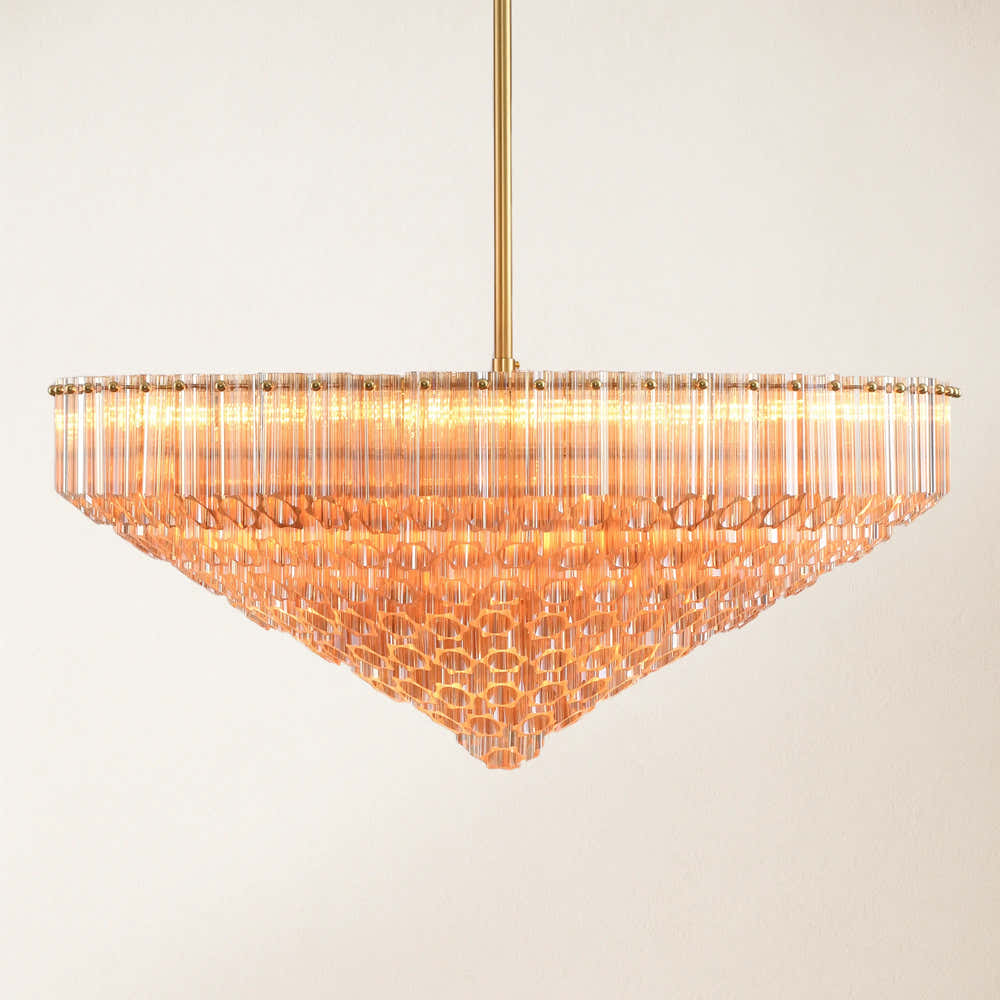


Ethereal Crystal Radiance Round Chandelier 30"D


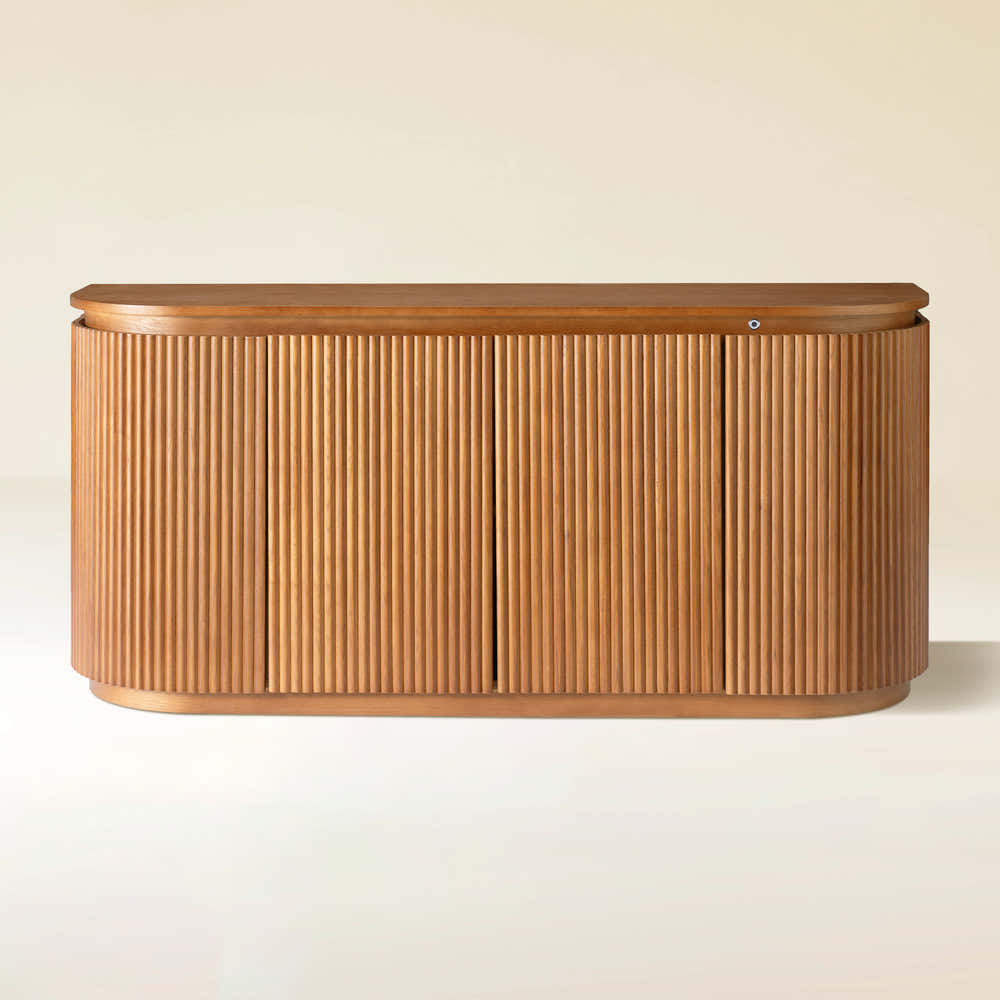
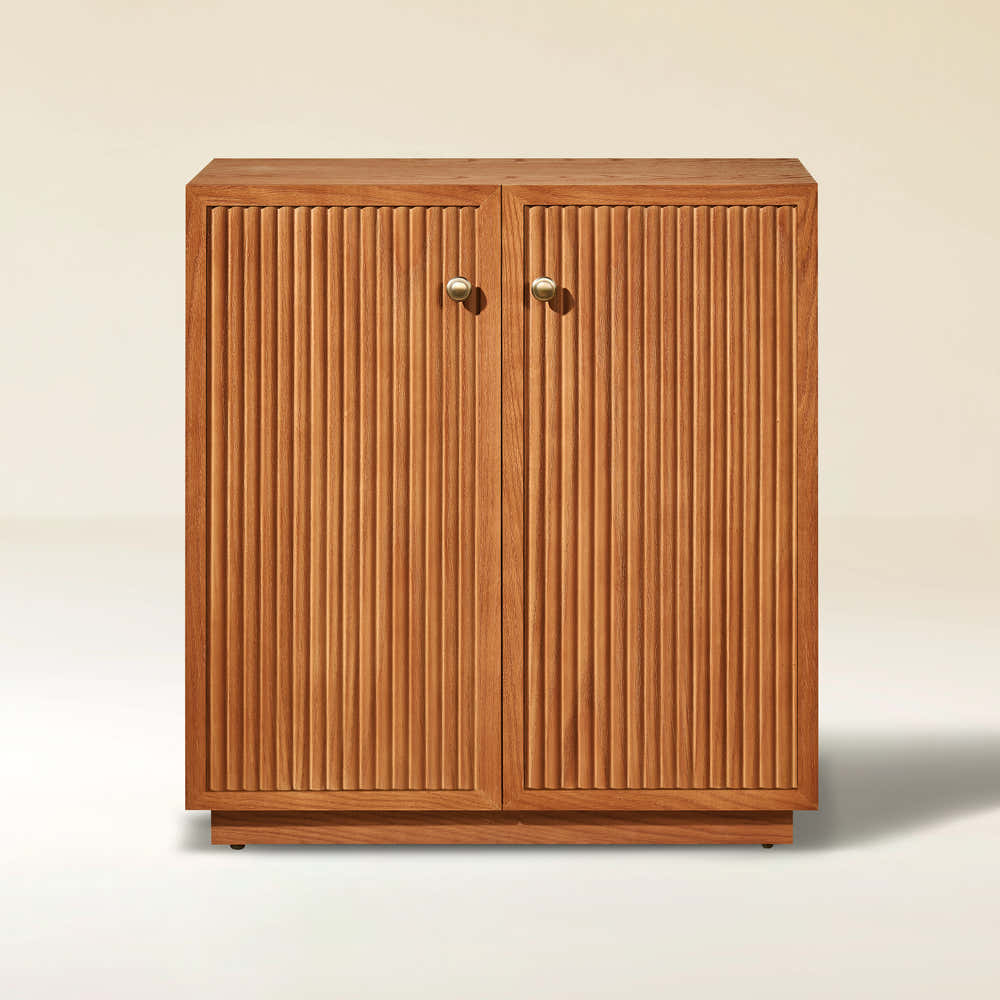
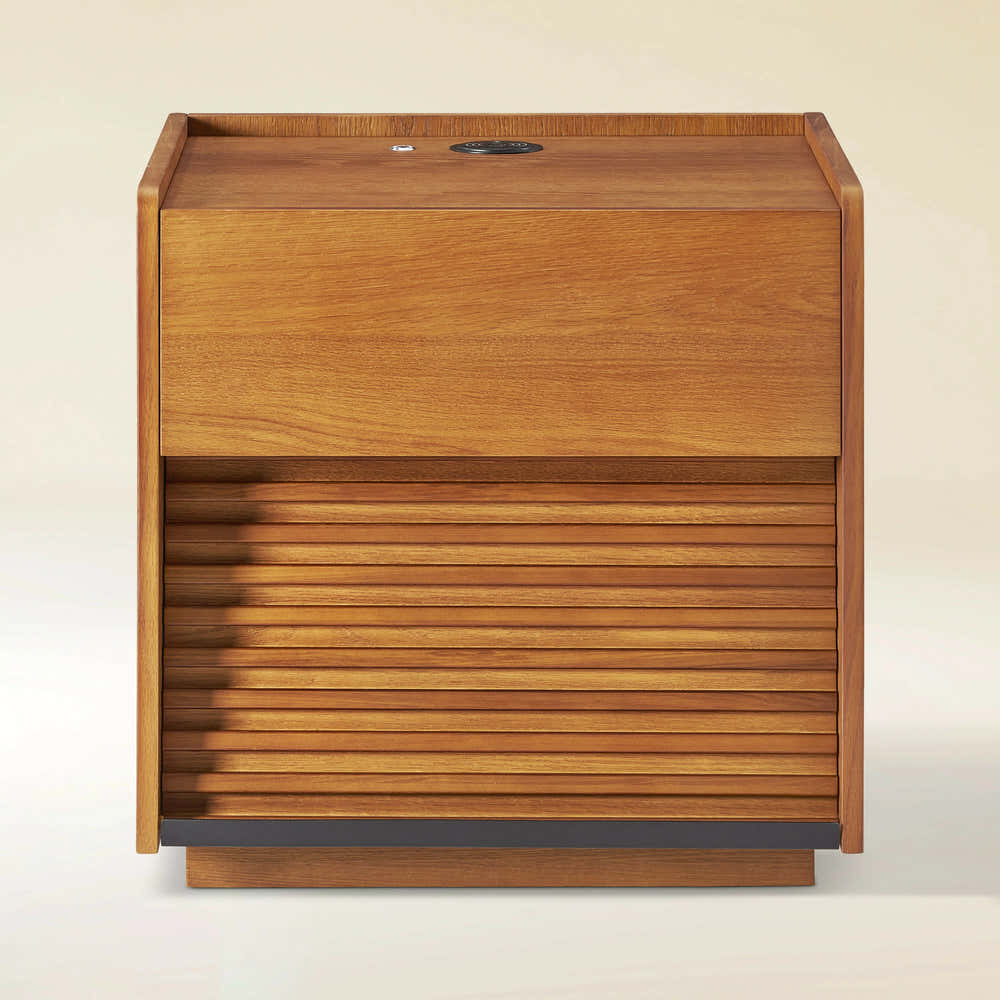
Ewan 63" Oak Slatted Sideboard Buffet Cabinet
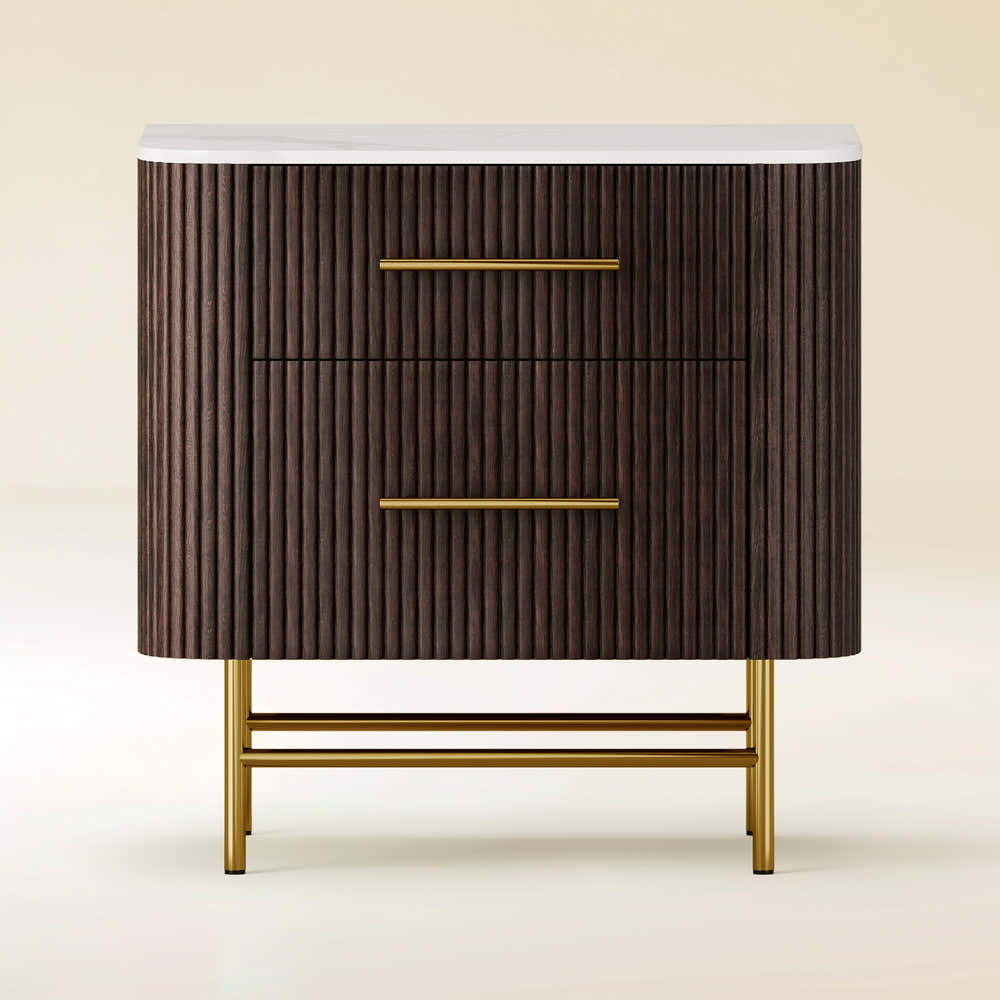


Ewan Sintered Stone Nightstand 26"W
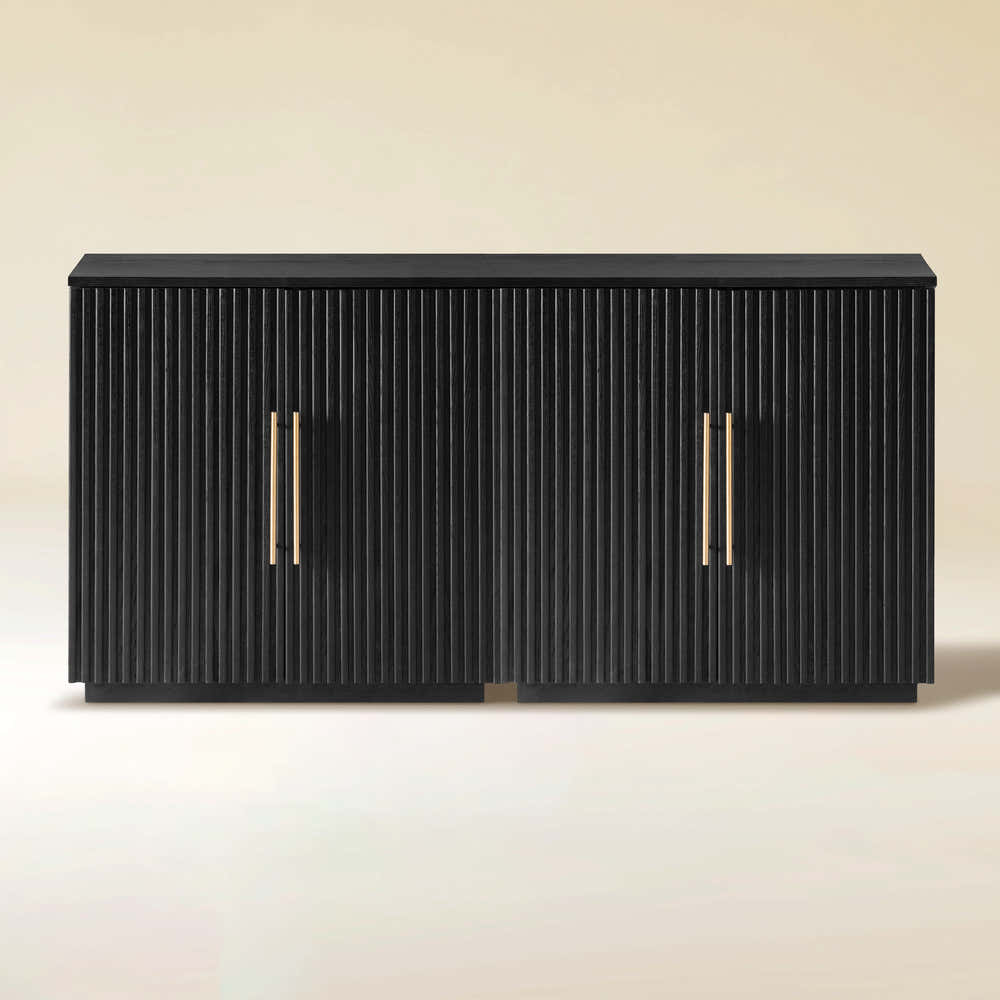


Holt 63″ Solid Oak Console(Set of 2)
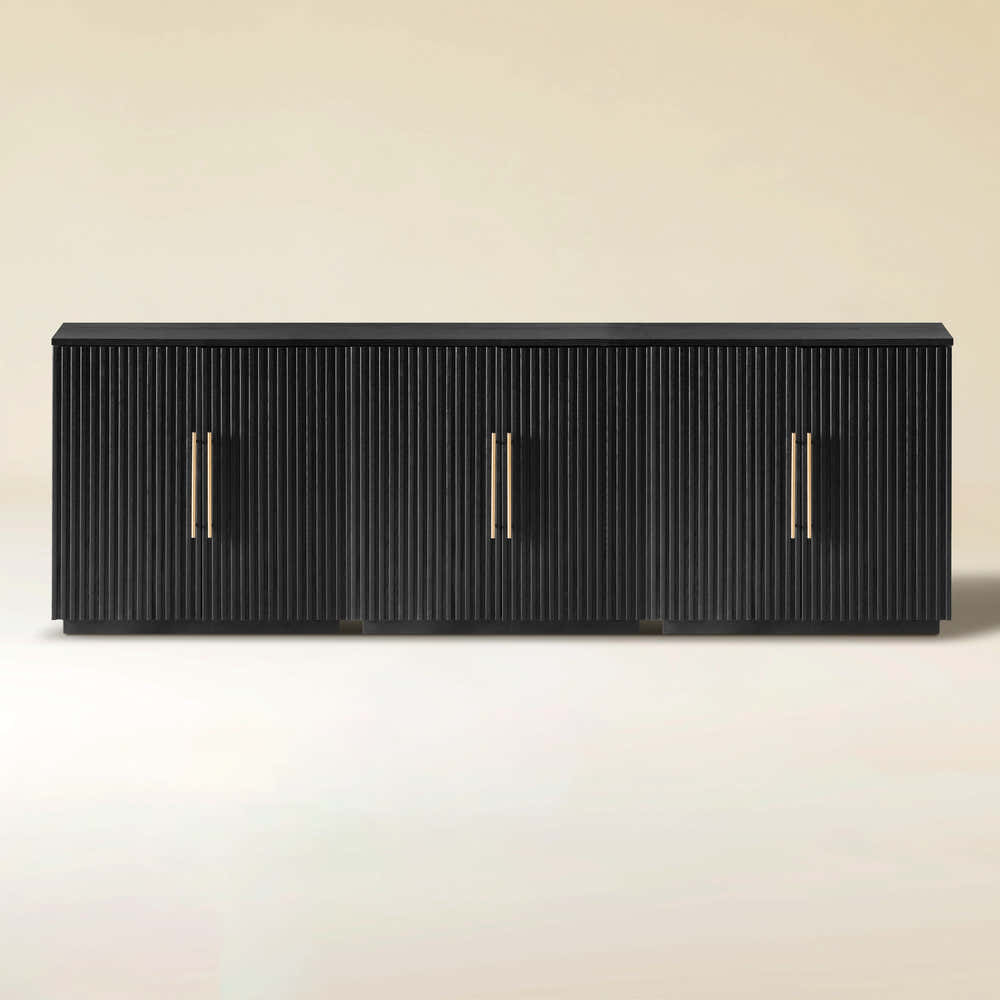


Holt 95″ Solid Oak Console(Set of 3)
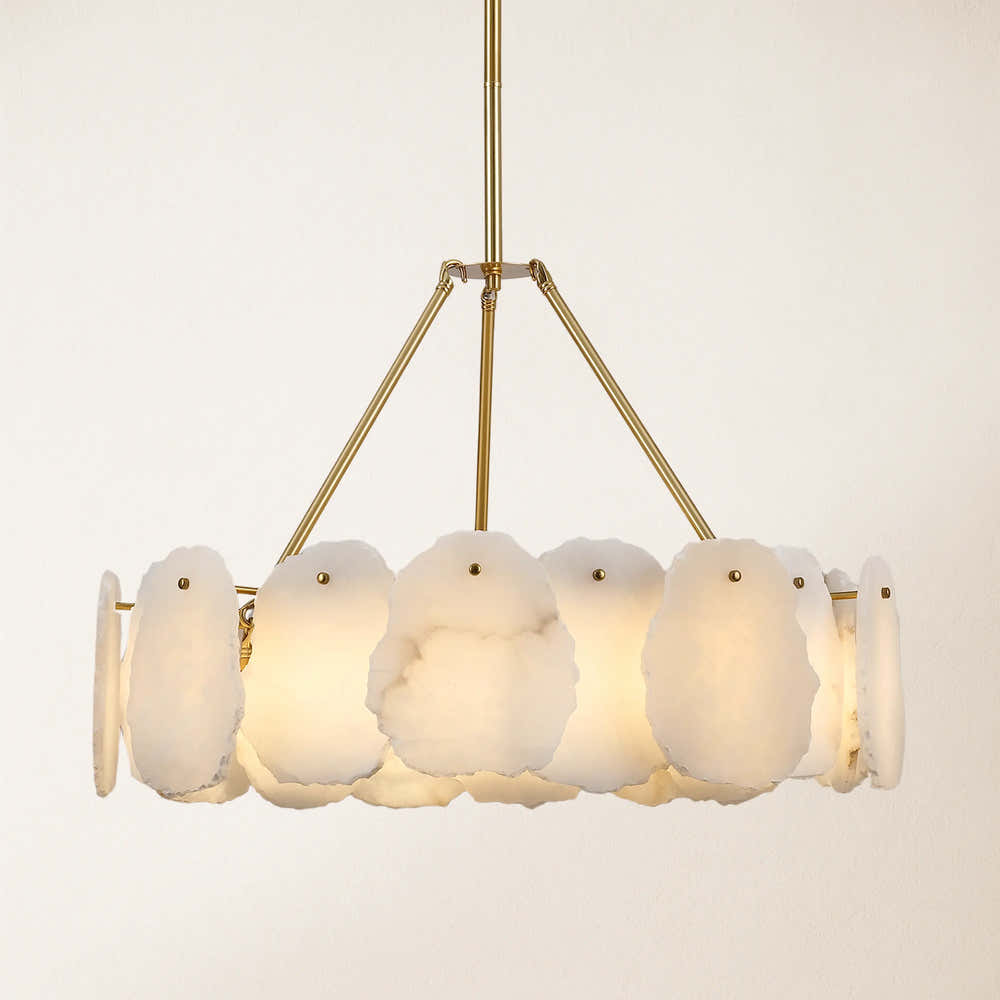


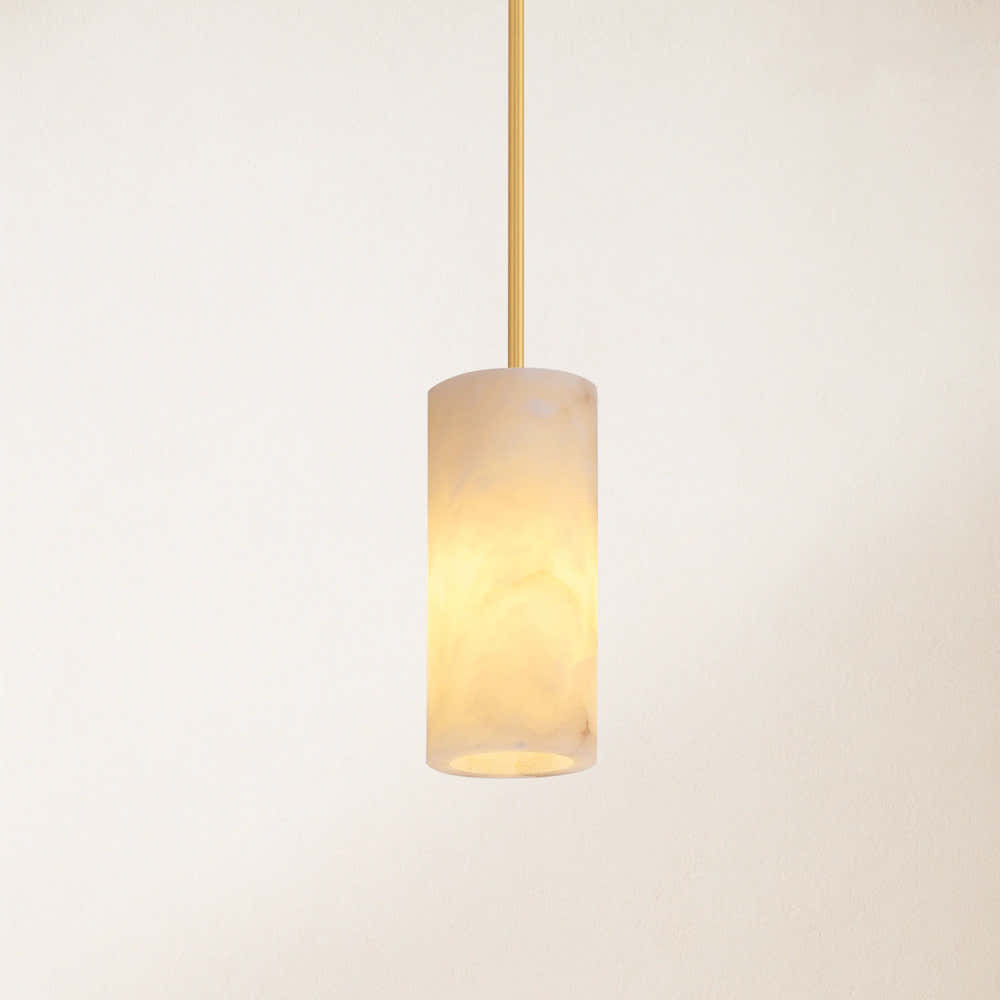
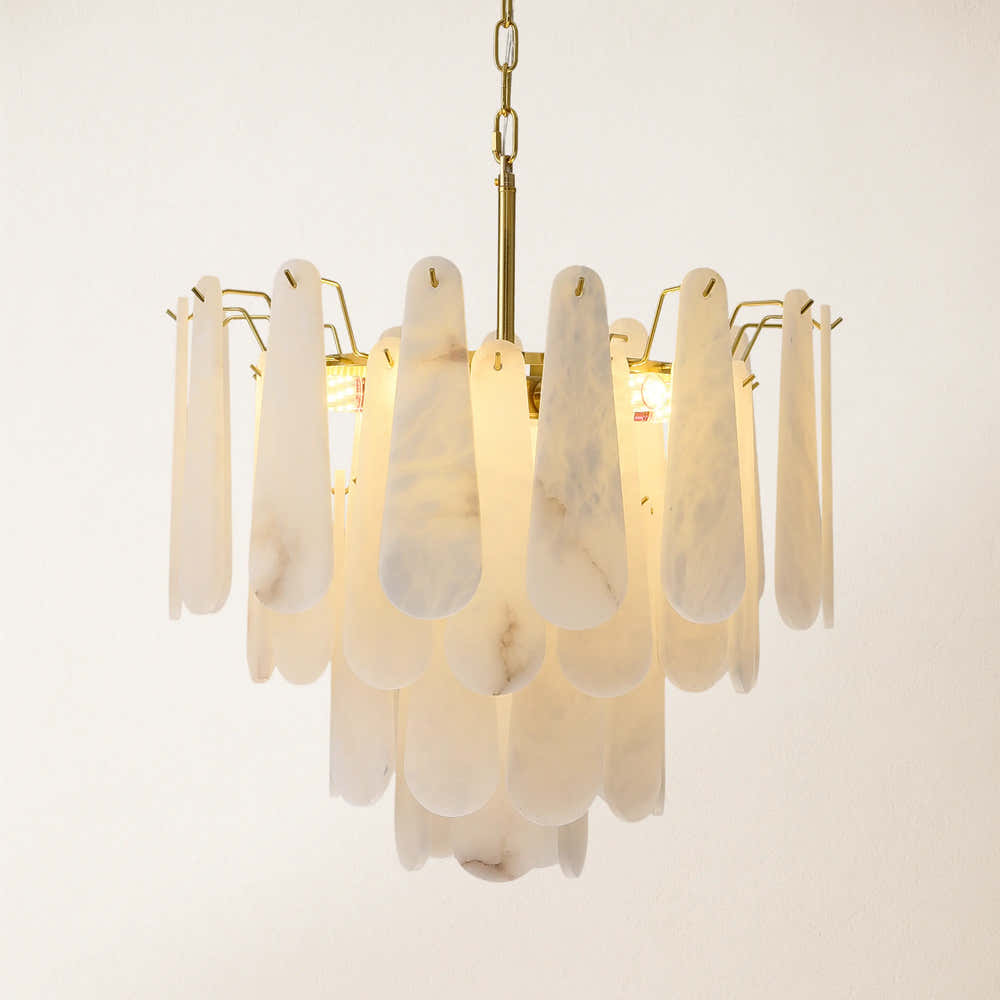
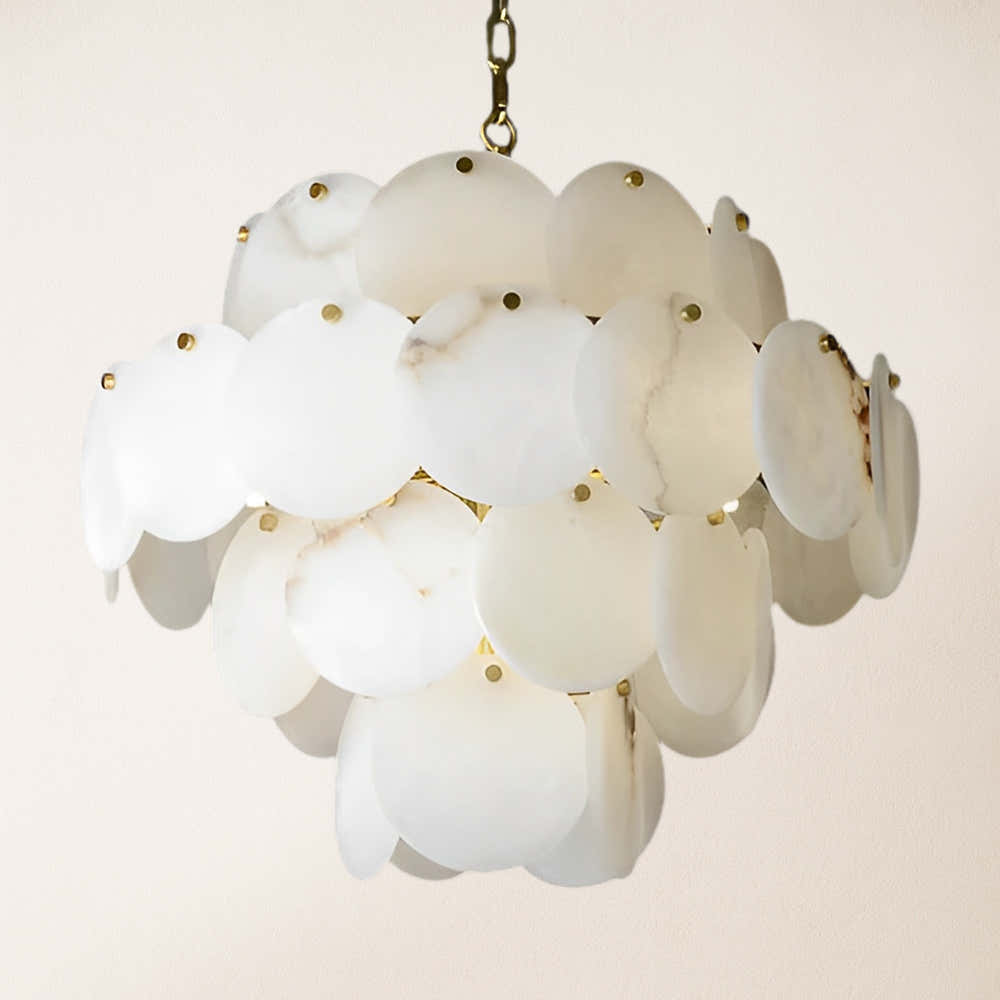
Moira Alabaster Round Chandelier 24"D
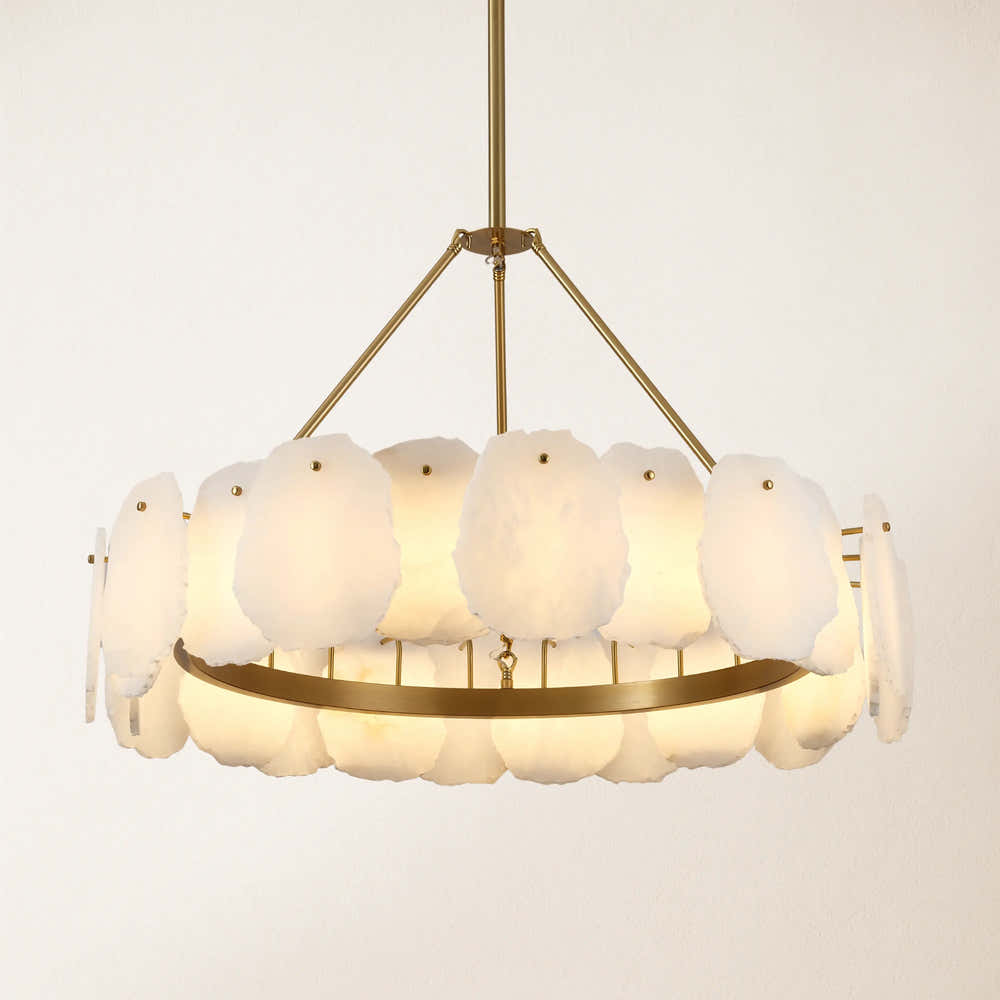


Moira Alabaster Round Chandelier 32"D
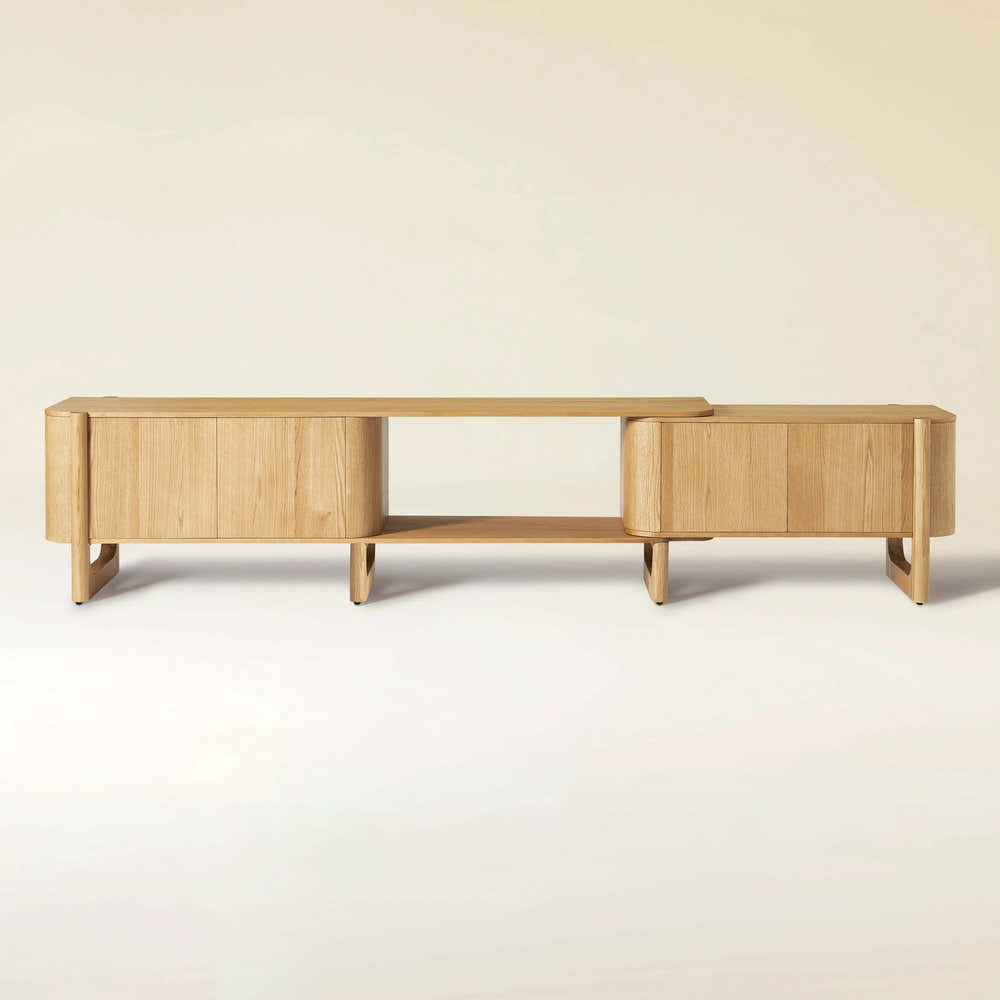
Silas Extendable TV Stand 203cm to 280cm
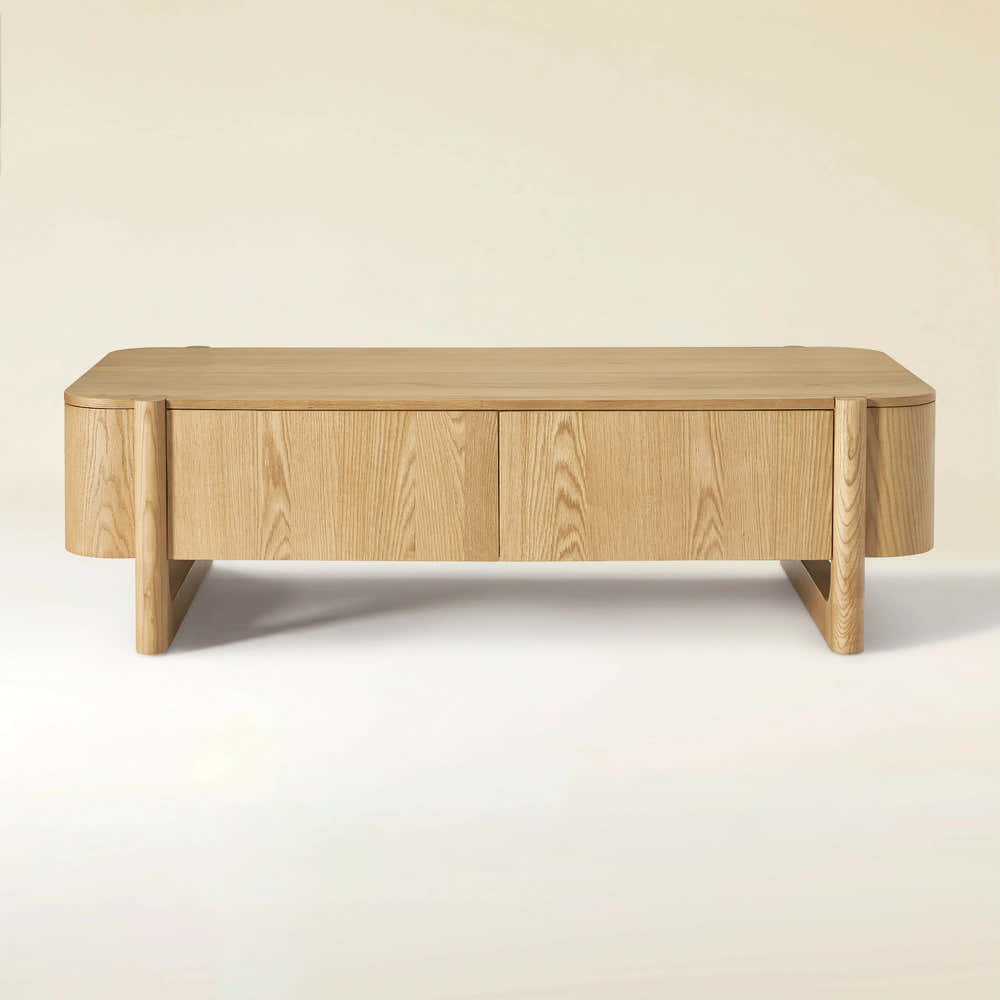
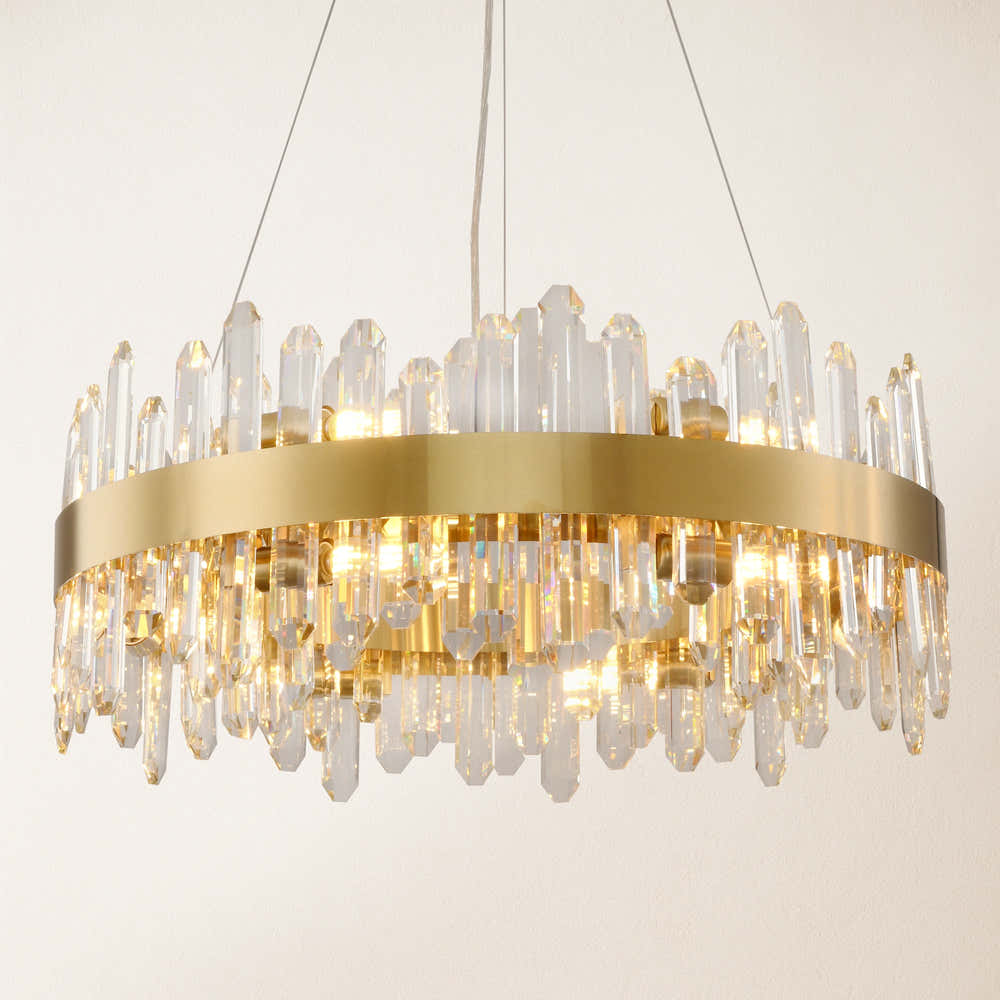
Stellara Crystal Strip Round Chandelier 24"D
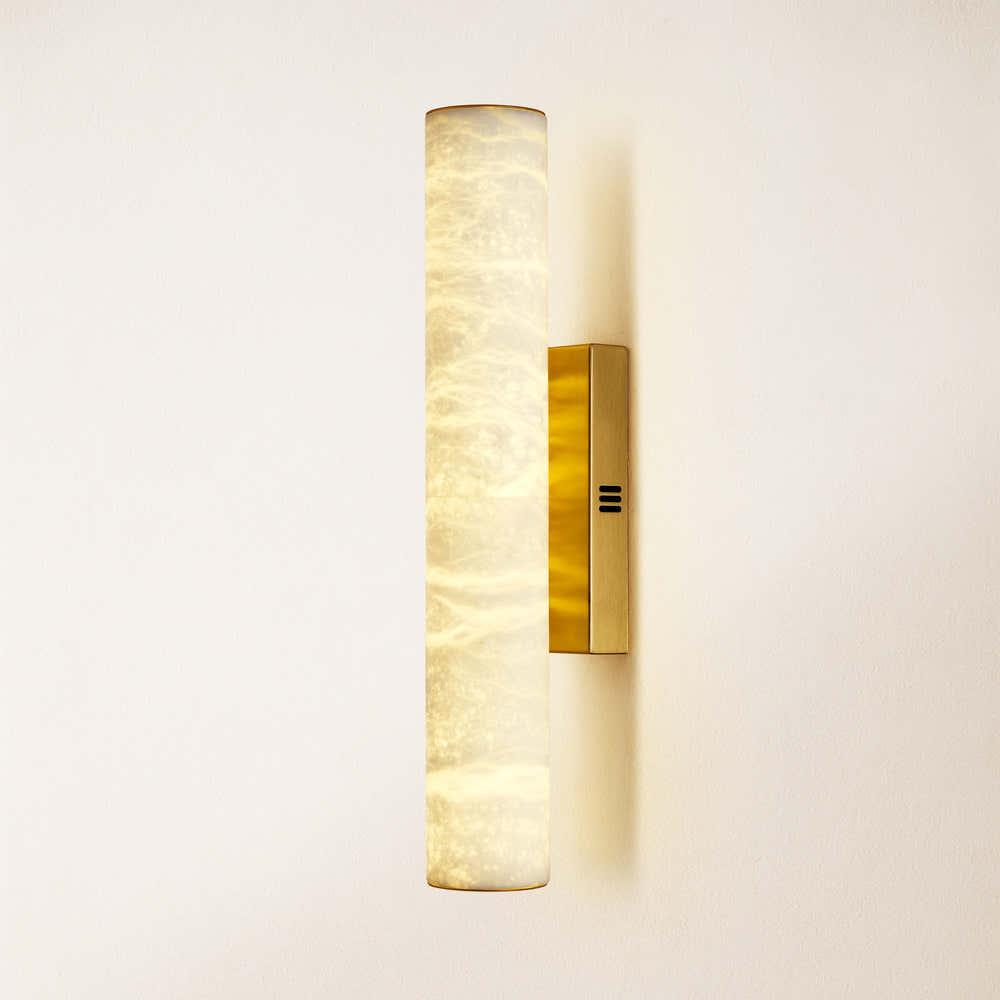


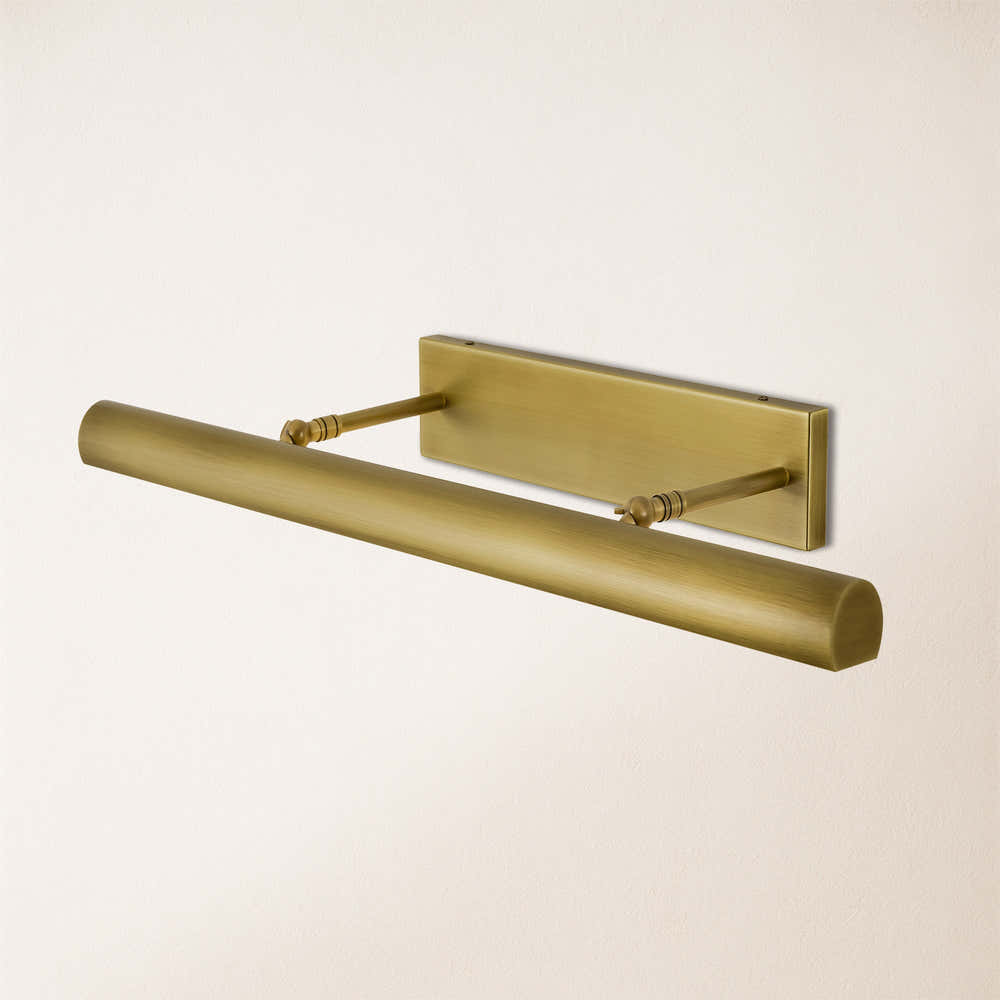
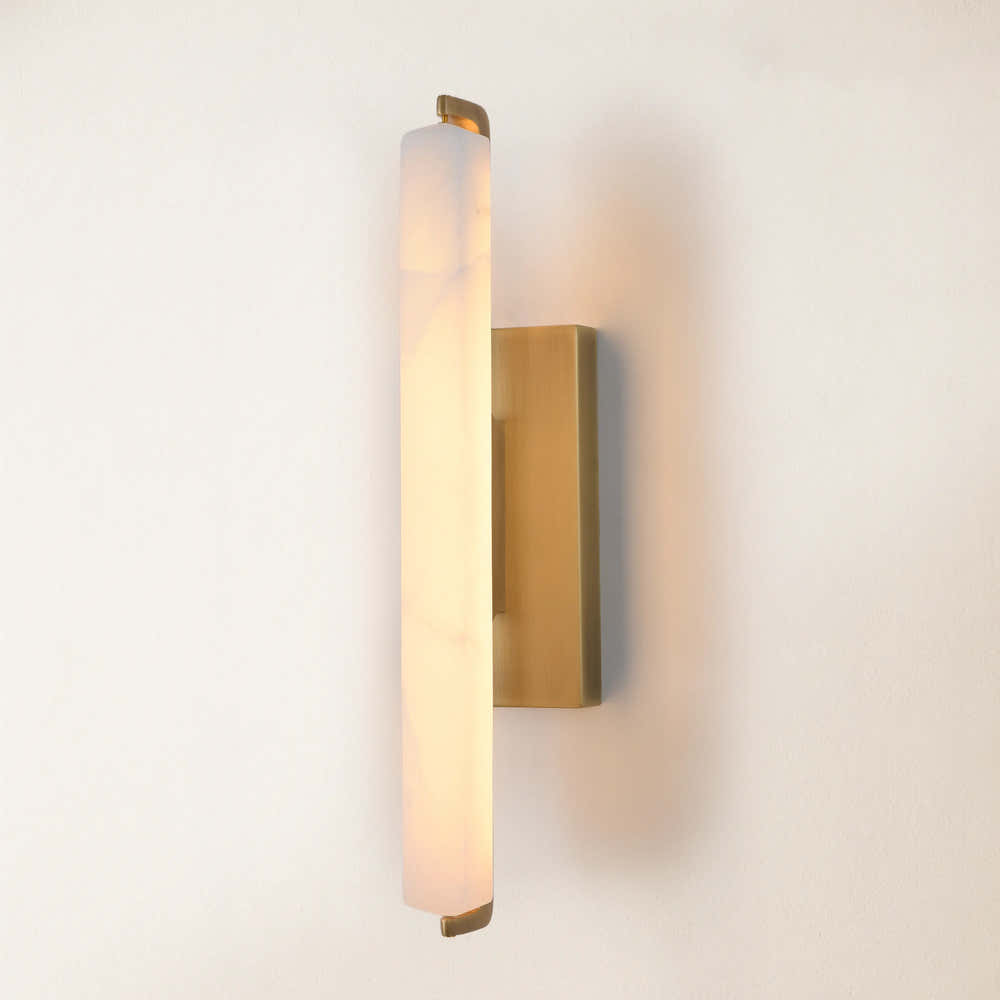
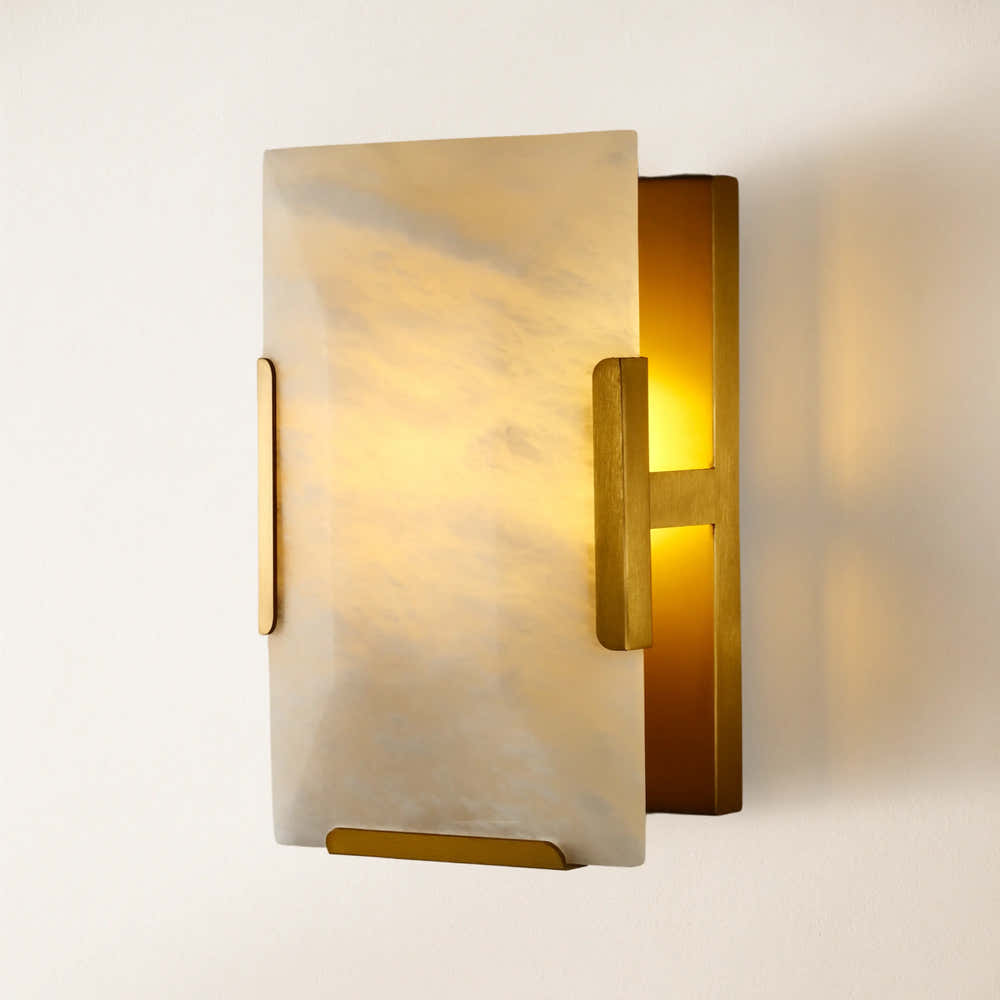
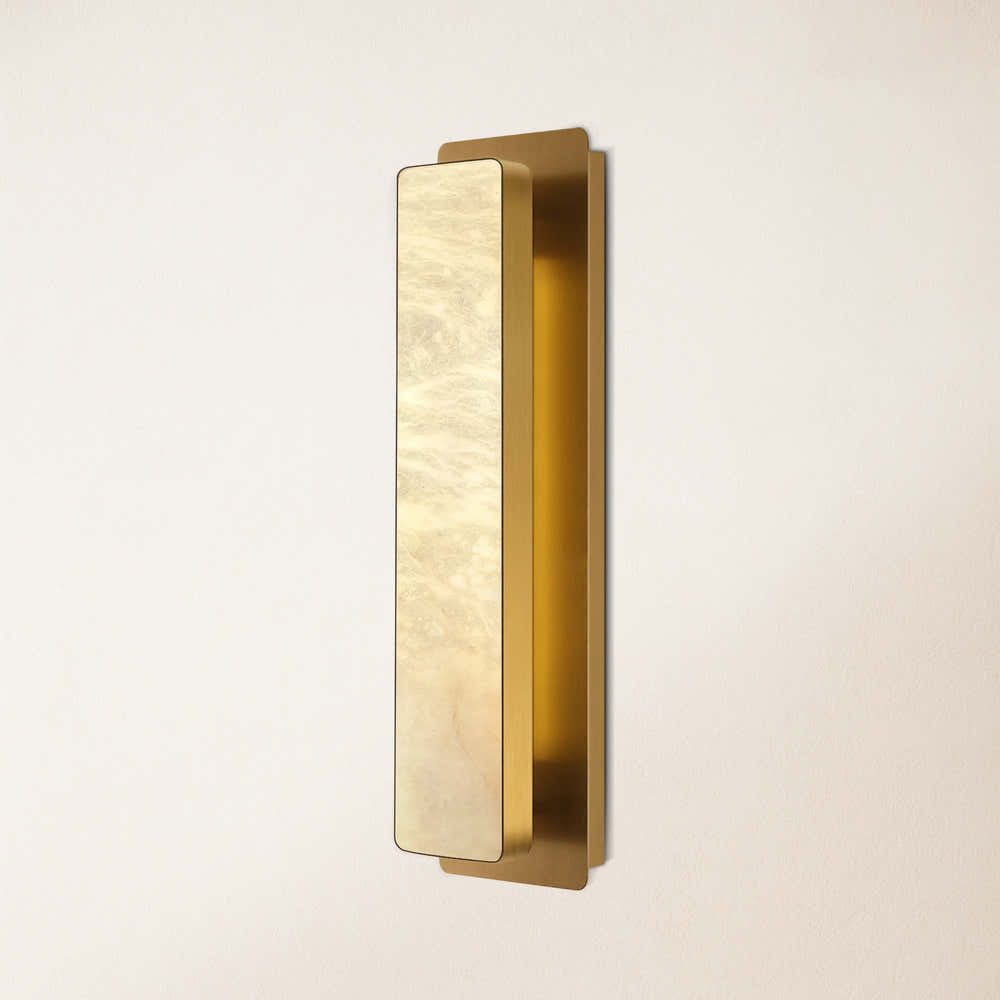
Sylvia Palladian Alabaster Wall Sconce 20"H
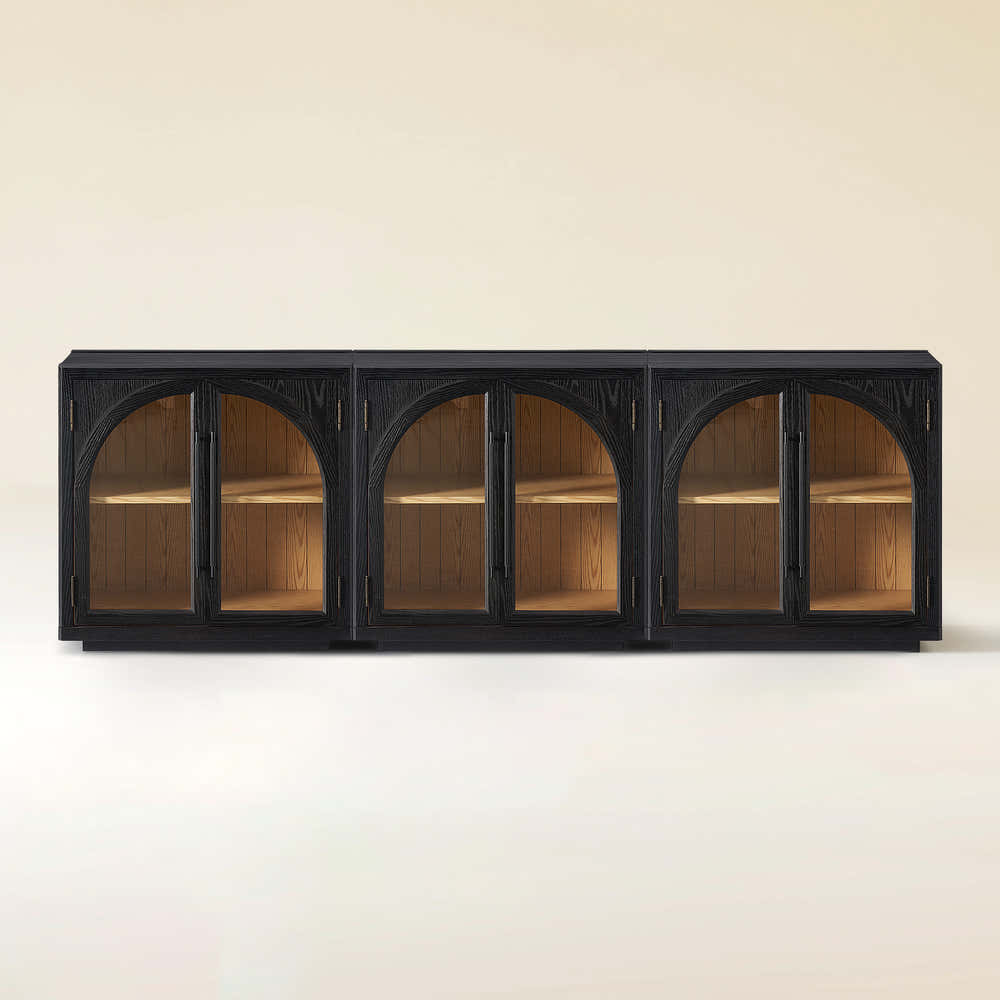


Alvar Arched 91″ Oak Media Console(Set of 3)
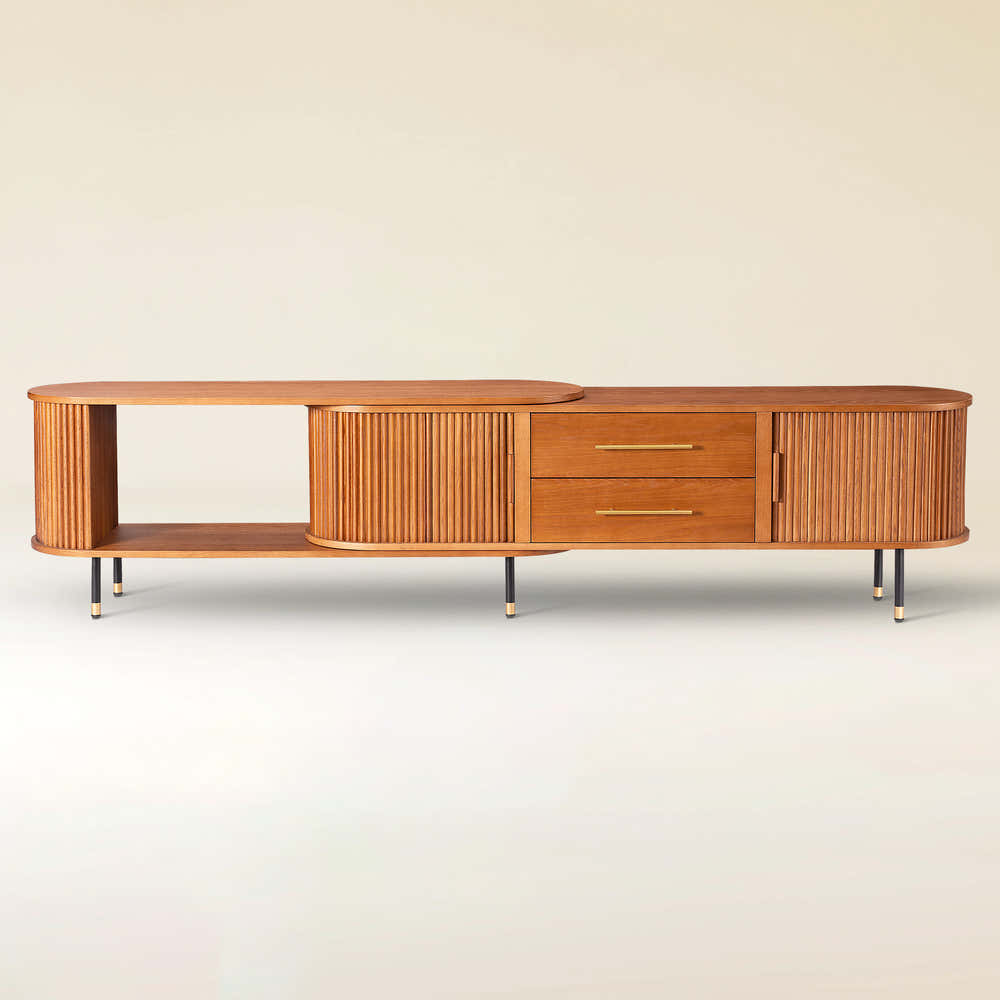
Ewan Oak Extendable Media Console 79" to 110"
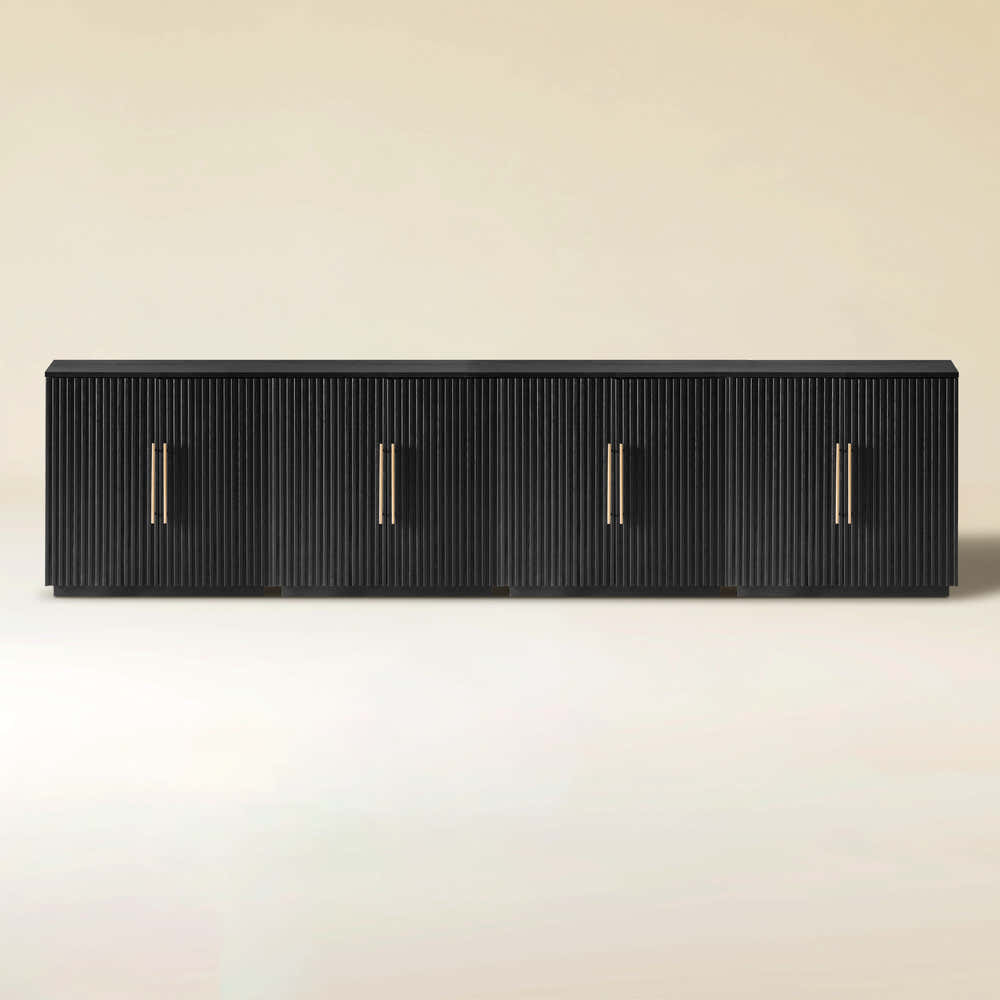


Holt 126″ Solid Oak Console(Set of 4)

FSC FCOC47059 . FSC is dedicated to the promotion of responsible forest management
worldwide. By selecting this product, you help take care of the woorld's forests

UL-certified for indoor drying environments not directly exposed to excessive moisture or water;
Use in the United States and Canada.

Certified to Dry ETL electrical standard: suitable for use indoors in dry locations not directly exposed to excessive moisture and water
Use in the United States

CE-certified drying equipment compliant with electrical standards: Suitable for indoor drying environments not directly exposed to excessive moisture or water;
Tested for use in Europe, the UK, and other regions.


The support center has answers to questions you may have. You can also contact customer service in the support center if you can't find what you're looking for.
Support Center >
At houlte, we are committed to delivering quality, style, and great value to our customers. Our goal is to simplify your shopping experience by providing competitive prices and exceptional service.

If an item you purchased from houlte goes on sale on our website within 30 days of your purchase date, you may request a price match. This policy ensures you always receive the best value when shopping with us.
Houlte reserves the right to interpret and adjust the terms of the Price Match Policy as necessary.
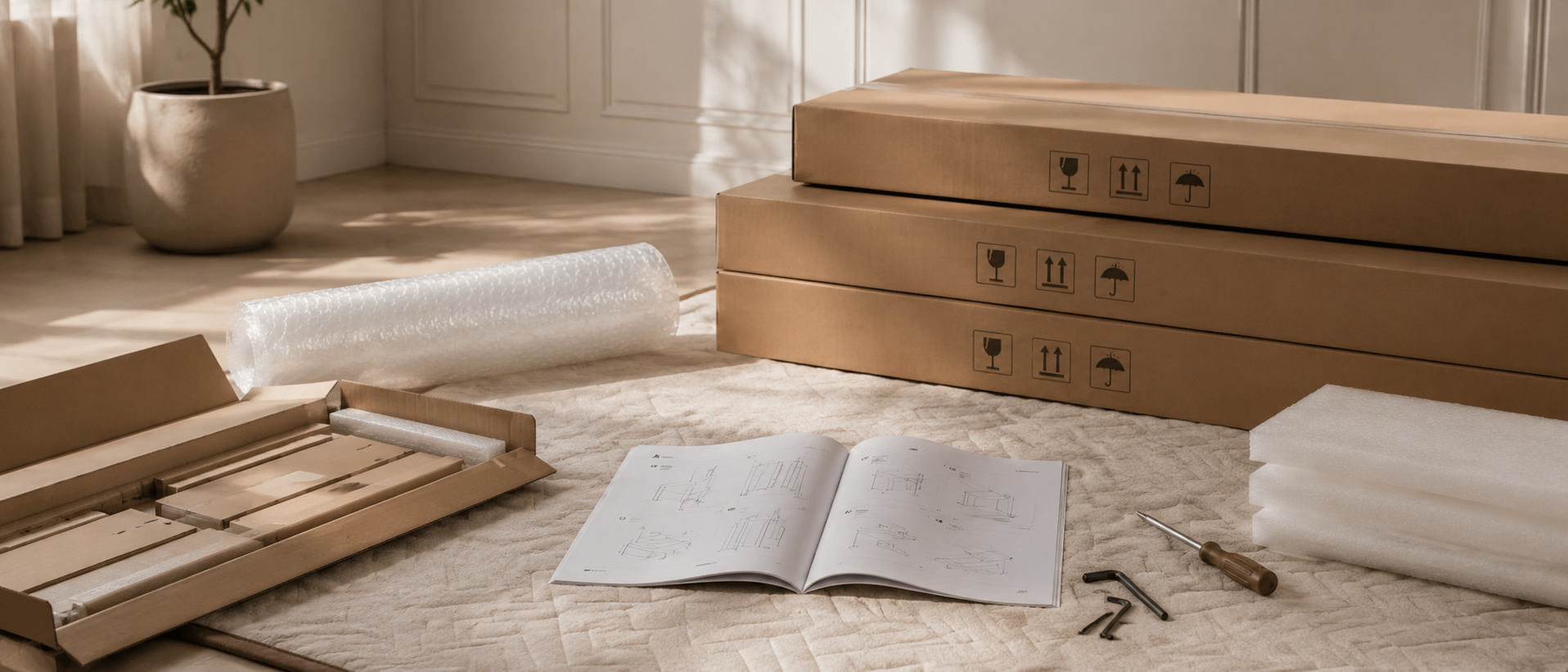
Houlte has partnered with Taskrabbit to make your everyday life at home easier by connecting you with flexible and affordable ways to get your to-do’s done including furniture assembly and mounting.

1. Purchase your furniture at Houlte.
2. Check your order Dispatched and Delivered email and click the
Houlte link. You will be redirected to Taskrabbit's landing page.
3. Post your task on Taskrabbit platform.
4. Pick the best tasker to assemble your furniture.
Houlte has partnered with Taskrabbit to make your everyday life at home easier by connecting you with flexible and affordable ways to get your to-do’s done including furniture assembly and mounting.
Taskrabbit Assembly is available in most metro areas in the US. The availability of Taskers varies based on demand. When placing an order on Taskrabbit, you will need to enter your zip code. If the service is not supported in your area, you will not be able to place an order.
You can book assembly for your Houlte furniture as early as the next day after your delivery, and up to 14 days in advance, giving you flexibility to choose a time that works best for you.

Ready to use out of the box; minimal installation may be required (e.g., handles).

Main structure is pre-built; minor components require attachment (e.g., legs).

Assembly required; multiple parts must be assembled before use.
Our furniture is built with a combination of core boards, real wood veneers, and selected solid wood parts. Each material is used for a different purpose—structure, surface appearance, or visible strength—so the final piece feels balanced in performance, finish, and cost.
Core boards form the internal foundation of the furniture. They provide structure, stability, and efficiency across large surfaces and cabinet bodies.

Stable structural board

Smooth and consistent

Functional internal board
Selected solid wood parts are used where visible strength, tactile quality, and structural integrity matter most—such as legs, frames, trim, and exposed support details.

Durable and classic

Light and versatile

Premium and elevated
When furnishing a living room, people often use the words sofa and couch interchangeably. In everyday conversation, that’s usually fine. But if you’ve ever wondered whether there’s a real difference between the two, the answer is: yes, historically and stylistically there is—though in modern usage, the distinction is often more about tone than strict furniture rules.

Understanding the difference can help you shop more confidently, describe your style more accurately, and choose the right seating for your home. Whether you prefer a refined, formal living room or a relaxed, family-friendly space, knowing how these terms are used can make your furniture decisions feel much more intentional.
The difference between a sofa and a couch starts with language.
The word sofa traces back to the Arabic ṣuffa, referring to a raised platform or bench covered with cushions and carpets. Over time, the word entered European languages and came to describe a more structured upholstered seat designed for sitting.
That origin helps explain why the word “sofa” often feels a bit more polished or formal today. It suggests something designed not just for comfort, but also for presentation, structure, and style.
The word couch comes from the French verb coucher, meaning to lie down. Historically, the word was more closely associated with reclining or lounging rather than formal sitting.
That background still influences how many people use the term now. “Couch” often sounds more casual, relaxed, and everyday—something you sink into after work rather than something you describe in a formal design consultation.
In modern furniture language, a sofa usually refers to a long upholstered seat designed for two or more people, often with a defined back, arms, and a more intentional silhouette.
A sofa is generally associated with:
While sofas can absolutely be comfortable and cozy, the term often implies a more considered or design-forward piece.
There are many types of sofas, each suited to different spaces and lifestyles.
A standard sofa is the classic three-seat design most people picture first. It works well in living rooms, apartments, and family spaces, offering a versatile balance of comfort and form.
A chaise sofa includes an extended seat section that supports the legs, making it ideal for lounging. This style works especially well for people who like to stretch out while reading, watching TV, or relaxing at the end of the day.
A corner sofa is designed to fit into an L-shaped or sectional arrangement, maximizing seating while helping define the room layout. It’s especially useful in open-plan homes or larger family rooms.
A sofa bed combines seating and sleeping functionality in one piece, making it a practical solution for guest rooms, studios, and multifunctional spaces.
A loveseat is a smaller two-person sofa, ideal for compact rooms, bedrooms, reading corners, or as a complement to a larger seating arrangement.
A Chesterfield is one of the most recognizable traditional sofa styles, known for its rolled arms, tufted upholstery, and classic, tailored appearance. It is often associated with formal interiors and timeless design.
Today, a couch generally refers to the same basic category of furniture as a sofa: an upholstered seat for multiple people. The key difference is often in connotation rather than construction.
When people say “couch,” they often mean a seating piece that feels:
In many homes, the word couch is used for nearly any upholstered living room seating, whether it is technically a sectional, a recliner sofa, or a standard three-seater.
So while there may once have been a clearer distinction, modern usage has blurred the line significantly. In retail, “sofa” is more common. In conversation, “couch” is often more natural.
Although the terms overlap heavily today, there are still a few useful distinctions.
A sofa often suggests a more refined or structured design, while couch tends to suggest a more relaxed lounging piece.
For example:
This is not a strict rule, but it is a common pattern in how people speak.
The word sofa is more often associated with:
The word couch is more often associated with:
Again, both words may refer to the exact same furniture piece. The difference is usually about context and tone.
This is the biggest distinction in modern English.
That’s why you’re more likely to see furniture brands use the word sofa in product names, while customers often search or speak using the word couch.
When shopping for living room furniture, what matters most is not the label—it’s how the piece fits your space, your routine, and your design preferences.
In practical terms, not much. Most of the time, sofa and couch refer to the same category of furniture.
What matters more is:
Still, the label can shape expectations. If a product is called a sofa, shoppers may expect a slightly more elevated or design-forward look. If they call it a couch, they may imagine something easygoing and cozy.
Ask yourself:
For homes that prioritize flexibility, sectionals and modular sofas are often ideal. For smaller rooms, loveseats and compact sofas can offer style without overwhelming the space. For casual comfort, deeper seats and softer profiles may feel more “couch-like,” even if the product is still sold as a sofa.
The best seating choice is one that matches how you actually live.
If you host often, a structured sofa with a clean silhouette may help your space feel more polished and welcoming. If your living room is where everyone gathers to relax, nap, and watch movies, a softer and more lounge-oriented design may be the better fit.
Think about:
Furniture should support your routines, not just your floor plan.
As homeowners become more conscious of environmental impact, sustainability is playing a much bigger role in seating furniture.
Modern sofas and couches are increasingly being made with:
Durability is also part of sustainability. A well-made sofa that lasts for years is often the more responsible choice compared to trend-driven furniture that needs to be replaced quickly.
Some of the biggest sustainability-related trends in current seating design include:
This shift means that modern seating is increasingly expected to do more: look beautiful, feel comfortable, and support a more thoughtful way of living.
Comfort is no longer the only priority. Technology is also becoming part of modern seating design.
Today’s higher-end seating may include features such as:
As design evolves, seating is becoming more personalized. The modern sofa is no longer just a static object—it’s increasingly a comfort hub designed around how people relax, recharge, and live at home.
In the United States, couch is often used more casually in everyday speech, while sofa is more common in retail, design, and product naming. The difference is largely cultural and stylistic rather than technical.
Use sofa when you want a more polished, formal, or design-oriented tone. Use couch when speaking casually or describing a relaxed living room piece. In most situations, either word will be understood.
A sofa is typically a long upholstered seat designed for two or more people, usually with arms, a back, and a more defined structure. It may come in forms such as a standard sofa, sectional, loveseat, chaise sofa, or sofa bed.
Current trends include:
The strongest trend is the balance of comfort, flexibility, and elevated design.
Modern sofas are increasingly incorporating technology through power recline functions, adjustable support features, built-in charging, modular smart convenience, and other user-friendly comfort upgrades that make everyday lounging more personalized.
So, what’s the real difference between a sofa and a couch?
Historically, they come from different words and carried slightly different meanings. A sofa was more structured and formal; a couch was more associated with lying down and casual comfort. But in modern usage, the two are often interchangeable.
What matters most is not whether you call it a sofa or a couch—it’s whether it fits your home, your habits, and your idea of comfort.
The right piece should support your lifestyle, elevate your space, and feel good to come home to every day.


Share:
How Tall Should a Nightstand Be Compared to Your Bed?
The Ultimate Guide to Choosing the Right Nightstand Height