


















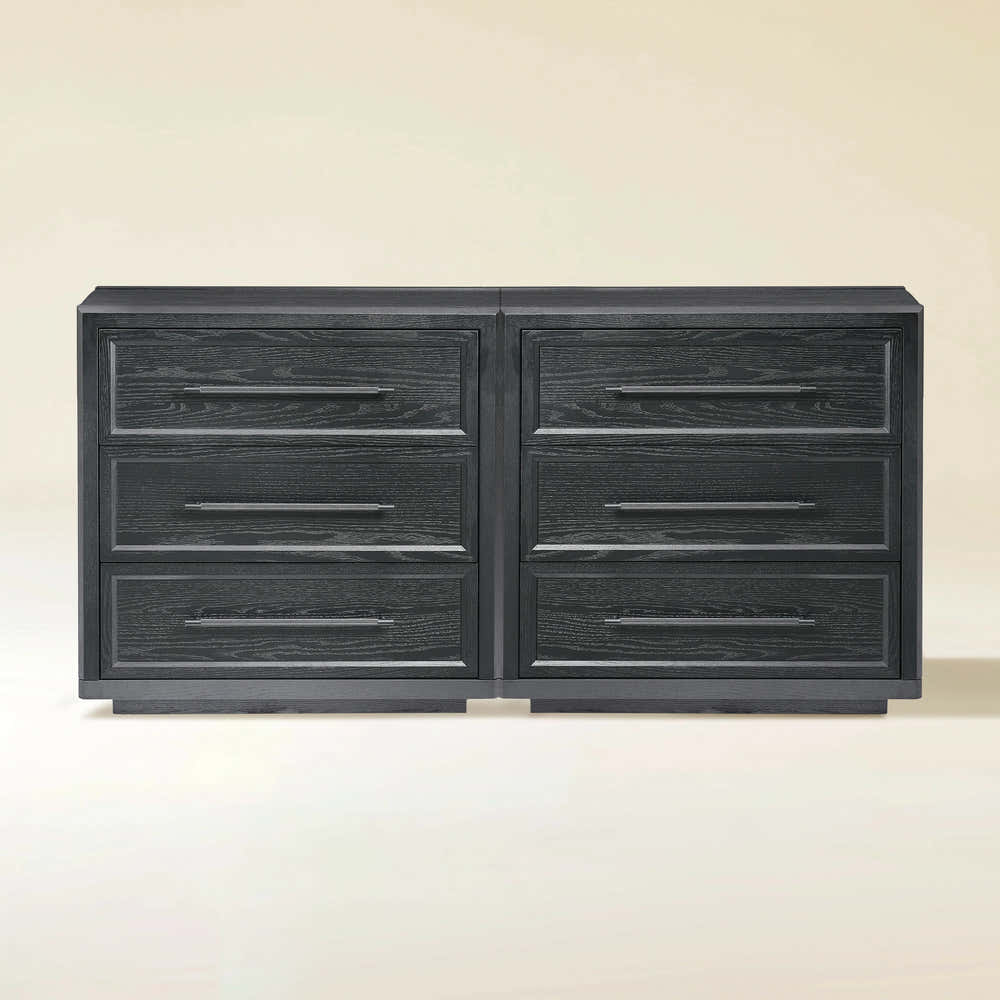


Alvar 61″ Oak 6-Drawer Chest(Set of 2)

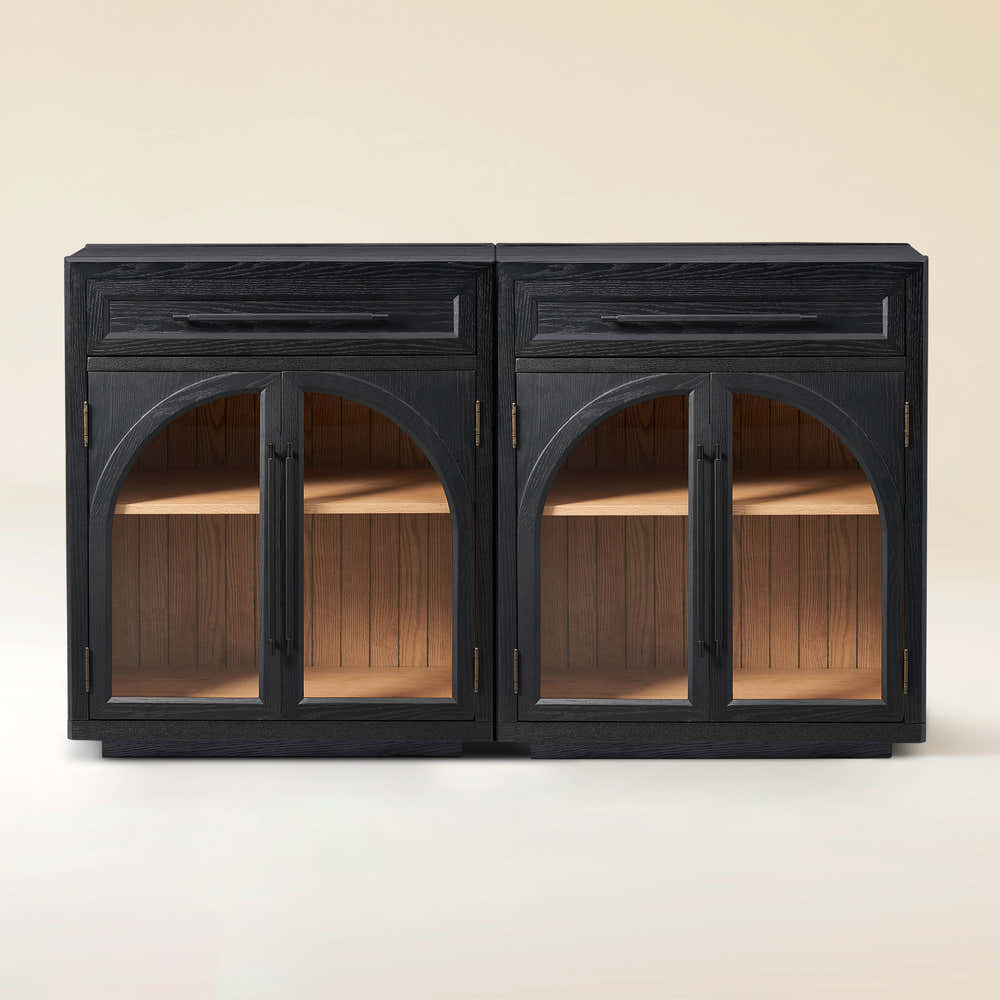


Alvar Arched 61" Oak Sideboard with Drawers(Set of 2)
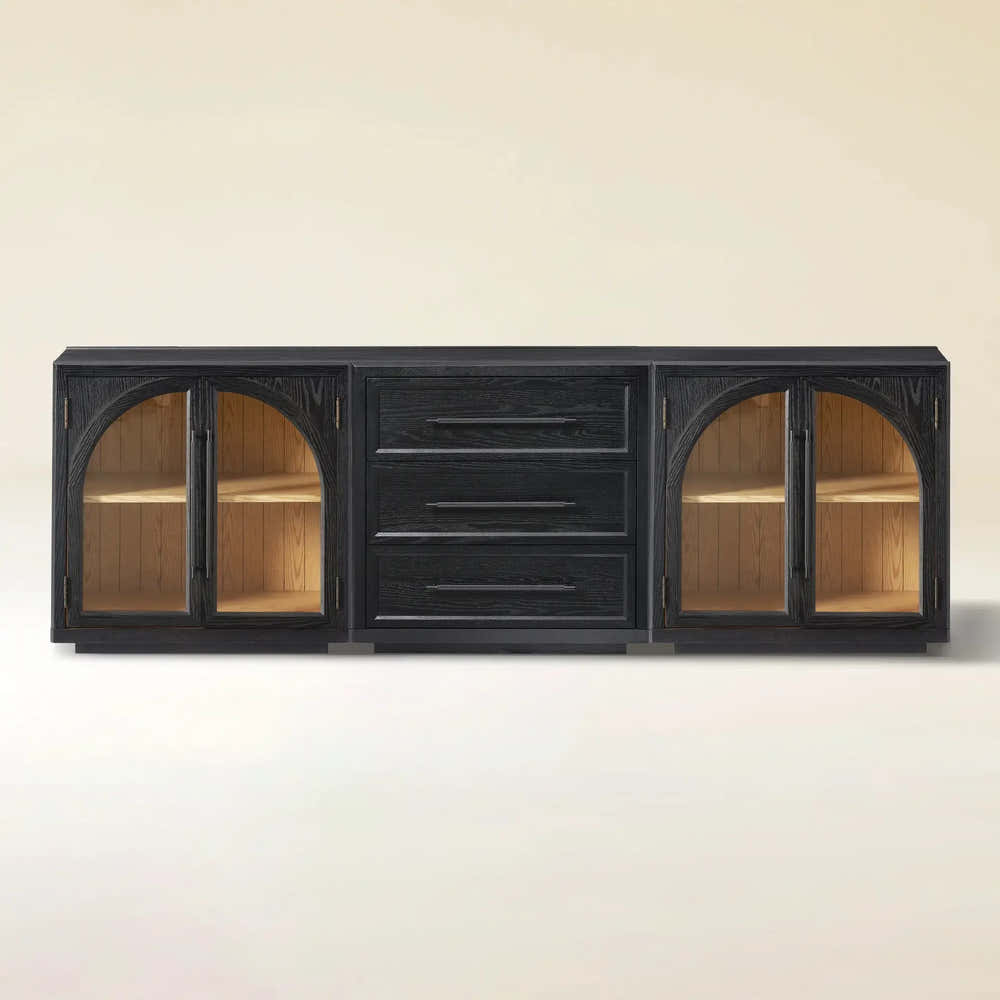


Alvar Arched 91″ Oak Modular Media Console(Set of 3)
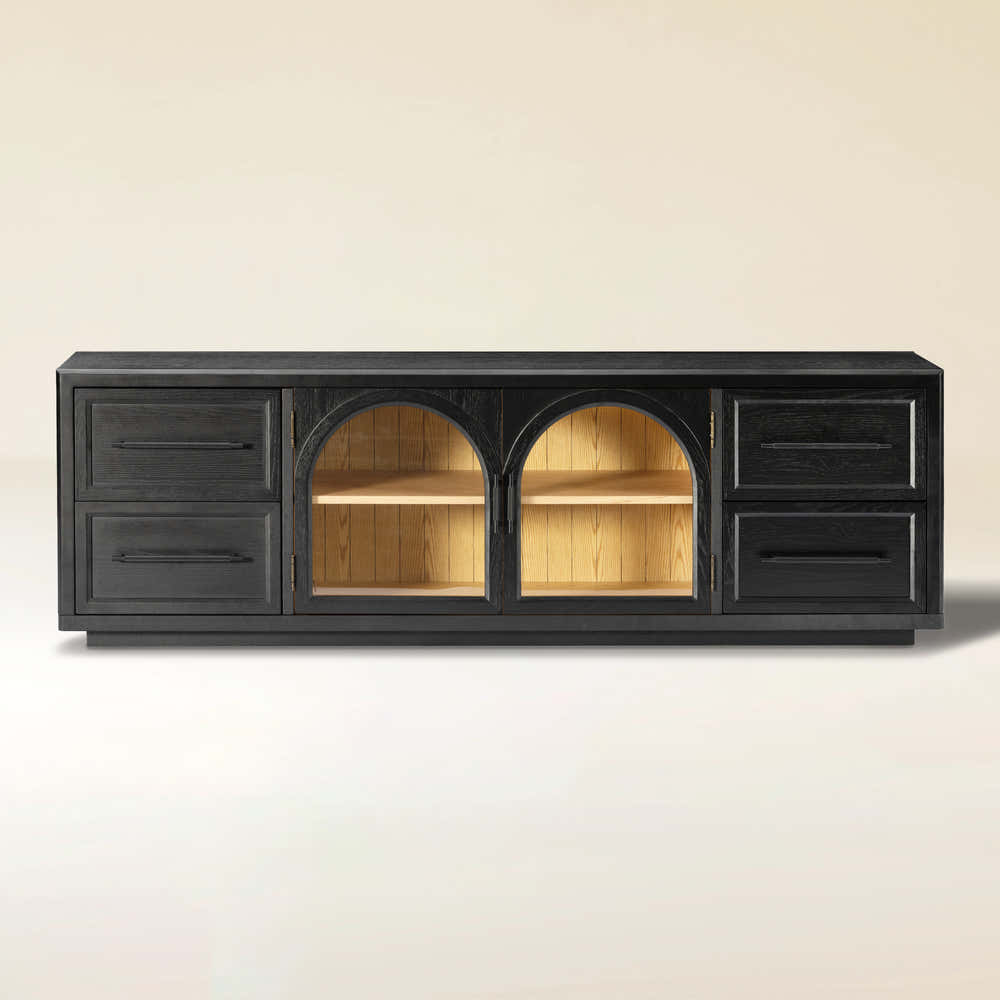
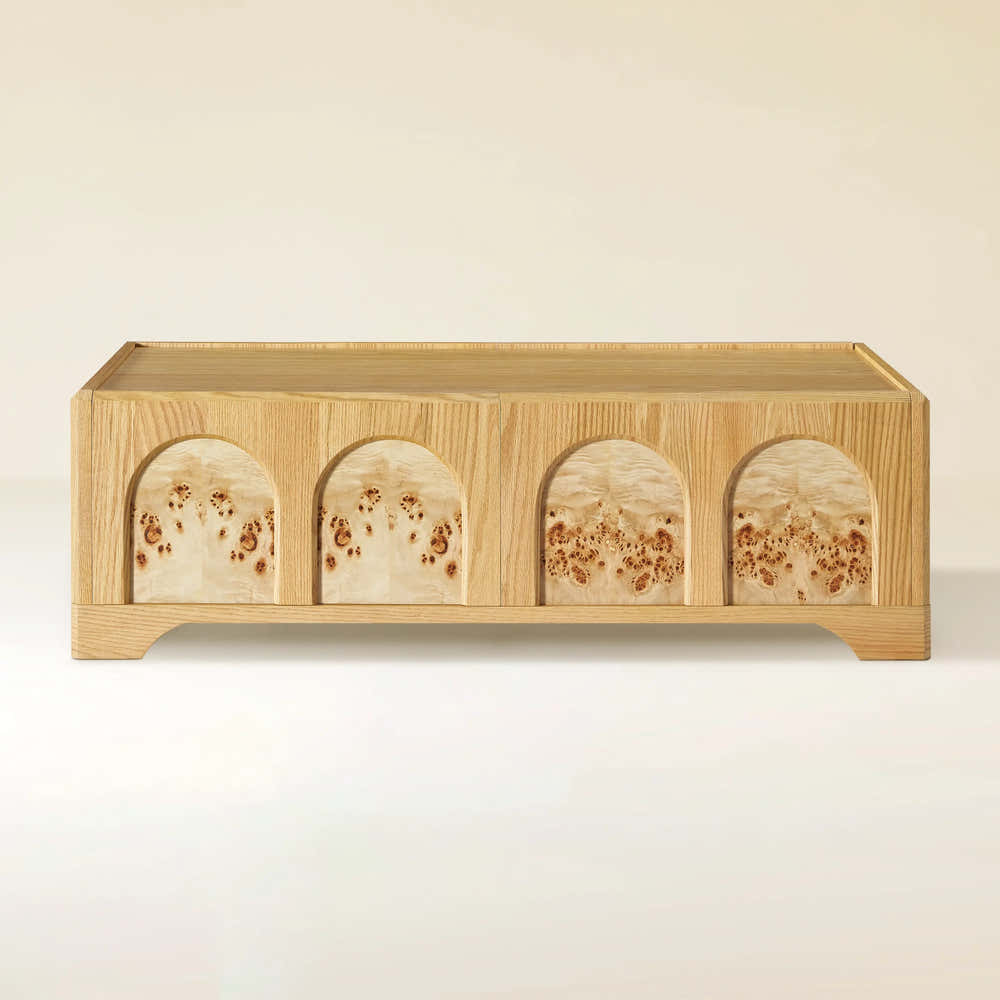
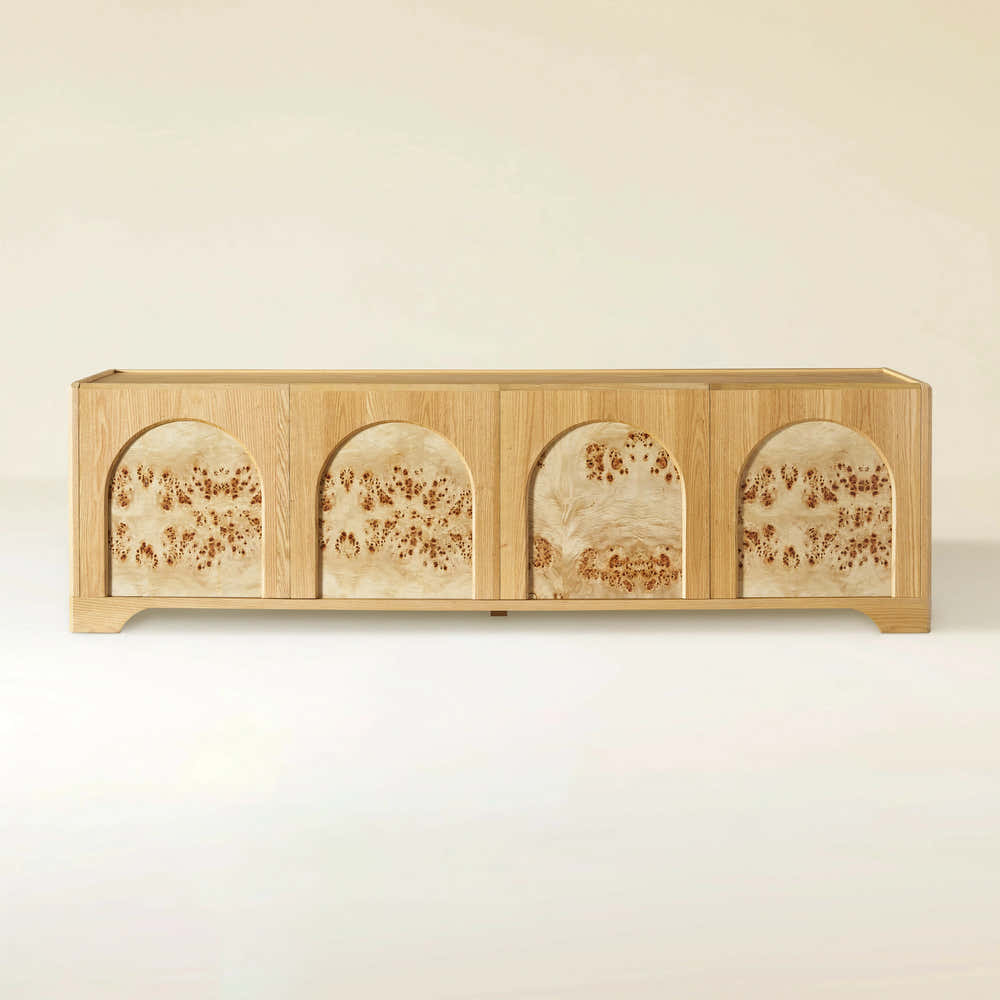
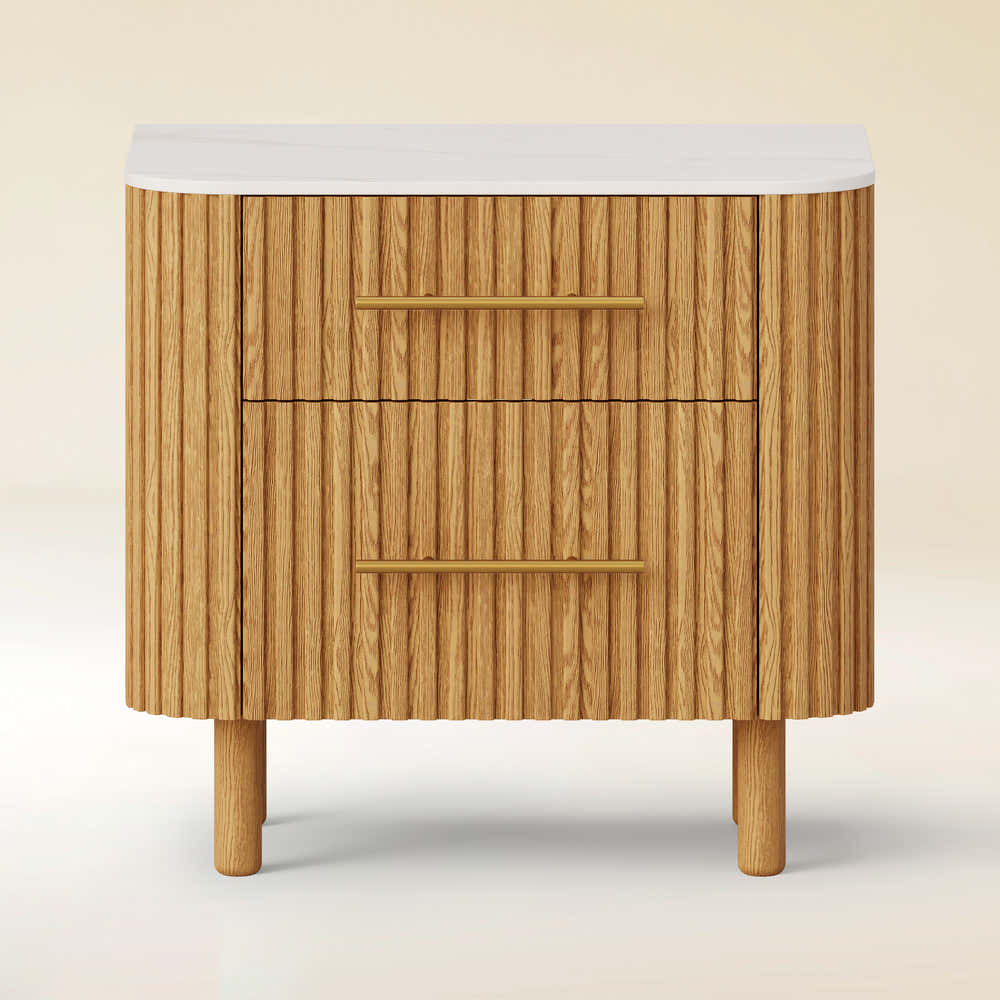
Charlie Sintered Stone Nightstand 26" W
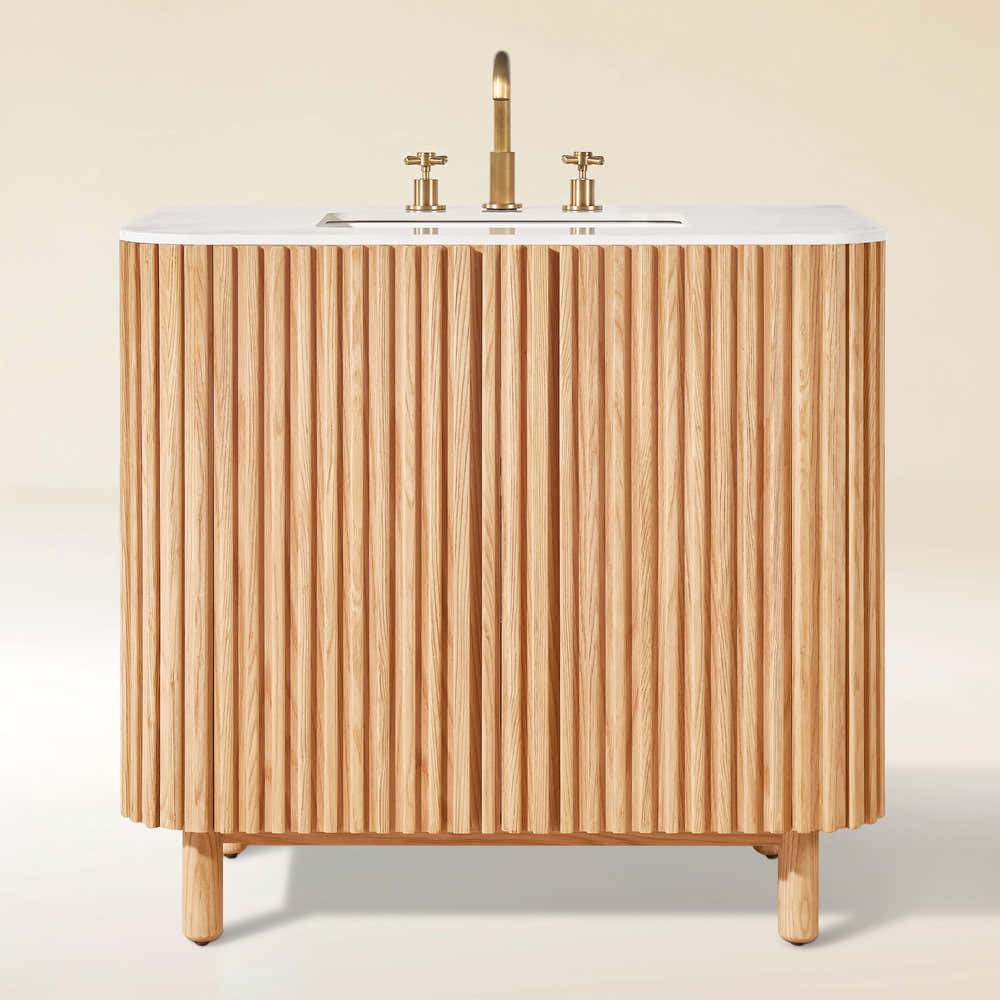

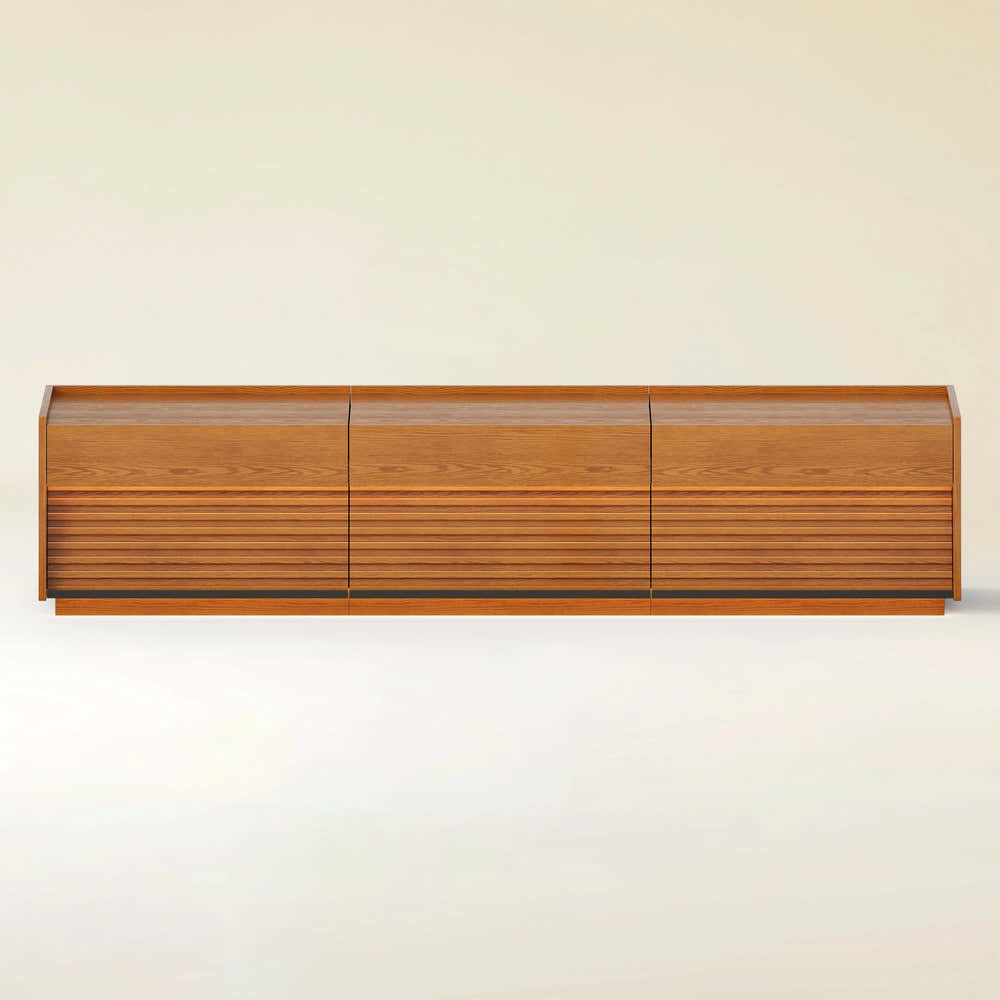
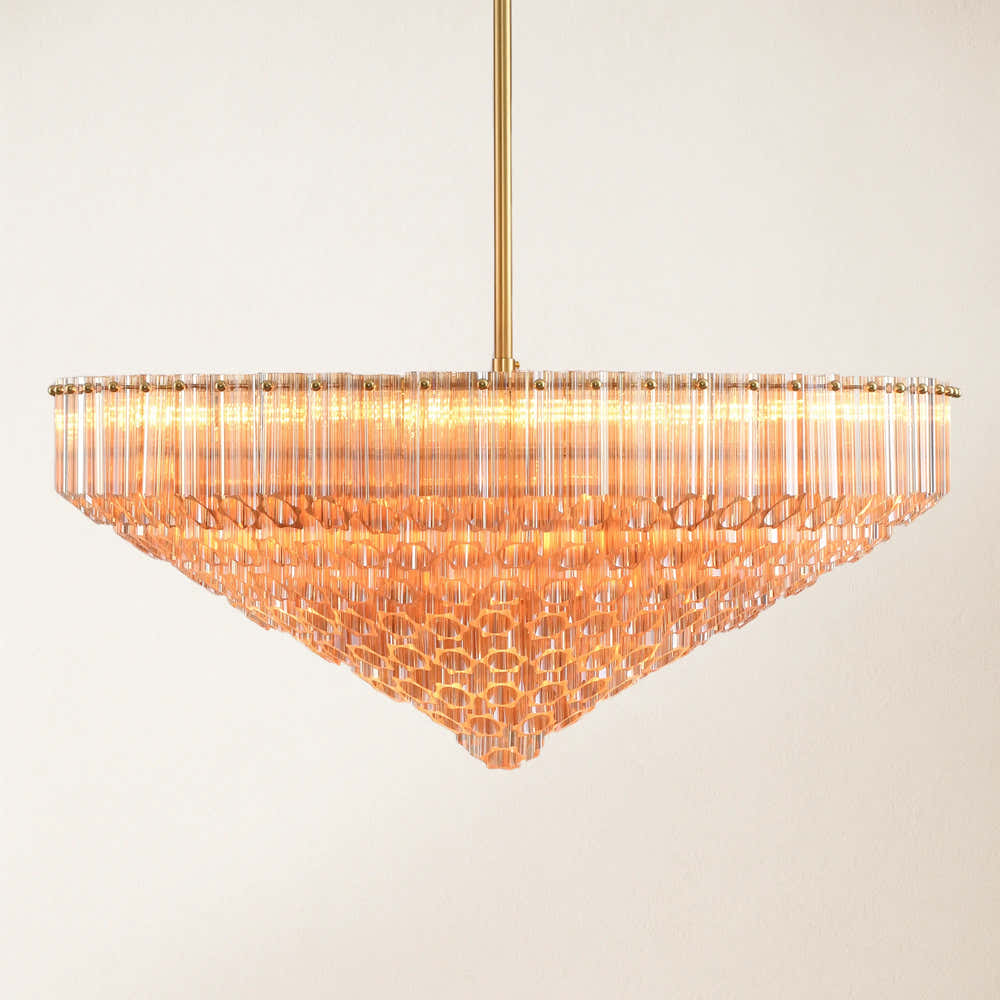


Ethereal Crystal Radiance Round Chandelier 30"D


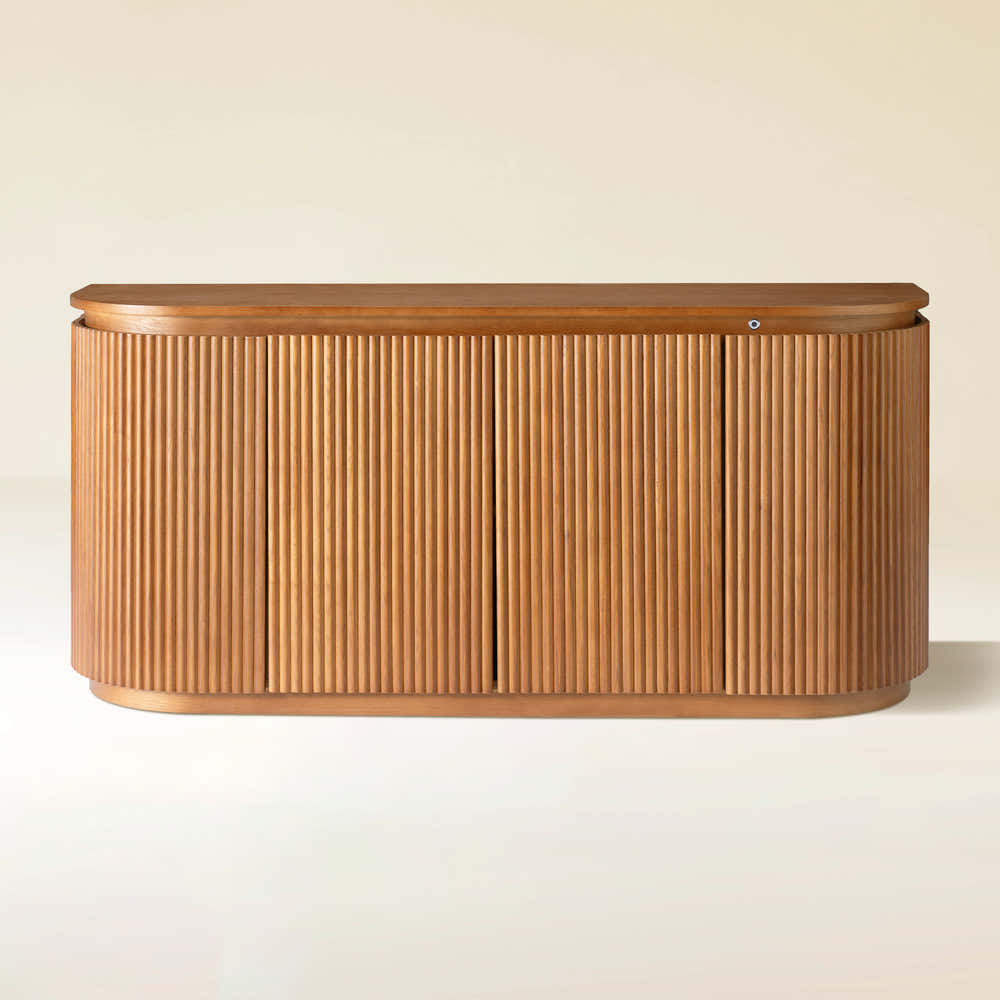
Ewan 63" Oak Slatted Sideboard Buffet Cabinet
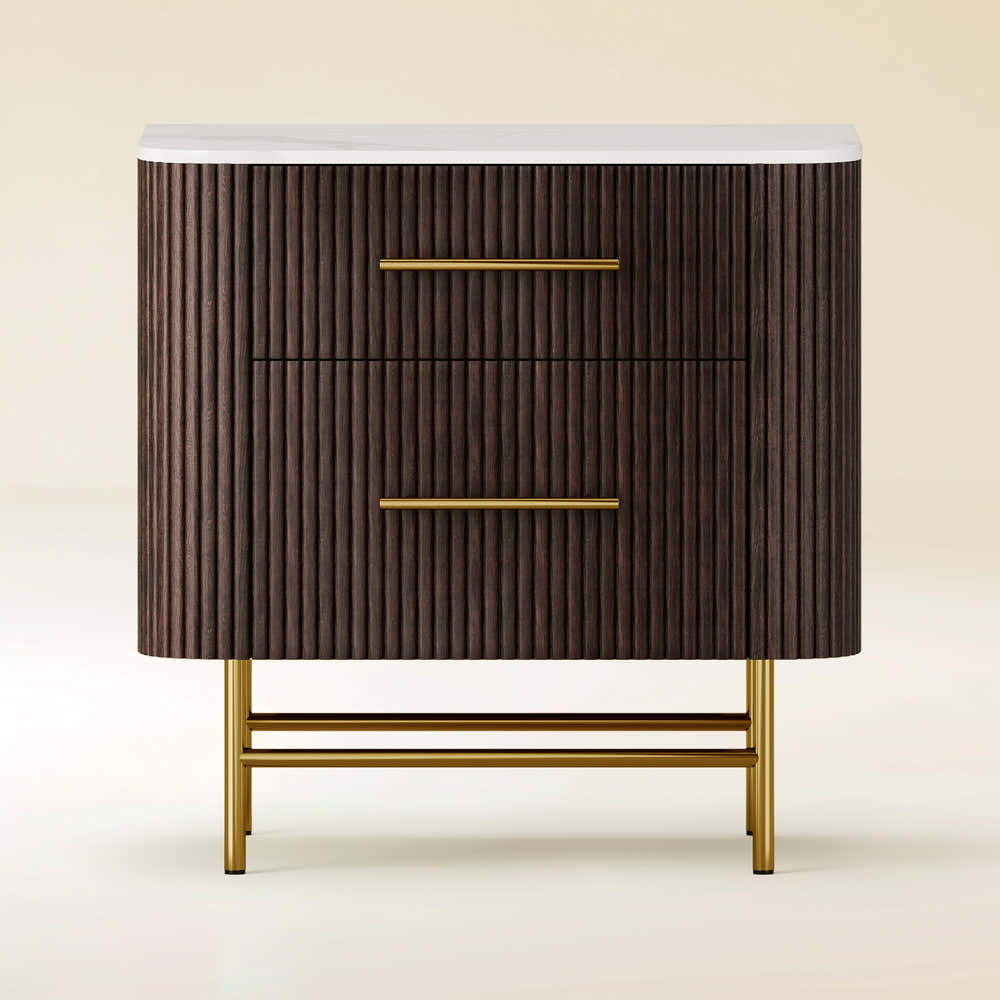


Ewan Sintered Stone Nightstand 26"W
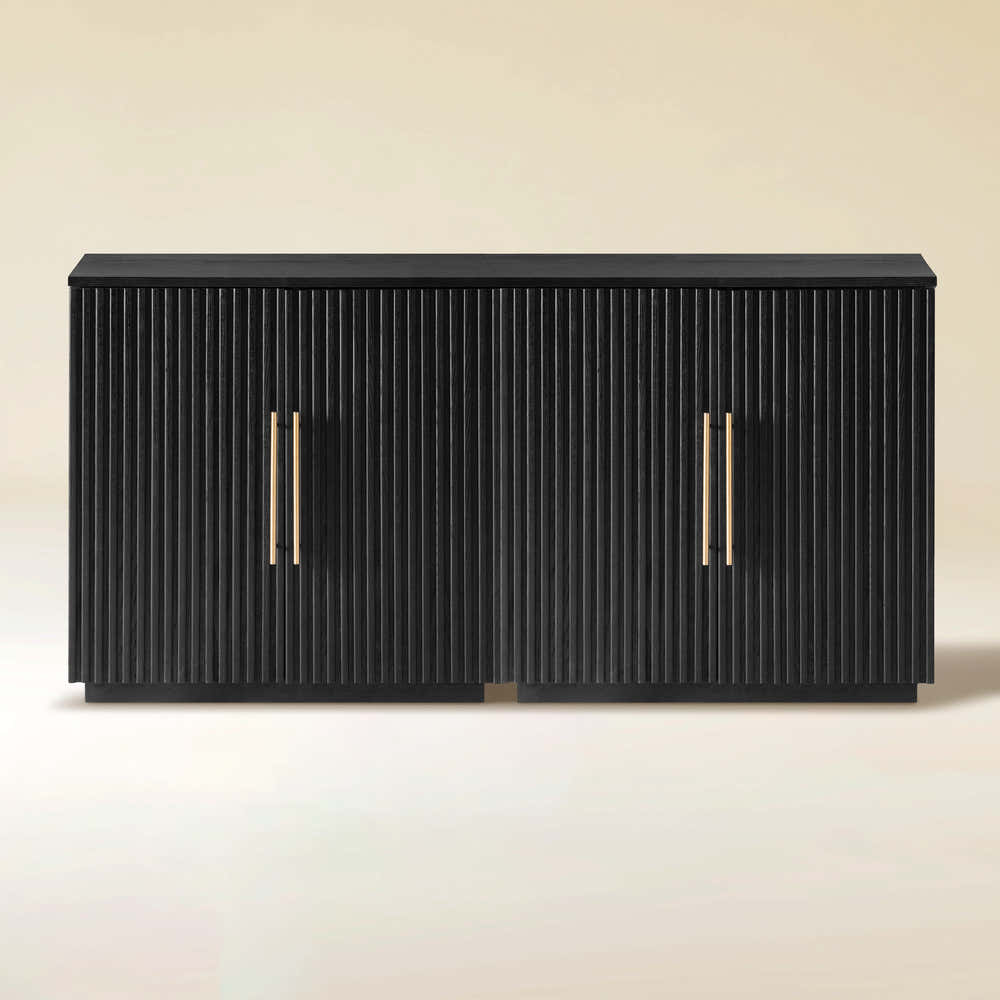


Holt 63″ Solid Oak Console(Set of 2)
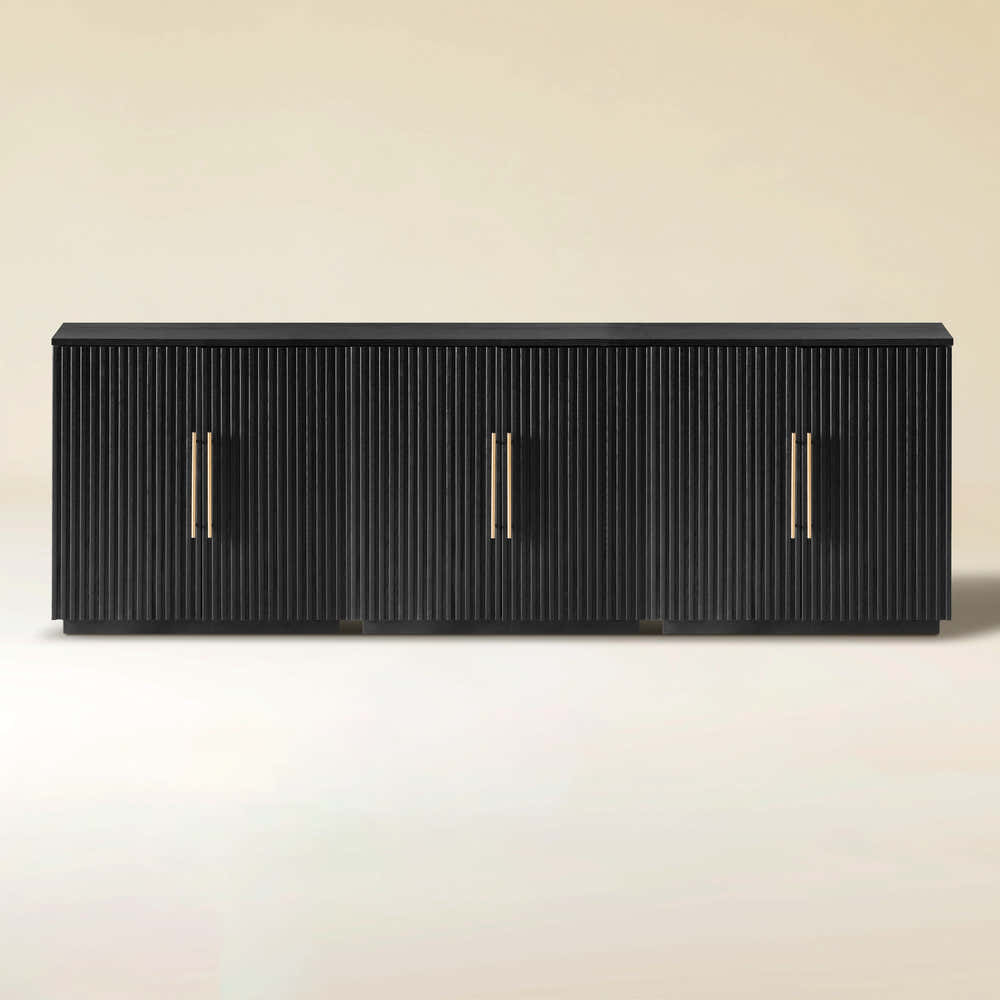


Holt 95″ Solid Oak Console(Set of 3)
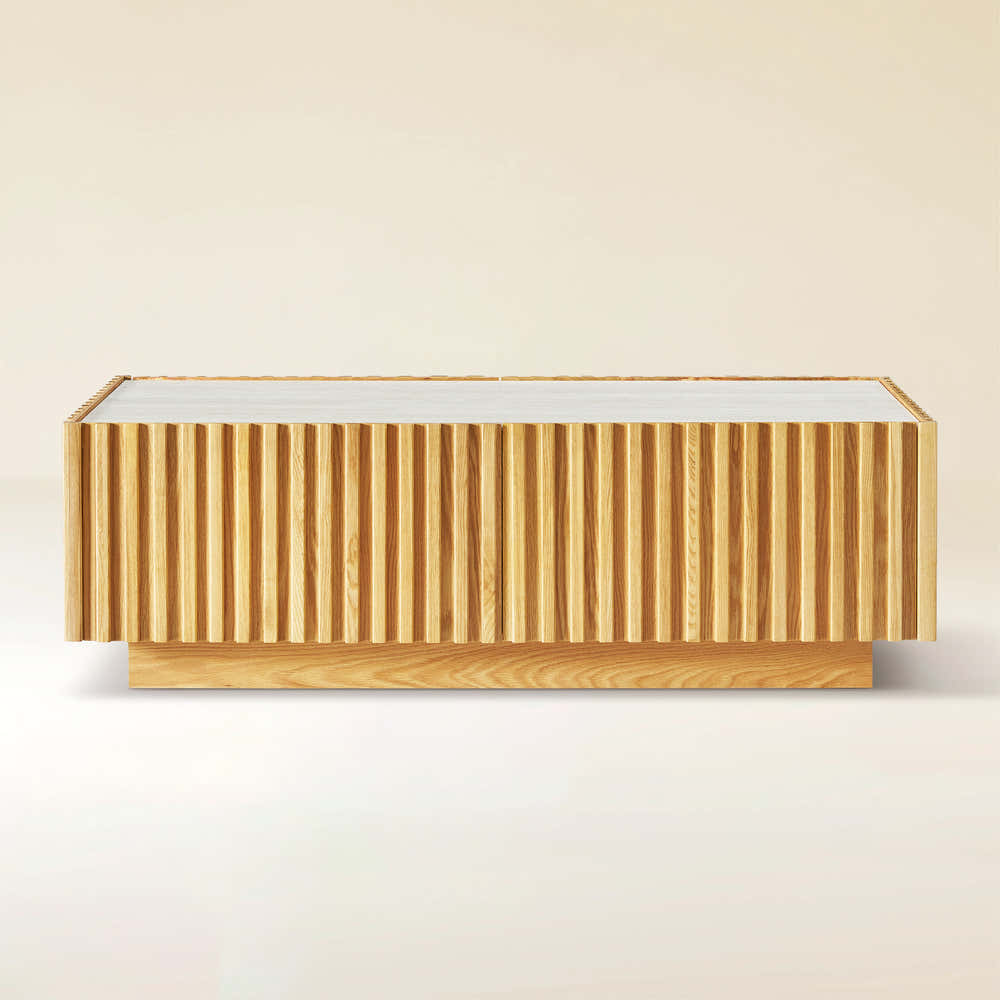
Isla Oak Sintered Stone Rectangle Coffee Table 120cm
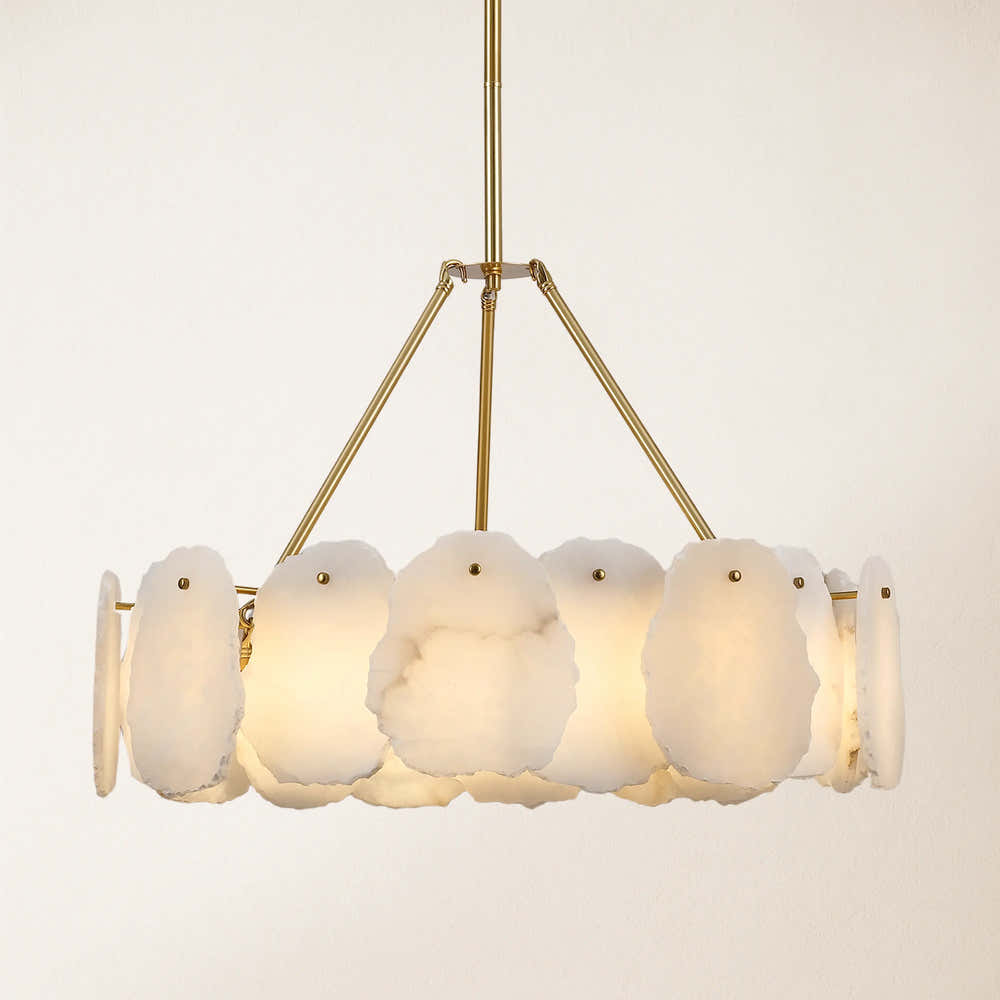


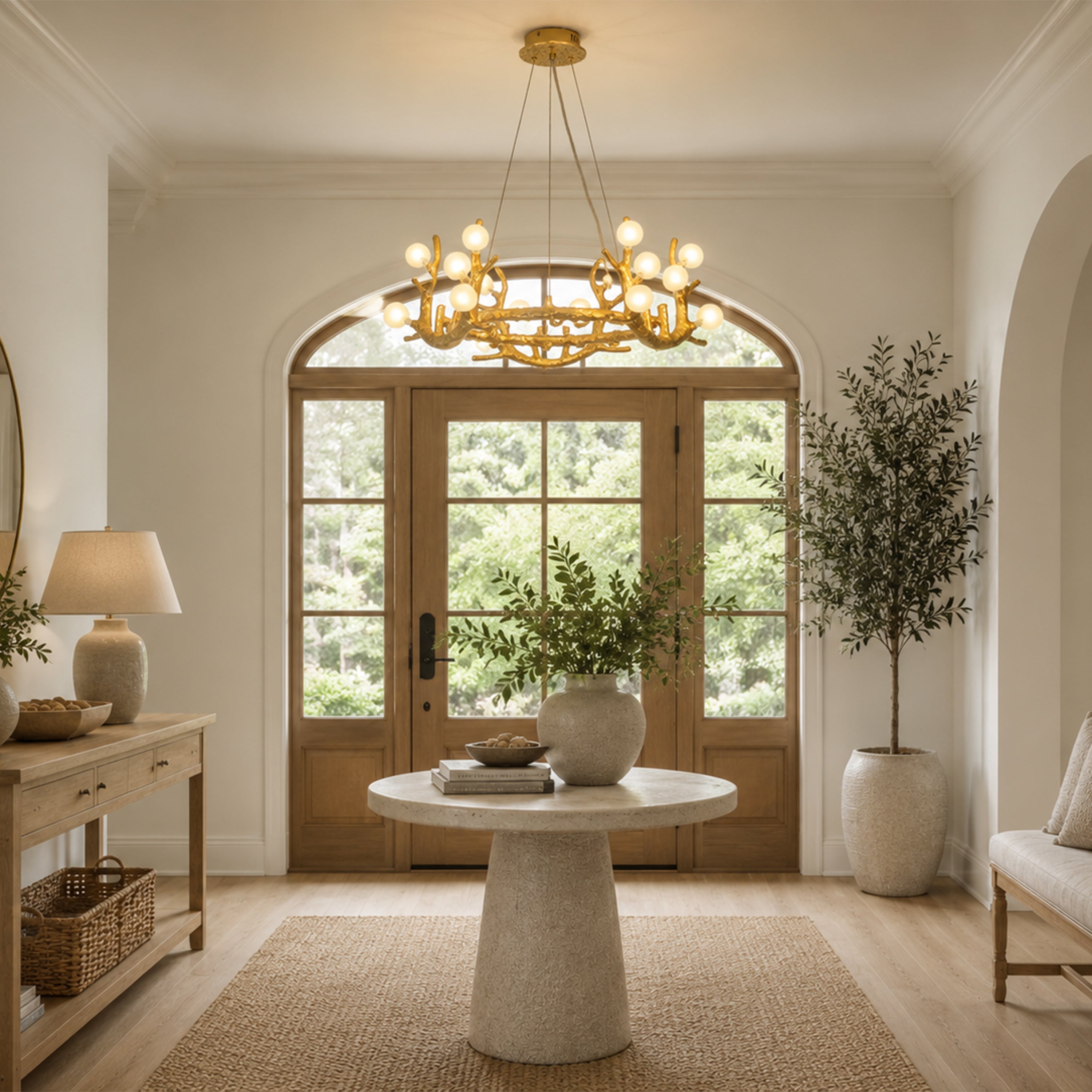
Moira Alabaster Round Chandelier 24"D
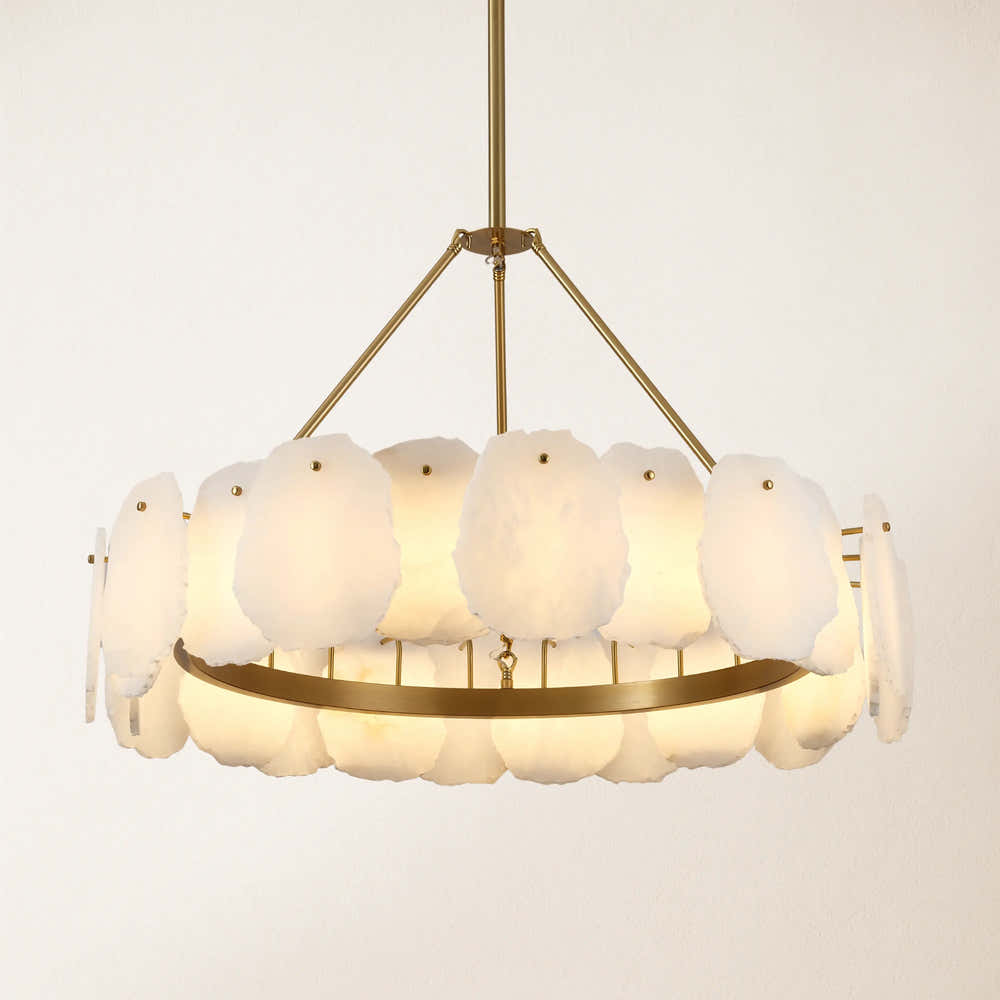


Moira Alabaster Round Chandelier 32"D
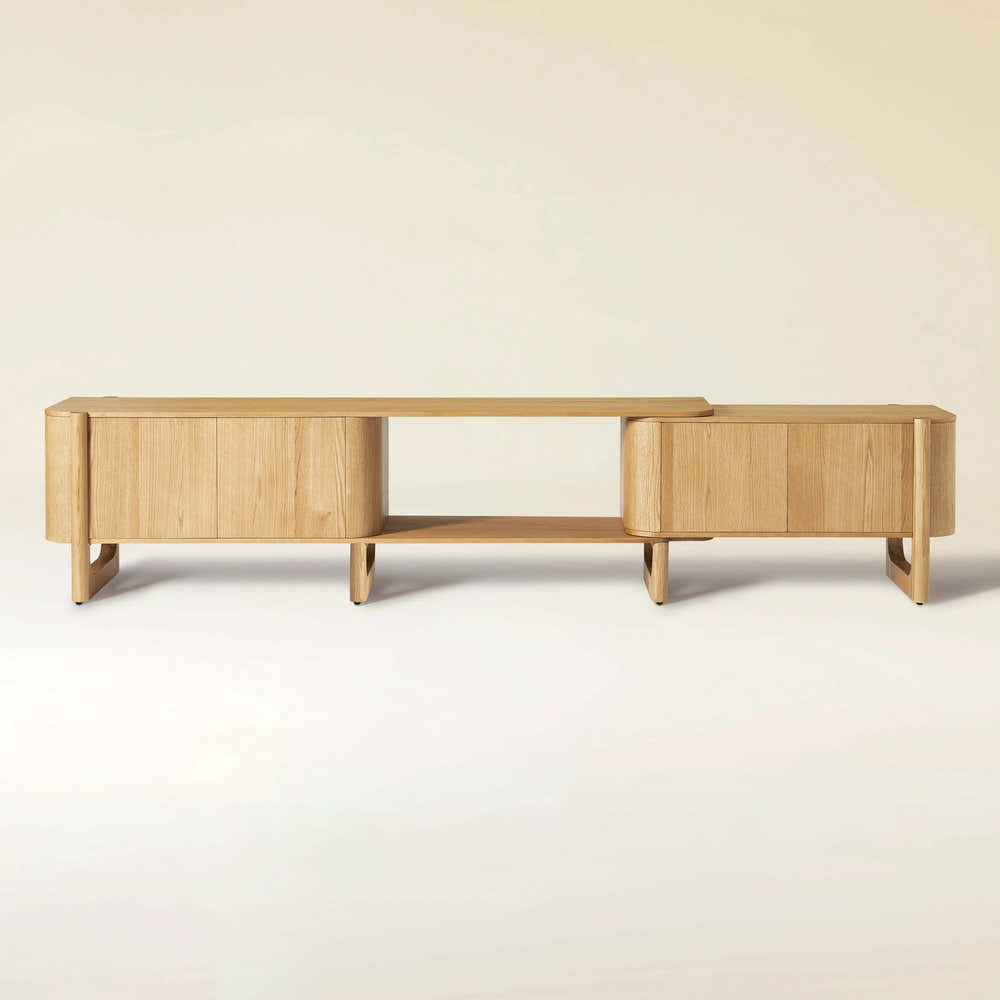
Silas Extendable TV Stand 203cm to 280cm
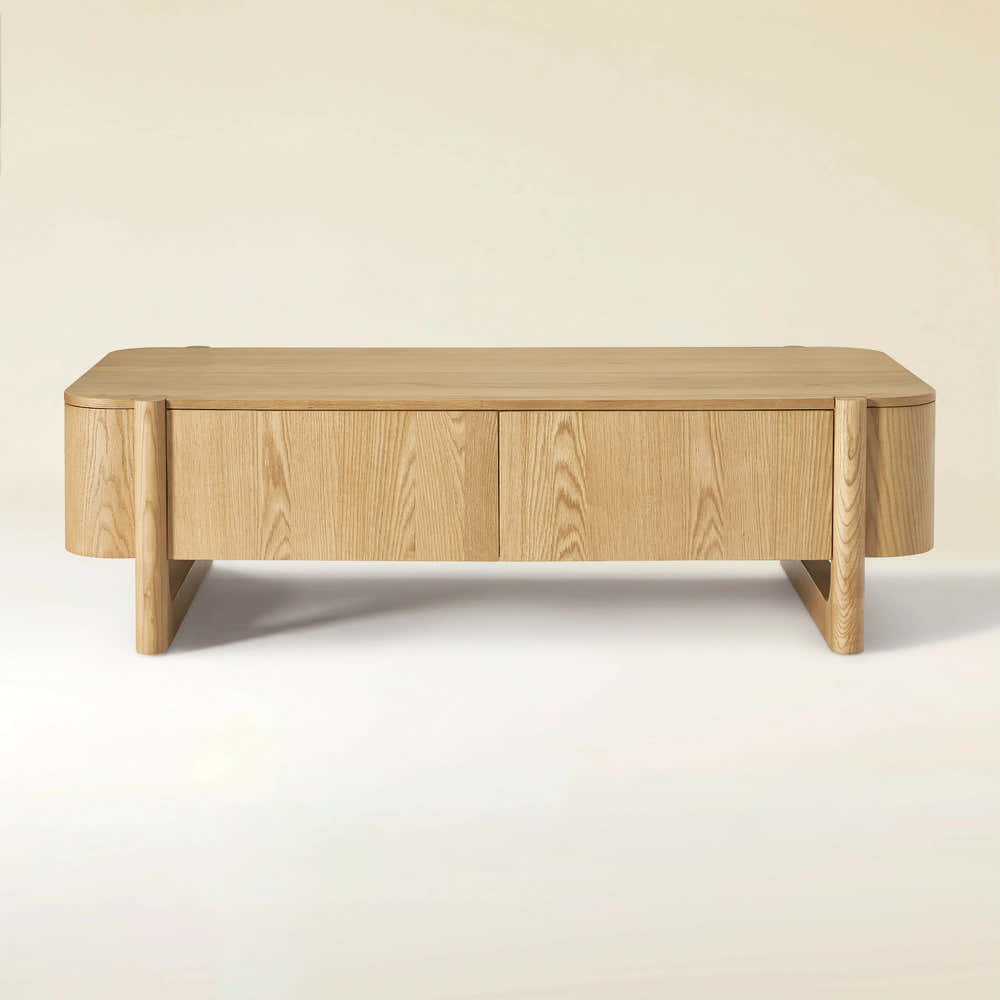
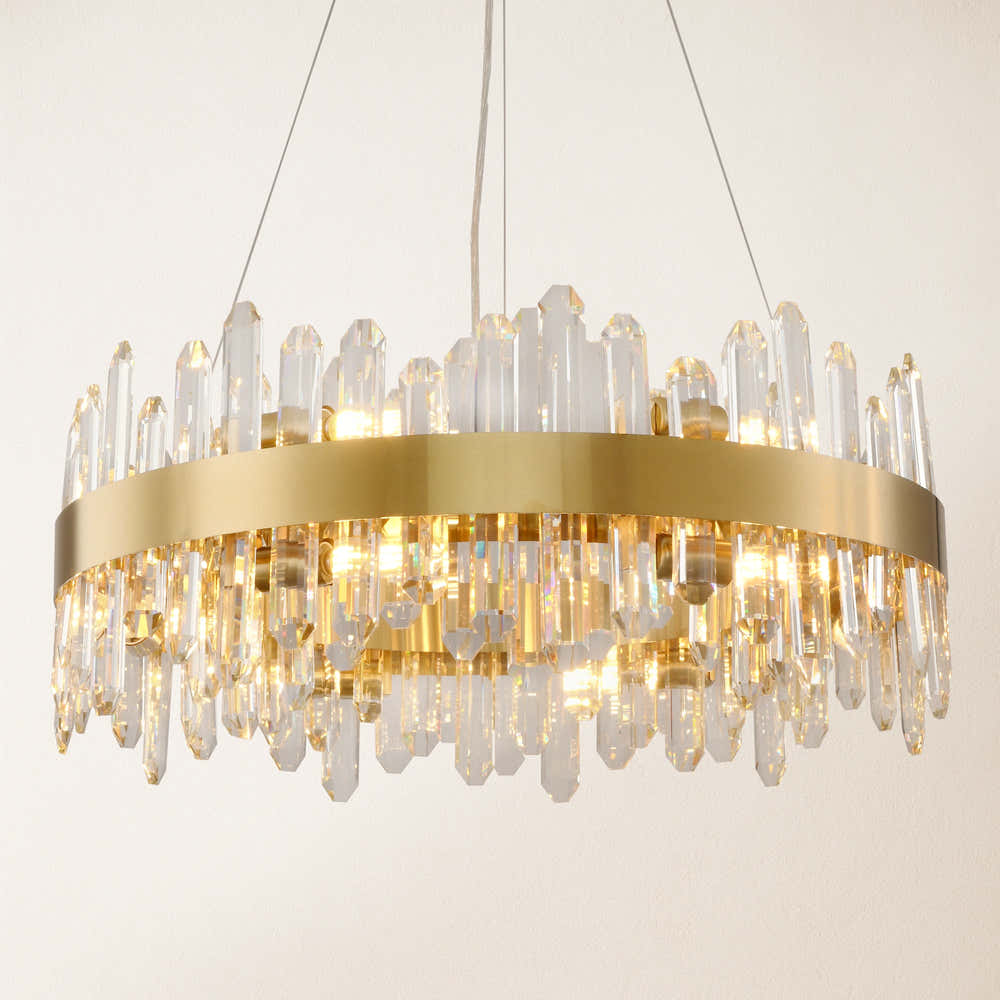
Stellara Crystal Strip Round Chandelier 24"D
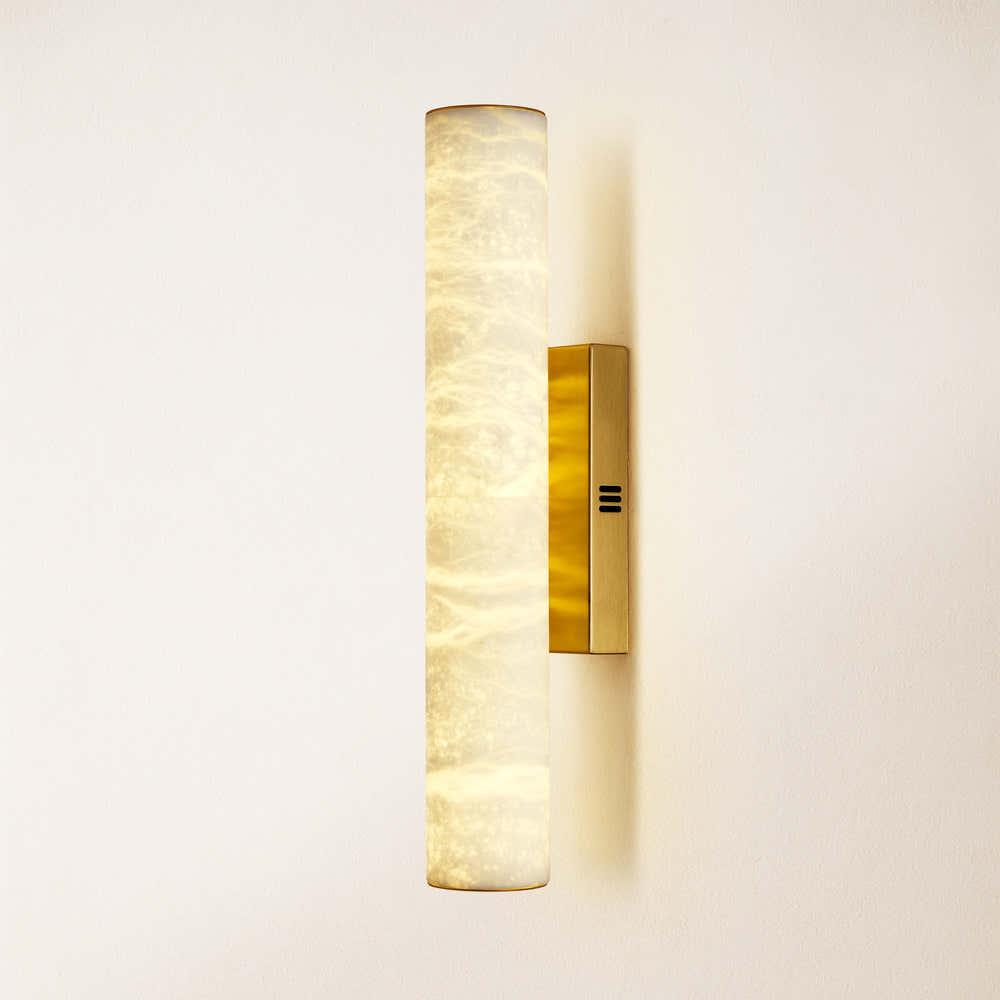


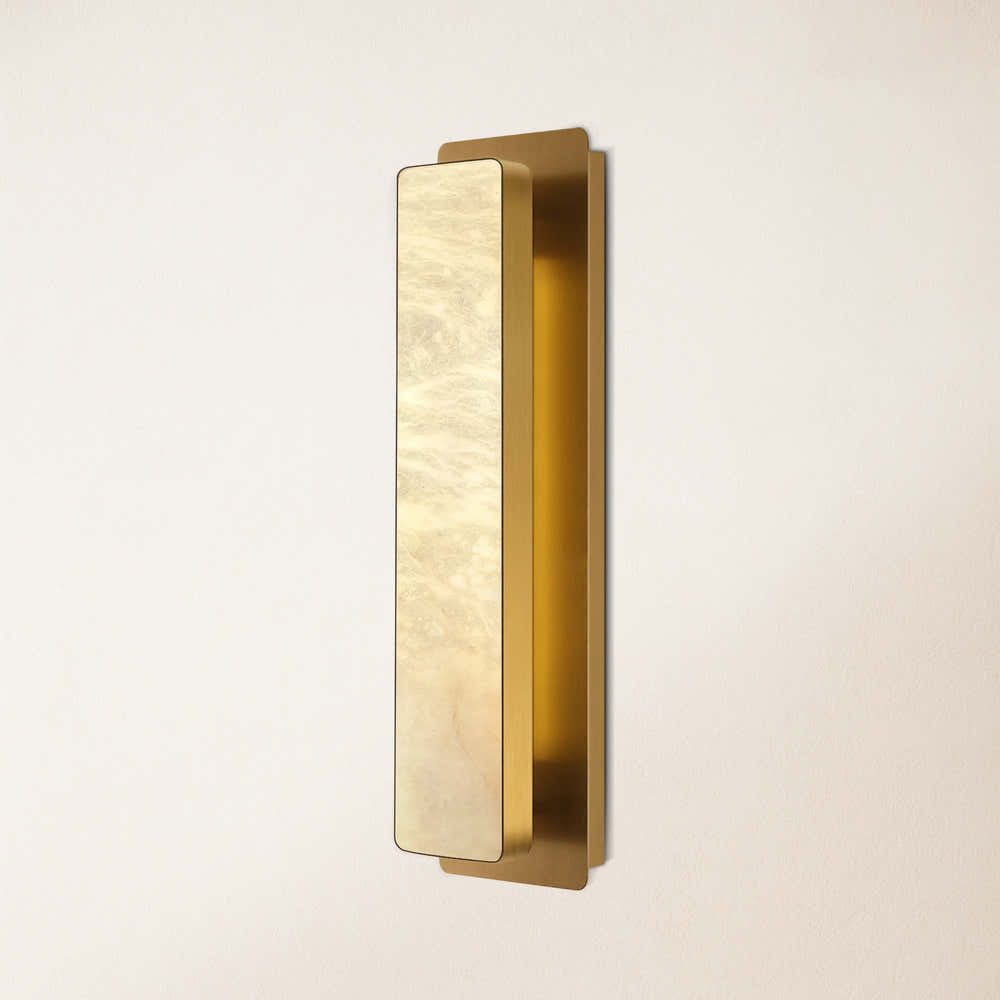
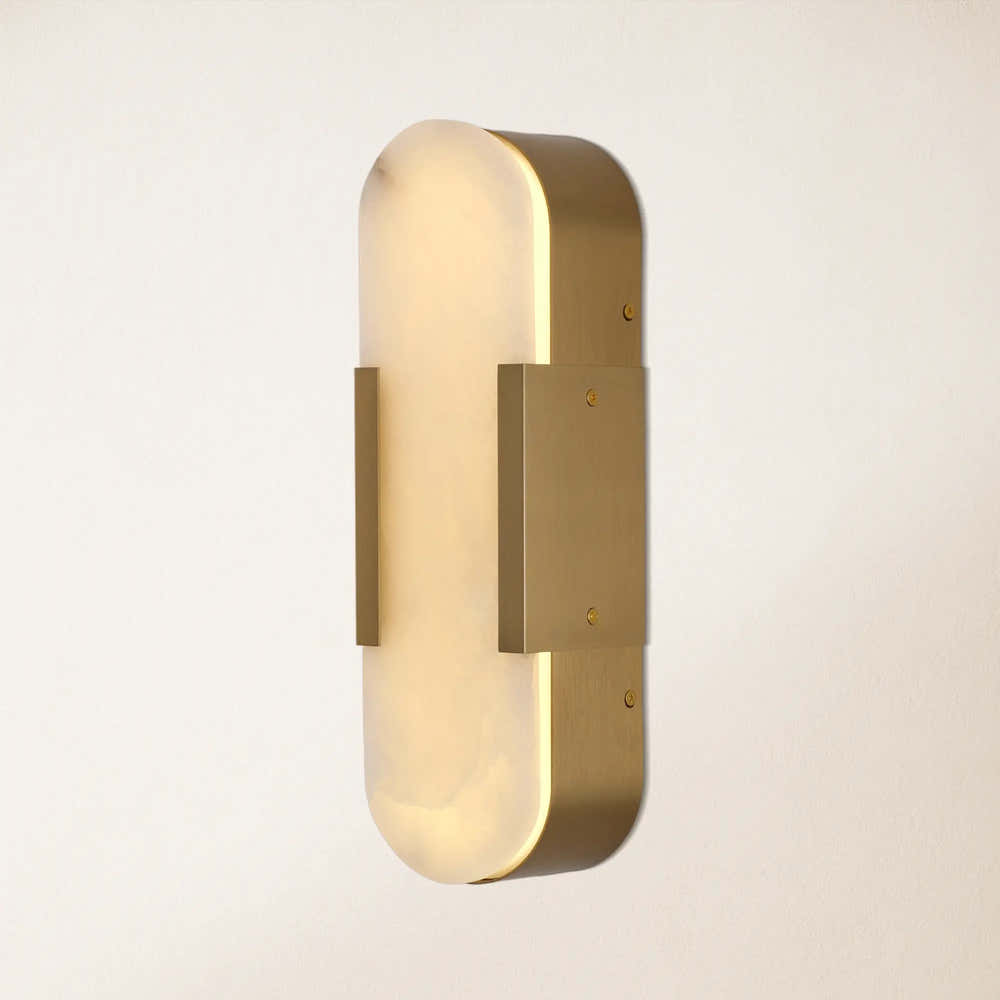
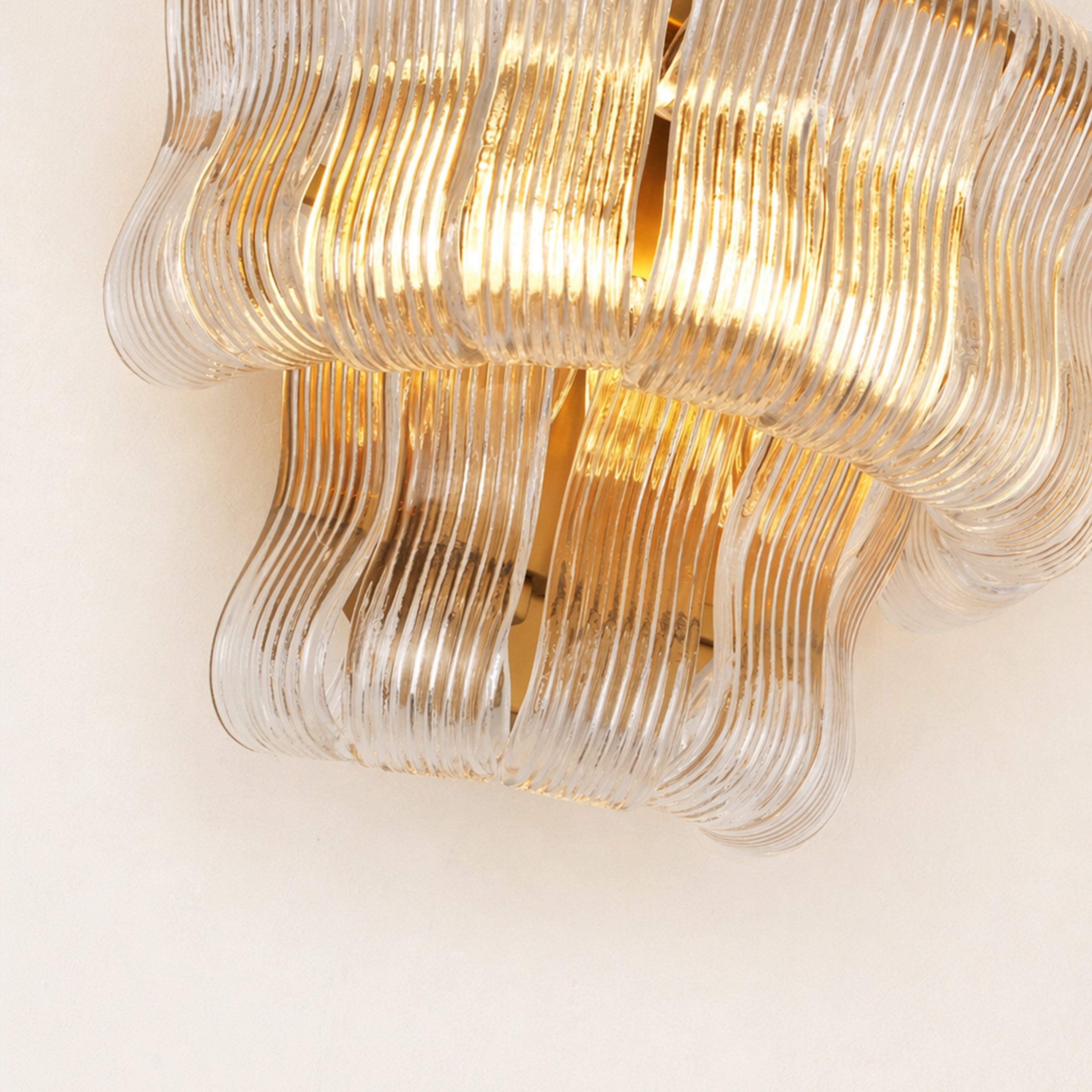
Sylvia Palladian Alabaster Wall Sconce 20"H
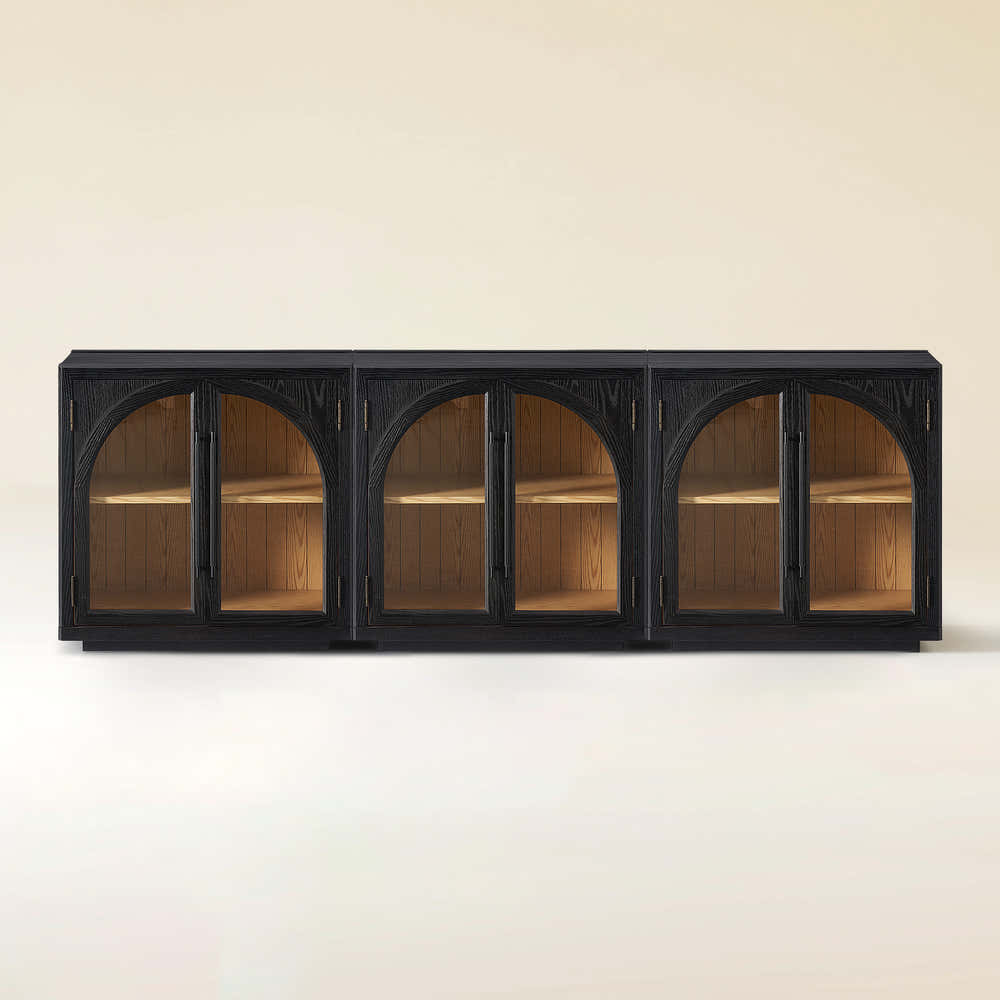


Alvar Arched 91″ Oak Media Console(Set of 3)
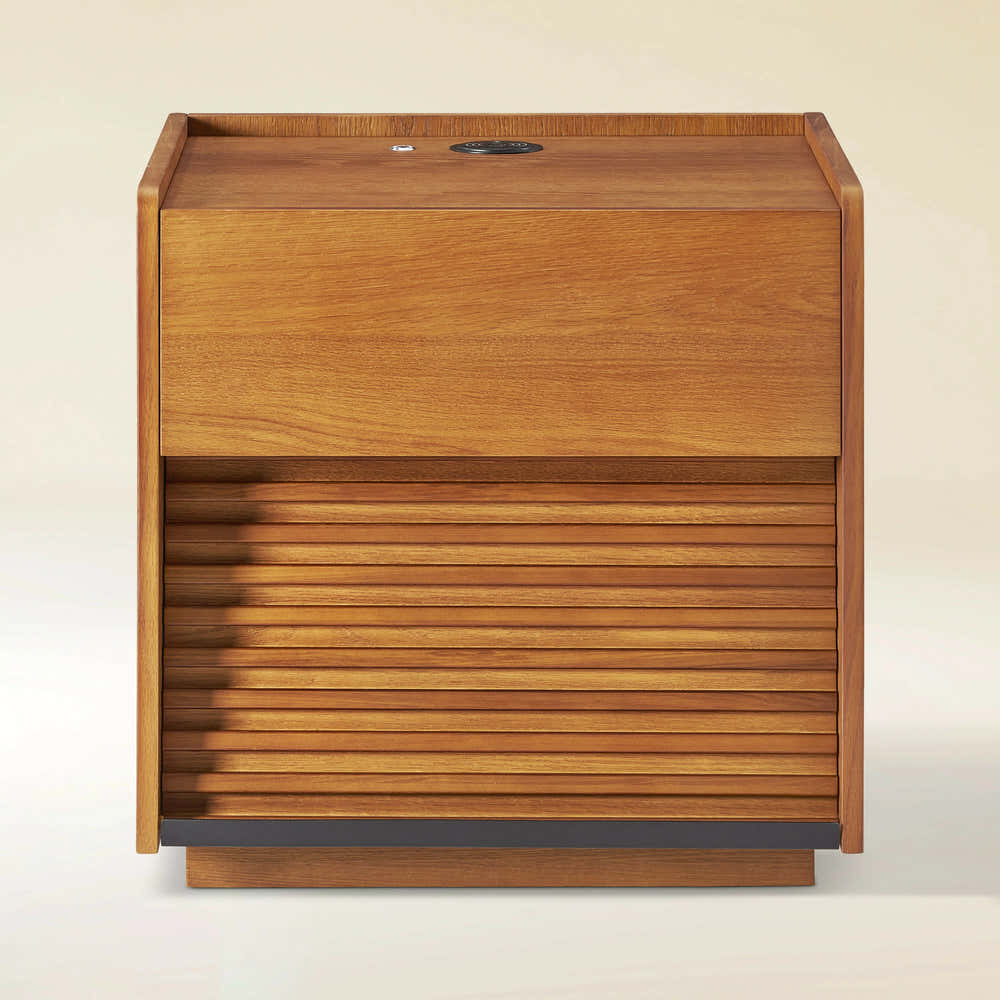
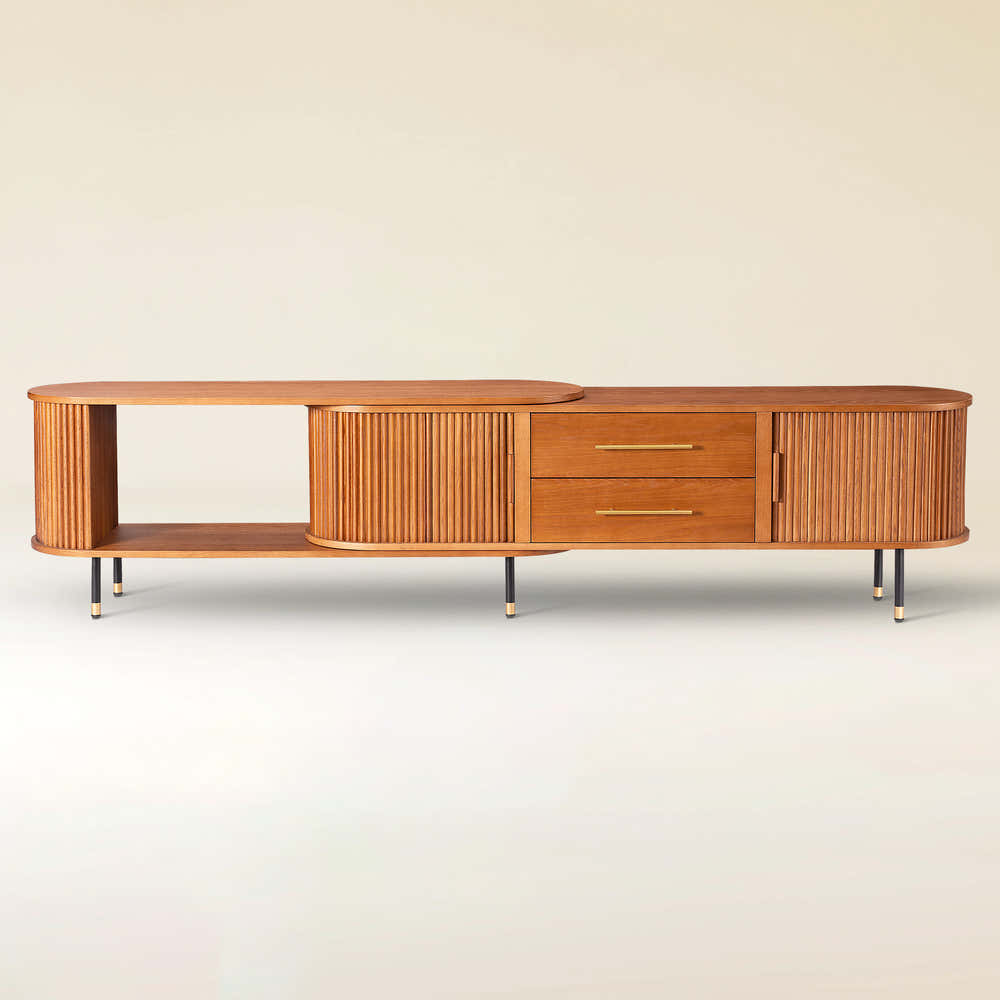
Ewan Oak Extendable Media Console 79" to 110"
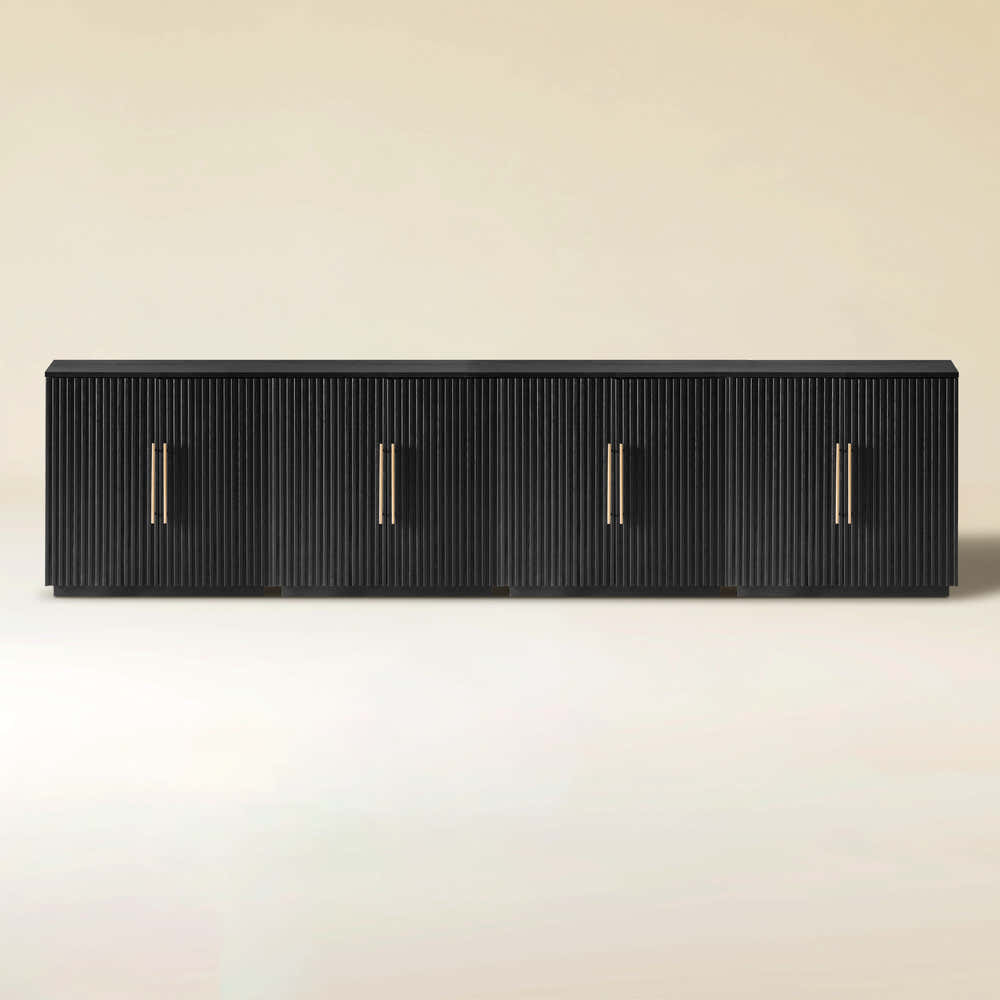


Holt 126″ Solid Oak Console(Set of 4)

FSC FCOC47059 . FSC is dedicated to the promotion of responsible forest management
worldwide. By selecting this product, you help take care of the woorld's forests

UL-certified for indoor drying environments not directly exposed to excessive moisture or water;
Use in the United States and Canada.

Certified to Dry ETL electrical standard: suitable for use indoors in dry locations not directly exposed to excessive moisture and water
Use in the United States

CE-certified drying equipment compliant with electrical standards: Suitable for indoor drying environments not directly exposed to excessive moisture or water;
Tested for use in Europe, the UK, and other regions.


The support center has answers to questions you may have. You can also contact customer service in the support center if you can't find what you're looking for.
Support Center >
At houlte, we are committed to delivering quality, style, and great value to our customers. Our goal is to simplify your shopping experience by providing competitive prices and exceptional service.

If an item you purchased from houlte goes on sale on our website within 30 days of your purchase date, you may request a price match. This policy ensures you always receive the best value when shopping with us.
Houlte reserves the right to interpret and adjust the terms of the Price Match Policy as necessary.
Houlte has partnered with Taskrabbit to make your everyday life at home easier by connecting you with flexible and affordable ways to get your to-do’s done including furniture assembly and mounting.

1. Purchase your furniture at Houlte.
2. Check your order Dispatched and Delivered email and click the
Houlte link. You will be redirected to Taskrabbit's landing page.
3. Post your task on Taskrabbit platform.
4. Pick the best tasker to assemble your furniture.
Houlte has partnered with Taskrabbit to make your everyday life at home easier by connecting you with flexible and affordable ways to get your to-do’s done including furniture assembly and mounting.
Taskrabbit Assembly is available in most metro areas in the US. The availability of Taskers varies based on demand. When placing an order on Taskrabbit, you will need to enter your zip code. If the service is not supported in your area, you will not be able to place an order.
You can book assembly for your Houlte furniture as early as the next day after your delivery, and up to 14 days in advance, giving you flexibility to choose a time that works best for you.

Ready to use out of the box; minimal installation may be required (e.g., handles).

Main structure is pre-built; minor components require attachment (e.g., legs).

Assembly required; multiple parts must be assembled before use.
Our furniture is built with a combination of core boards, real wood veneers, and selected solid wood parts. Each material is used for a different purpose—structure, surface appearance, or visible strength—so the final piece feels balanced in performance, finish, and cost.
Core boards form the internal foundation of the furniture. They provide structure, stability, and efficiency across large surfaces and cabinet bodies.

Stable structural board

Smooth and consistent

Functional internal board
Selected solid wood parts are used where visible strength, tactile quality, and structural integrity matter most—such as legs, frames, trim, and exposed support details.

Durable and classic

Light and versatile

Premium and elevated
At Houlte, we think a bookcase is never just a storage piece. It is architecture at a human scale. It can soften a room, bring rhythm to a wall, and hold the objects that tell your story—books, ceramics, framed memories, collected pieces, and the things you reach for every day.
In this guide, we're looking at bookcases from the inside out: what they are, how they differ from bookshelves, how we think about choosing the right one, and where bookcase design is heading in 2026.
When we talk about a bookcase, we're usually referring to a freestanding furniture piece with horizontal shelves designed to store books and display objects. Unlike a simple wall shelf, a bookcase has a defined structure of its own. It occupies space in the room as furniture, not just as an add-on to the wall.
In the most practical sense, a bookcase is a freestanding storage unit built with multiple shelves, intended for books, objects, and layered storage—often designed with side panels, backing, or cabinet elements, and sometimes open, sometimes partially enclosed.
At Houlte, we tend to think of bookcases in two broad categories:
The name itself is straightforward and old-fashioned in the best way. "Bookcase" literally means a case for books—a more structured furniture form built to hold and protect printed matter. Historically, that distinction mattered. Books were valuable, and furniture designed for them was intentional.
That history still shapes how we see bookcases today. A bookcase feels more substantial than a shelf because it suggests containment, permanence, and presence.
We're often asked whether "bookcase" and "bookshelf" are interchangeable. In casual speech, they often are. But in design terms, we usually think of them a little differently.
If a piece feels like part of the room's furniture composition, we're more likely to think of it as a bookcase.
A bookshelf often serves one very direct purpose: holding books. A bookcase usually does more—it may display decor, frame art, conceal clutter in lower cabinets, hold baskets, files, or media, and function as both storage and styling anchor. That's why we often recommend bookcases in spaces where storage and atmosphere matter equally.
In general, bookshelves tend to be lighter and easier to move, especially wall shelves or open étagère-style pieces. Bookcases are often heavier, deeper, visually more grounded, and more permanent in feel. That added substance is part of their appeal—a bookcase doesn't just hold items, it contributes weight, balance, and structure to a room.
When we help style a room, we rarely start with "How many books do you have?" We start with how the room needs to feel.
The first question is always scale. We like to consider ceiling height, available wall width, traffic flow, adjacent furniture, and whether the room needs openness or visual anchoring. For smaller rooms, a narrow vertical piece often works better than a wide bulky one. For larger spaces, a taller or more substantial bookcase can help a wall feel resolved rather than empty.

Recommended for Compact Spaces
Its arched silhouette softens the line of the room, while the combination of open shelving and concealed storage makes it especially useful in apartments, bedrooms, or quieter living spaces—vertical storage without overwhelming the footprint.
Style is not just about "old" or "new." It's about what kind of visual language the room is already speaking.

Recommended for Offices & Formal Living
It has the kind of height and symmetry that gives a room instant structure—especially well suited to a study or formal living area where an architectural, elevated presence is the goal.
This is where the most practical decisions happen. We usually ask: Are you storing mostly books? Do you need hidden storage? Will the shelves hold decor, baskets, or office items? Do you want the look to feel collected, minimal, or layered?

Recommended for Living Spaces
For spaces that want more texture and mood. It carries a darker, richer presence and works beautifully when styling matters as much as capacity—both display and strong visual character in one piece.
Recommended for Softer Decorative Spaces
A softer decorative statement with a slightly more romantic architectural profile—especially suited to spaces that benefit from graceful curves rather than hard edges.
When we style a bookcase, we're not trying to fill every inch. We're trying to create rhythm.
We also like to step back often while styling. A bookcase should feel edited, not over-explained.
Decorative objects are what turn storage into composition. We often use small sculptural ceramics, framed art or photos, low bowls or boxes, candlesticks, trays, vases with quiet branches, and baskets in closed or lower compartments.
This year, we're seeing bookcases move even further away from purely utilitarian storage. They're becoming mood-setters.
Growing interest in responsibly sourced wood, lower-impact finishes, and durable materials chosen for longevity. Sustainability here also means designing pieces people will want to keep—versatile enough to move between rooms over time.
A return to darker woods and richer finishes that make a room feel more intimate, layered, and sophisticated. Dark wood bookcases are especially effective when you want shelving to feel like part of the architecture rather than an afterthought.
Bolder color choices gaining traction—earthy reds, inky blues, olive greens, and softened jewel tones. Works especially well when the room needs personality, the shelving acts as a focal point, or you want storage to feel expressive rather than neutral.
It depends on the materials, shelf span, thickness, and construction. A small decorative bookcase may be suited to lighter styling objects and paperbacks, while a more substantial case can handle heavier hardcovers and storage items. We always recommend distributing weight evenly and placing the heaviest items on lower shelves.
A typical residential bookcase often falls somewhere around 24" to 48" wide, 10" to 18" deep, and 60" to 84" high. Taller bookcases and cabinet-combination pieces may go beyond those ranges.
We love bookcases in living rooms, home offices, bedrooms, dining rooms, hallways with enough width, and transitional corners that need structure. Placement depends on whether you want the piece to disappear into the background or help define the room.
Not automatically—but they certainly can be. Durability depends on construction quality, finish, joinery, and how the piece is used. In our view, the most sustainable bookcase is often the one that is well made, versatile, and timeless enough to stay in the home for years.
Dark wood tones tend to make a room feel richer, calmer, and more enveloping. They add contrast, depth, and a sense of maturity. We especially like them in spaces that need warmth, visual grounding, or a more collected atmosphere.
At Houlte, we see bookcases as one of the most expressive storage pieces in the home. They are practical, yes—but they are also deeply atmospheric. A good bookcase organizes the room as much as it organizes what you own.
Share:
The Ultimate Guide to Choosing the Right Nightstand Height
what is a nightstand?A Comprehensive Guide