


















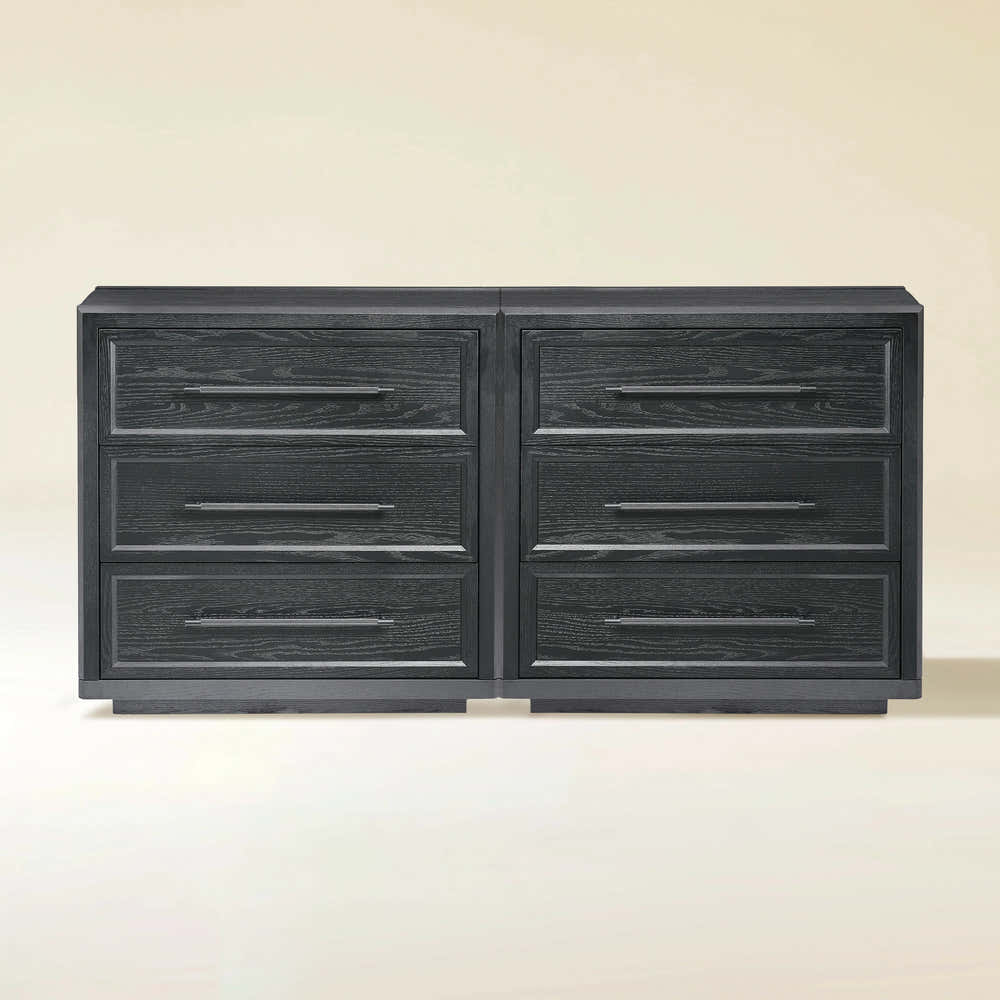


Alvar 61″ Oak 6-Drawer Chest(Set of 2)

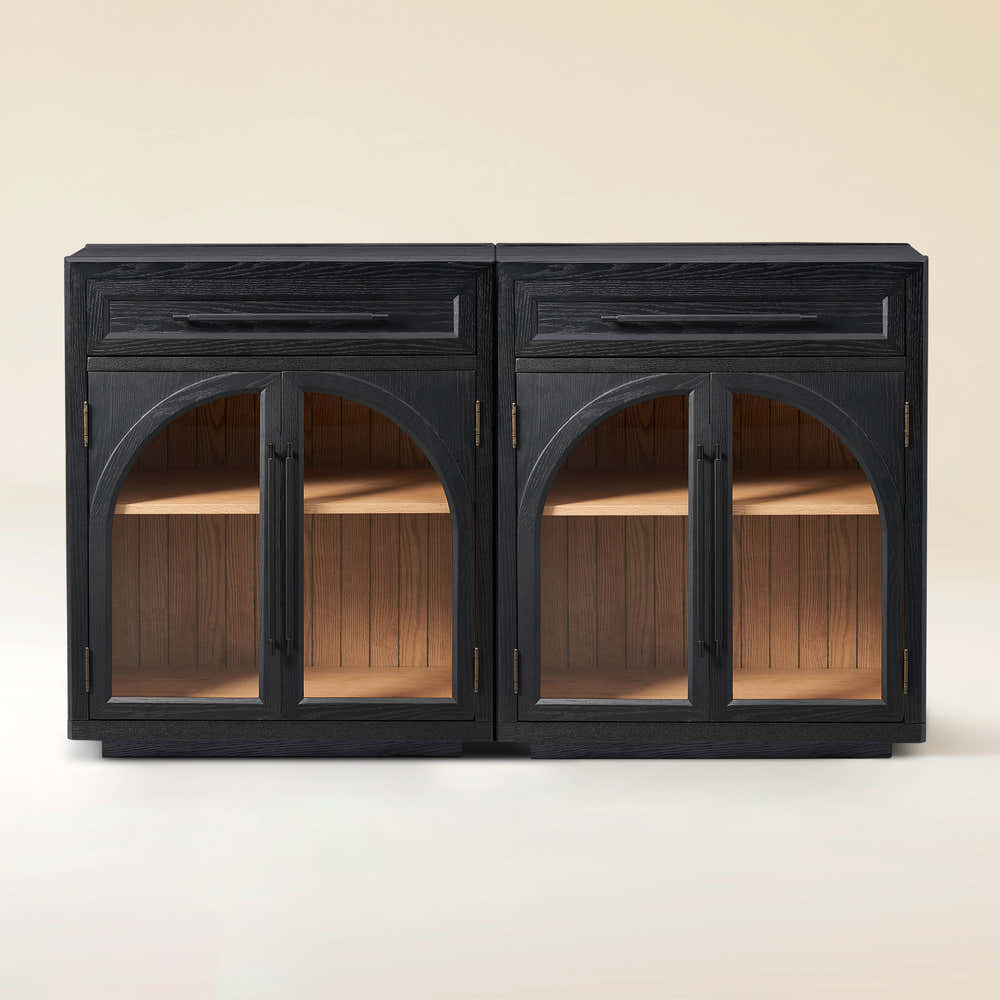


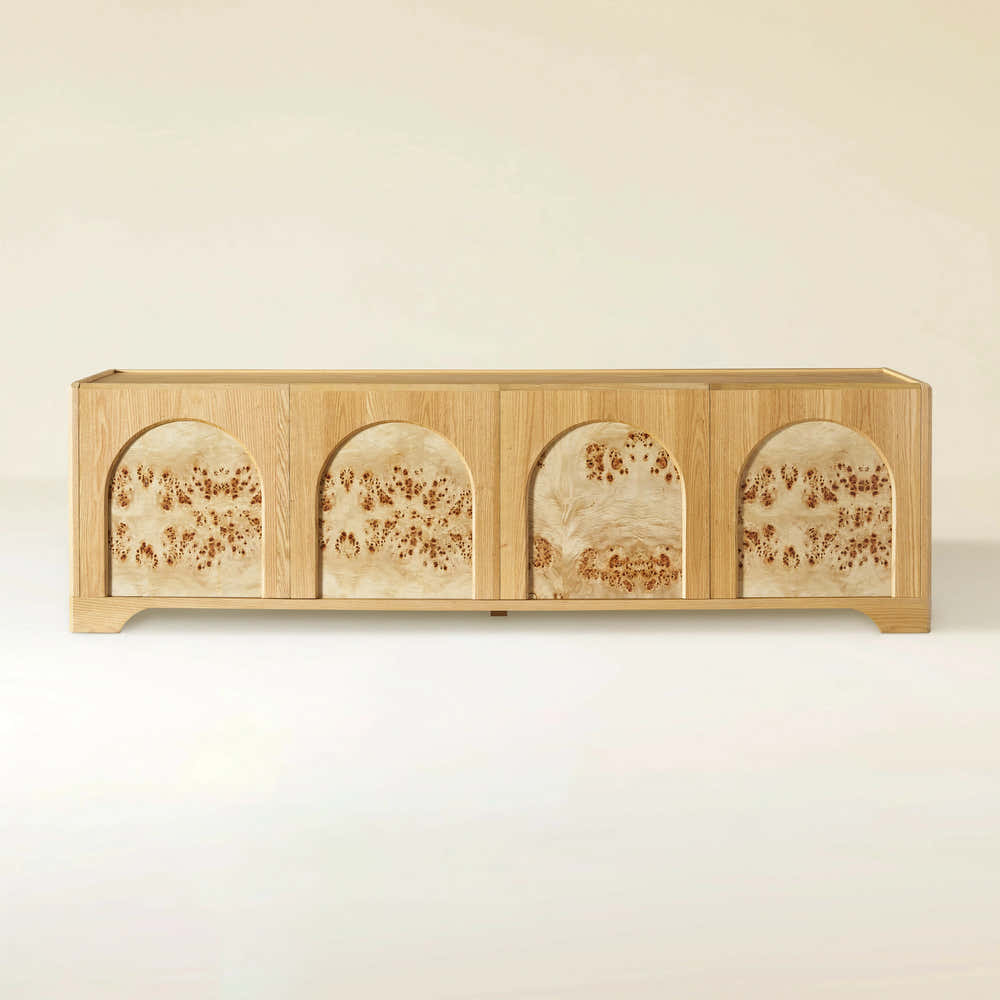
Alvar Arched 61" Oak Sideboard with Drawers(Set of 2)
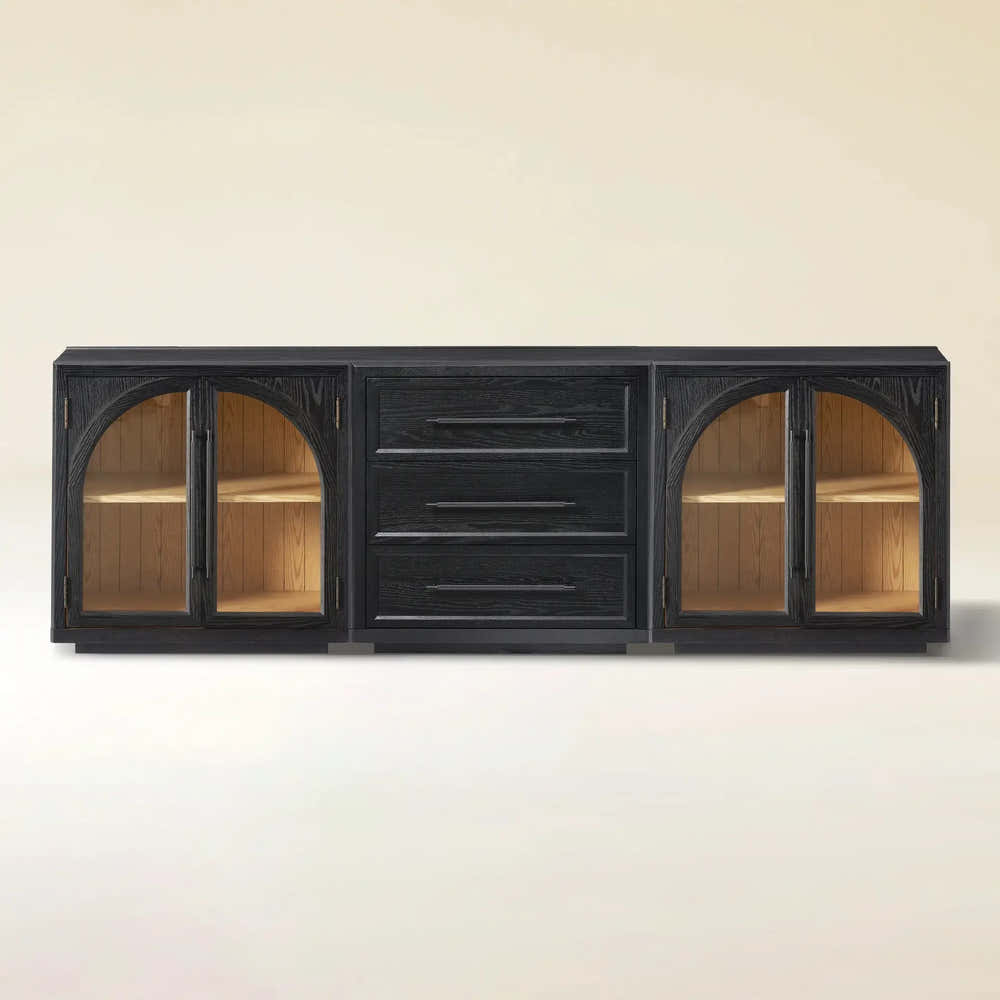


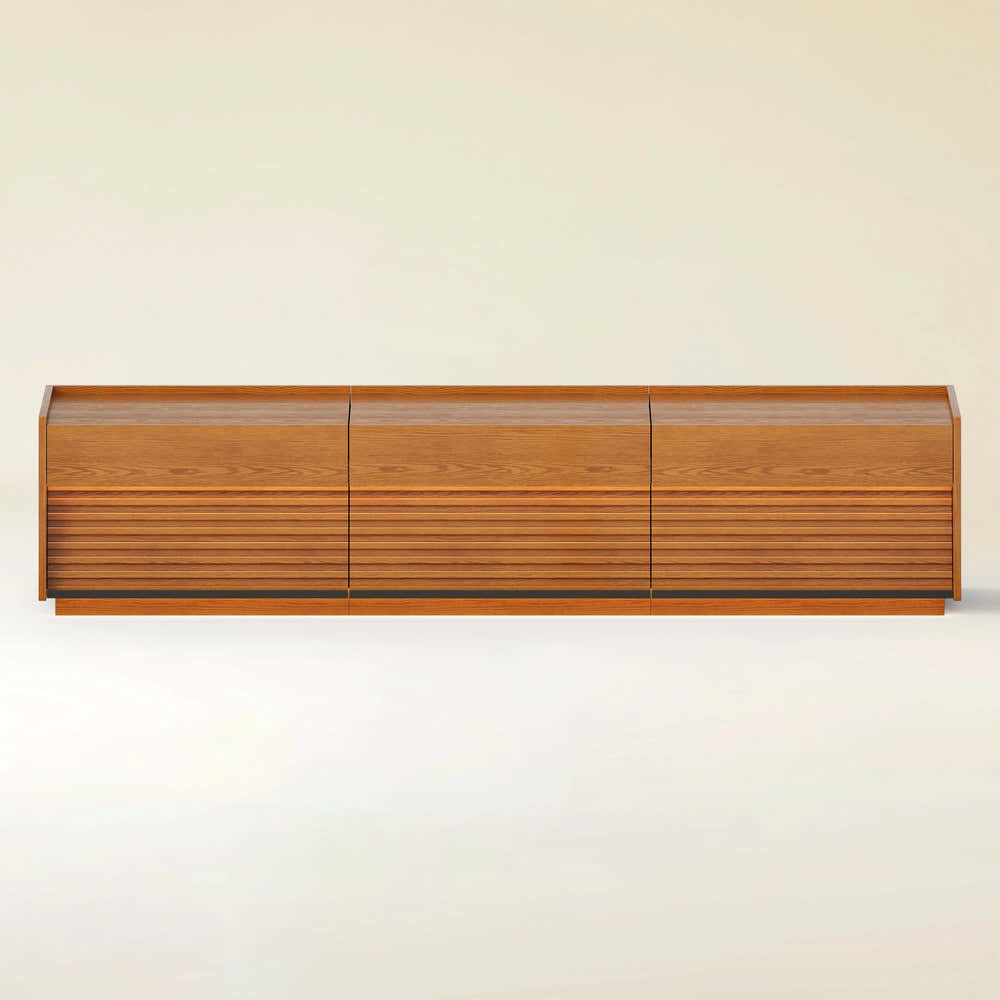
Alvar Arched 91″ Oak Modular Media Console(Set of 3)
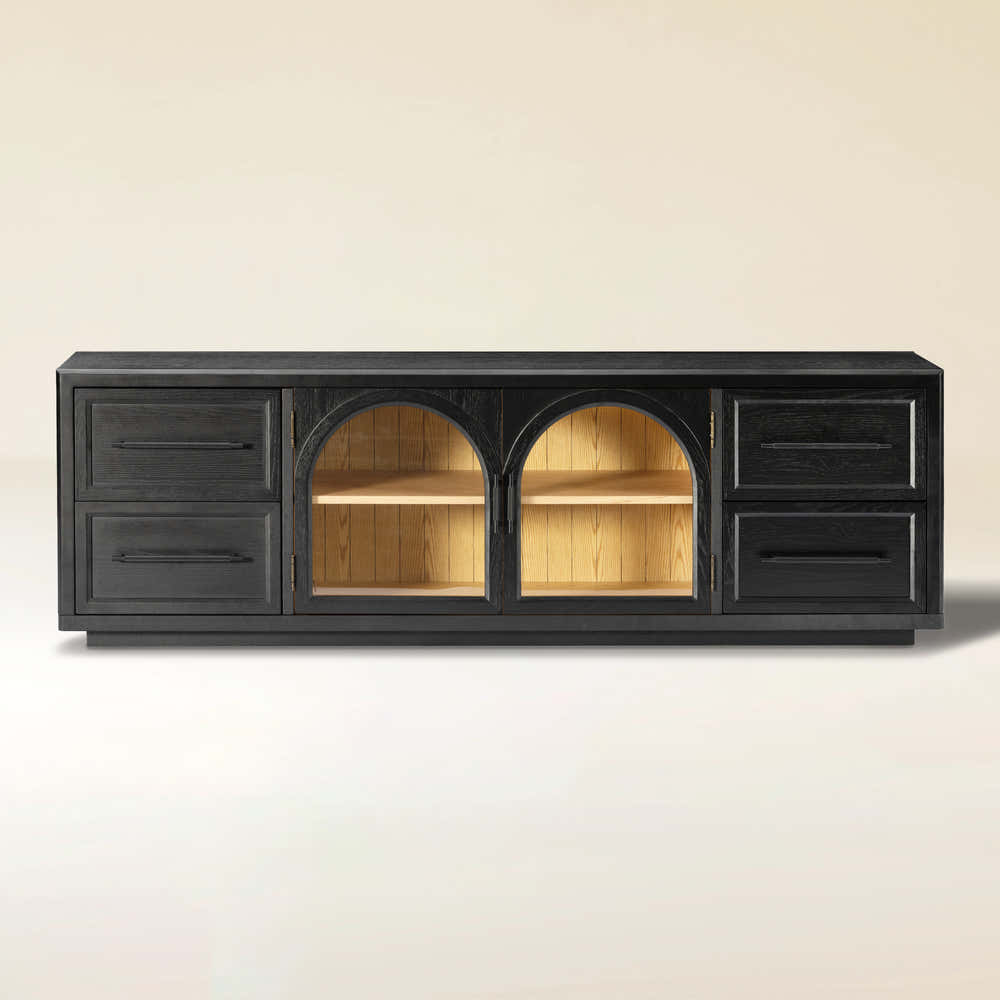
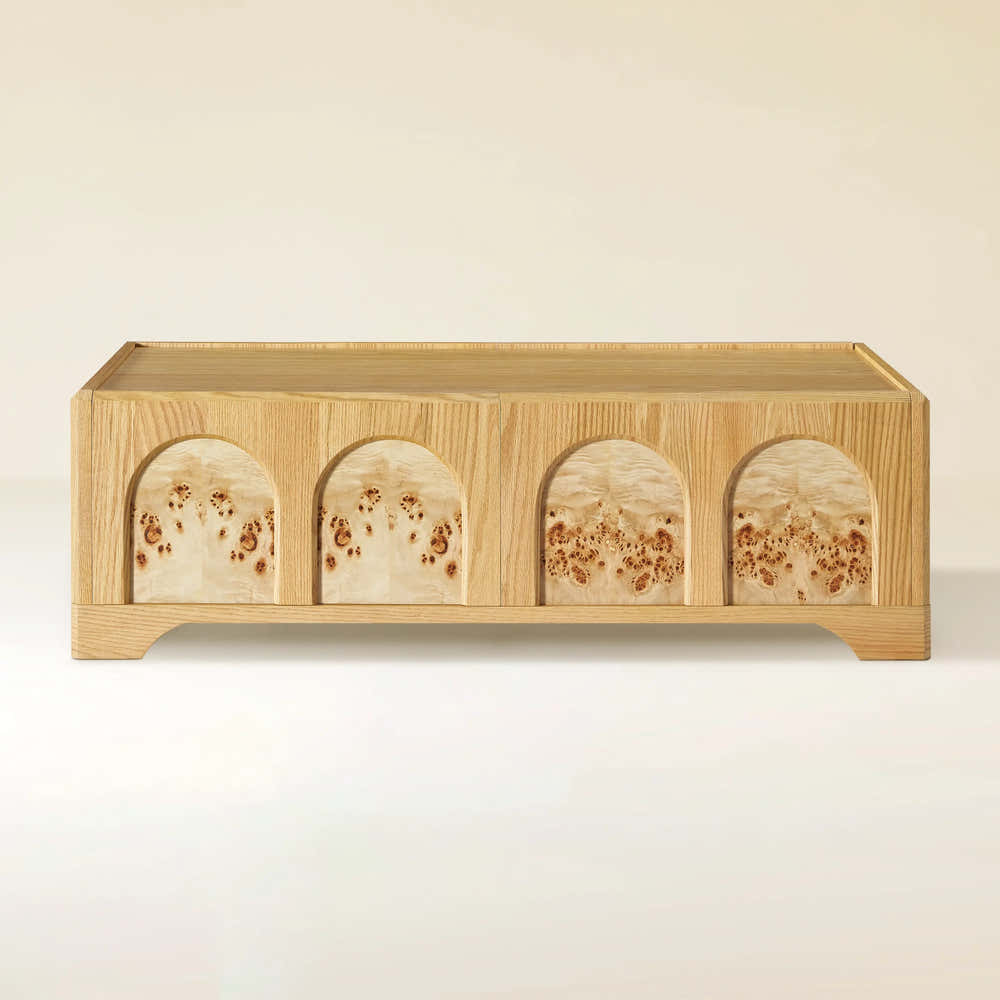
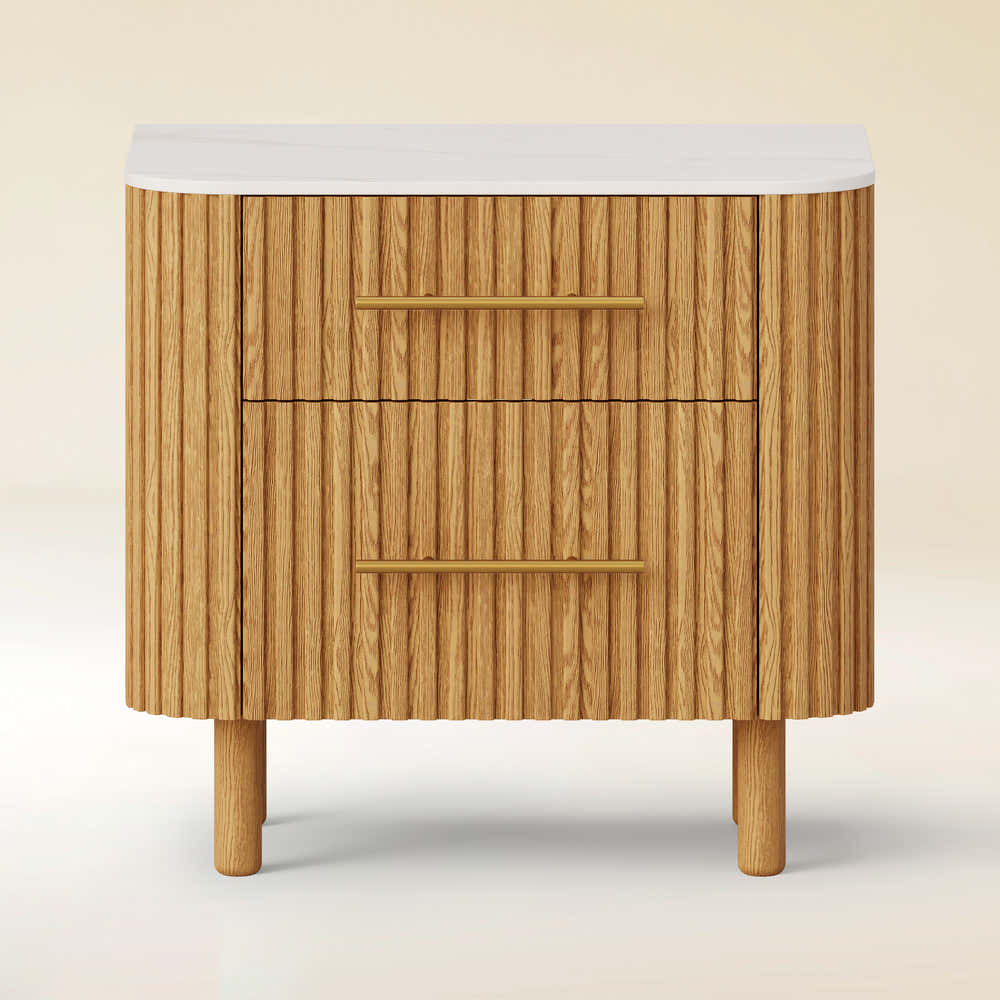
Charlie Sintered Stone Nightstand 26" W
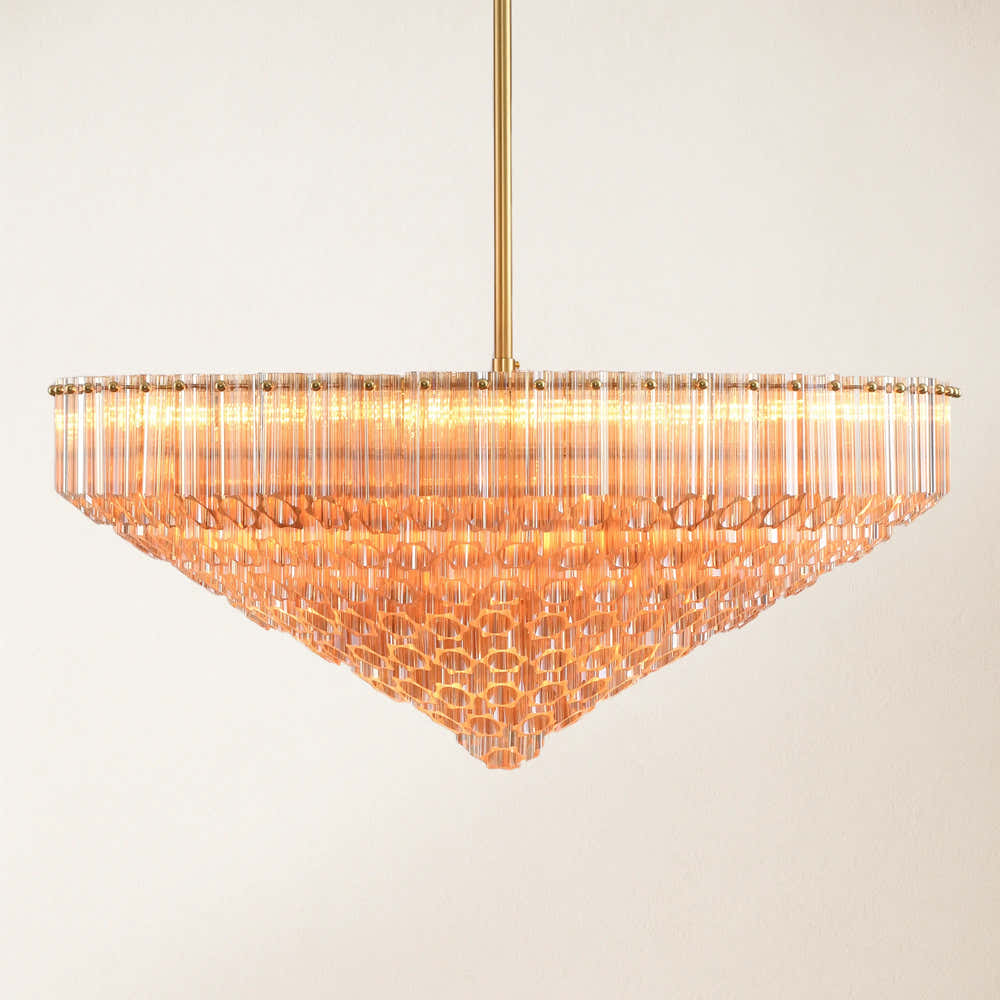


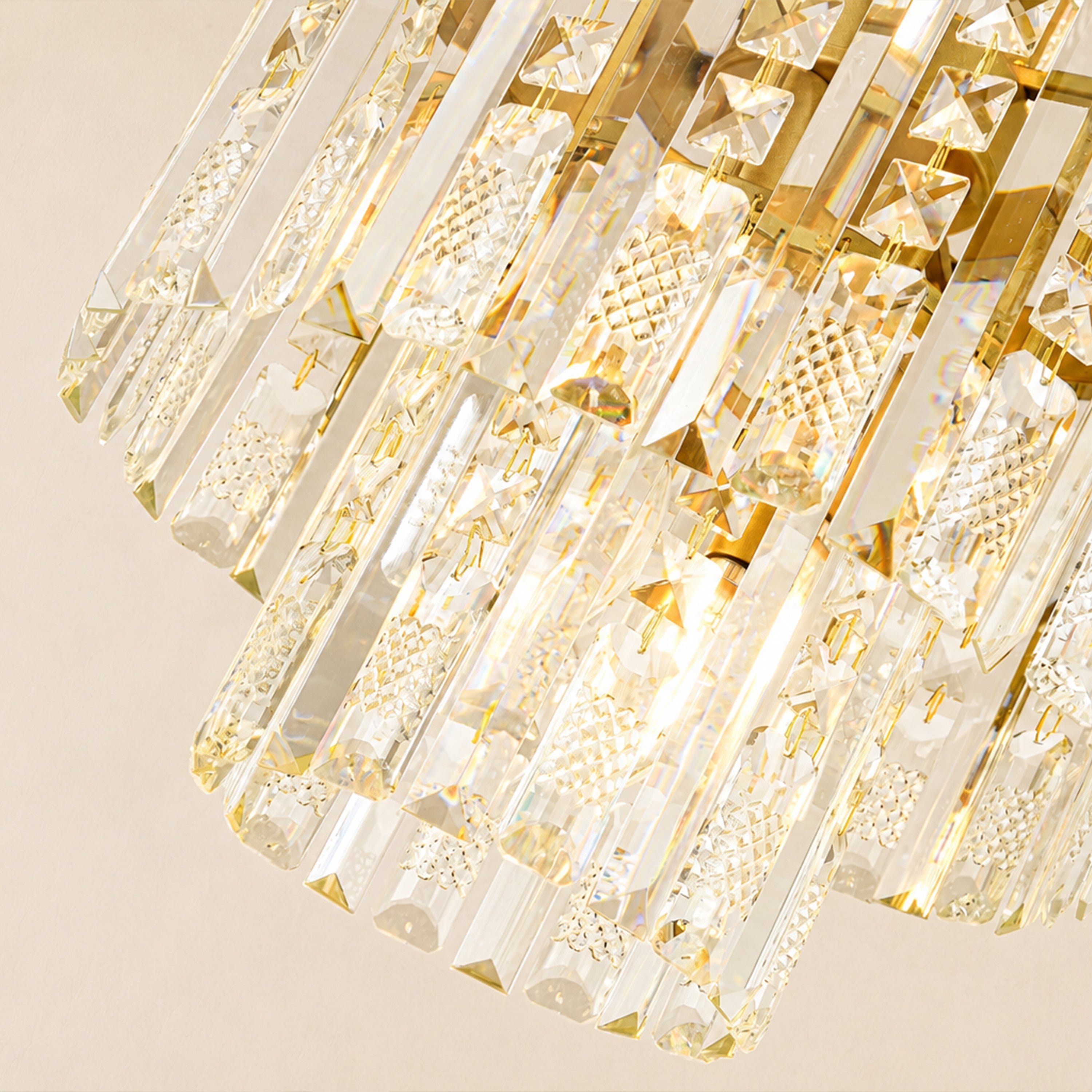
Ethereal Crystal Radiance Round Chandelier 30"D


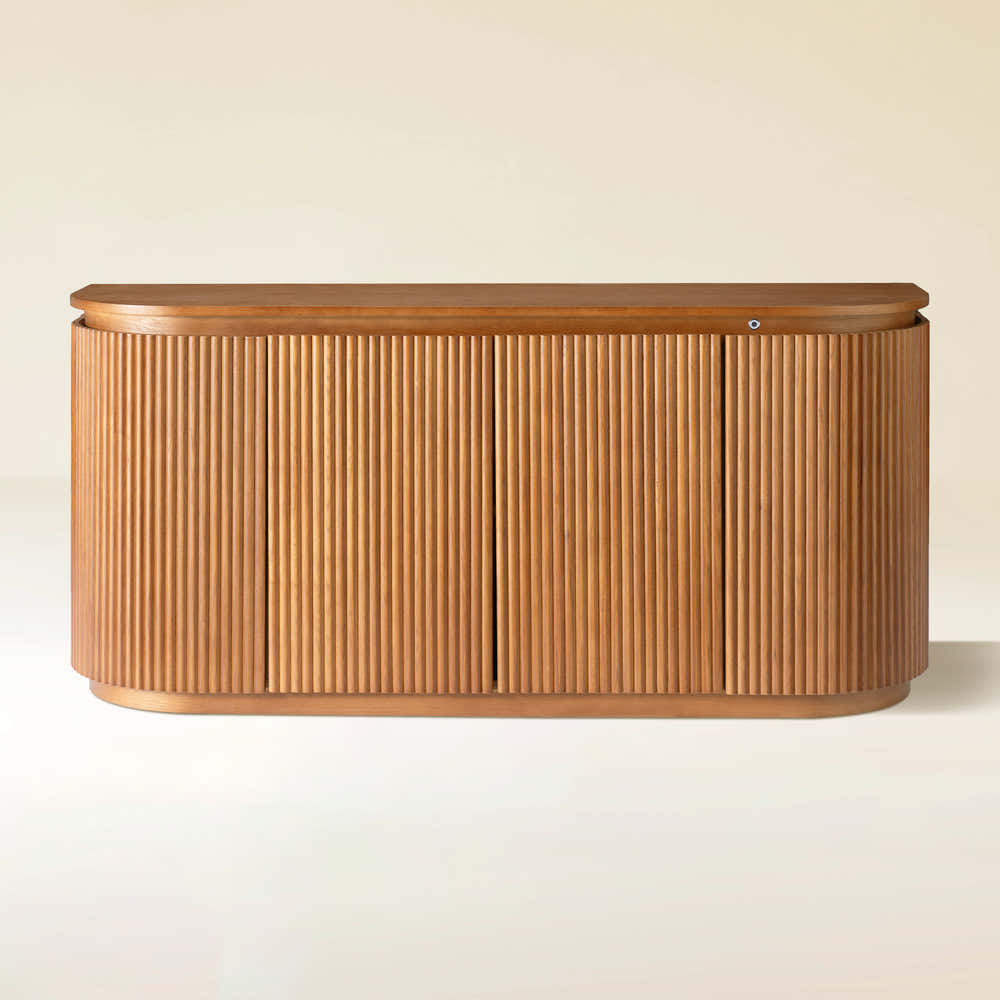
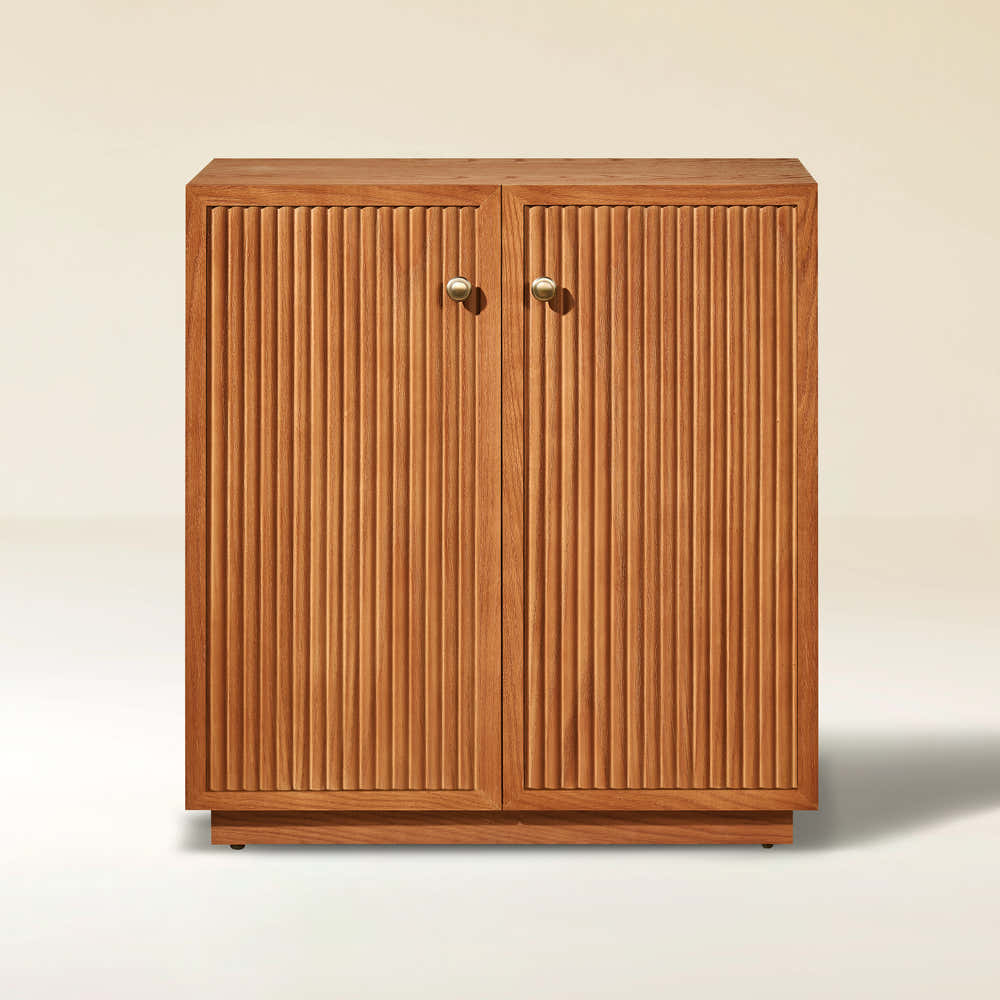
Ewan 63" Oak Slatted Sideboard Buffet Cabinet
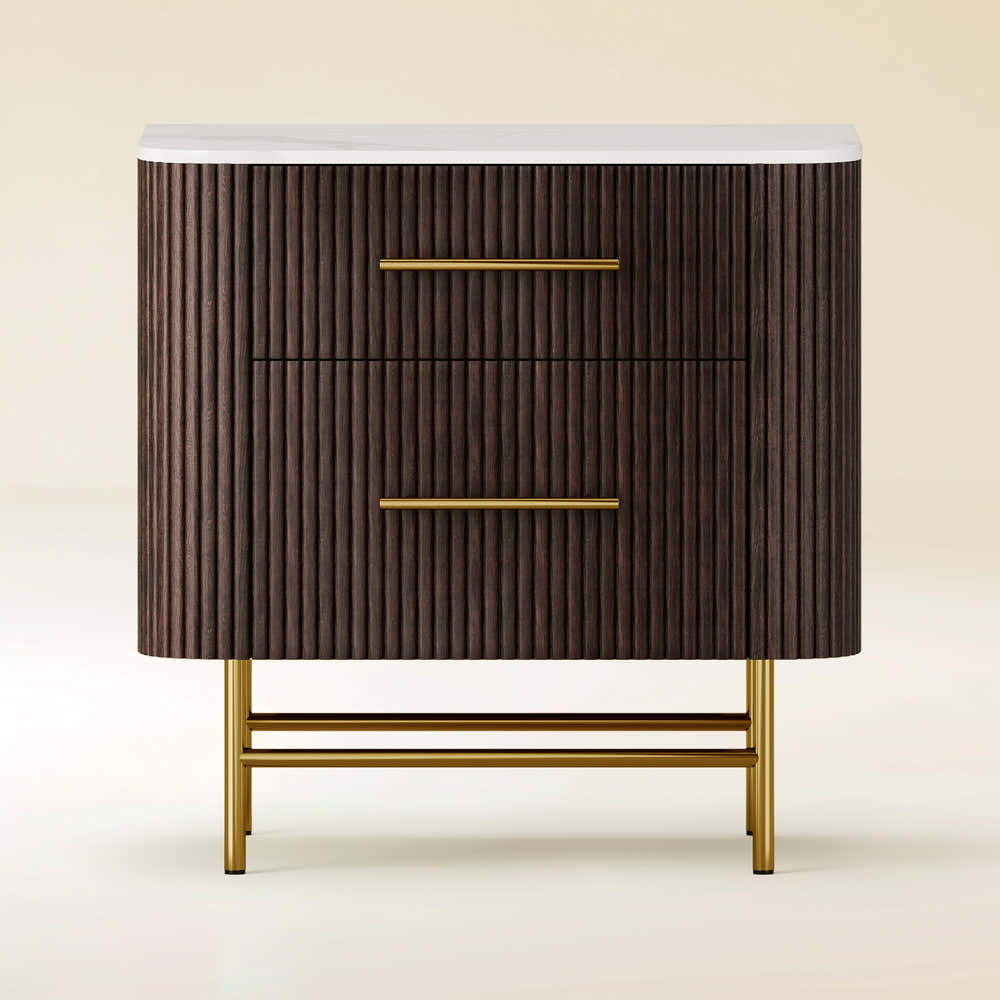


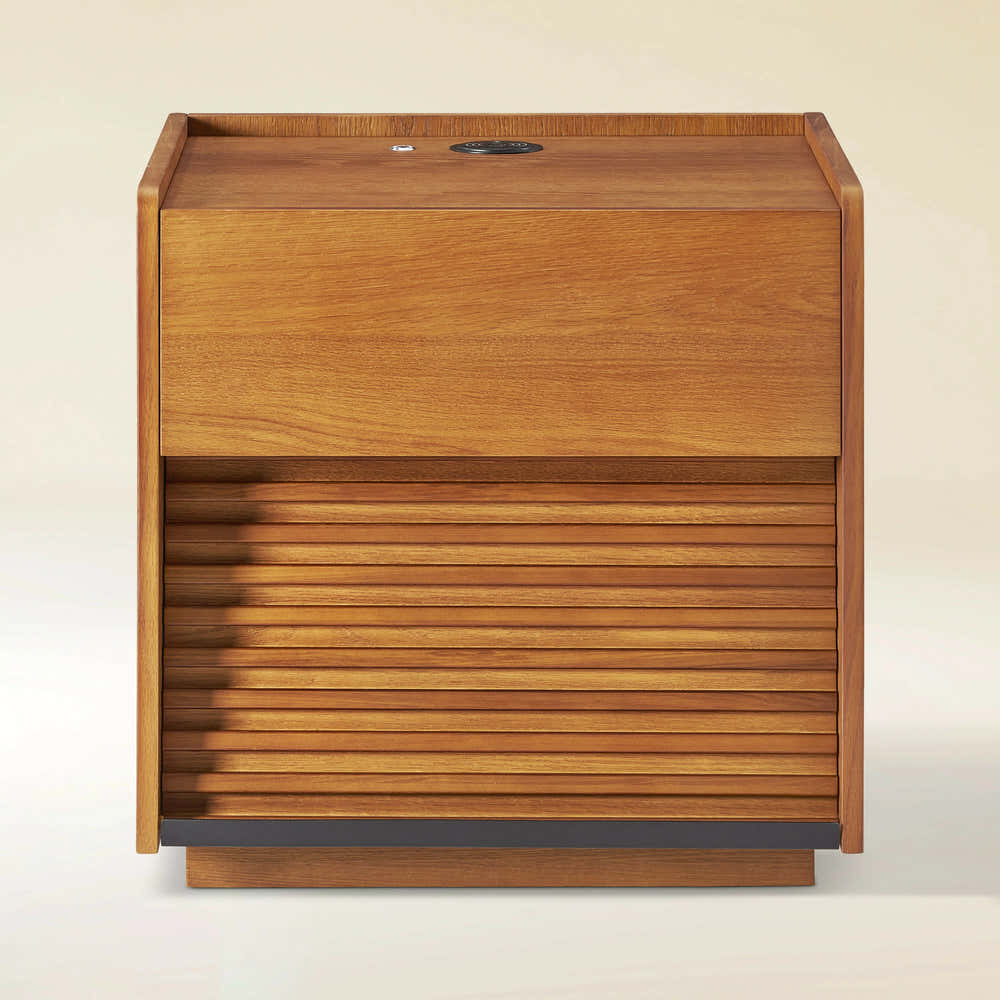
Ewan Sintered Stone Nightstand 26"W
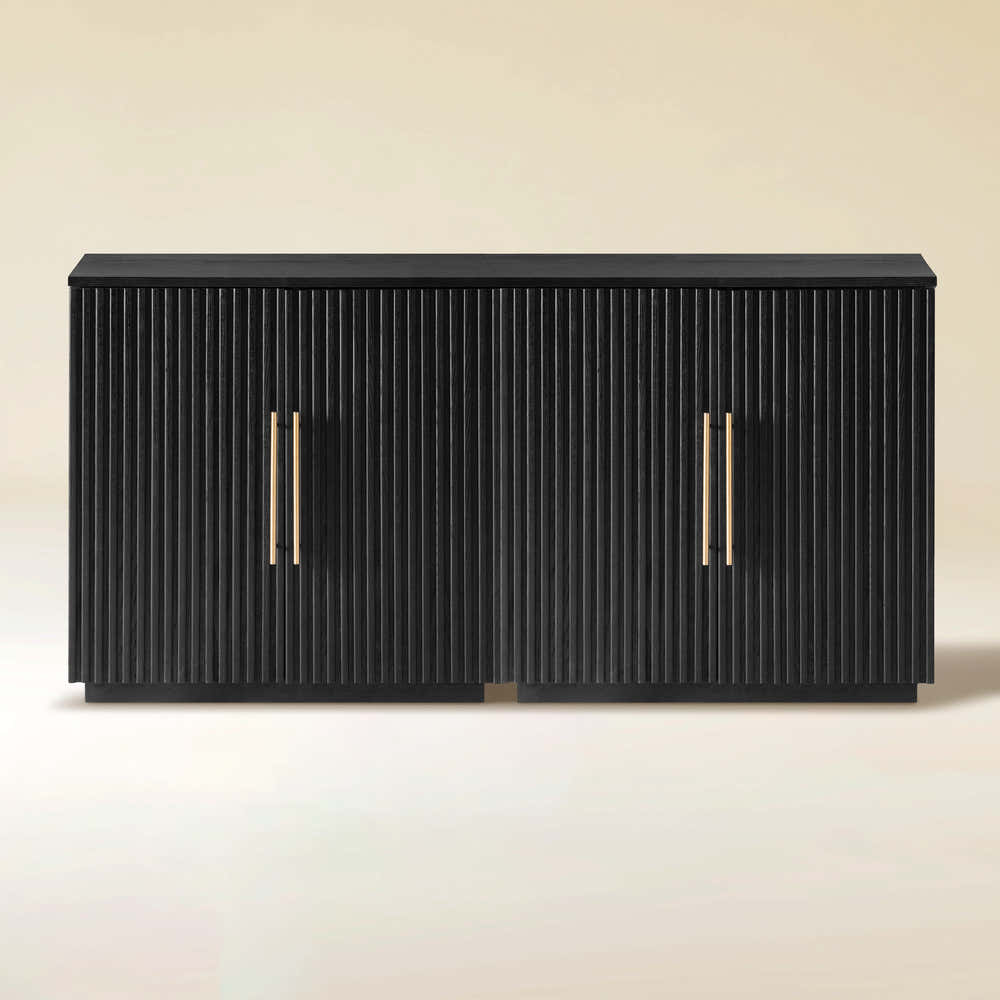


Holt 63″ Solid Oak Console(Set of 2)
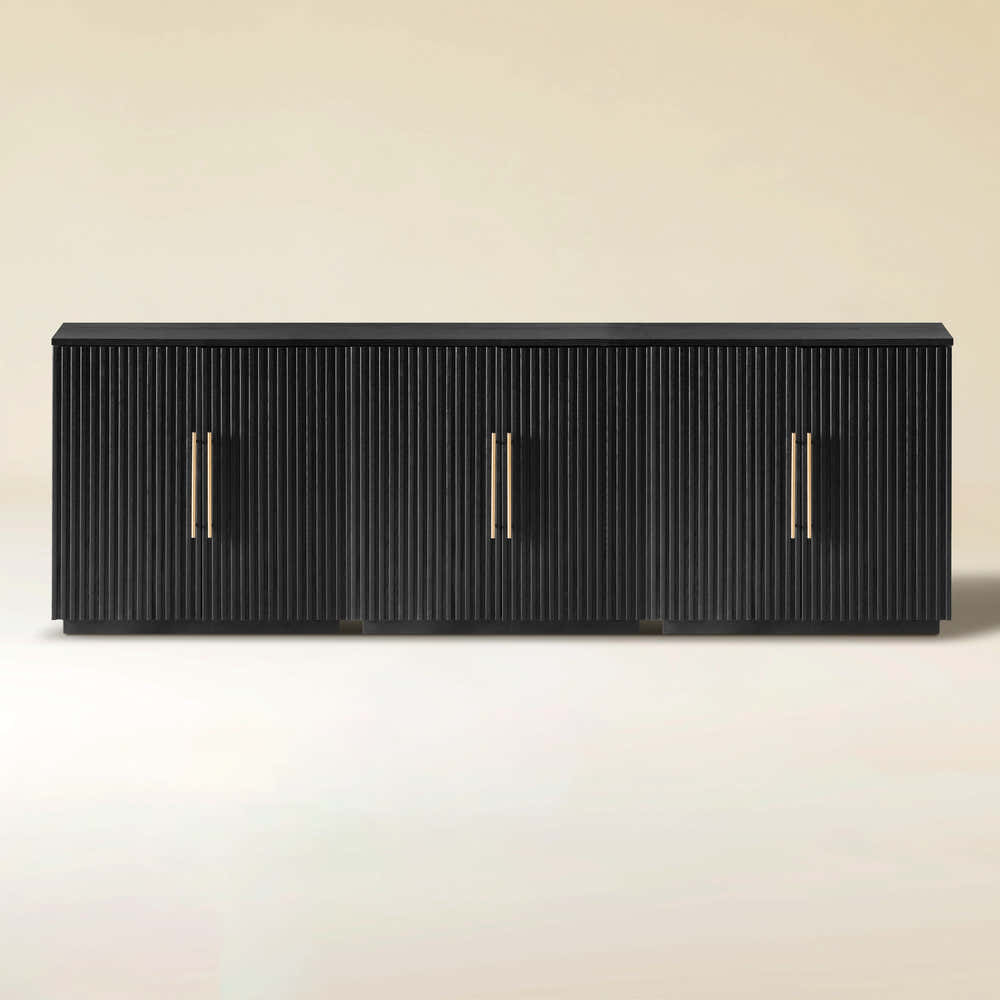


Holt 95″ Solid Oak Console(Set of 3)
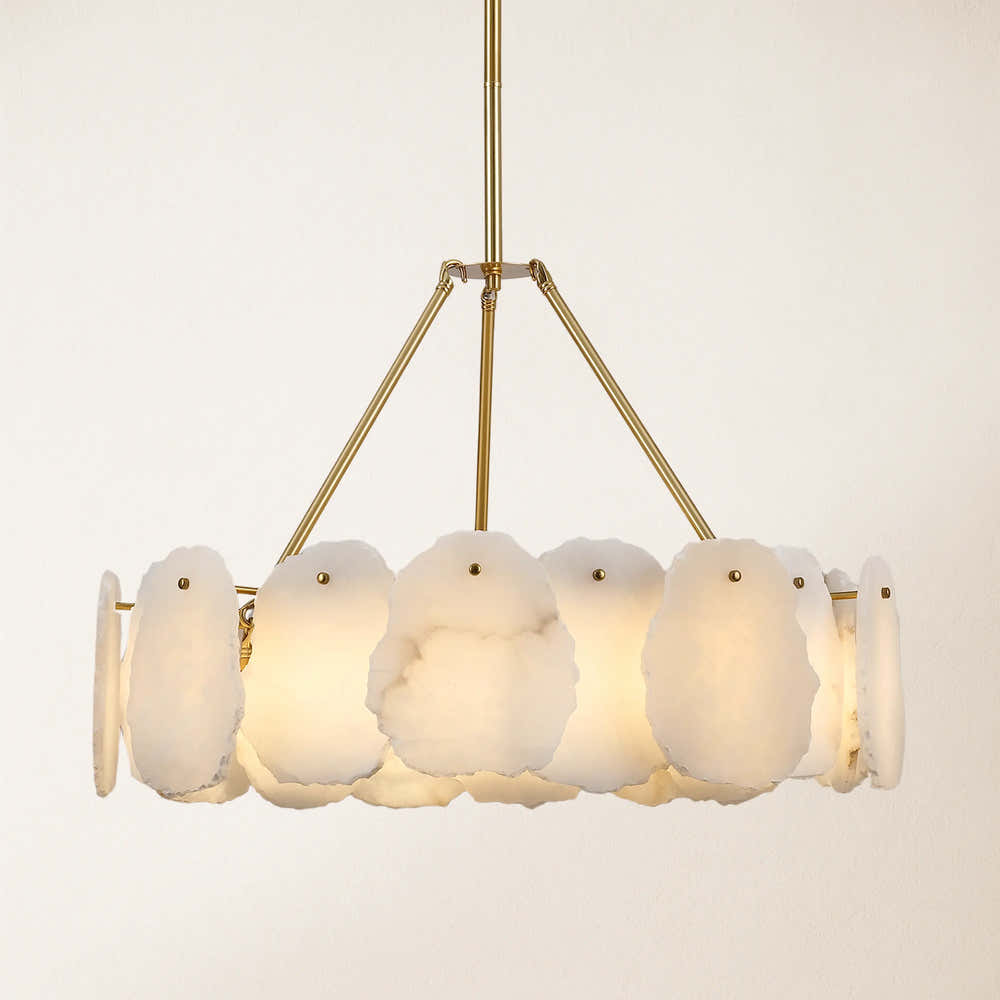


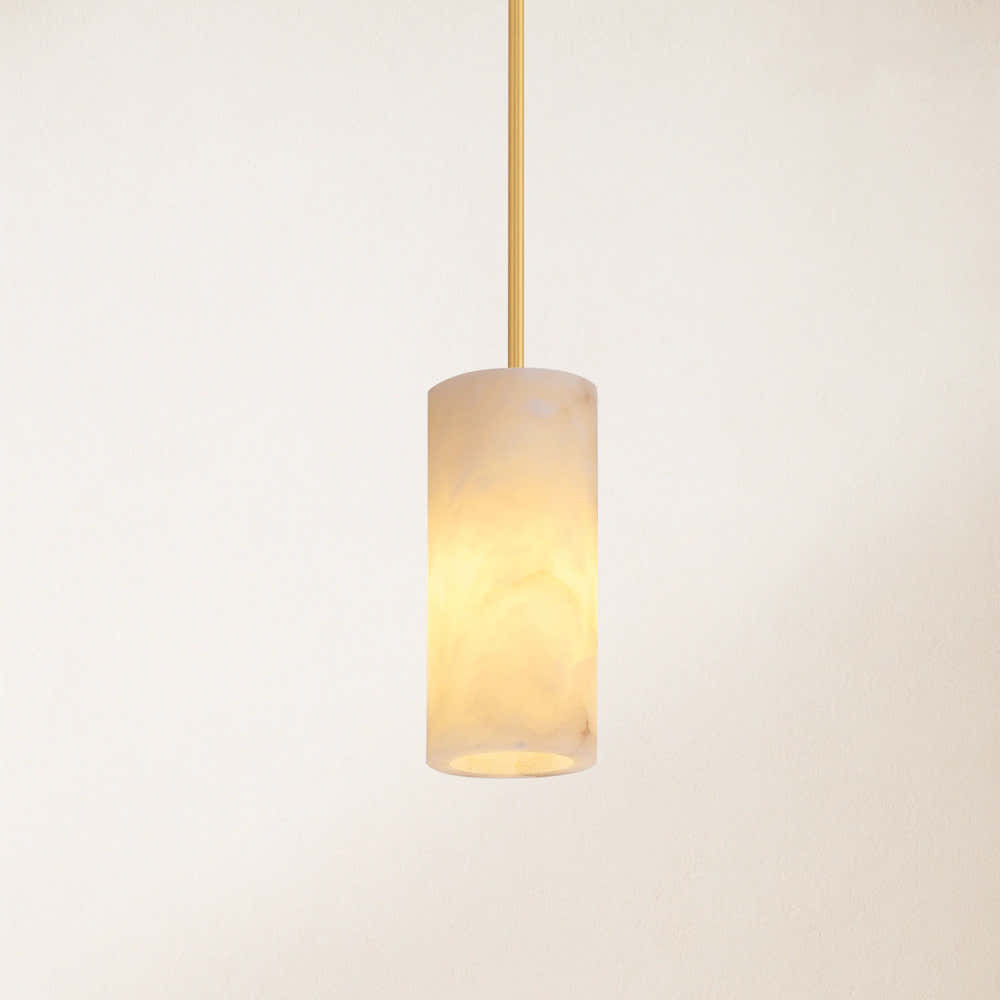
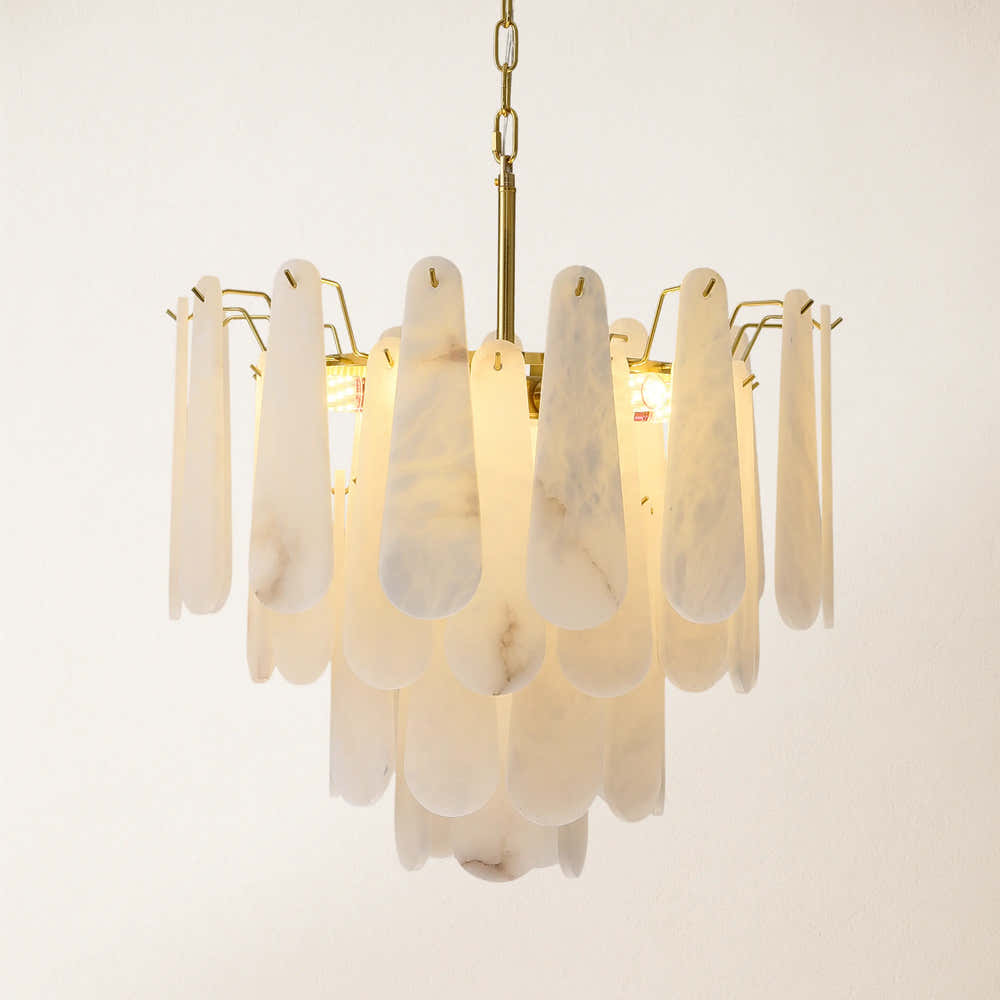
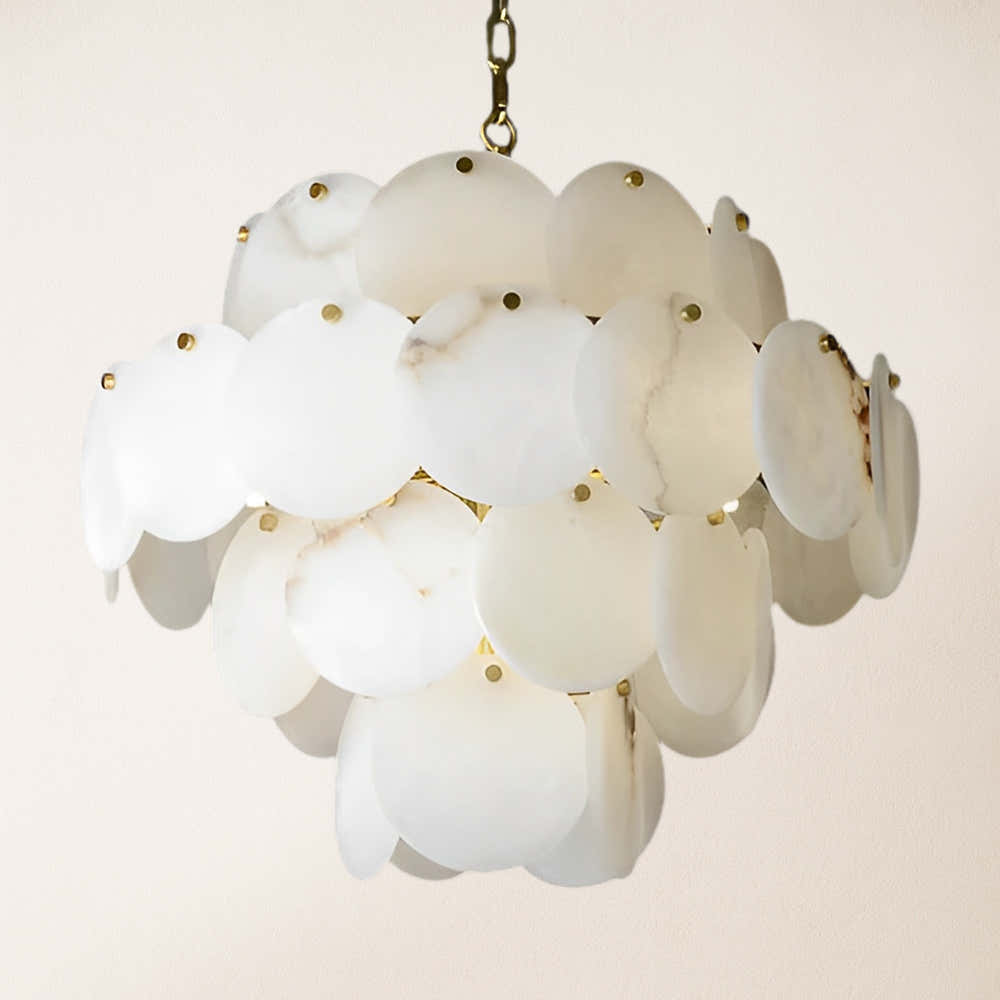
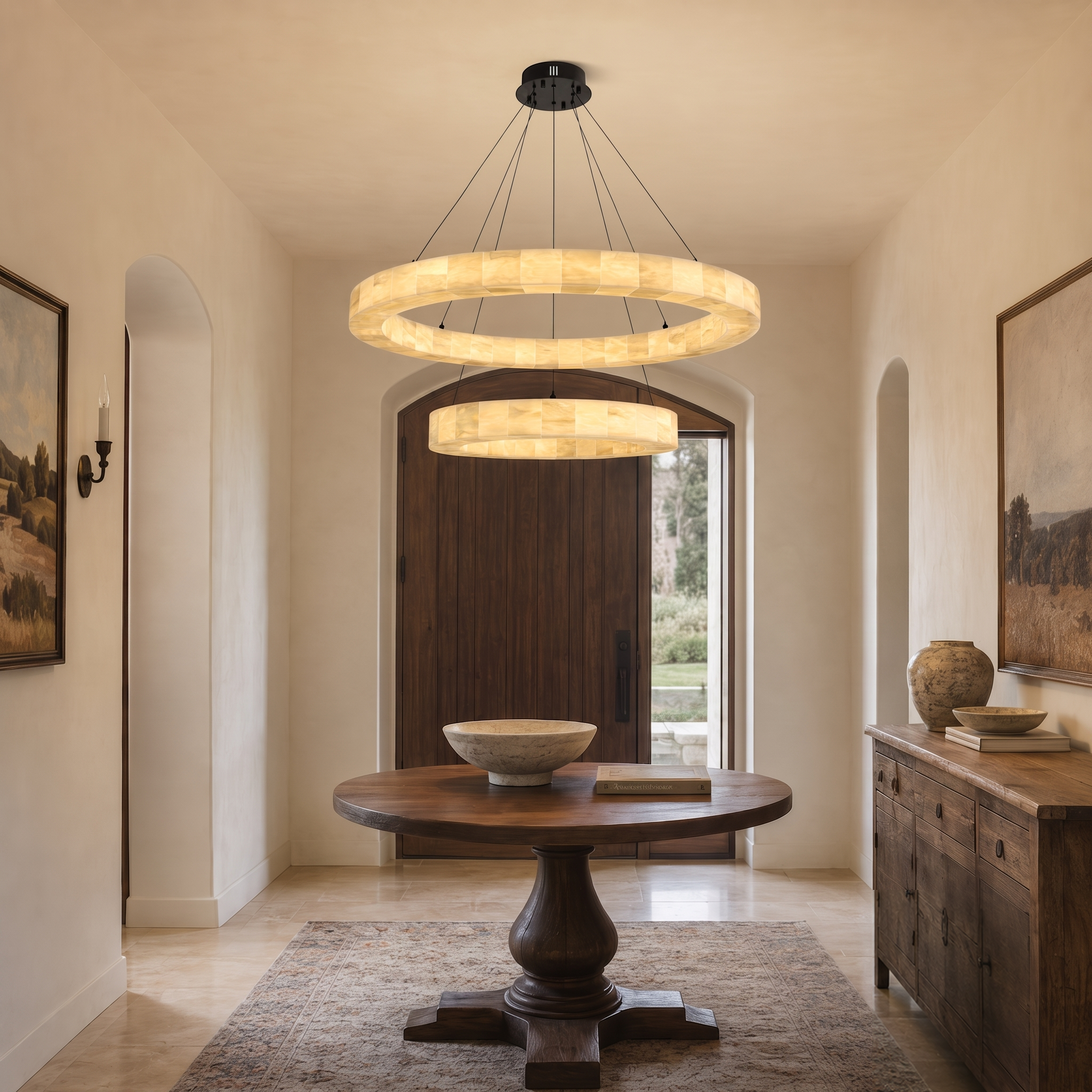
Moira Alabaster Round Chandelier 24"D
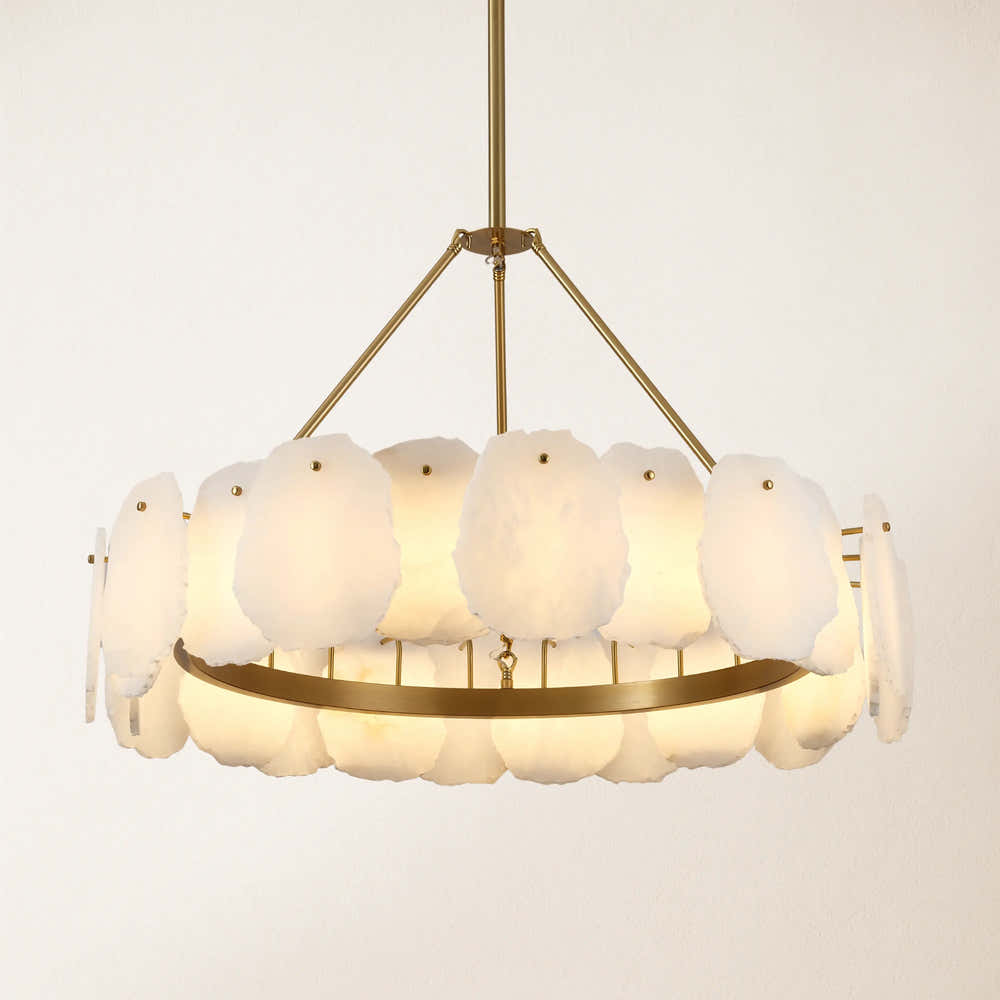


Moira Alabaster Round Chandelier 32"D
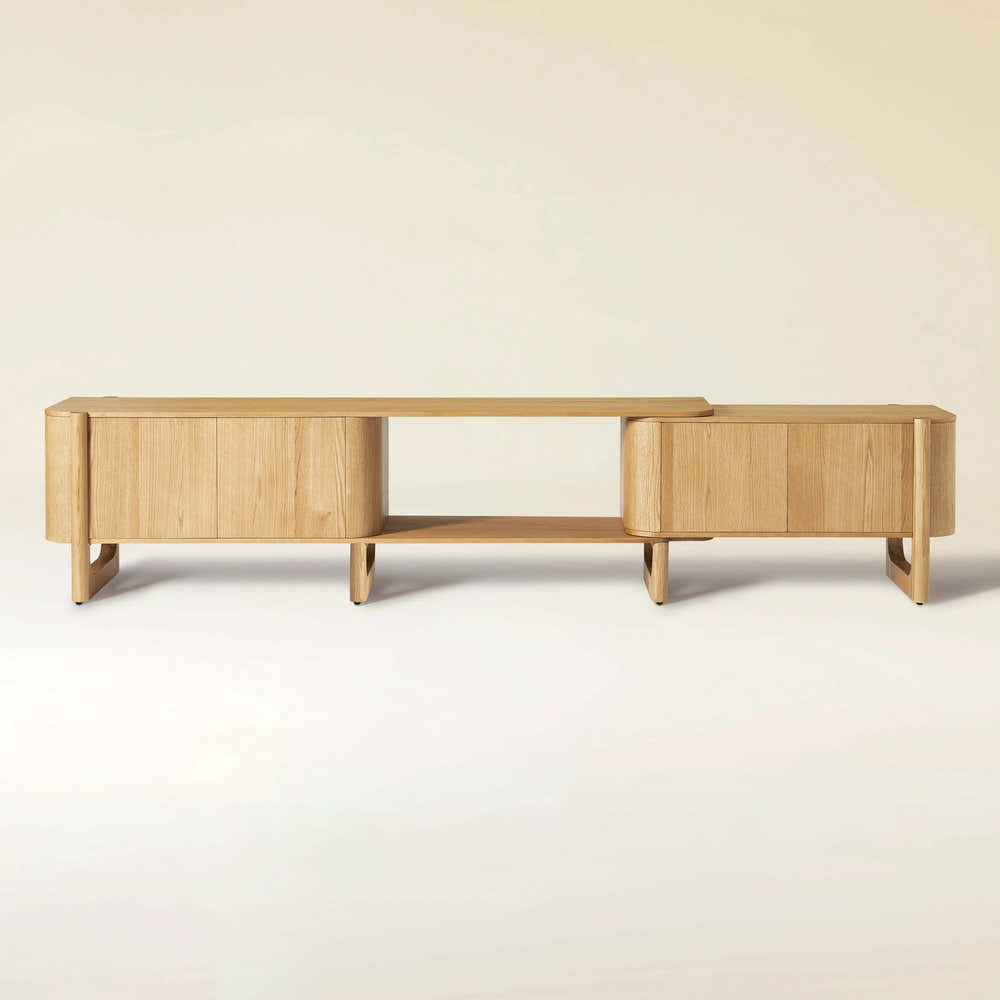
Silas Extendable TV Stand 203cm to 280cm
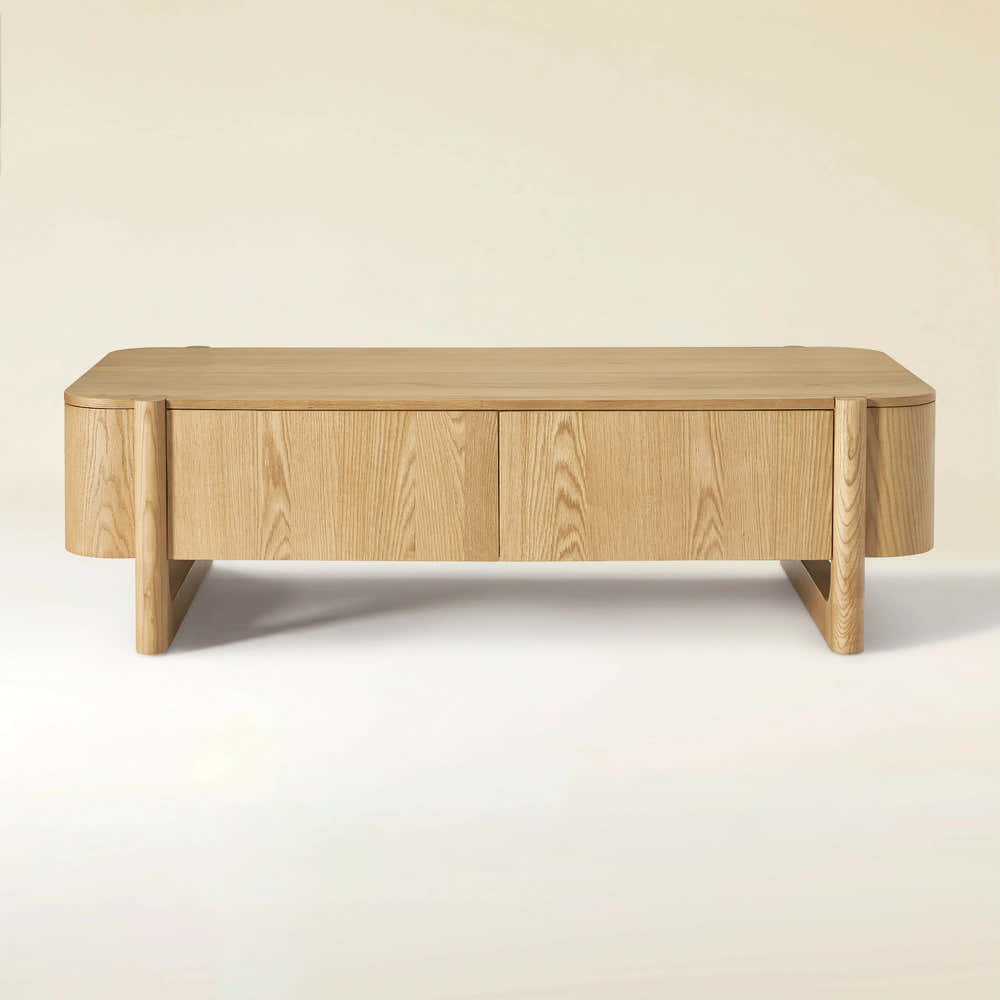
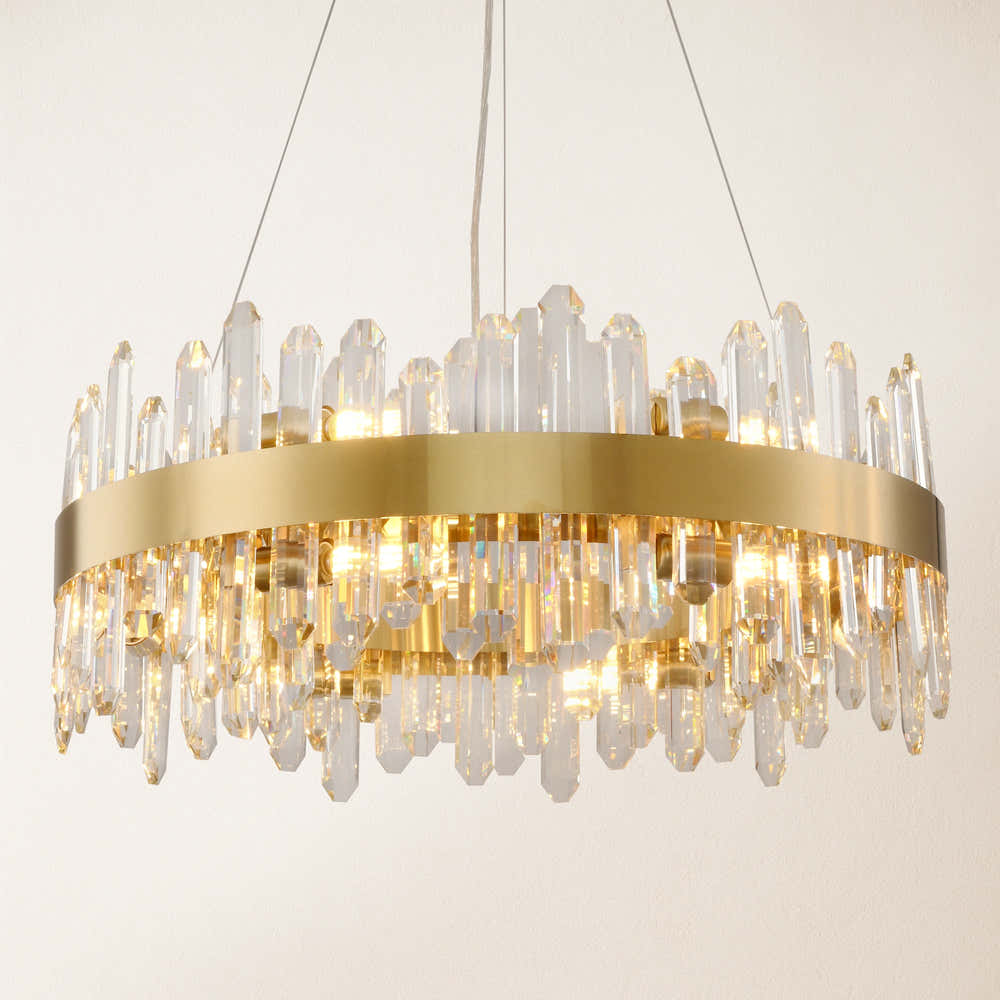
Stellara Crystal Strip Round Chandelier 24"D
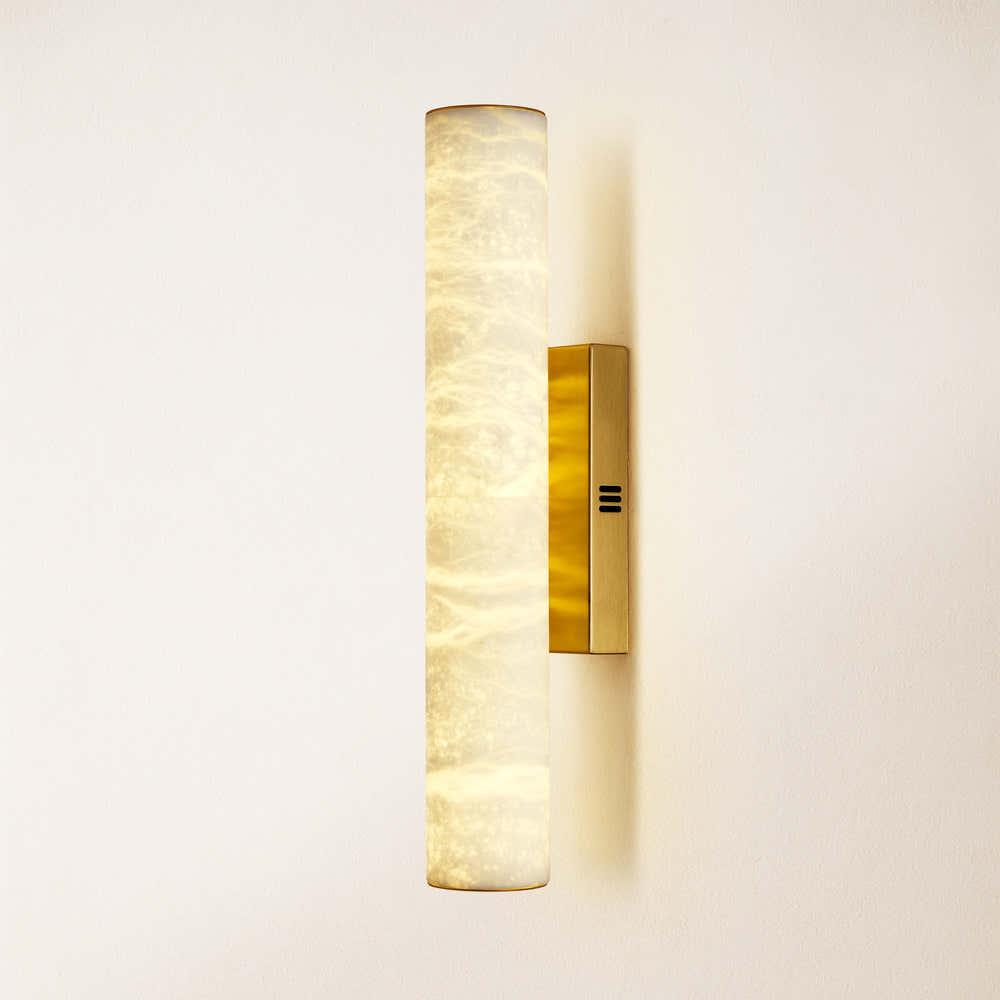


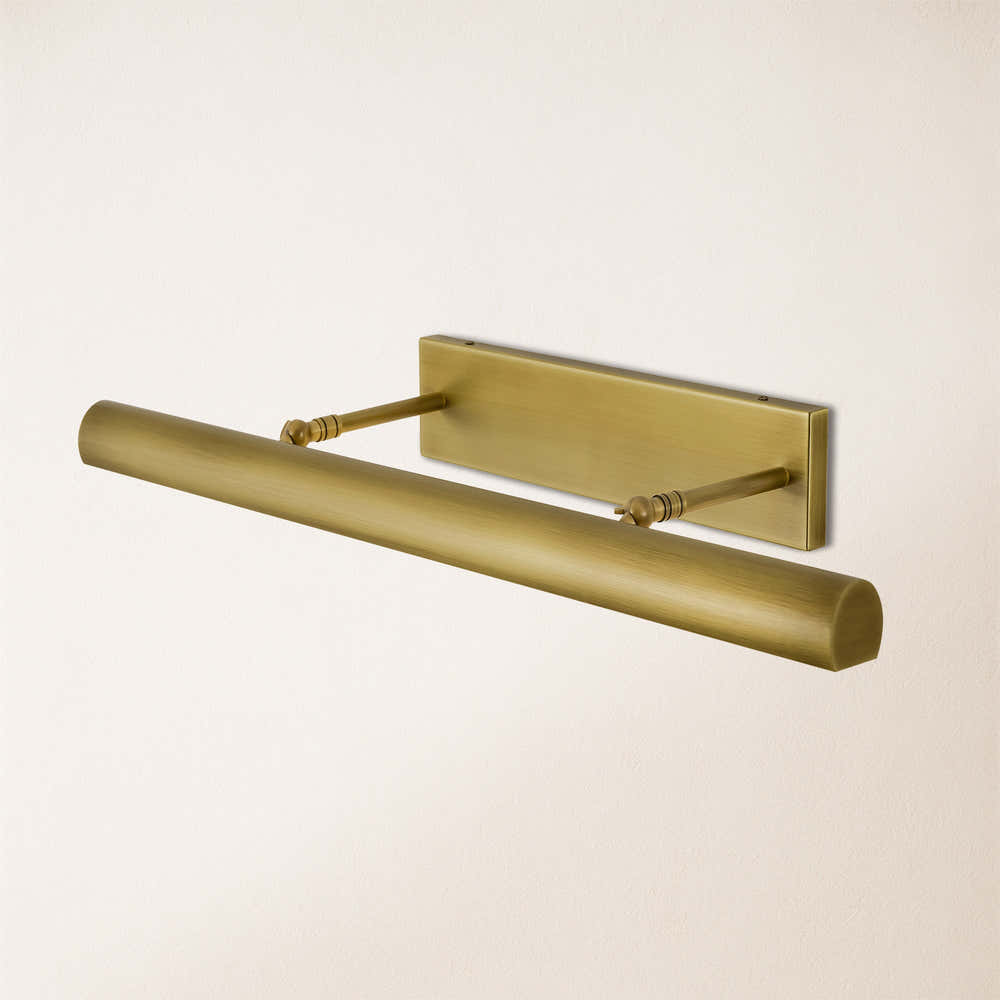
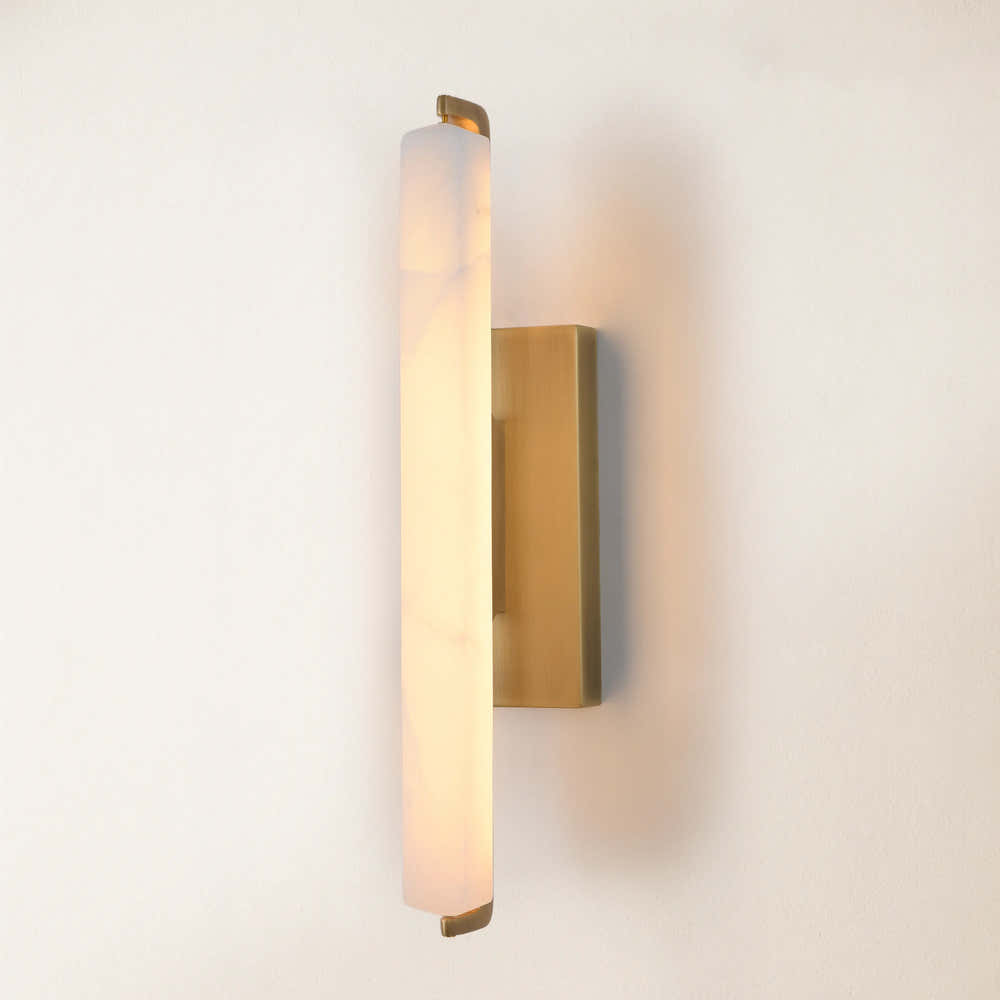
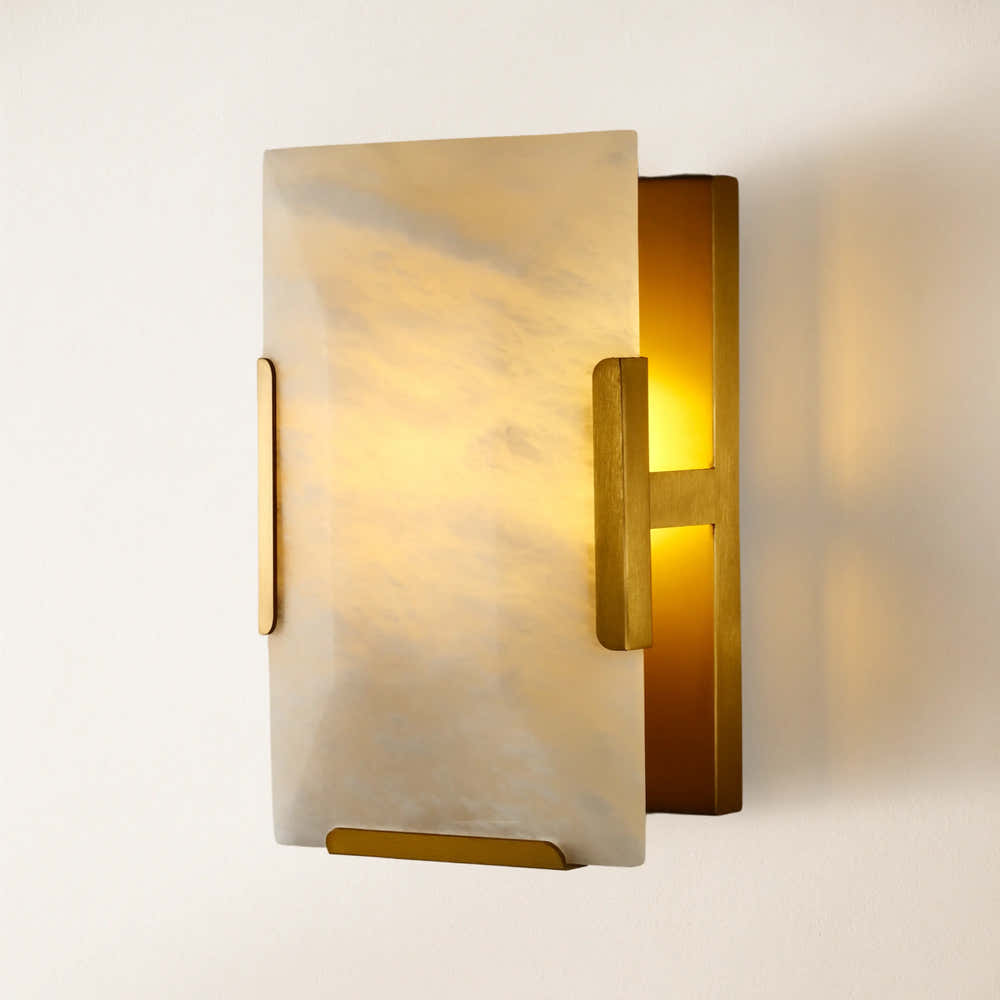
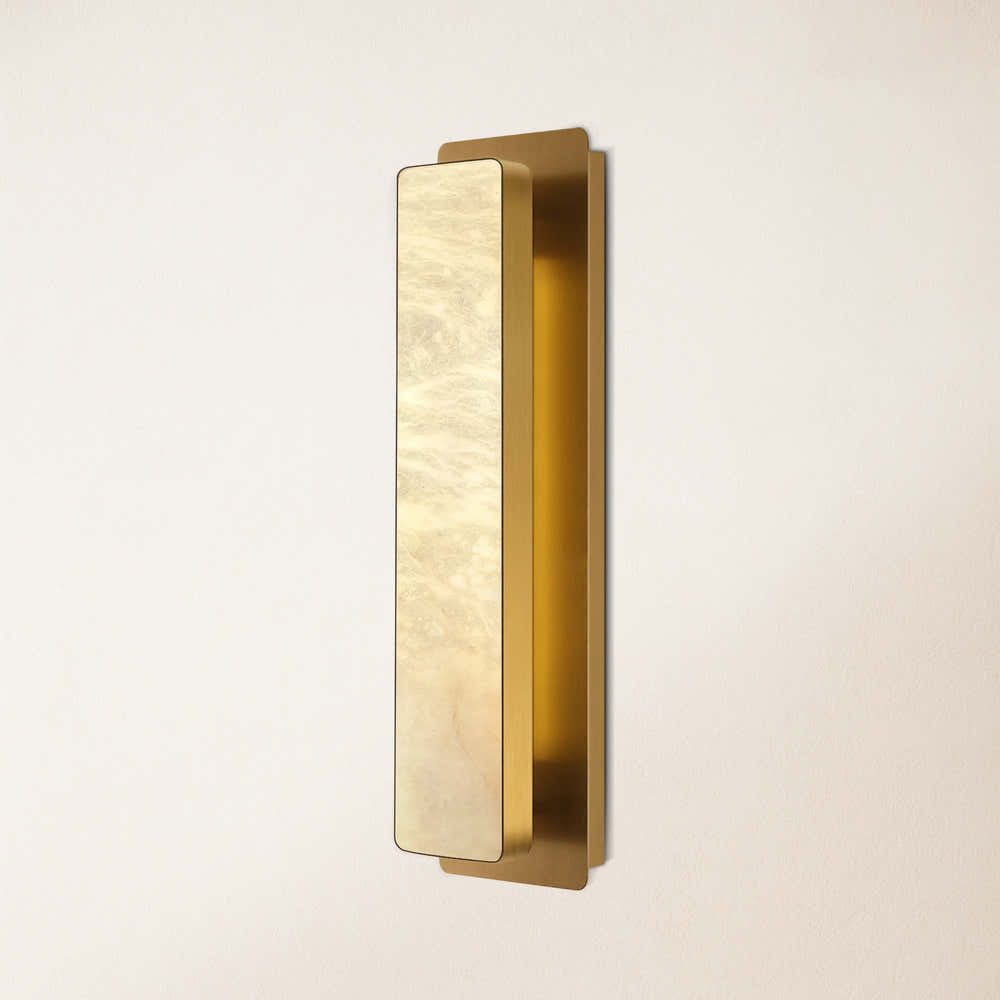
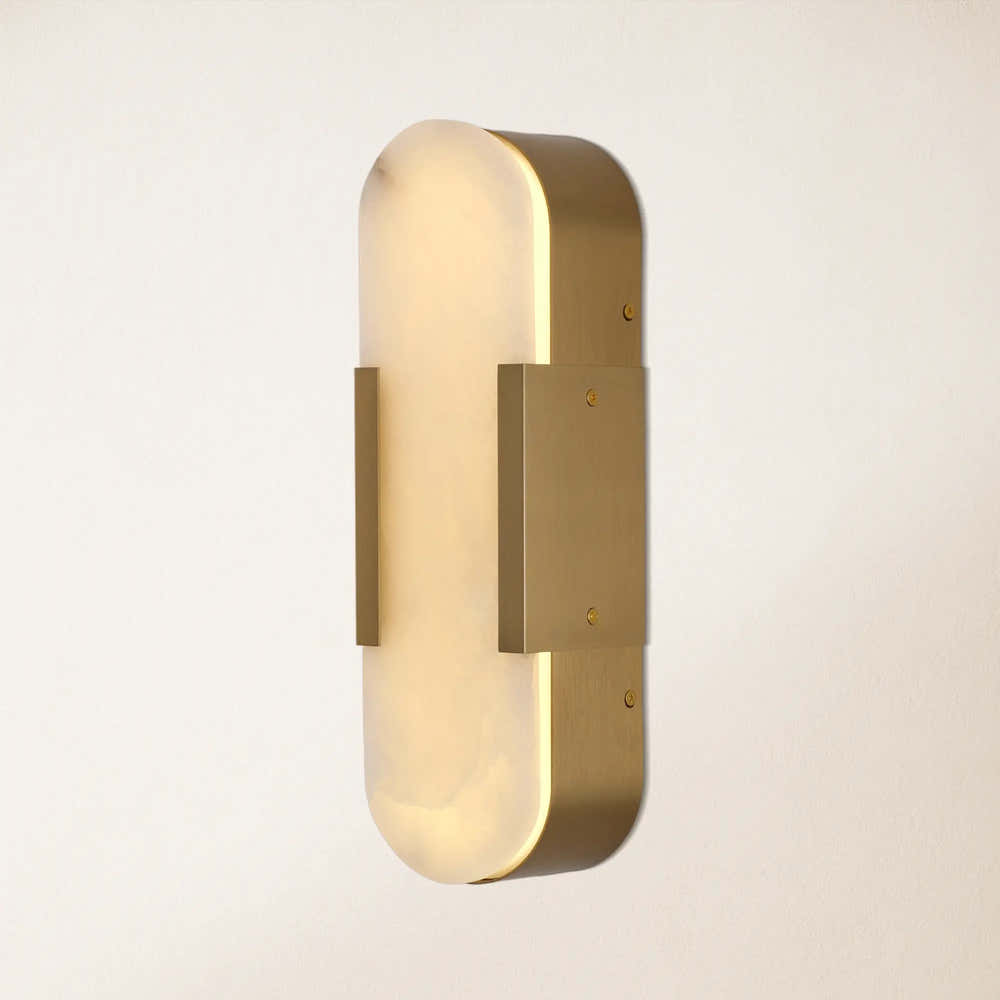
Sylvia Palladian Alabaster Wall Sconce 20"H
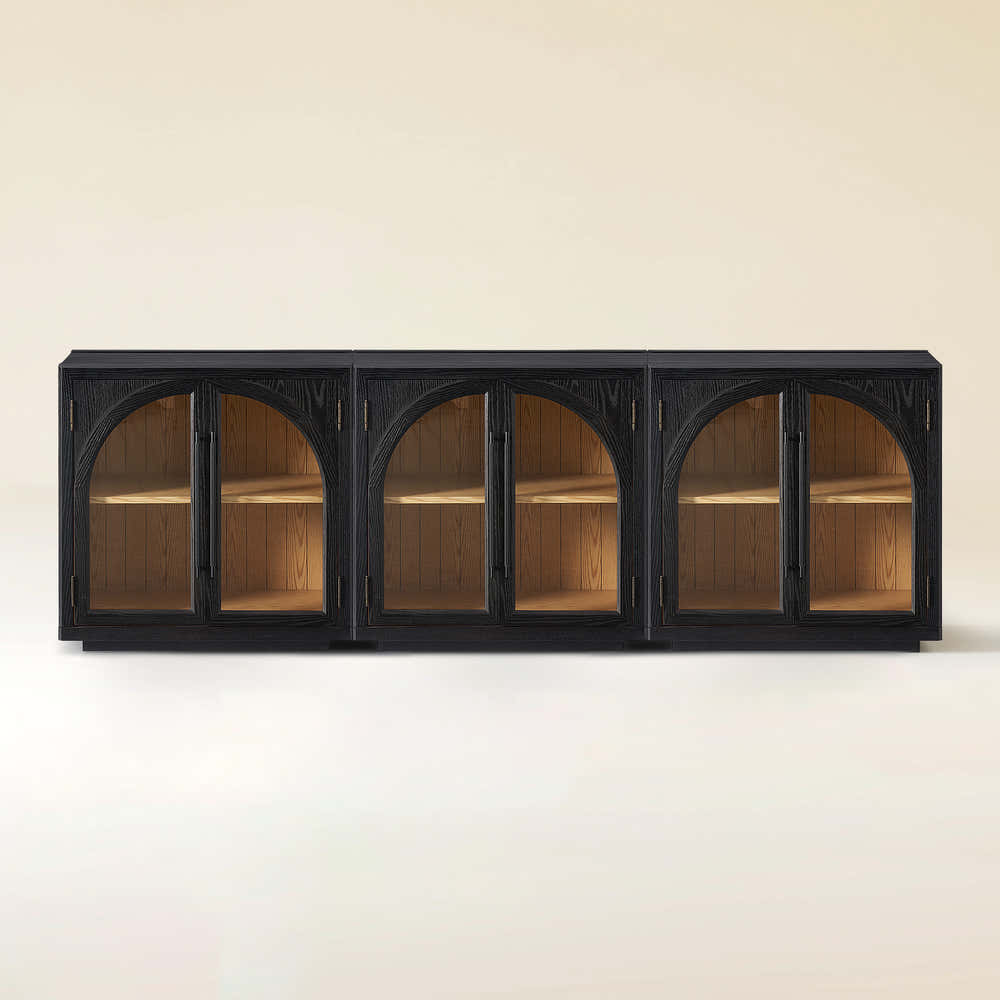


Alvar Arched 91″ Oak Media Console(Set of 3)
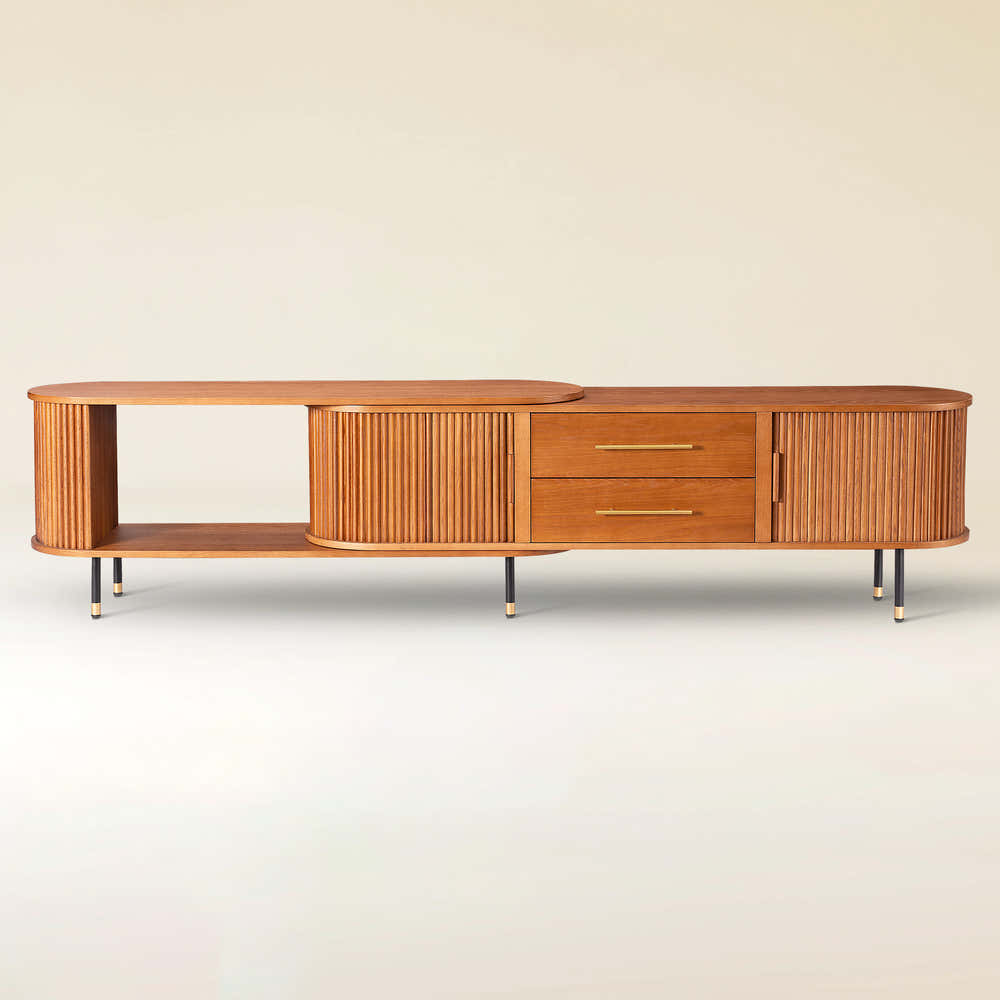
Ewan Oak Extendable Media Console 79" to 110"
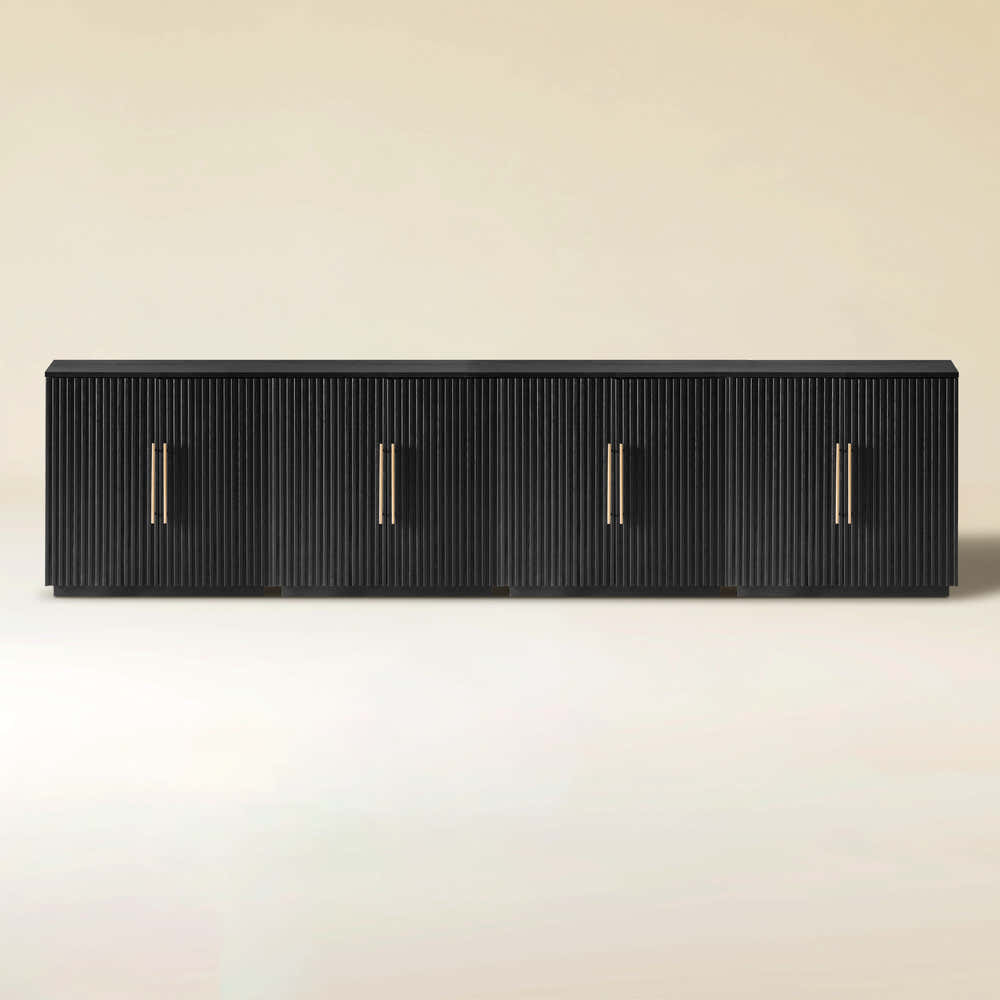


Holt 126″ Solid Oak Console(Set of 4)

FSC FCOC47059 . FSC is dedicated to the promotion of responsible forest management
worldwide. By selecting this product, you help take care of the woorld's forests

UL-certified for indoor drying environments not directly exposed to excessive moisture or water;
Use in the United States and Canada.

Certified to Dry ETL electrical standard: suitable for use indoors in dry locations not directly exposed to excessive moisture and water
Use in the United States

CE-certified drying equipment compliant with electrical standards: Suitable for indoor drying environments not directly exposed to excessive moisture or water;
Tested for use in Europe, the UK, and other regions.


The support center has answers to questions you may have. You can also contact customer service in the support center if you can't find what you're looking for.
Support Center >
At houlte, we are committed to delivering quality, style, and great value to our customers. Our goal is to simplify your shopping experience by providing competitive prices and exceptional service.

If an item you purchased from houlte goes on sale on our website within 30 days of your purchase date, you may request a price match. This policy ensures you always receive the best value when shopping with us.
Houlte reserves the right to interpret and adjust the terms of the Price Match Policy as necessary.
Houlte has partnered with Taskrabbit to make your everyday life at home easier by connecting you with flexible and affordable ways to get your to-do’s done including furniture assembly and mounting.

1. Purchase your furniture at Houlte.
2. Check your order Dispatched and Delivered email and click the
Houlte link. You will be redirected to Taskrabbit's landing page.
3. Post your task on Taskrabbit platform.
4. Pick the best tasker to assemble your furniture.
Houlte has partnered with Taskrabbit to make your everyday life at home easier by connecting you with flexible and affordable ways to get your to-do’s done including furniture assembly and mounting.
Taskrabbit Assembly is available in most metro areas in the US. The availability of Taskers varies based on demand. When placing an order on Taskrabbit, you will need to enter your zip code. If the service is not supported in your area, you will not be able to place an order.
You can book assembly for your Houlte furniture as early as the next day after your delivery, and up to 14 days in advance, giving you flexibility to choose a time that works best for you.

Ready to use out of the box; minimal installation may be required (e.g., handles).

Main structure is pre-built; minor components require attachment (e.g., legs).

Assembly required; multiple parts must be assembled before use.
Our furniture is built with a combination of core boards, real wood veneers, and selected solid wood parts. Each material is used for a different purpose—structure, surface appearance, or visible strength—so the final piece feels balanced in performance, finish, and cost.
Core boards form the internal foundation of the furniture. They provide structure, stability, and efficiency across large surfaces and cabinet bodies.

Stable structural board

Smooth and consistent

Functional internal board
Selected solid wood parts are used where visible strength, tactile quality, and structural integrity matter most—such as legs, frames, trim, and exposed support details.

Durable and classic

Light and versatile

Premium and elevated
We have found that people rarely ask this question until they are almost done furnishing the bedroom. The bed is in place. The rug is down. The lighting is half decided. Then comes the bedside table—and suddenly proportion becomes very real.
A nightstand that is too low can feel awkward every single day. One that is too high can interrupt the visual line of the bed and make the whole setup feel slightly off, even if everything else is beautiful.
So if you are wondering how tall a nightstand should be compared to your bed, here is the clearest answer we can give:
When we are evaluating bedside proportions, we do not begin with "standard nightstand height." We begin with your actual bed height.
If the top of your mattress sits at 26 inches from the floor, then a nightstand in the 24–28 inch range is usually where things start to work best.
That sweet spot matters because a bedside table is not just something you look at. It is something you use half-awake:
Good proportion should feel invisible. If you notice the height constantly, it is probably not quite right.
Most nightstands fall somewhere around 24 to 28 inches tall, with some lower-profile designs sitting a bit under that and some more substantial designs running taller. That average range exists for a reason: many modern beds, once the frame and mattress are combined, land within a similar height band.
But averages only help so much. A platform bed with a thinner mattress may sit much lower. A taller upholstered bed with a deep mattress or topper may sit significantly higher. That is why we always recommend measuring first rather than shopping by assumption.
A taller nightstand can make sense when your bed sits high off the floor, you use a thicker mattress or mattress topper, you want more drawer capacity, or your bedside lamp has a larger base and shade.
A shorter nightstand often works better when you have a low platform bed, your room is visually minimal, you want the bedside area to feel lighter, or the bedroom is small and anything bulky feels crowded.
We do not think in terms of "tall is better" or "short is better." We think in terms of what height disappears into the bed most naturally.
In most bedrooms, the most comfortable answer is: roughly the same height as the top of the mattress. If you want a more specific rule, this is the scale we use:
A nightstand that is slightly higher than the bed is often easier to use than one that is noticeably lower. Reaching down too far from bed gets irritating quickly. A little extra height, by contrast, can still feel practical—provided it does not tower over the mattress.
Different bed types create different bedside needs. If you have a platform bed, you may need a lower nightstand than the market average. If you have a standard frame with box spring and mattress, a mid-height nightstand is usually the natural fit. If you have a tall upholstered bed, a deep pillow-top mattress, or a luxury hybrid mattress with topper, your nightstand may need to be taller than expected.
King beds also deserve special mention. Because they are visually wider and heavier, they usually look best with bedside pieces that feel proportionate—not just in width, but in height too. A tiny, low nightstand next to a king bed can look underscaled even if it technically functions.
Stand beside your bed and measure from the floor to the top surface of the mattress—not the bed frame, not the rail, not the box spring. What matters most is where your arm naturally reaches while lying down or sitting up in bed.
Once you have that number, look for a nightstand that lands at the same height, or just slightly above or below it. That is your practical target. If you are between sizes, we usually prefer going slightly higher rather than significantly lower.
This is where many sizing mistakes happen. People shop based on mattress size alone and forget that actual bed height is influenced by multiple layers. Consider all of these together:
We often tell people that measuring is only step one. Step two is standing back and asking whether the nightstand looks visually fluent beside the bed—not just mathematically correct.
Before committing, imagine three everyday motions:
If all three motions feel easy, you are probably in the right range. If you have to dip your arm sharply downward, the nightstand is likely too low. If your elbow lifts awkwardly upward or the table edge crowds the mattress line, it may be too high. Comfort is often the fastest test.
Height is the starting point, but style still matters. The same measurement can feel different depending on the visual weight of the piece. A boxier nightstand with drawers may read taller and heavier than a more open design of similar height. A stone-topped piece can feel refined and substantial. A compact nightstand can solve a height issue but still feel too narrow for the scale of the bed. That is why we look at height, width, and presence together.


For more options across sizes and styles, you can browse the full Houlte Nightstand collection:
Browse all nightstands →Not necessarily. We do not see matching as a rule anymore. If both nightstands are close in height and feel visually connected through material, tone, scale, or shape, they can absolutely be different. In fact, mismatched bedside tables often make the room feel more relaxed and more personal.
If you are mixing nightstands, the one thing we would keep consistent is height alignment. You can vary drawer count, width, silhouette, and finish. But if one side sits much higher or lower than the other, the difference tends to feel distracting. Our preferred approach is to let the tables differ in personality while staying close enough in height that the bed still feels centered and intentional.
Nightstand height affects lamp height more than many people expect. A lamp should land at a comfortable reading level when you are sitting up in bed. If the nightstand is unusually low, the lamp may need to be taller to compensate. If the nightstand is high, an oversized lamp can suddenly feel overpowering.
We usually look for a bedside setup where the lamp supports the bed without dominating it. The right combination depends on both pieces working together—not in isolation.
If we had to reduce the whole conversation to one practical guideline, it would be this:
That is the real answer—not what is standard, not what is trending, and not what a product category says on paper. The right bedside height should feel easy in the dark, comfortable in the morning, and visually calm from across the room. When that proportion is right, the rest of the bedroom tends to fall into place much more easily.
Share:
What Size Should a Bookcase Be: A Comprehensive Guide
The Definitive Guide: Difference Between a Sofa and a Couch