


















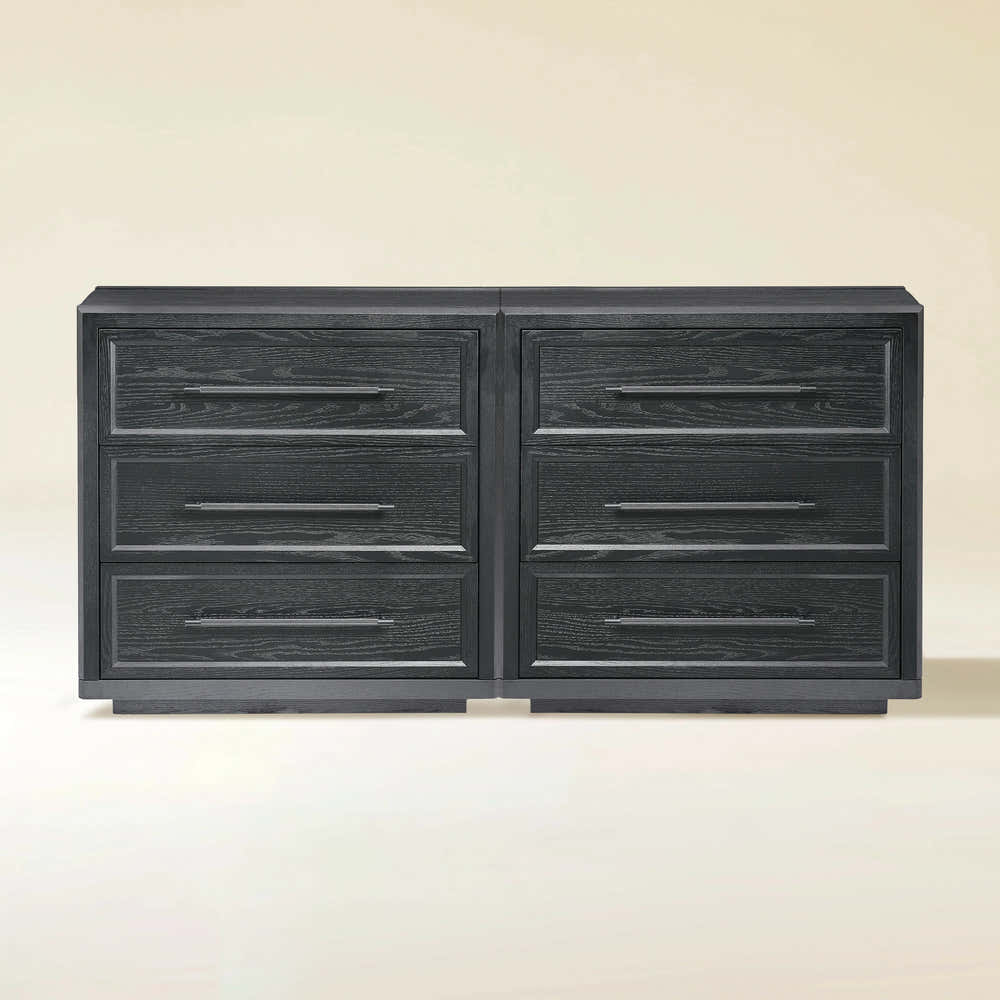


Alvar 61″ Oak 6-Drawer Chest(Set of 2)

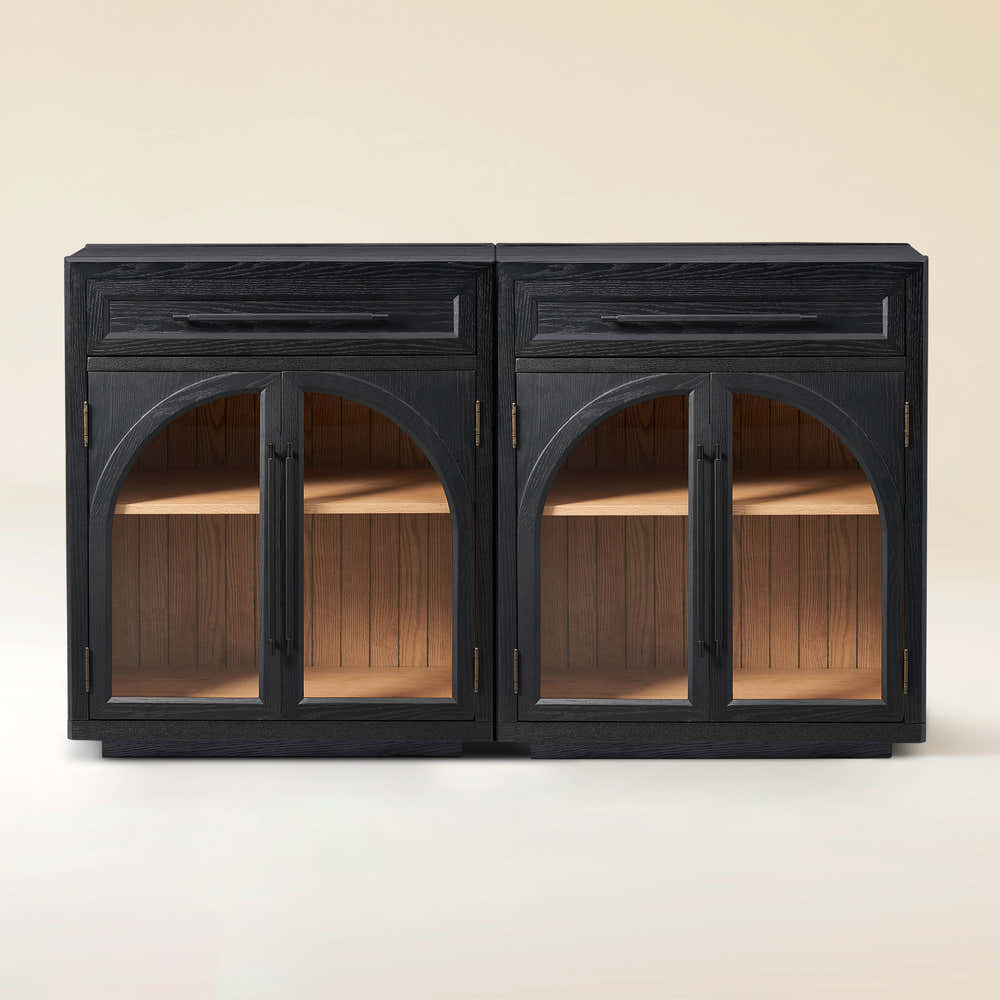


Alvar Arched 61" Oak Sideboard with Drawers(Set of 2)
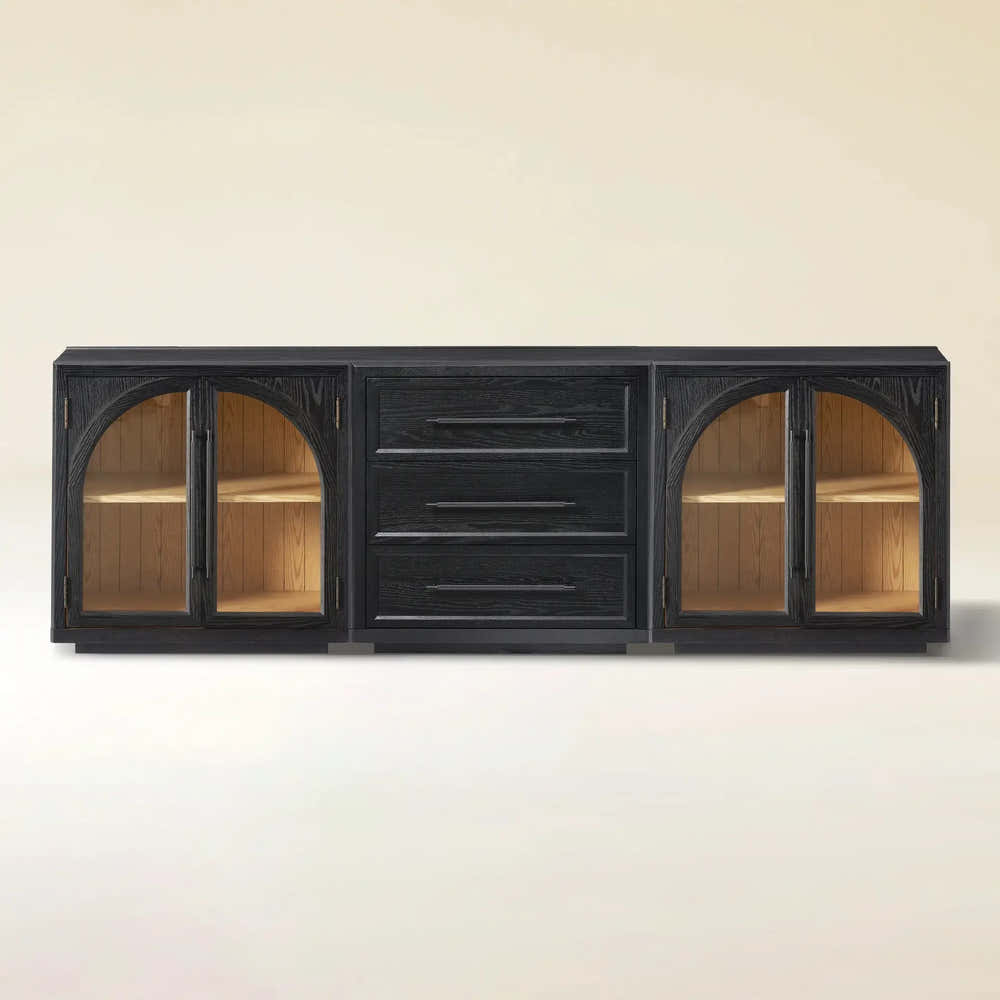


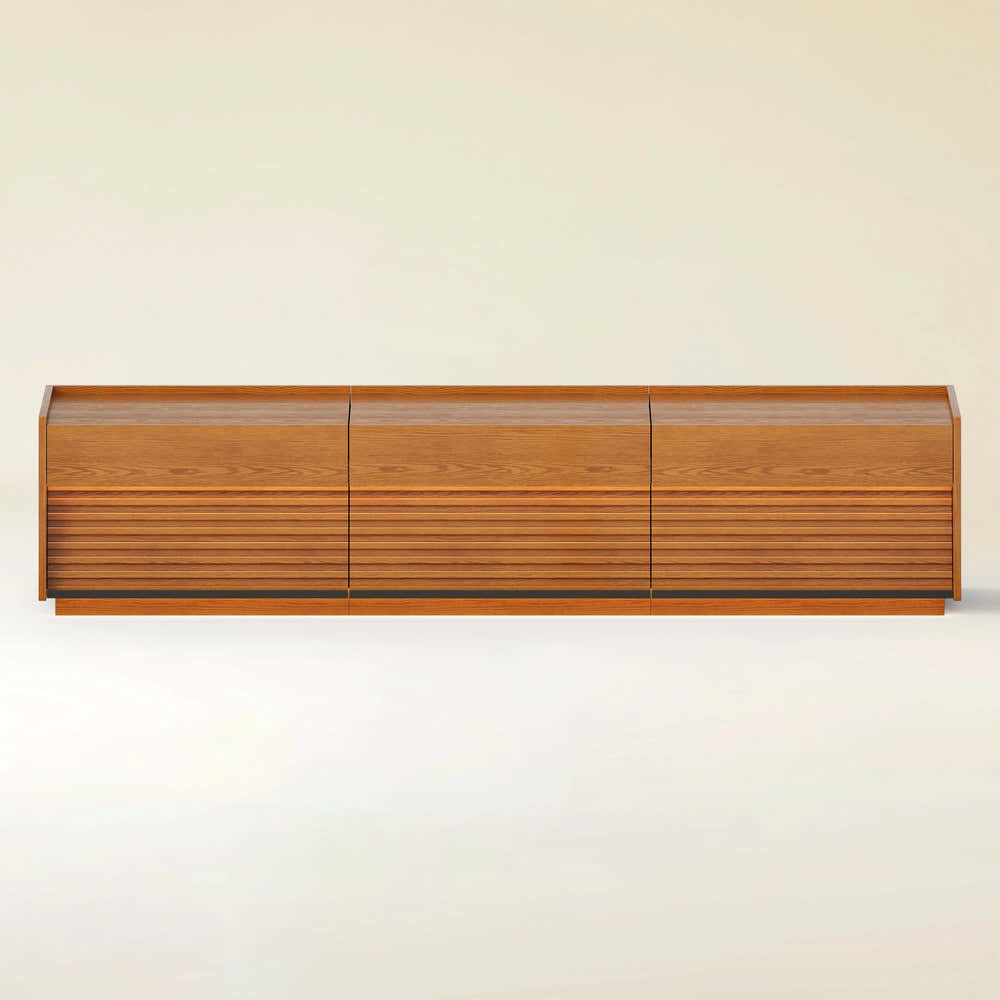
Alvar Arched 91″ Oak Modular Media Console(Set of 3)
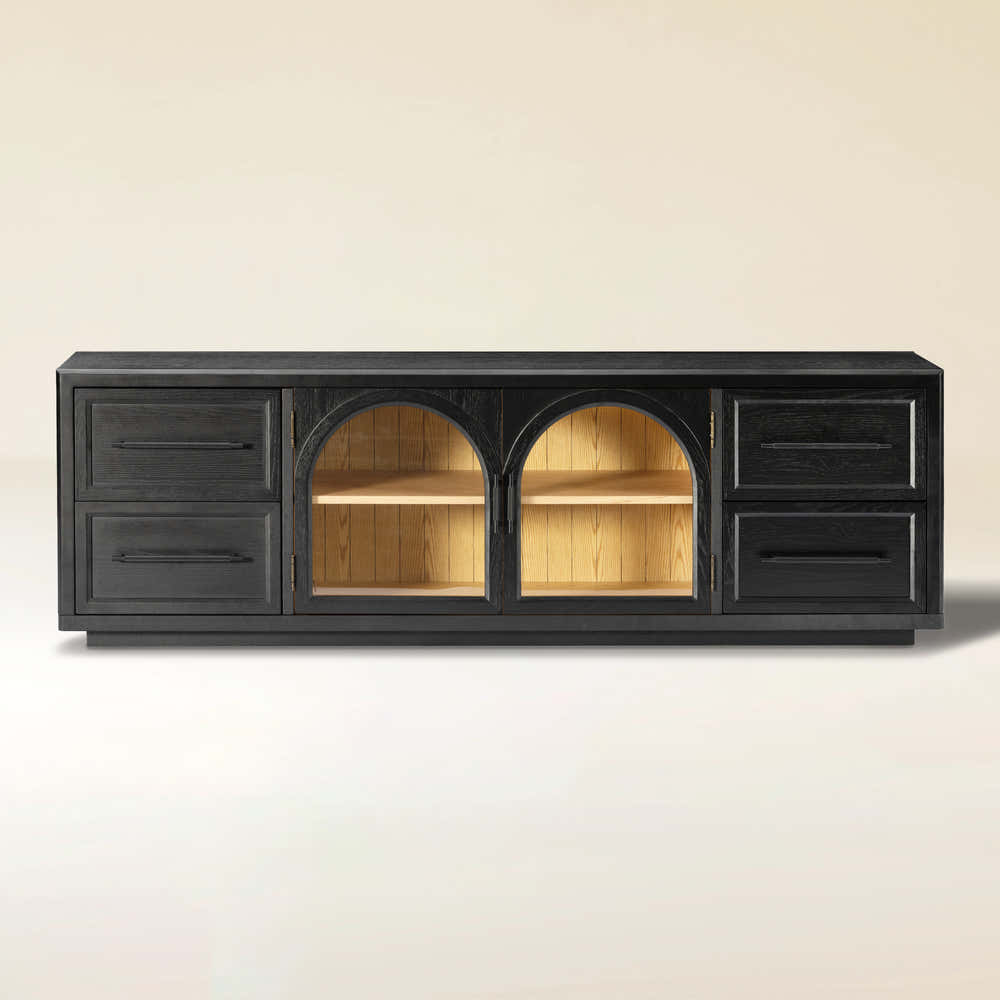
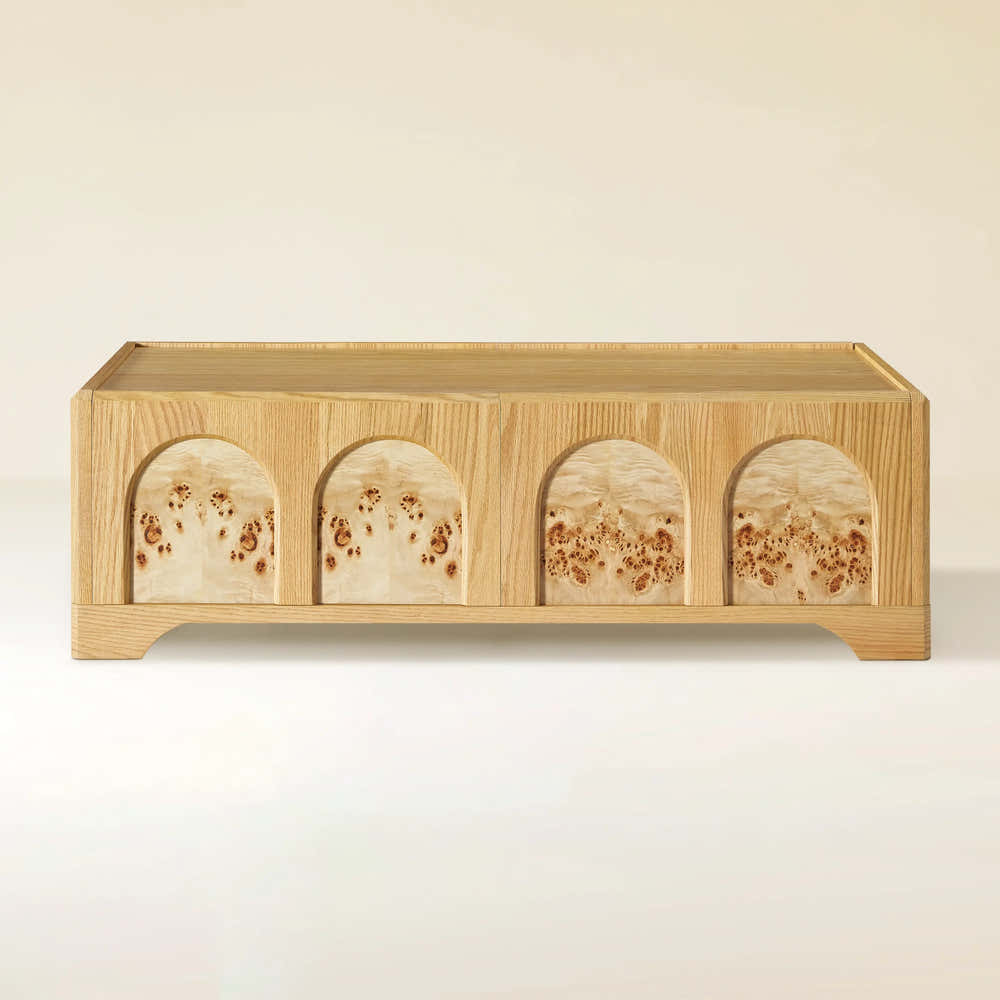
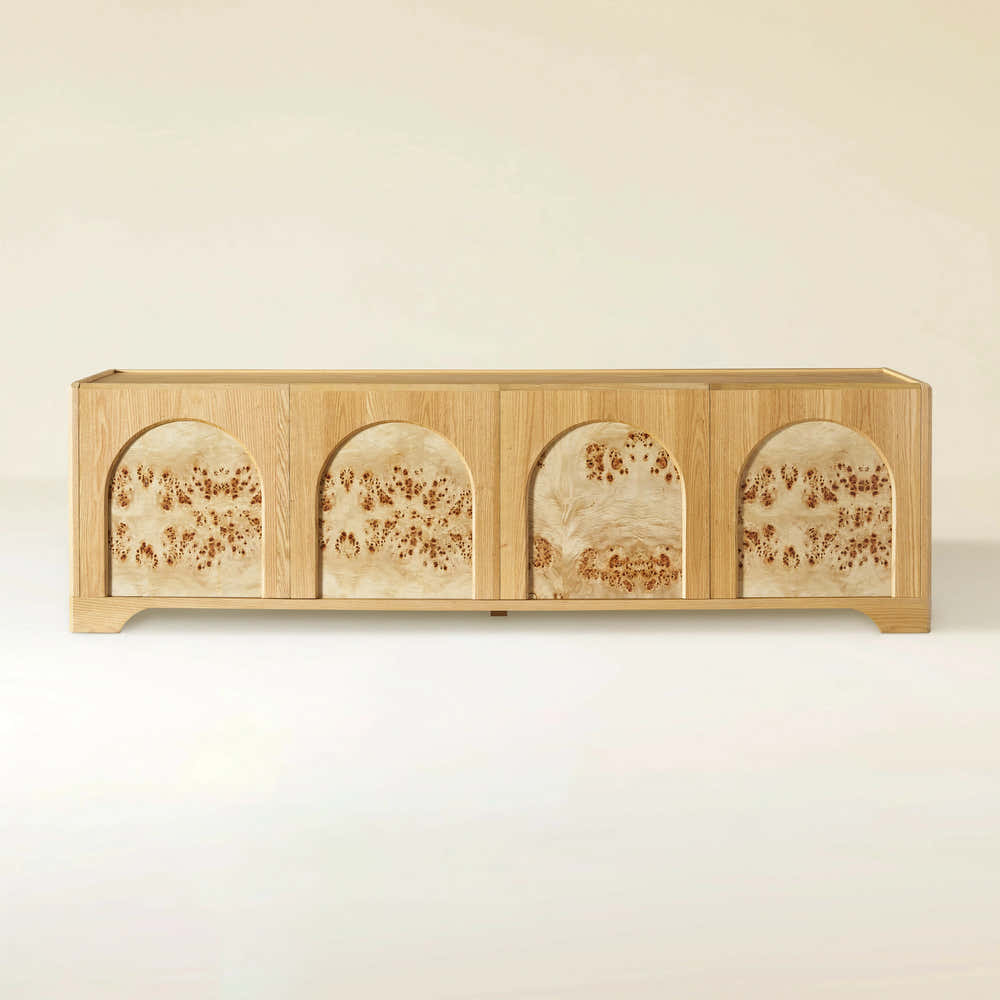
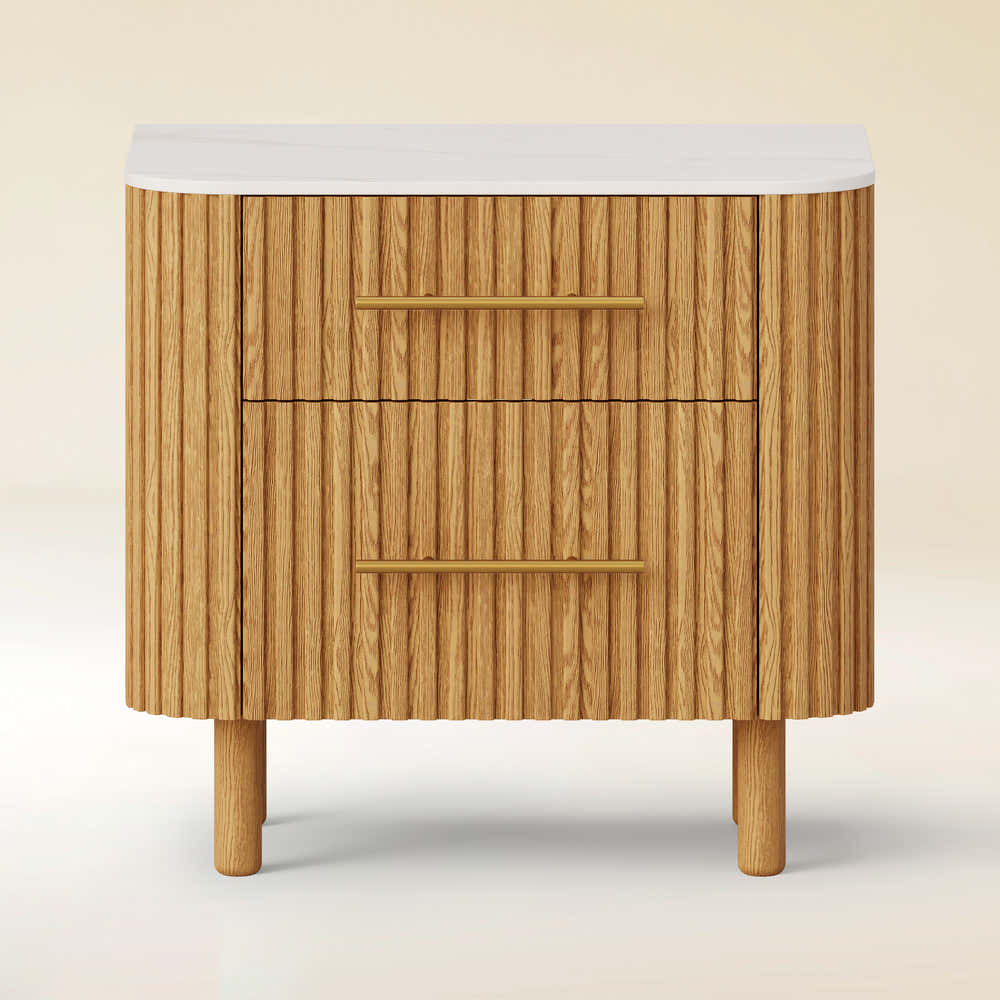
Charlie Sintered Stone Nightstand 26" W
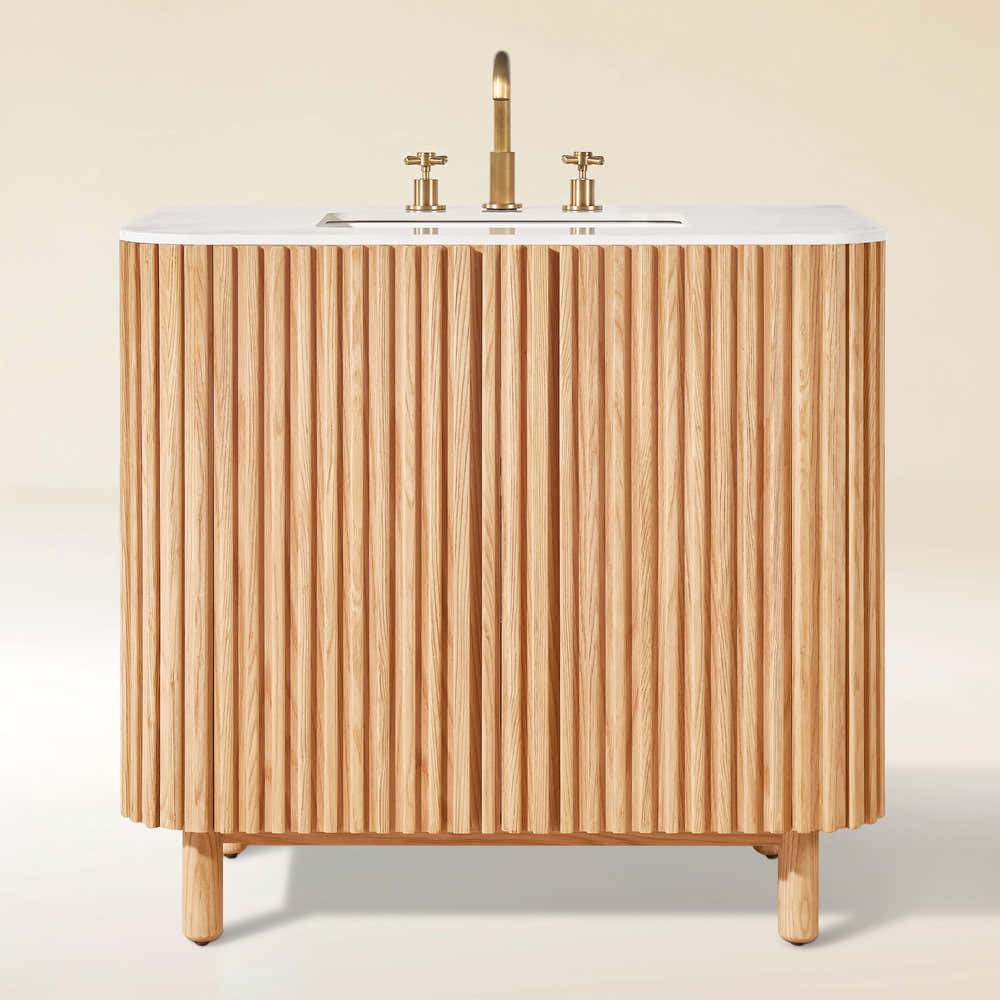
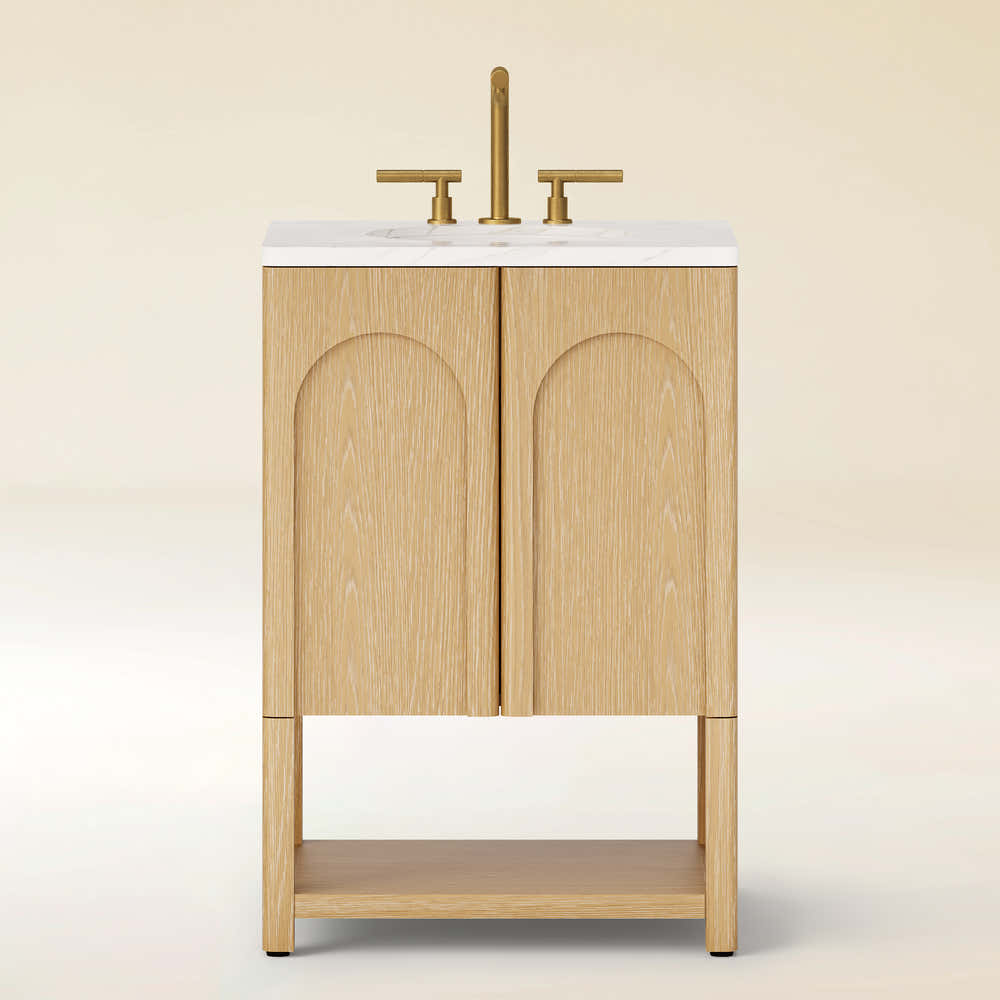
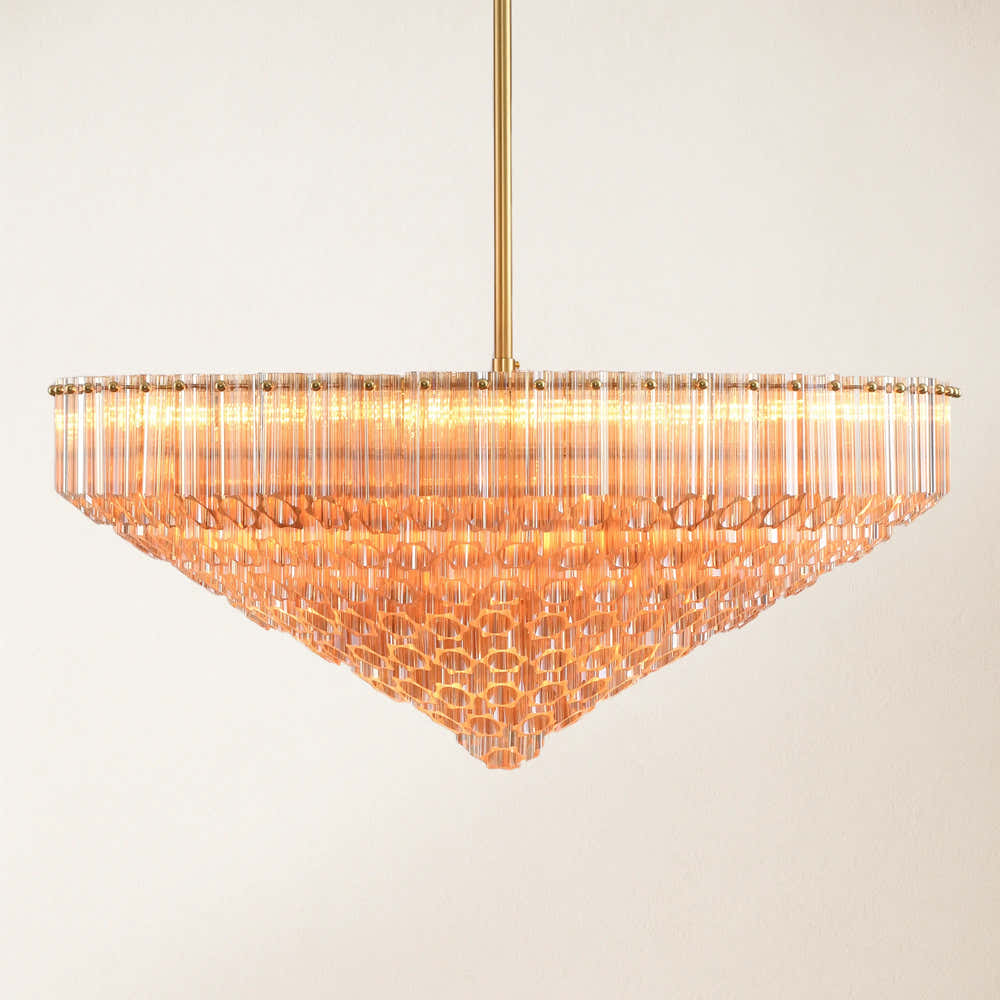


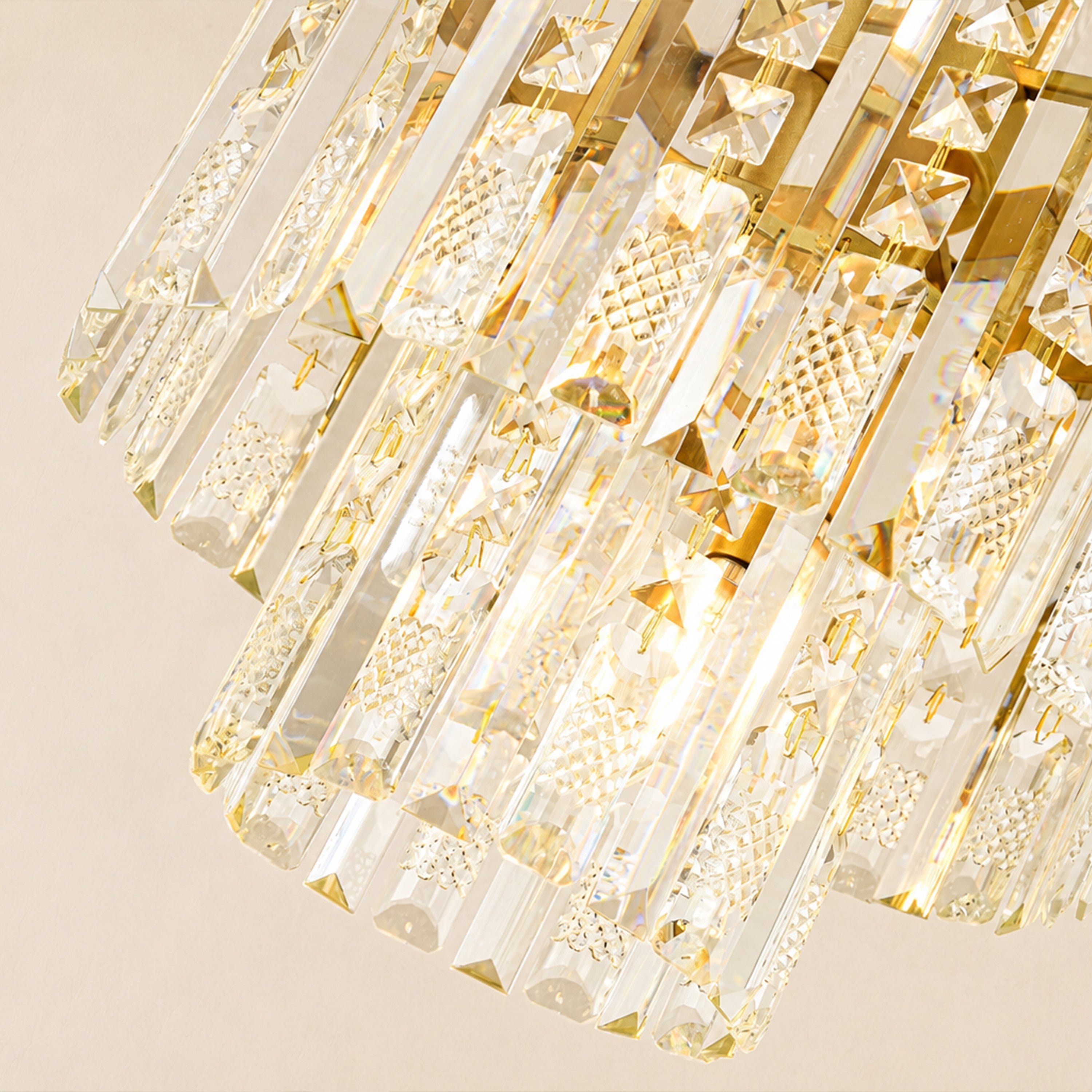
Ethereal Crystal Radiance Round Chandelier 30"D


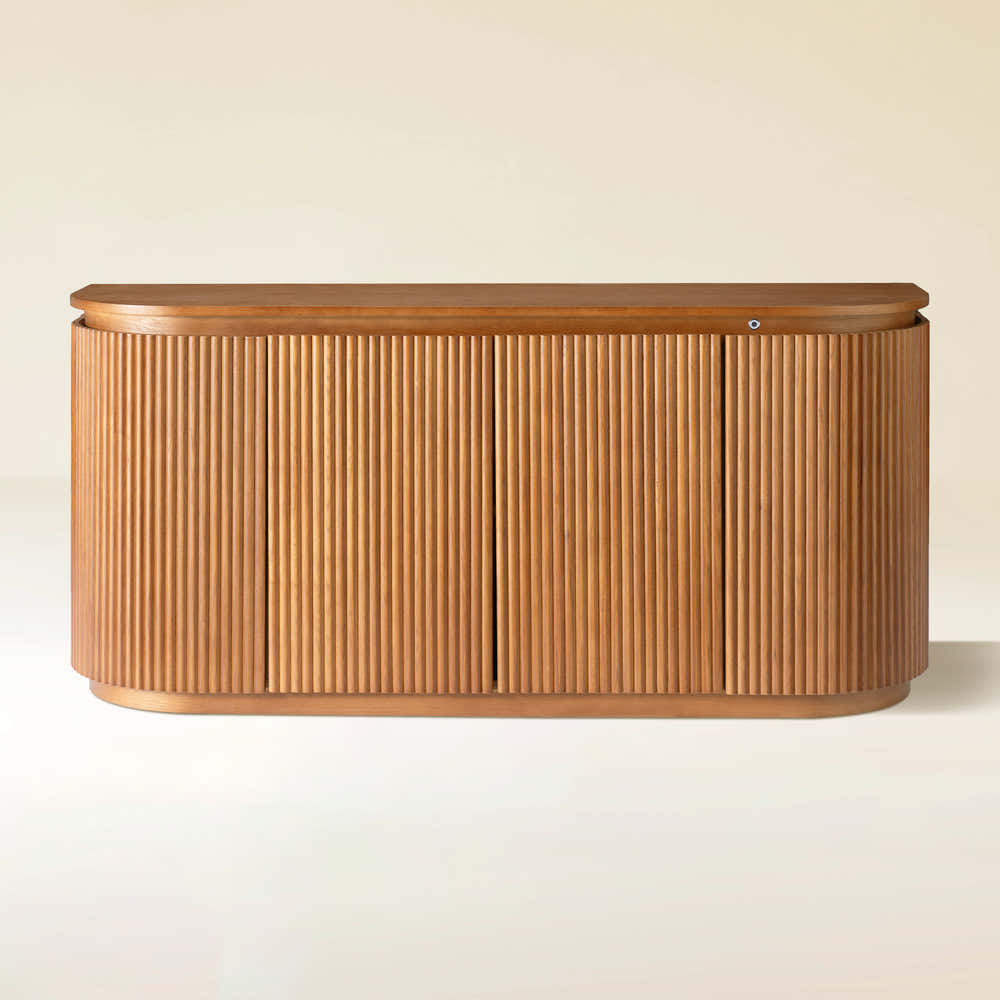
Ewan 63" Oak Slatted Sideboard Buffet Cabinet
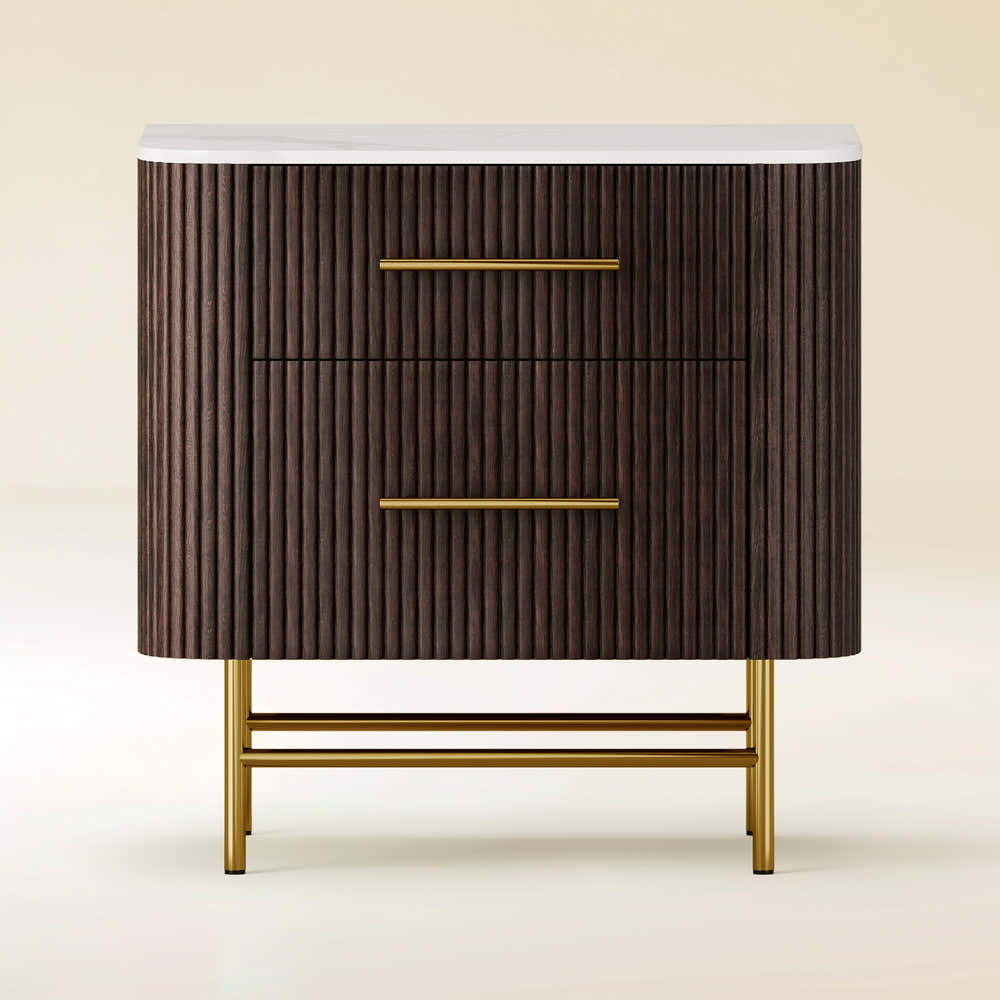


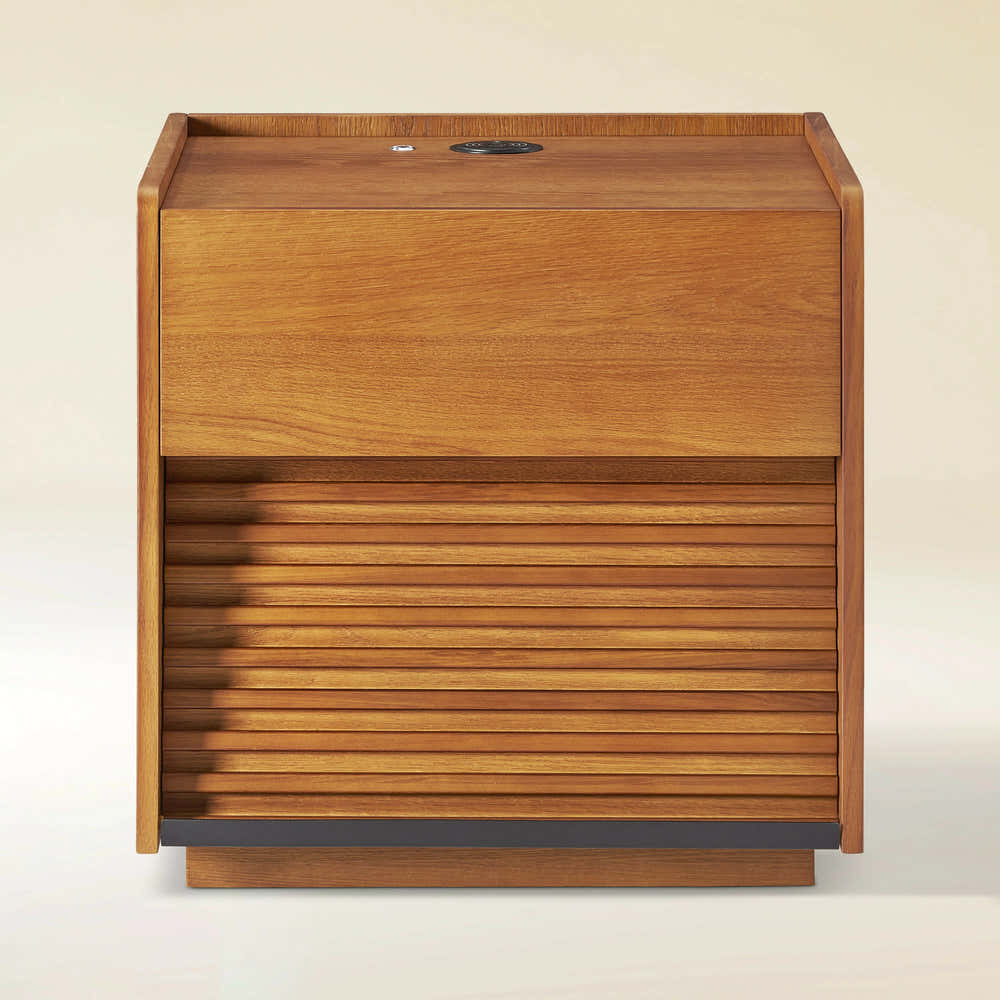
Ewan Sintered Stone Nightstand 26"W
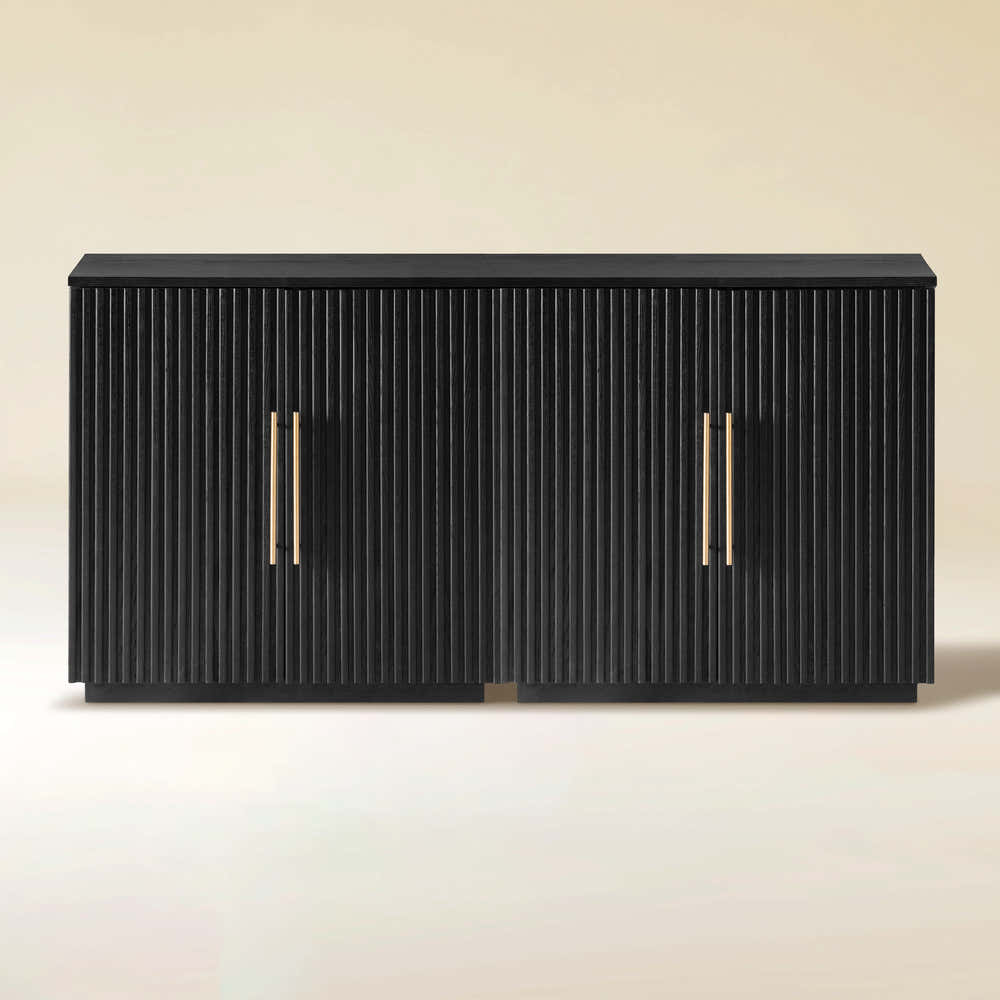


Holt 63″ Solid Oak Console(Set of 2)
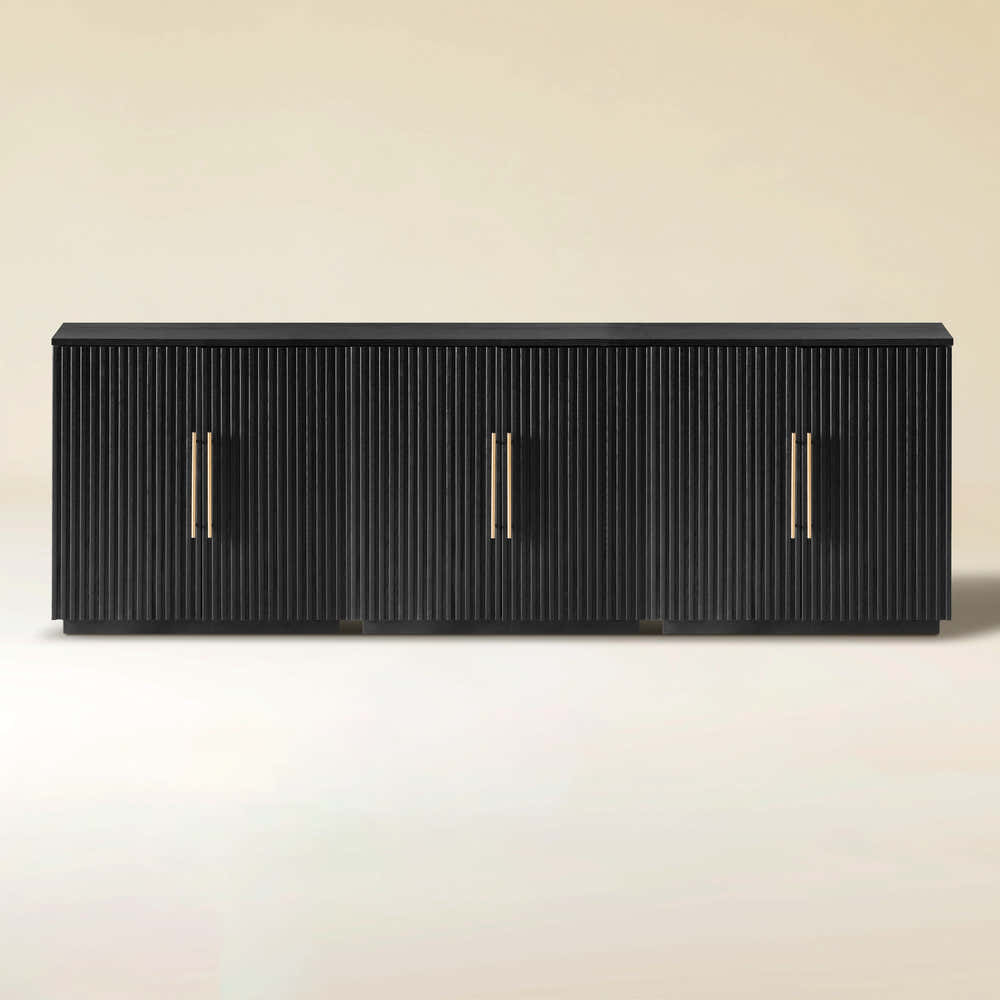


Holt 95″ Solid Oak Console(Set of 3)
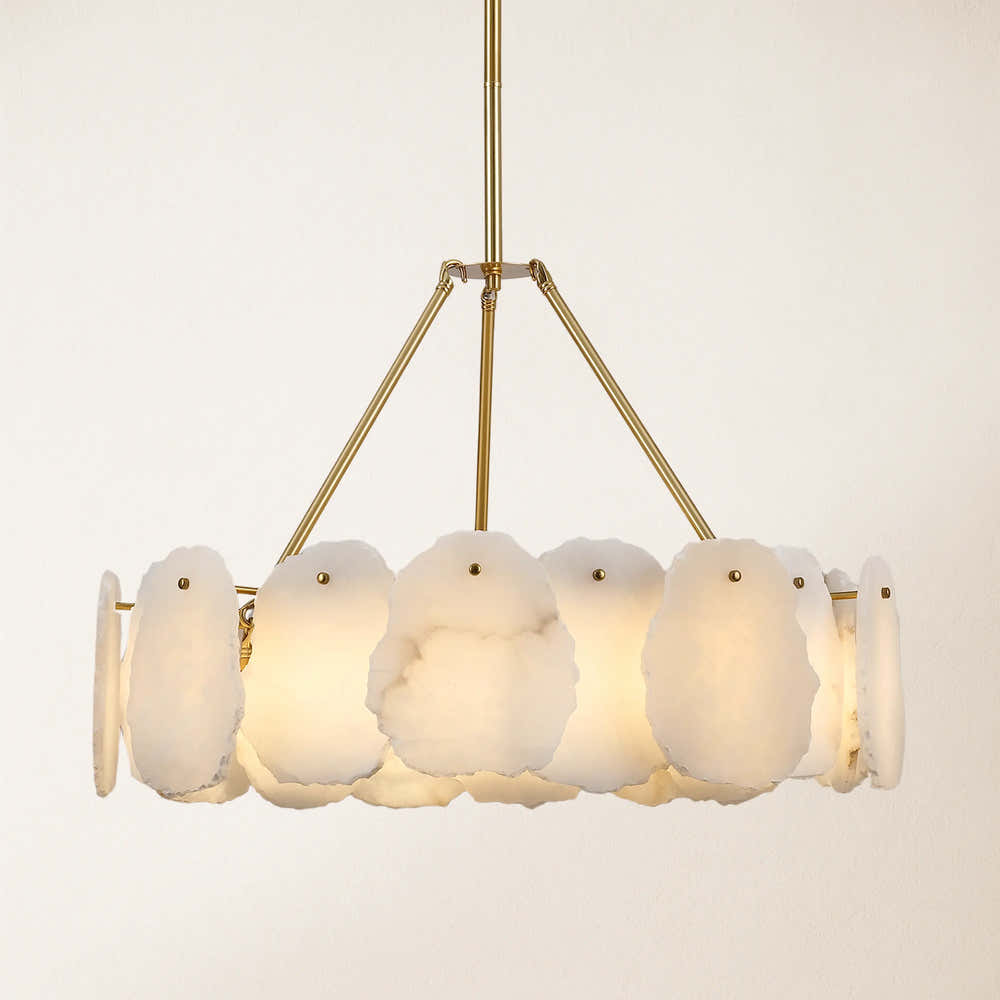


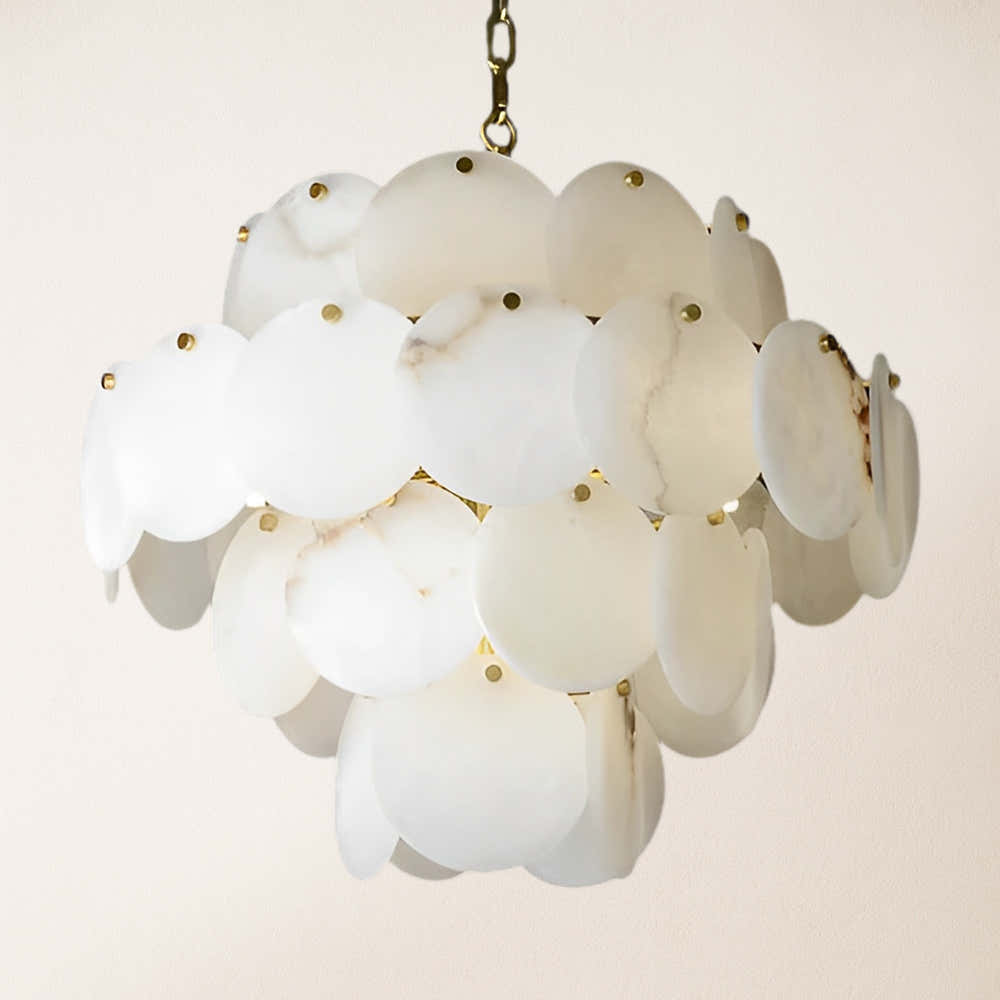
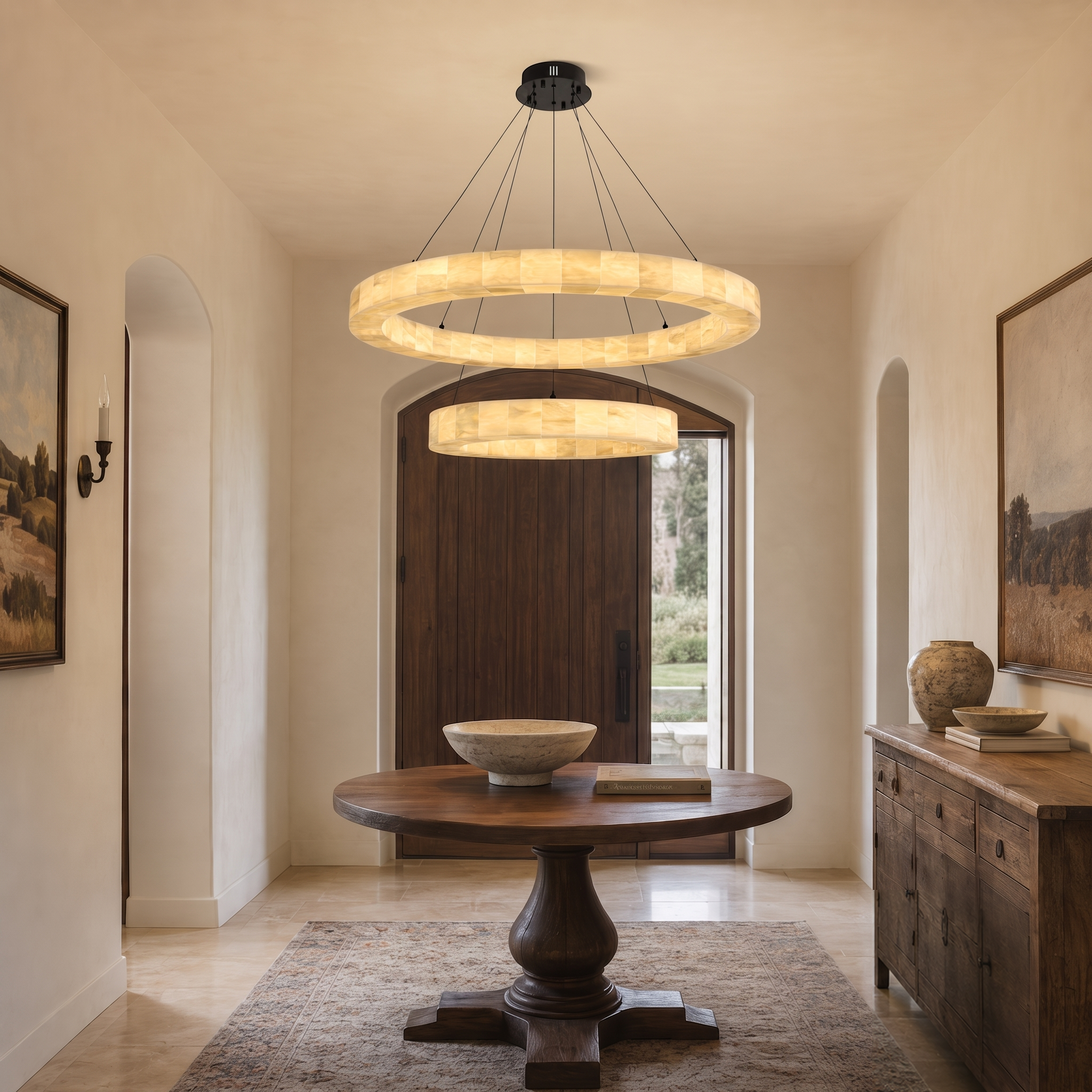
Moira Alabaster Round Chandelier 24"D
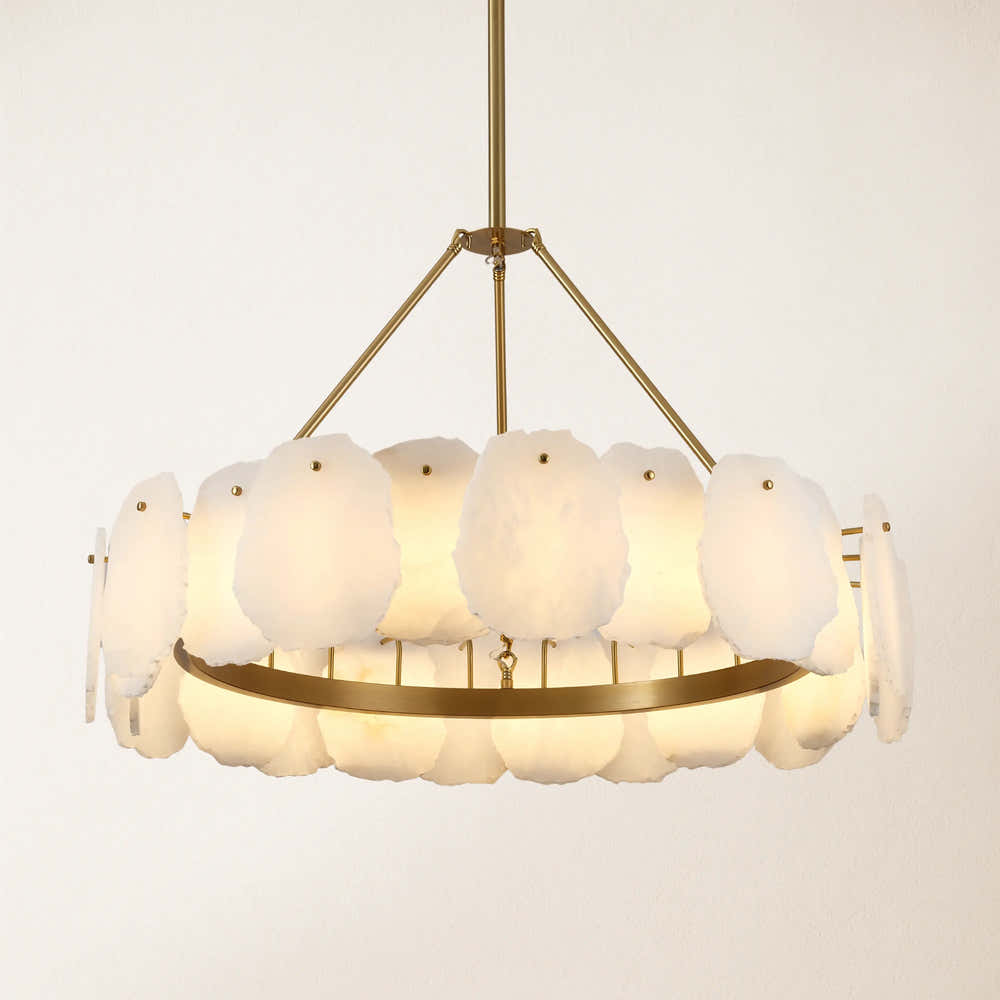


Moira Alabaster Round Chandelier 32"D
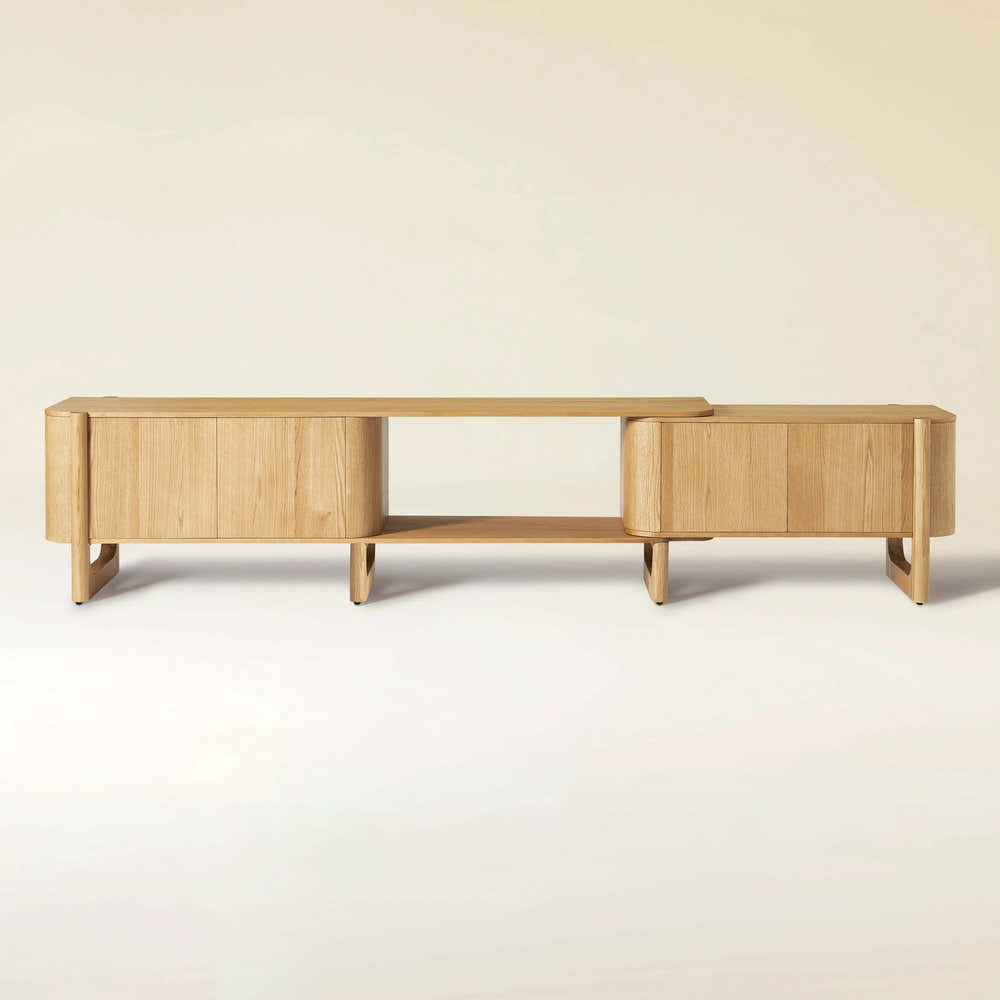
Silas Extendable TV Stand 203cm to 280cm
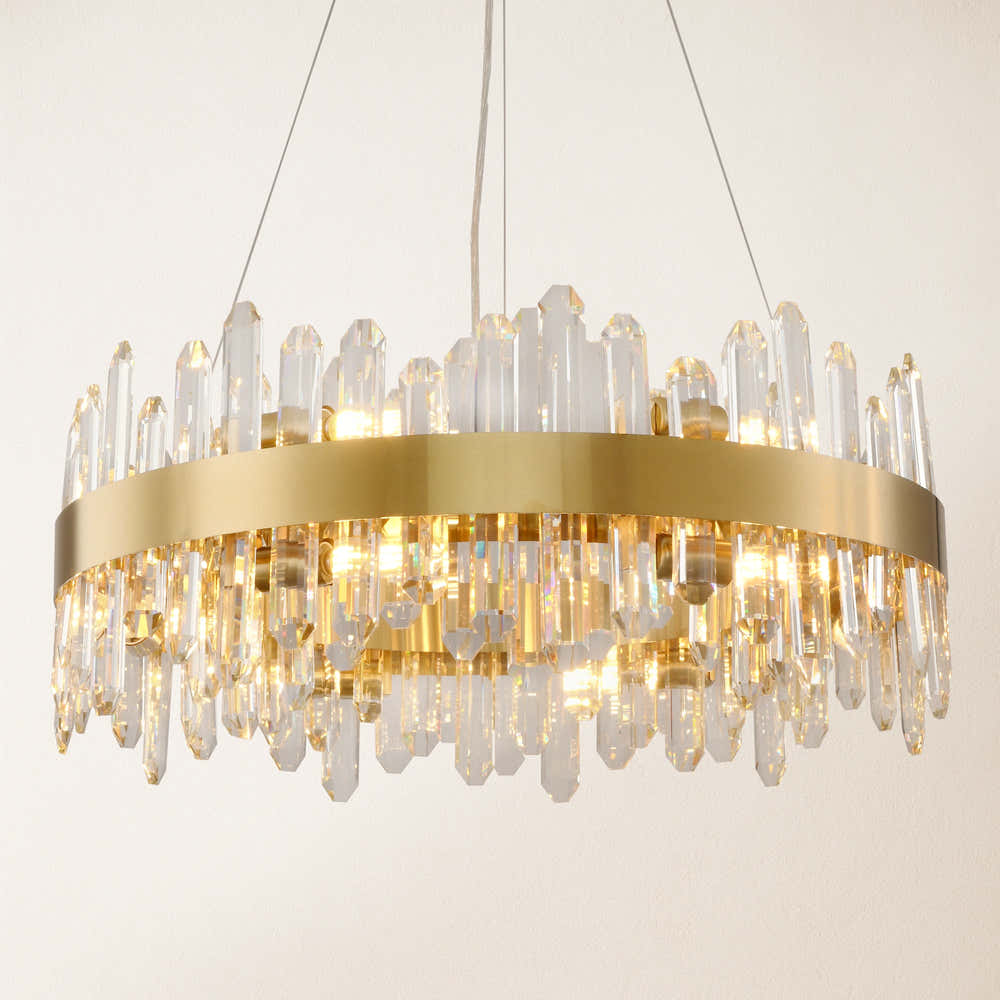
Stellara Crystal Strip Round Chandelier 24"D
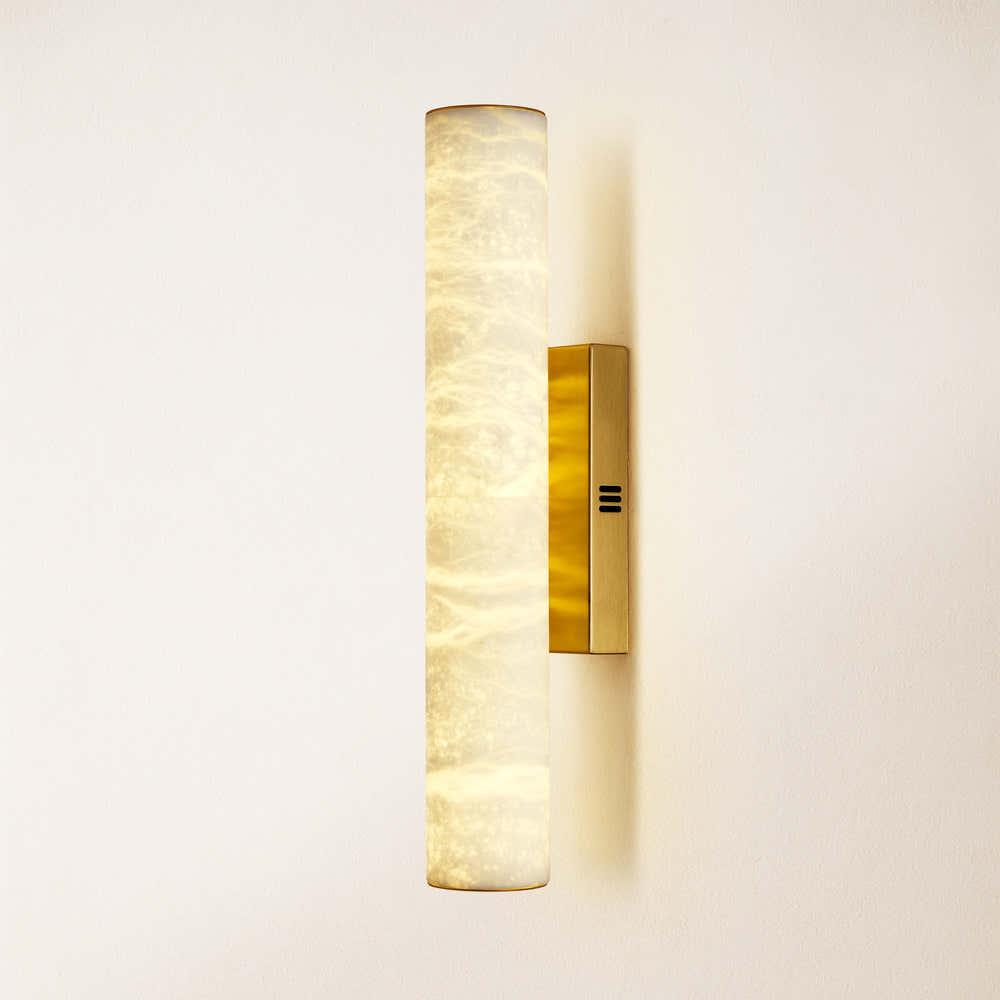


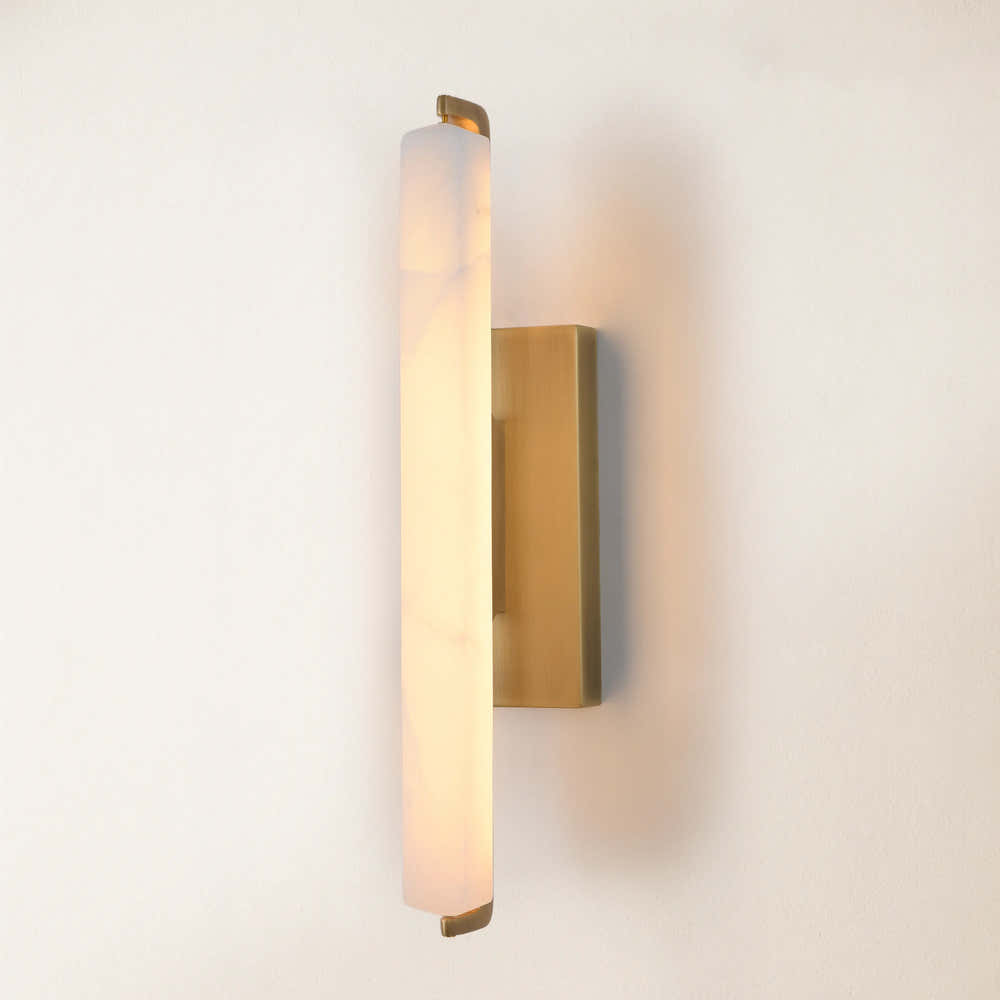
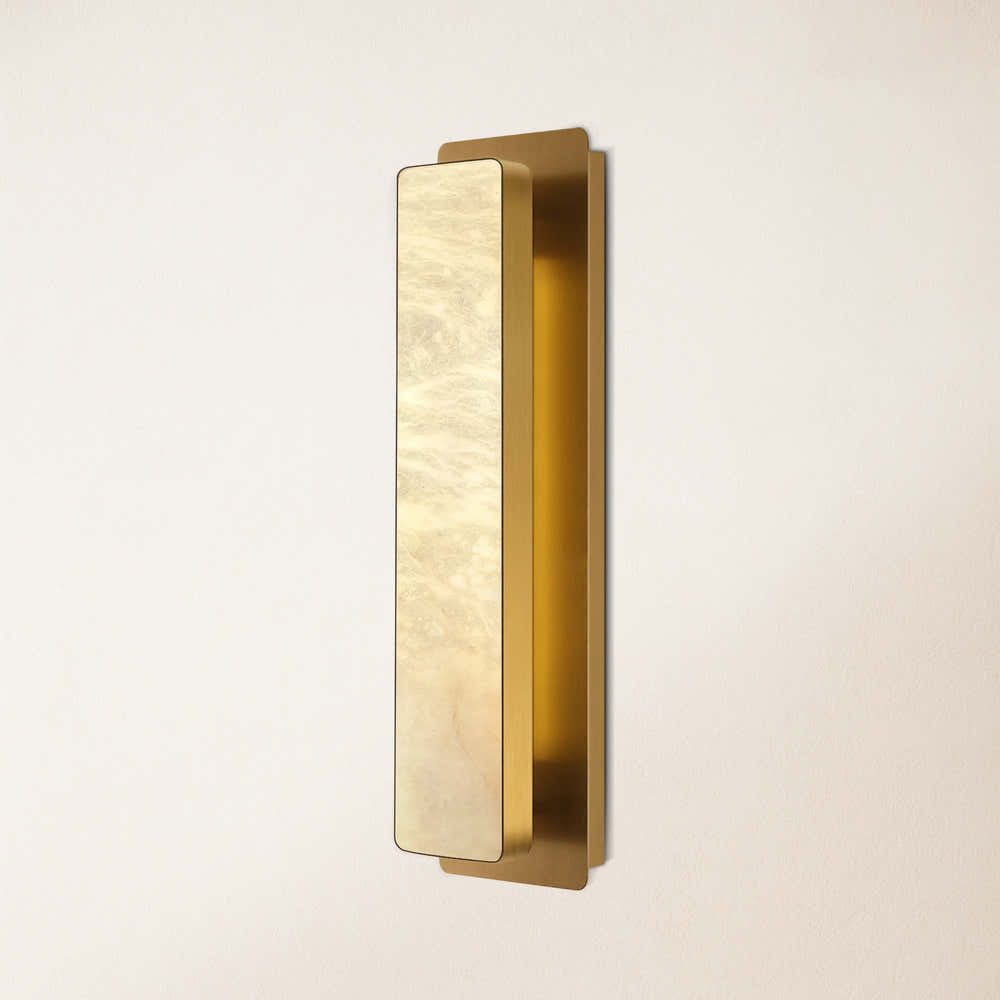
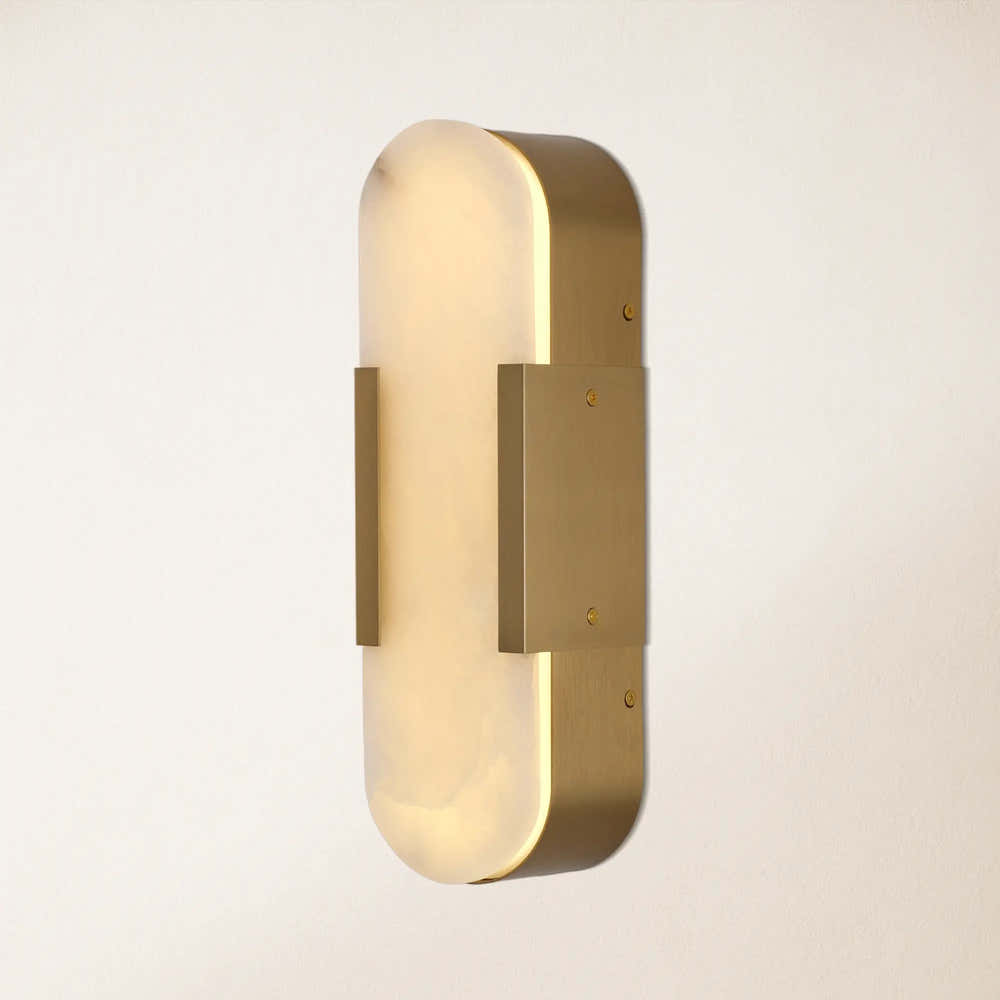
Sylvia Palladian Alabaster Wall Sconce 20"H
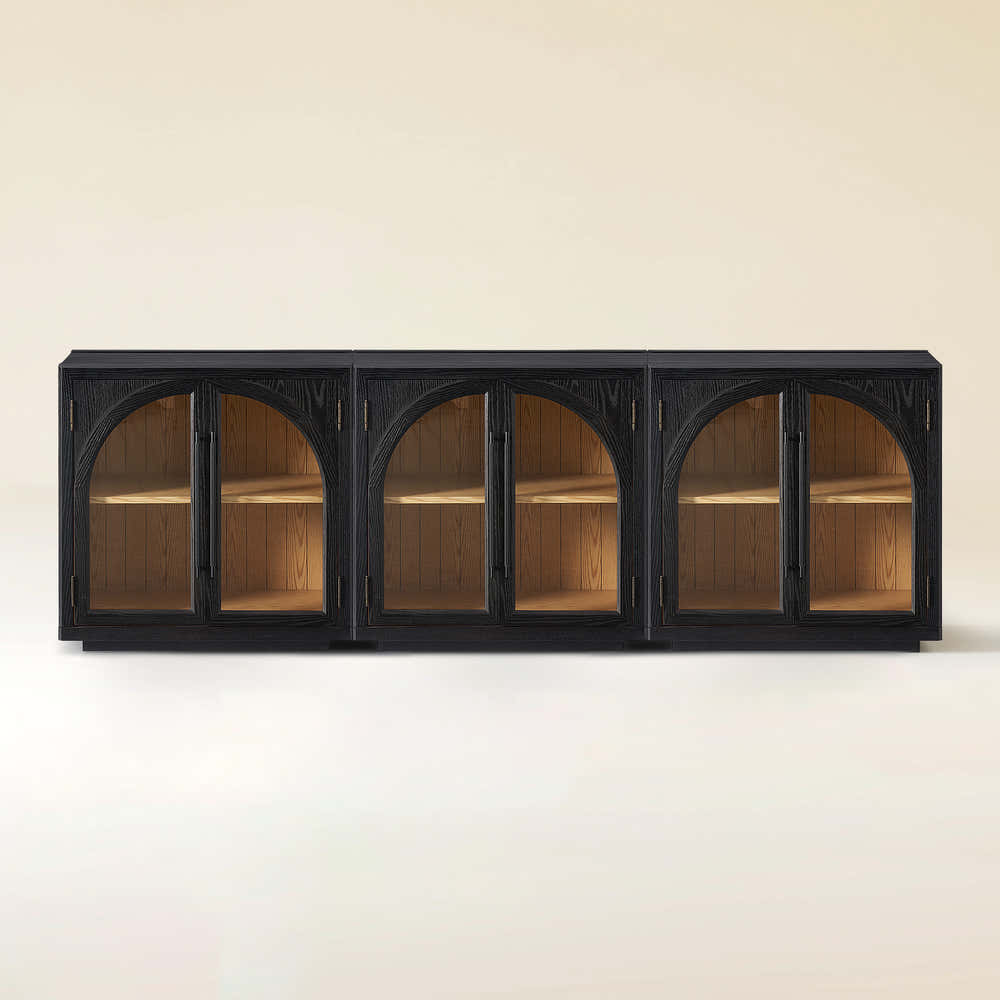


Alvar Arched 91″ Oak Media Console(Set of 3)
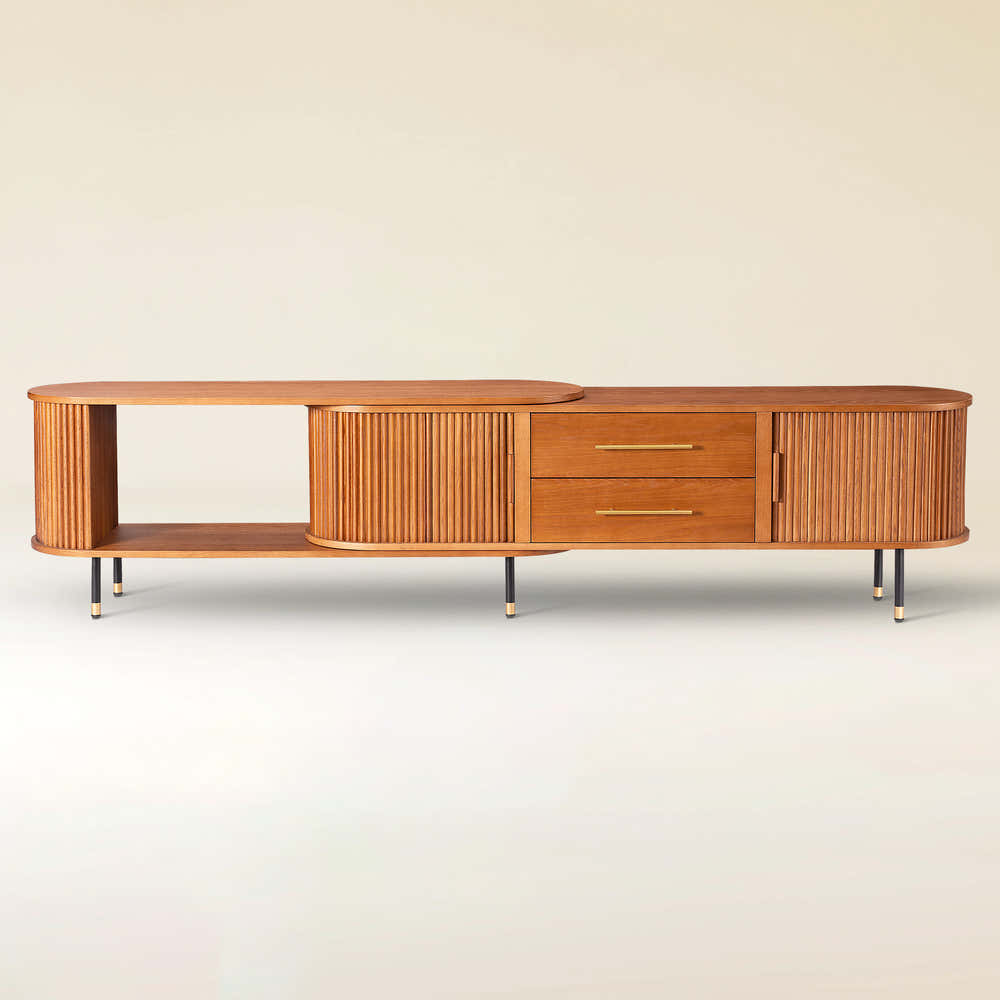
Ewan Oak Extendable Media Console 79" to 110"
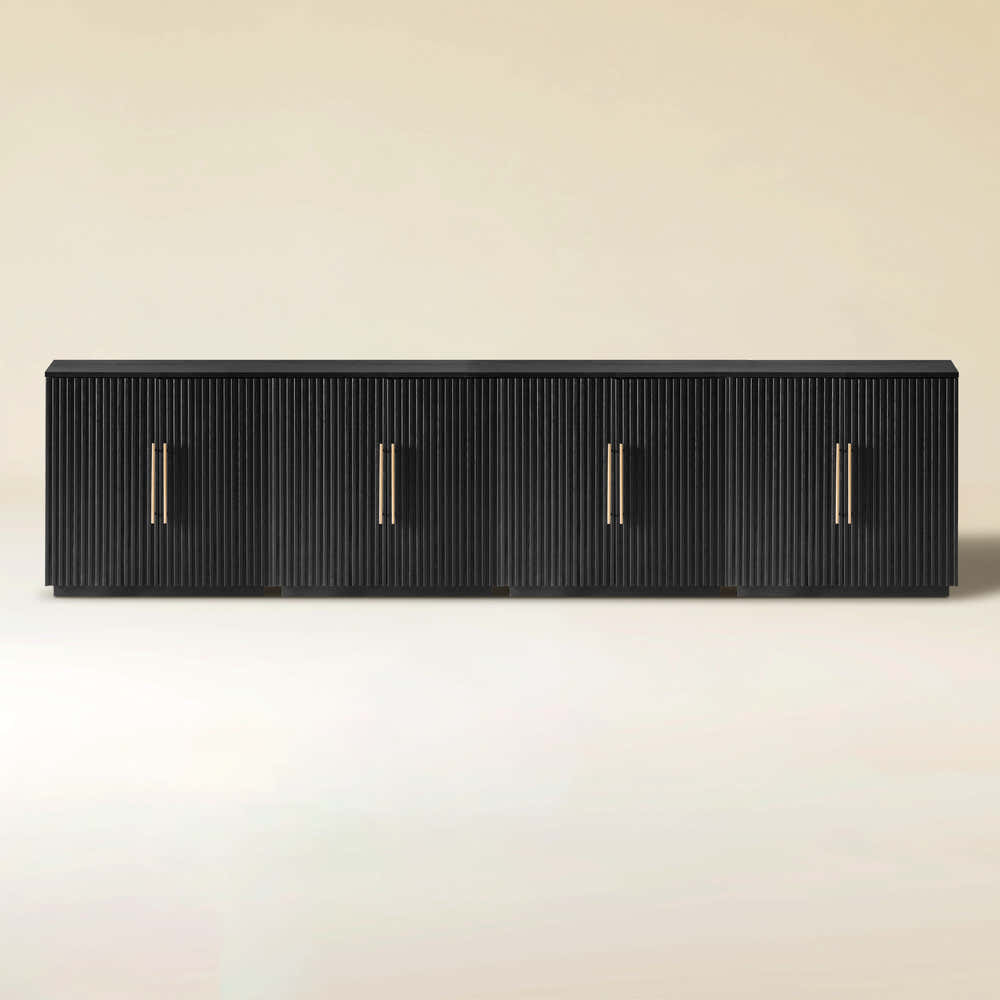


Holt 126″ Solid Oak Console(Set of 4)

FSC FCOC47059 . FSC is dedicated to the promotion of responsible forest management
worldwide. By selecting this product, you help take care of the woorld's forests

UL-certified for indoor drying environments not directly exposed to excessive moisture or water;
Use in the United States and Canada.

Certified to Dry ETL electrical standard: suitable for use indoors in dry locations not directly exposed to excessive moisture and water
Use in the United States

CE-certified drying equipment compliant with electrical standards: Suitable for indoor drying environments not directly exposed to excessive moisture or water;
Tested for use in Europe, the UK, and other regions.


The support center has answers to questions you may have. You can also contact customer service in the support center if you can't find what you're looking for.
Support Center >
At houlte, we are committed to delivering quality, style, and great value to our customers. Our goal is to simplify your shopping experience by providing competitive prices and exceptional service.

If an item you purchased from houlte goes on sale on our website within 30 days of your purchase date, you may request a price match. This policy ensures you always receive the best value when shopping with us.
Houlte reserves the right to interpret and adjust the terms of the Price Match Policy as necessary.
Houlte has partnered with Taskrabbit to make your everyday life at home easier by connecting you with flexible and affordable ways to get your to-do’s done including furniture assembly and mounting.

1. Purchase your furniture at Houlte.
2. Check your order Dispatched and Delivered email and click the
Houlte link. You will be redirected to Taskrabbit's landing page.
3. Post your task on Taskrabbit platform.
4. Pick the best tasker to assemble your furniture.
Houlte has partnered with Taskrabbit to make your everyday life at home easier by connecting you with flexible and affordable ways to get your to-do’s done including furniture assembly and mounting.
Taskrabbit Assembly is available in most metro areas in the US. The availability of Taskers varies based on demand. When placing an order on Taskrabbit, you will need to enter your zip code. If the service is not supported in your area, you will not be able to place an order.
You can book assembly for your Houlte furniture as early as the next day after your delivery, and up to 14 days in advance, giving you flexibility to choose a time that works best for you.

Ready to use out of the box; minimal installation may be required (e.g., handles).

Main structure is pre-built; minor components require attachment (e.g., legs).

Assembly required; multiple parts must be assembled before use.
Our furniture is built with a combination of core boards, real wood veneers, and selected solid wood parts. Each material is used for a different purpose—structure, surface appearance, or visible strength—so the final piece feels balanced in performance, finish, and cost.
Core boards form the internal foundation of the furniture. They provide structure, stability, and efficiency across large surfaces and cabinet bodies.

Stable structural board

Smooth and consistent

Functional internal board
Selected solid wood parts are used where visible strength, tactile quality, and structural integrity matter most—such as legs, frames, trim, and exposed support details.

Durable and classic

Light and versatile

Premium and elevated
Small apartments demand more from a TV stand than almost any other piece of furniture—and this is exactly where Houlte’s media consoles can quietly outperform many generic “small TV stands” on the market. Instead of flimsy, one‑move pieces, you get solid oak, smart proportions, and modular options that can grow with you from your current rental to the next place.

Most U.S. apartments sit under 1,000 sq ft, which means your TV wall often shares space with circulation paths, windows, heaters, or even a dining nook. Houlte’s own size guides echo the same core rule as mainstream advice: your console should be slightly wider than your TV, with the center of the screen around eye level (about 42–48 inches off the floor).
For small spaces, two dimensions matter most:
Width: Aim for a console that is a few inches wider than your TV, but still leaves 4–6 inches of wall on each side so it does not look wedged in.
Depth: In tight rooms, 12–15 inches is ideal; 15–18 inches works for most setups without turning the room into a tunnel.
Because many Houlte consoles land in the 15–18 inch depth range and come in widths from around 71 inches up to modular options, they balance screen support with walkable paths better than bulkier, over‑deep cabinets.
Houlte’s published guides give clear targets by TV size, which you can adapt directly for studios and compact living rooms. Use these as a cheat sheet when browsing the Houlte media console collection page.
43–50 inch TV: look for stands around 47–60 inches wide to keep the TV from feeling oversized.
55 inch TV: 60–65 inch stands give a calmer, anchored look on the wall.
60–65 inch TV: 65–70 inch consoles create enough side space for a soundbar or small décor.
Houlte’s collection includes multiple consoles around 71 inches wide, which are excellent for 55–65 inch TVs in small living rooms or studios, because they give a bit of breathing room without crossing into “wall‑to‑wall unit” territory.
Houlte’s own advice: console heights often sit around 24–32 inches, with screen center ideally at 42–48 inches from the floor. For small apartments, that typically feels comfortable from a 7–9 foot viewing distance, which is common in compact living rooms.
On depth, Houlte recommends:
12–15 inches: best for tight rooms and narrow walkways.
15–20 inches: fits most devices without feeling bulky.
Many Houlte pieces are designed in this 15–18 inch band, which is deep enough for consoles and soundbars but not so deep that you’re constantly sidestepping corners.
While Houlte offers large, modular systems for big homes, several designs translate extremely well to smaller apartments thanks to moderate widths, controlled depth and strong storage. Below is a practical lens you can apply when choosing from the collection page.
Look on the collection page for consoles around 71–80 inches wide with clean fronts and closed storage. These typically align with:
Depth in the mid‑teens (around 15–18 inches), which preserves walkway space.
Low, horizontal silhouettes that visually stretch the wall without overwhelming it.
Houlte’s own width‑by‑TV tables confirm that a 65–70 inch console is a sweet spot for 60–65 inch TVs, and a 70–75 inch top feels balanced even under larger 75 inch sets. In other words, a 71 inch Houlte console is almost a “universal” small‑room solution: large enough for upgrades, compact enough for a standard apartment wall.
If your TV wall is short or faces a high‑traffic path (like a hallway opening into the living area), prioritize:
Depth: 12–15 inches where possible.
Solids over open legs if you want to hide power bricks and cable bundles behind doors.
On Houlte’s collection, target the slimmer, non‑modular consoles and avoid multi‑piece sets stretching past 94 inches, which are primarily meant for big, open spaces.
In compact apartments, a TV stand is also your games cabinet, router station, and sometimes your only place for extra linens. Houlte’s design philosophy explicitly emphasizes concealed storage, ventilation and cable paths, which are all crucial when every square foot matters.
Look for these features in Houlte product pages:
Closed cabinets: Perfect for routers, streaming boxes, controllers and kid or pet clutter, backed by cable cut‑outs and removable panels for airflow.
Mixed storage: A combination of doors plus 1–2 open niches for devices that need line‑of‑sight or quick access.
Adjustable shelves and removable backs: These make it easier to reconfigure gear as you move or upgrade your TV.
Houlte’s blogs repeatedly stress ventilation and cable management—things often ignored by budget small TV stands—so even in a tiny apartment, your setup remains safe, quiet and visually calm.
Cables are the fastest way to make a small room feel cluttered. Houlte’s own guidance recommends stands with:
Pre‑cut cord openings or channels in the back panel.
Enough depth (15–18 inches) for power strips, streaming boxes and routers without blocking airflow.
To make the most of a Houlte console in a rental:
Dedicate one cabinet bay as your “tech zone” with a power strip, router and hub, using the built‑in openings to route cables discreetly.
Use adhesive clips and Velcro ties along the back edge so no wires cross doorways or walk paths.
Because the backs are designed with device clearance in mind, you get better long‑term usability than flat‑back, no‑vent “small TV stands” that force messy external cable runs in tight spaces.

A room can be physically small and still feel expansive if the furniture looks visually light. Houlte consoles lean into this with proportion‑driven profiles, natural oak finishes and minimalist hardware.
To visually open up your apartment:
Choose light or mid‑tone wood consoles against pale walls to reduce contrast and help the piece recede.
Favor low, long silhouettes with simple fronts instead of tall, boxy units that dominate the wall.
Keep surface styling minimal—one plant, one stack of books, maybe a bowl or small lamp—so the TV wall remains calm, not busy.
Houlte highlights console heights and depths that place the TV at natural eye height and keep the top surface lean, which reinforces this light, airy effect even in 10‑foot‑wide living rooms.
Renters move more often than homeowners, so a good TV stand should be able to adapt to future walls and larger TVs. Houlte’s modular systems and clear TV‑size guides make it easy to:
Start with a single console that fits your current 55–65 inch TV, using their width formulas so the screen never overhangs the stand.
Later expand with extra modules or switch to a wider console when you upgrade to 75 or 85 inches, guided by Houlte’s TV‑specific dimension articles.
Unlike many “small TV stands” that are sized only for one screen size and one wall, Houlte pieces are dimensioned with buffers, clear depth logic and ventilation, which makes them more future‑proof as you move from a studio to a one‑bedroom and beyond.
Use this quick checklist grounded in Houlte’s own sizing data and the realities of small apartments:
Measure your TV’s actual width (not just the diagonal) and add 8–12 inches total to find a target console width.
Measure your wall and keep at least 4–6 inches of visible wall on each side of the console so it doesn’t feel jammed.
Check room depth: if walkways are tight, aim for a console depth close to 12–15 inches; if you have standard clearance, 15–18 inches is perfect.
Confirm height so that the screen center lands around 42–48 inches from the floor when the TV sits on the console.
On Houlte’s media console collection page, filter or scan for pieces that hit this width–depth window and provide closed storage plus at least one open compartment for devices.
Once you’ve done that, you’ll have a shortlist of Houlte consoles that act like “small TV stands” in function—but outperform typical compact units in materials, cable management and long‑term flexibility.
Share:
Buying a Coffee Table Online: What Smart Buyers Know (and What Most People Miss)
Sintered Stone vs Oak Dining Tables: Which Material Is Best for Modern Homes?