


















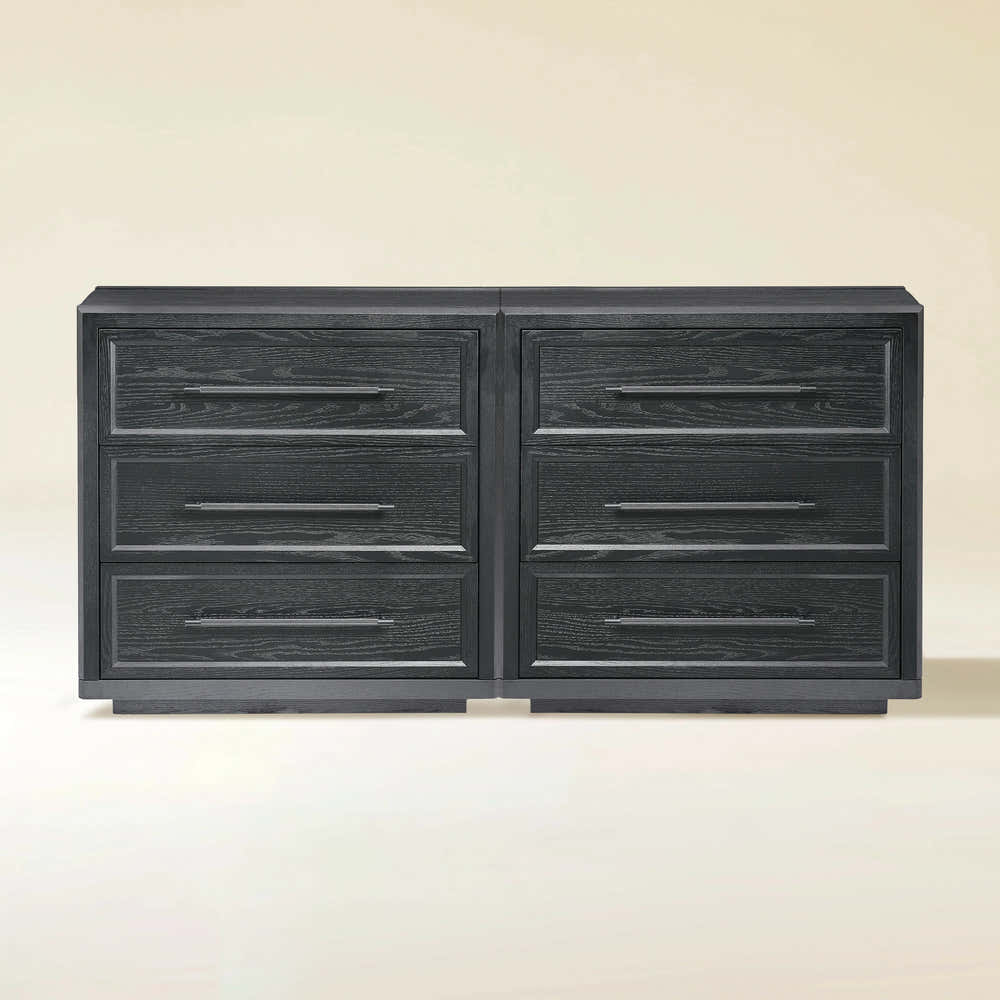


Alvar 61″ Oak 6-Drawer Chest(Set of 2)

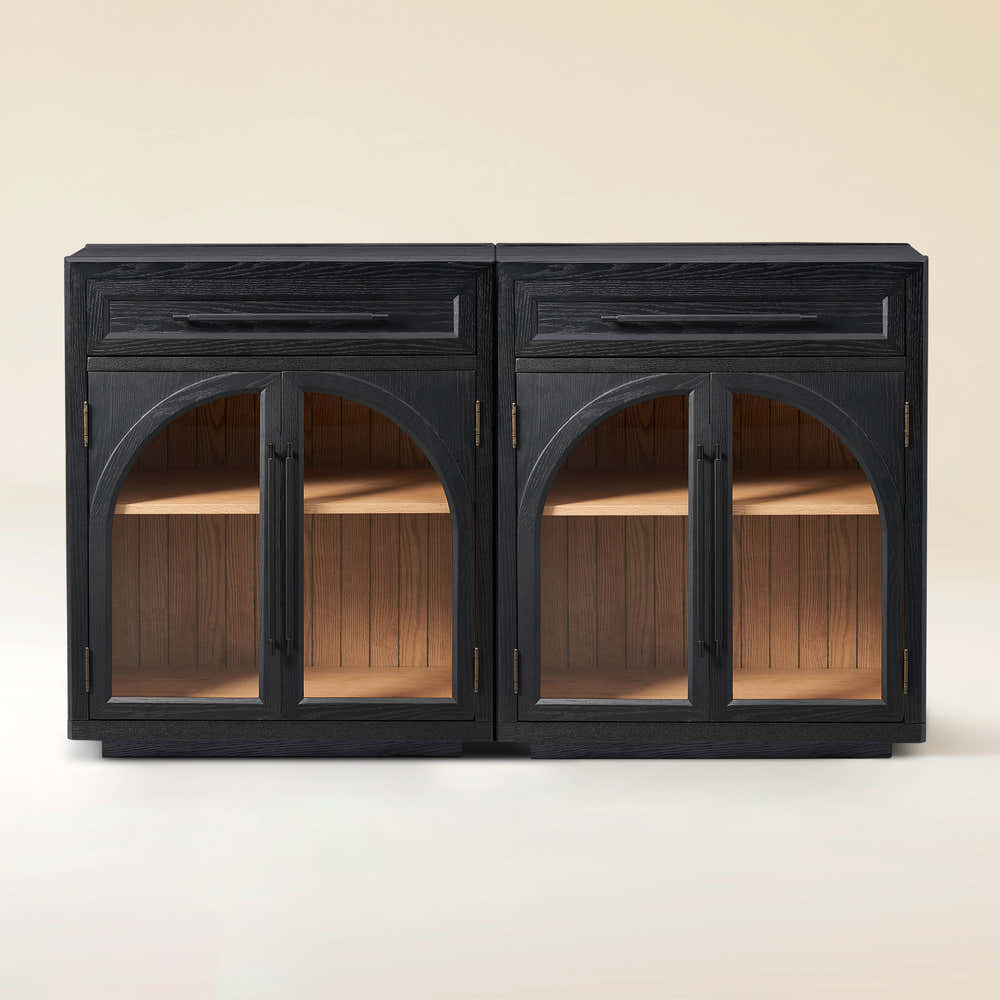


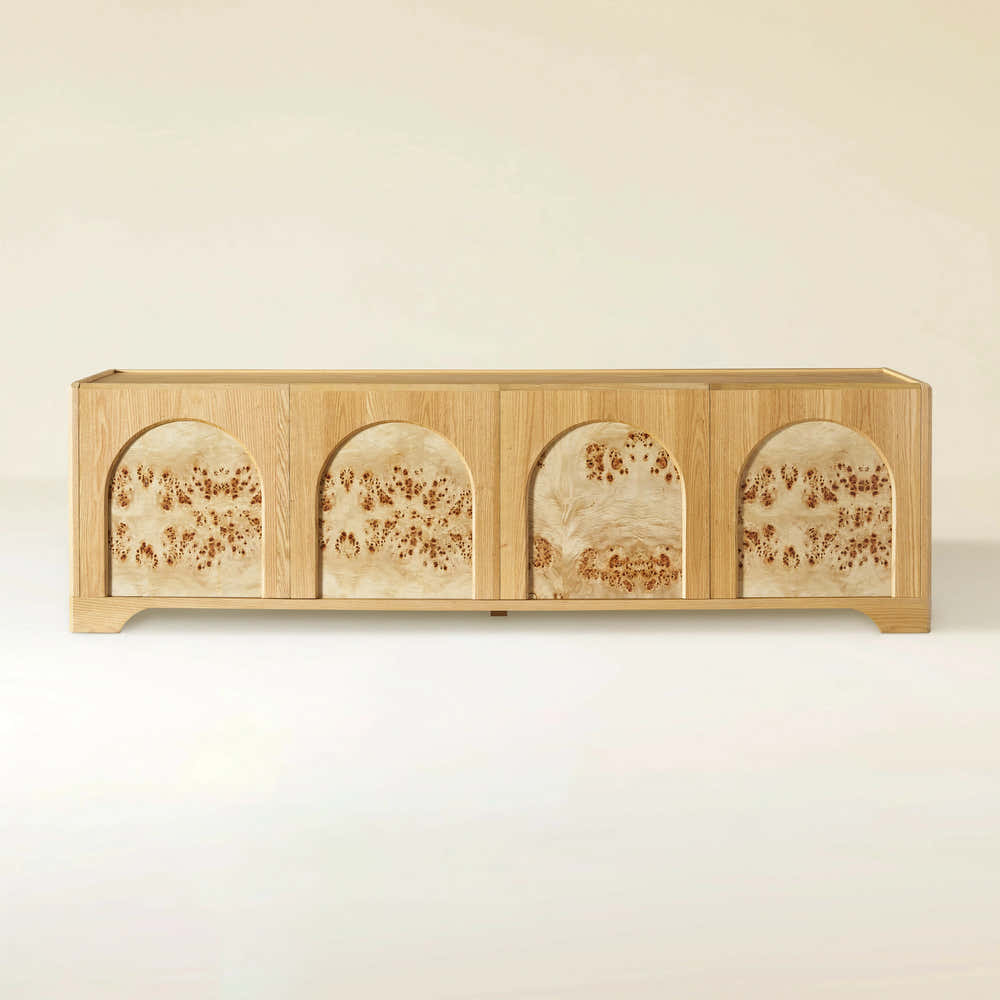
Alvar Arched 61" Oak Sideboard with Drawers(Set of 2)
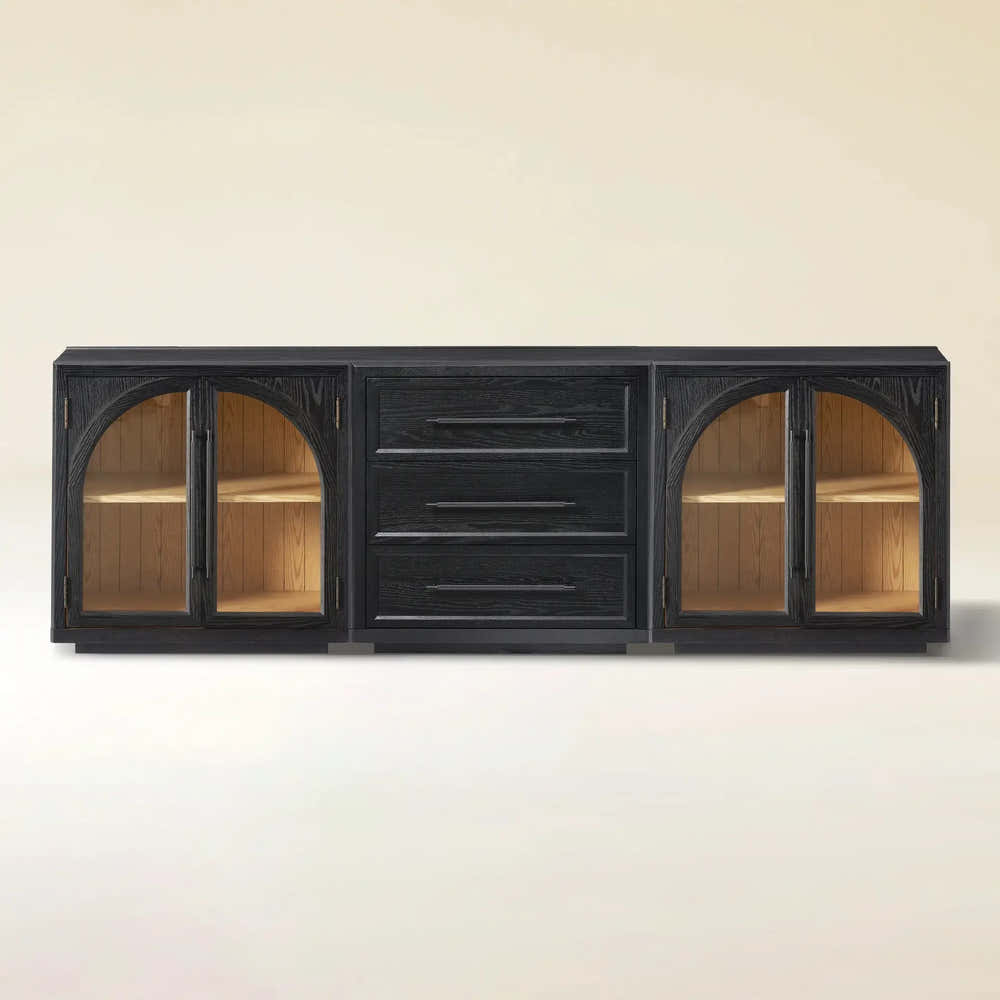


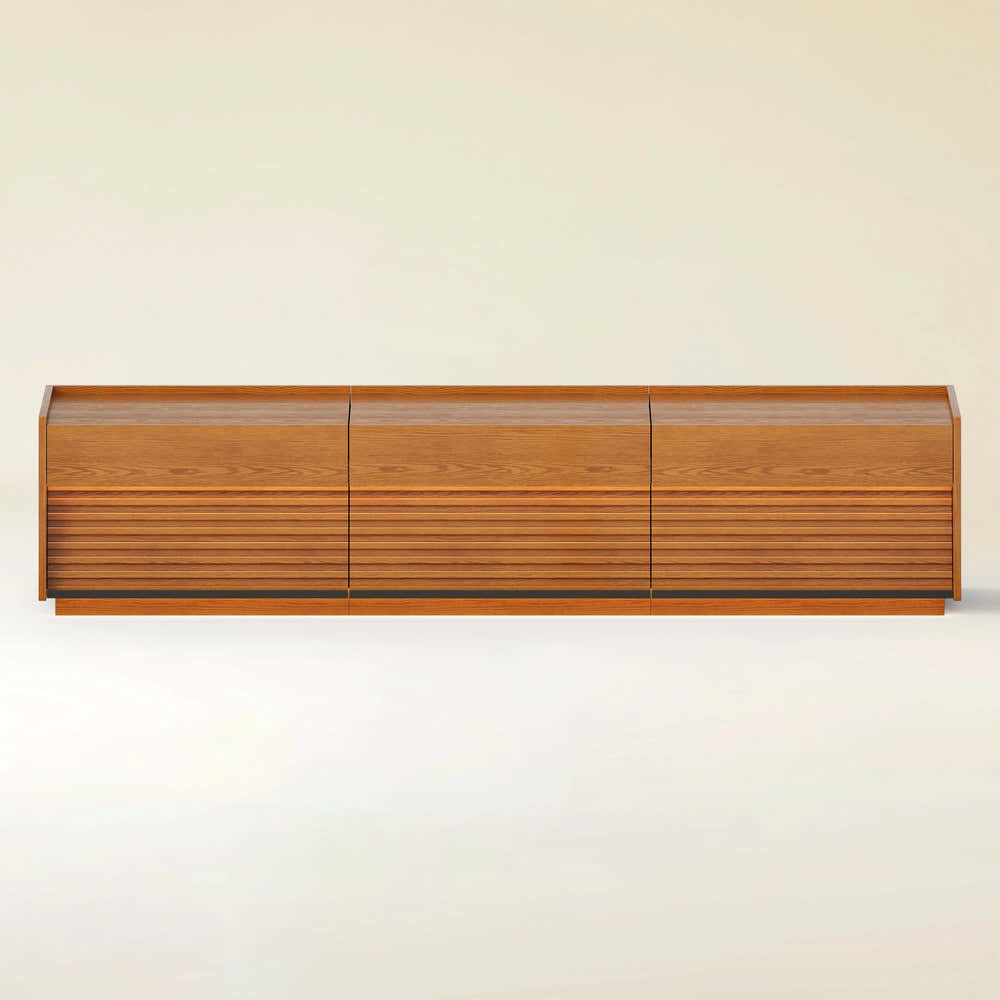
Alvar Arched 91″ Oak Modular Media Console(Set of 3)
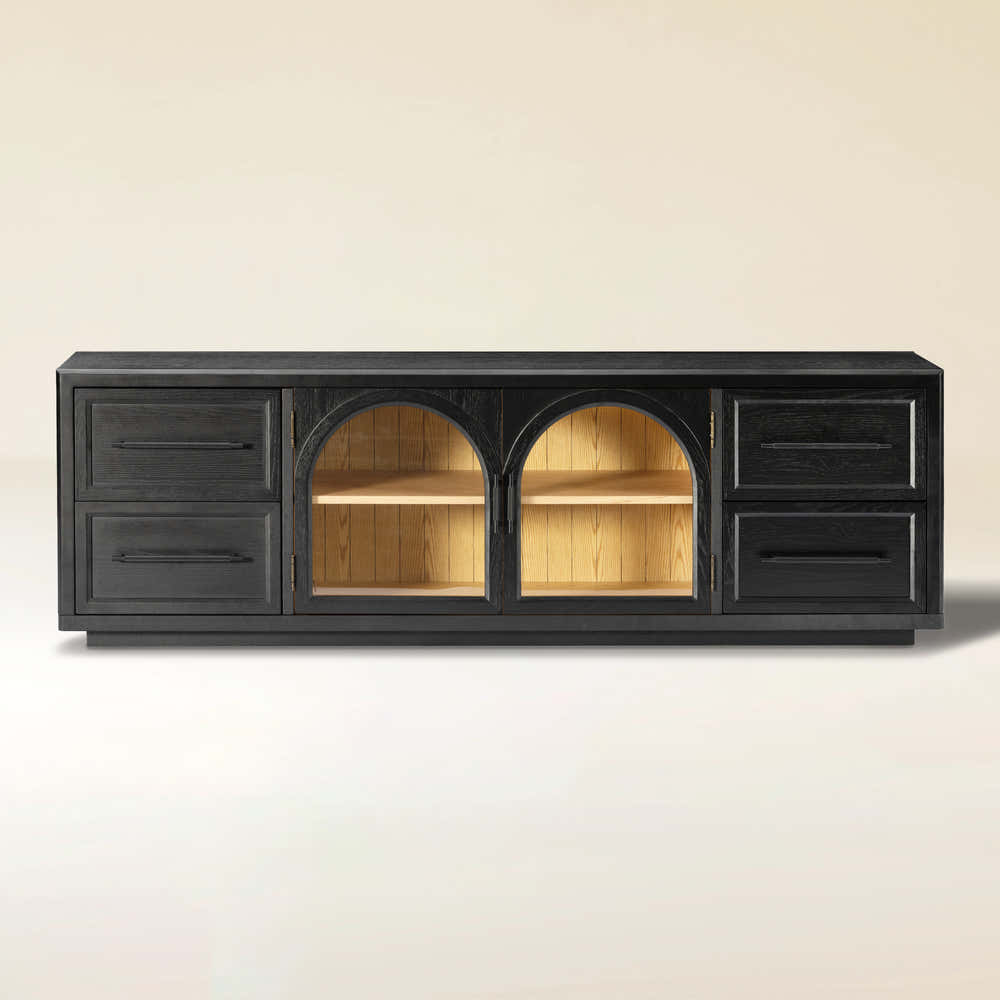
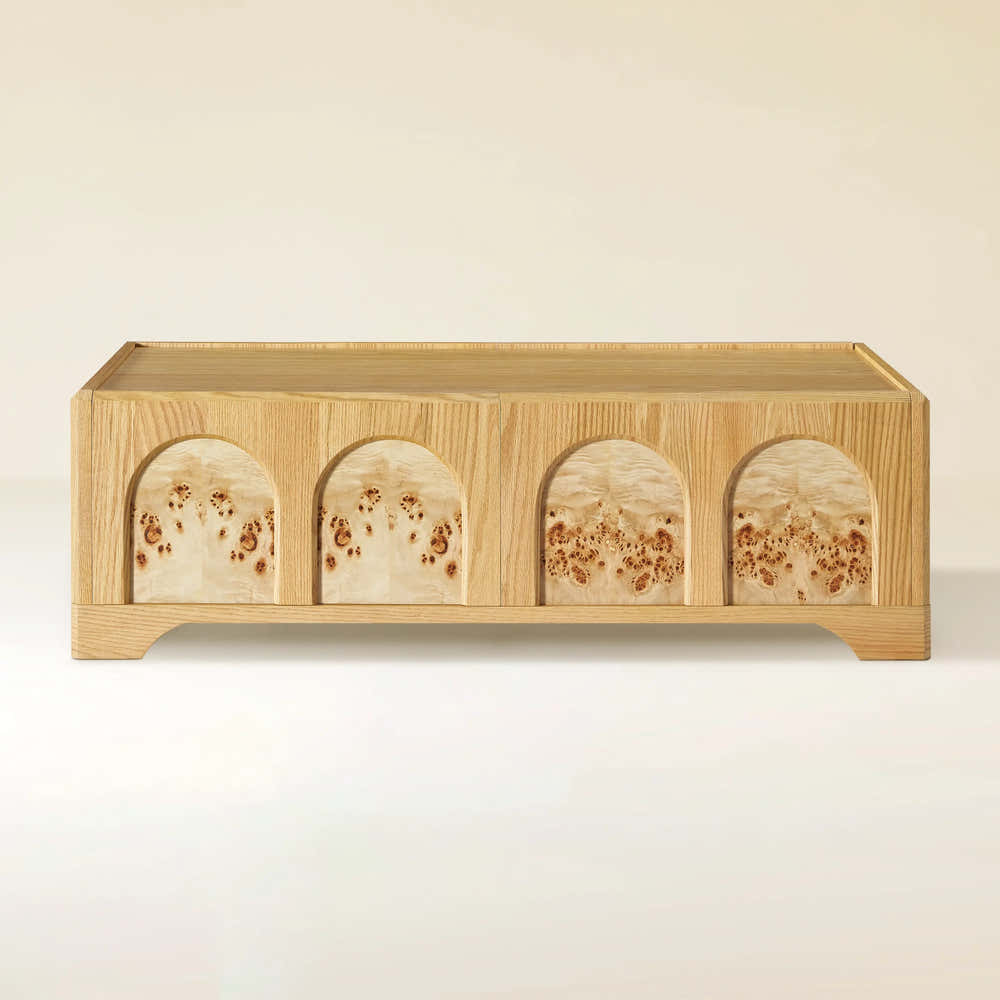
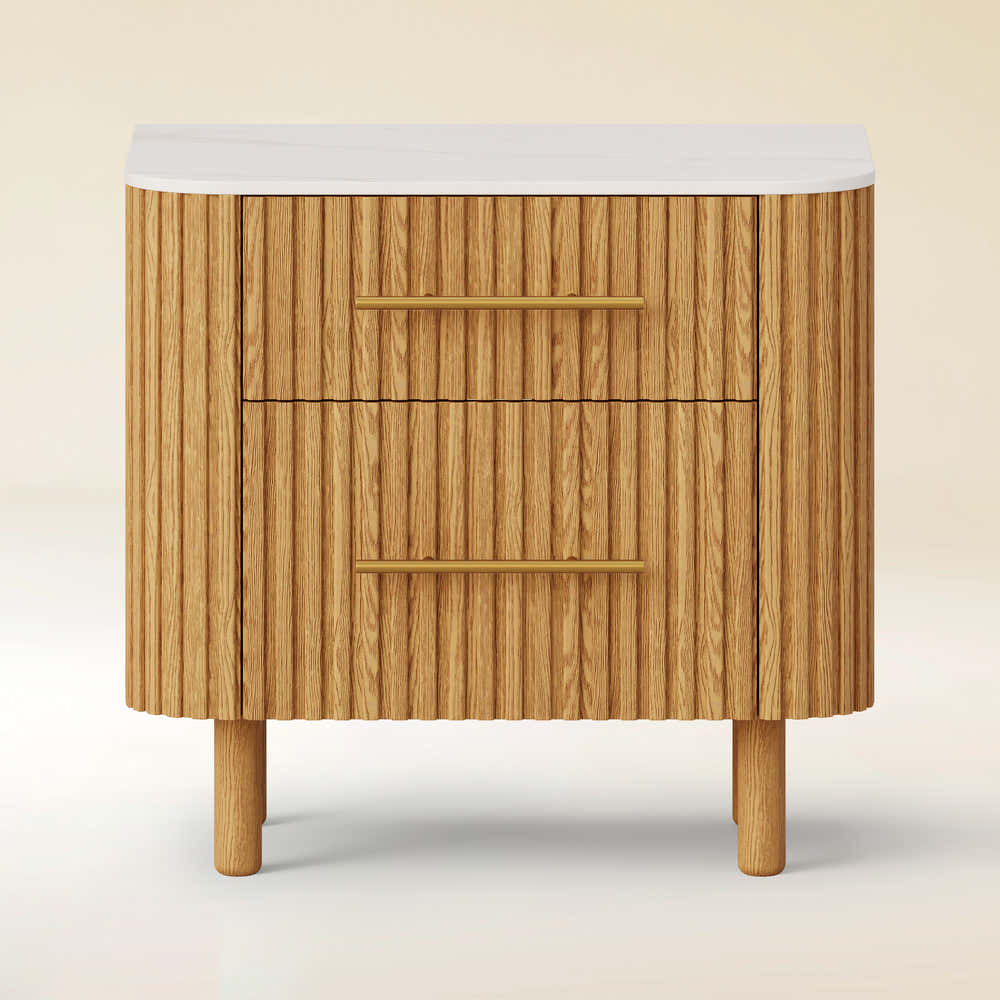
Charlie Sintered Stone Nightstand 26" W
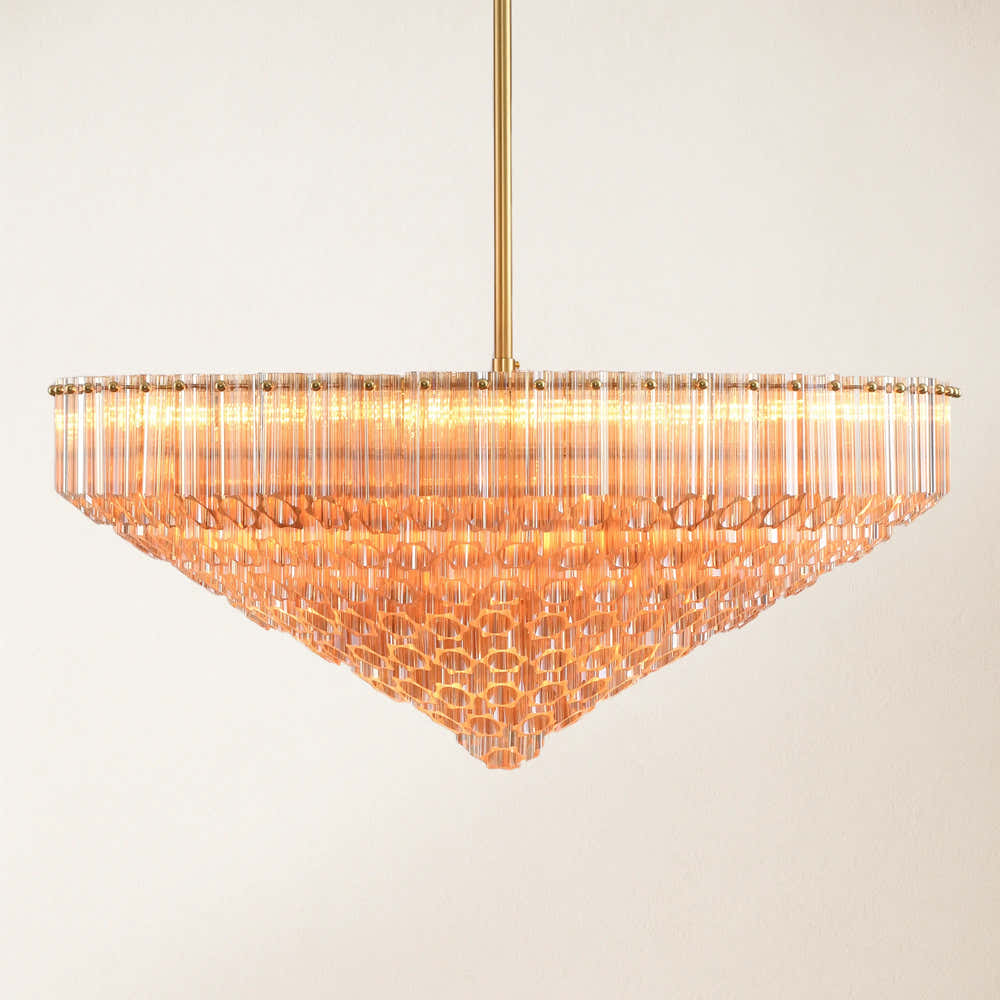


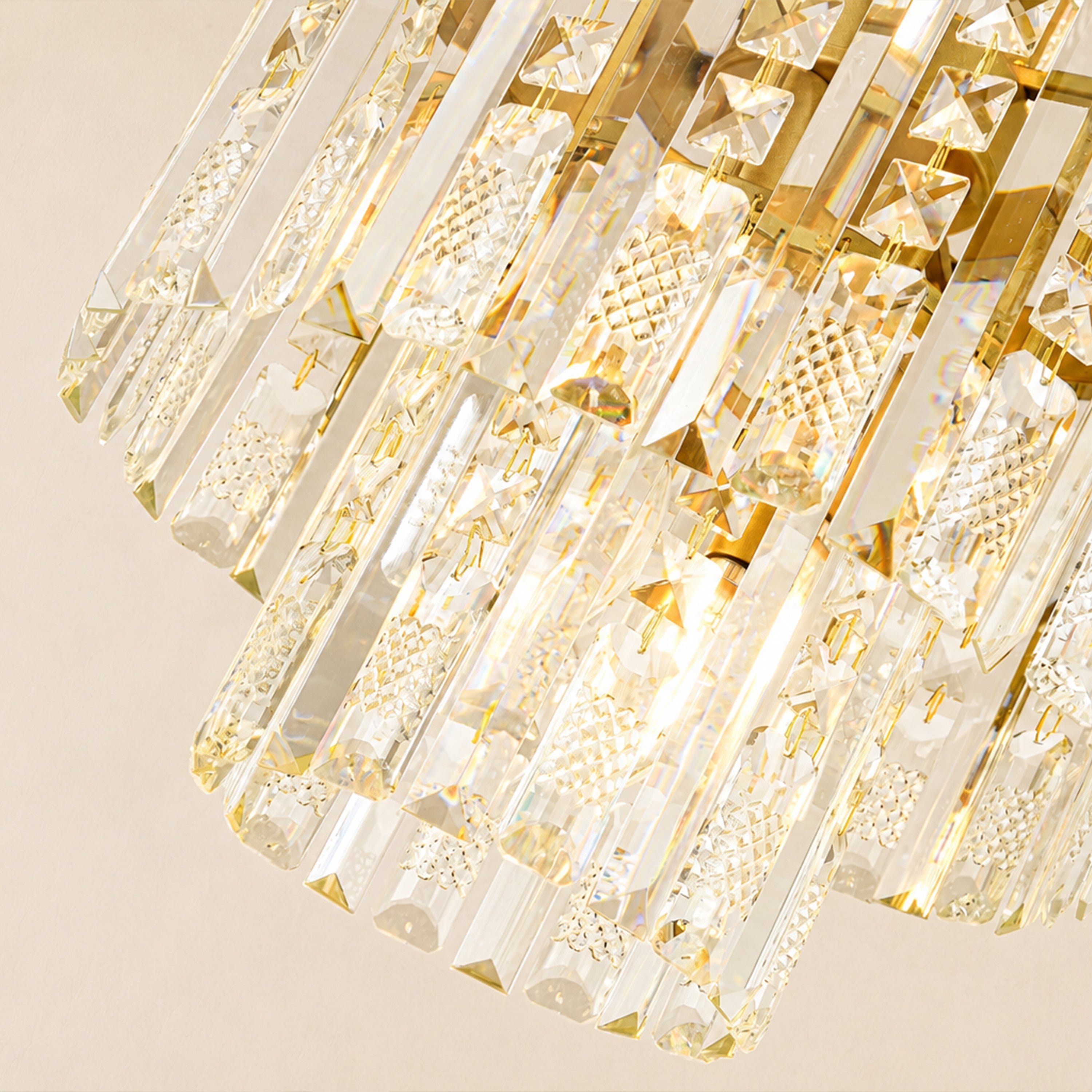
Ethereal Crystal Radiance Round Chandelier 30"D


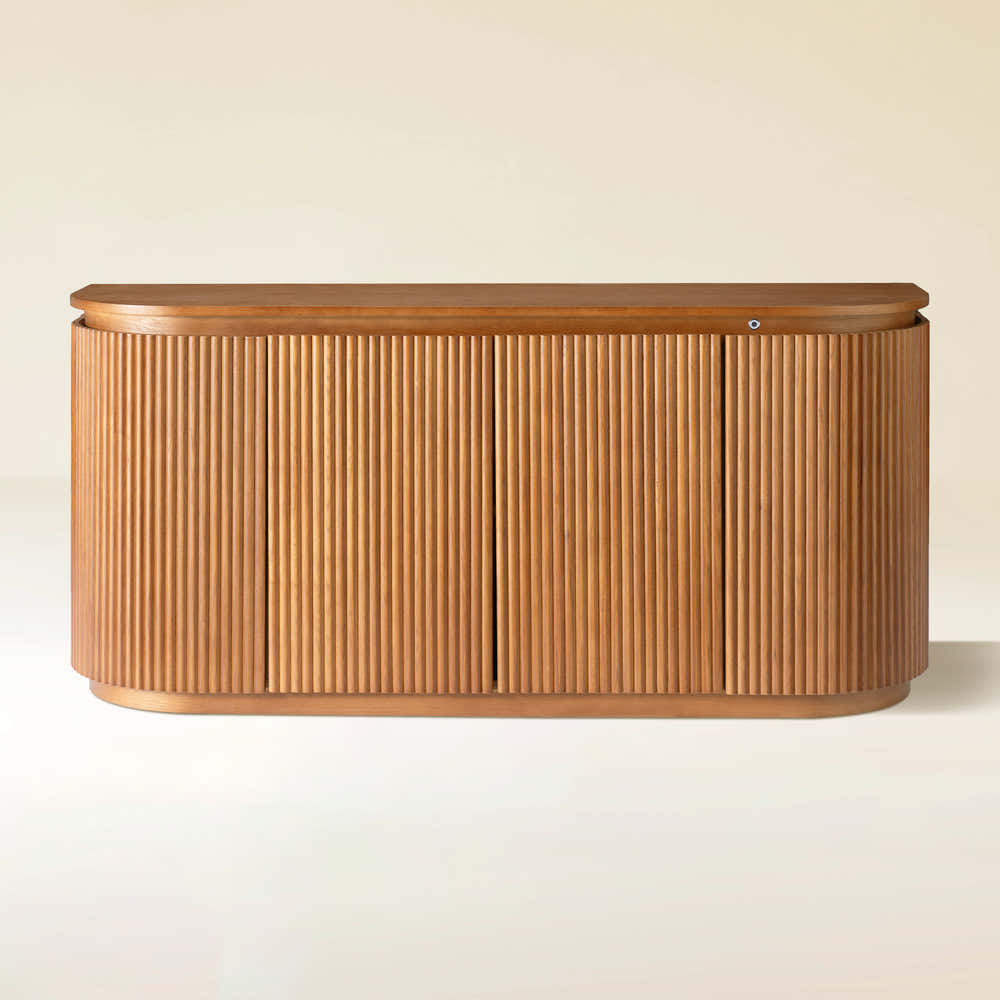
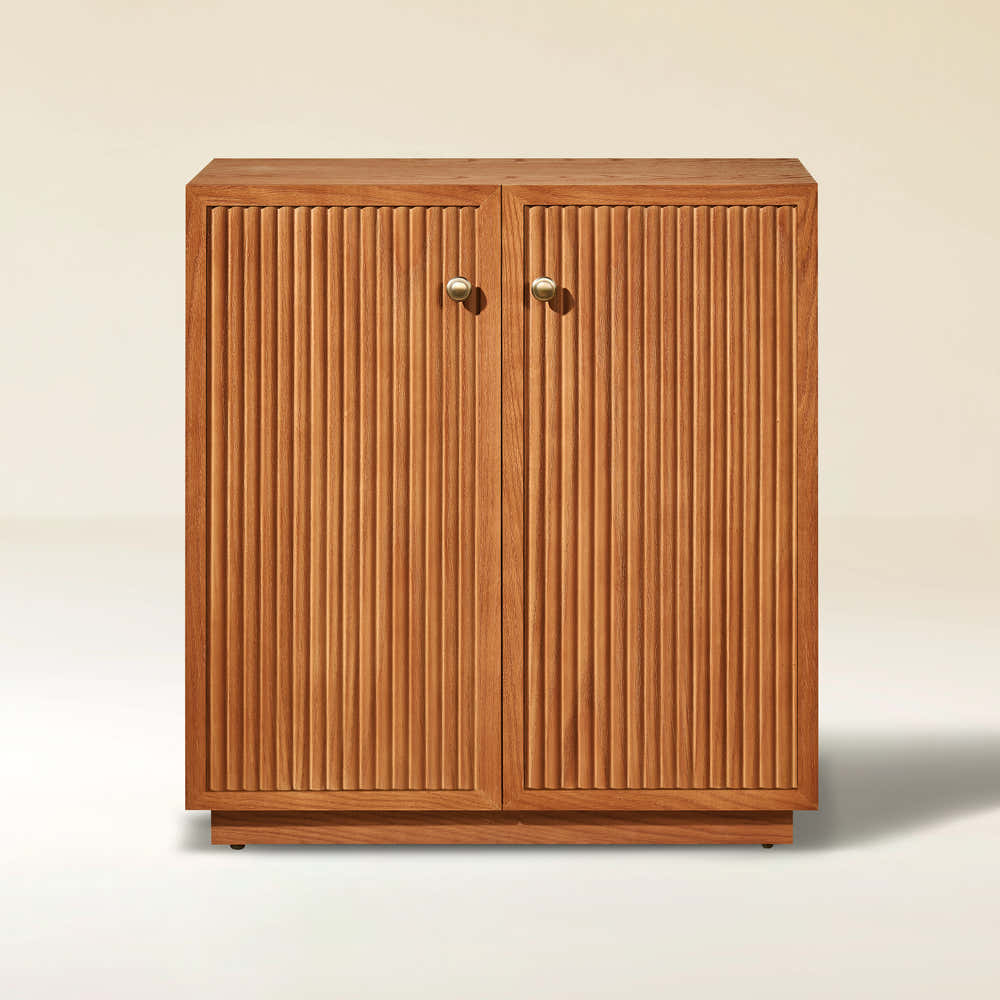
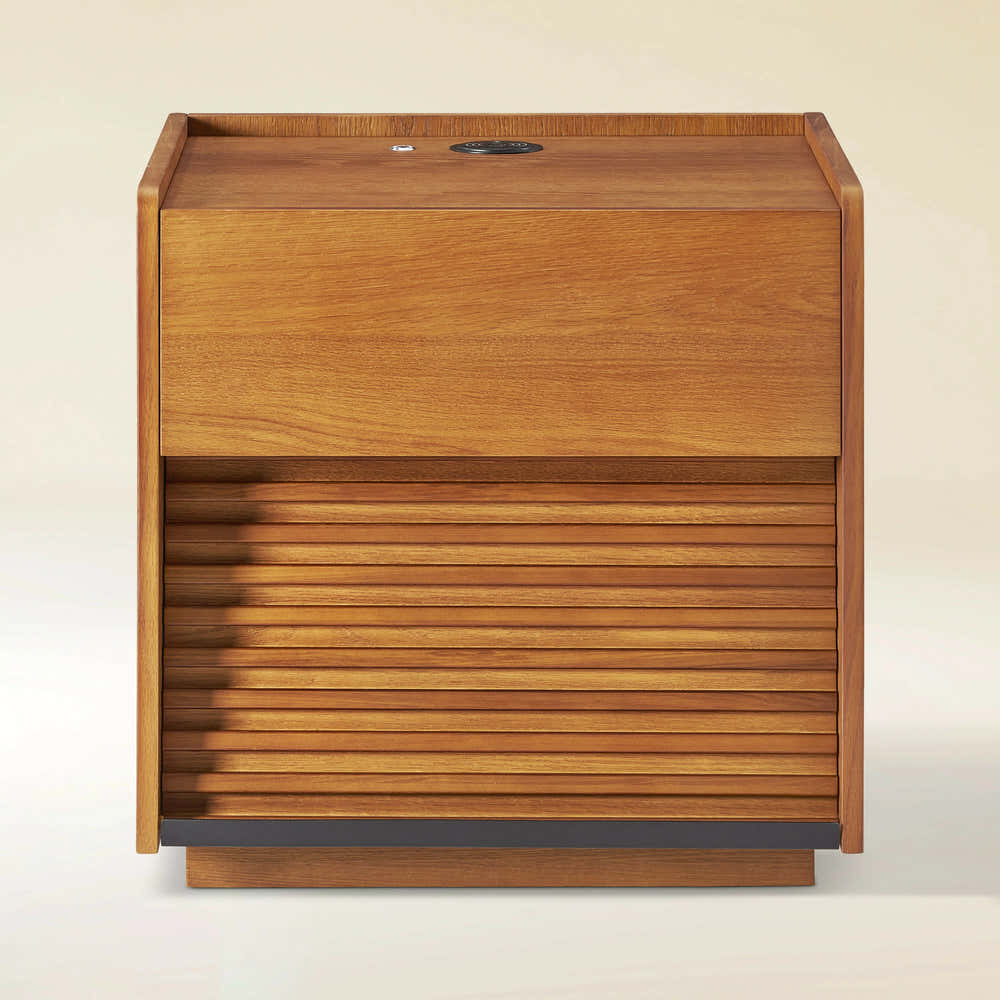
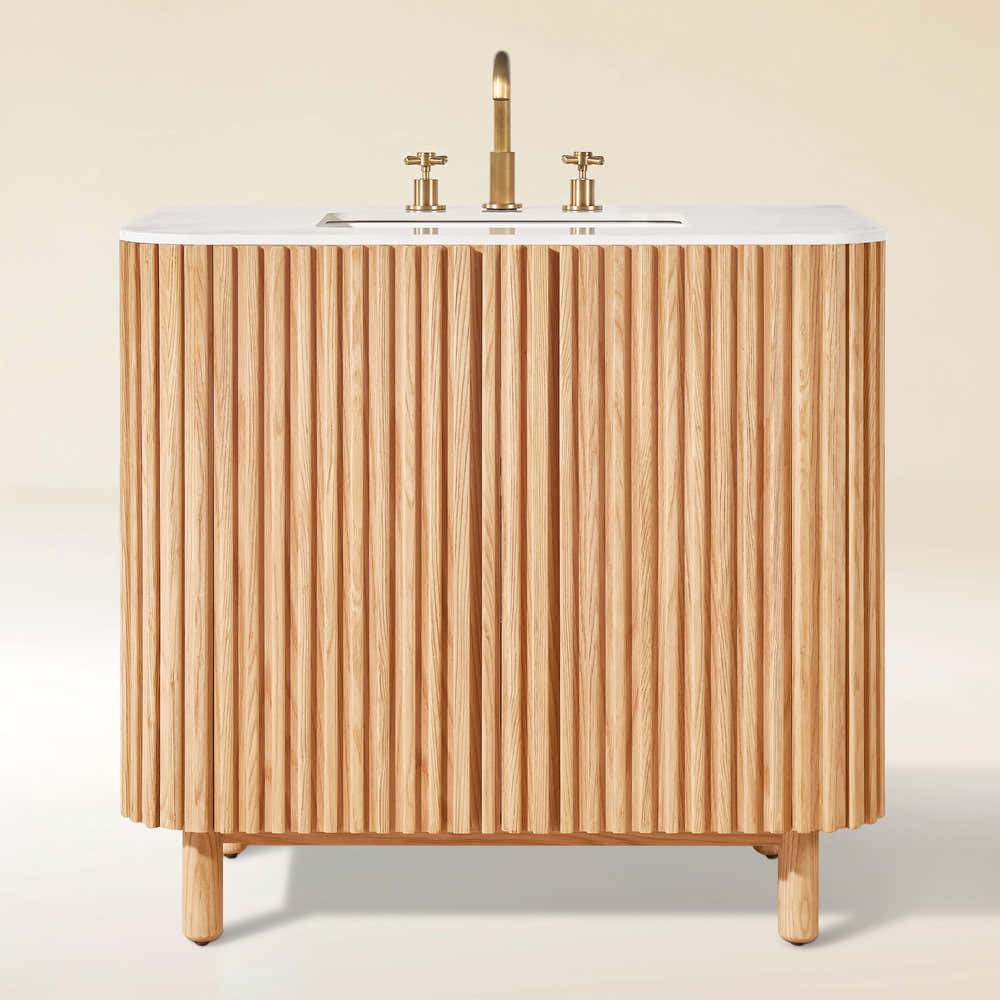
Ewan 63" Oak Slatted Sideboard Buffet Cabinet
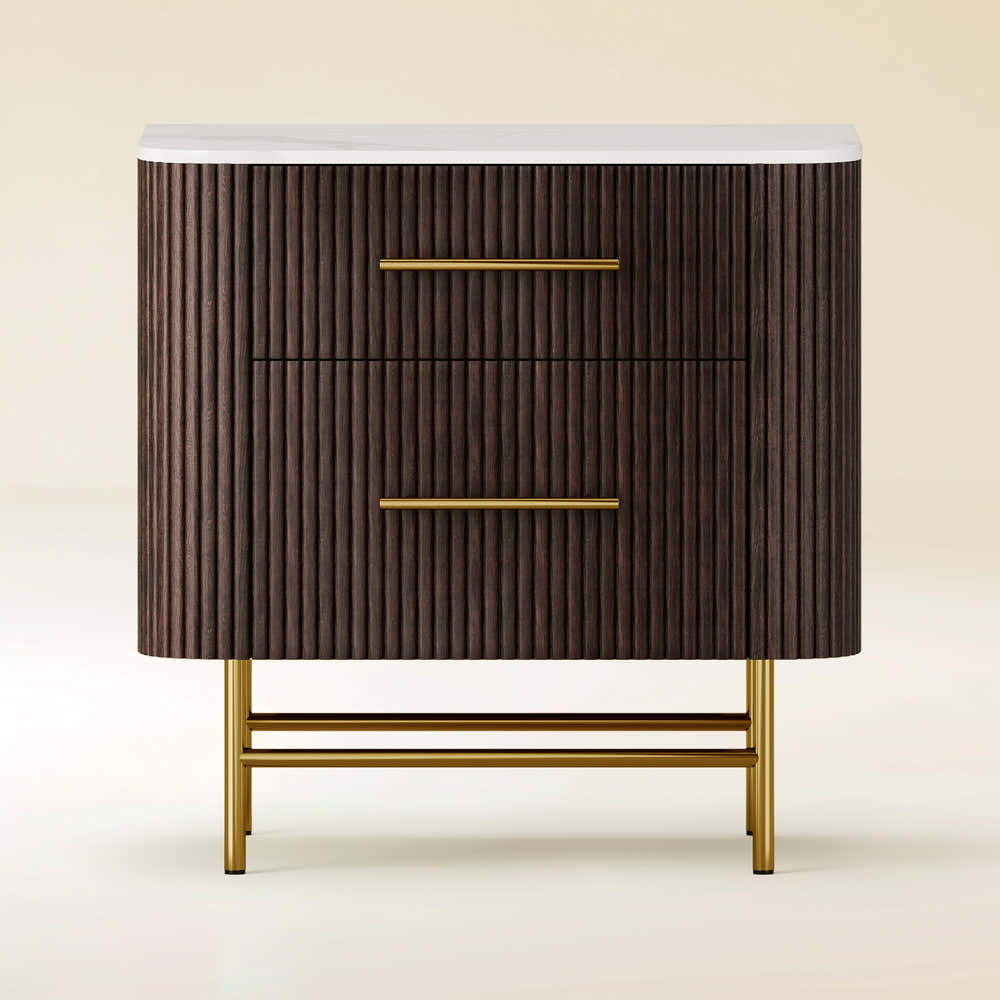


Ewan Sintered Stone Nightstand 26"W
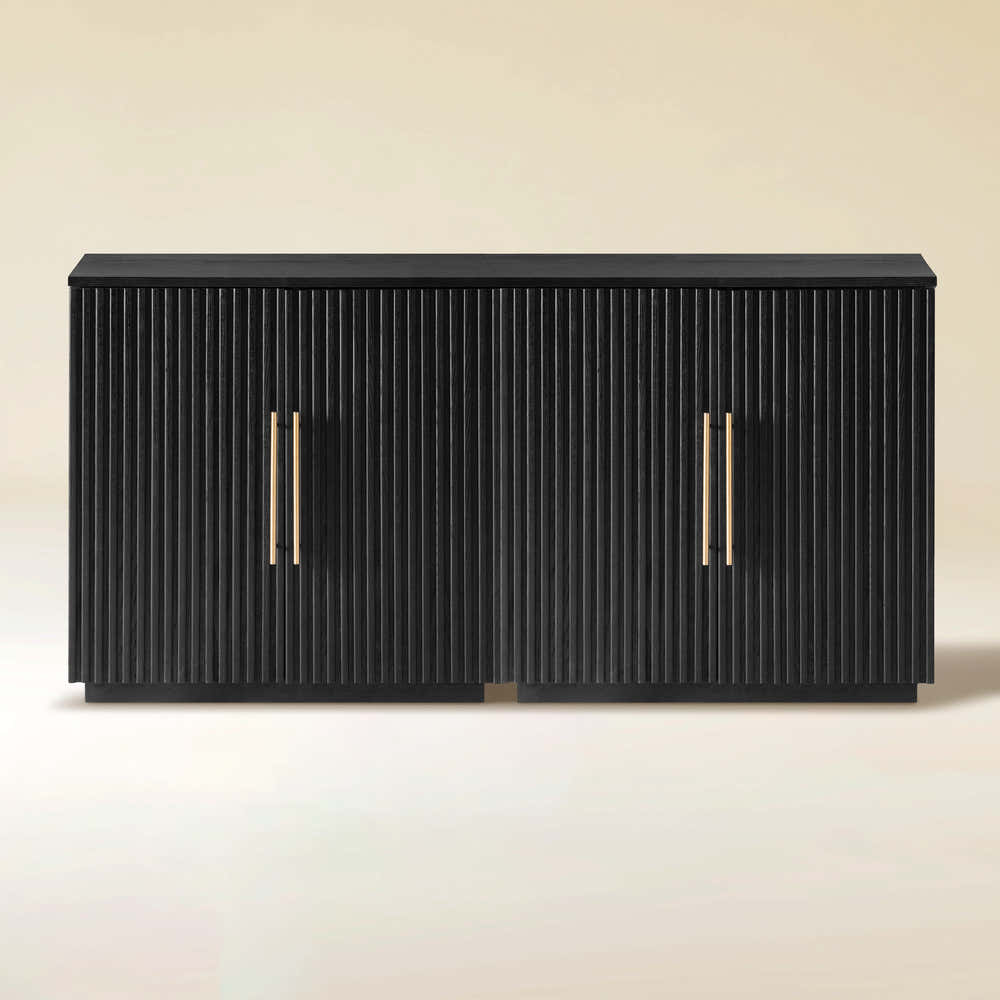


Holt 63″ Solid Oak Console(Set of 2)
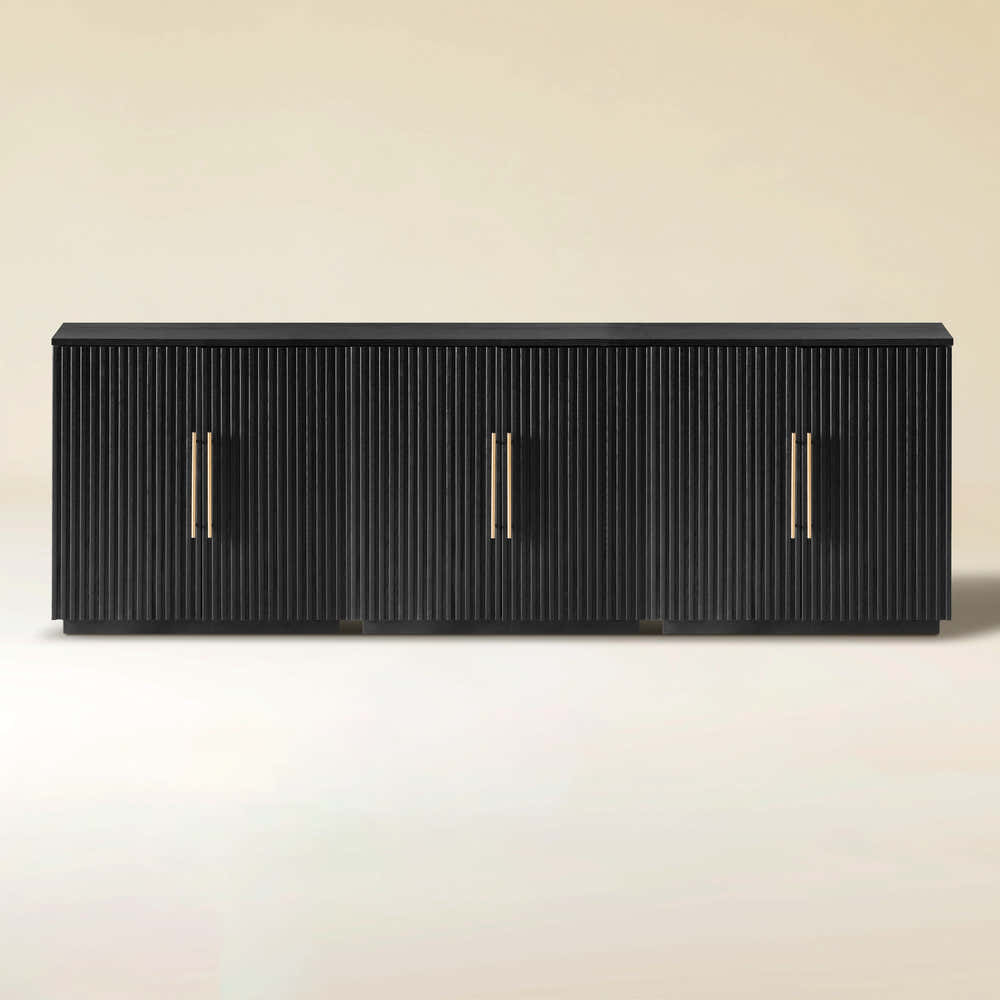


Holt 95″ Solid Oak Console(Set of 3)
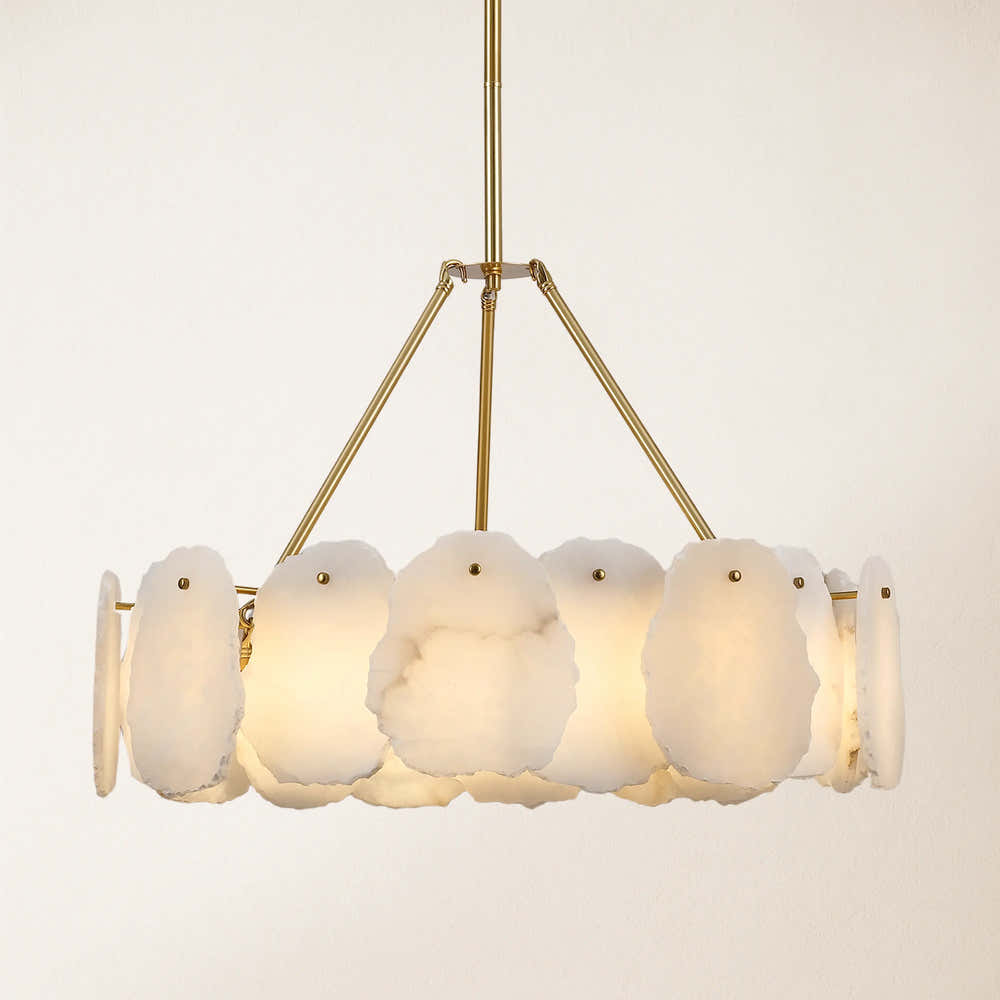


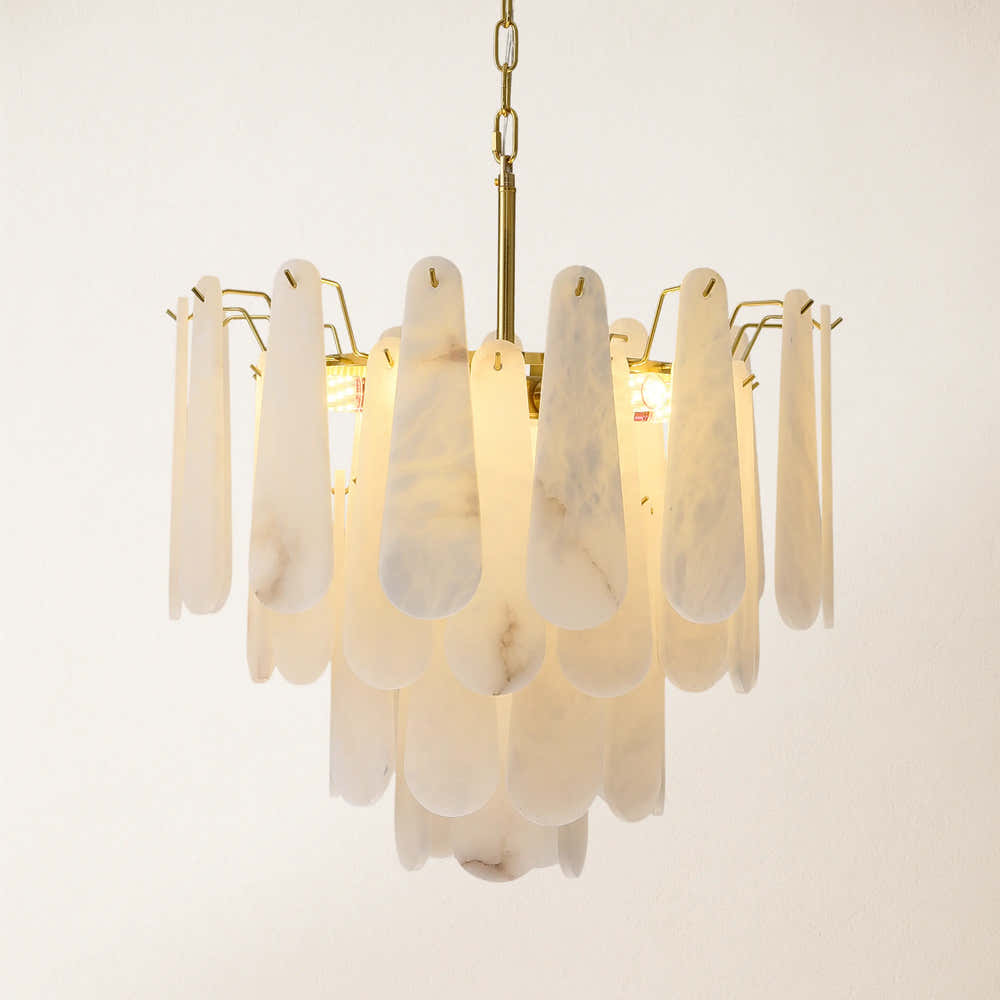
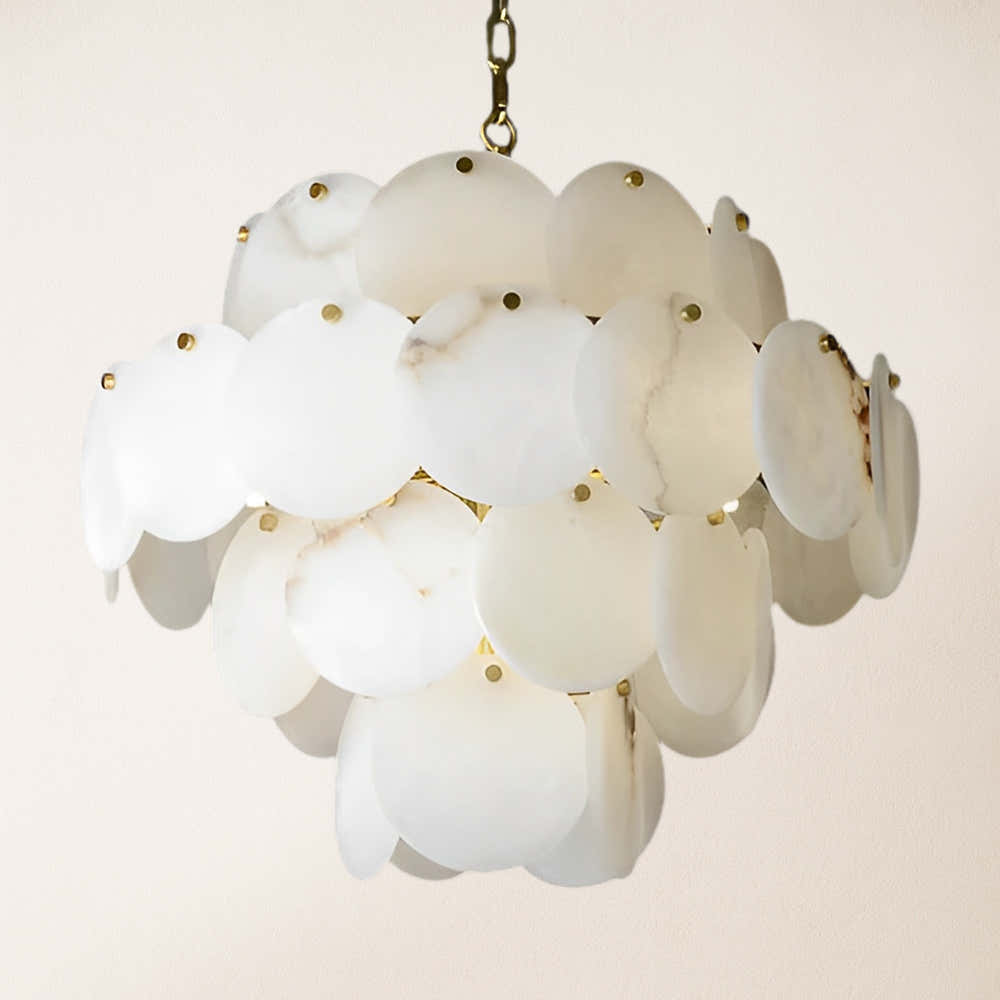
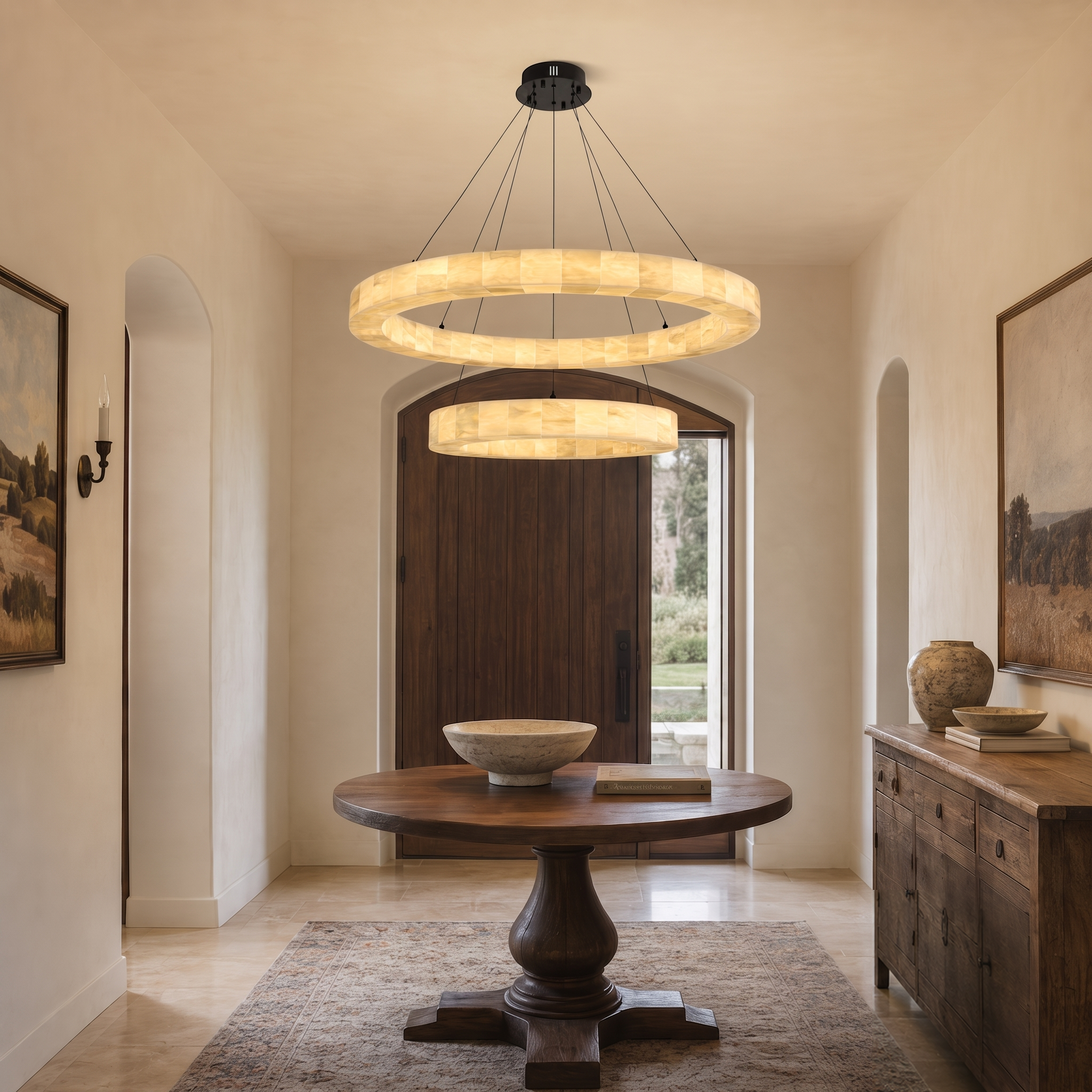
Moira Alabaster Round Chandelier 24"D
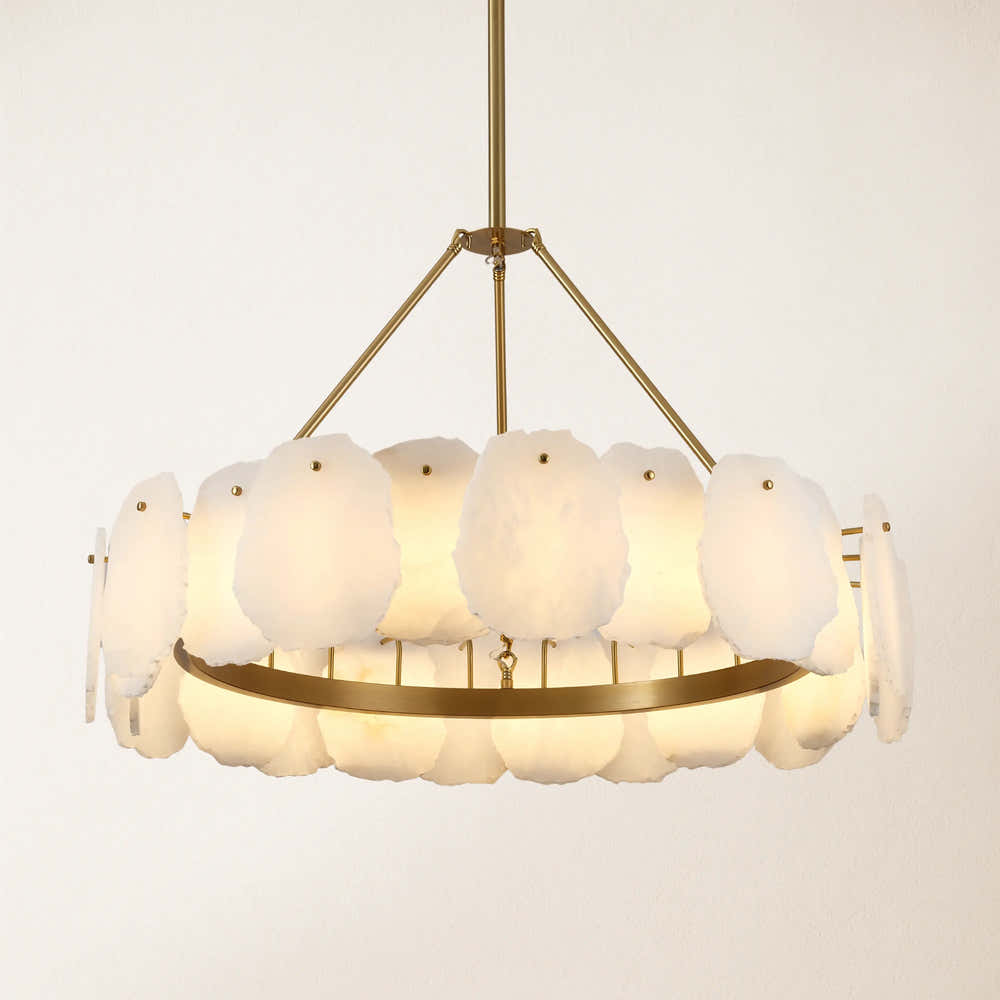


Moira Alabaster Round Chandelier 32"D
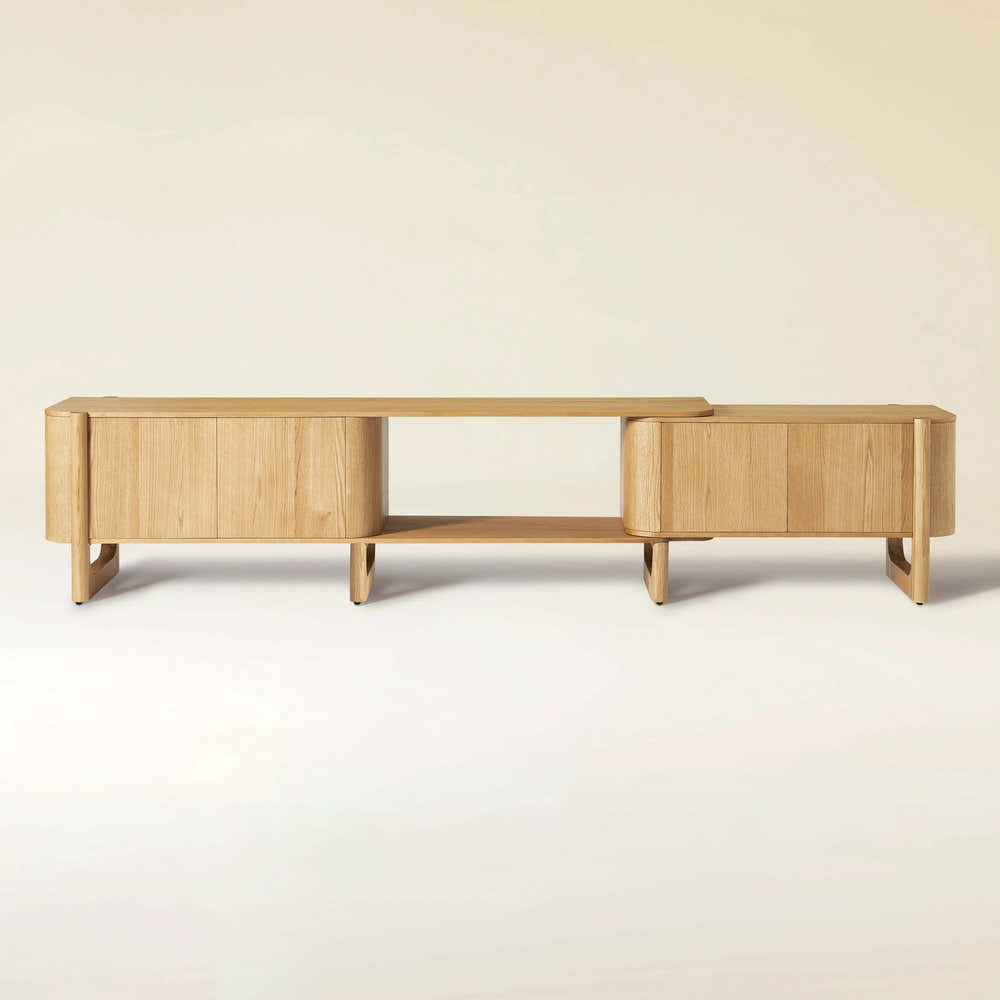
Silas Extendable TV Stand 203cm to 280cm
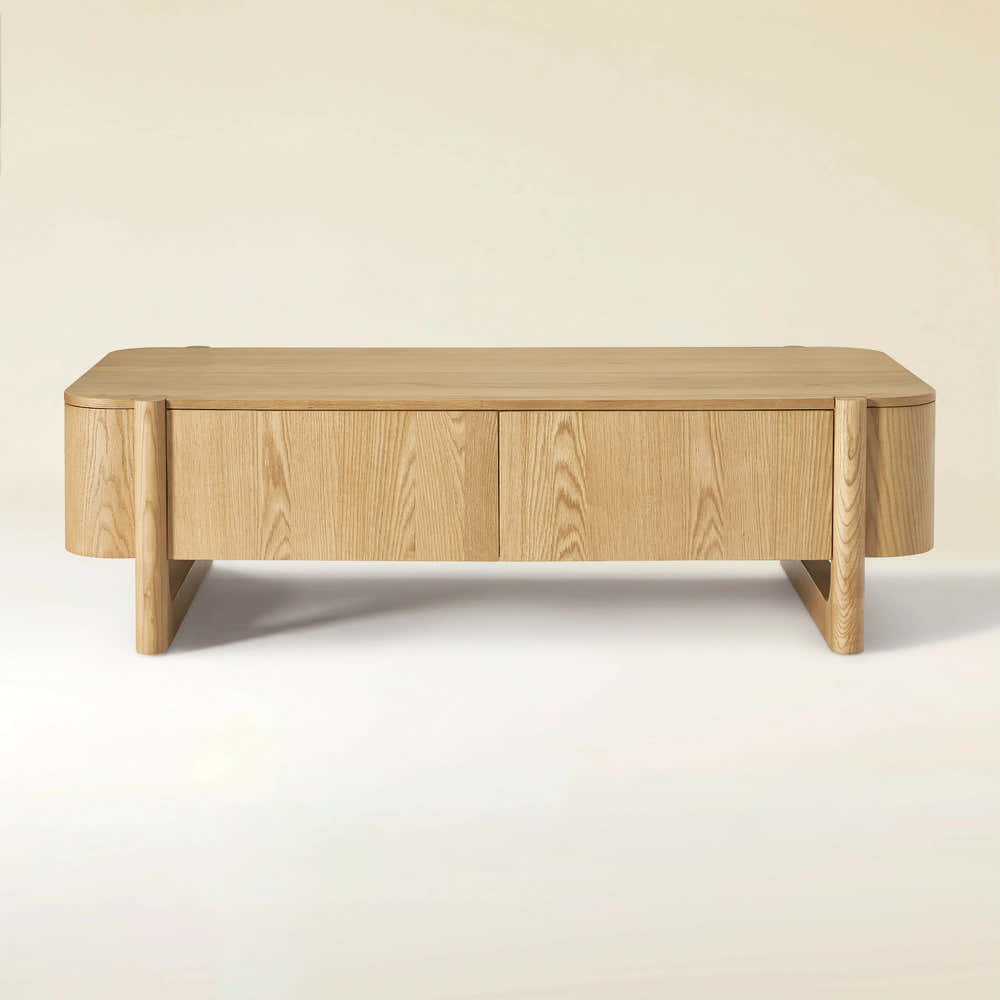
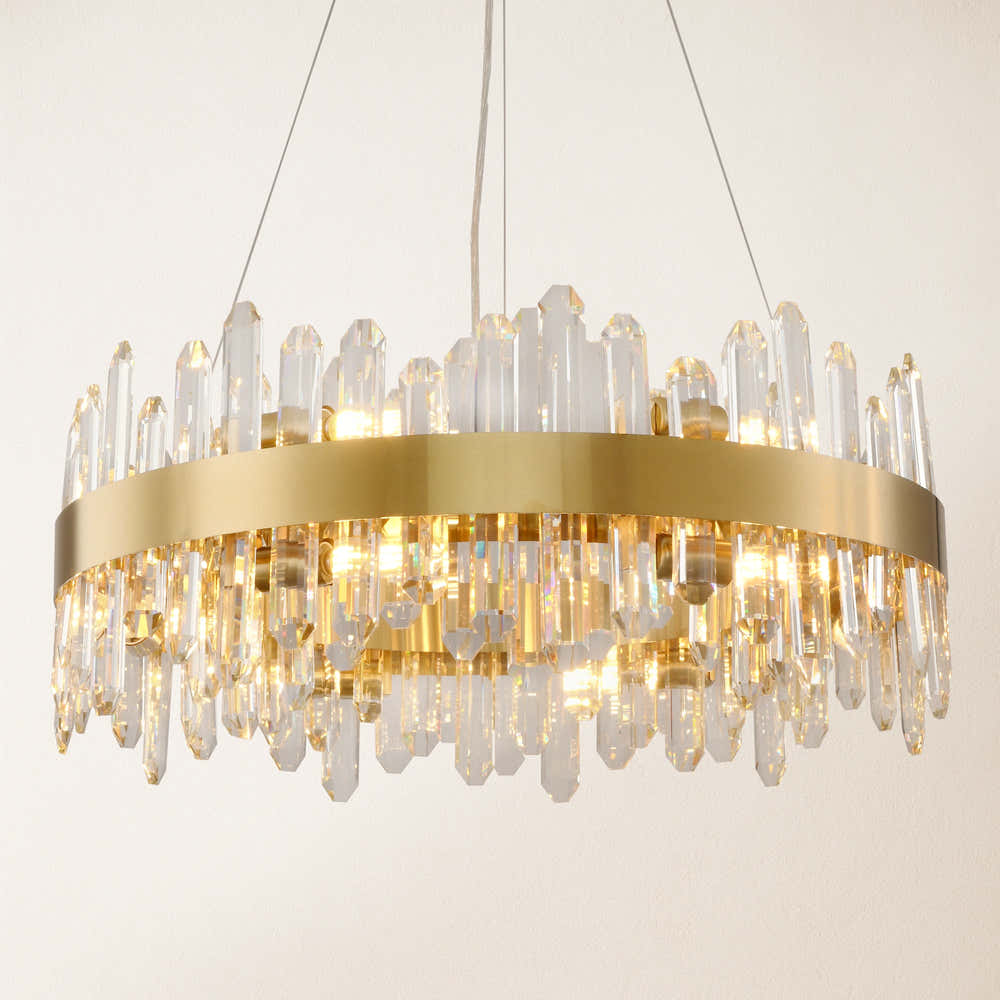
Stellara Crystal Strip Round Chandelier 24"D
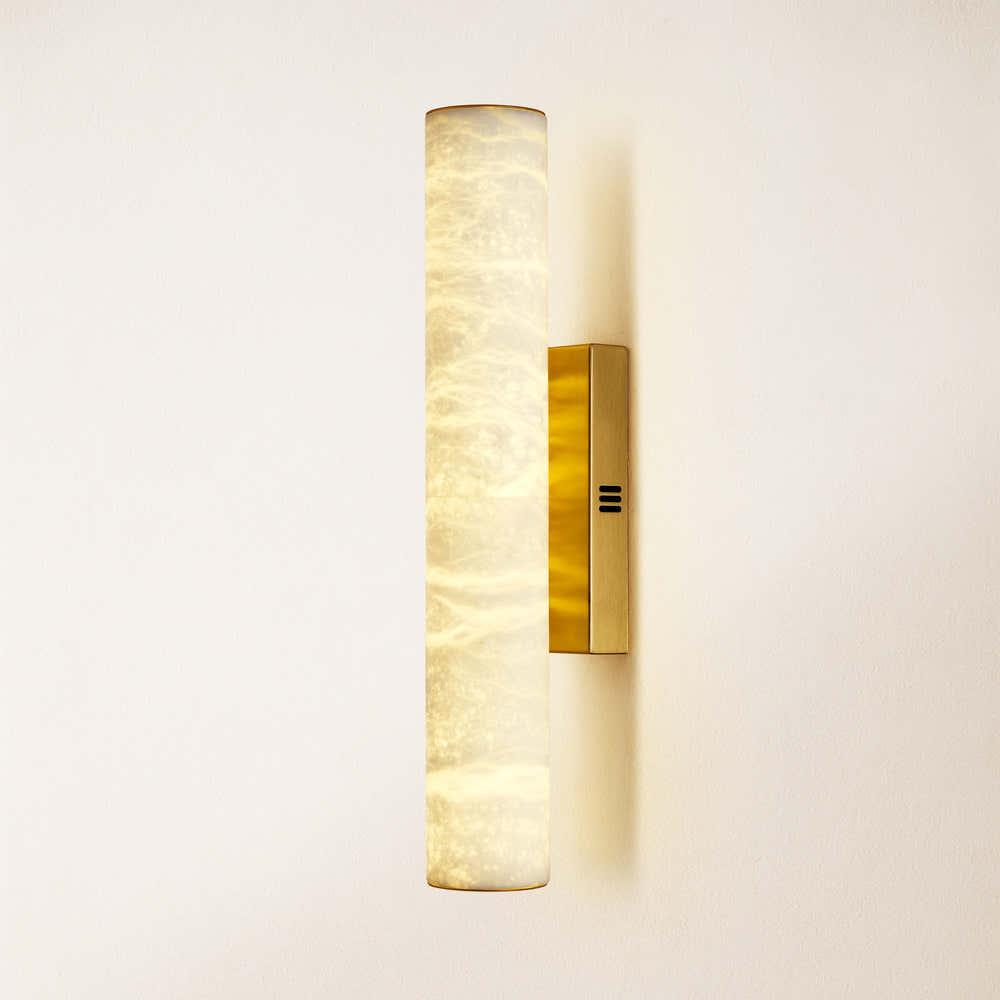


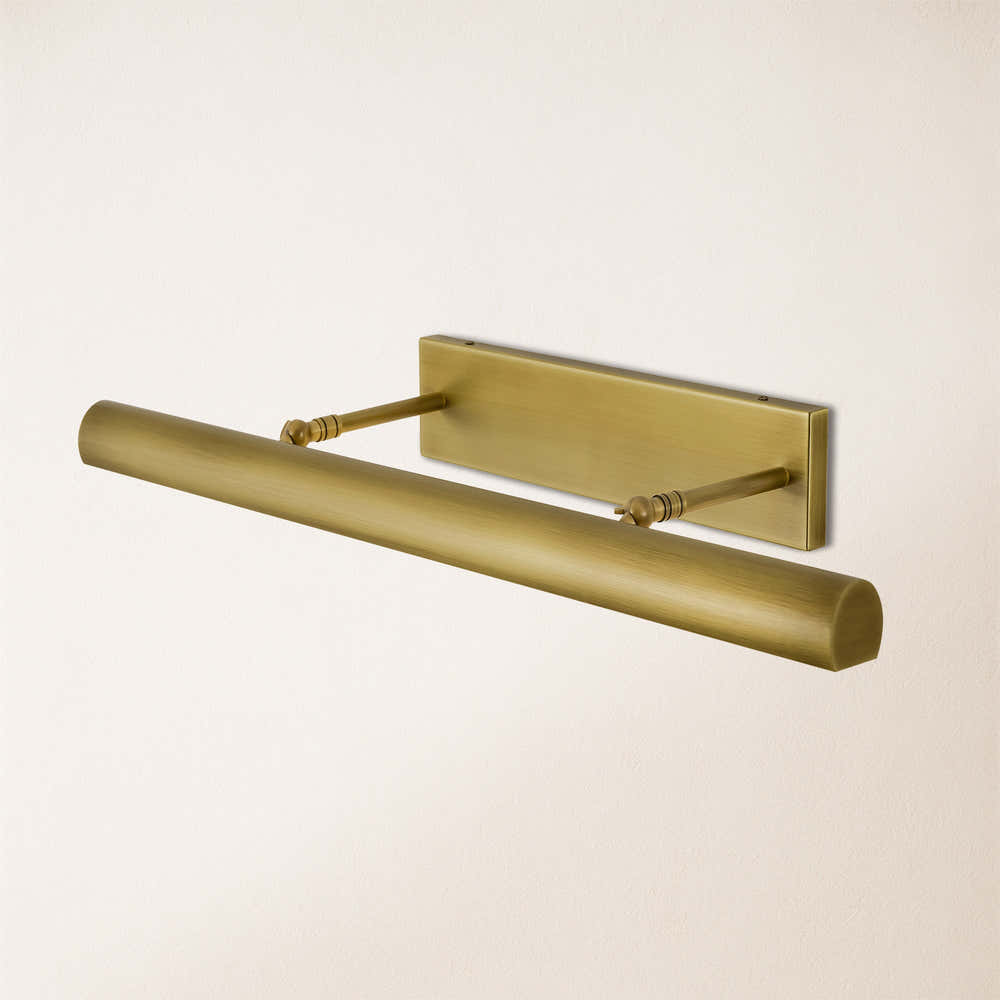
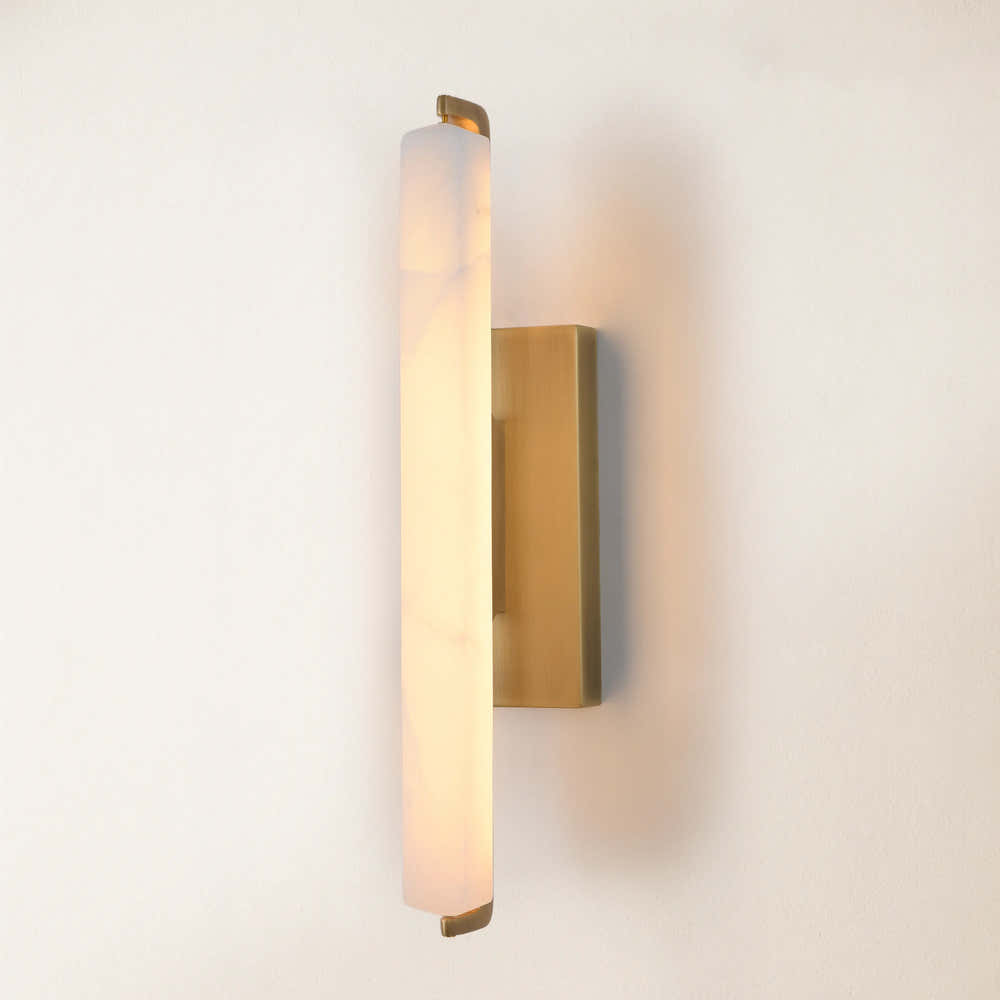
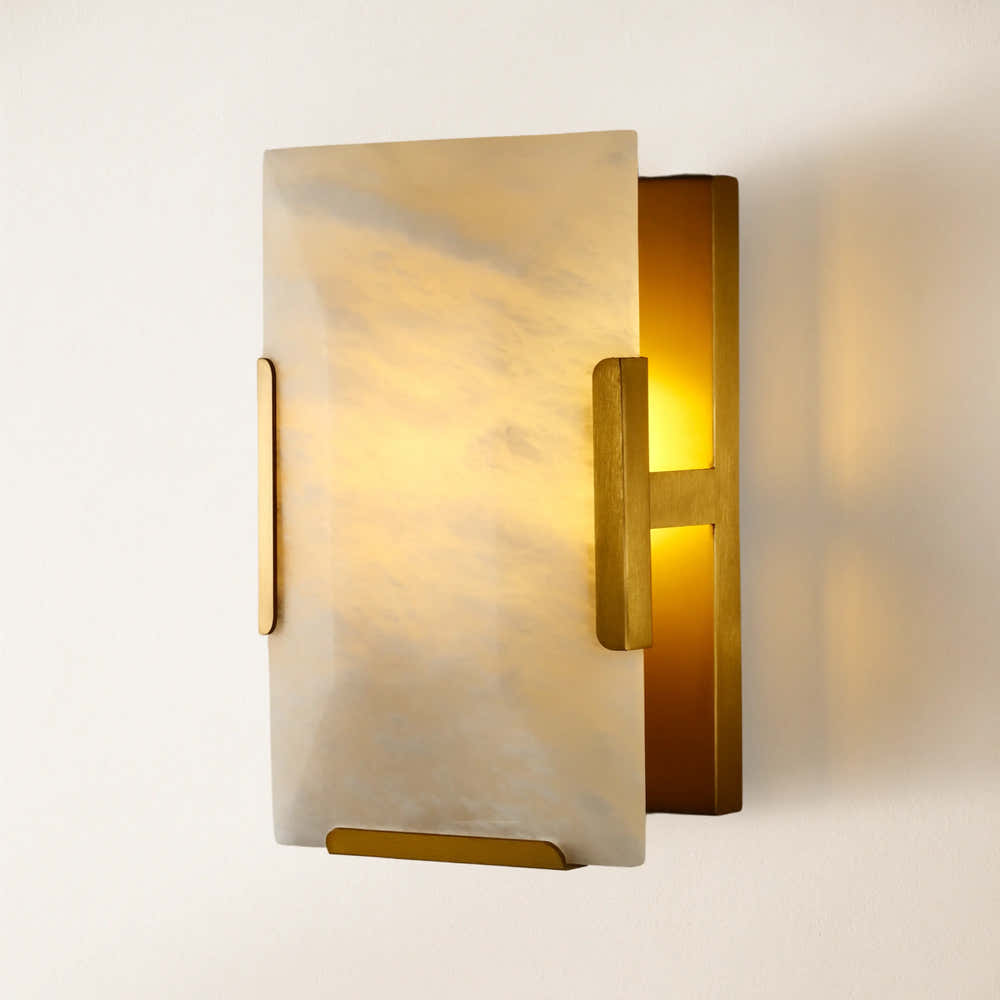
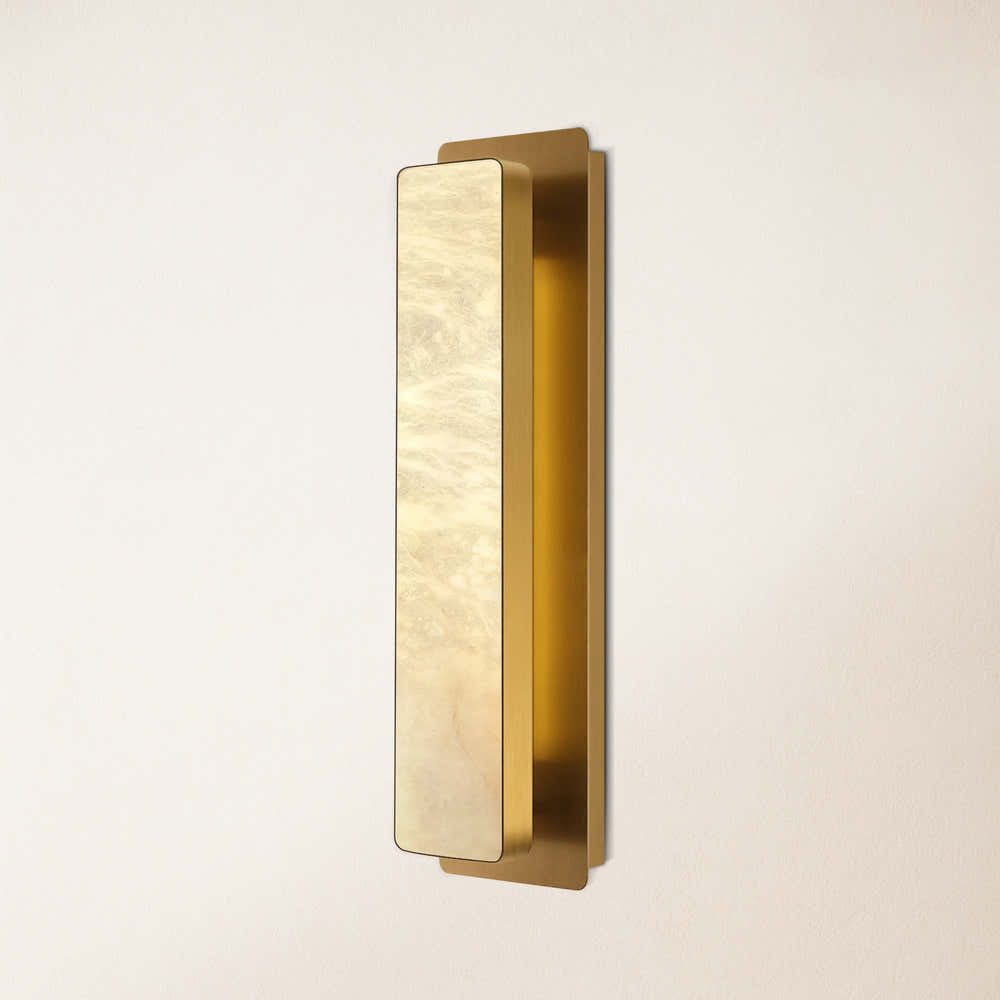
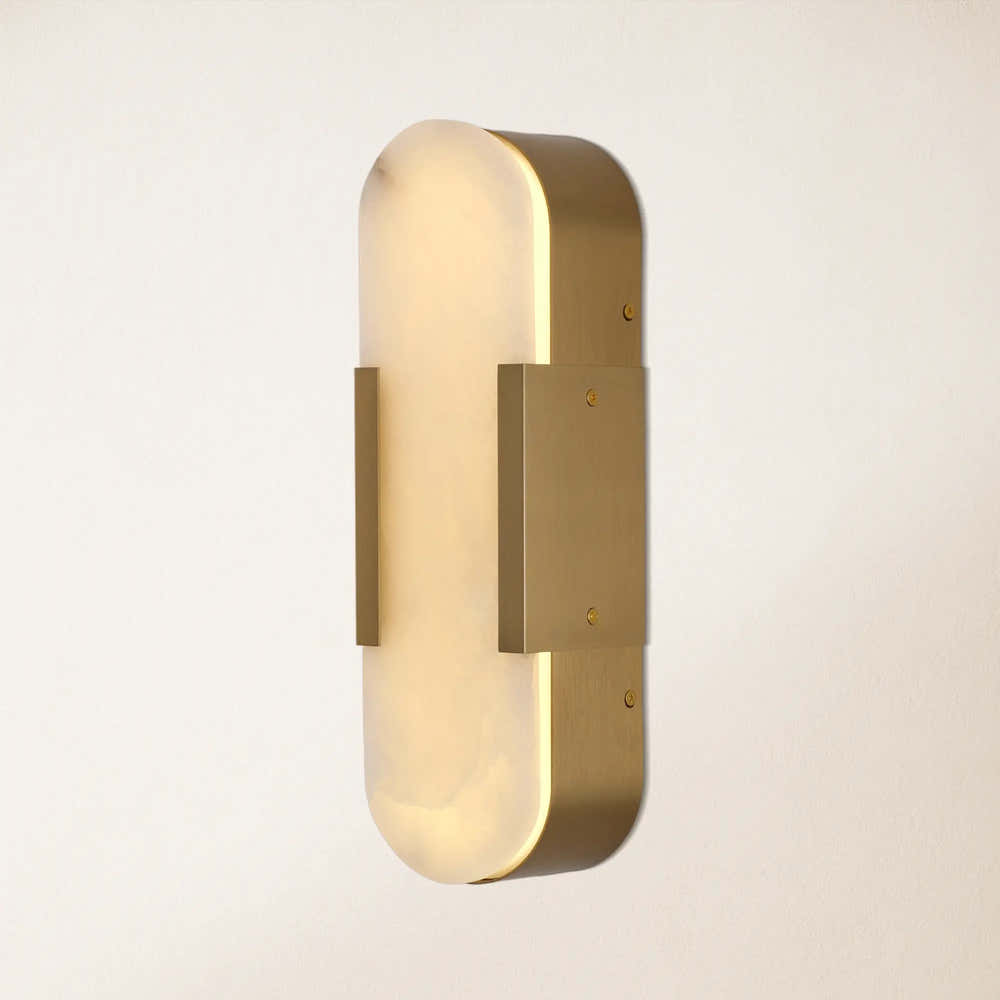
Sylvia Palladian Alabaster Wall Sconce 20"H
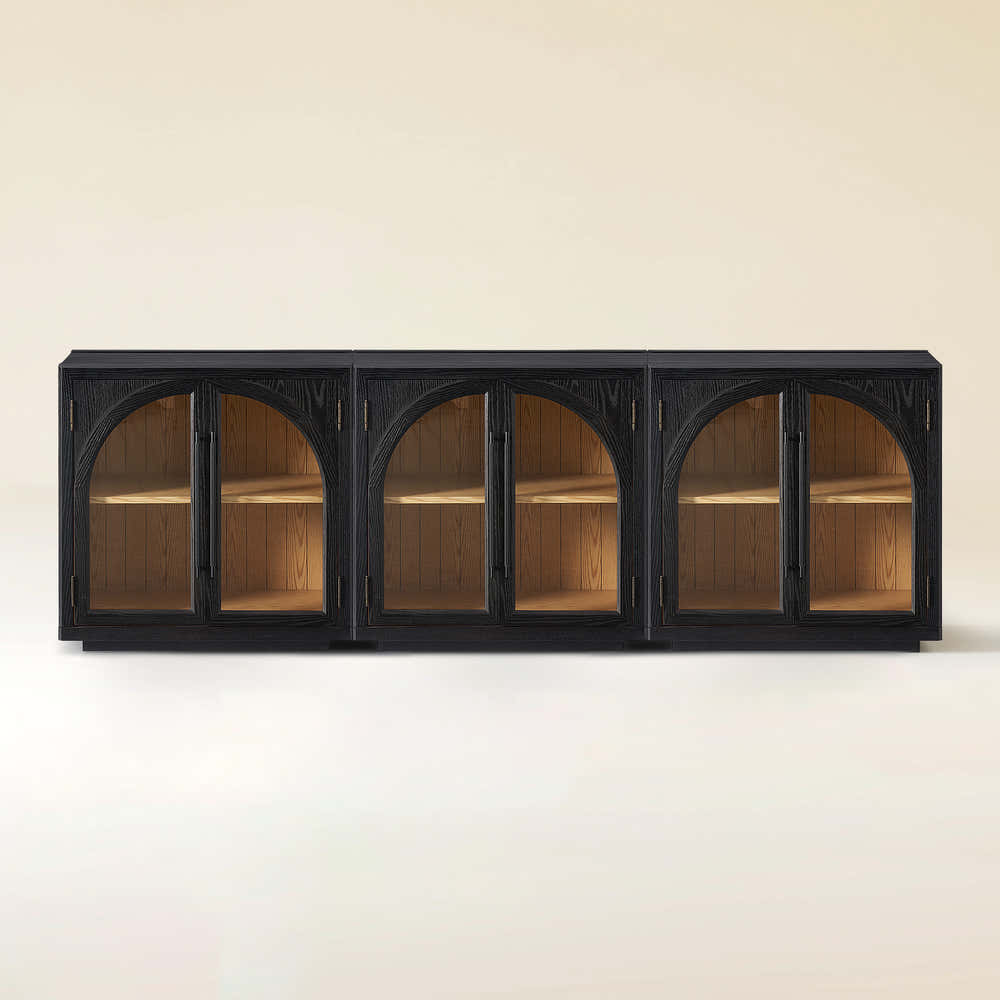


Alvar Arched 91″ Oak Media Console(Set of 3)
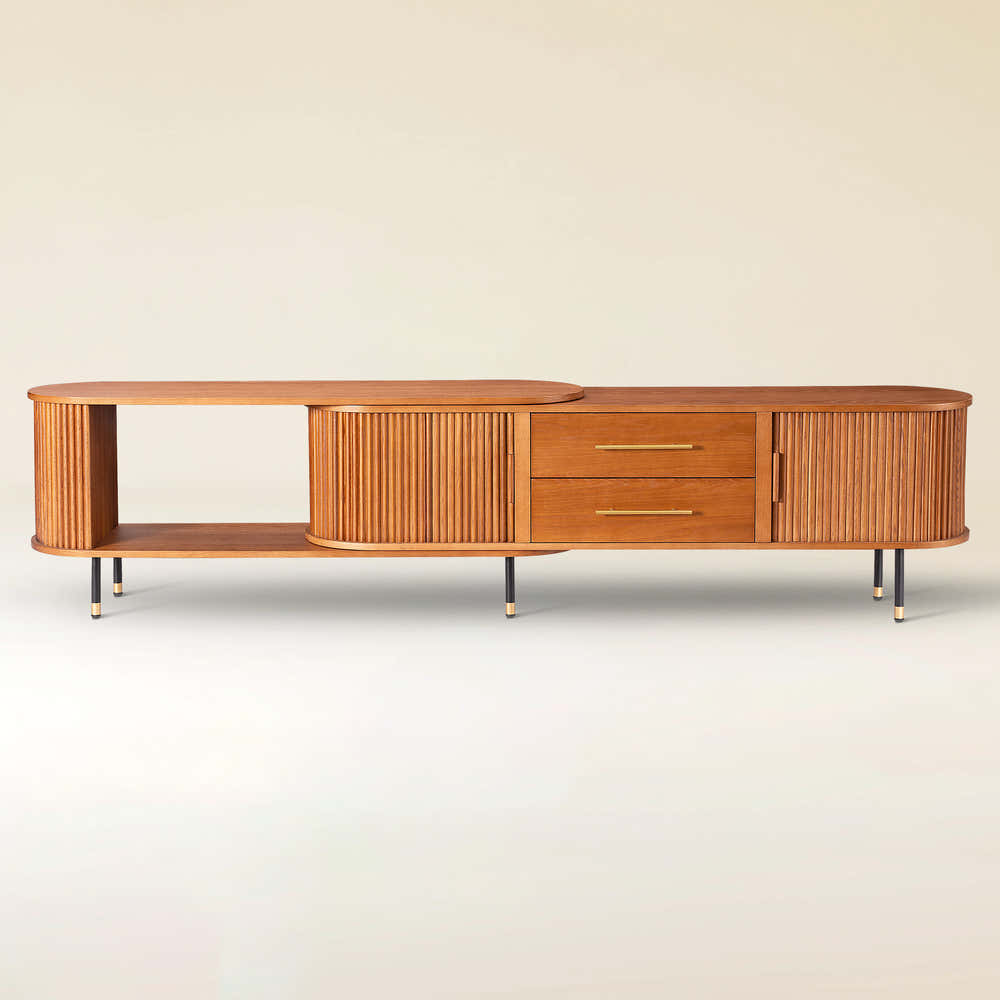
Ewan Oak Extendable Media Console 79" to 110"
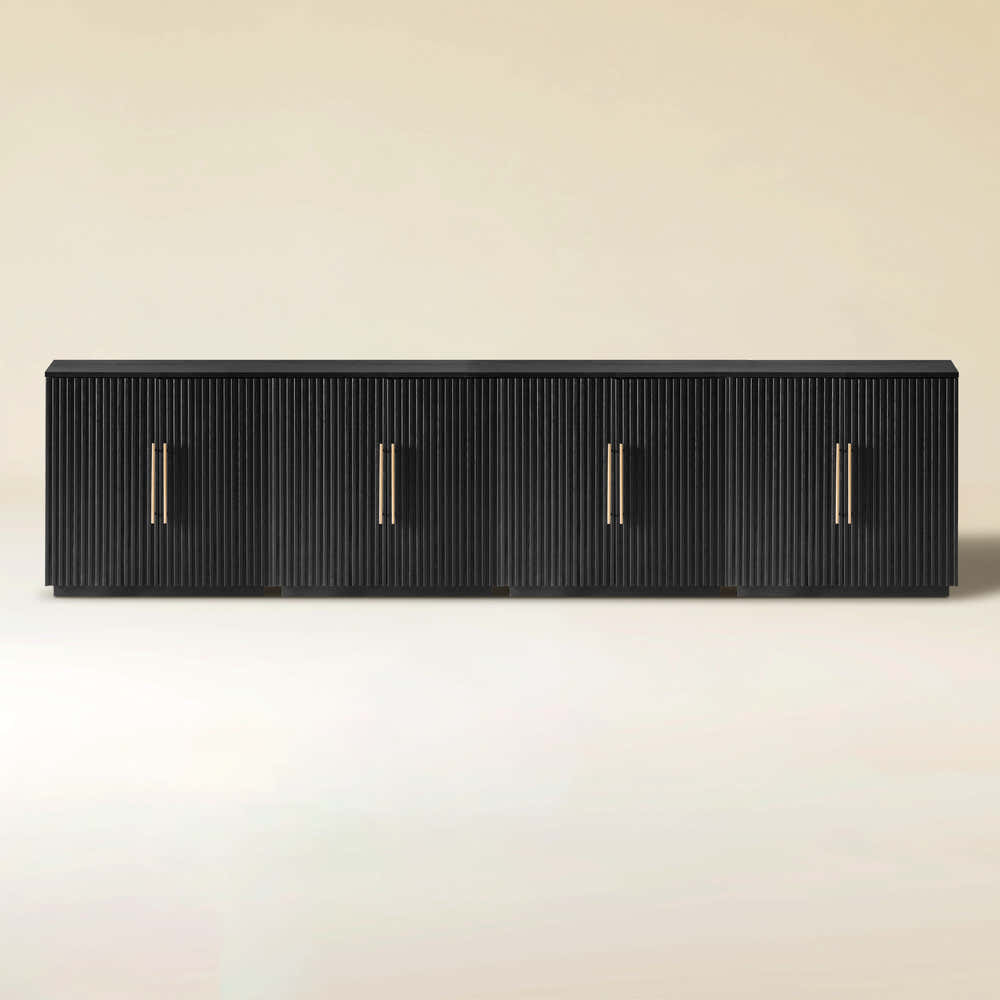


Holt 126″ Solid Oak Console(Set of 4)

FSC FCOC47059 . FSC is dedicated to the promotion of responsible forest management
worldwide. By selecting this product, you help take care of the woorld's forests

UL-certified for indoor drying environments not directly exposed to excessive moisture or water;
Use in the United States and Canada.

Certified to Dry ETL electrical standard: suitable for use indoors in dry locations not directly exposed to excessive moisture and water
Use in the United States

CE-certified drying equipment compliant with electrical standards: Suitable for indoor drying environments not directly exposed to excessive moisture or water;
Tested for use in Europe, the UK, and other regions.


The support center has answers to questions you may have. You can also contact customer service in the support center if you can't find what you're looking for.
Support Center >
At houlte, we are committed to delivering quality, style, and great value to our customers. Our goal is to simplify your shopping experience by providing competitive prices and exceptional service.

If an item you purchased from houlte goes on sale on our website within 30 days of your purchase date, you may request a price match. This policy ensures you always receive the best value when shopping with us.
Houlte reserves the right to interpret and adjust the terms of the Price Match Policy as necessary.
Houlte has partnered with Taskrabbit to make your everyday life at home easier by connecting you with flexible and affordable ways to get your to-do’s done including furniture assembly and mounting.

1. Purchase your furniture at Houlte.
2. Check your order Dispatched and Delivered email and click the
Houlte link. You will be redirected to Taskrabbit's landing page.
3. Post your task on Taskrabbit platform.
4. Pick the best tasker to assemble your furniture.
Houlte has partnered with Taskrabbit to make your everyday life at home easier by connecting you with flexible and affordable ways to get your to-do’s done including furniture assembly and mounting.
Taskrabbit Assembly is available in most metro areas in the US. The availability of Taskers varies based on demand. When placing an order on Taskrabbit, you will need to enter your zip code. If the service is not supported in your area, you will not be able to place an order.
You can book assembly for your Houlte furniture as early as the next day after your delivery, and up to 14 days in advance, giving you flexibility to choose a time that works best for you.

Ready to use out of the box; minimal installation may be required (e.g., handles).

Main structure is pre-built; minor components require attachment (e.g., legs).

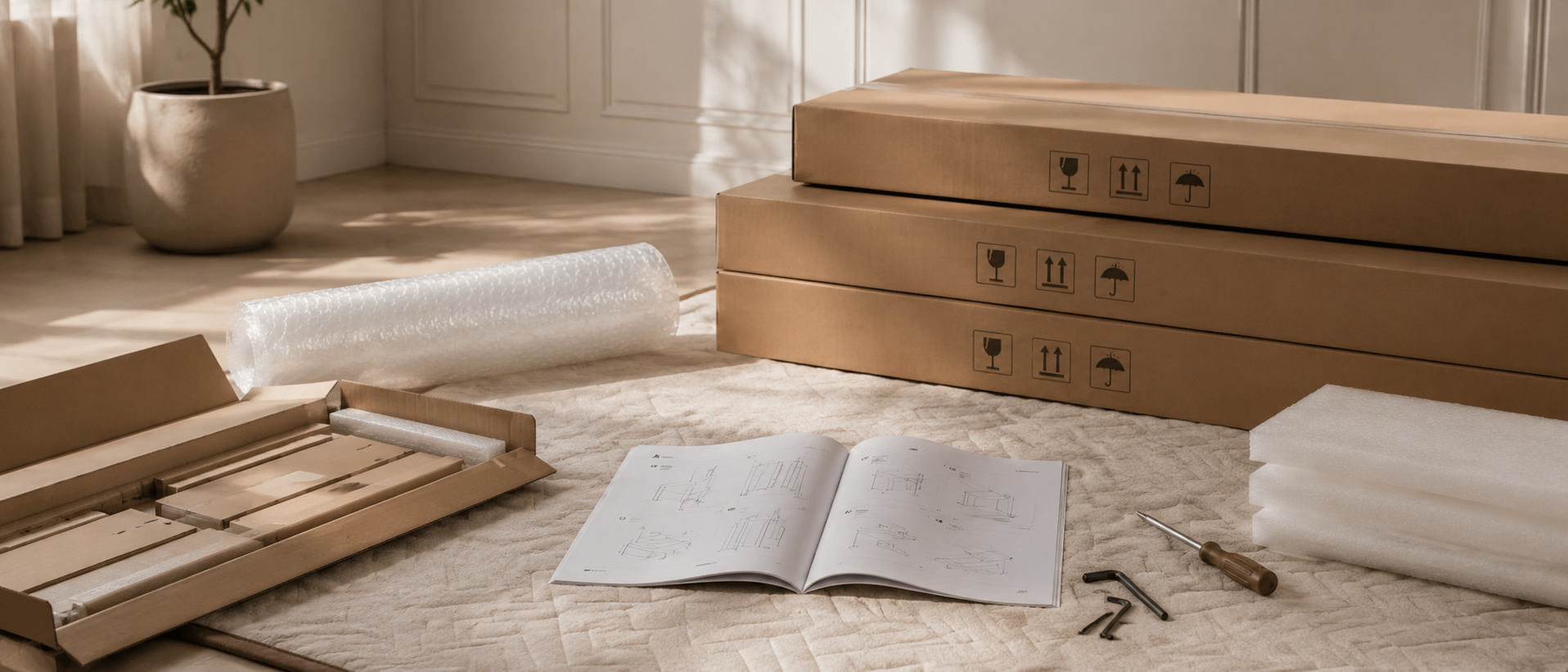
Assembly required; multiple parts must be assembled before use.
Our furniture is built with a combination of core boards, real wood veneers, and selected solid wood parts. Each material is used for a different purpose—structure, surface appearance, or visible strength—so the final piece feels balanced in performance, finish, and cost.
Core boards form the internal foundation of the furniture. They provide structure, stability, and efficiency across large surfaces and cabinet bodies.

Stable structural board

Smooth and consistent

Functional internal board
Selected solid wood parts are used where visible strength, tactile quality, and structural integrity matter most—such as legs, frames, trim, and exposed support details.

Durable and classic

Light and versatile

Premium and elevated
In a showroom, you instinctively test things: you walk around the table, notice whether corners feel sharp, see how the finish reflects light, and judge sturdiness with a quick (and very human) wiggle test. Online, you’re making the same decision through photos, measurements, and reviews—often while juggling a dozen tabs and a cart you’re not fully confident about.
The good news: “buying smart” online isn’t about being an expert. It’s about following a repeatable process. A 2025 report noted that 43% of U.S. consumers make more than half of their furniture purchases online, and 63% find design inspiration mainly on the web (Woodworking Network, 2025). So if you’ve felt unsure, you’re not alone—online furniture buying is normal now, but it requires a more deliberate checklist.

This guide shows what smart buyers do differently: how they decide on function first, size second, materials and construction third, and only then style, delivery, and price. You’ll also get a comparison table, “red flag” review cues, and a final pre-checkout checklist you can save.
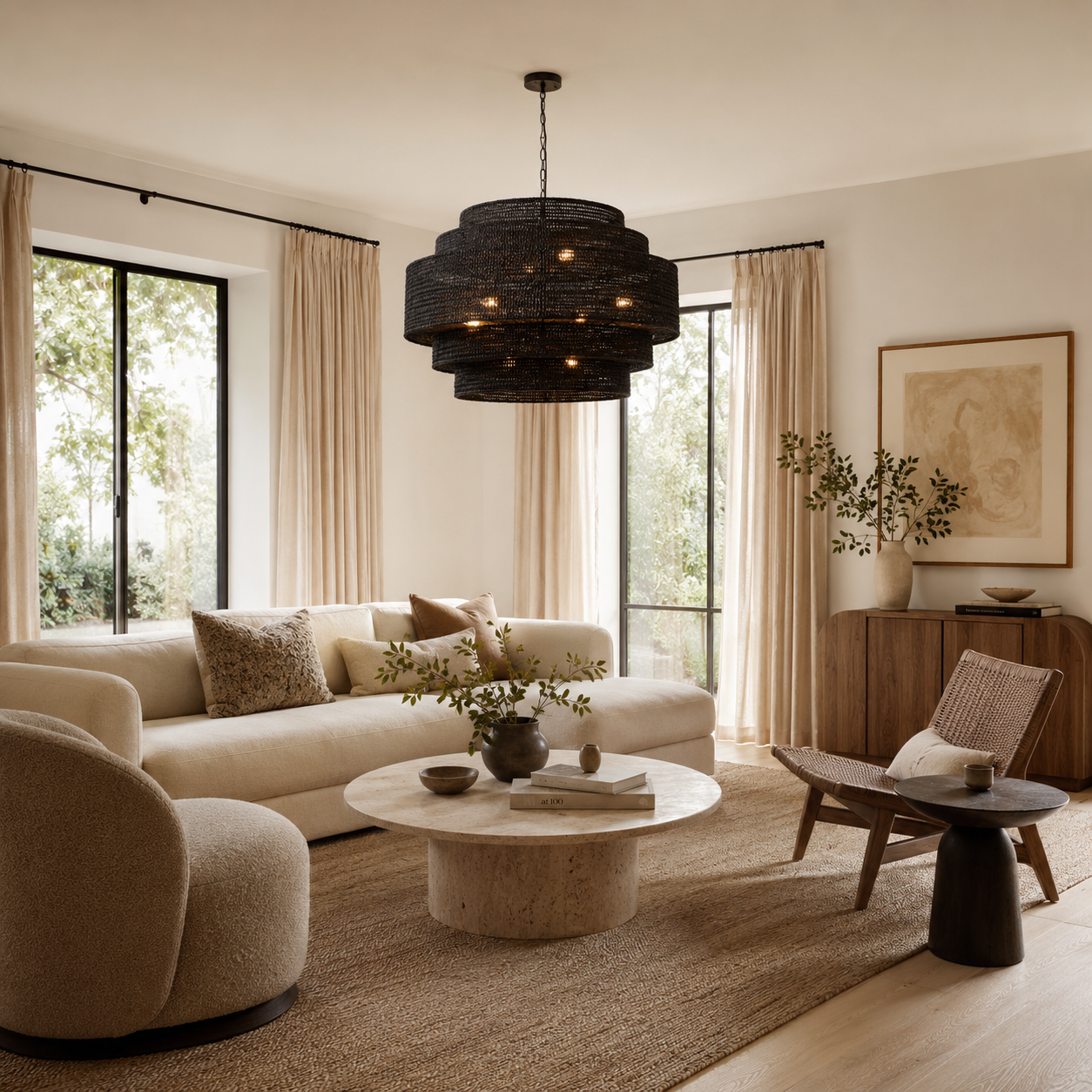
Coffee tables sit at the center of the room’s “movement zone.” If the size is off by even a few inches, you feel it daily:
Smart buyers treat a coffee table like a layout tool as much as a design item.
Most regrets come from doing these steps in the wrong sequence (falling in love with a look first, then trying to force it into a room). Here’s the smarter order:
Let’s walk through each step.
Smart buyers start with a blunt question:
What will this coffee table be used for 80% of the time?
1) Everyday drop zone (remotes, drinks, snacks)
2) Work-from-sofa (laptop, notebooks)
3) Hosting (snacks for multiple seats)
4) Kid/pet home
5) Small-space living
Reality check: If you want a table that looks like a sculptural gallery piece but you also eat dinner there nightly, you’re setting yourself up for constant micro-annoyance. Smart buyers match the table to the mess level of their real life.

Online shopping rewards people who measure. Do these four measurements before you browse seriously:
Use painter’s tape to outline:
Then live with the tape for a day. Walk through your normal routes: couch to TV, couch to kitchen, couch to hallway. If you keep stepping around the tape awkwardly, the table you’re considering is too large for your circulation patterns—no matter how good it looks online.
Shape is about movement + reach, not just style. Here’s a practical comparison.
| Factor | Round | Rectangular | Smart takeaway |
|---|---|---|---|
| Best room types | Square-ish rooms, tight walkways, conversation layouts | Long rooms, TV-focused layouts, long rugs | Match shape to room geometry |
| Best seating | Sectionals, U-shapes, multiple chairs | Standard sofas, chaise sofas, modular rows | Match shape to seating pattern |
| Flow & safety | No corners; easier to pass | Corners can bump; edges define lanes | Round is forgiving; rectangle is structured |
| Surface usability | Great shared reach, but less “spread-out” space | Maximum usable surface | Rectangles win for laptops/games |
| Styling | Sculptural, soft, contemporary | Architectural, clean, classic | Choose based on the room’s vibe |
| Small-space performance | Often best for tight circulation | Best when space is long and narrow | Don’t assume round always wins |
Smart buyers consider these when they’re torn:
If you have kids or tight circulation but still want rectangular function, oval or pill shapes are often the most livable compromise.
A coffee table’s material determines whether you relax or hover anxiously.
Solid wood
Engineered wood (MDF/particleboard with veneer/laminate)
Metal frames
Glass
Stone / stone-look tops (marble, travertine, sintered stone, etc.)
Smart buyers assume:
What they do:
You can’t “feel” quality online, so smart buyers look for proxies.
If someone leans on one corner while standing up, will it tip or shift? Families and frequent hosts should prioritize a design that stays planted.
“Assembly required” can mean anything from “screw on four legs” to “become a part-time carpenter.”
| Assembly type | What it usually means | Time & difficulty | Who it’s best for |
|---|---|---|---|
| Flat-pack DIY | Many parts + hardware + step-by-step build | 1–3+ hours; higher frustration risk | Budget-focused buyers with time/tools |
| Partial assembly | Main body built; attach legs/shelf | ~20–45 minutes; low stress | Most households |
| Fully assembled / white-glove | Arrives ready; placed in room | Minimal effort; higher delivery cost | Busy schedules, heavy tables, upstairs homes |
Smart buyers read reviews specifically for:
Those phrases reveal more than the product description.
Shipping is where online furniture wins or loses trust.
If a return becomes necessary, having photos and intact packaging dramatically lowers friction.

Smart buyers treat returns like part of the decision, not an afterthought.
Furniture returns are expensive and inconvenient at scale—U.S. retail returns were reported around 16.9% of sales, totaling nearly $890 billion (National Retail Federation via Digital Commerce 360, 2025). That’s a big reason brands can be strict on return logistics. You don’t need to fear returns—you just need to understand them before you buy.
Many furniture warranties cover structural defects, not cosmetic wear. Smart buyers keep:
It’s boring—but it’s how you protect your purchase.
Almost everyone reads reviews now, and they heavily influence purchase decisions (Capital One Shopping, 2026, as cited in your draft). But smart buyers read them differently.
They search within reviews for:
Smart buyers use customer photos to verify:
Once you’ve measured and decided on a shape direction, it’s faster to browse by category so you’re comparing apples to apples.
You can explore coffee table options here:
Tip: open the product page and confirm dimensions + assembly + delivery method before you fall in love with the photos.
Before you buy, confirm:
If you can check these off, you’re buying like a pro—without needing to see the table in person.
Buying based on looks without taping out the footprint and confirming clearance. A table that’s 4–6 inches too large can make a living room feel permanently cramped.
If you eat/work/game at the table often, prioritize surface area (rectangular/oval). If you have tight walkways, kids, or a sectional conversation layout, prioritize flow (round/oval).
Use proxies: material clarity, base design, close-up photos, weight (if listed), and repeated review language about stability and finish durability. Customer photos are especially valuable.
Often—but not always. Round helps in square-ish rooms and tight circulation. In long narrow rooms, a slim rectangular (or oval) can preserve a clearer walking lane.
Measure carefully, tape it out, read review patterns (not just star averages), confirm return shipping costs, and choose materials that match your real daily use.
If you want, share your sofa length, room width, and whether you have a sectional or straight sofa. I’ll suggest an ideal coffee table shape + size range (with clearance targets) you can shop confidently online.

Share:
Round vs. Rectangular Coffee Tables: Which Works Better (and How to Choose with Confidence)
Small TV Stands for Apartments & Compact Spaces: The Houlte Edition