


















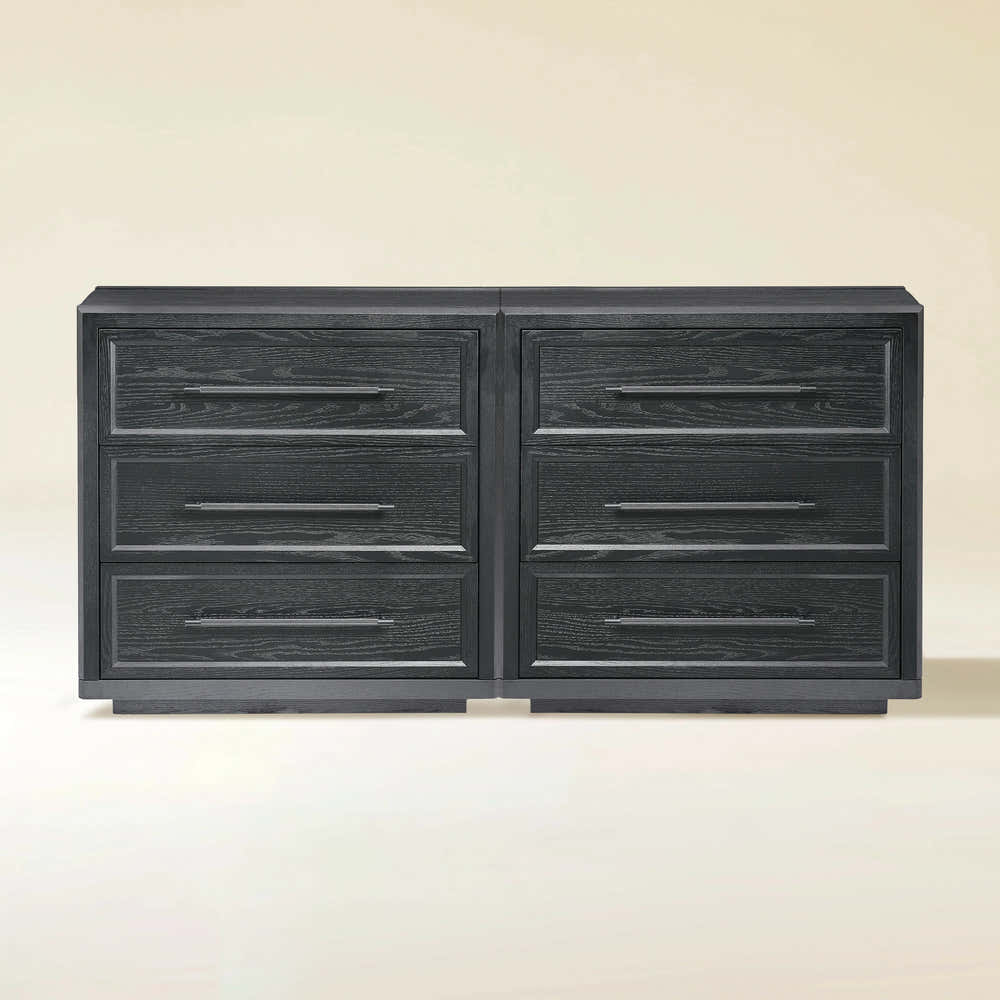


Alvar 61″ Oak 6-Drawer Chest(Set of 2)

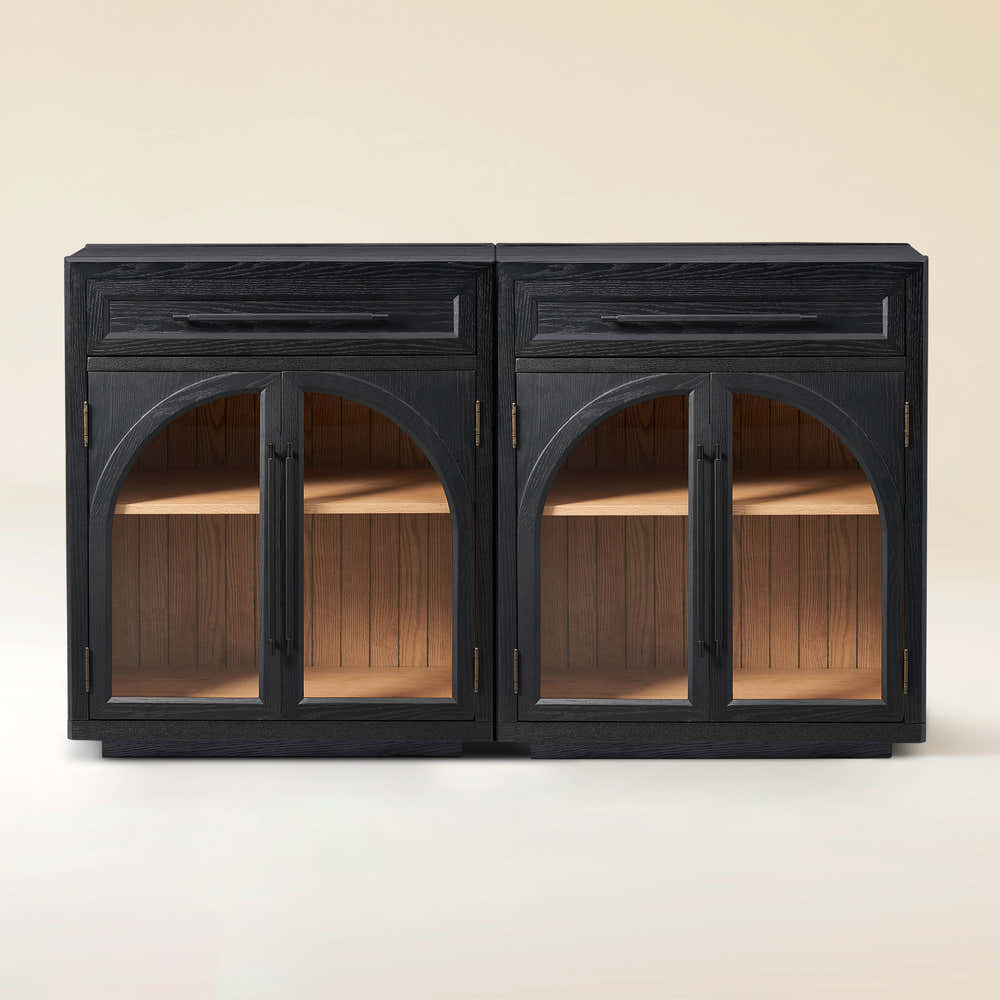


Alvar Arched 61" Oak Sideboard with Drawers(Set of 2)
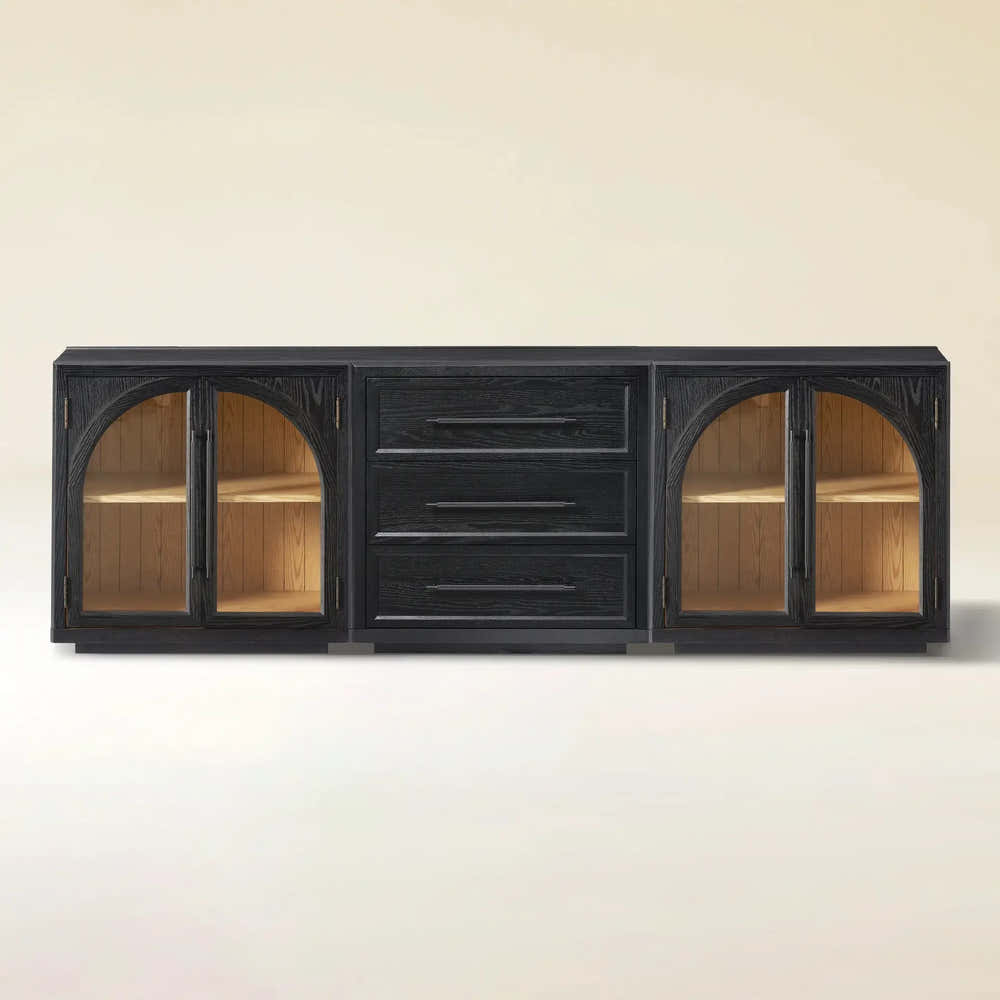


Alvar Arched 91″ Oak Modular Media Console(Set of 3)
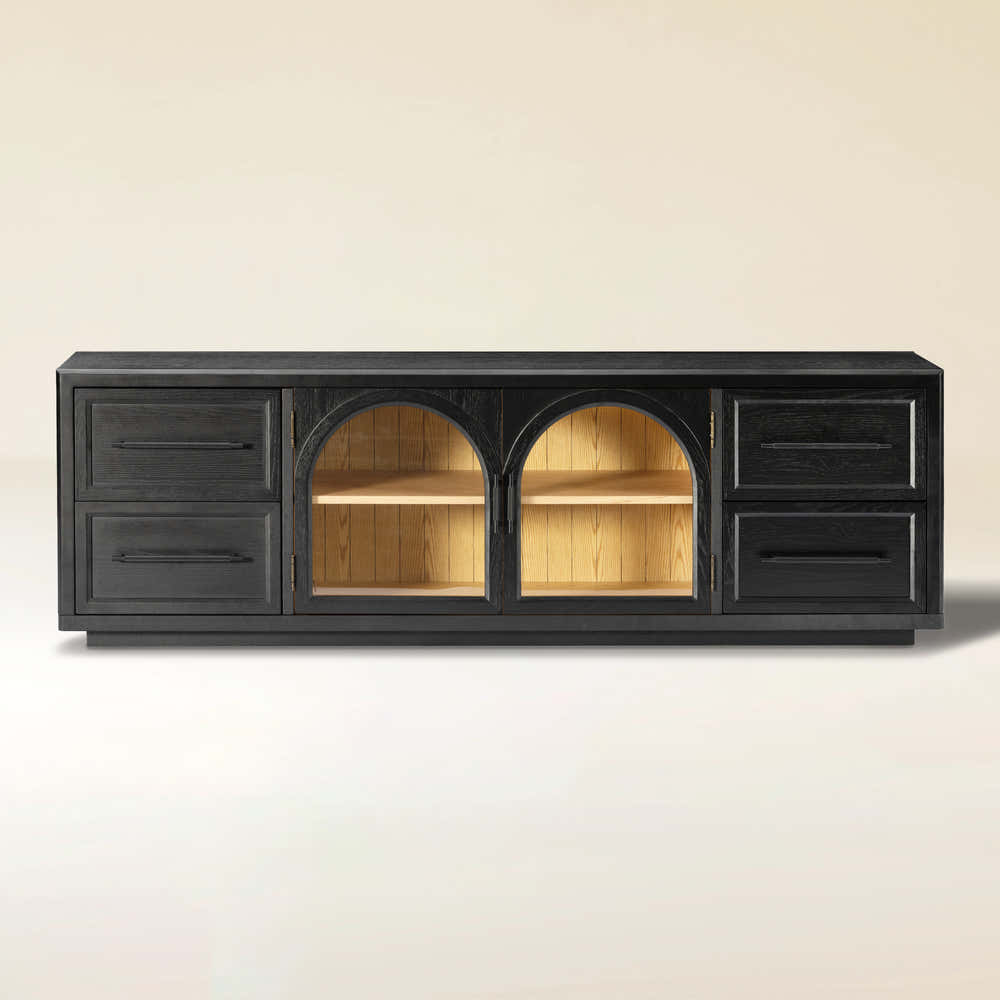
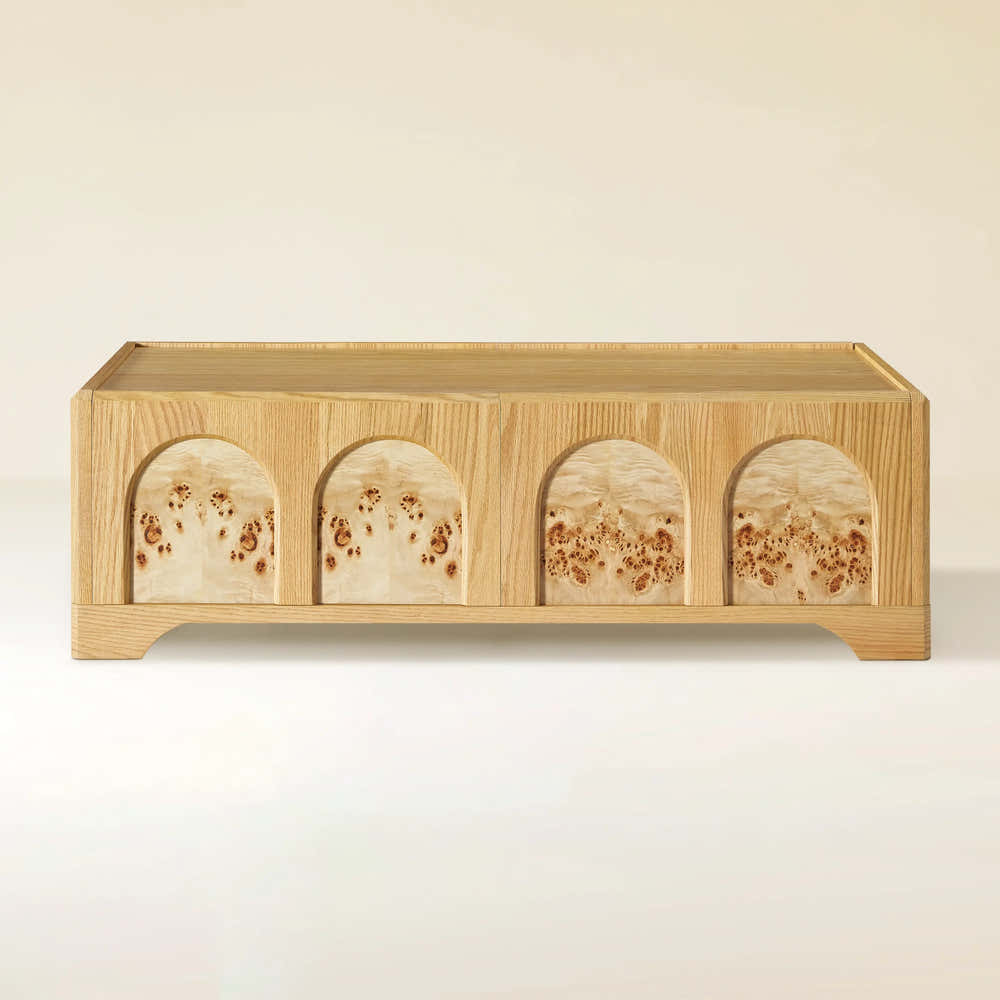
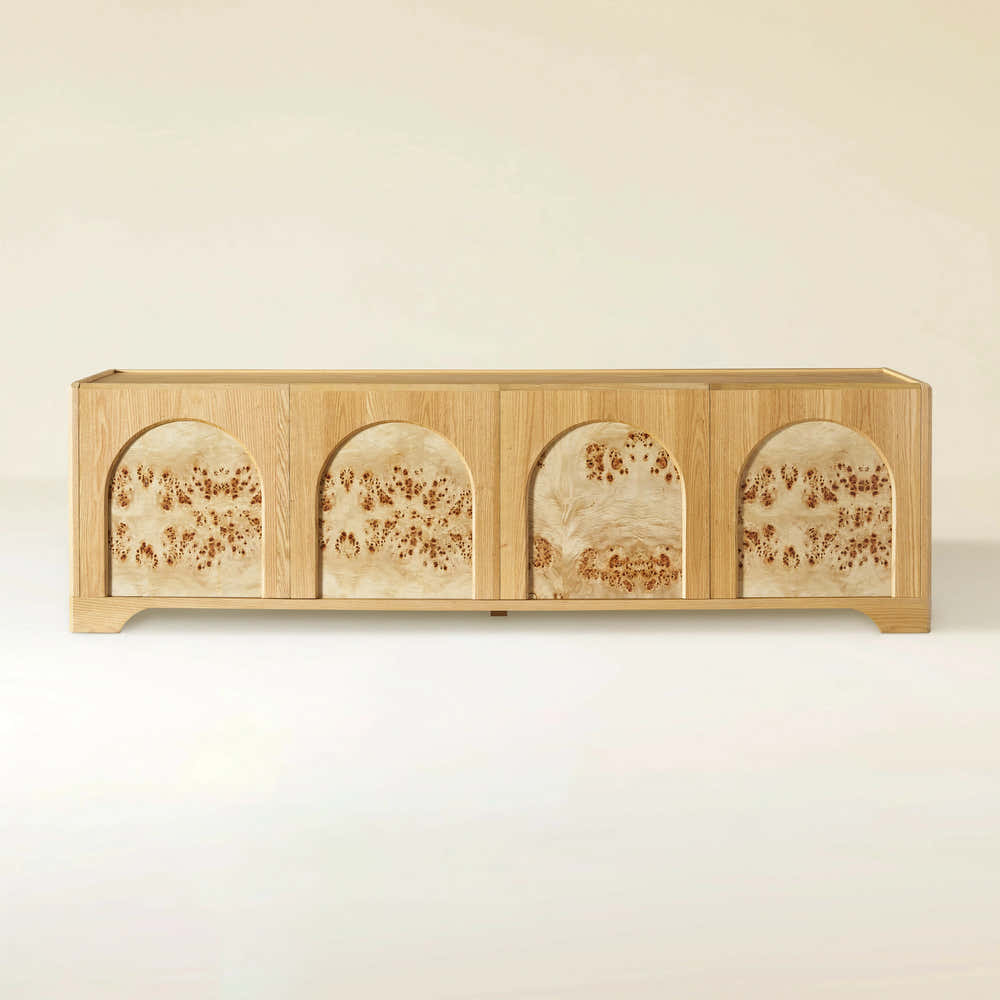
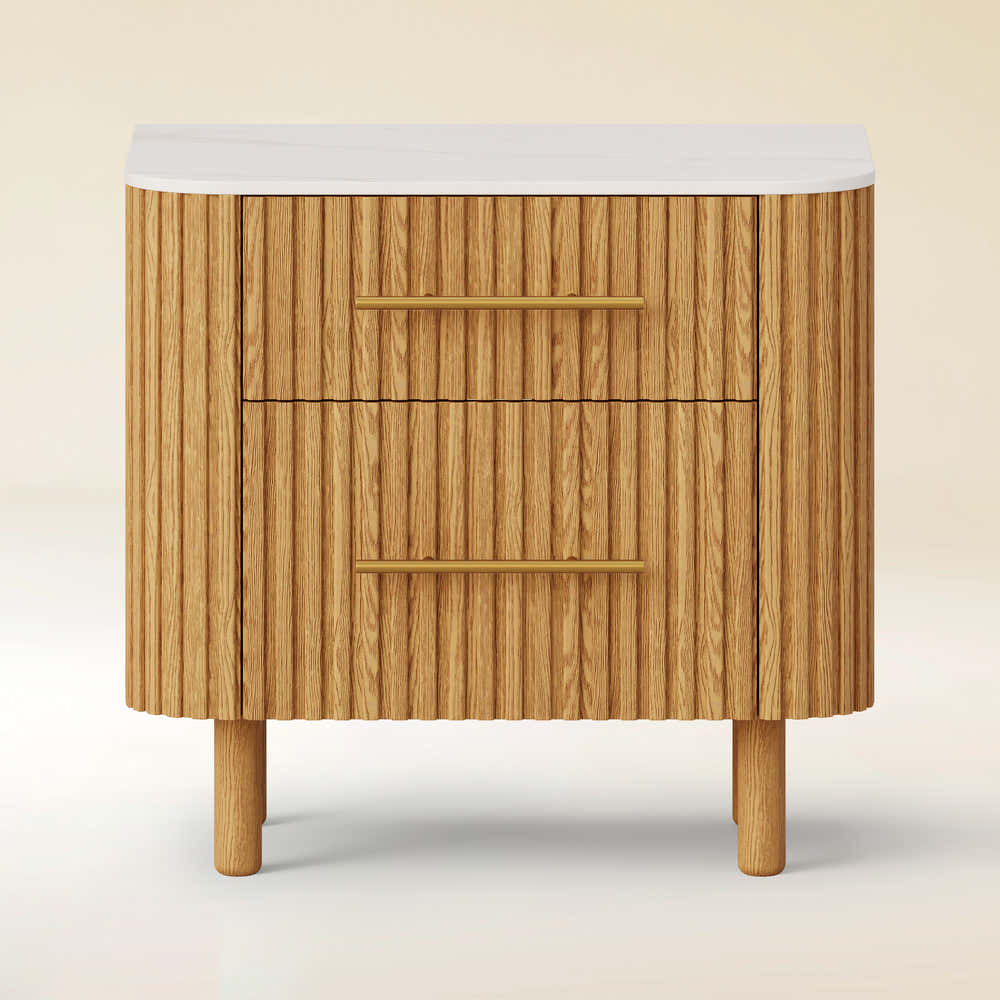
Charlie Sintered Stone Nightstand 26" W
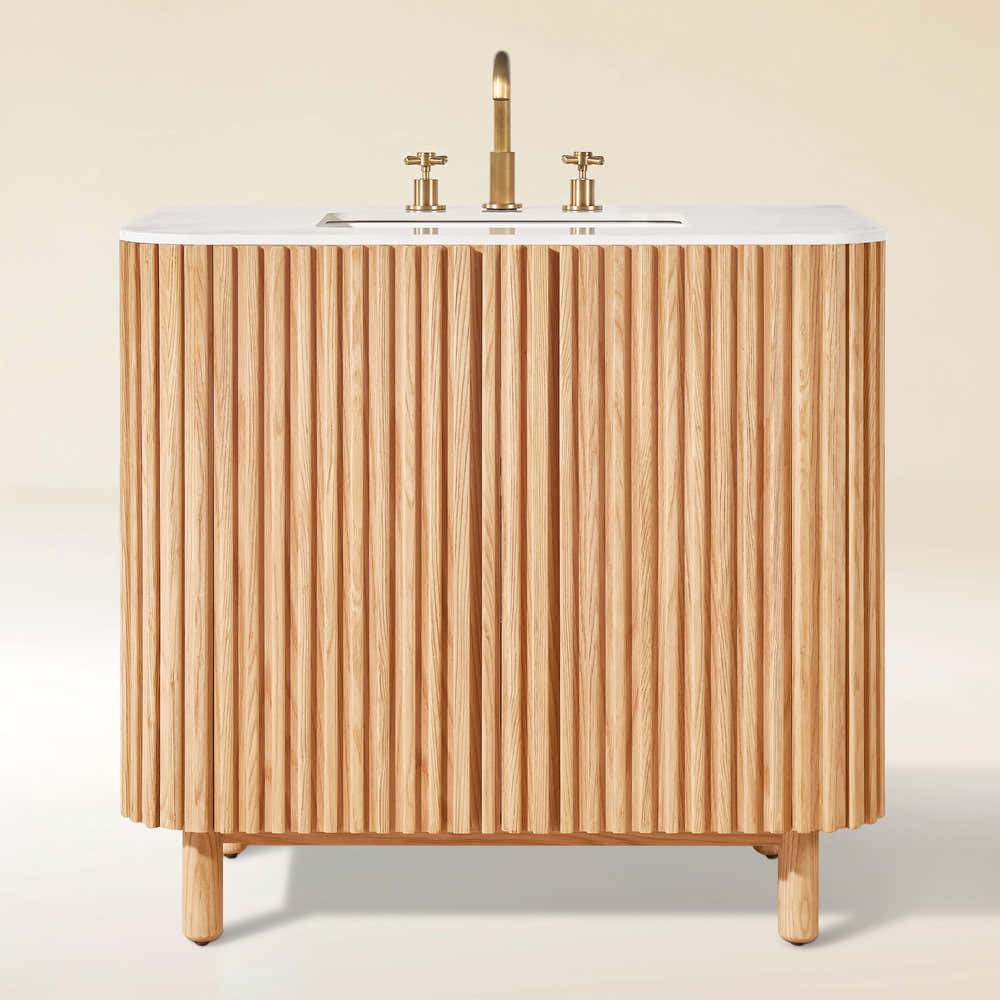
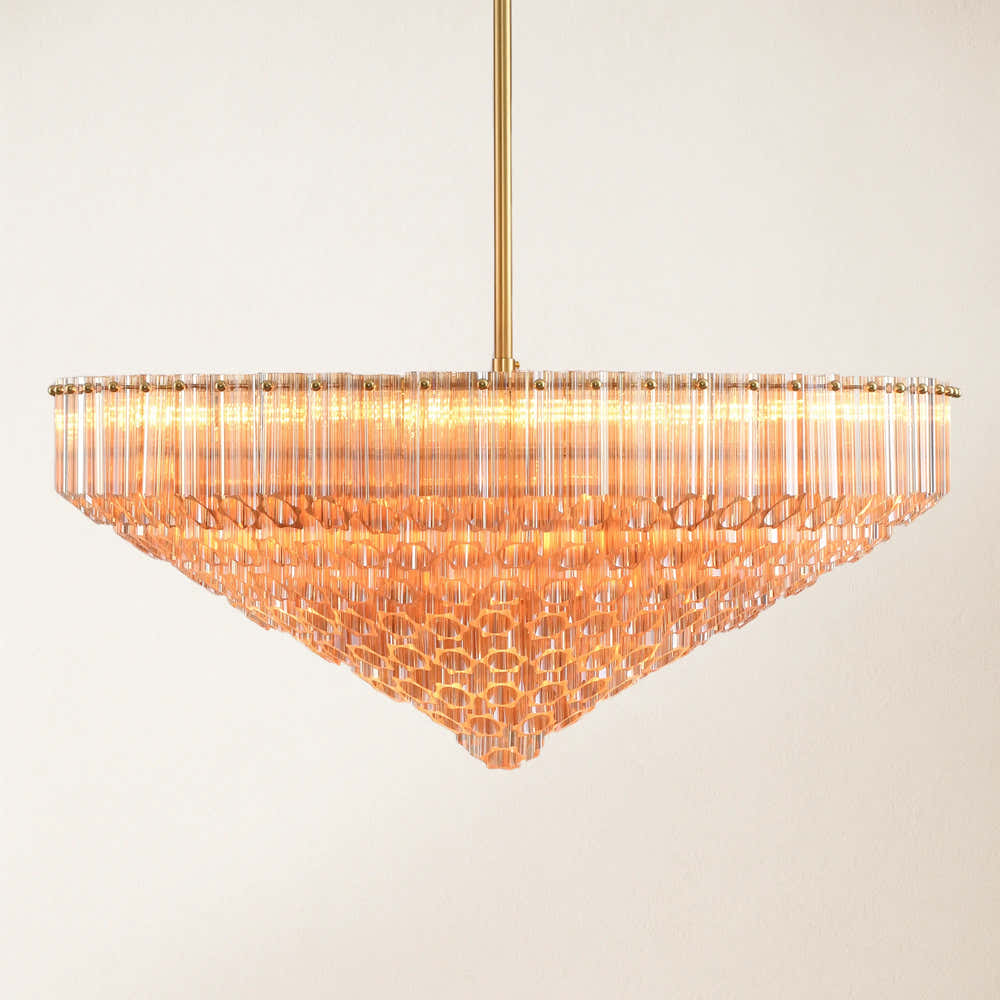


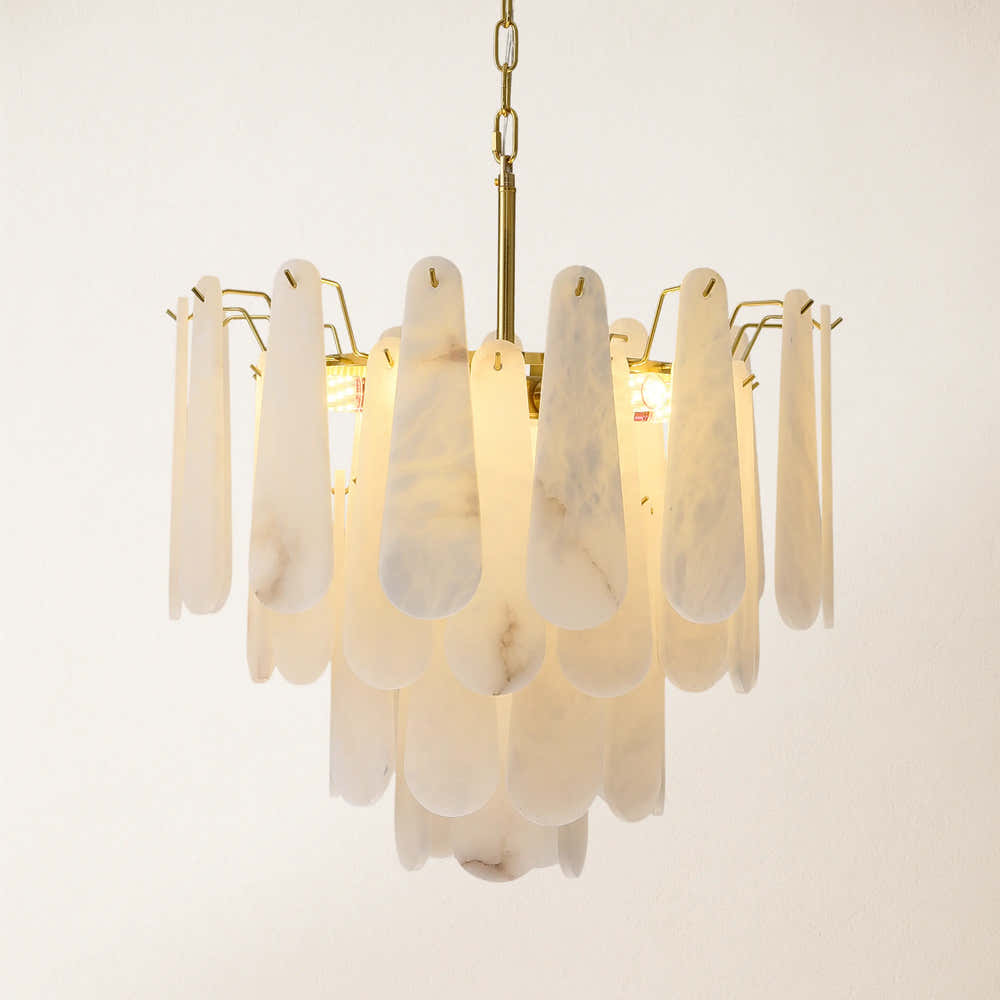
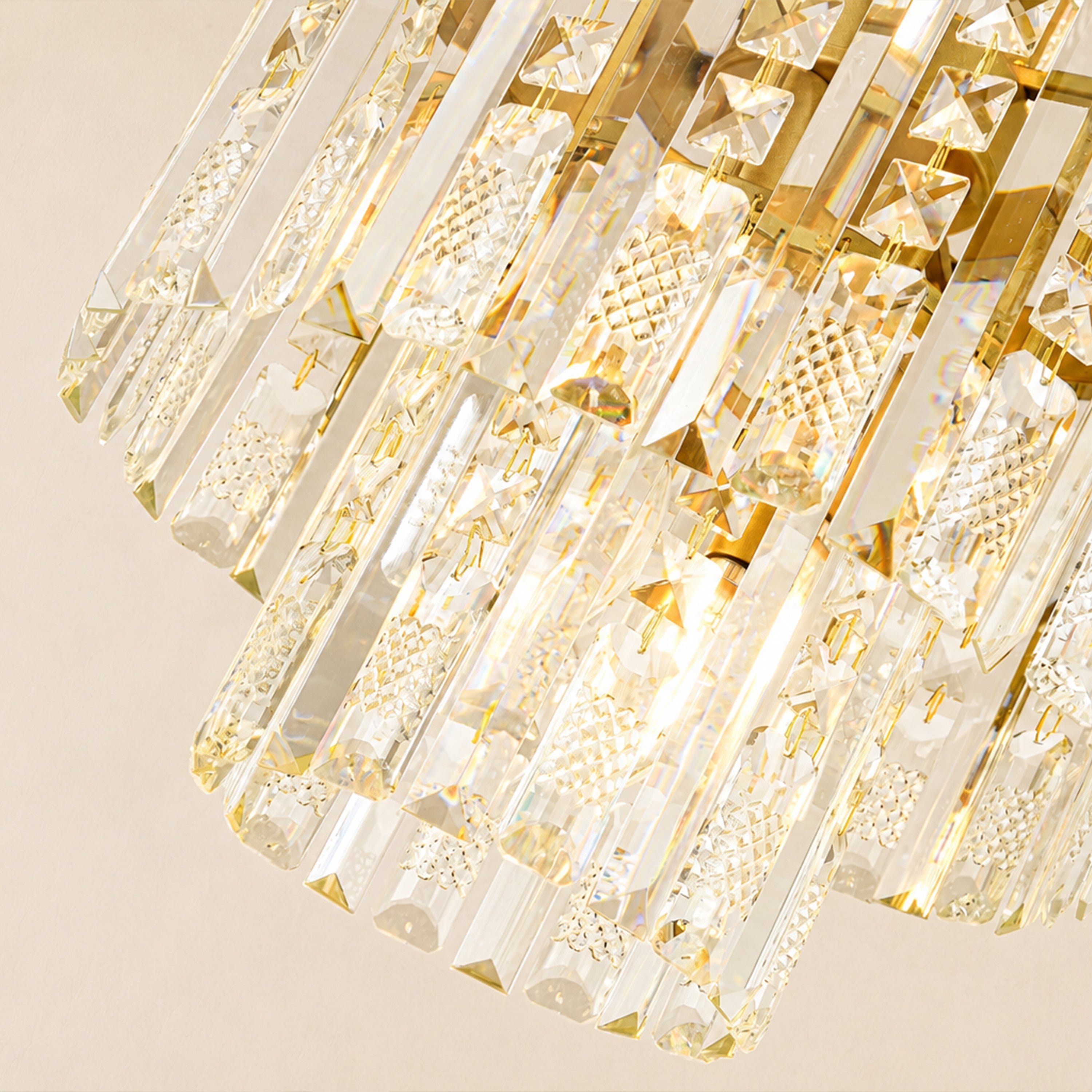
Ethereal Crystal Radiance Round Chandelier 30"D


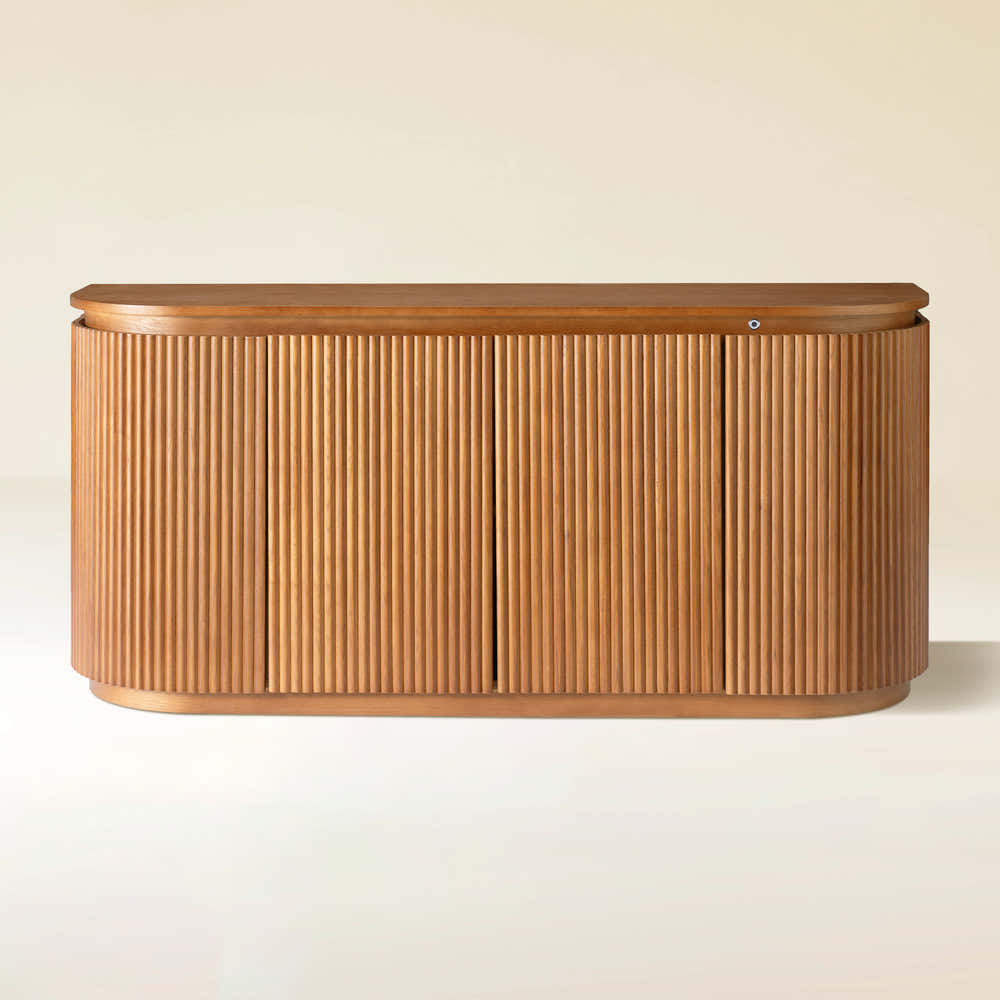
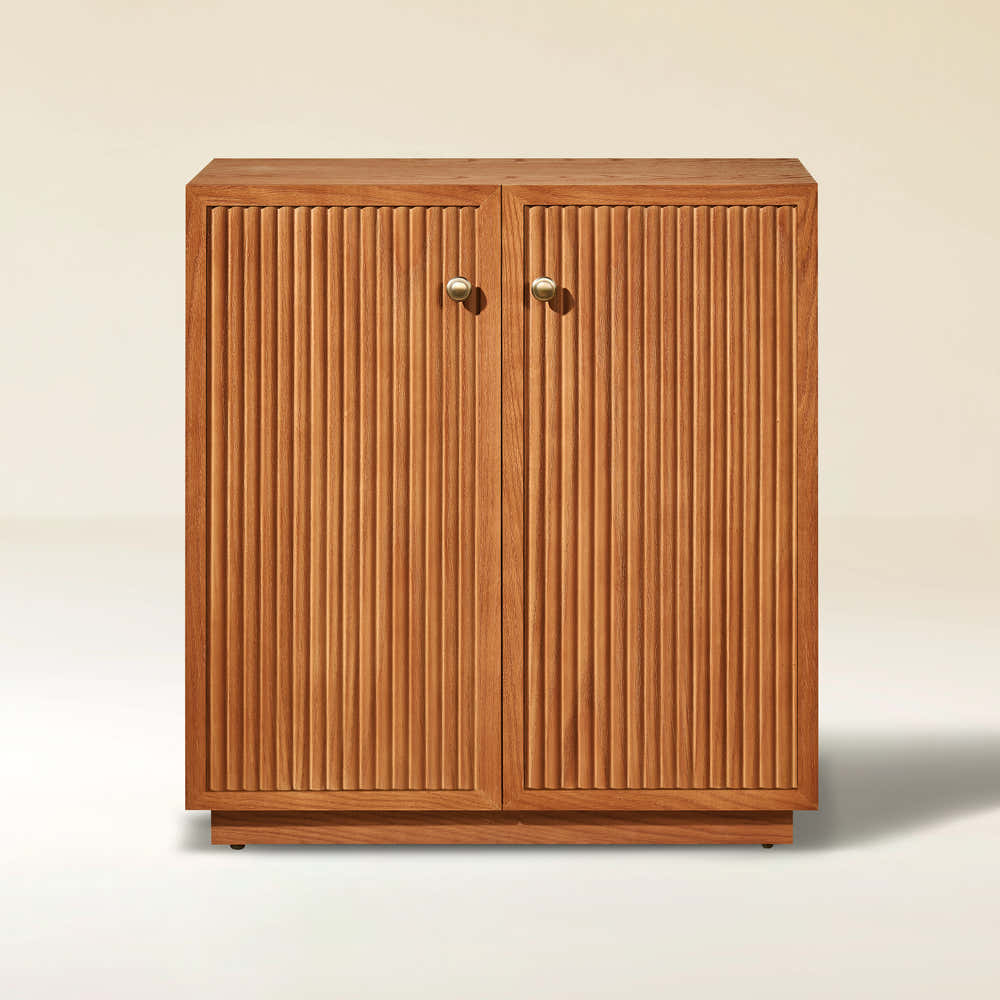
Ewan 63" Oak Slatted Sideboard Buffet Cabinet
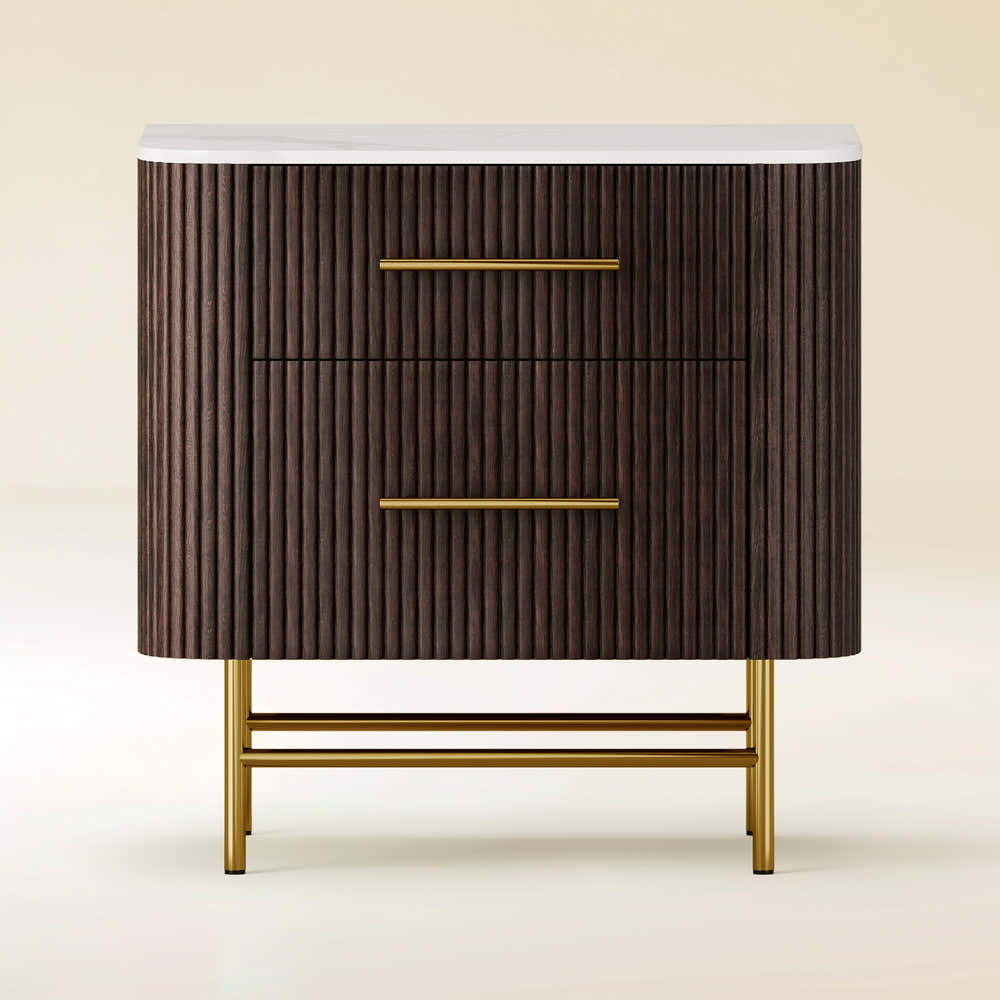


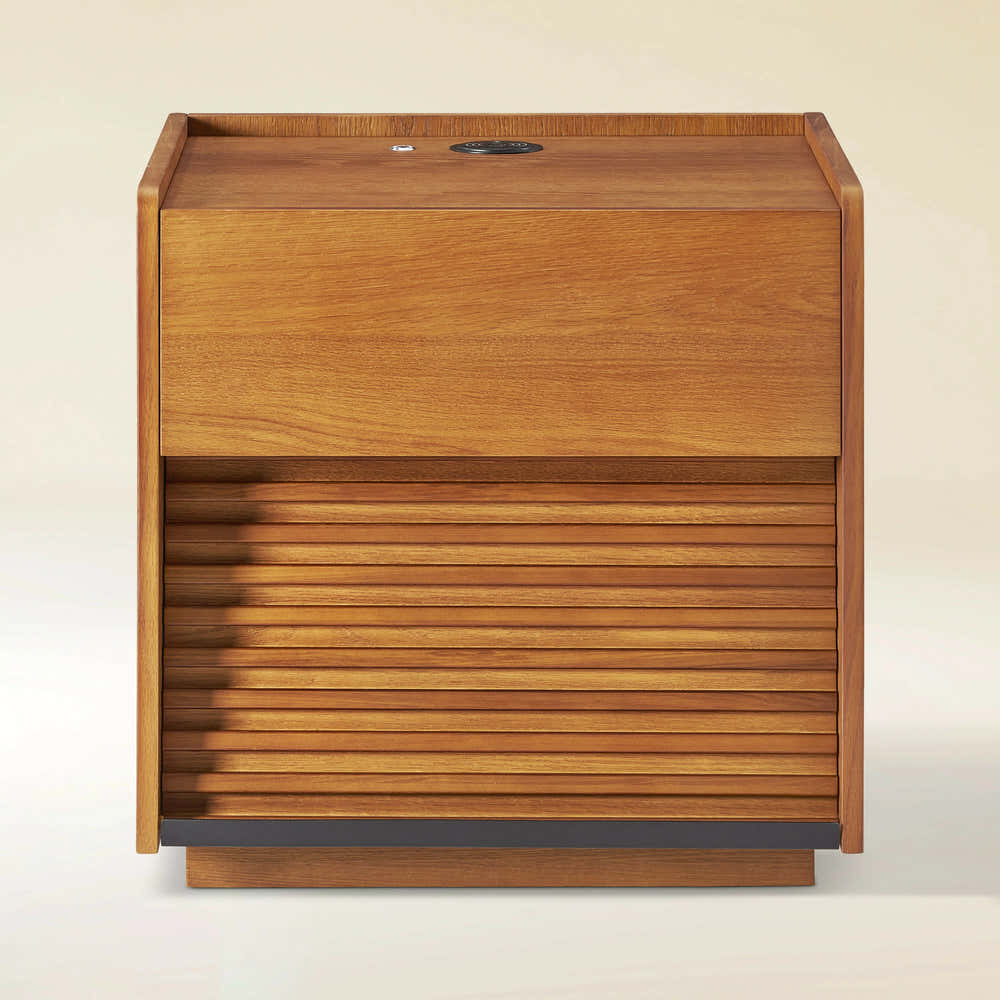
Ewan Sintered Stone Nightstand 26"W
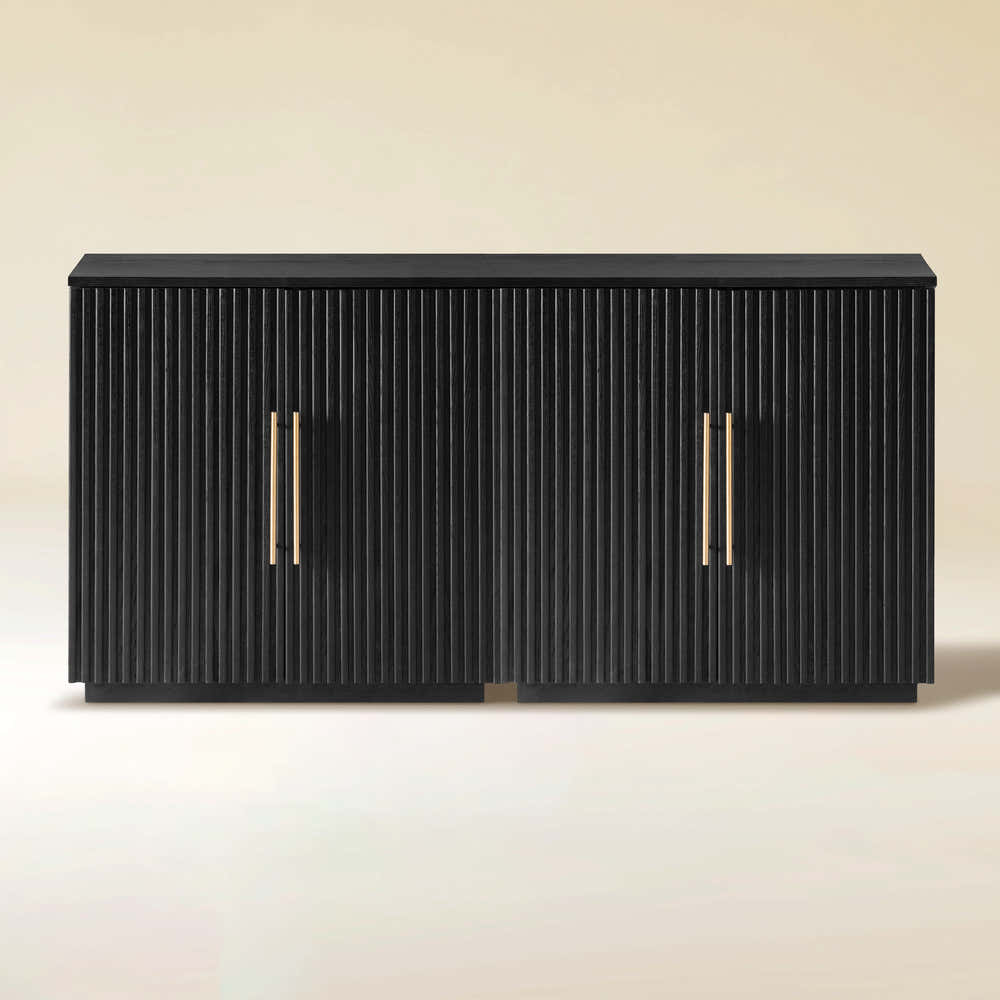


Holt 63″ Solid Oak Console(Set of 2)
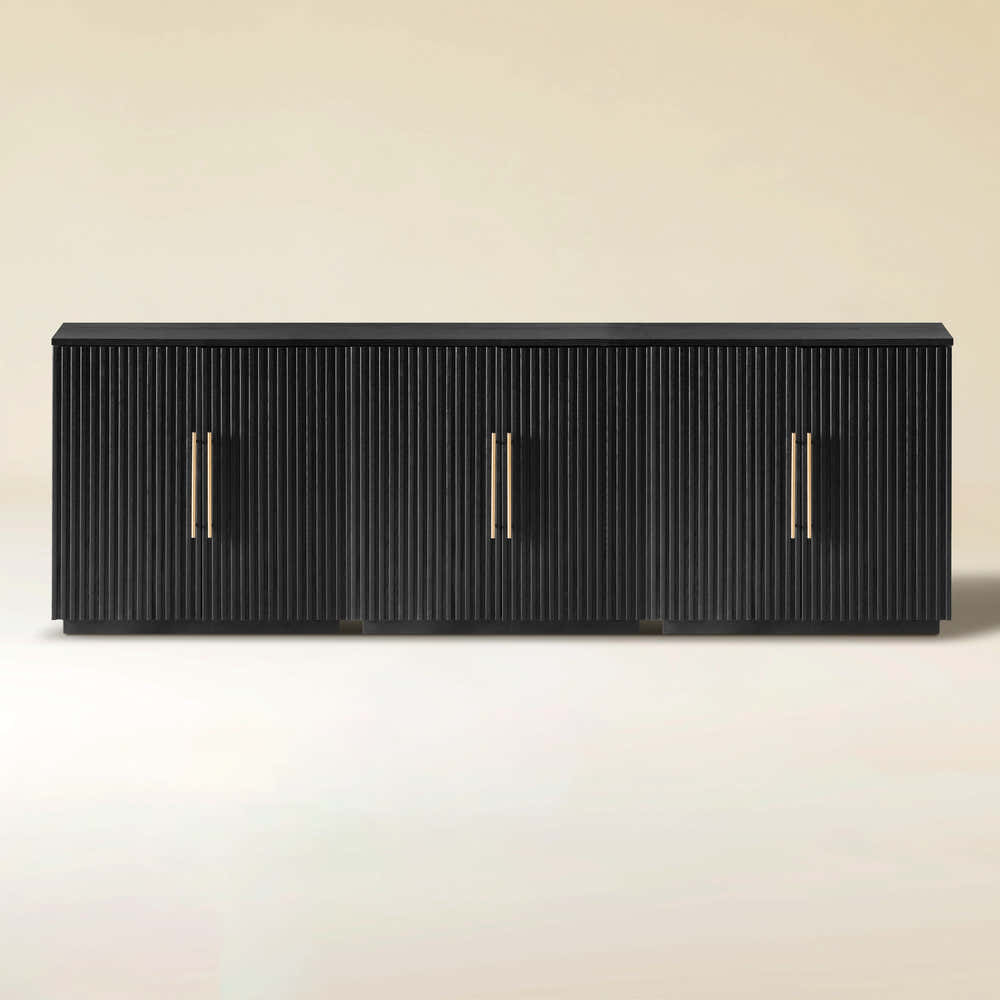


Holt 95″ Solid Oak Console(Set of 3)
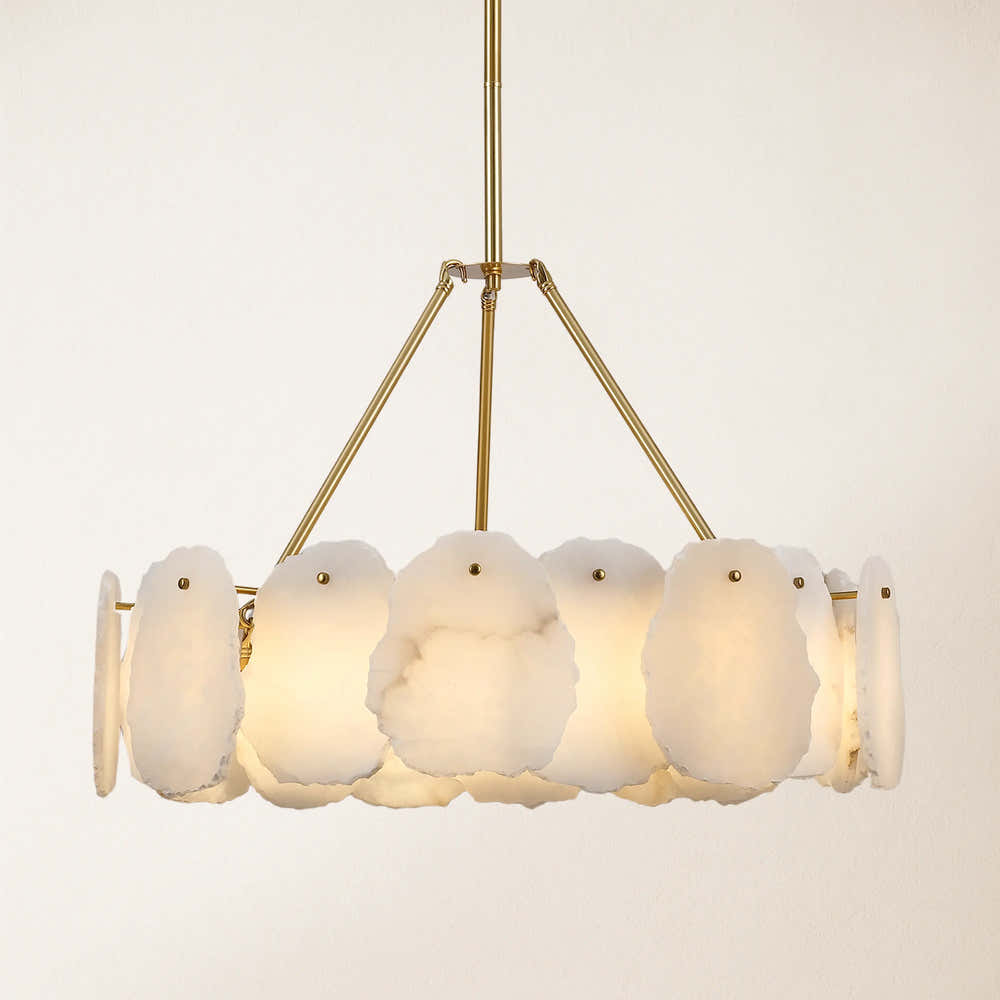


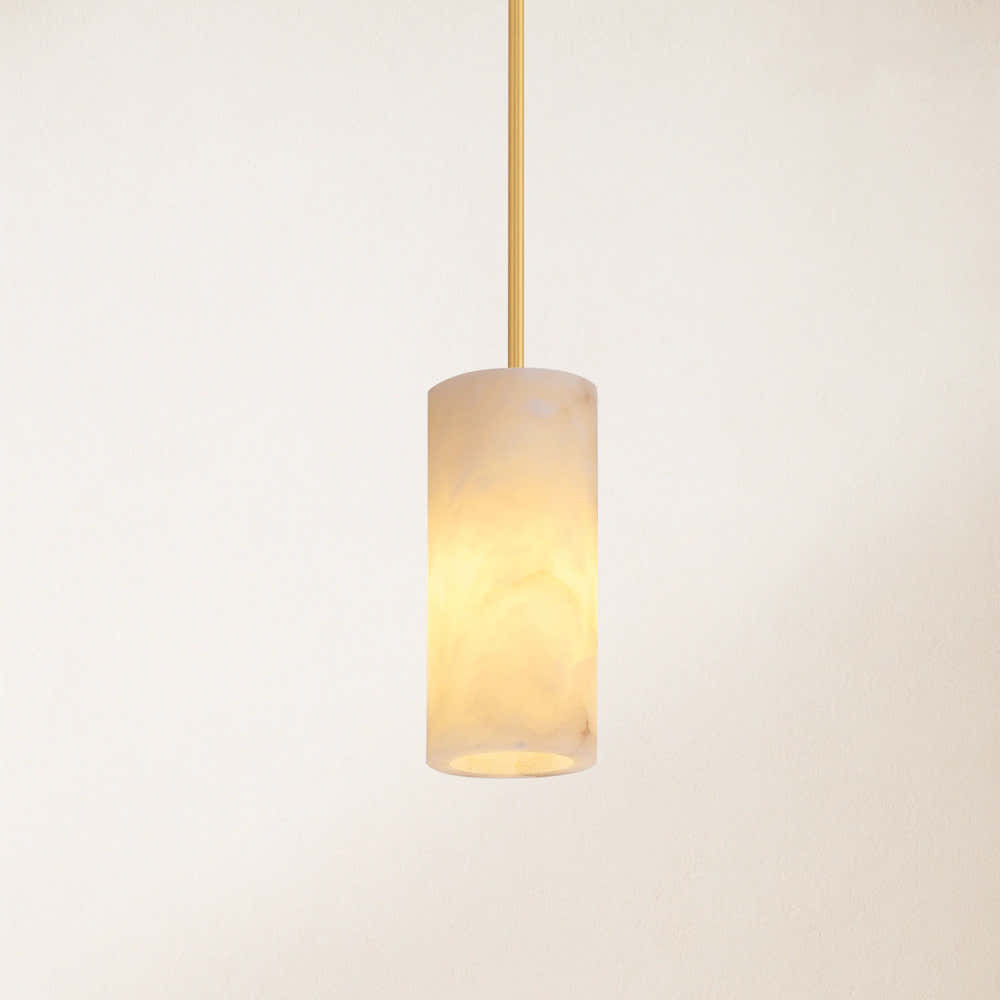
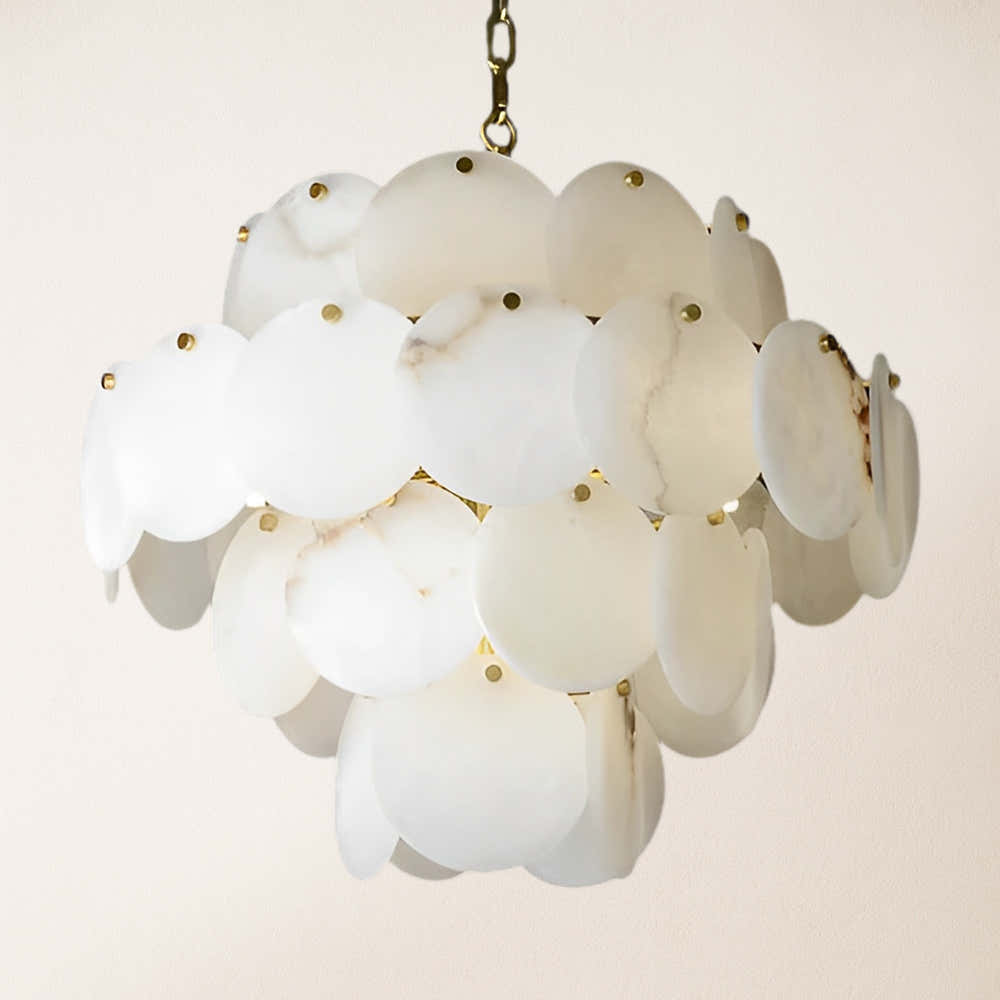
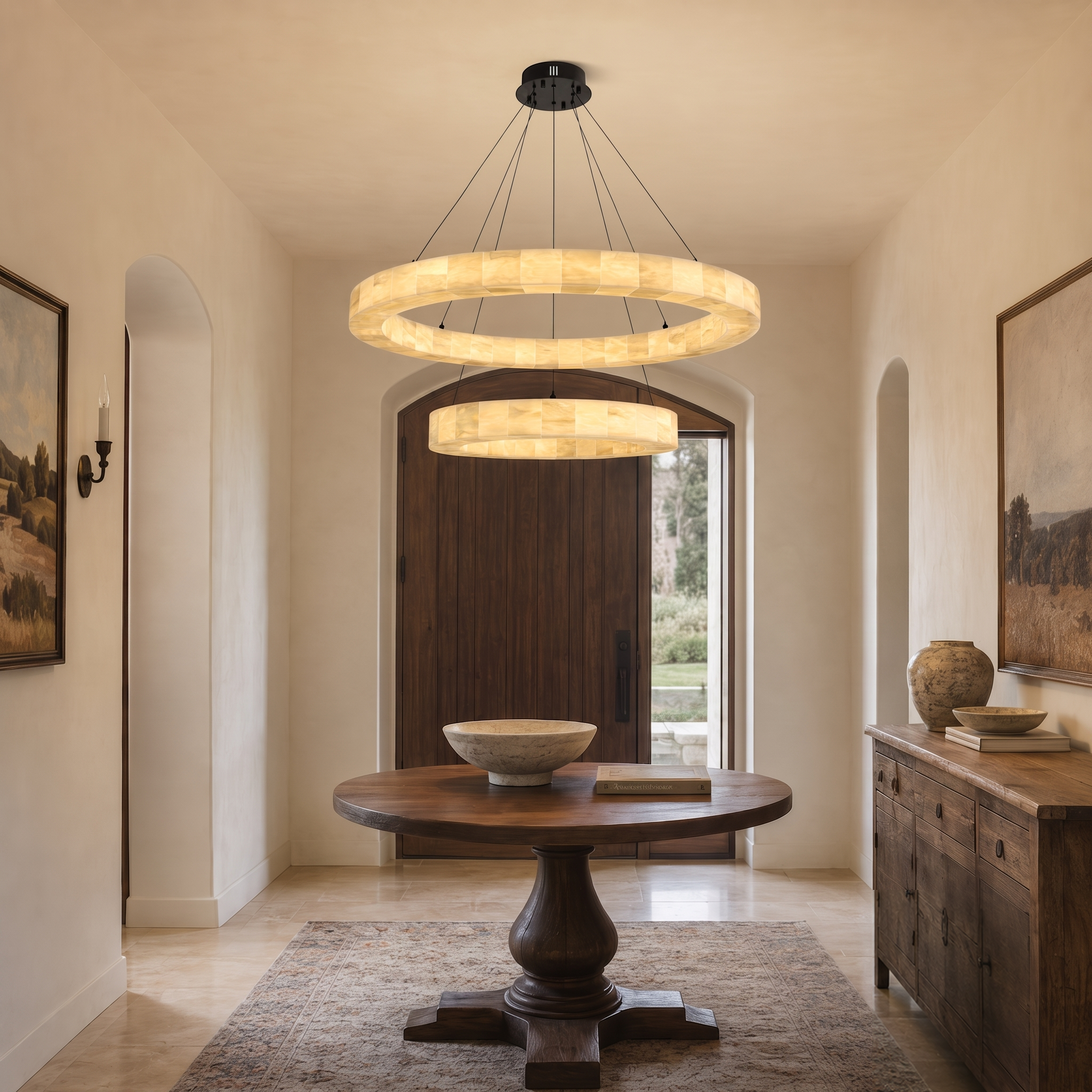
Moira Alabaster Round Chandelier 24"D
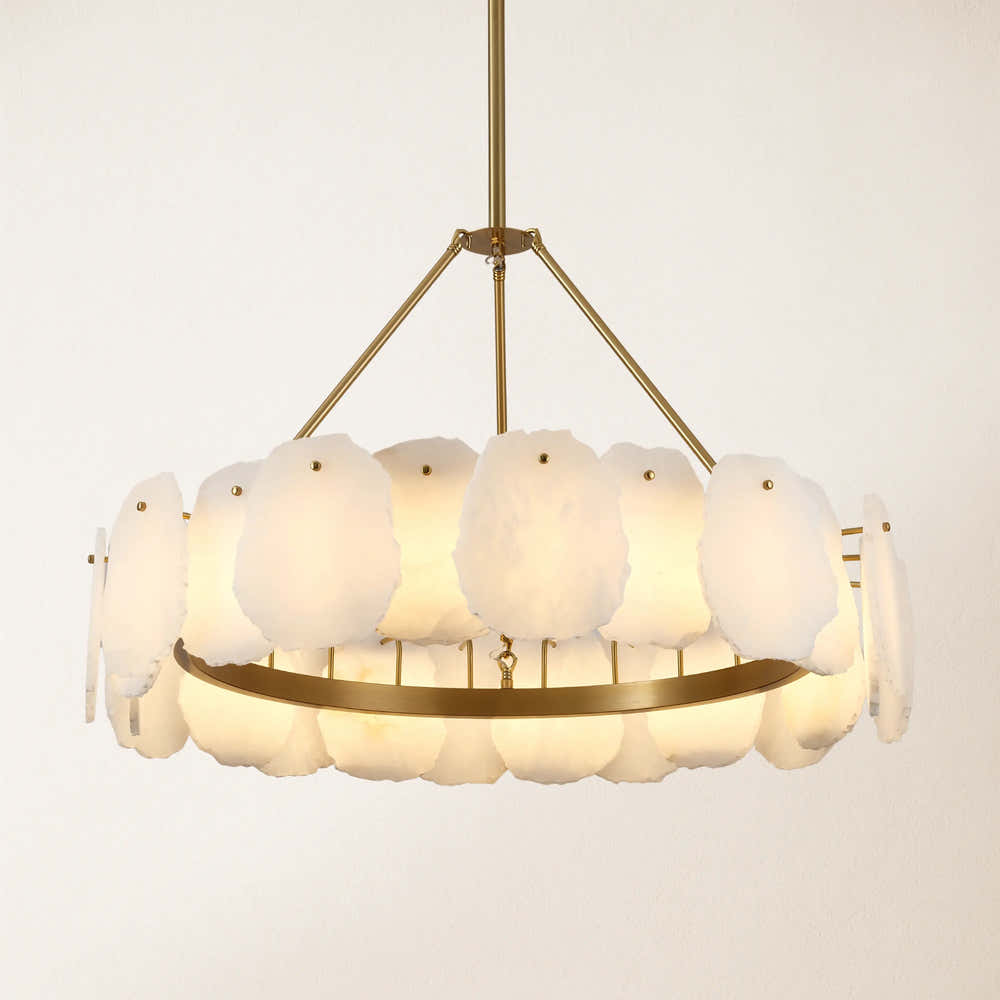


Moira Alabaster Round Chandelier 32"D
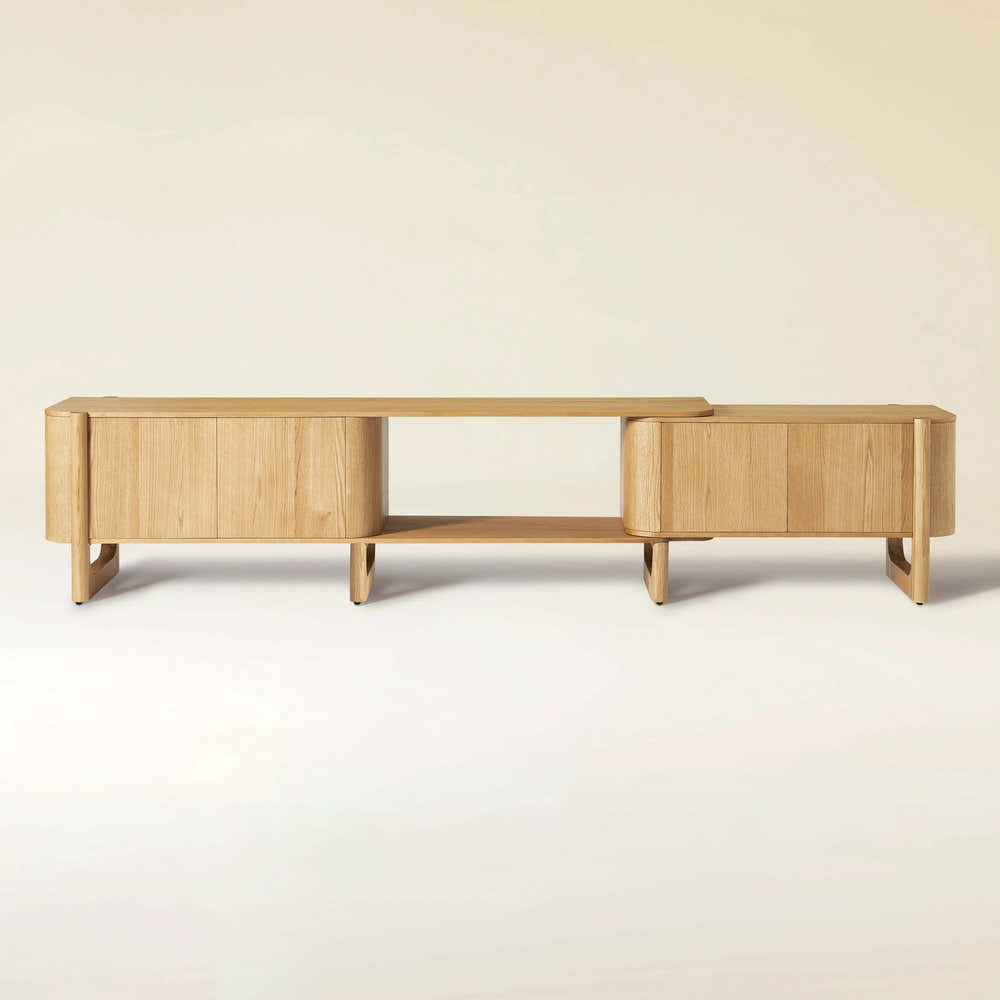
Silas Extendable TV Stand 203cm to 280cm
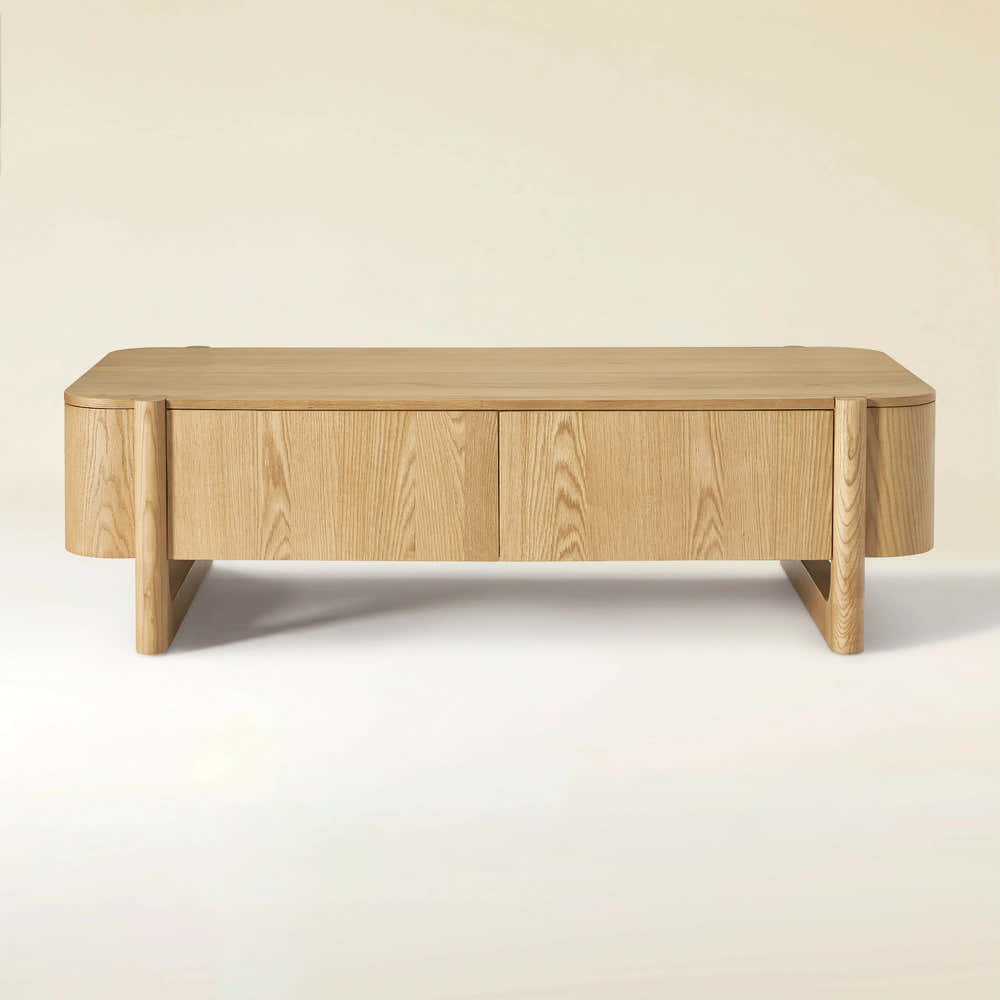

Stellara Crystal Strip Round Chandelier 24"D
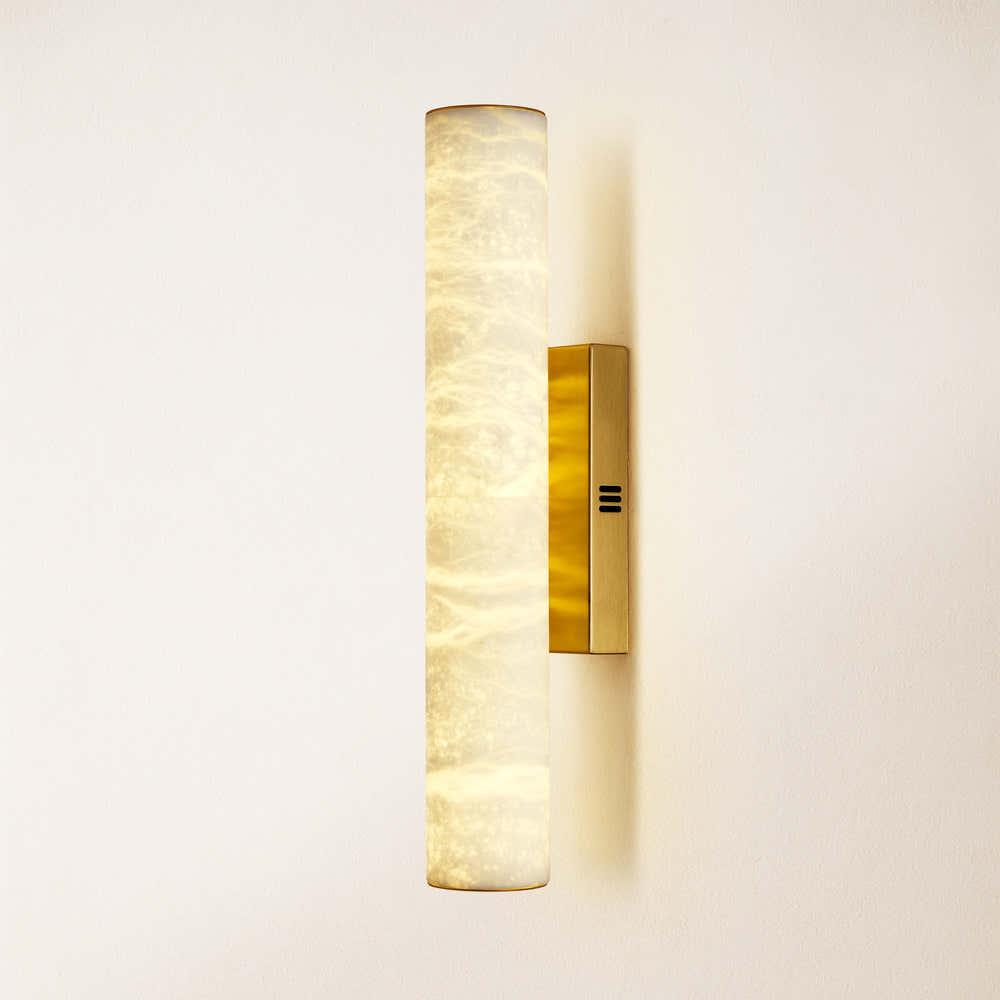


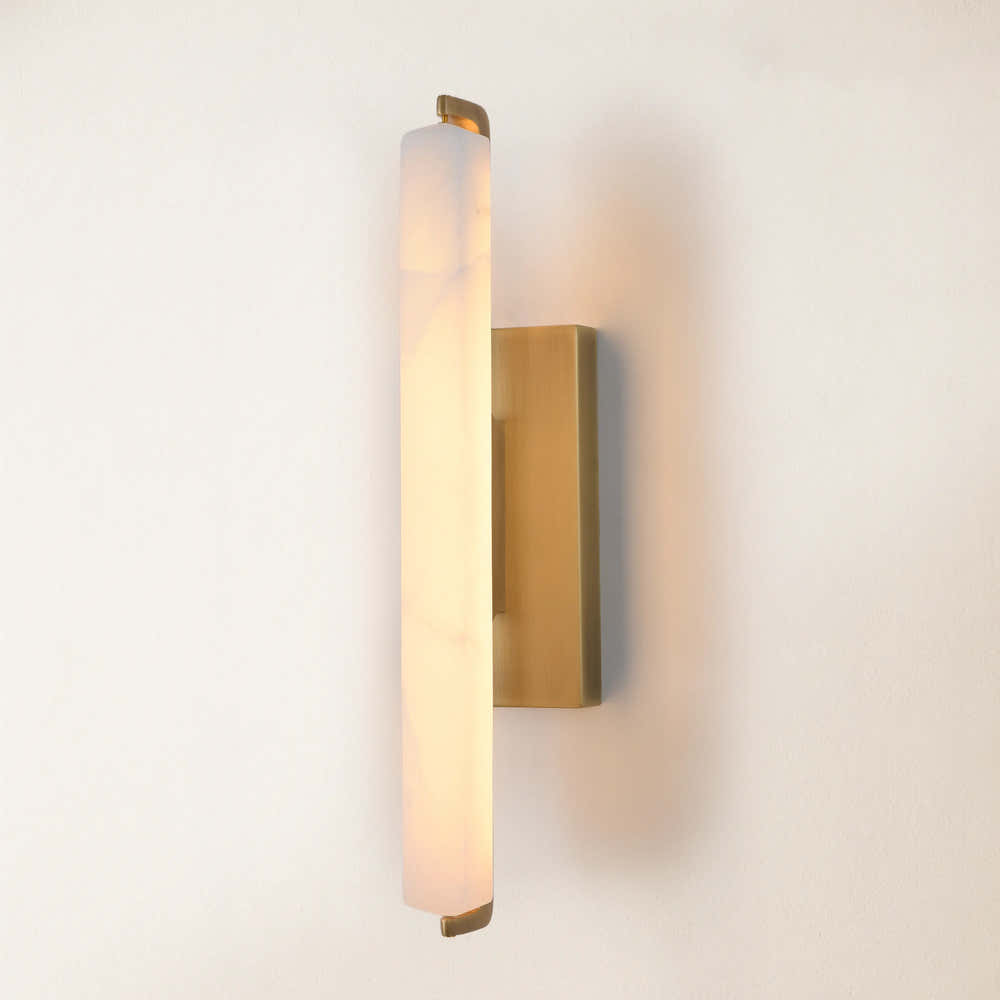
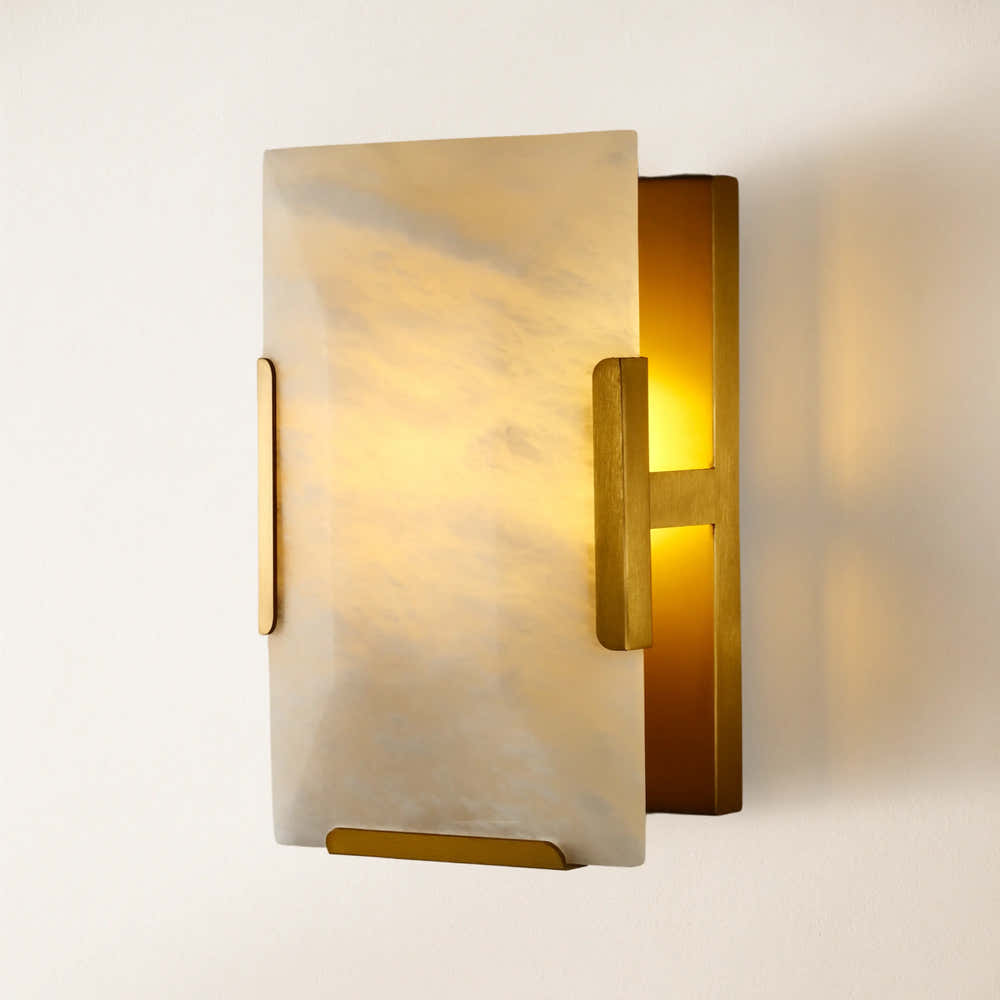
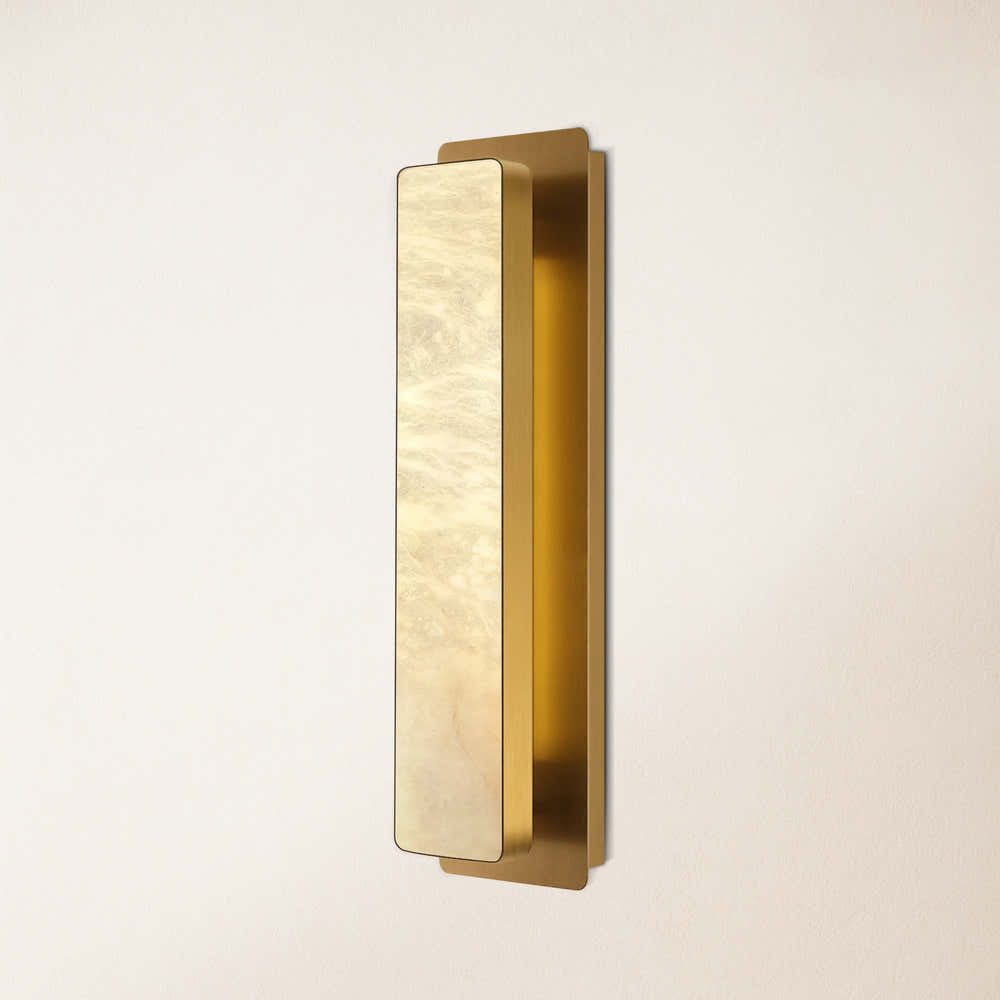
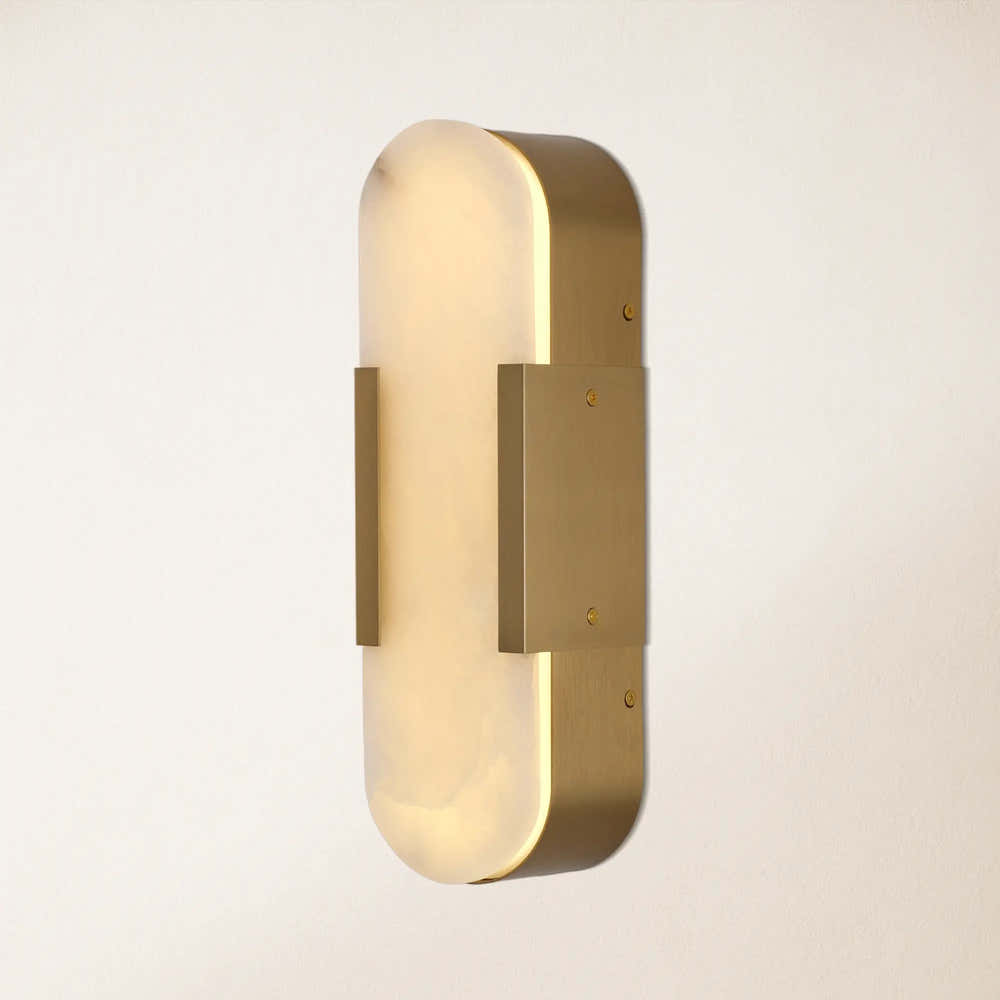
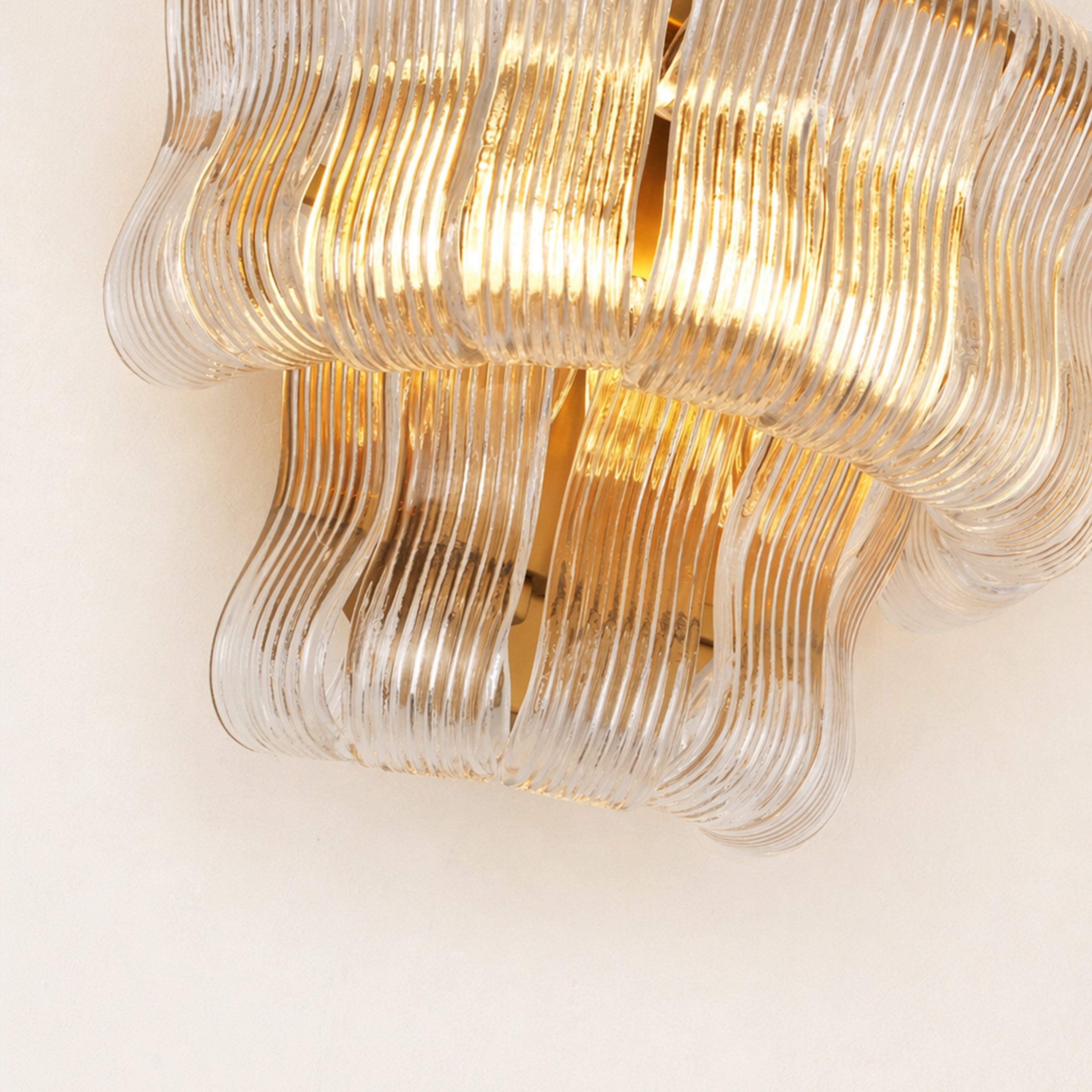
Sylvia Palladian Alabaster Wall Sconce 20"H
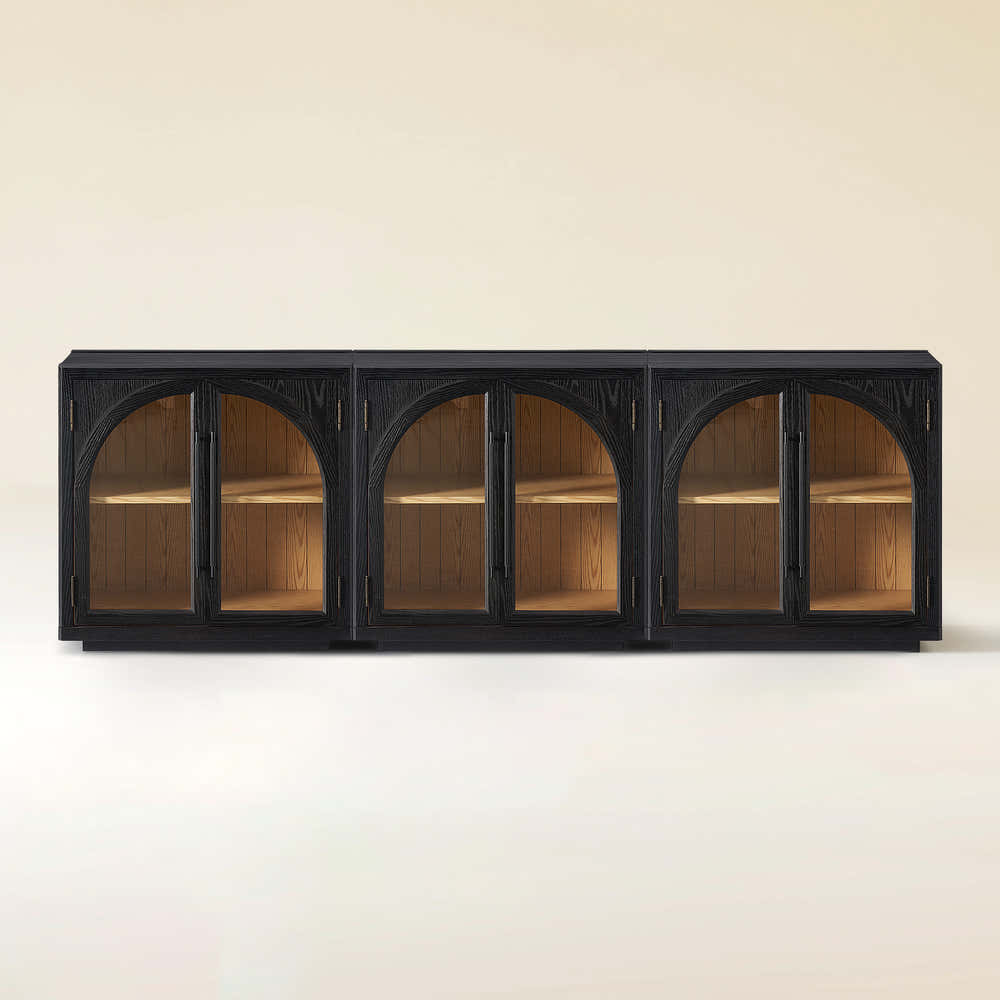


Alvar Arched 91″ Oak Media Console(Set of 3)
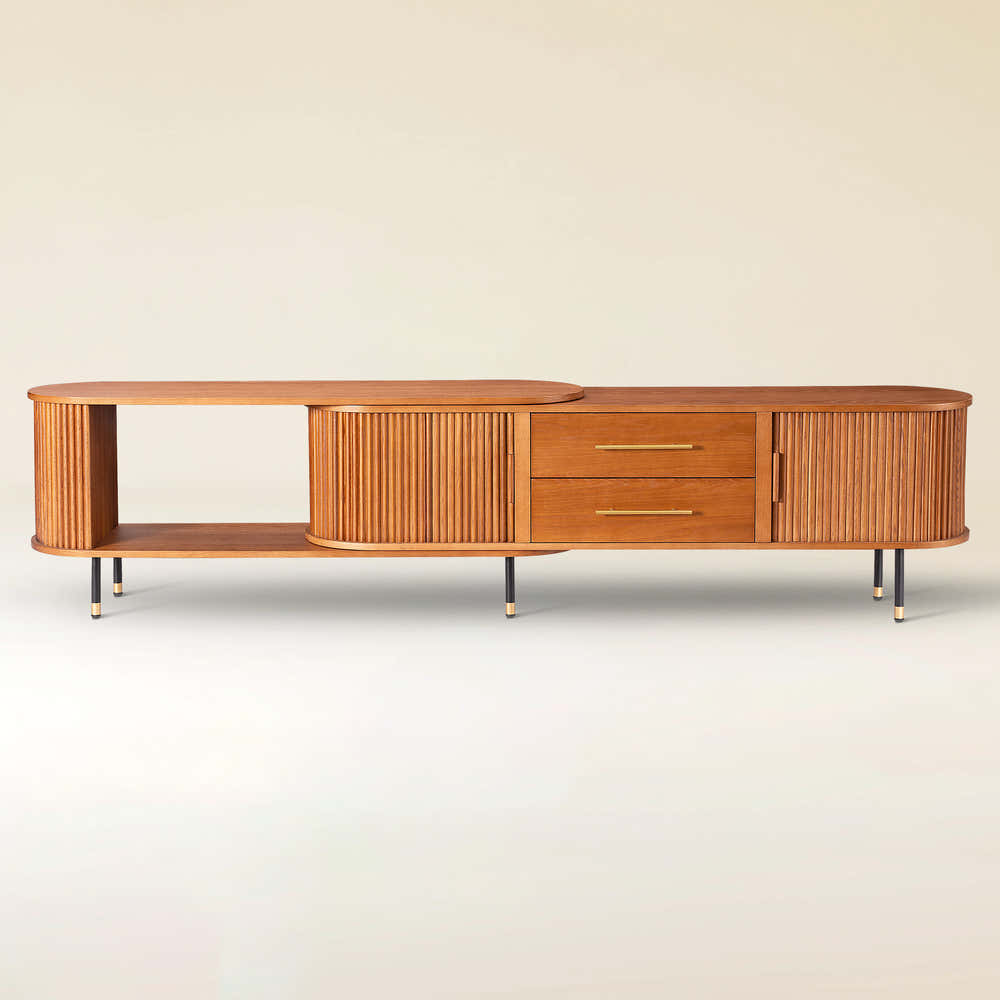
Ewan Oak Extendable Media Console 79" to 110"
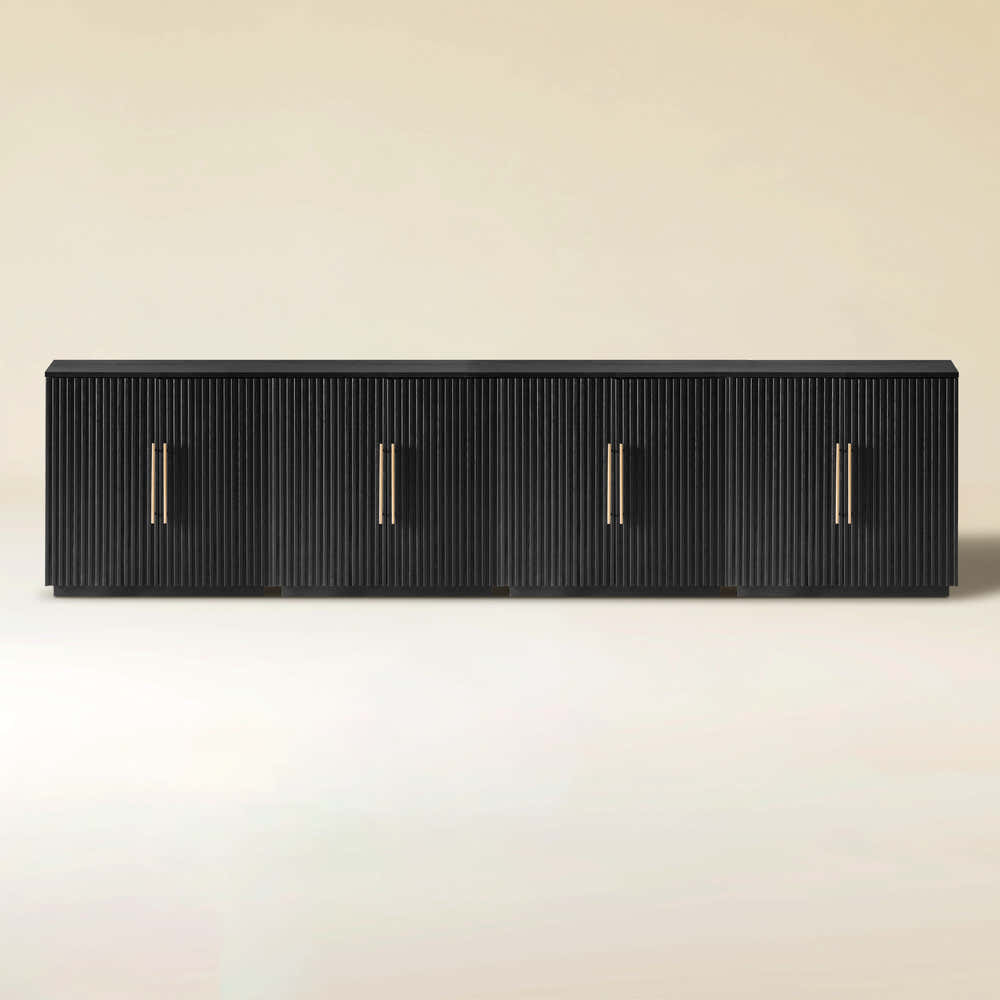


Holt 126″ Solid Oak Console(Set of 4)

FSC FCOC47059 . FSC is dedicated to the promotion of responsible forest management
worldwide. By selecting this product, you help take care of the woorld's forests

UL-certified for indoor drying environments not directly exposed to excessive moisture or water;
Use in the United States and Canada.

Certified to Dry ETL electrical standard: suitable for use indoors in dry locations not directly exposed to excessive moisture and water
Use in the United States

CE-certified drying equipment compliant with electrical standards: Suitable for indoor drying environments not directly exposed to excessive moisture or water;
Tested for use in Europe, the UK, and other regions.


The support center has answers to questions you may have. You can also contact customer service in the support center if you can't find what you're looking for.
Support Center >
At houlte, we are committed to delivering quality, style, and great value to our customers. Our goal is to simplify your shopping experience by providing competitive prices and exceptional service.

If an item you purchased from houlte goes on sale on our website within 30 days of your purchase date, you may request a price match. This policy ensures you always receive the best value when shopping with us.
Houlte reserves the right to interpret and adjust the terms of the Price Match Policy as necessary.
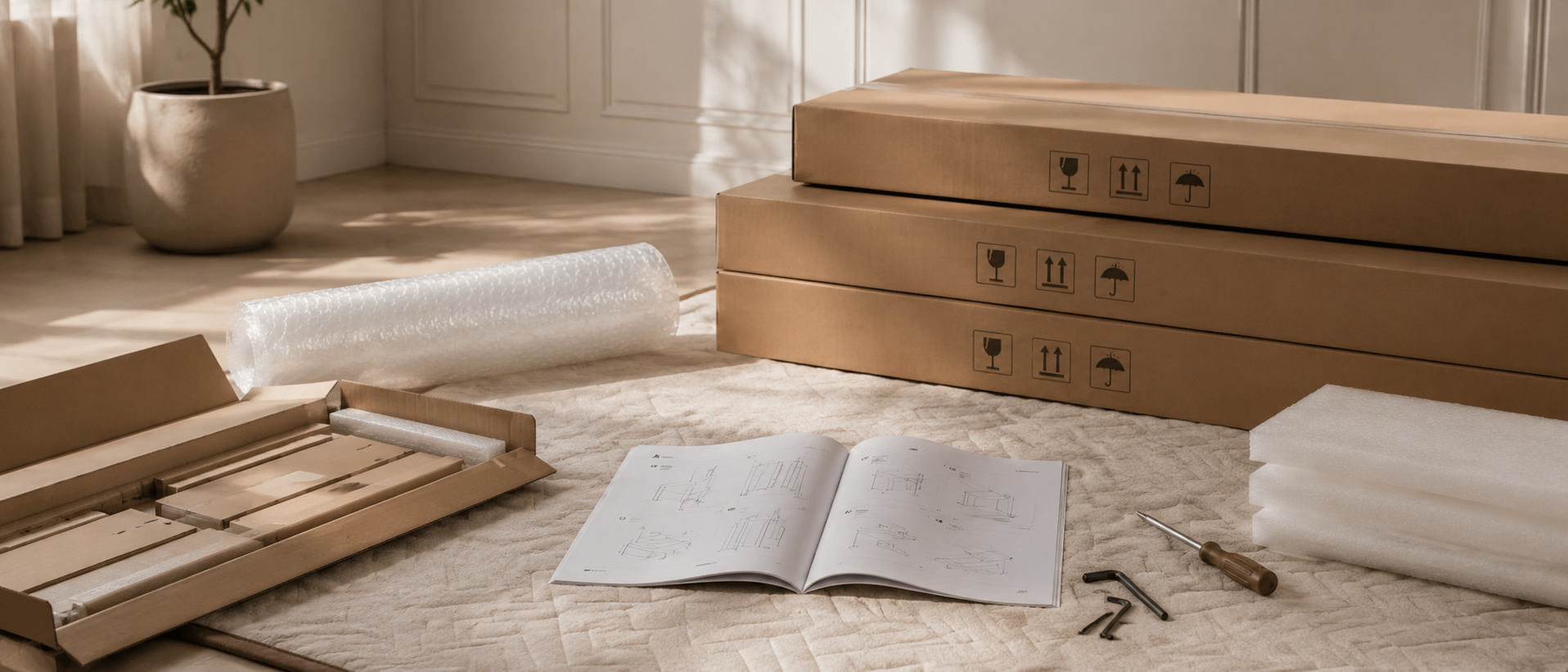
Houlte has partnered with Taskrabbit to make your everyday life at home easier by connecting you with flexible and affordable ways to get your to-do’s done including furniture assembly and mounting.

1. Purchase your furniture at Houlte.
2. Check your order Dispatched and Delivered email and click the
Houlte link. You will be redirected to Taskrabbit's landing page.
3. Post your task on Taskrabbit platform.
4. Pick the best tasker to assemble your furniture.
Houlte has partnered with Taskrabbit to make your everyday life at home easier by connecting you with flexible and affordable ways to get your to-do’s done including furniture assembly and mounting.
Taskrabbit Assembly is available in most metro areas in the US. The availability of Taskers varies based on demand. When placing an order on Taskrabbit, you will need to enter your zip code. If the service is not supported in your area, you will not be able to place an order.
You can book assembly for your Houlte furniture as early as the next day after your delivery, and up to 14 days in advance, giving you flexibility to choose a time that works best for you.

Ready to use out of the box; minimal installation may be required (e.g., handles).

Main structure is pre-built; minor components require attachment (e.g., legs).

Assembly required; multiple parts must be assembled before use.
Our furniture is built with a combination of core boards, real wood veneers, and selected solid wood parts. Each material is used for a different purpose—structure, surface appearance, or visible strength—so the final piece feels balanced in performance, finish, and cost.
Core boards form the internal foundation of the furniture. They provide structure, stability, and efficiency across large surfaces and cabinet bodies.

Stable structural board

Smooth and consistent

Functional internal board
Selected solid wood parts are used where visible strength, tactile quality, and structural integrity matter most—such as legs, frames, trim, and exposed support details.

Durable and classic

Light and versatile

Premium and elevated
Accidents happen—scraped knuckles, a surprise nosebleed, or a pet mishap. If blood lands on your sofa, the key is using the right technique for protein-based stains without damaging delicate fibers. This guide is written for white cotton-linen fabric sofas (like Houlte), with clear steps for fresh and dried stains, odor removal, and a stain-type cleaning table you’ll want to bookmark.

Blood is a protein-based stain. On upholstery, proteins bind quickly to fibers—especially in textured weaves like cotton-linen blends. The sooner you act, the less the stain can anchor itself.
The most important rule: use cold water. Warm or hot water can “cook” the proteins, making the stain more permanent and harder to lift.
White cotton-linen upholstery is loved for its airy, natural texture—but it responds best to gentle methods. Use these guardrails to protect both fabric and furniture structure:

Fresh stains are the easiest to remove—if you resist the urge to scrub. Your goal is to lift the blood out, not spread it.
Pro tip for white cotton-linen: Use white cloths only. Colored towels can transfer dye when damp—exactly what you don’t want on a white sofa.
Dried blood is tougher because it bonds tightly to fibers. The strategy is: rehydrate gently → lift proteins → rinse → dry.
Enzyme-based cleaners are designed to break down protein stains (like blood). Choose an upholstery-safe product and follow label instructions.
On white cotton-linen, 3% hydrogen peroxide can help fade remaining discoloration. But it can still affect certain finishes or stitching—so spot-test first.

Important: Avoid chlorine bleach on cotton-linen upholstery. It can weaken fibers over time and may cause yellowing or uneven light spots, even on white fabric.
For accidental spills on a white cotton-linen sofa, the best results come from matching the cleaning agent to the stain type. Use the guide below as a fast decision tool.
| Stain type | Immediate action | Best cleaner (fabric-safe options) | Method (short) | Avoid |
|---|---|---|---|---|
| Blood (protein) | Blot with dry towel | Cold water + mild soap; enzyme cleaner; (white only) 3% peroxide | Dab outside-in, rinse cold, blot dry | Hot water, harsh scrubbing, bleach |
| Coffee / tea (tannins) | Blot quickly | Cold water + mild soap; small amount of white vinegar dilution | Dab, rinse, repeat; finish with plain water | Rubbing hard (spreads brown halo) |
| Red wine | Blot; don’t smear | Cold water + mild soap; enzyme cleaner (if needed) | Dab, rinse, blot; repeat in rounds | Salt grinding into weave; hot water |
| Grease / oil | Blot; don’t add water first | Cornstarch/baking soda (absorbent) + mild dish soap after | Powder 20–30 min, vacuum, then dab with diluted soap | Over-wetting (pushes oil outward) |
| Ink | Blot; protect underlayers | Small amount of isopropyl alcohol on cloth (spot-test!) | Dab gently; rotate cloth; rinse with water after | Rubbing (smears), colored towels |
| Pet accidents (protein + odor) | Blot thoroughly | Enzyme cleaner (upholstery-safe) | Treat, dwell, blot; rinse lightly; air-dry fully | Ammonia (can worsen odor & set) |
| Mud / dirt | Let dry first | Vacuum + mild soap | Vacuum debris, then dab with soapy water; rinse | Wiping wet mud (spreads) |
If your sofa has a care tag with cleaning codes (often W, S, or WS), follow it first. When in doubt, use the gentlest approach and minimal moisture.
Even after the stain lifts, blood can leave a lingering metallic odor—especially in cushions that stayed damp too long. Deodorizing works best after cleaning (not before).
Mix equal parts white vinegar and cold water. Lightly mist (don’t soak), then let air-dry. Vinegar odor dissipates as it dries.
Avoid: heavy perfume sprays. They can combine with residual odor and make it harder to tell if the stain is truly gone.
The best way to keep a white cotton-linen sofa looking crisp is simple, consistent care—especially dust removal. Linen blends can trap fine particles in the weave, which dulls the color over time.
Use a vacuum with an upholstery attachment to clean the surface, seams, and creases. This removes dust and crumbs before they grind into fibers.
For accidental spills, choose the cleaning agent based on what caused the stain (protein, tannin, oil, dye). The table above is designed for exactly this moment—so you don’t guess and accidentally lock a stain in.
White cotton-linen benefits from soft cloths and light pressure. Avoid rough or hard cleaning tools that can snag fabric or scratch the sofa’s frame or trim.
After any spot-cleaning, keep airflow moving: open windows, run a fan, and avoid sitting on the damp area until fully dry. This helps prevent water rings and musty odor.
Houlte sofas are crafted in white cotton-linen fabric for a calm, timeless look. With routine vacuuming and quick, stain-specific spot care, white upholstery can stay inviting—not intimidating.
DIY works for most fresh stains, but professional help is smart when:
A reputable cleaner can use controlled extraction tools and fabric-appropriate chemistry to remove stains without over-wetting.
No—avoid hot water. Blood is a protein stain, and heat can set it into upholstery fibers. Use cold water and blotting methods instead.
Sometimes, yes—3% hydrogen peroxide can help on white fabric, but you should always spot-test first. Use small amounts, blot gently, rinse, and air-dry.
Rehydrate gently with a cold damp cloth, blot, then use an enzyme cleaner or mild soapy water. Avoid hard scrubbing tools—soft cloths and patience work best for cotton-linen.
If your covers are removable and the care label allows it, you can often wash in cold water on a gentle cycle using mild detergent. Air-dry to reduce shrink risk. If you’re unsure, spot-clean or consult the product care instructions.
Vacuum regularly to remove dust, avoid harsh chemicals (including chlorine bleach), and clean spills quickly using stain-appropriate cleaners. Keeping the fabric from being over-wet also helps prevent lingering residue that attracts dirt.
Weekly vacuuming with an upholstery attachment, prompt blotting of spills, and gentle spot-cleaning with mild soap and cold water are the safest habits for cotton-linen upholstery.


Share:
How to Clean and Maintain Your Dining Table Properly (Complete Care Guide)
How Long Do Sofas Last? The 2026 Ultimate Lifespan & Replacement Guide