


















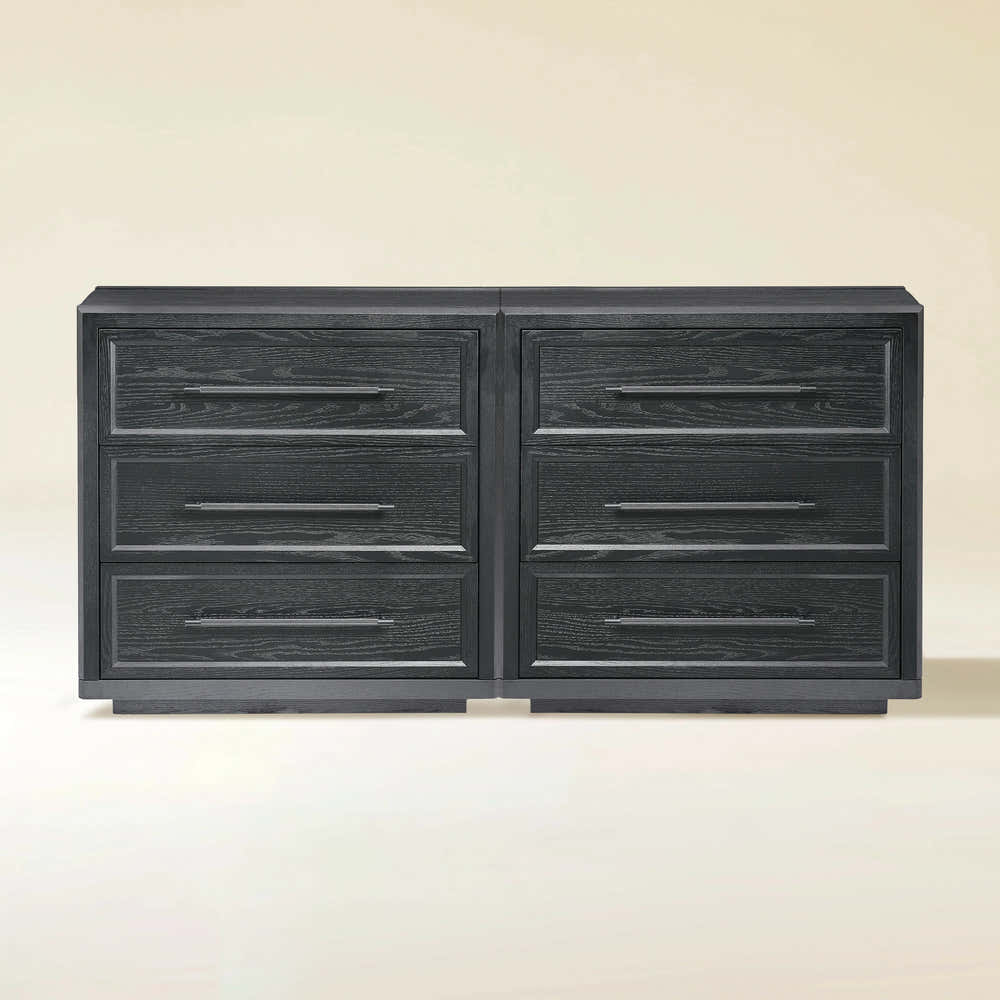


Alvar 61″ Oak 6-Drawer Chest(Set of 2)

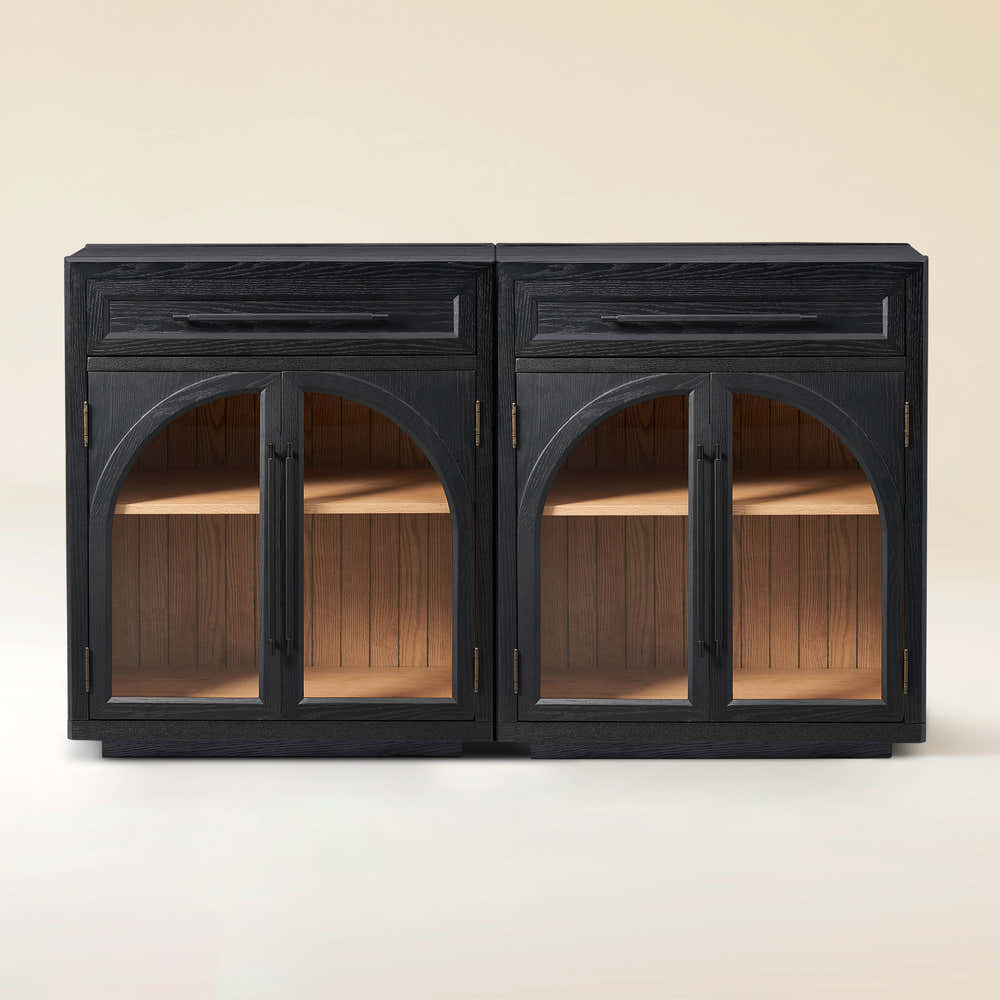


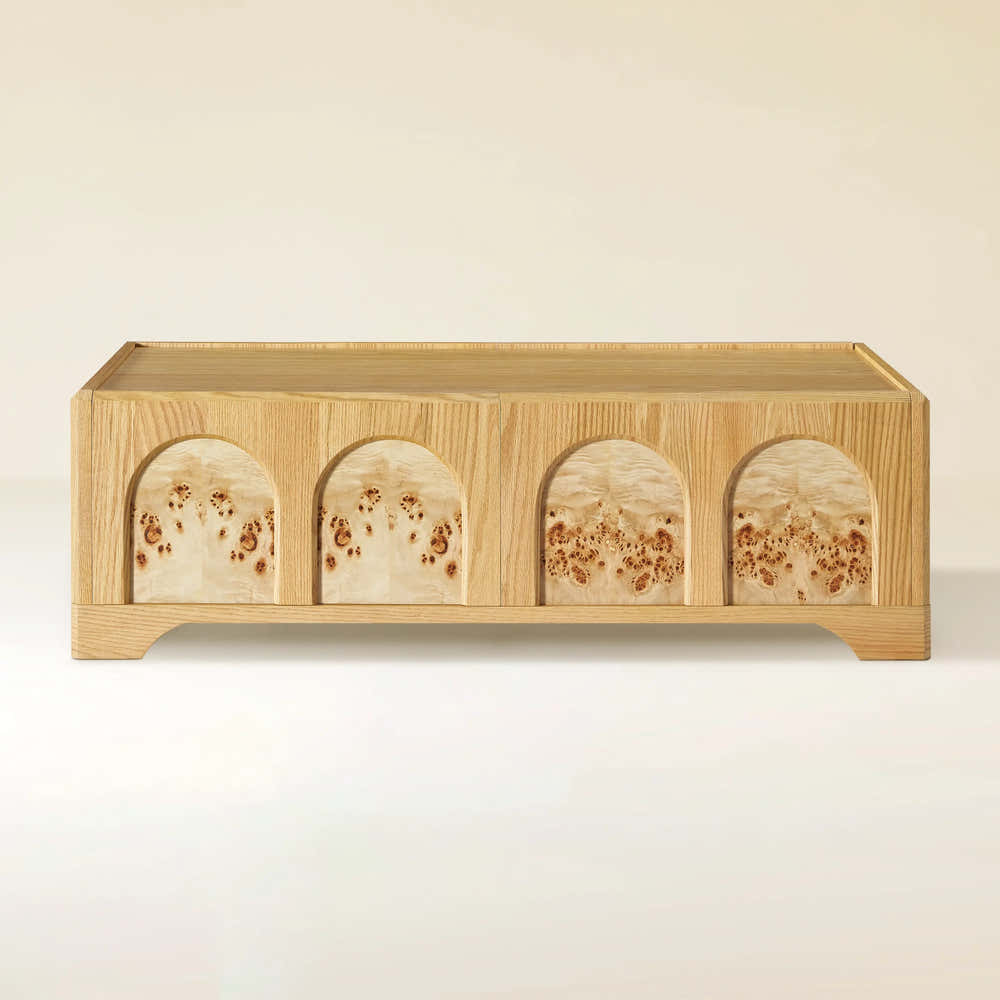
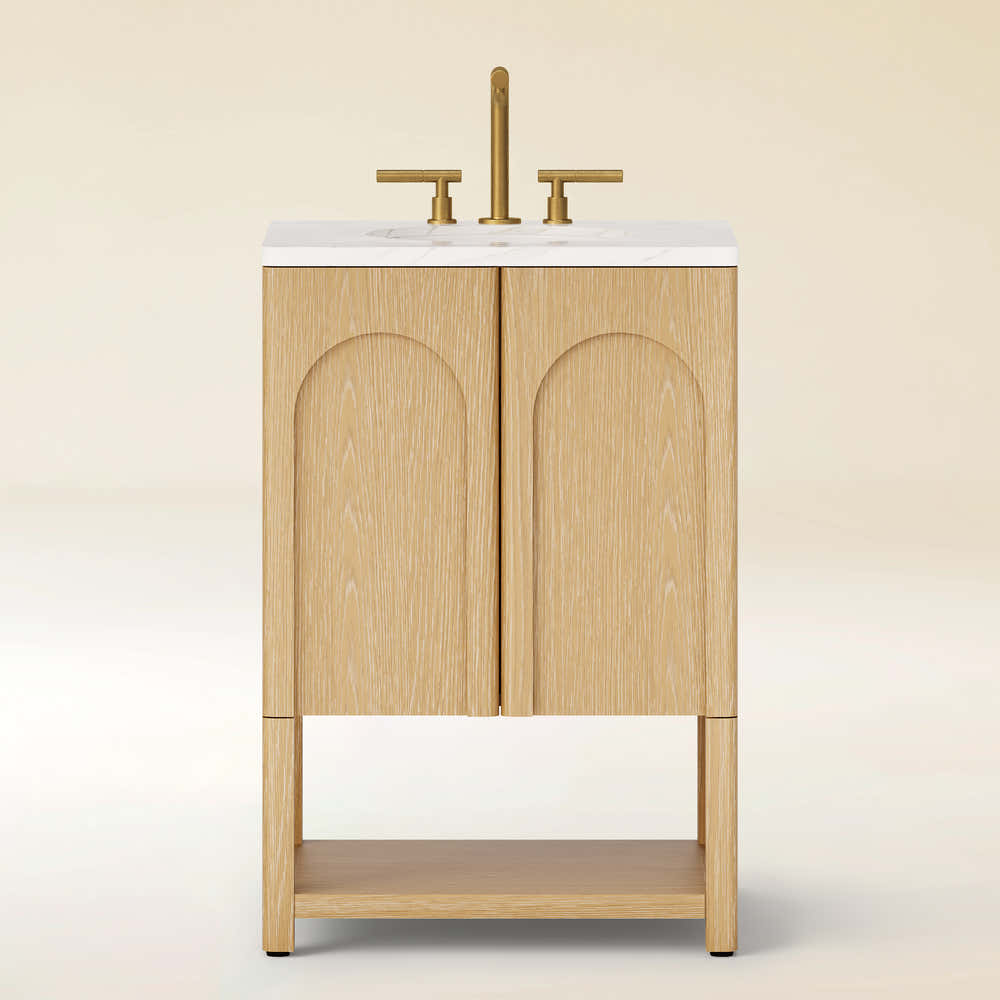
Alvar Arched 61" Oak Sideboard with Drawers(Set of 2)
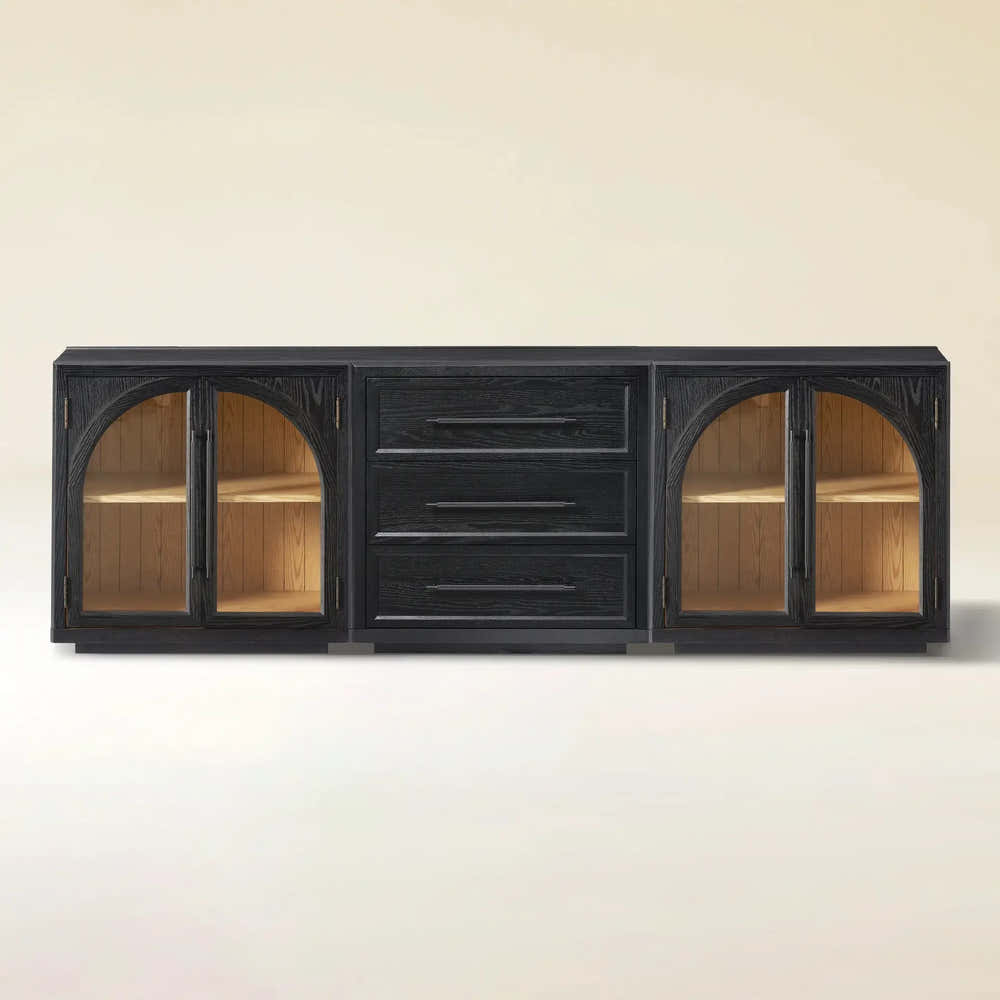


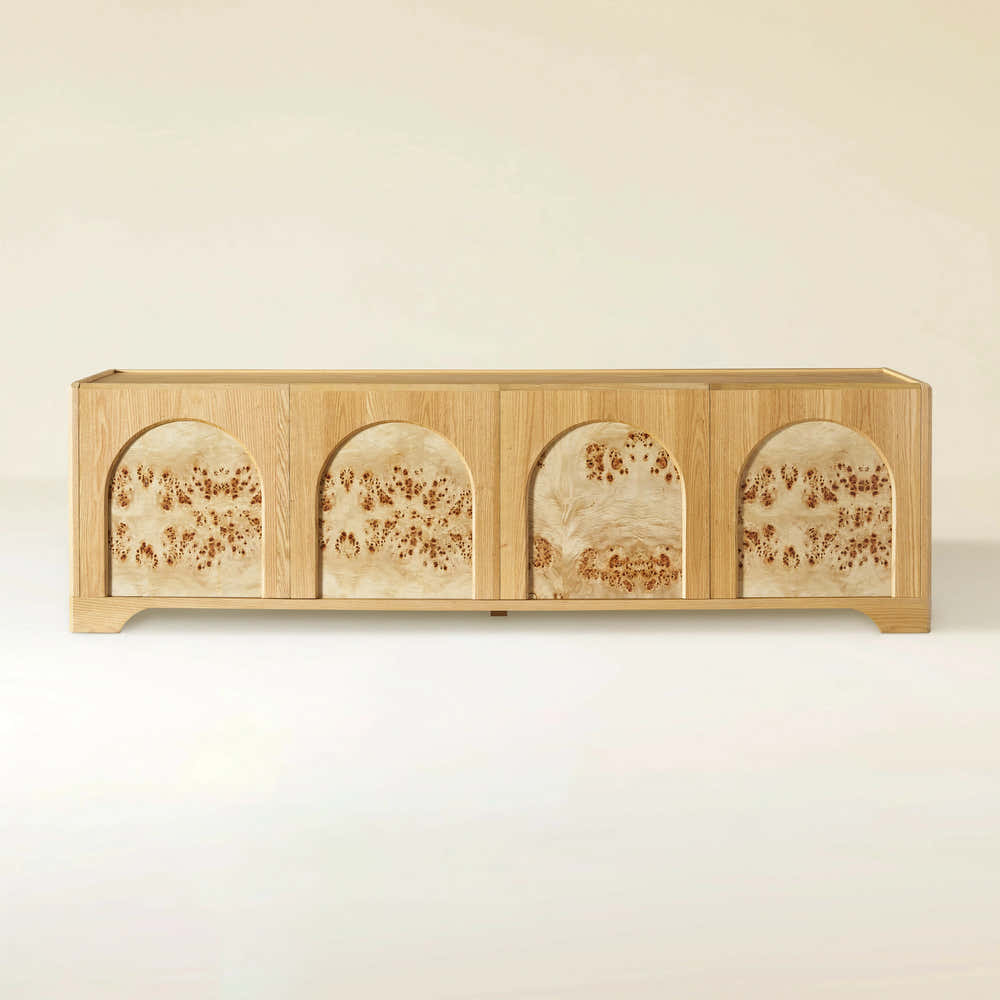
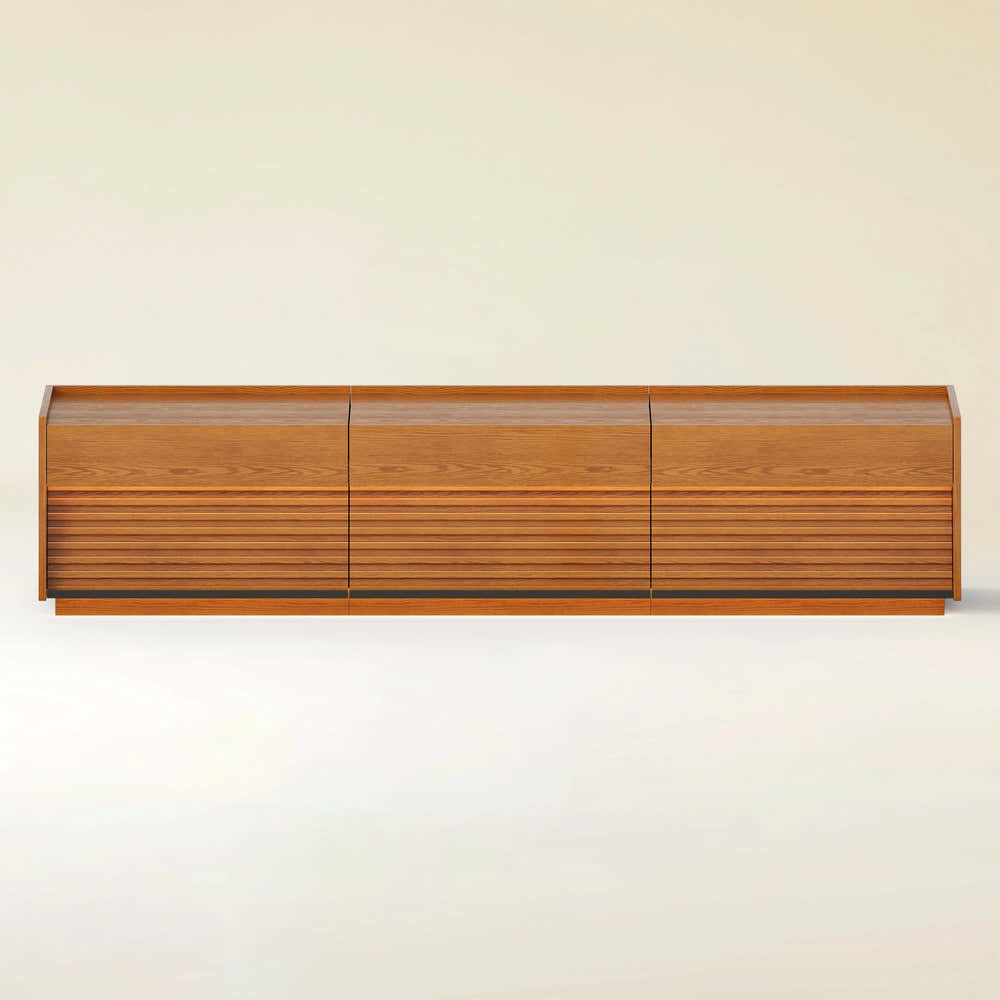
Alvar Arched 91″ Oak Modular Media Console(Set of 3)
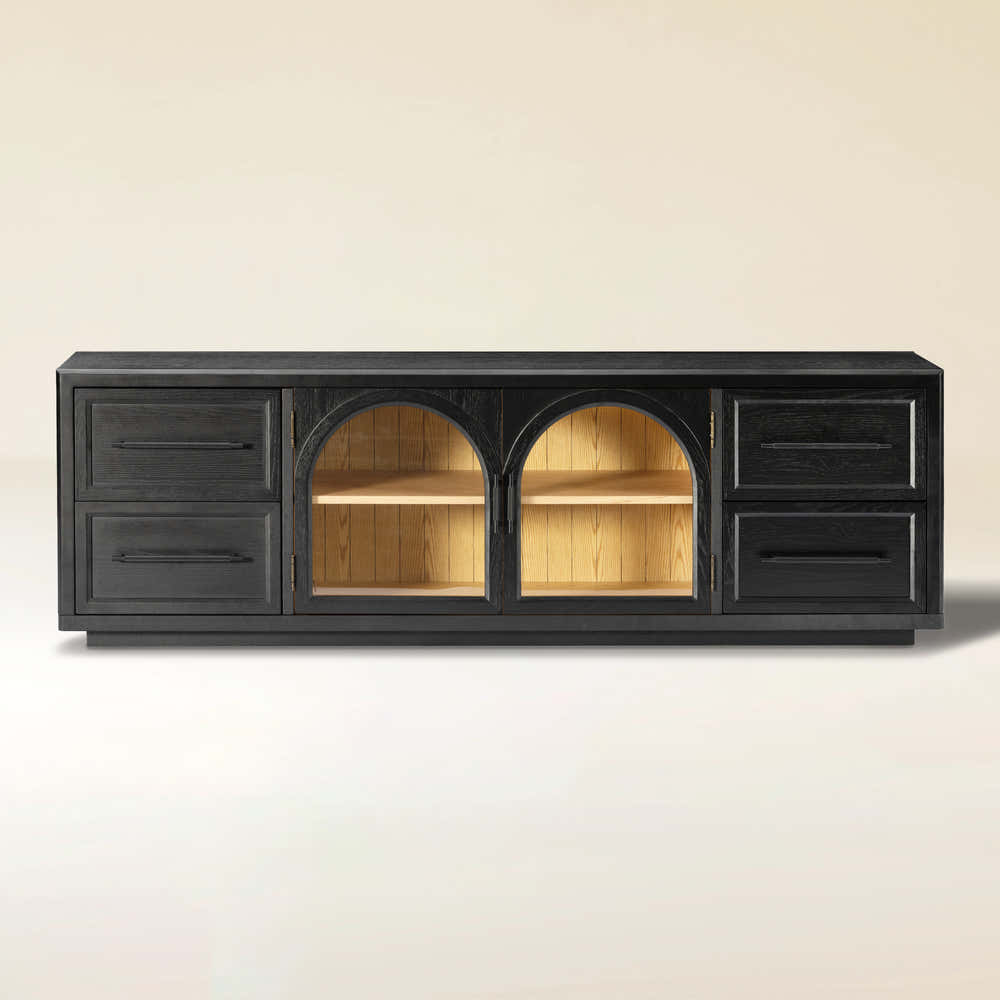
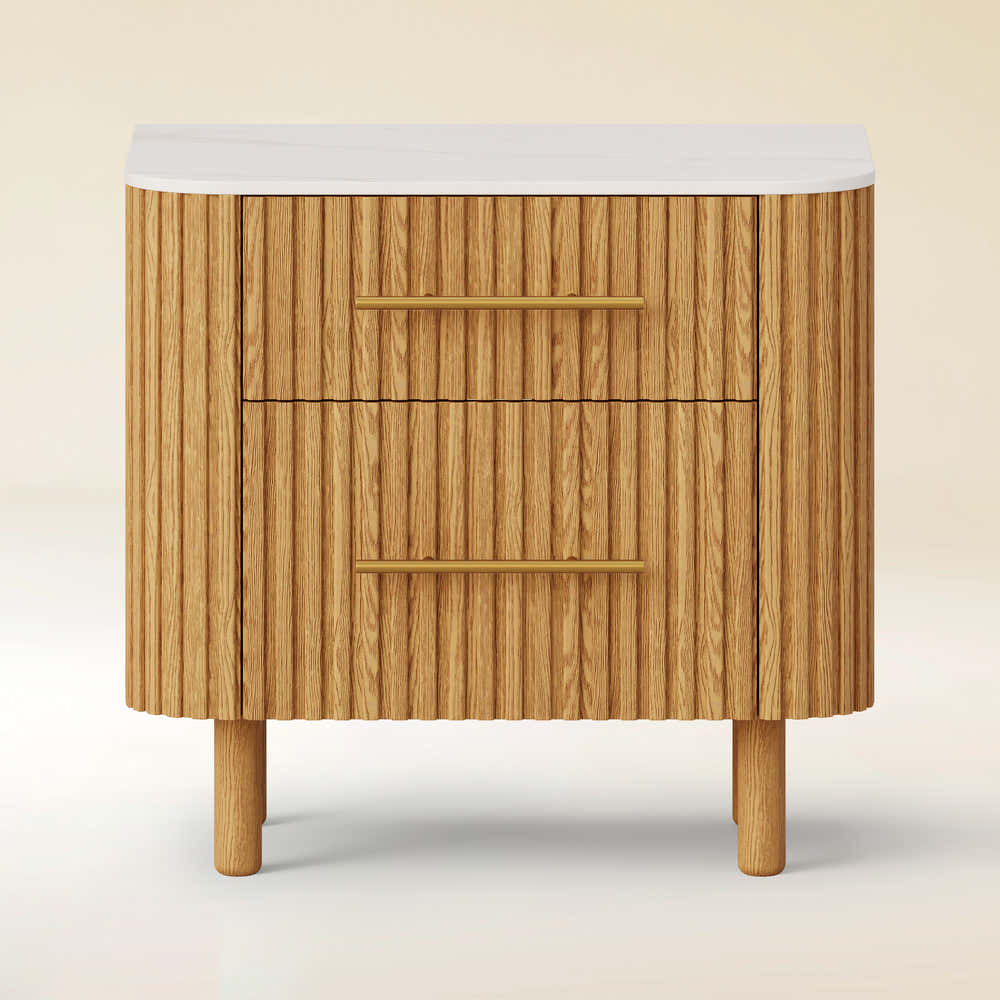
Charlie Sintered Stone Nightstand 26" W
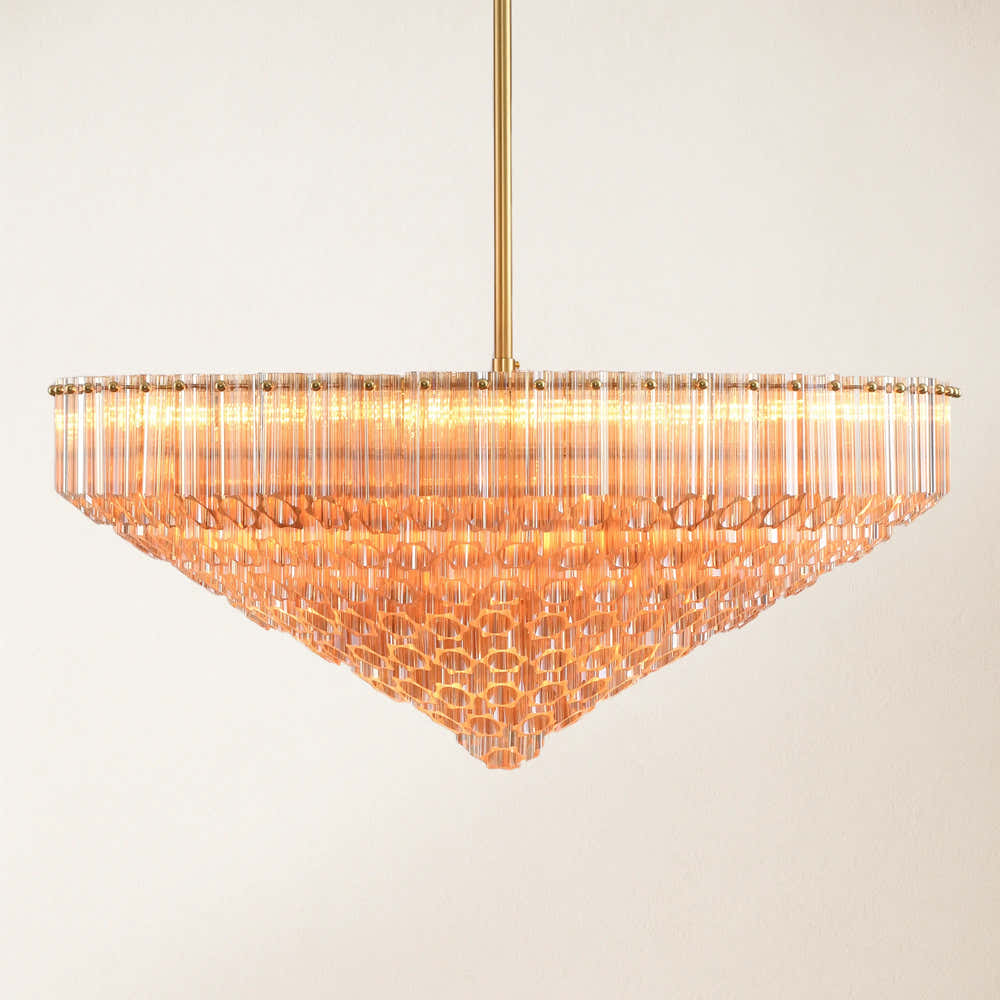


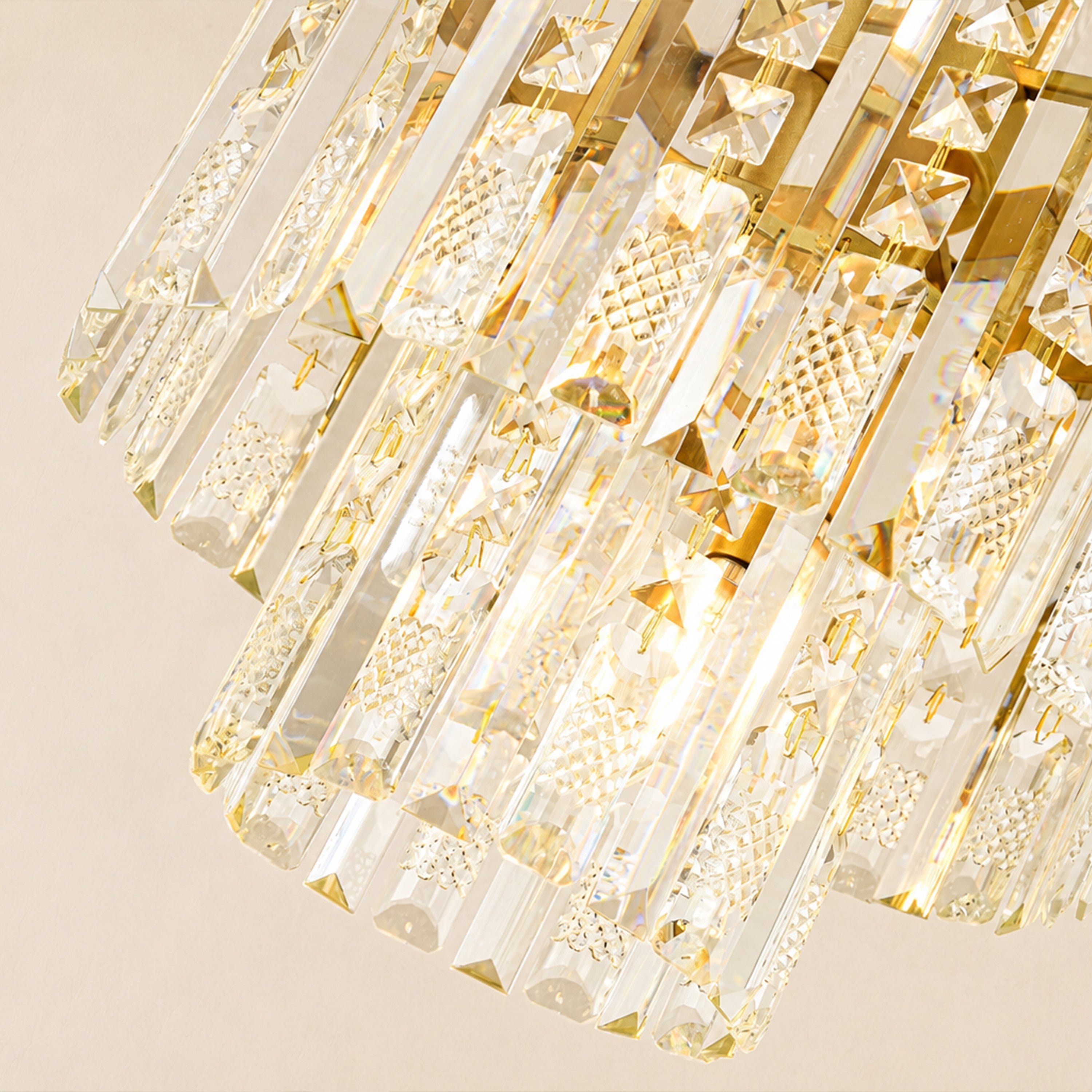
Ethereal Crystal Radiance Round Chandelier 30"D


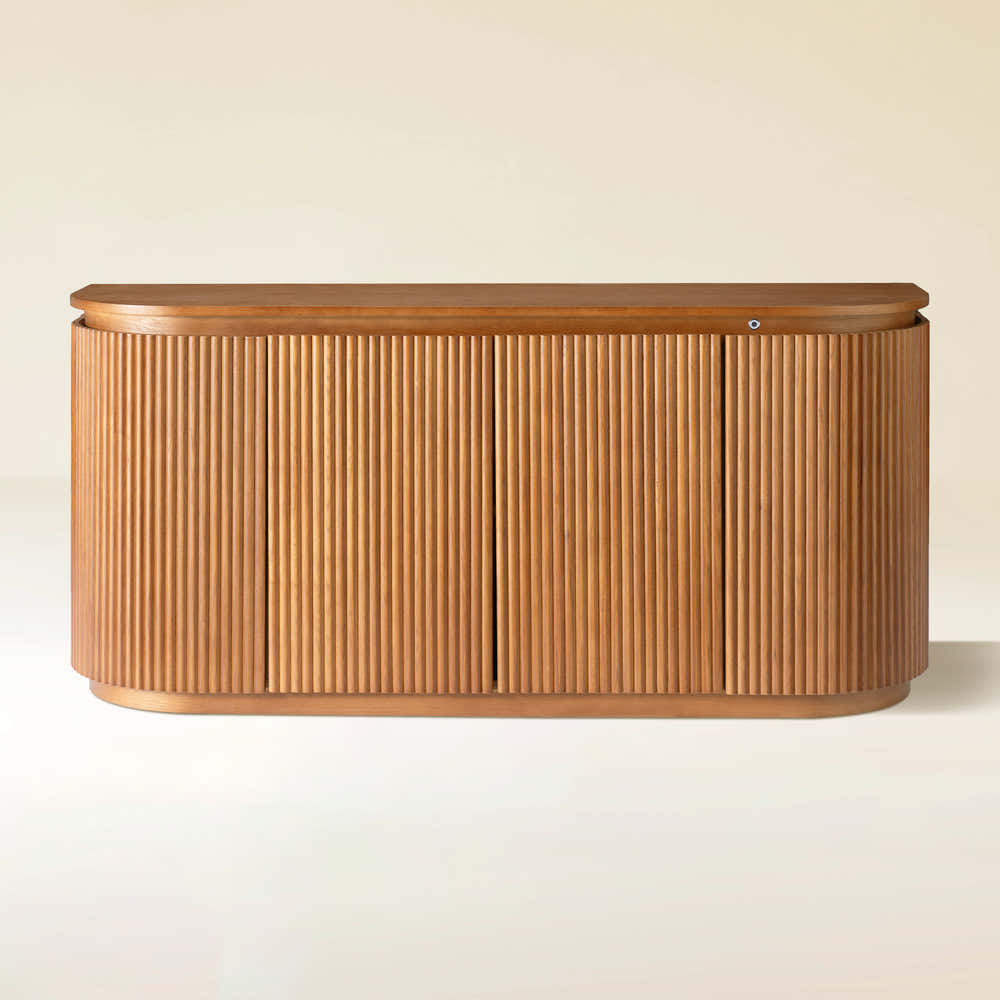
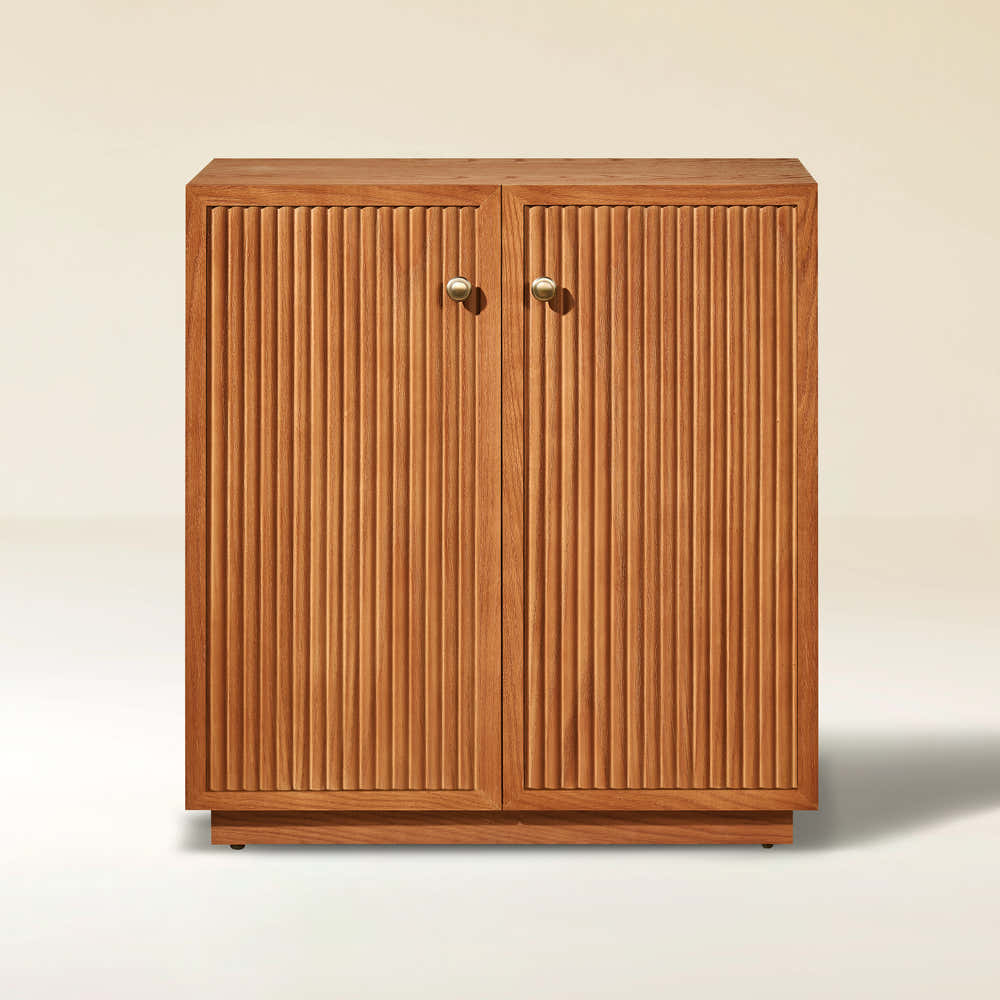
Ewan 63" Oak Slatted Sideboard Buffet Cabinet
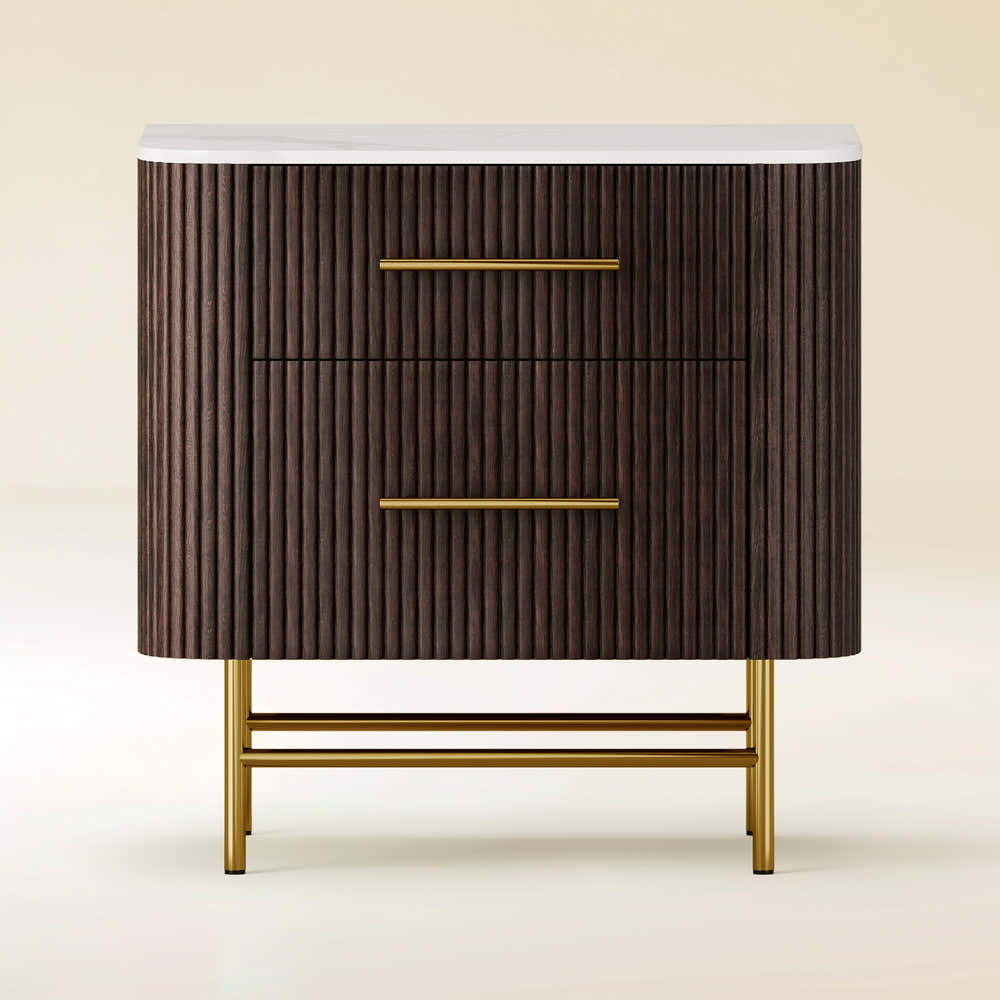


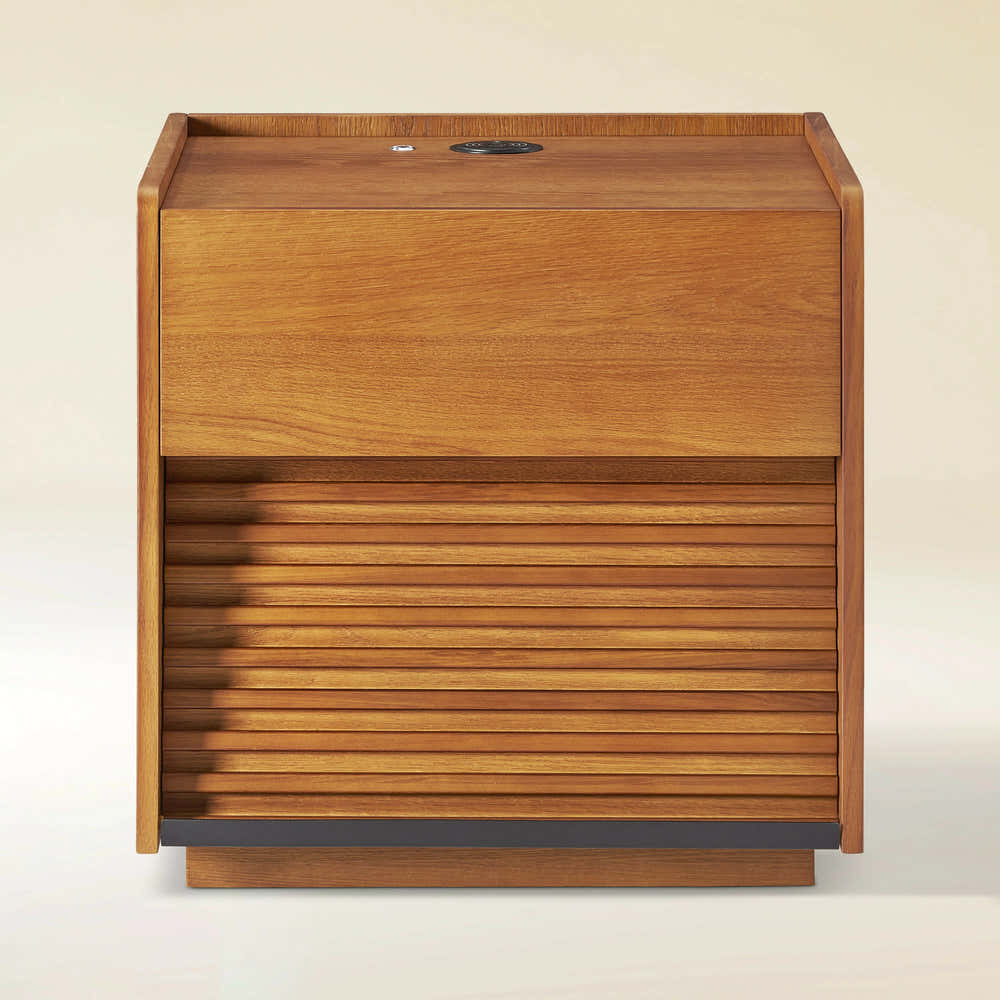
Ewan Sintered Stone Nightstand 26"W
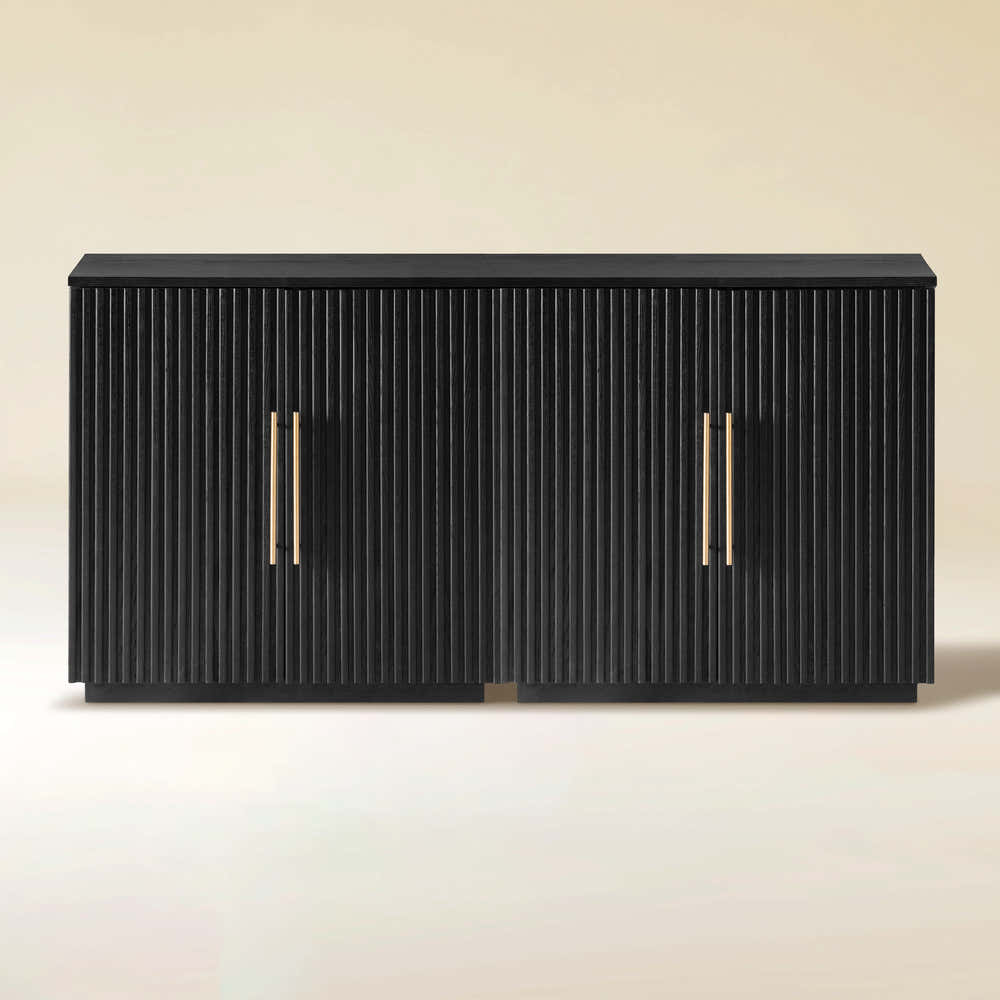


Holt 63″ Solid Oak Console(Set of 2)
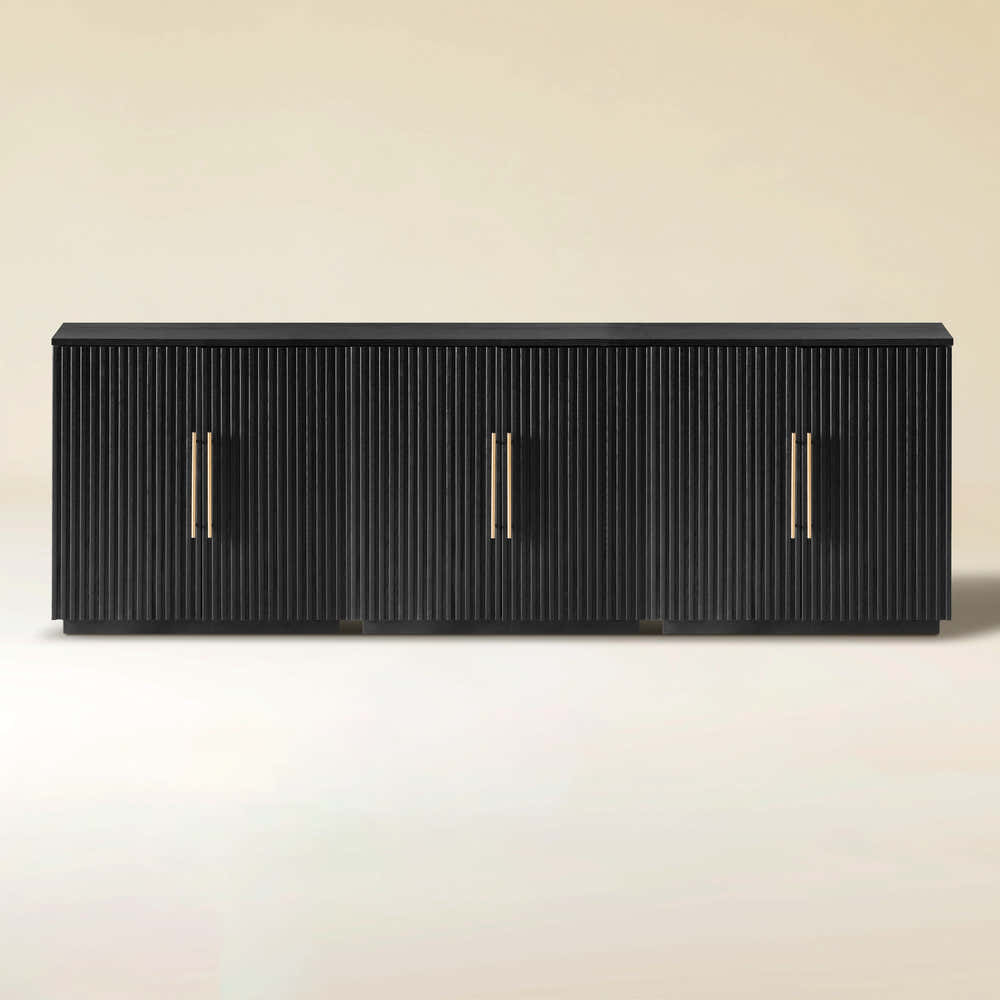


Holt 95″ Solid Oak Console(Set of 3)
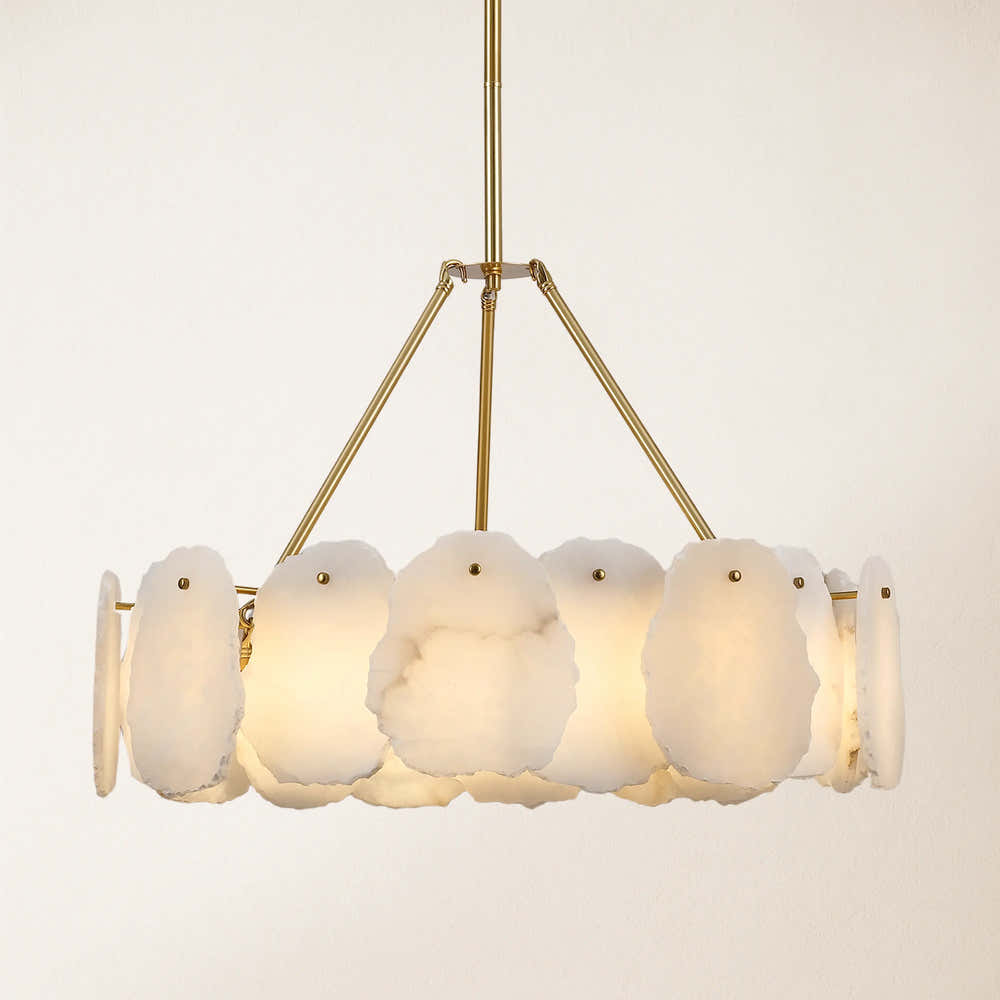


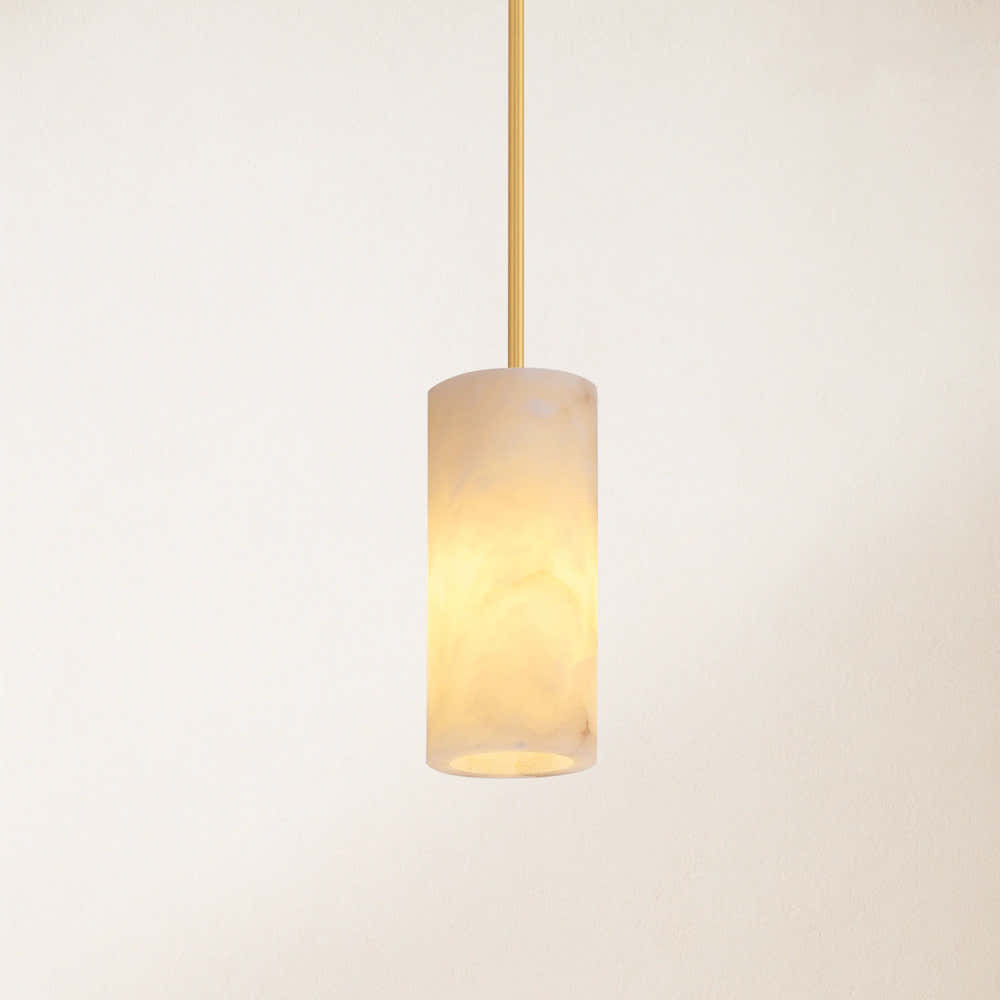
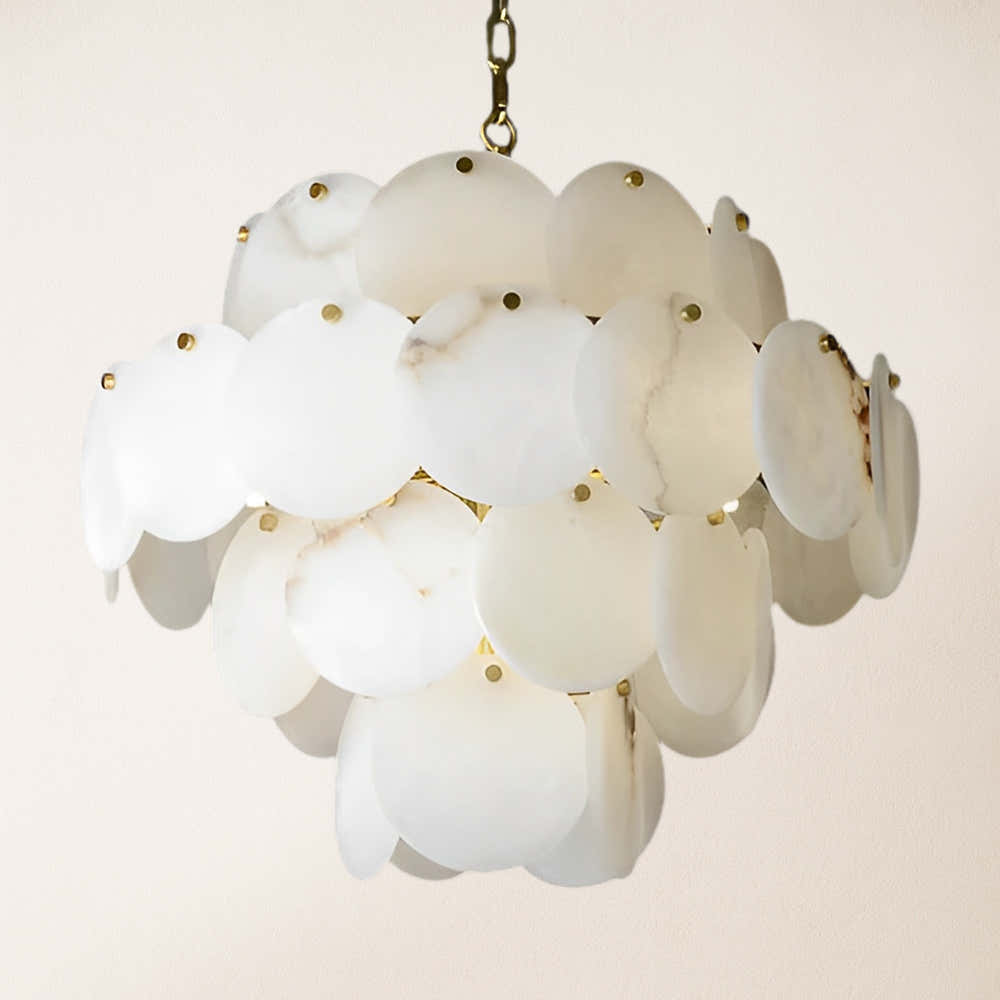
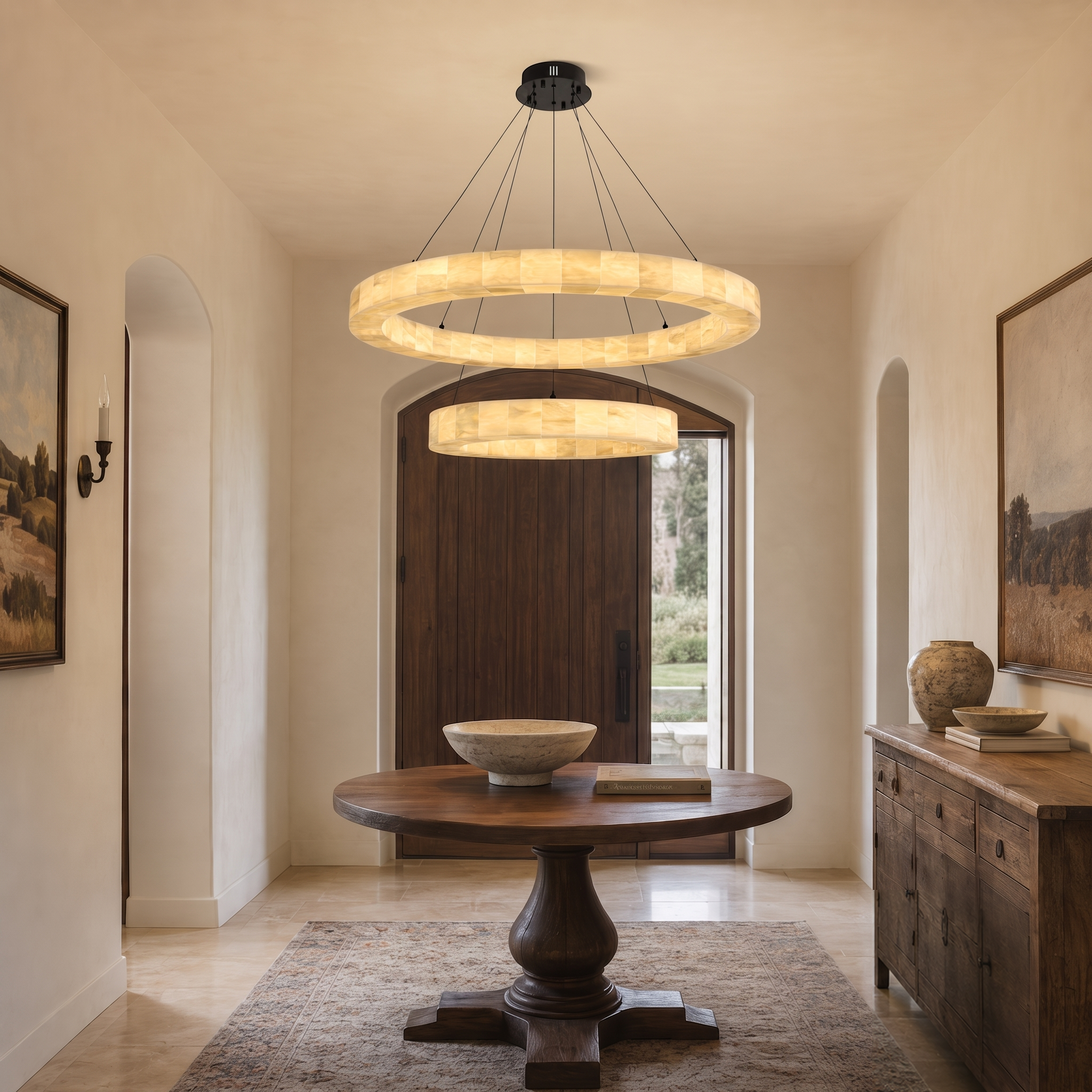
Moira Alabaster Round Chandelier 24"D
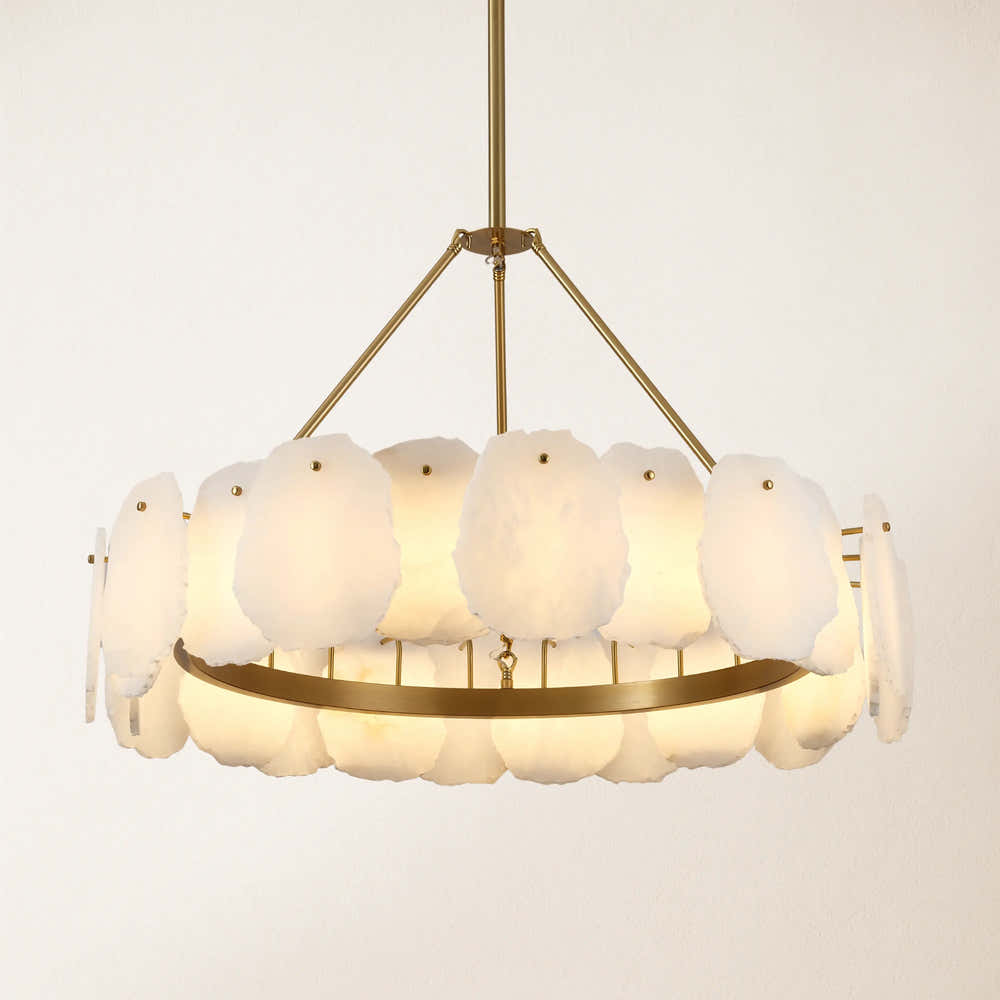


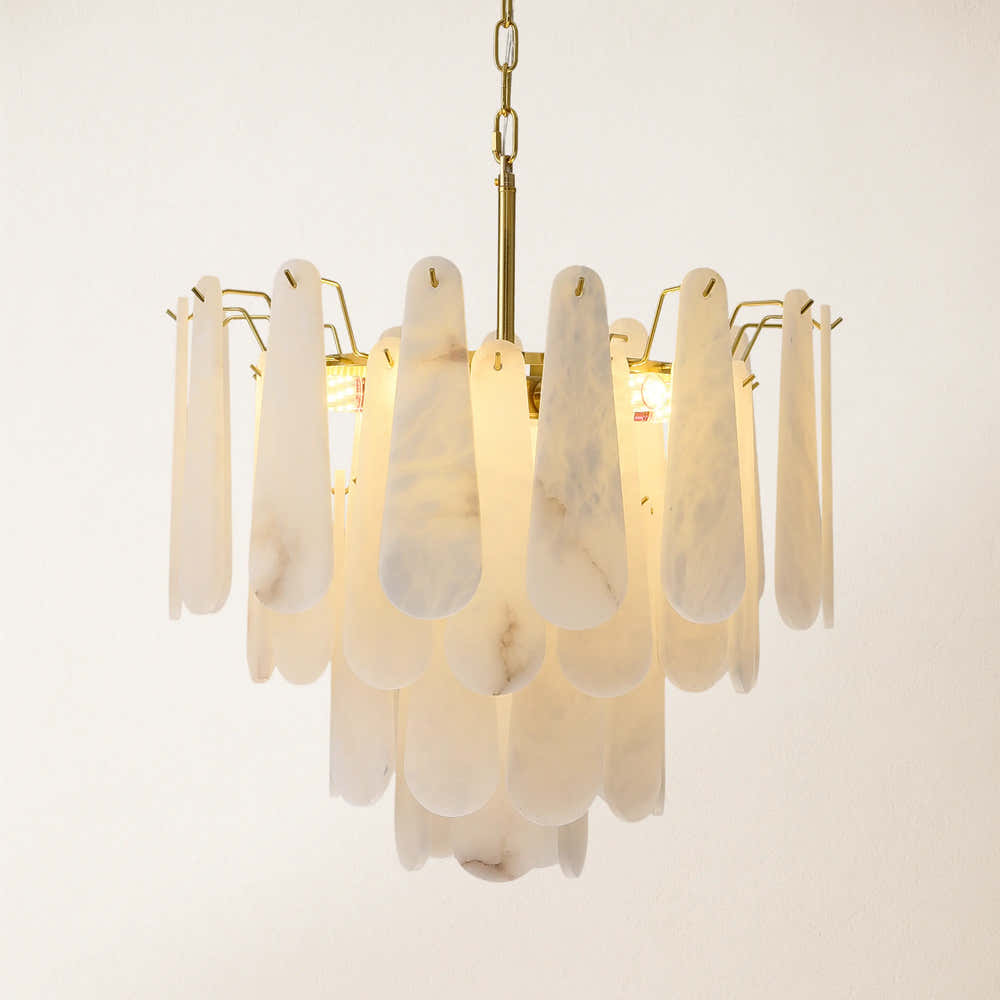
Moira Alabaster Round Chandelier 32"D
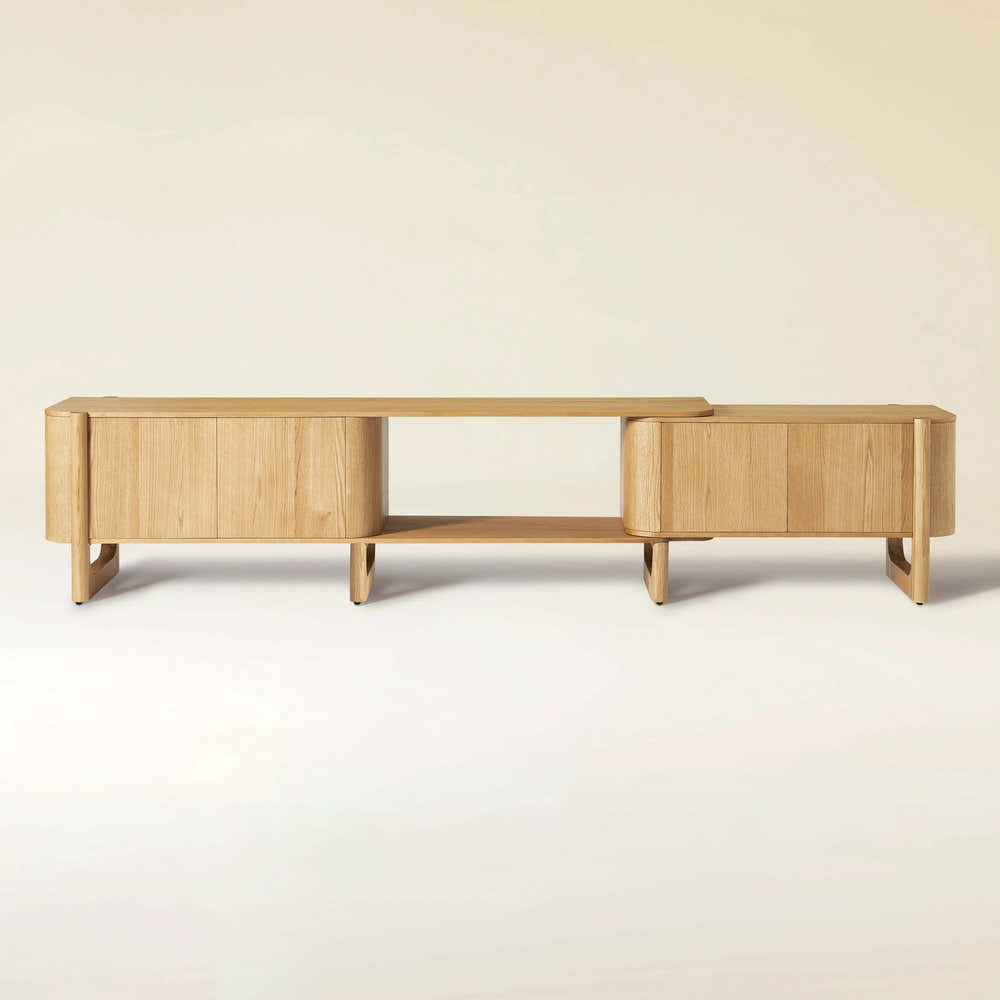
Silas Extendable TV Stand 203cm to 280cm
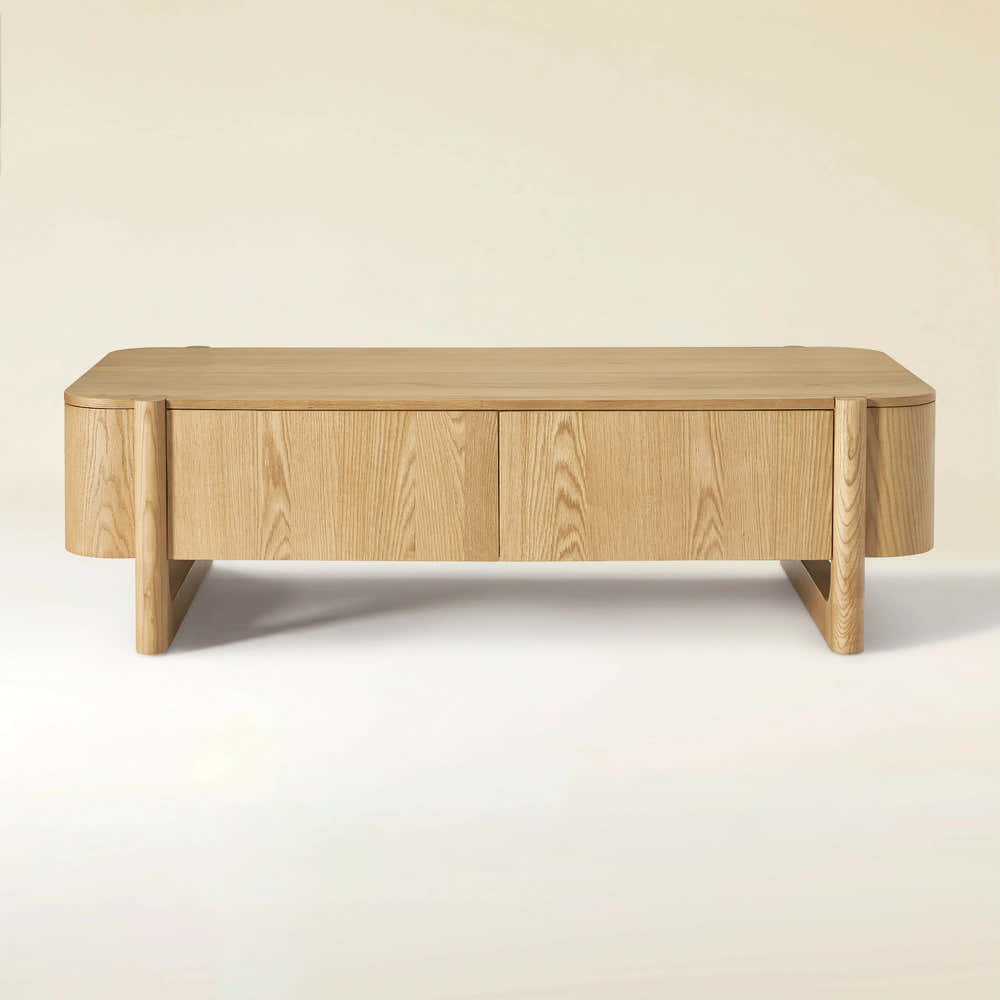
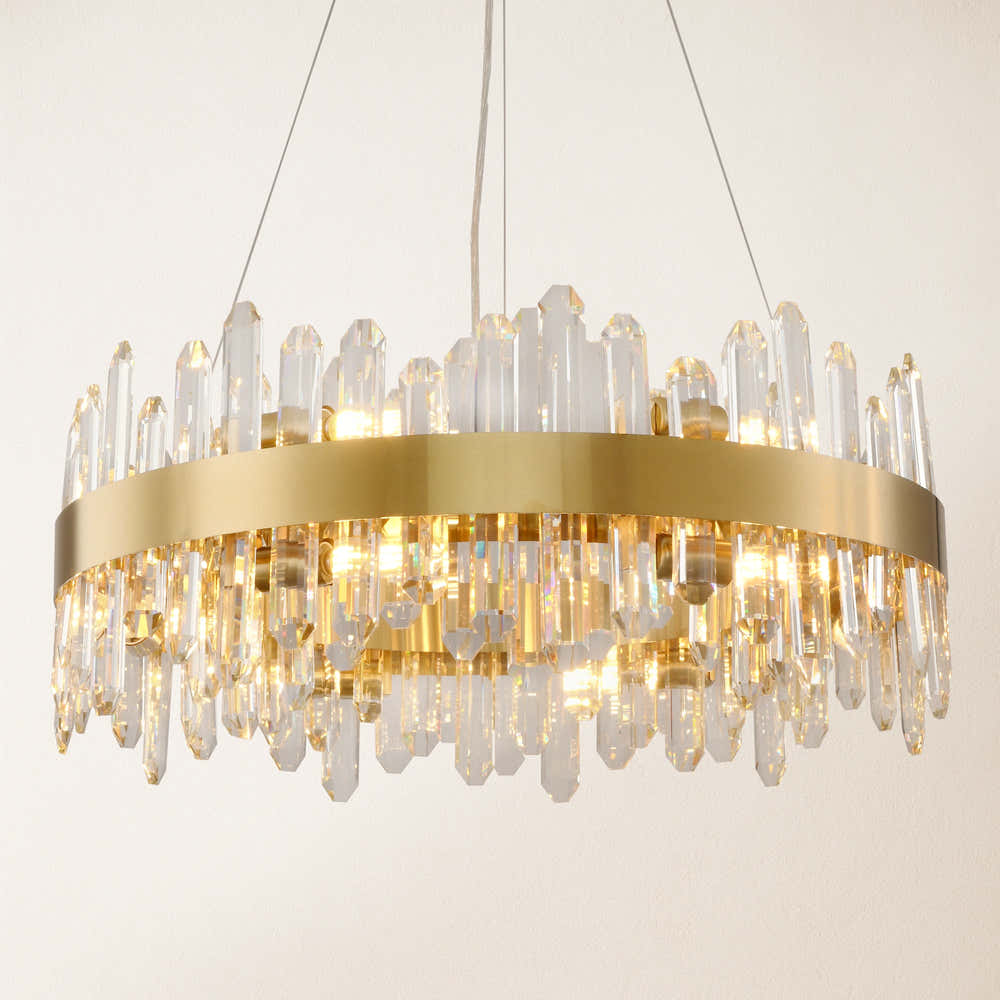
Stellara Crystal Strip Round Chandelier 24"D
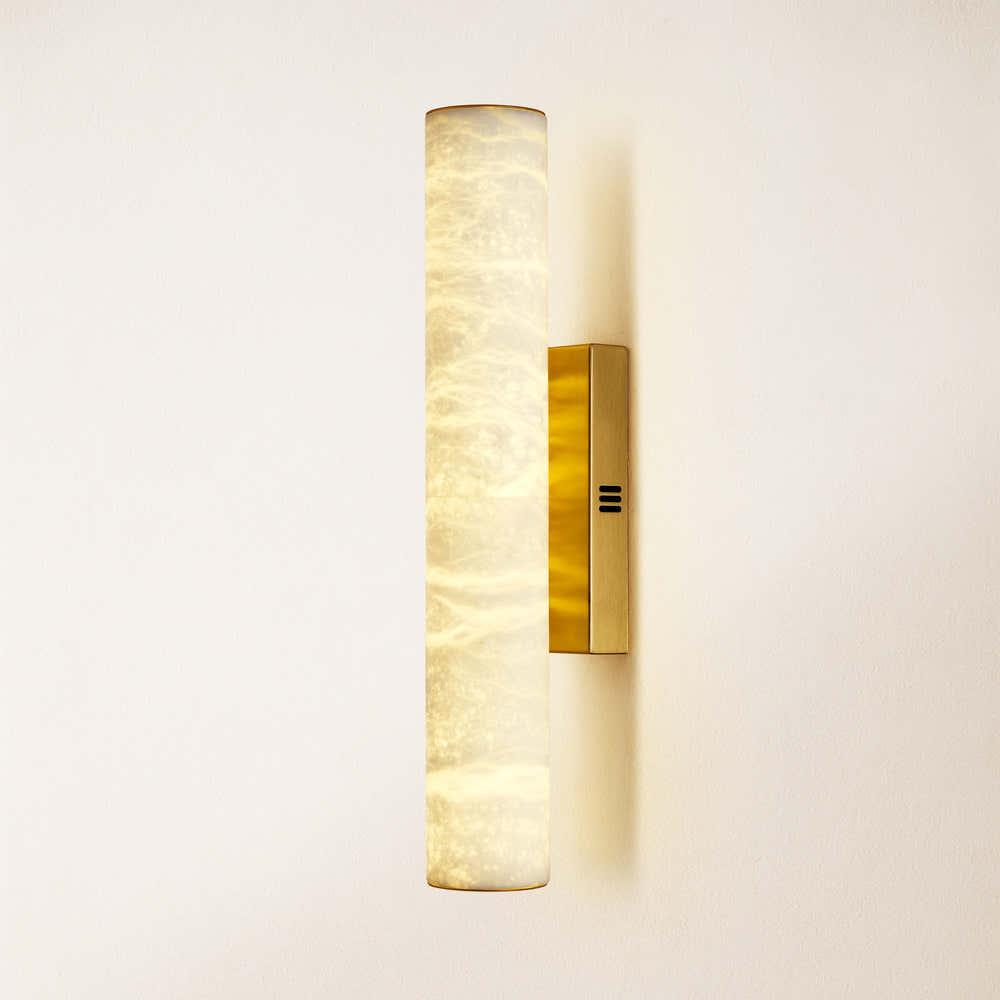


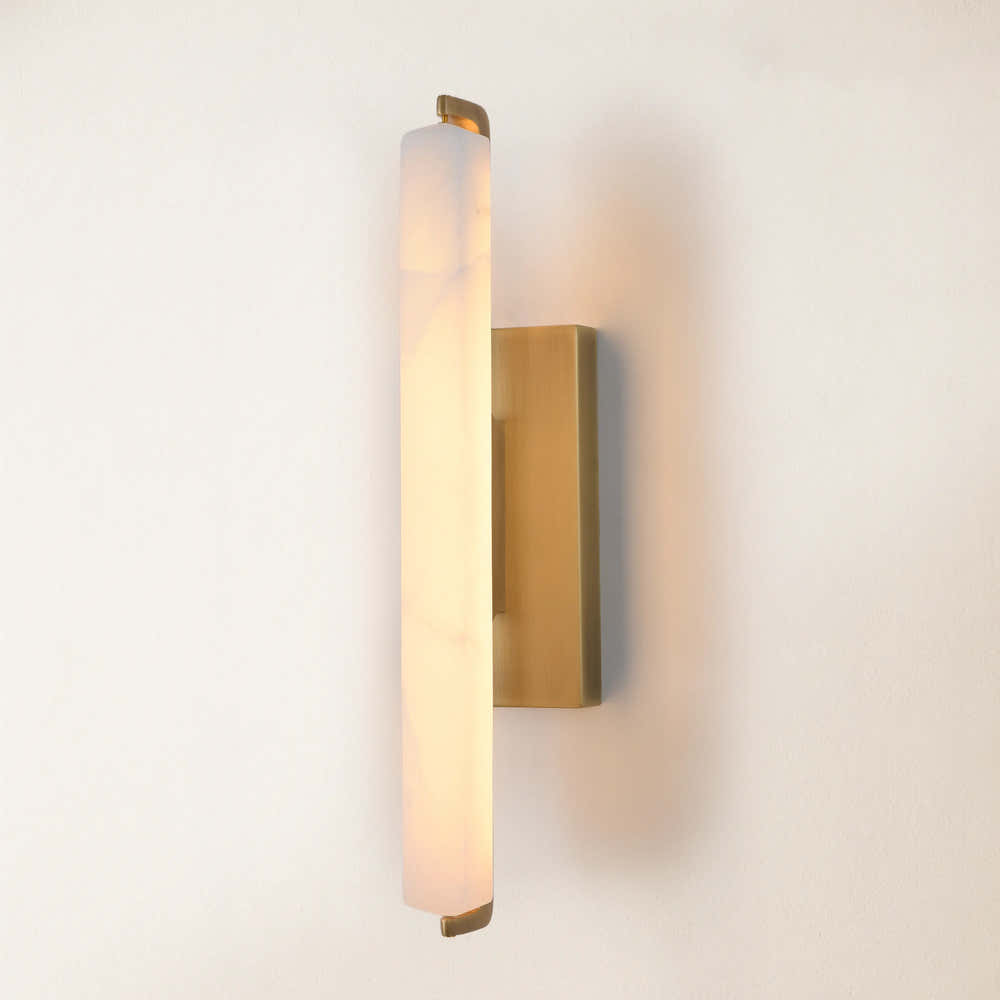
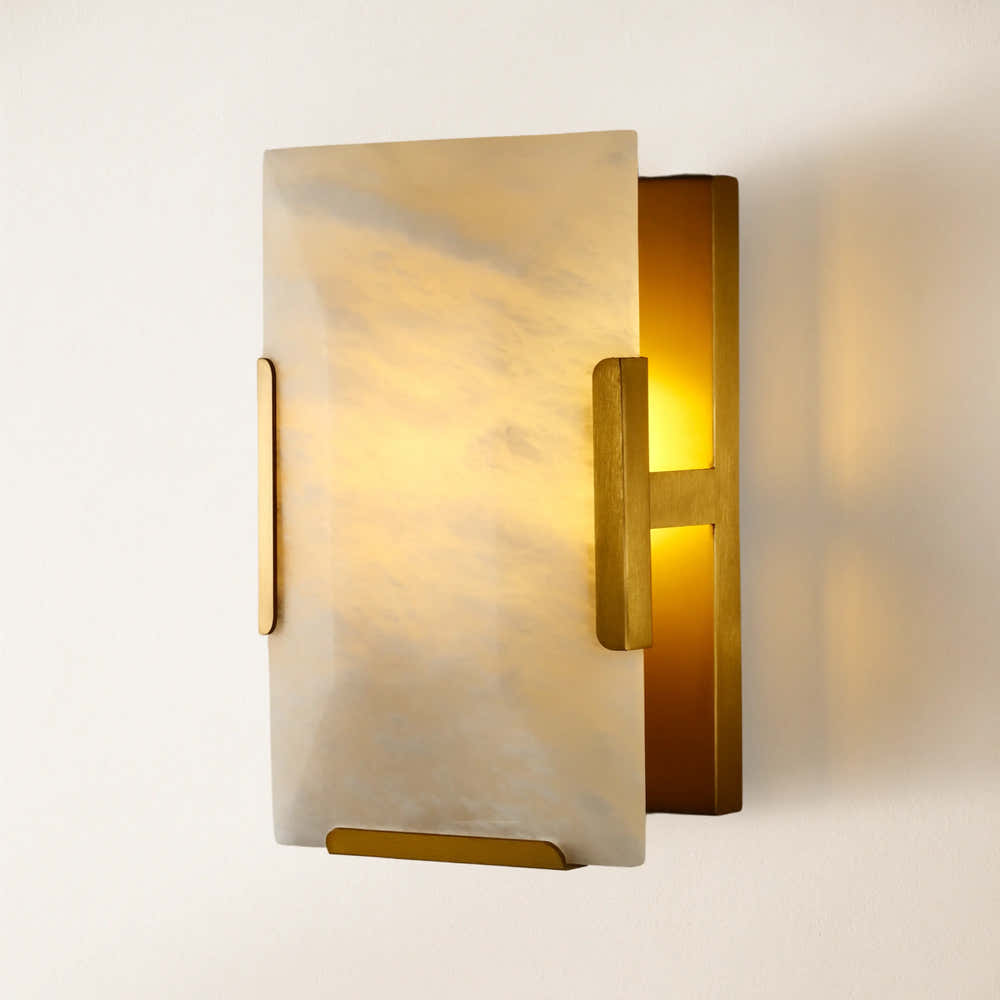
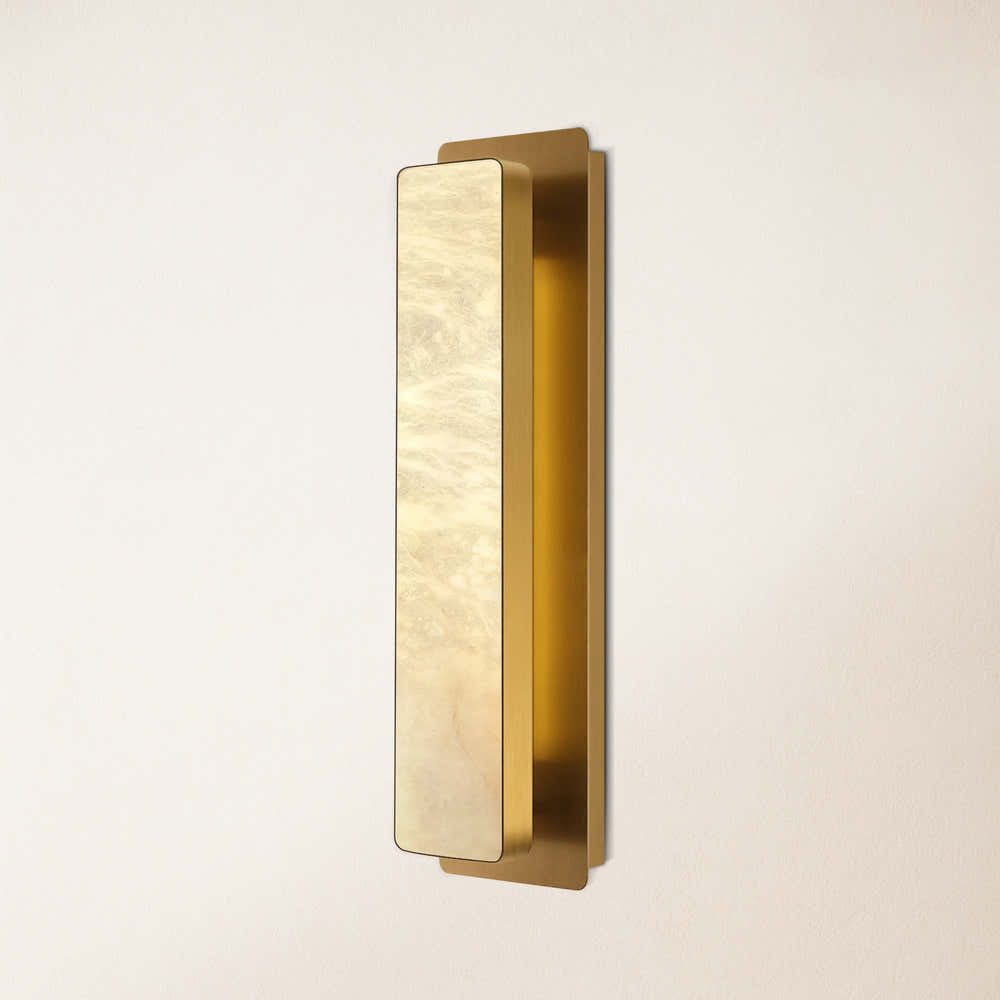
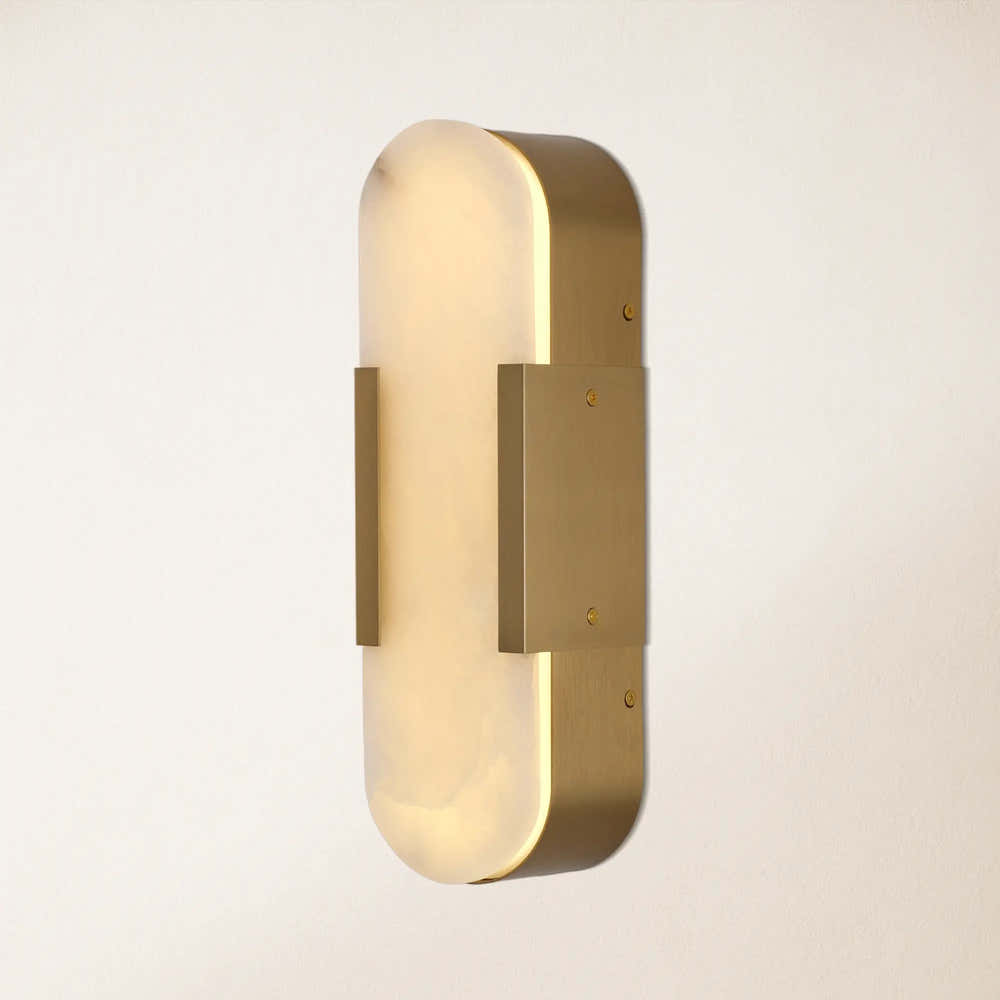
Sylvia Palladian Alabaster Wall Sconce 20"H
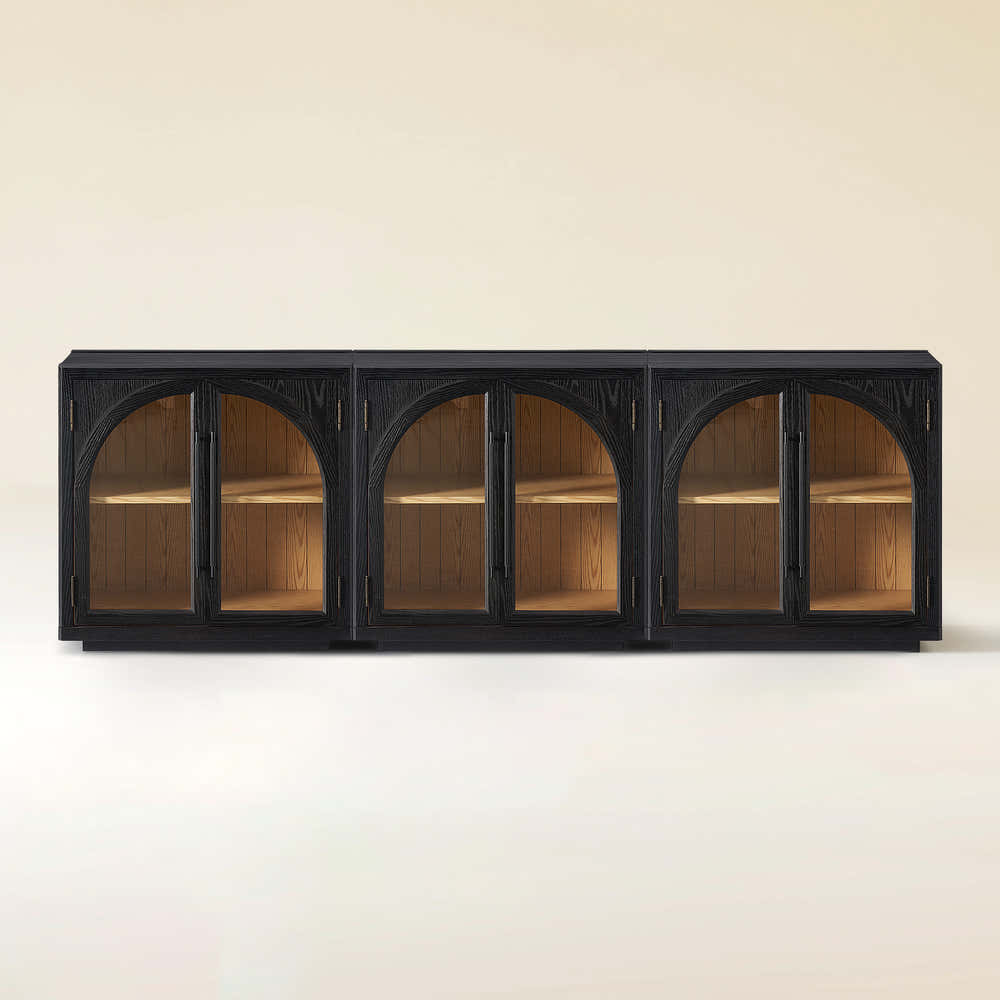


Alvar Arched 91″ Oak Media Console(Set of 3)
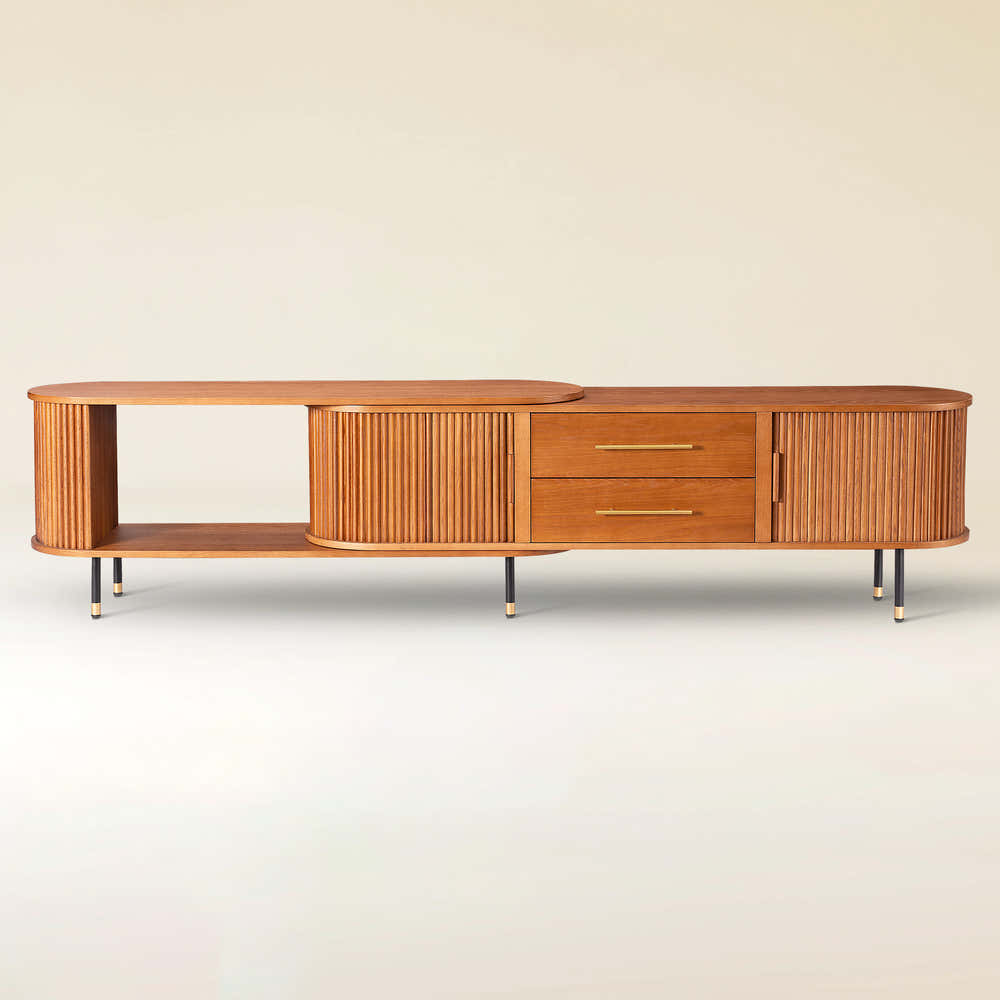
Ewan Oak Extendable Media Console 79" to 110"
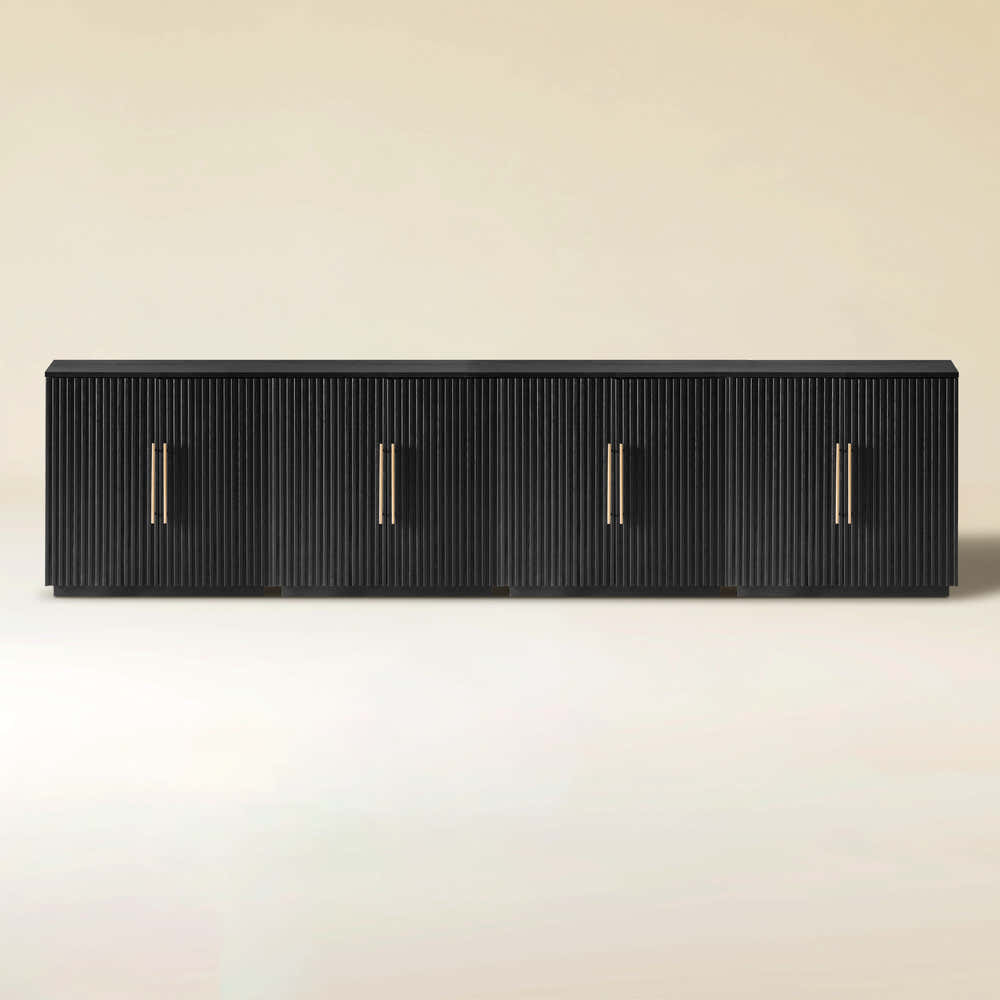


Holt 126″ Solid Oak Console(Set of 4)

FSC FCOC47059 . FSC is dedicated to the promotion of responsible forest management
worldwide. By selecting this product, you help take care of the woorld's forests

UL-certified for indoor drying environments not directly exposed to excessive moisture or water;
Use in the United States and Canada.

Certified to Dry ETL electrical standard: suitable for use indoors in dry locations not directly exposed to excessive moisture and water
Use in the United States

CE-certified drying equipment compliant with electrical standards: Suitable for indoor drying environments not directly exposed to excessive moisture or water;
Tested for use in Europe, the UK, and other regions.


The support center has answers to questions you may have. You can also contact customer service in the support center if you can't find what you're looking for.
Support Center >
At houlte, we are committed to delivering quality, style, and great value to our customers. Our goal is to simplify your shopping experience by providing competitive prices and exceptional service.

If an item you purchased from houlte goes on sale on our website within 30 days of your purchase date, you may request a price match. This policy ensures you always receive the best value when shopping with us.
Houlte reserves the right to interpret and adjust the terms of the Price Match Policy as necessary.
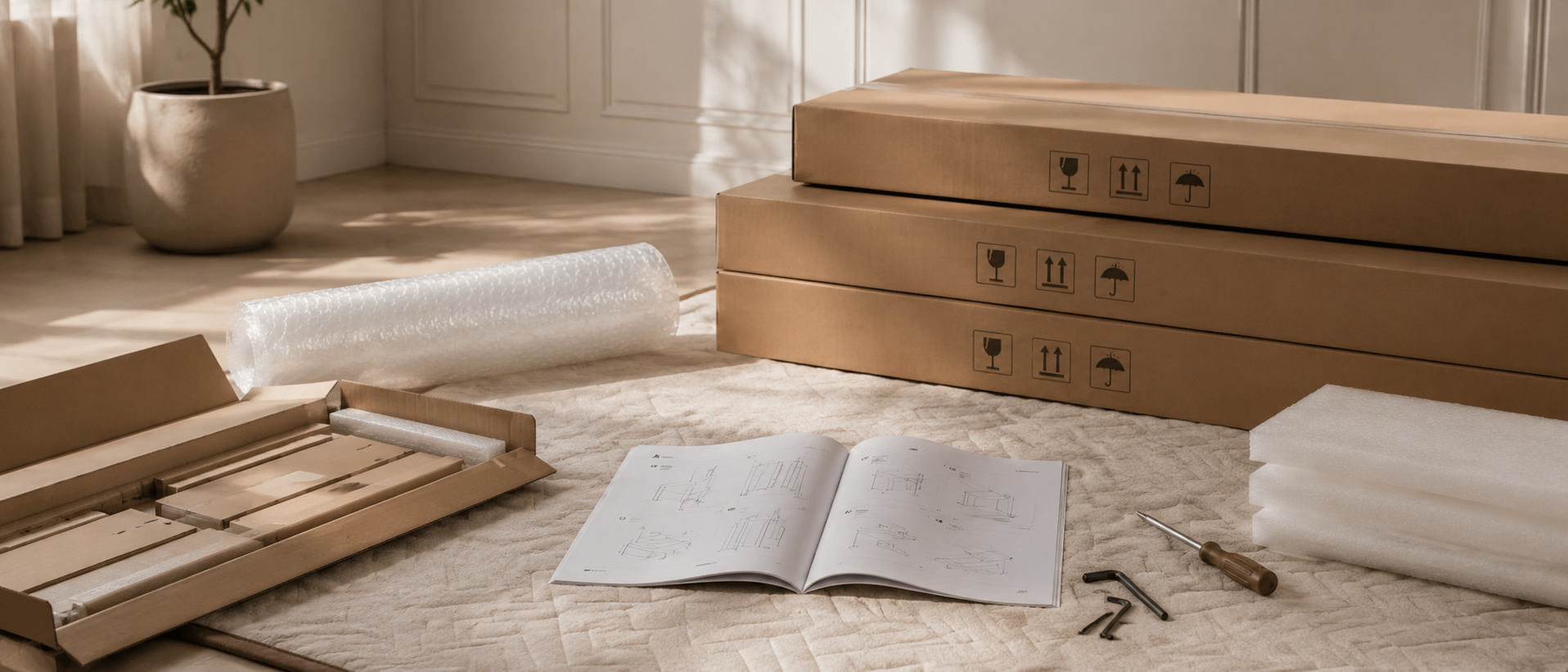
Houlte has partnered with Taskrabbit to make your everyday life at home easier by connecting you with flexible and affordable ways to get your to-do’s done including furniture assembly and mounting.

1. Purchase your furniture at Houlte.
2. Check your order Dispatched and Delivered email and click the
Houlte link. You will be redirected to Taskrabbit's landing page.
3. Post your task on Taskrabbit platform.
4. Pick the best tasker to assemble your furniture.
Houlte has partnered with Taskrabbit to make your everyday life at home easier by connecting you with flexible and affordable ways to get your to-do’s done including furniture assembly and mounting.
Taskrabbit Assembly is available in most metro areas in the US. The availability of Taskers varies based on demand. When placing an order on Taskrabbit, you will need to enter your zip code. If the service is not supported in your area, you will not be able to place an order.
You can book assembly for your Houlte furniture as early as the next day after your delivery, and up to 14 days in advance, giving you flexibility to choose a time that works best for you.

Ready to use out of the box; minimal installation may be required (e.g., handles).

Main structure is pre-built; minor components require attachment (e.g., legs).

Assembly required; multiple parts must be assembled before use.
Our furniture is built with a combination of core boards, real wood veneers, and selected solid wood parts. Each material is used for a different purpose—structure, surface appearance, or visible strength—so the final piece feels balanced in performance, finish, and cost.
Core boards form the internal foundation of the furniture. They provide structure, stability, and efficiency across large surfaces and cabinet bodies.

Stable structural board

Smooth and consistent

Functional internal board
Selected solid wood parts are used where visible strength, tactile quality, and structural integrity matter most—such as legs, frames, trim, and exposed support details.

Durable and classic

Light and versatile

Premium and elevated
On average, a typical sofa lasts between 7 to 15 years. Budget couches usually survive 3 to 5 years before sagging, while high-quality sofas featuring solid hardwood frames, high-resilience foam, and premium suspension systems can easily last 15 years or more. The exact lifespan depends heavily on household traffic, construction materials, and daily maintenance.
Whether you are staring at a sunken hand-me-down couch or preparing to invest in a premium centerpiece for your living room, the question of longevity is paramount. A sofa is rarely just a piece of furniture; it is the command center of the modern home. It is where you host guests, binge-watch television, work from home, and occasionally take accidental afternoon naps.
But when exactly does a sofa transition from "comfortably broken-in" to "structurally compromised"? Why do some couches look flawless after a decade while others collapse within months?
In this comprehensive, industry-backed guide, we pull back the upholstery to reveal the exact science of sofa durability. We will explore the hidden anatomy that dictates the life expectancy of a couch, how to accurately diagnose a dying sofa, the mathematical formula for deciding between repair and replacement, and how innovative modular designs are rewriting the rules of furniture lifespans.
The "7 to 15 years" statistic is an industry average, but it groups vastly different products together. To set realistic expectations, we must categorize sofas by their manufacturing quality and price tier. Here is what you can genuinely expect based on the build grade:
These are the flat-packed or highly discounted sofas often found in big-box stores. They typically utilize MDF (Medium Density Fiberboard) or particleboard frames stapled together, low-density polyurethane foam, and basic elastic webbing. While visually trendy, the internal structure simply cannot withstand repeated human weight. The foam oxidizes and crushes quickly, leading to permanent sagging within 36 months.
The majority of residential sofas fall here. They usually feature plywood frames, moderate-density foam, and basic sinuous springs. With standard use, the frame will hold up, but around the 7-year mark, you will likely notice the fabric pilling, the seat cushions losing their rebound, and the suspension beginning to feel "softer" than it did in the showroom.
Investment pieces are engineered for the long haul. They rely on kiln-dried hardwoods or engineered solid wood hybrids (like pine and multi-layer plywood), advanced suspension systems (8-way hand-tied or high-gauge sinuous springs paired with high-performance webbing), and multi-layer cushioning. These sofas don't just survive; they maintain their ergonomic support and aesthetic integrity for over a decade.
Furniture does not age in a vacuum. A premium sofa in a quiet apartment will naturally outlive the exact same sofa in a bustling family home. The American Home Furnishings Alliance (AHFA) notes that "traffic" is the ultimate variable in upholstery lifespan. Let's look at how your lifestyle accelerates wear:
| Household Profile | Primary Stressors | Realistic Lifespan |
|---|---|---|
|
Single Adult / Couple (Moderate evening use) |
Standard weight distribution, minimal spills, infrequent jumping. | 10 – 15 Years |
|
The WFH Studio (Used 8+ hours daily) |
Continuous, concentrated weight in one specific spot; rapid foam compression. | 6 – 9 Years |
|
Family with Young Kids (Heavy daily activity) |
Impact stress (jumping) testing frame joints; frequent spills testing fabric stain resistance. | 7 – 10 Years |
|
Homes with Large Pets (Dogs/Cats) |
Claw abrasions on upholstery, pet dander embedding in fibers, localized heavy weight. | 5 – 8 Years |
*Note: These figures assume a mid-to-high-tier sofa. Budget sofas in high-traffic homes often fail within 24 to 36 months.
To truly answer "how long do sofas last," you have to look beneath the fabric. A beautiful exterior can hide a fragile skeleton. Here are the four critical pillars of sofa construction that dictate durability.
If the frame breaks, the sofa is dead. Period. Softwoods (like standard spruce) can warp, while particleboard easily cracks around the screw joints when subjected to horizontal stress (like someone flopping sideways onto the armrest).
The Gold Standard: Kiln-dried hardwoods (like oak or ash) or engineered hybrid frames. For example, combining solid pine with high-grade multi-layer plywood creates a structure that resists warping from humidity while offering immense load-bearing strength. Furthermore, joints should be glued, dowelled, and screwed—never just stapled.
The suspension system acts as the shock absorber. When it fails, you get the dreaded "taco effect" where you sink uncomfortably toward the floor.
All foam is not created equal. Foam density is measured by how much one cubic foot of the material weighs. Low-density foam (under 1.8 lbs/cu.ft) is full of air pockets that burst under pressure, leaving the cushion permanently flat.
Long-lasting sofas utilize High-Resilience (HR) Sponge. HR foam has a different chemical cell structure that acts like millions of microscopic springs, bouncing back to its original shape instantly. To prevent it from feeling too rigid, premium manufacturers will wrap the HR core in layers of Doll Cotton (a high-grade, plush polyester fiber) to provide a soft, cloud-like initial touch without sacrificing deep support.
A frame might last 20 years, but if the fabric tears in year three, the sofa is practically ruined. Fabric durability is tested using the "Double Rub" method—a machine rubs a piece of canvas back and forth over the fabric until it shows visible wear. Heavy-duty residential fabric should exceed 15,000 double rubs.
Natural materials like Premium Linen are highly prized. While it requires care against spills, linen is inherently stronger than cotton, highly breathable, and its thick weave resists pilling and abrasion exceptionally well, making it a staple in high-end, long-lasting furniture.
When our design team at Houlte approached the challenge of sofa longevity, we realized that traditional fixed-frame sofas had a fatal flaw: if one armrest or one seat cushion gets irreparably damaged by a pet or a spill, the entire $2,000 sofa is often thrown away. That is incredibly wasteful and expensive for the consumer.
We completely reimagined the architecture of comfort to extend the practical lifespan of the sofa well beyond the industry average.

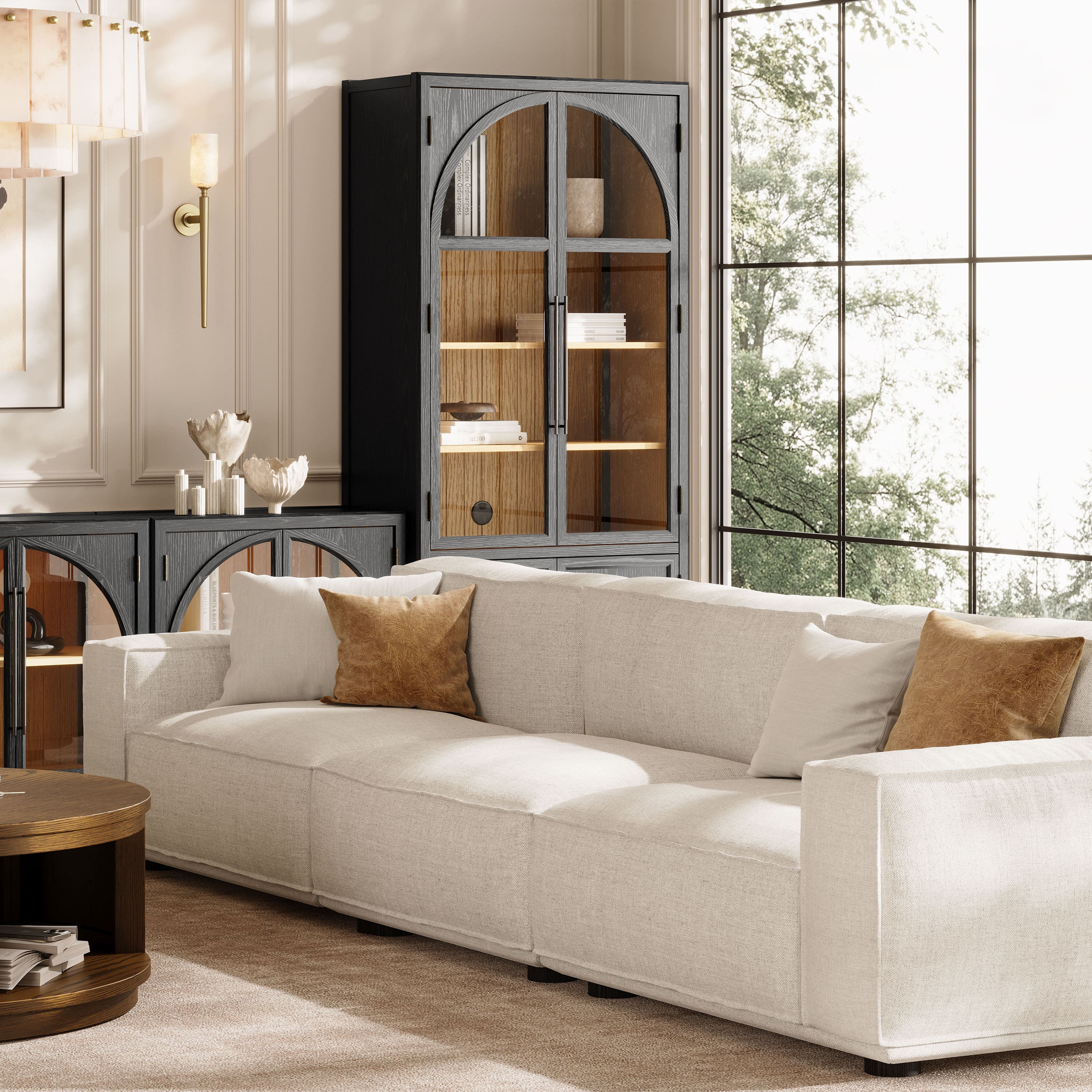
The Houlte Modular Sofa: Designed with premium white linen and signature arched red oak legs for timeless stability.

Breathable, highly durable premium white linen ensures year-round comfort and resists daily wear and tear.
If you are reading this, you might be debating whether your current sofa is at the end of its road. Do not wait until the wood snaps in half. Look for these critical failure signs:
Reupholstering a sofa is surprisingly expensive, often costing between $800 and $2,000 for labor and fabric alone.
The Rule of Thumb: If your sofa is an antique with a flawless, solid-hardwood frame (like mahogany or oak), or holds immense sentimental value, repair it. However, if your sofa is under 10 years old, has a plywood/MDF frame, and is sagging, do not waste money on reupholstering. The cost of repair will often exceed the price of buying a brand-new, modern, highly durable modular sofa.
Sofas rarely die from a single event; they die from a thousand tiny cuts. By implementing a few easy habits, you can drastically slow down the aging process.
So, how long do couches last? The answer is entirely up to the choices you make. By avoiding cheap particle board, prioritizing high-resilience foam and sinuous spring suspension, and committing to basic weekly maintenance, you can ensure your sofa lives at the absolute top end of that 7 to 15-year spectrum.
More importantly, the future of furniture longevity lies in adaptability. By choosing a high-quality modular system like those crafted by Houlte—featuring solid red oak foundations, durable linen, and replaceable components—you are no longer buying a static piece of furniture. You are investing in a living room ecosystem designed to evolve, endure, and provide uncompromising comfort for decades to come.
A lower-tier couch may begin sagging in as little as 3 years due to low-density foam and cheap elastic webbing. However, a premium sofa built with sinuous springs, high-density webbing, and high-resilience (HR) sponge should maintain a firm, supportive shape for 8 to 10+ years before any noticeable sagging occurs.
Practically speaking, yes. While the baseline durability depends on the materials used (wood type, foam density), modular sofas inherently last longer because they are adaptable. If one module is severely stained or the frame is damaged, you can replace that single piece rather than discarding the entire sofa, significantly extending the set's overall lifespan.
Yes. High-quality, tightly woven linen is exceptionally durable. It is naturally thicker and up to 30% stronger than cotton. It resists pilling, is highly breathable (which prevents moisture buildup inside the cushions), and ages gracefully, making it an excellent choice for a long-lasting aesthetic, provided spills are spot-cleaned promptly.
In most modern cases, it is cheaper to buy a new couch. Reupholstering a standard 3-seater sofa can cost between $800 and $2,000+ for fabric and specialized labor. Unless your current sofa has a highly valuable antique solid-hardwood frame (like 8-way hand-tied oak), investing that money into a new, high-quality modular sofa is the smarter financial decision.
Share:
How to Get Blood Out of a White Linen Sofa (Fresh & Dried Stains)
How to Clean a Fabric Sofa (Without Water Rings): The 2026 Ultimate Guide