


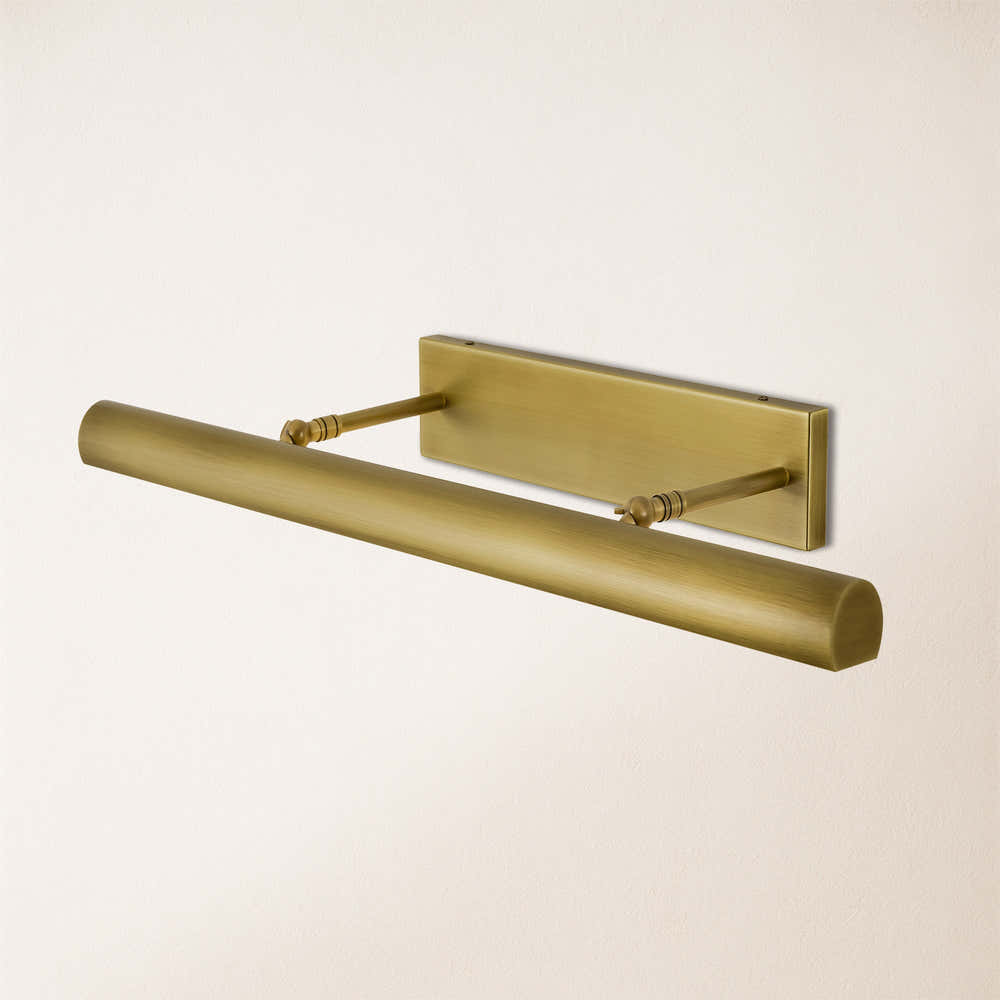


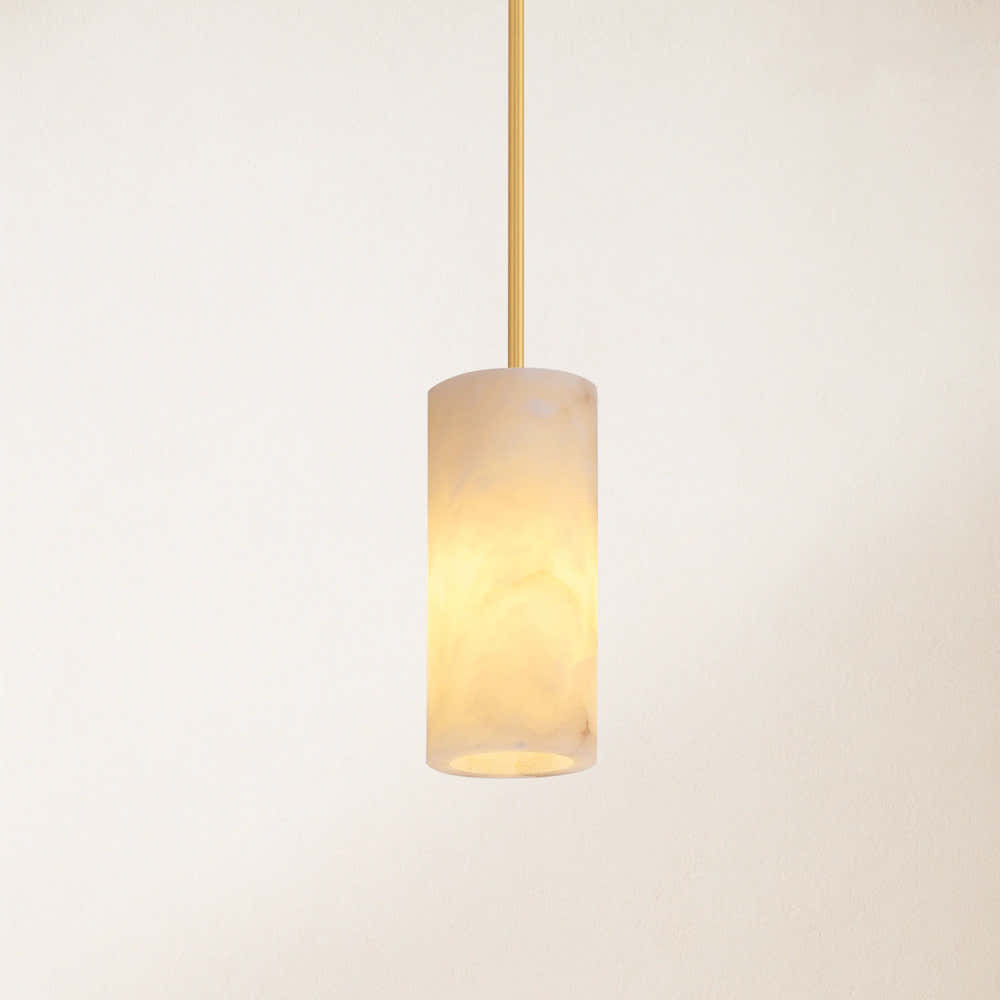


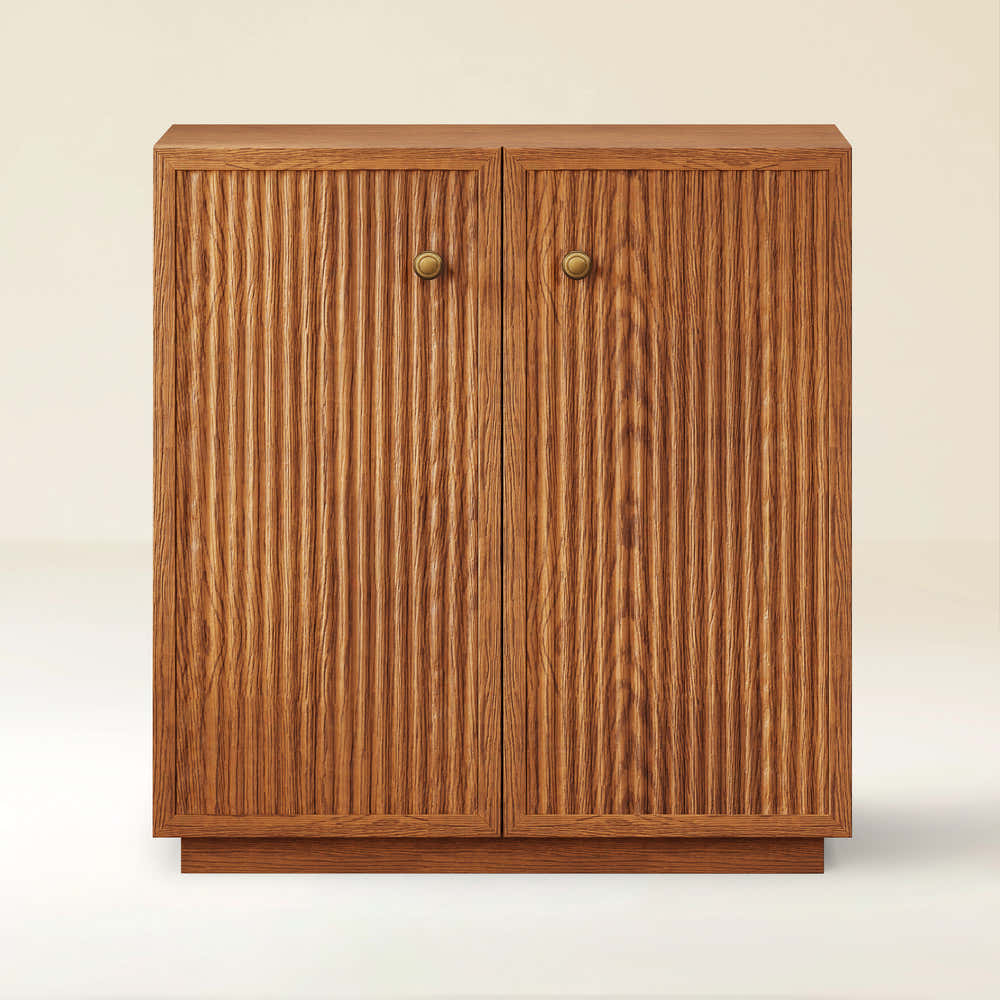
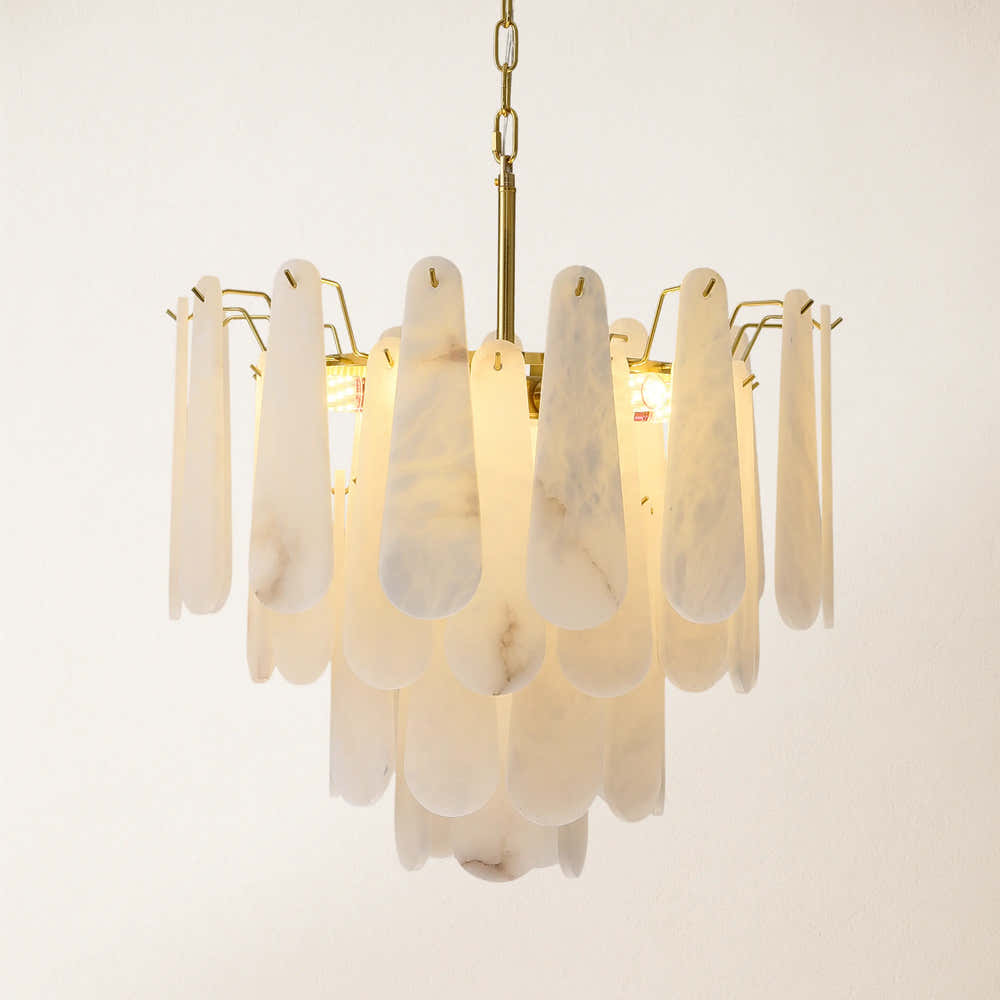












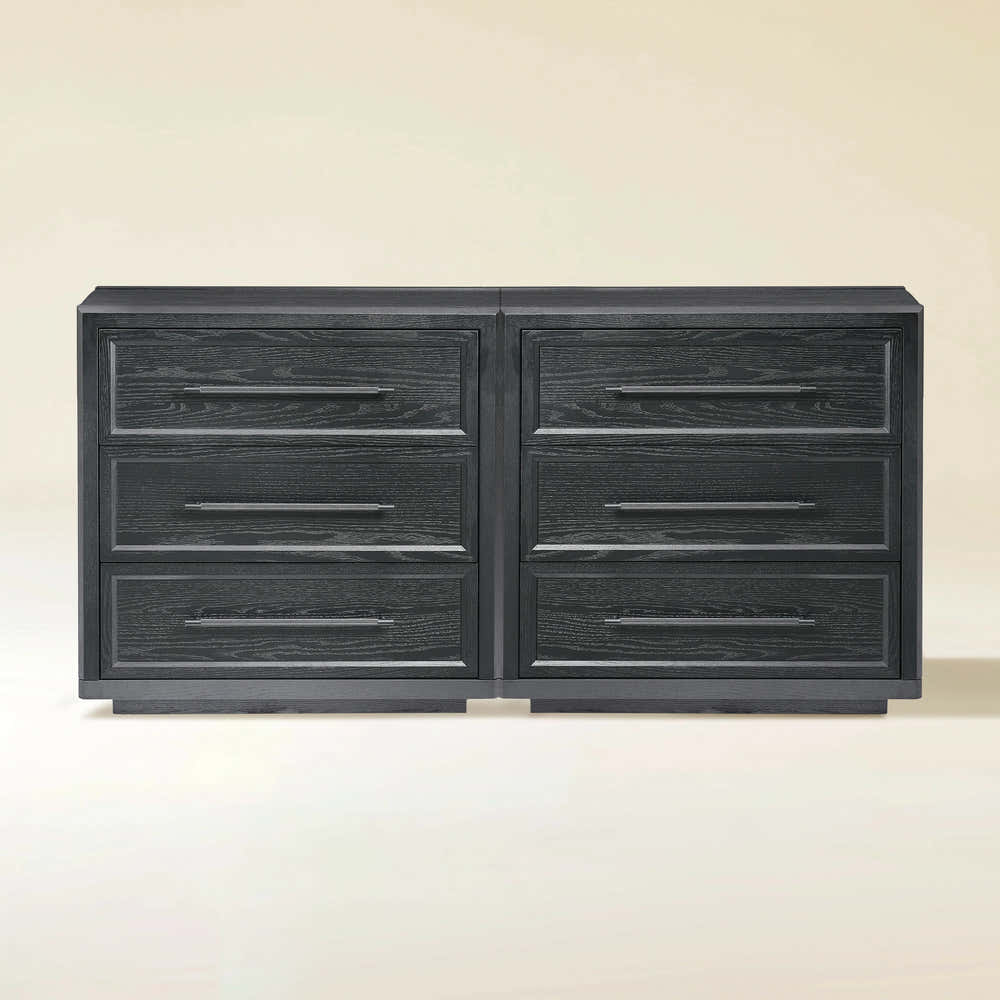


Alvar 61″ Oak 6-Drawer Chest(Set of 2)

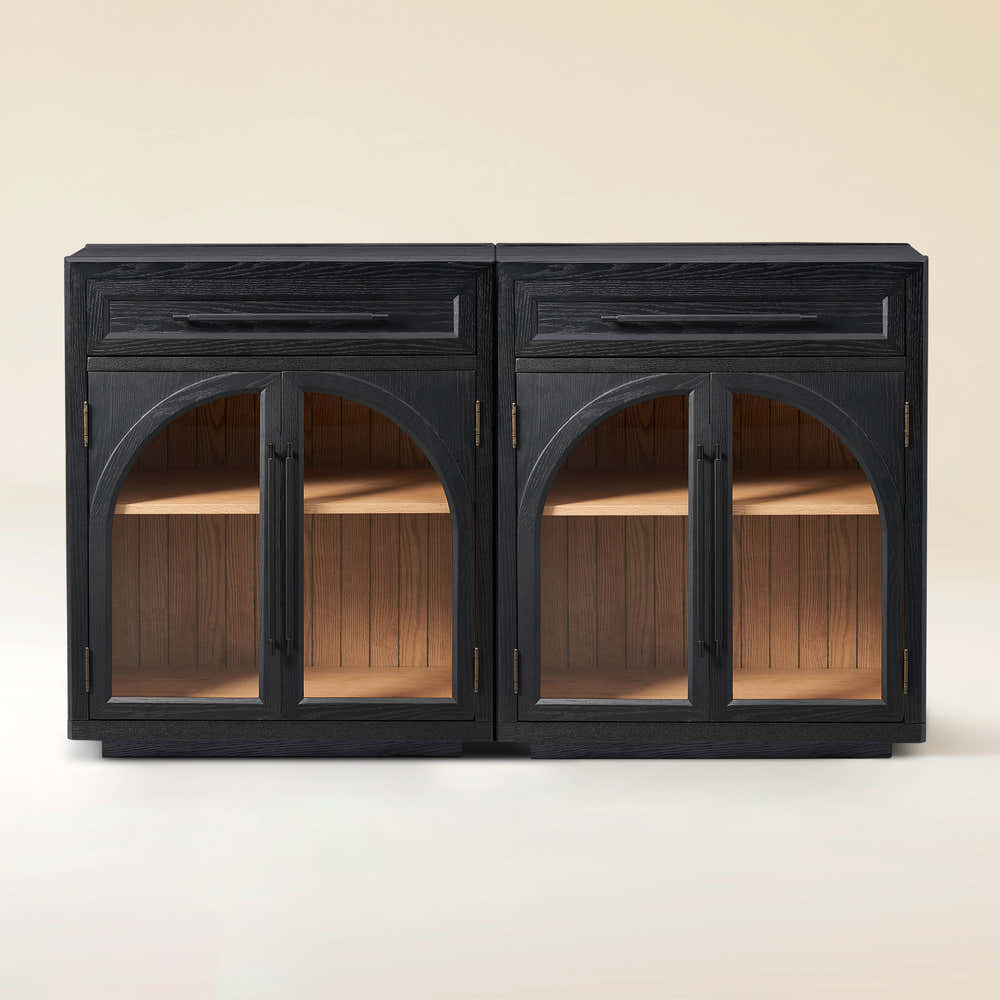


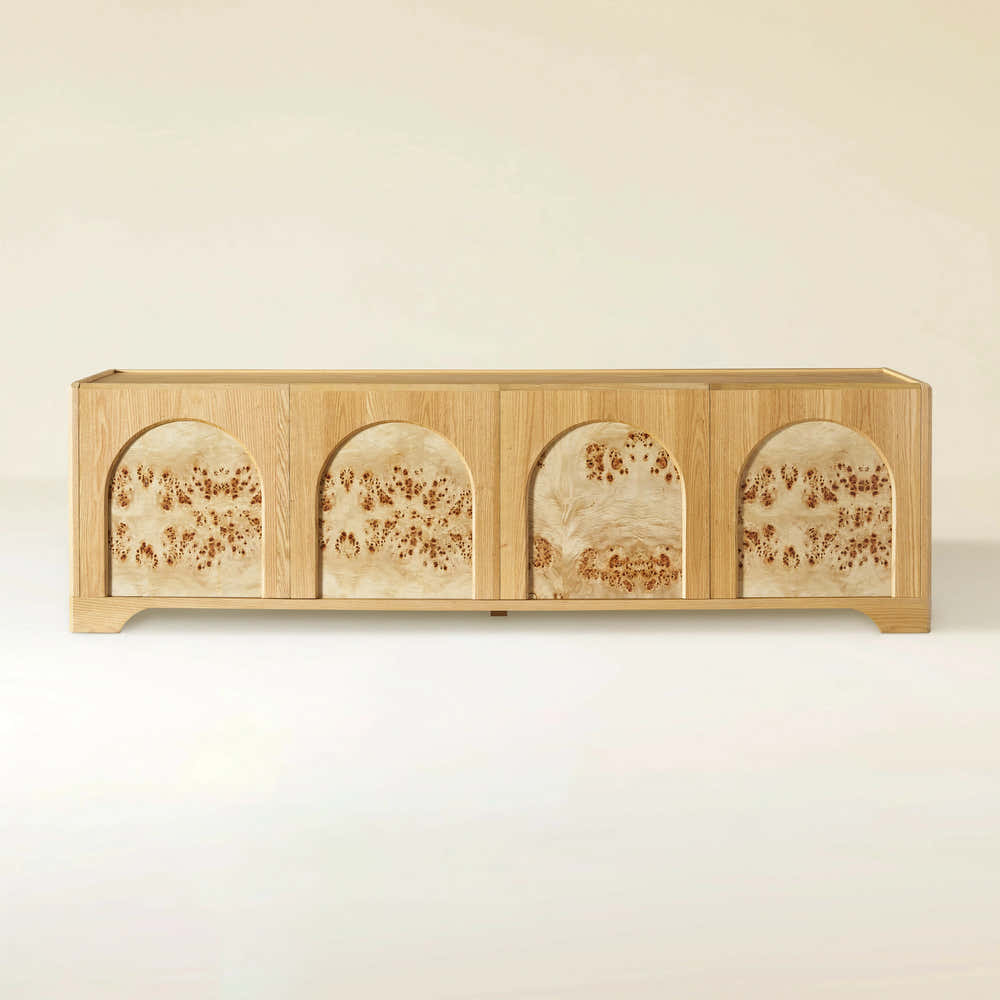
Alvar Arched 61" Oak Sideboard with Drawers(Set of 2)
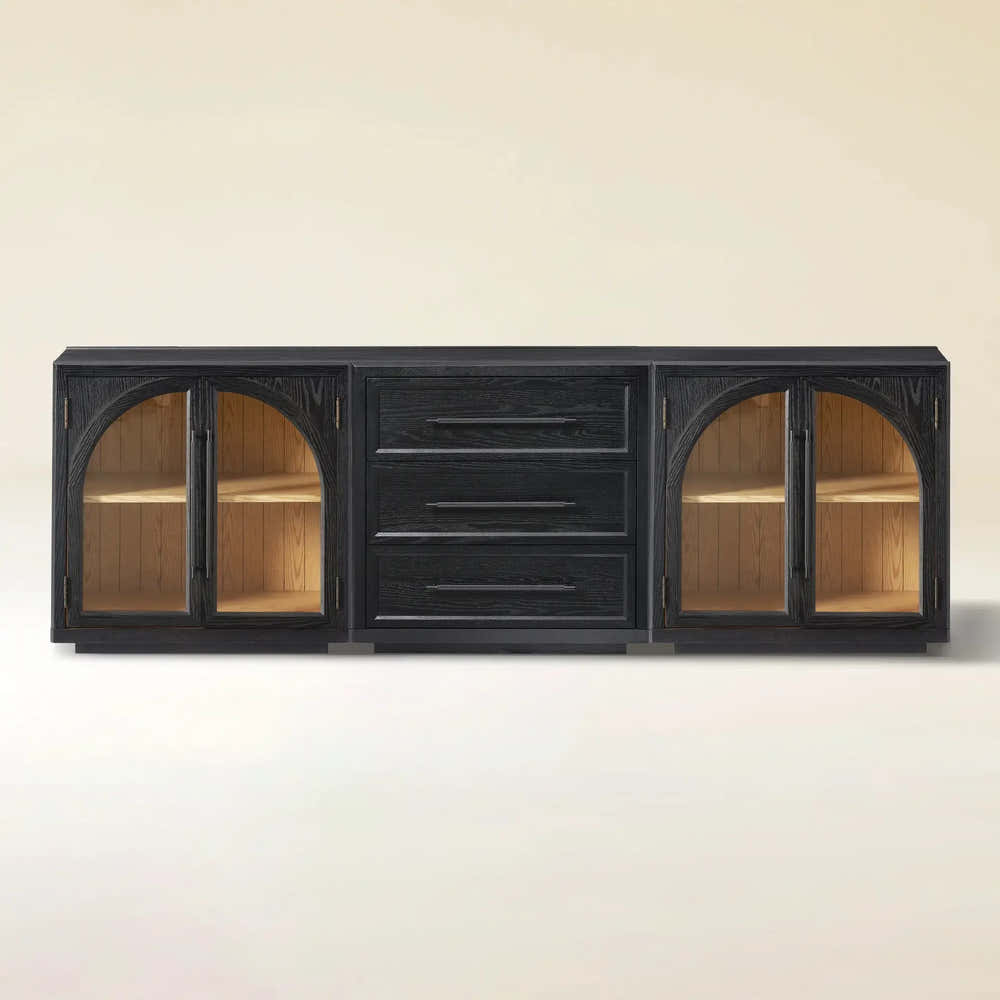


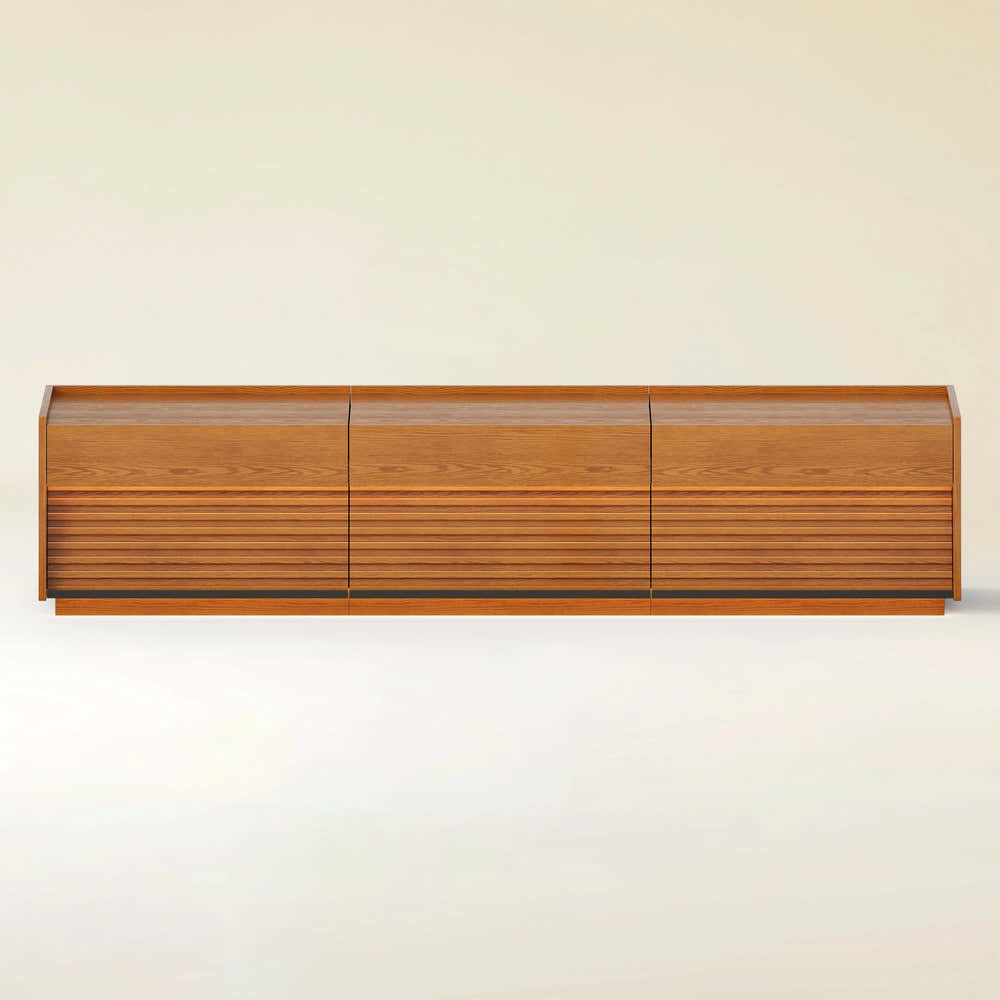
Alvar Arched 91″ Oak Modular Media Console(Set of 3)
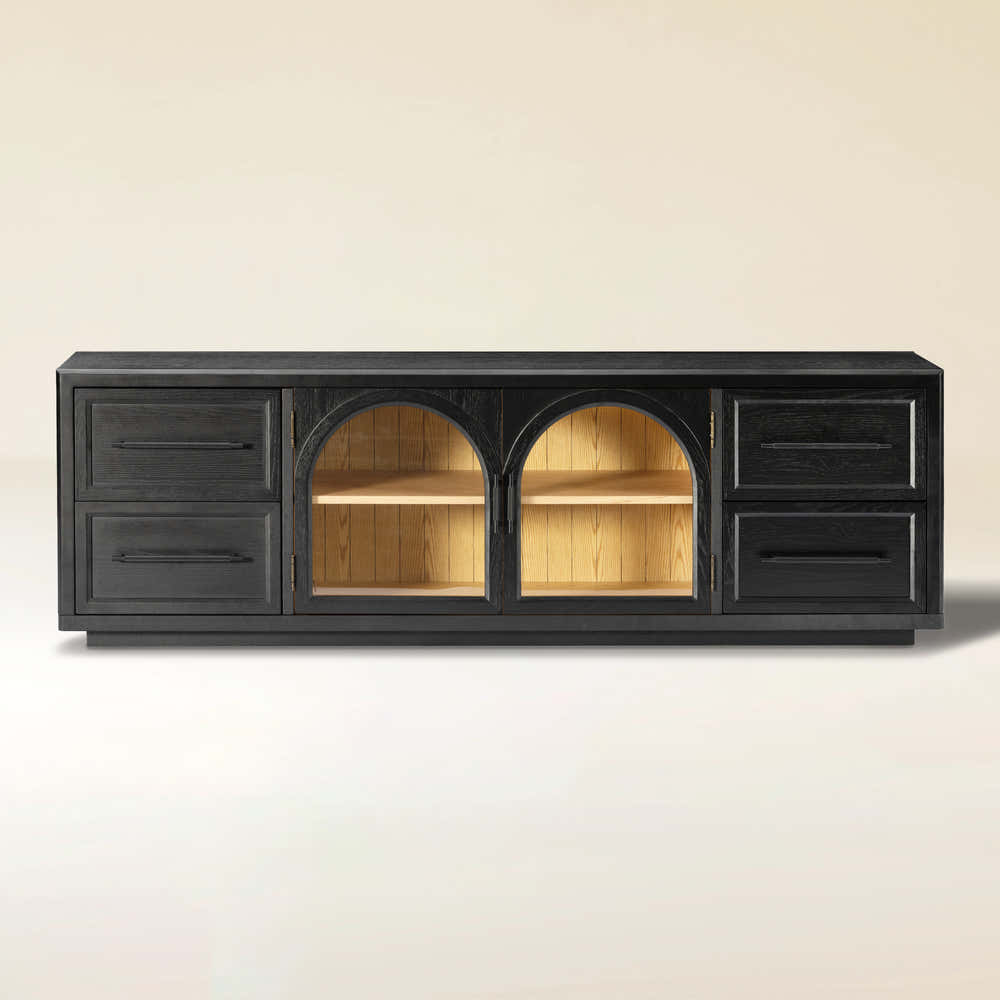
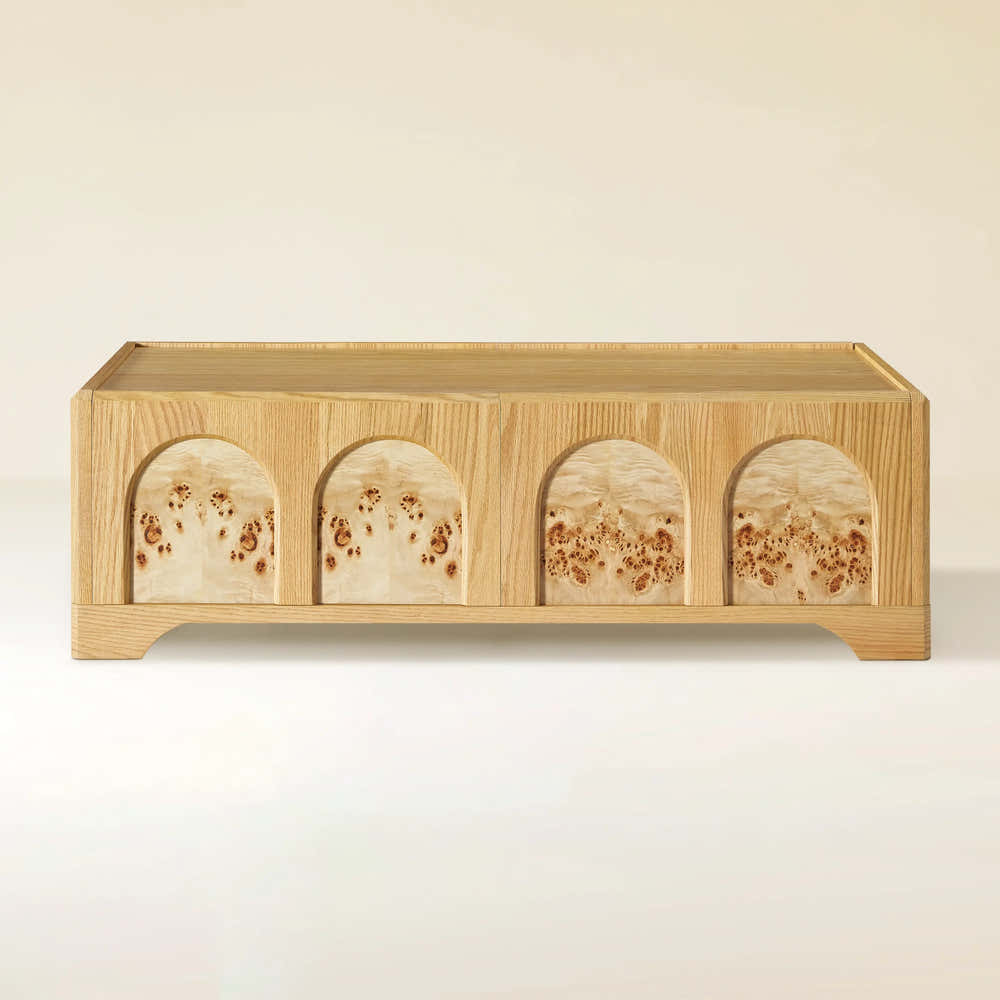
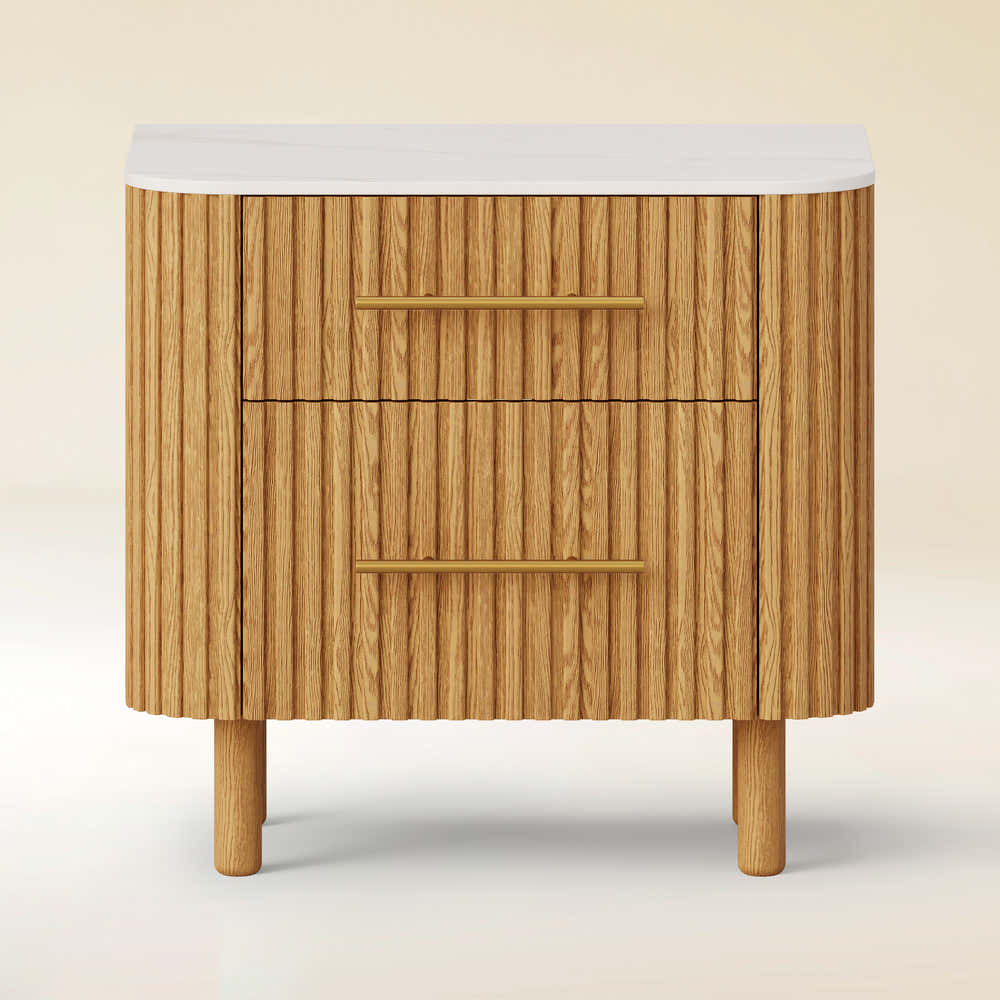


Charlie Sintered Stone Nightstand 26" W

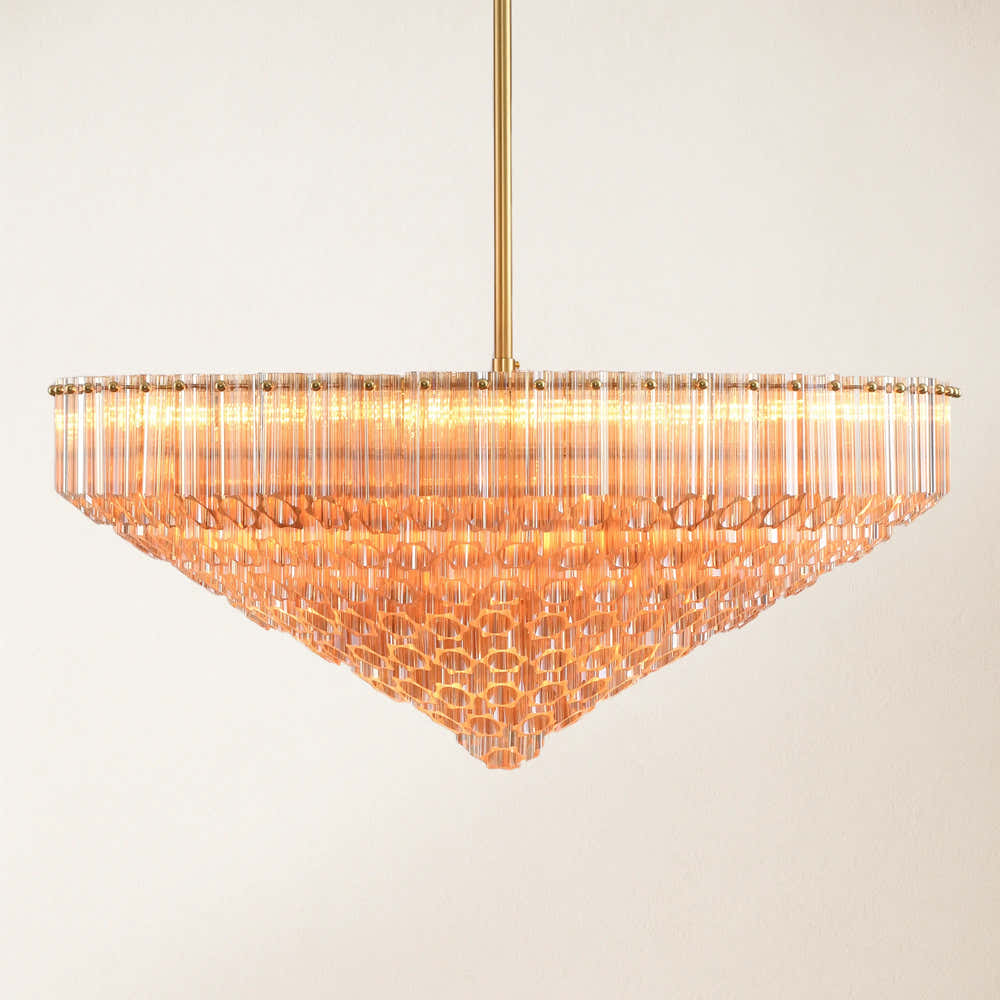


Ethereal Crystal Radiance Round Chandelier 30"D


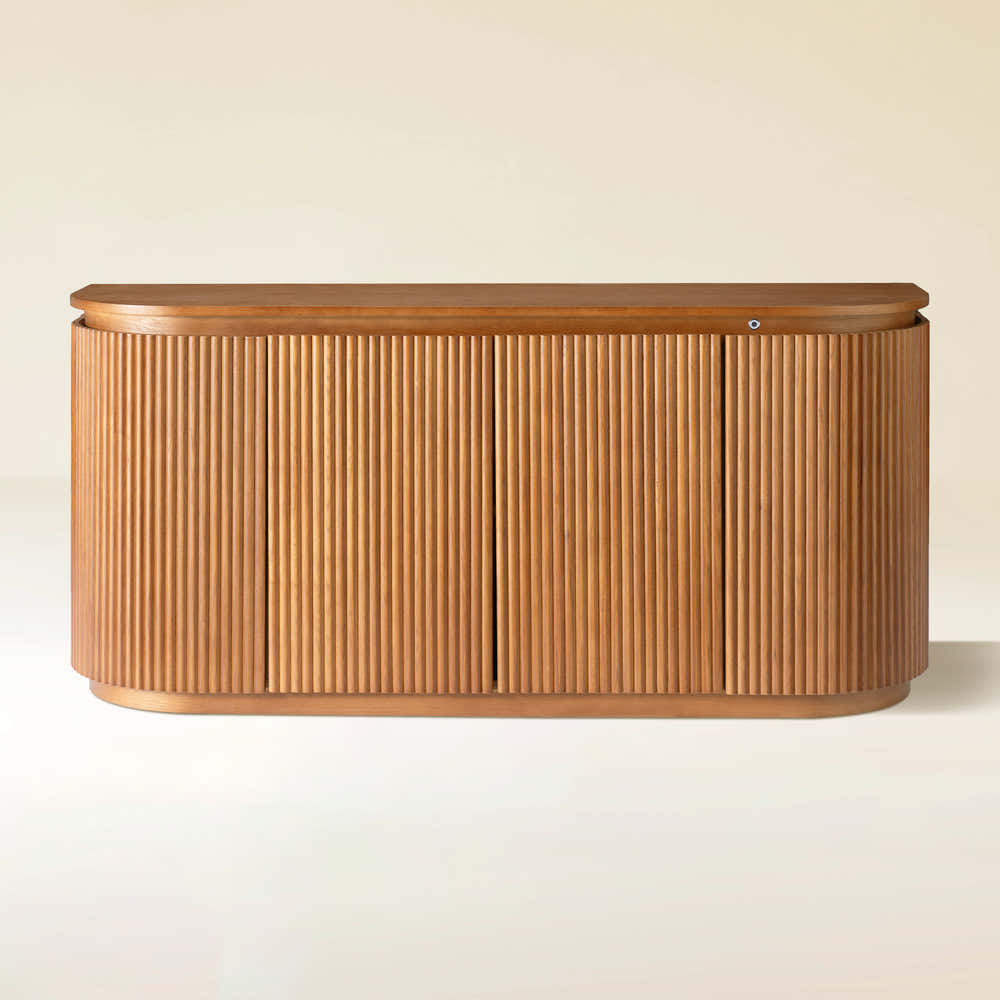
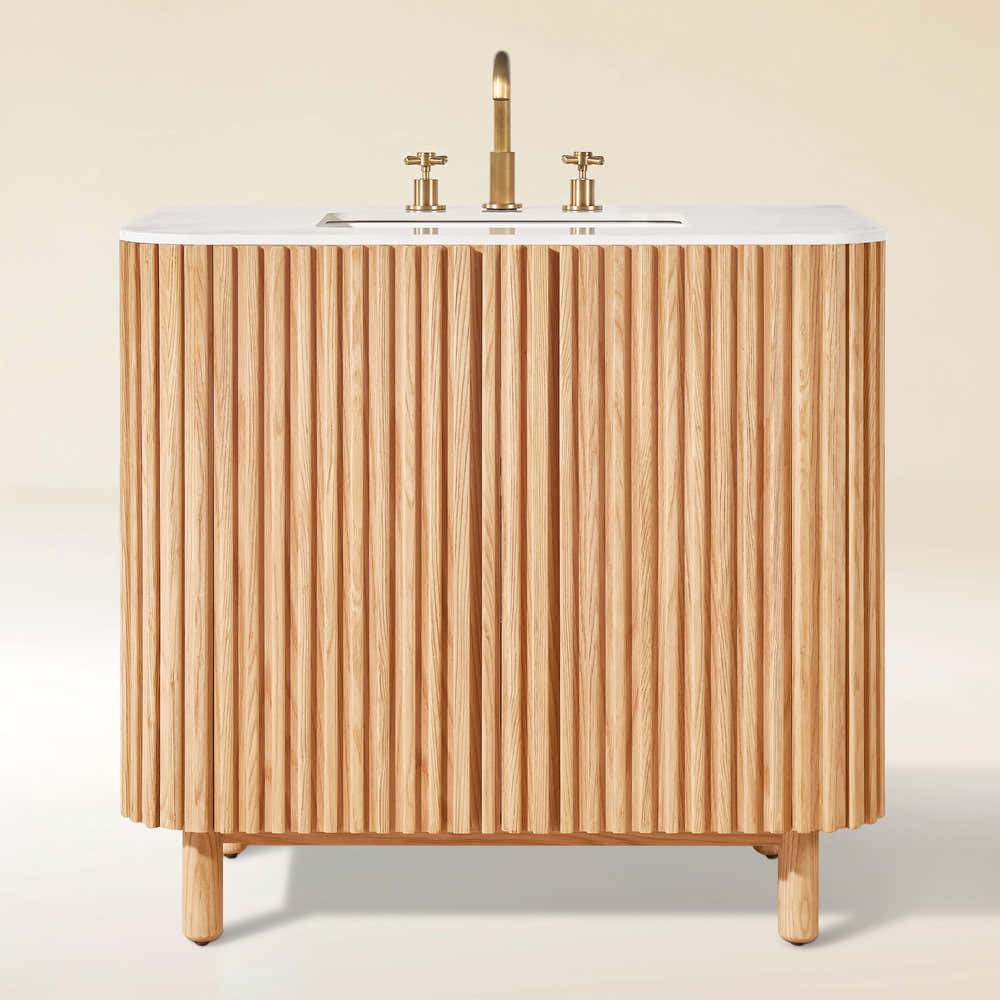
Ewan 63" Oak Slatted Sideboard Buffet Cabinet
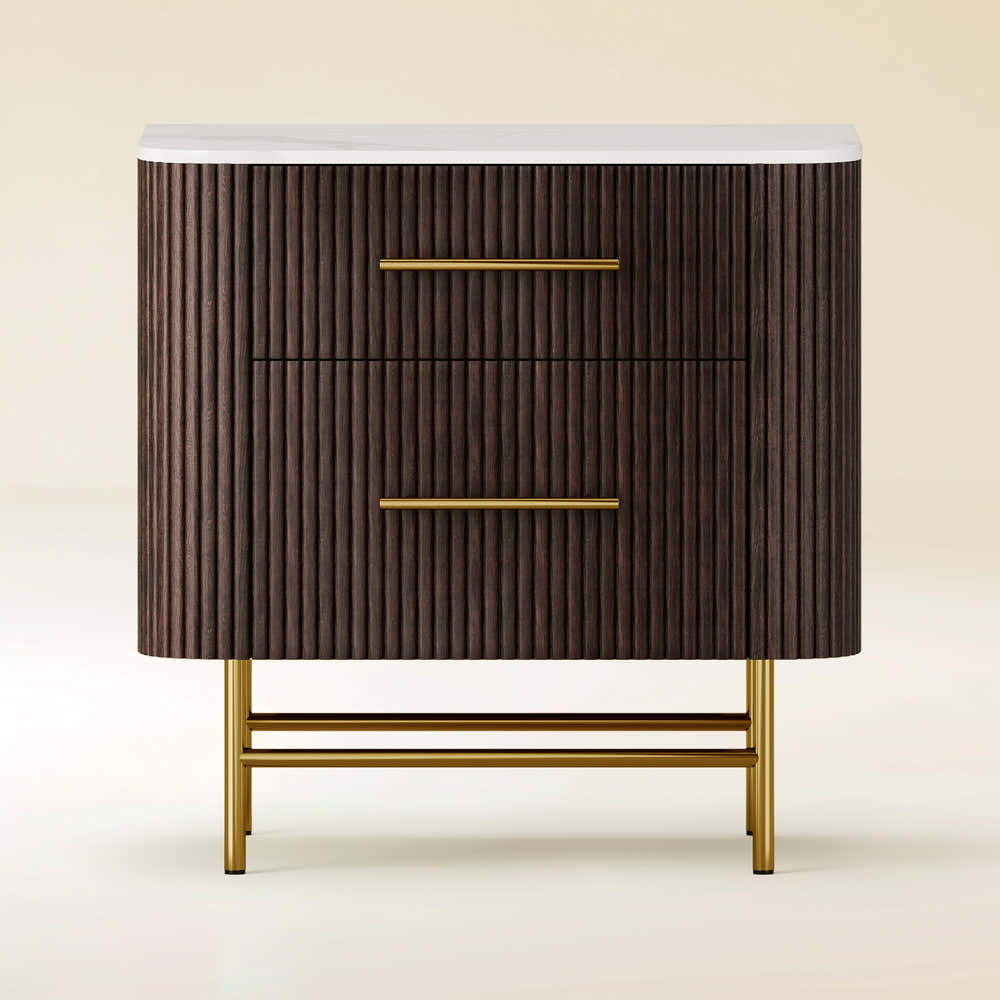


Ewan Sintered Stone Nightstand 26"W
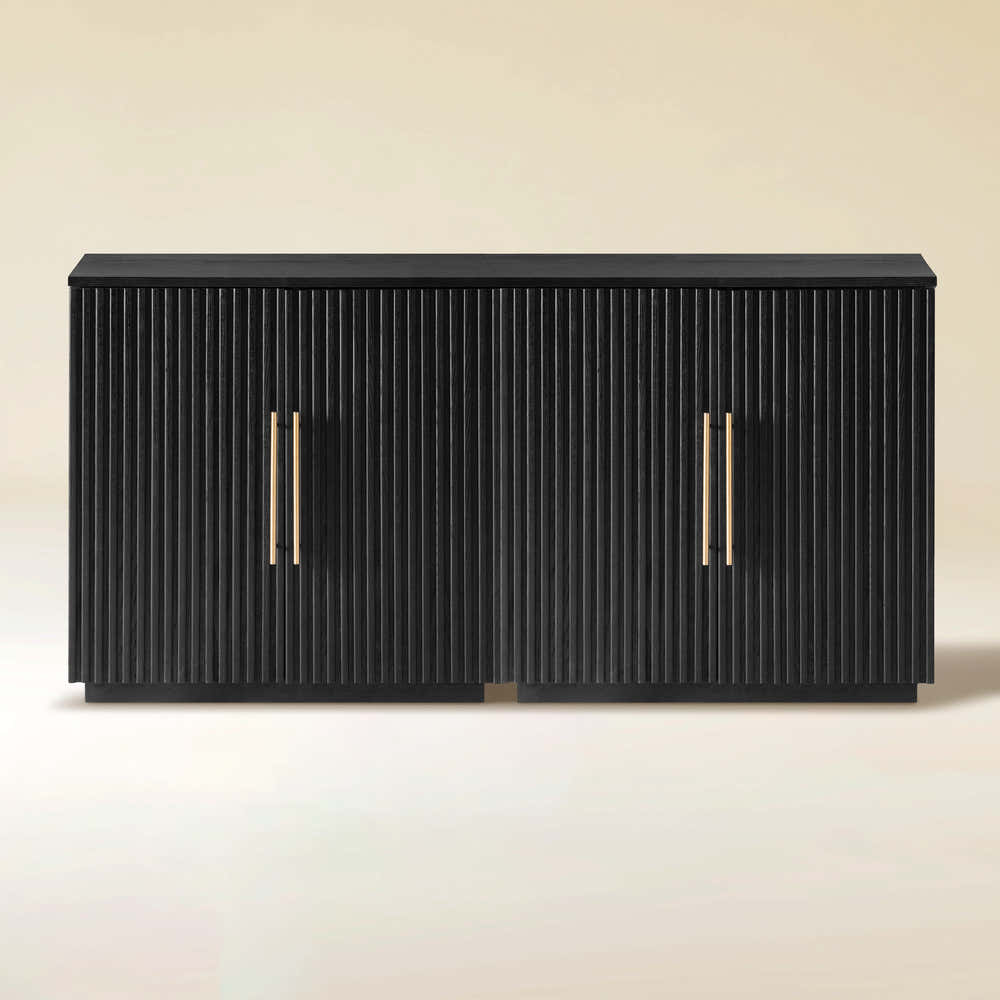


Holt 63″ Solid Oak Console(Set of 2)
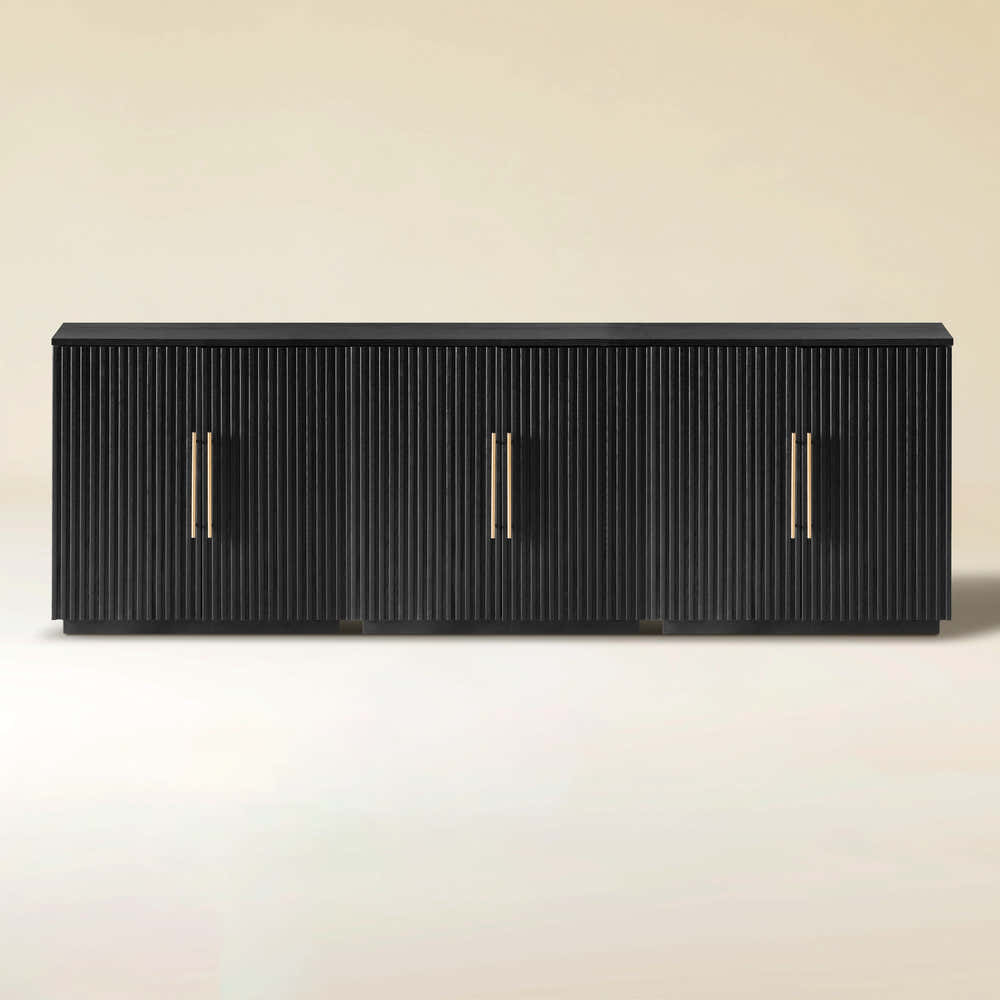


Holt 95″ Solid Oak Console(Set of 3)
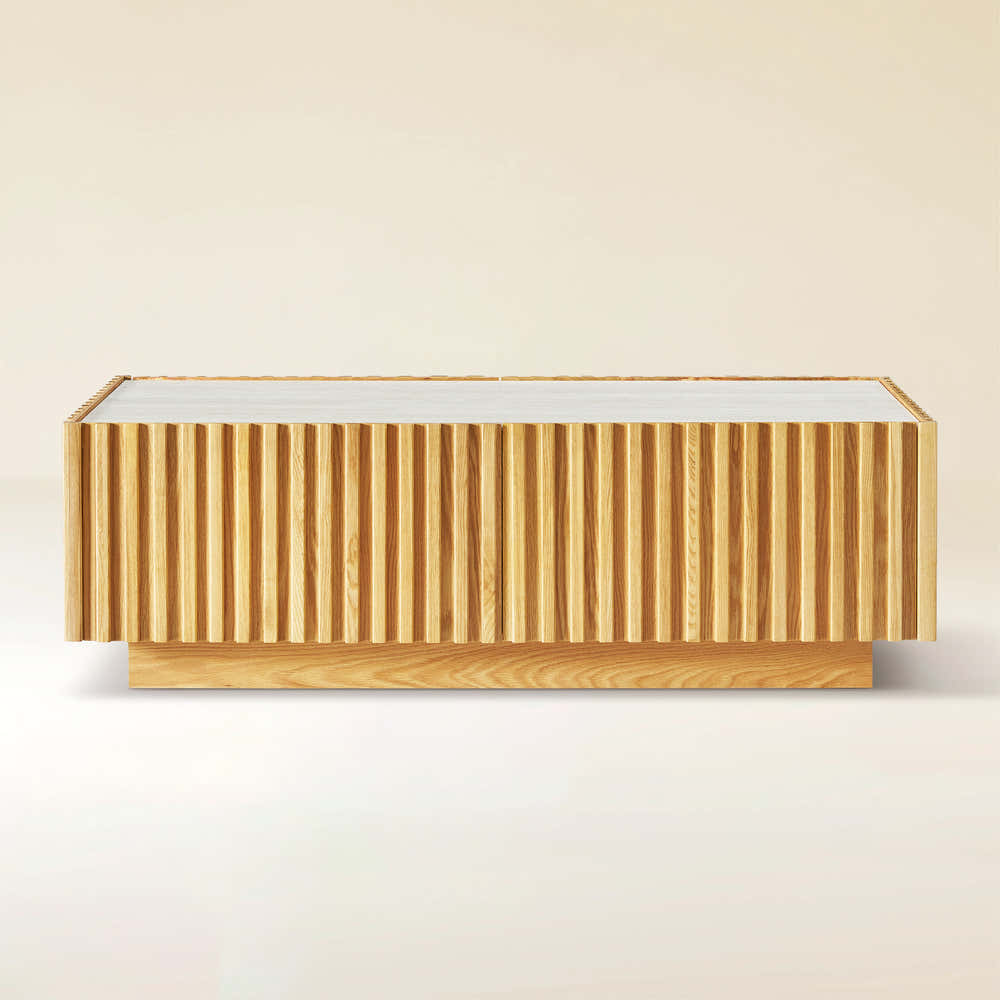
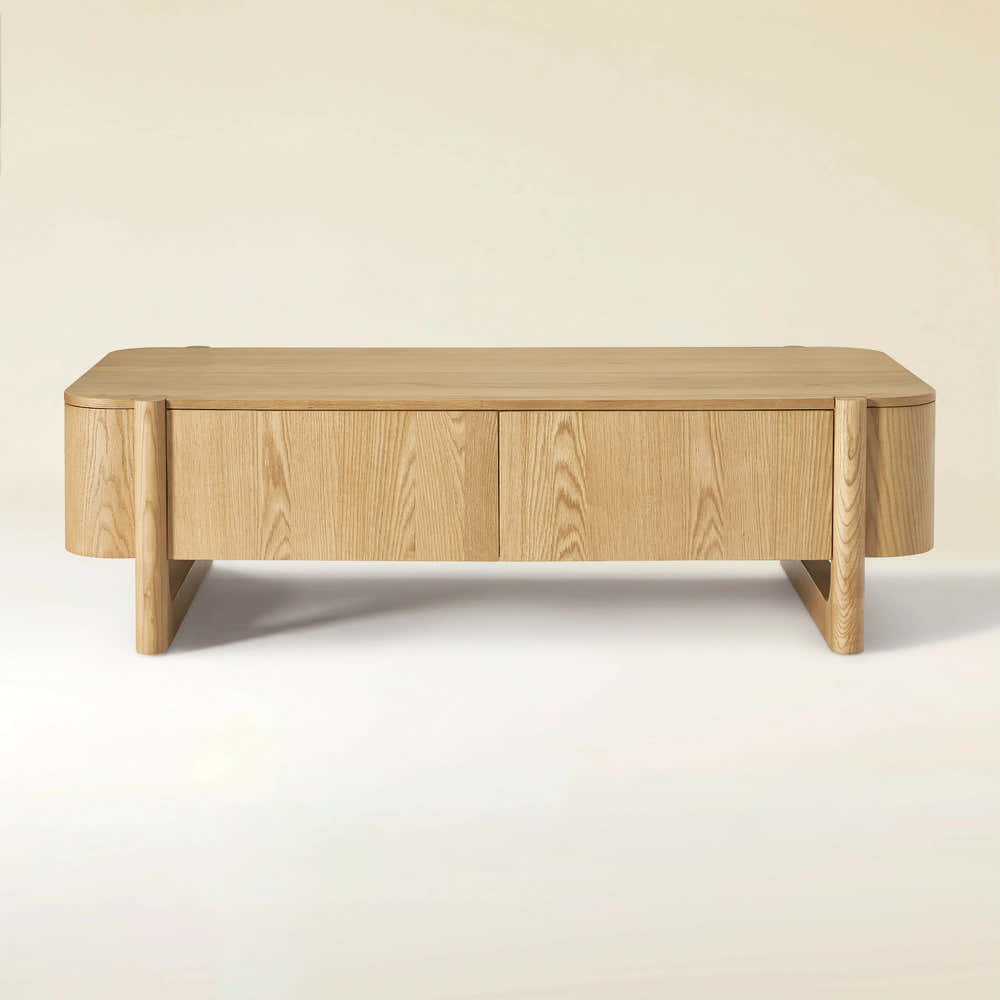
Isla Oak Sintered Stone Rectangle Coffee Table 120cm
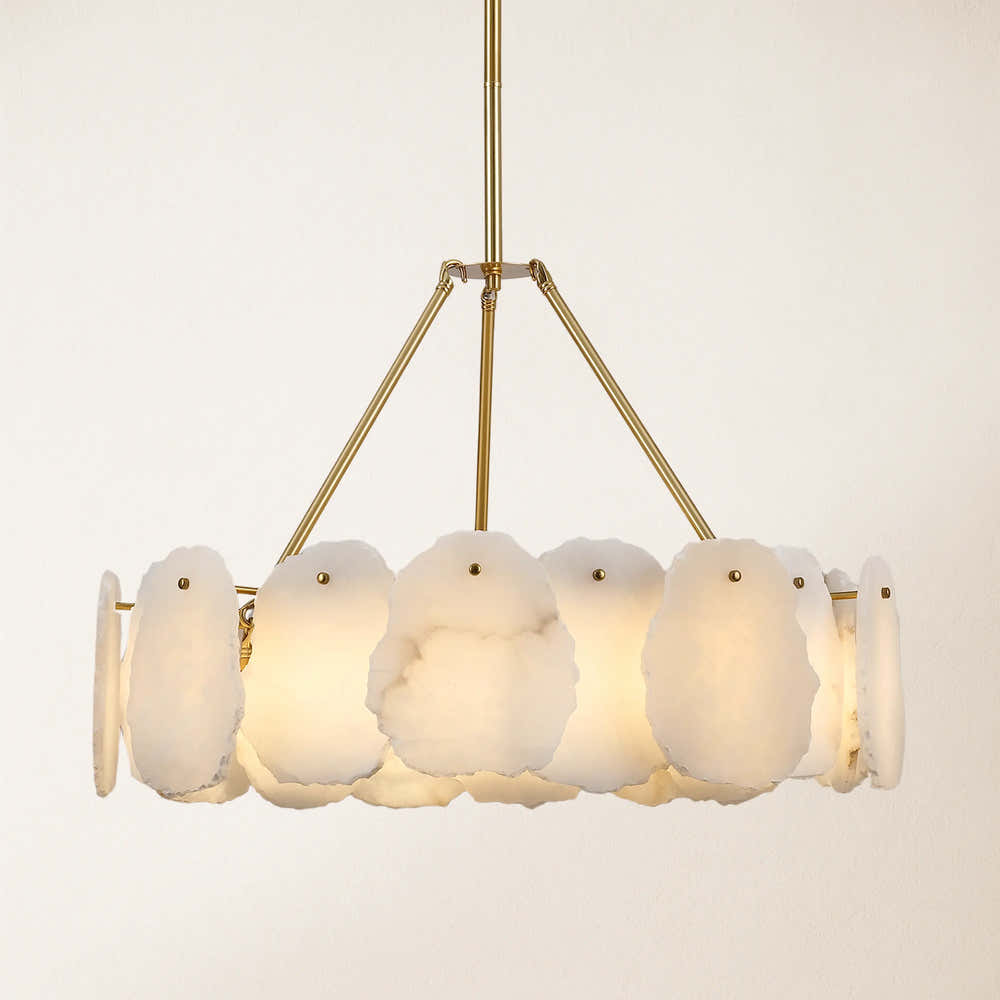


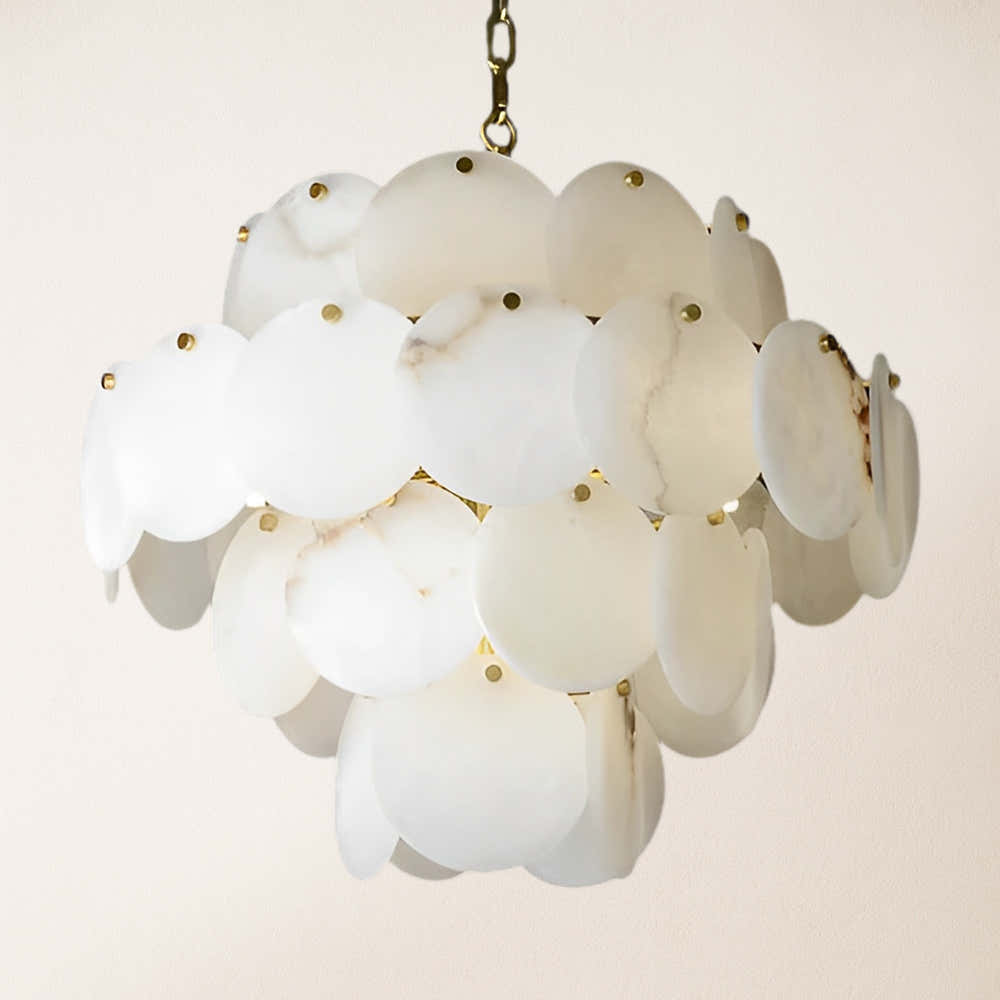
Moira Alabaster Round Chandelier 24"D
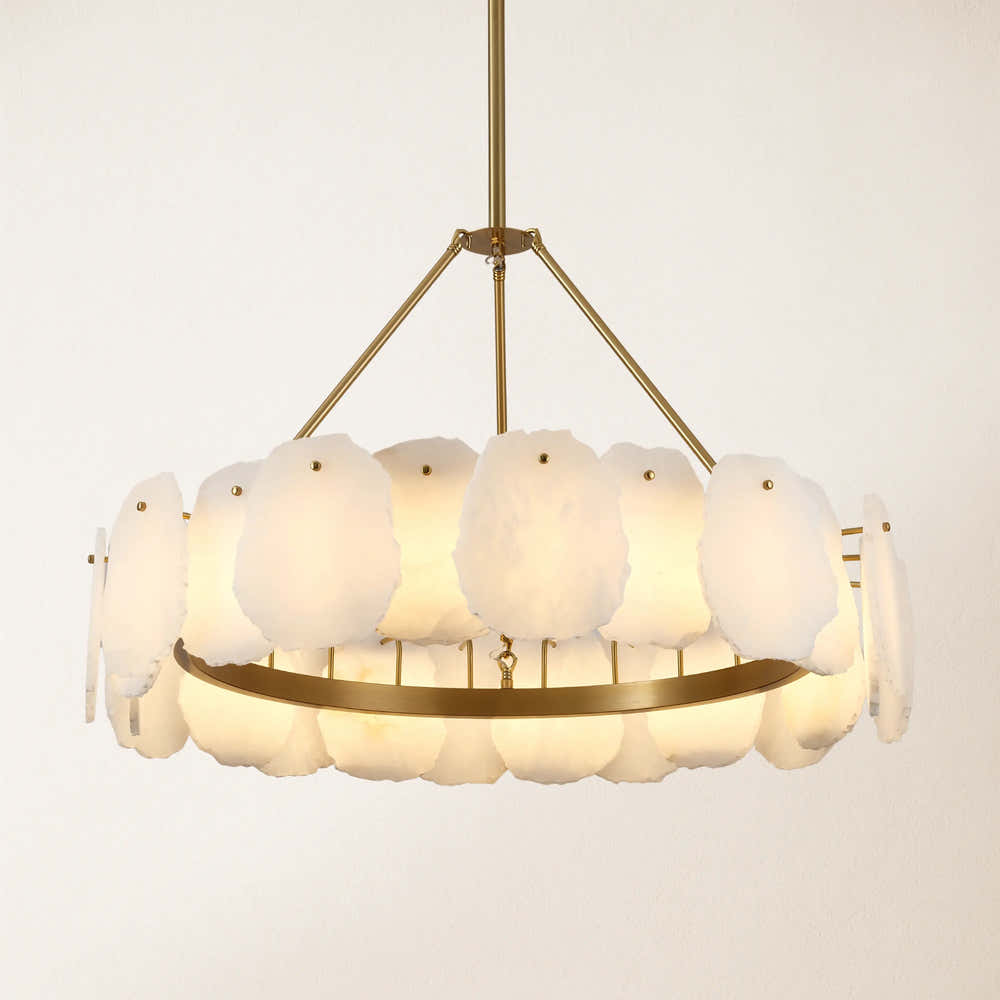


Moira Alabaster Round Chandelier 32"D
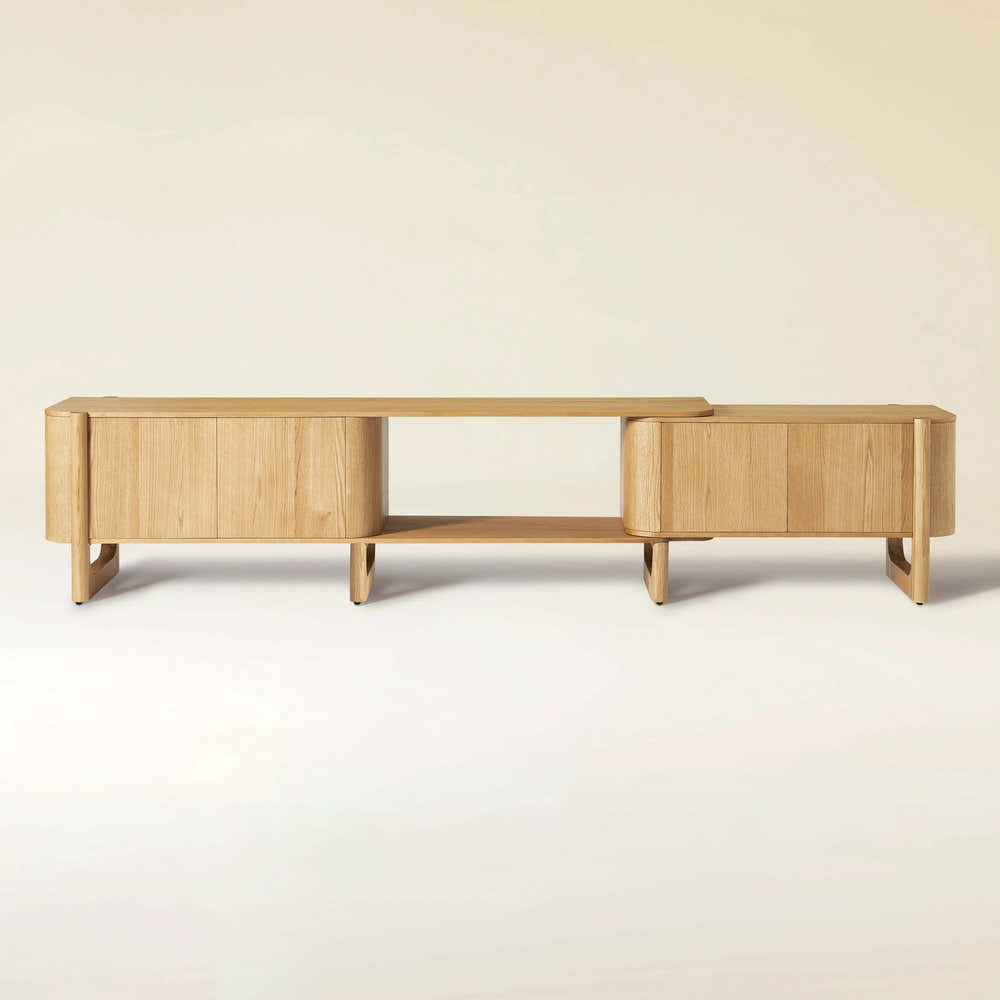
Silas Extendable TV Stand 203cm to 280cm
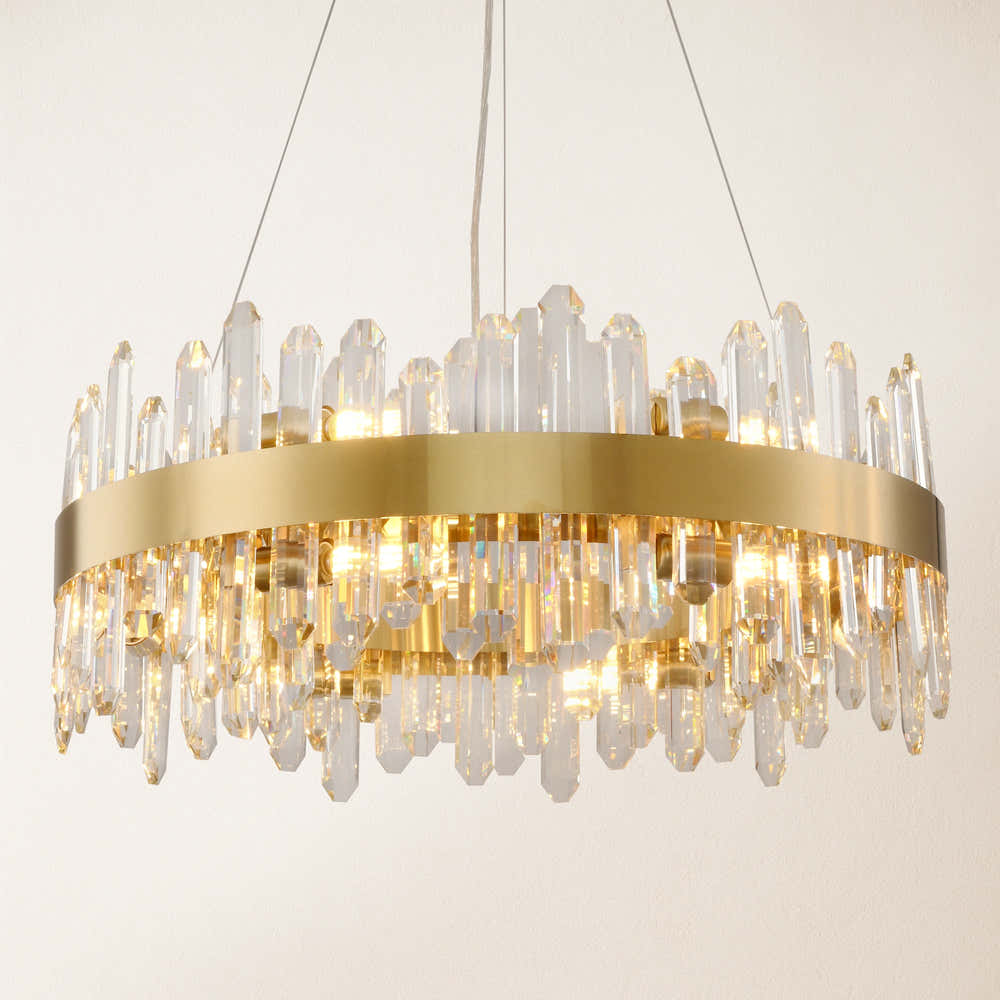
Stellara Crystal Strip Round Chandelier 24"D
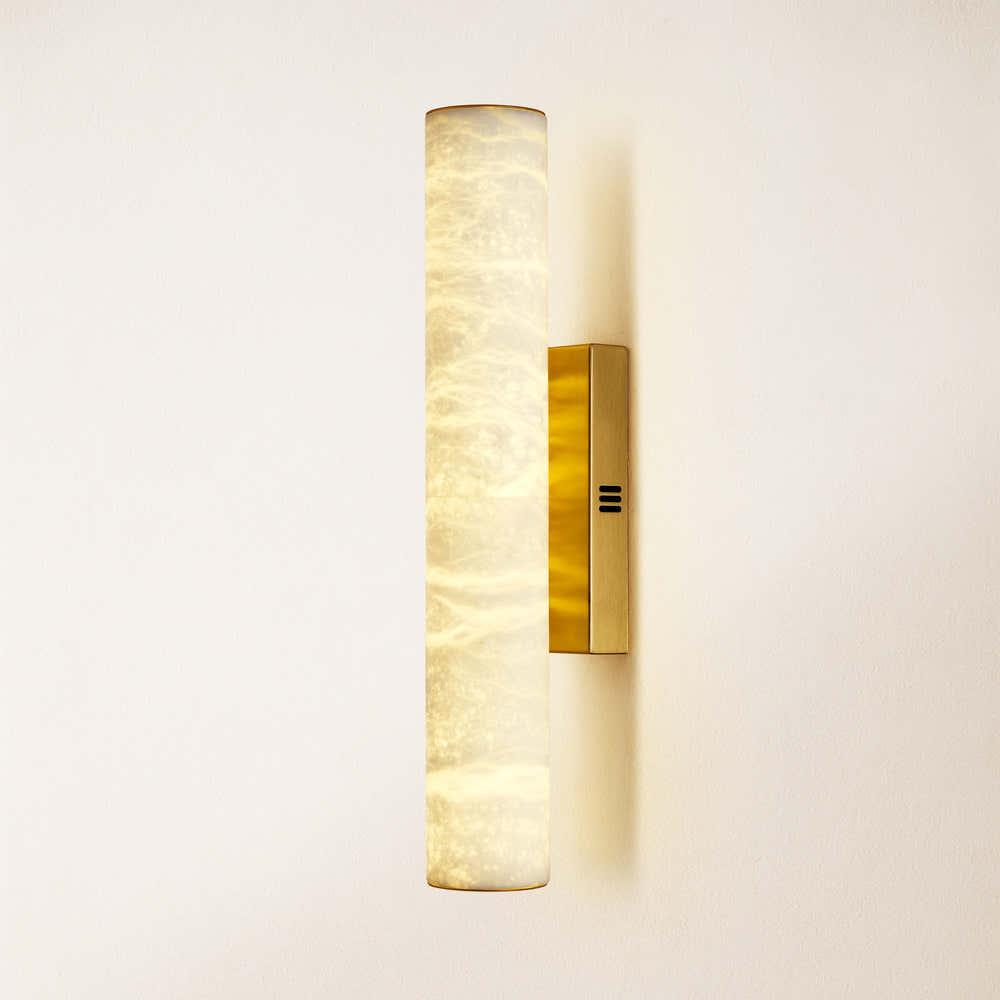


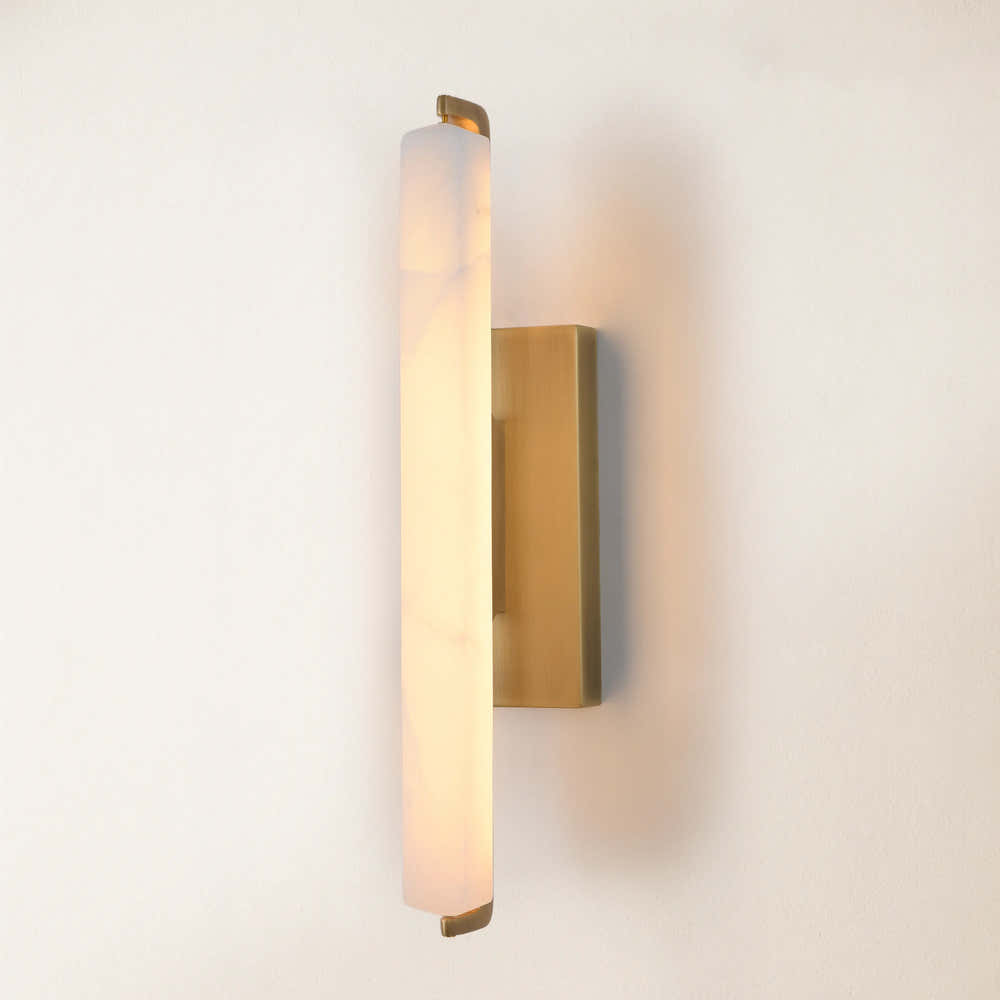
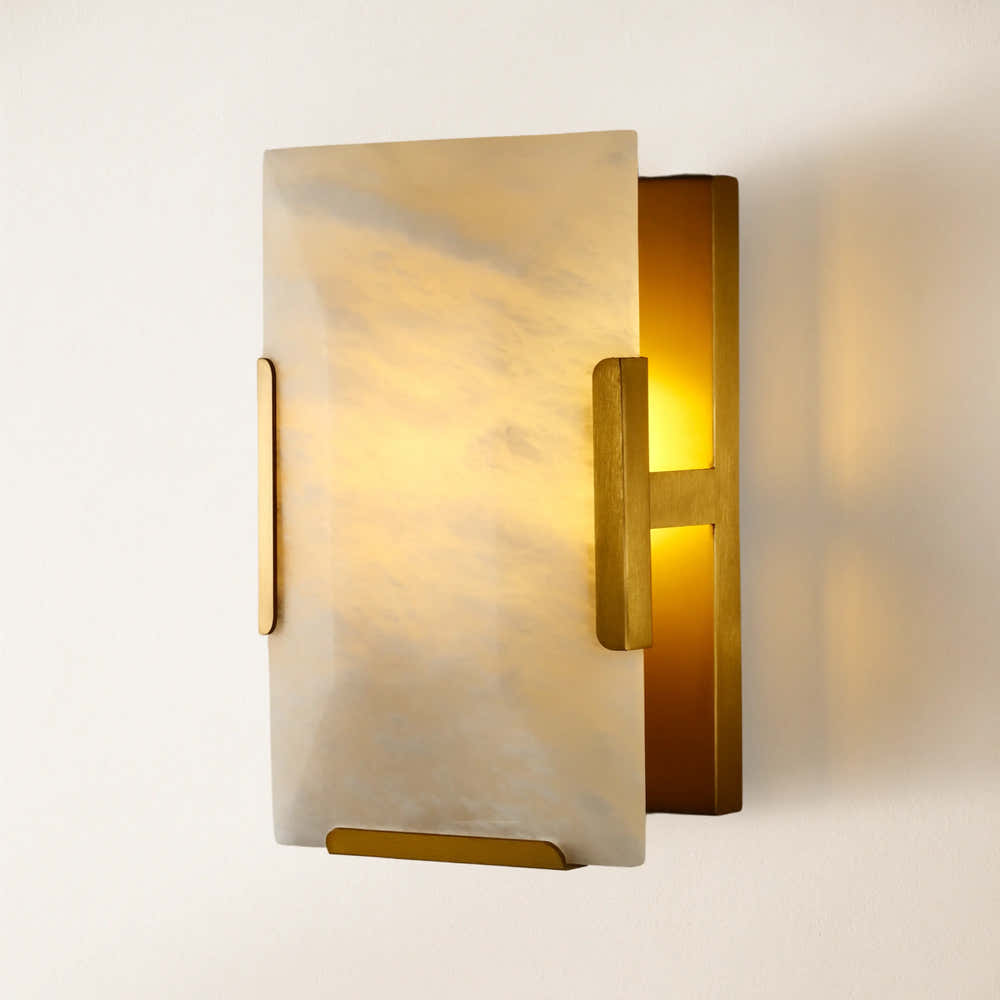
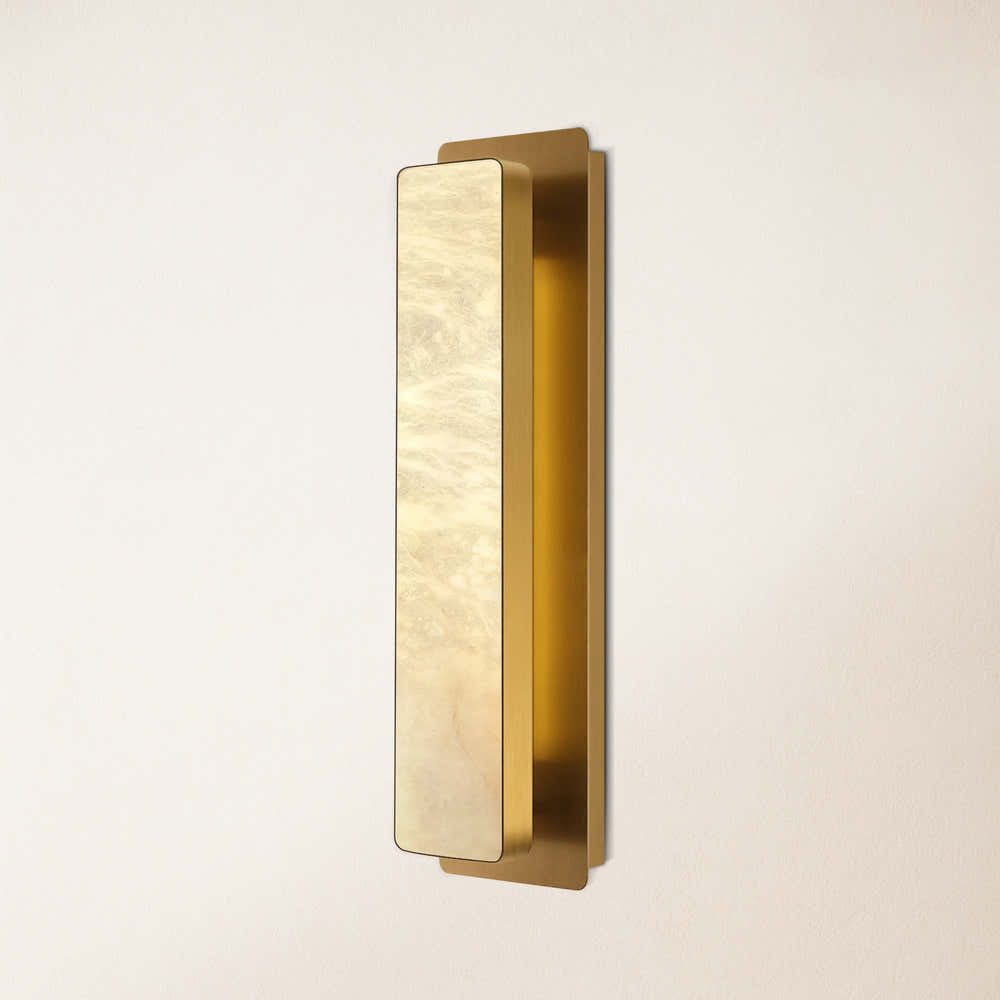
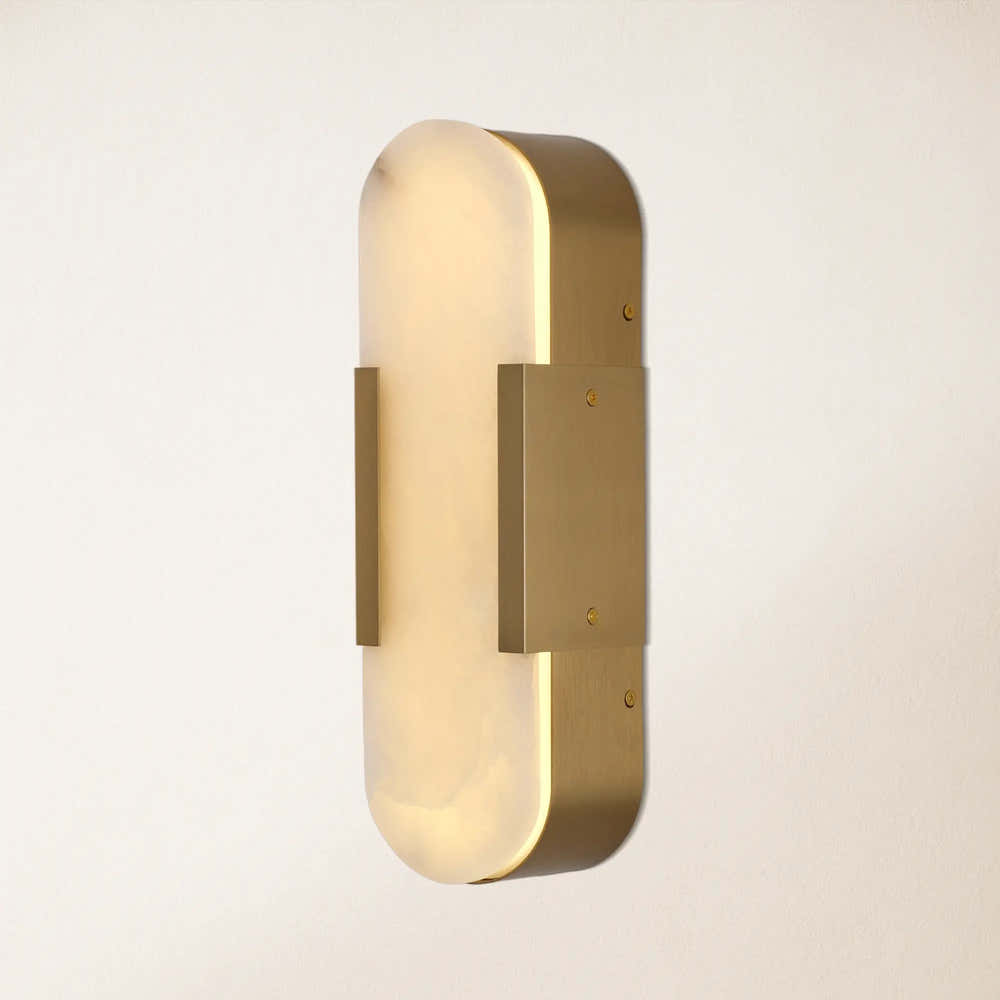
Sylvia Palladian Alabaster Wall Sconce 20"H
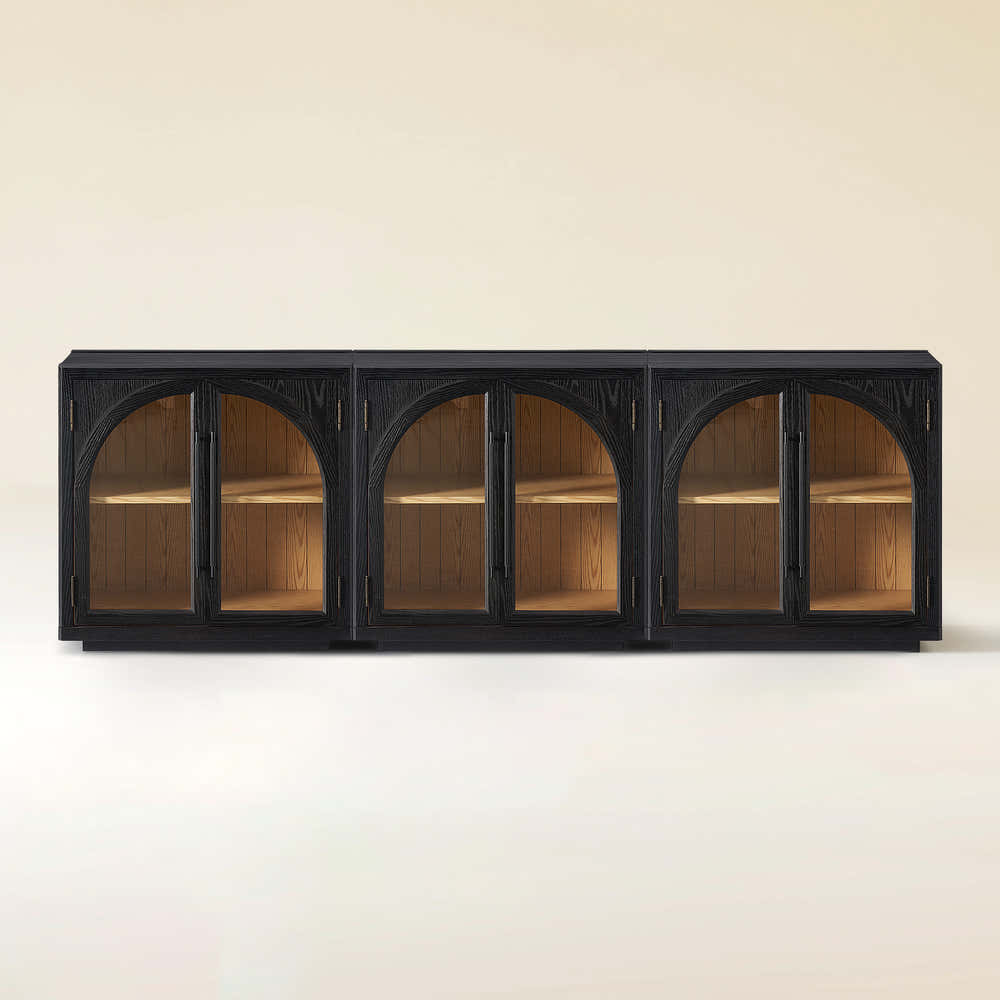


Alvar Arched 91″ Oak Media Console(Set of 3)
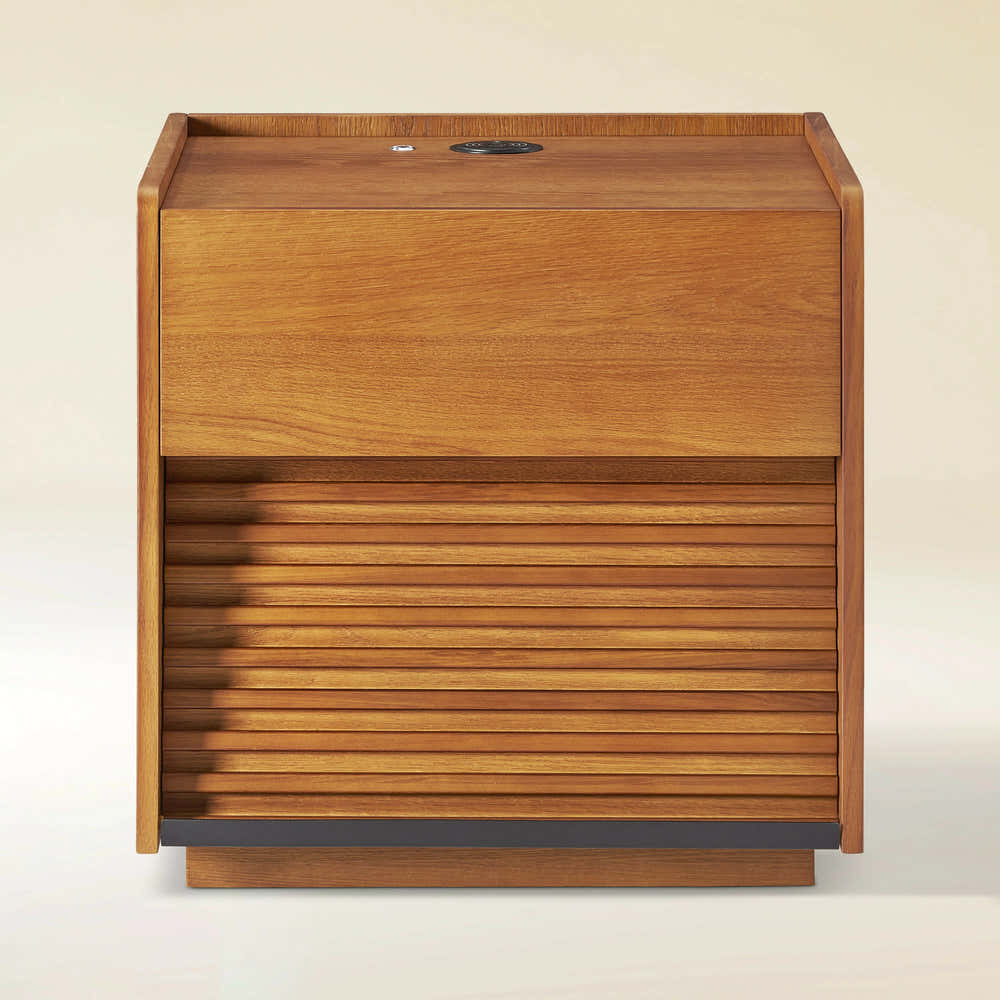


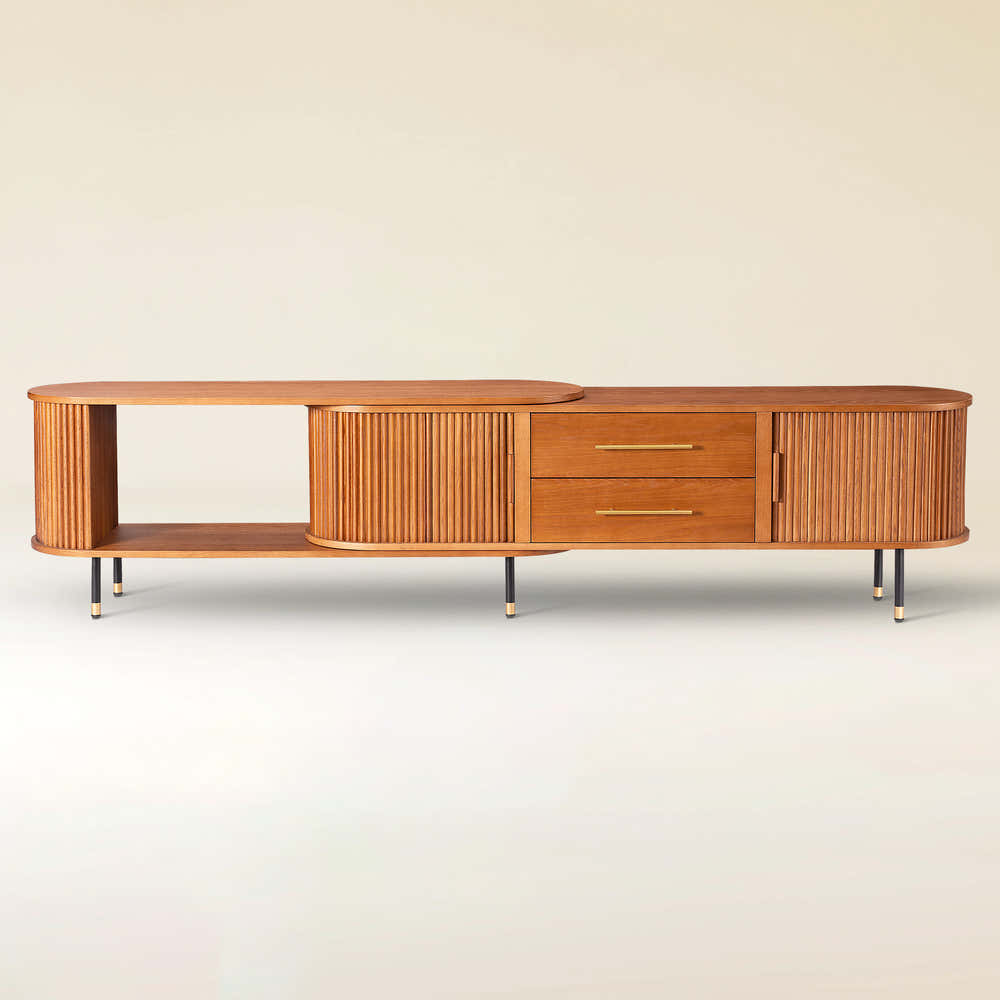
Ewan Oak Extendable Media Console 79" to 110"
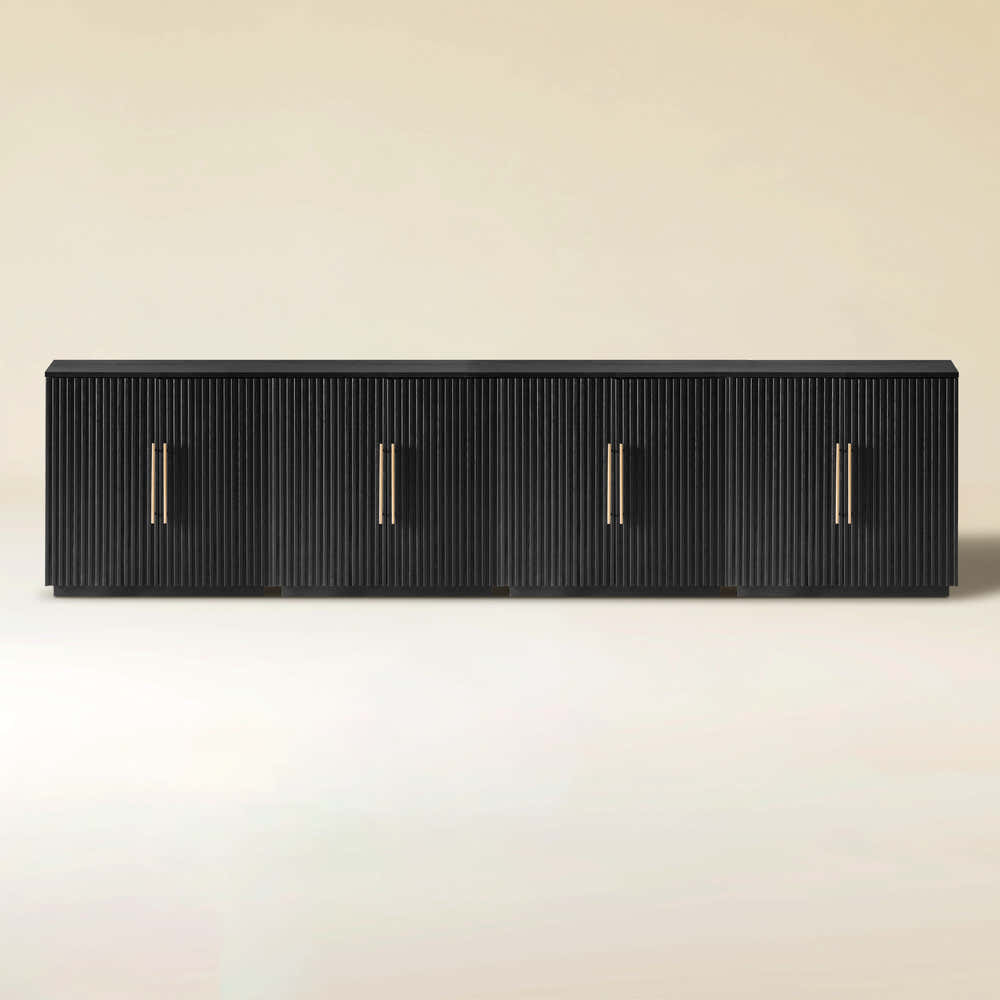


Holt 126″ Solid Oak Console(Set of 4)

FSC FCOC47059 . FSC is dedicated to the promotion of responsible forest management
worldwide. By selecting this product, you help take care of the woorld's forests

UL-certified for indoor drying environments not directly exposed to excessive moisture or water;
Use in the United States and Canada.

Certified to Dry ETL electrical standard: suitable for use indoors in dry locations not directly exposed to excessive moisture and water
Use in the United States

CE-certified drying equipment compliant with electrical standards: Suitable for indoor drying environments not directly exposed to excessive moisture or water;
Tested for use in Europe, the UK, and other regions.


The support center has answers to questions you may have. You can also contact customer service in the support center if you can't find what you're looking for.
Support Center >
At houlte, we are committed to delivering quality, style, and great value to our customers. Our goal is to simplify your shopping experience by providing competitive prices and exceptional service.

If an item you purchased from houlte goes on sale on our website within 30 days of your purchase date, you may request a price match. This policy ensures you always receive the best value when shopping with us.
Houlte reserves the right to interpret and adjust the terms of the Price Match Policy as necessary.
Houlte has partnered with Taskrabbit to make your everyday life at home easier by connecting you with flexible and affordable ways to get your to-do’s done including furniture assembly and mounting.

1. Purchase your furniture at Houlte.
2. Check your order Dispatched and Delivered email and click the
Houlte link. You will be redirected to Taskrabbit's landing page.
3. Post your task on Taskrabbit platform.
4. Pick the best tasker to assemble your furniture.
Houlte has partnered with Taskrabbit to make your everyday life at home easier by connecting you with flexible and affordable ways to get your to-do’s done including furniture assembly and mounting.
Taskrabbit Assembly is available in most metro areas in the US. The availability of Taskers varies based on demand. When placing an order on Taskrabbit, you will need to enter your zip code. If the service is not supported in your area, you will not be able to place an order.
You can book assembly for your Houlte furniture as early as the next day after your delivery, and up to 14 days in advance, giving you flexibility to choose a time that works best for you.

Ready to use out of the box; minimal installation may be required (e.g., handles).

Main structure is pre-built; minor components require attachment (e.g., legs).

Assembly required; multiple parts must be assembled before use.
Our furniture is built with a combination of core boards, real wood veneers, and selected solid wood parts. Each material is used for a different purpose—structure, surface appearance, or visible strength—so the final piece feels balanced in performance, finish, and cost.
Core boards form the internal foundation of the furniture. They provide structure, stability, and efficiency across large surfaces and cabinet bodies.

Stable structural board

Smooth and consistent

Functional internal board
Selected solid wood parts are used where visible strength, tactile quality, and structural integrity matter most—such as legs, frames, trim, and exposed support details.

Durable and classic

Light and versatile

Premium and elevated
The shape of your dining table changes more than the look of the room. It affects conversation, traffic flow, seating, entertaining, and how naturally the dining area fits into everyday life.
Dining tables are often chosen by style first, but shape should come just as early in the decision. A round table can make the dining area feel more intimate and easier to move around. A rectangular table can create structure, seat more people, and follow the shape of many dining rooms.
Neither shape is always better. The right choice depends on how you live: whether you eat casually, host often, need flexible seating, have children, live in a smaller apartment, or want the dining room to feel more formal.
Do you usually eat with two to four people?
Do you host long dinners or holiday meals?
Is your dining room square, narrow, open, or multifunctional?
Do you need flexibility for everyday life and special occasions?
A dining table is not just a surface for meals. It sets the rhythm of the room. The table shape affects where people sit, how they talk to one another, how chairs move, and how easily people walk around the dining area.
Round tables tend to feel social because everyone faces toward the center. Rectangular tables feel more structured because they create a clear length and direction. This is why round tables often feel better in compact or casual spaces, while rectangular tables often suit larger dining rooms and open layouts.
Round tables remove sharp corners, make conversation easier, and can help smaller dining areas feel more open.
Rectangular tables work well for long rooms, larger families, formal dining rooms, and gatherings with more guests.
A round dining table is a strong choice when you want the dining area to feel more personal and relaxed. Because there are no corners, people can move around the table more easily, and the room often feels softer.
Round tables are especially useful in square dining rooms, breakfast nooks, apartments, and open areas where you do not want the furniture to feel too rigid.
Everyone faces the center, so meals can feel more connected and casual.
Without corners, a round table can make movement around the room feel easier.
Round shapes can balance straight walls, cabinets, windows, and rectangular rugs.
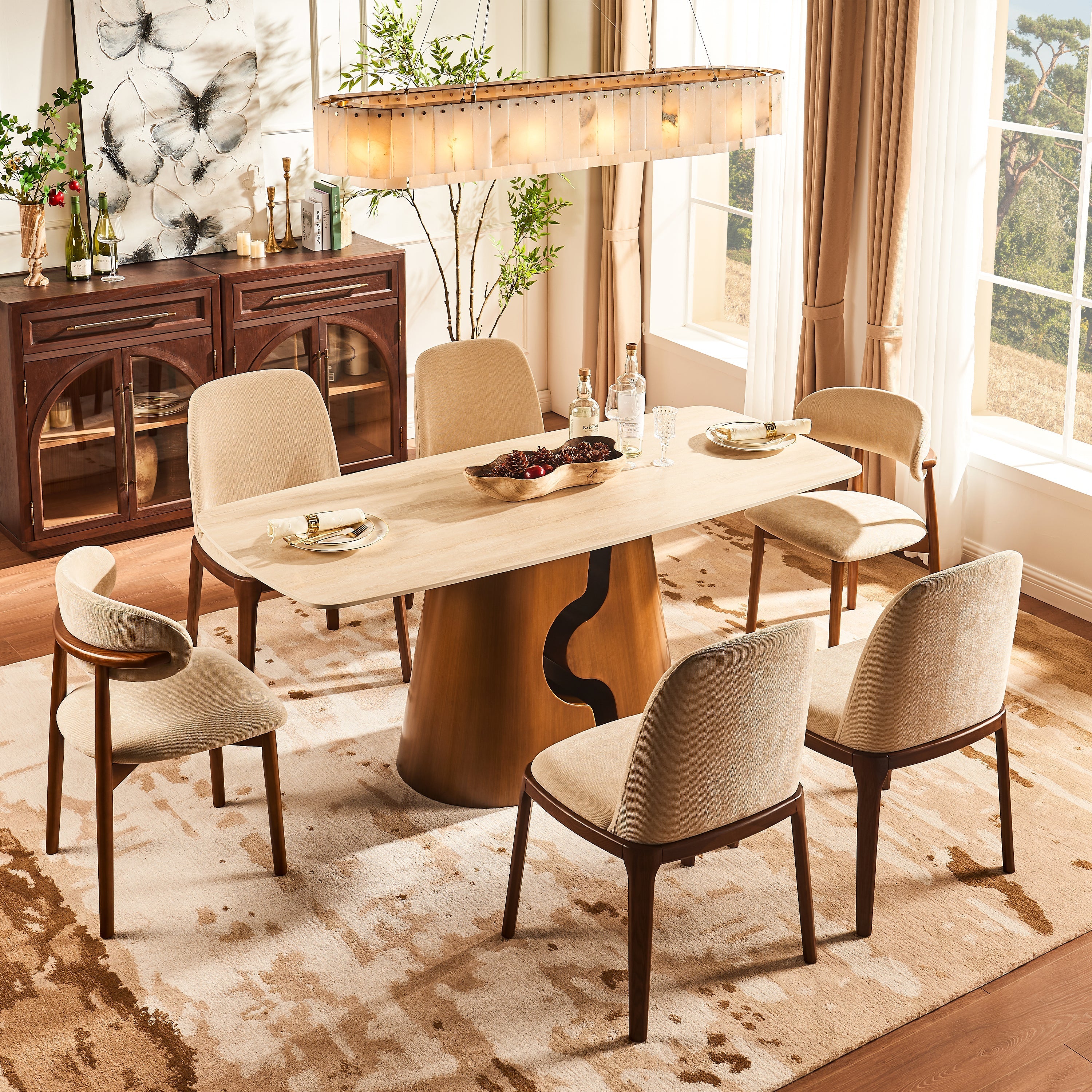
A rectangular dining table is often the most practical choice for larger households and longer dining rooms. It follows the shape of many rooms and can create a strong, grounded focal point.
Rectangular tables are also easier to scale for entertaining. If you regularly host dinners, need space for serving dishes, or want a table that feels formal and substantial, this shape usually works better.
| Feature | Round Dining Table | Rectangular Dining Table |
|---|---|---|
| Best for | Small spaces, square rooms, conversation | Long rooms, larger families, entertaining |
| Room flow | Softer and easier to walk around | More structured and directional |
| Dining mood | Casual, intimate, relaxed | Formal, spacious, hosting-friendly |
| Seating | Best for smaller groups | Better for more guests |
The best dining table shape is the one that supports your daily routine. A family that eats together every night may need a different table from someone who hosts weekend dinners or works from the dining table during the day.
A round table usually works better because it keeps the room open and makes everyday meals feel easy.
A rectangular table can offer more seating, more surface area, and a clearer layout for regular family meals.
Either shape can work. Choose round if you want softness, or rectangular if you want to define the dining zone more clearly.
An extendable table can be the best middle ground because it adapts from everyday meals to larger gatherings.
If you are choosing between round, rectangular, and flexible dining tables, these three options show how different shapes can support different lifestyles.

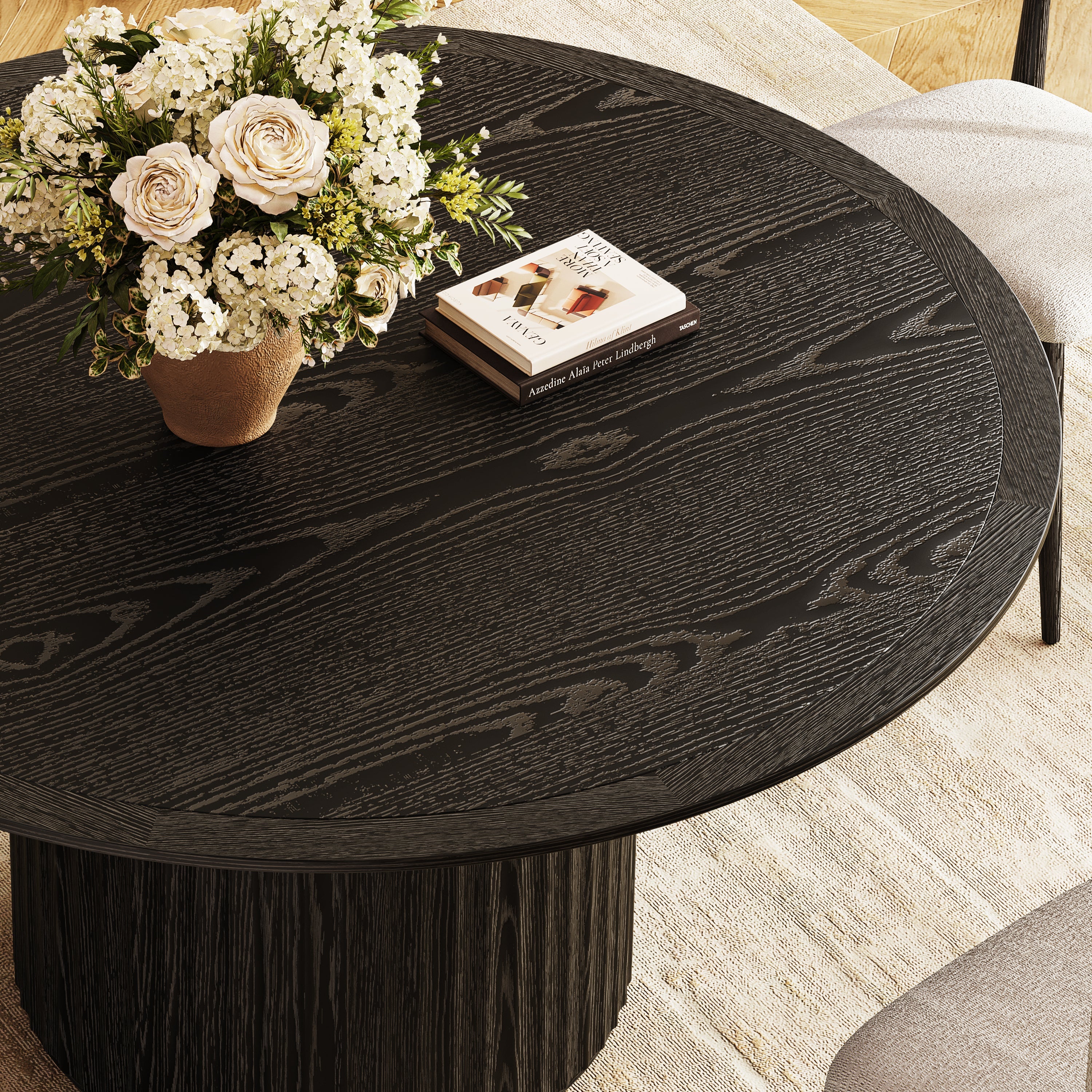
Aurelius is a strong example of why round dining tables work well for conversation. The circular shape keeps everyone visually connected, while the fluted drum base adds sculptural presence without sharp corners.
This type of table is especially useful in square dining rooms, open dining corners, and homes where the dining area should feel warm and social.
View product →
Calma is suited to dining rooms that need more surface area and a stronger sense of structure. The 84" width gives the table a grounded presence that works well in longer rooms or larger dining zones.
View product →Ansel is useful when your dining needs change throughout the week. It keeps a compact round footprint for everyday use, then extends into a larger oval shape when more seating or serving space is needed.
View product →A table may look beautiful online, but it still needs to fit your room size, seating needs, and daily habits.
A table that fits the floor plan may still feel cramped if there is not enough space to pull out chairs.
A very large table can make daily meals feel distant if you usually dine with only two or three people.
The dining table should support movement through the room, not block the natural path between spaces.
A round dining table is better for conversation, smaller spaces, and softer room flow. A rectangular dining table is usually better for larger rooms, more seating, and formal entertaining.
A round dining table often works best in a small room because it has no corners and allows people to move around it more easily.
Rectangular dining tables and extendable dining tables are usually best for hosting because they provide more seating and more surface area for serving.
An extendable dining table can be worth it if you want a compact table for everyday use but need extra seating for family meals, holidays, or guests.
A round dining table can make meals feel more connected. A rectangular dining table can make hosting easier. An extendable table can offer flexibility when your dining needs change.
The best dining table is not only the one that fits the room. It is the one that fits your routines, your guests, and the way your home works every day.
Explore Dining Tables →
Share:
Best Chandelier Styles for High Ceilings in 2026
How to Style a Console Table in an Entryway Like a Designer