


















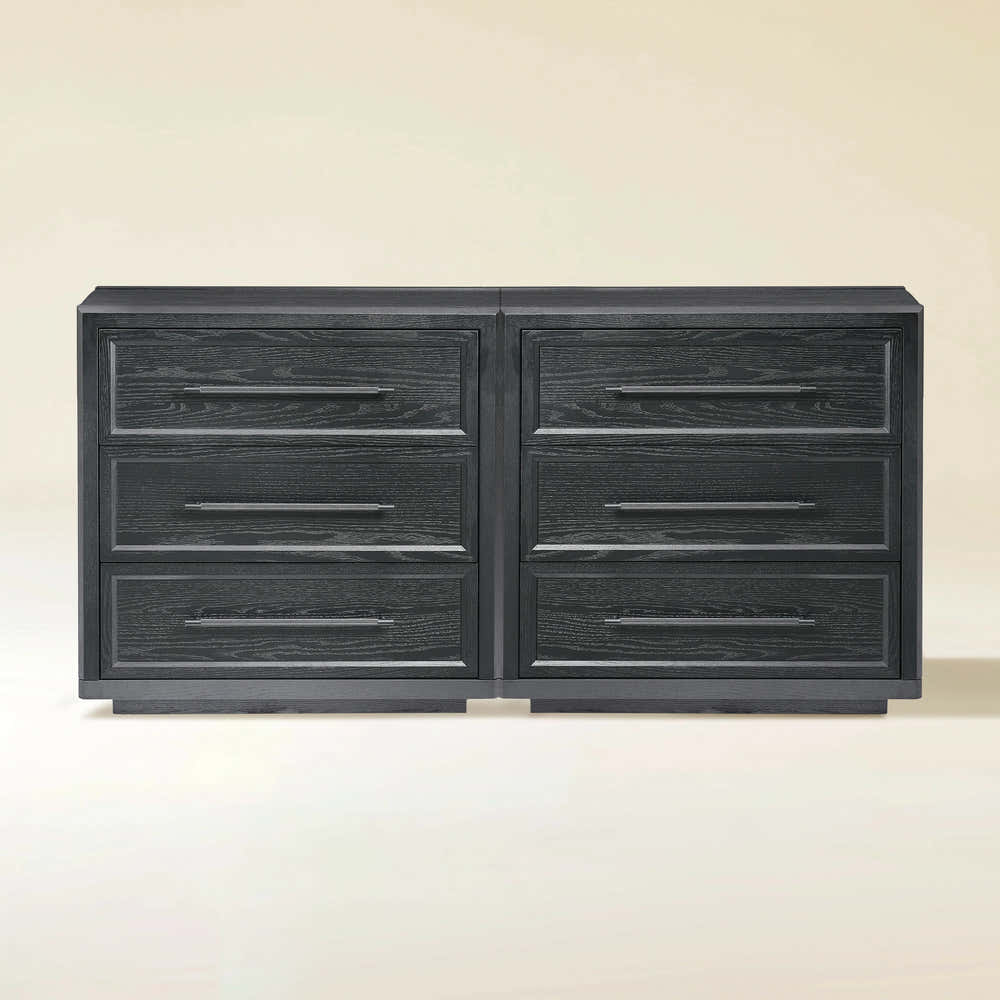


Alvar 61″ Oak 6-Drawer Chest(Set of 2)

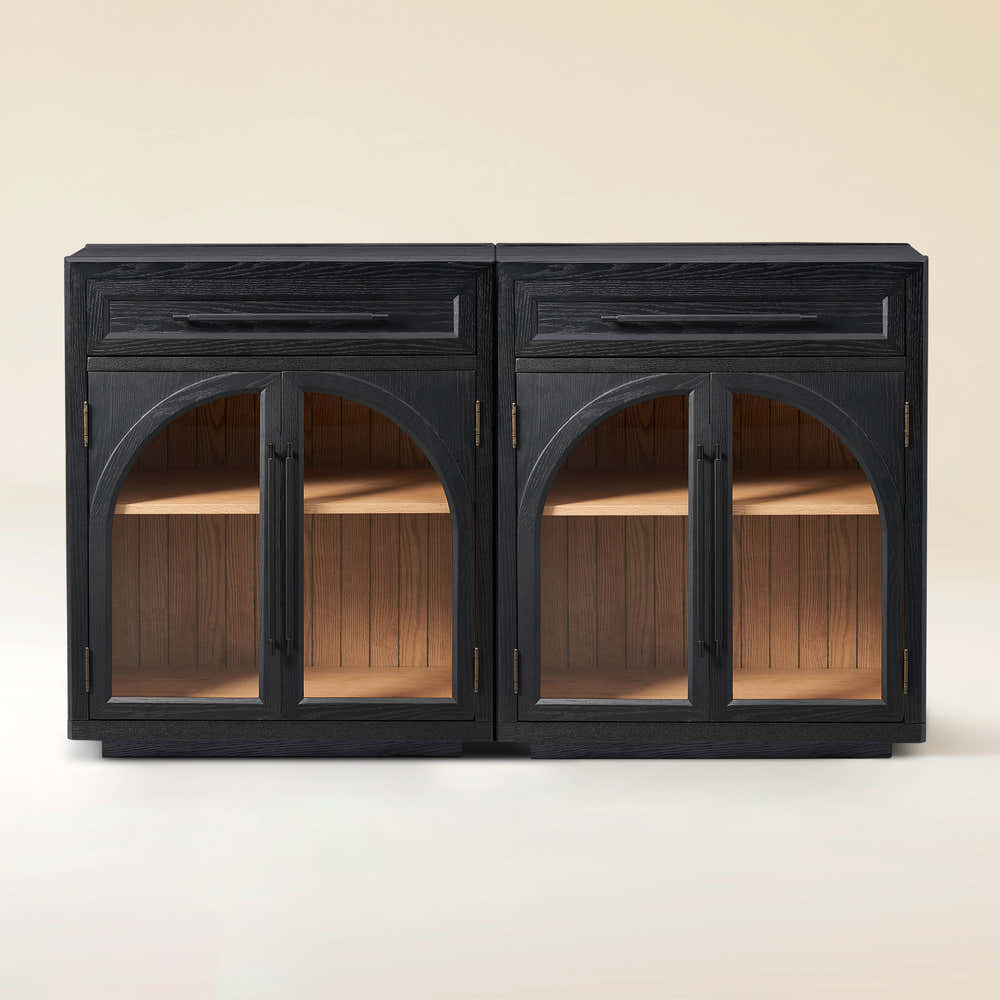


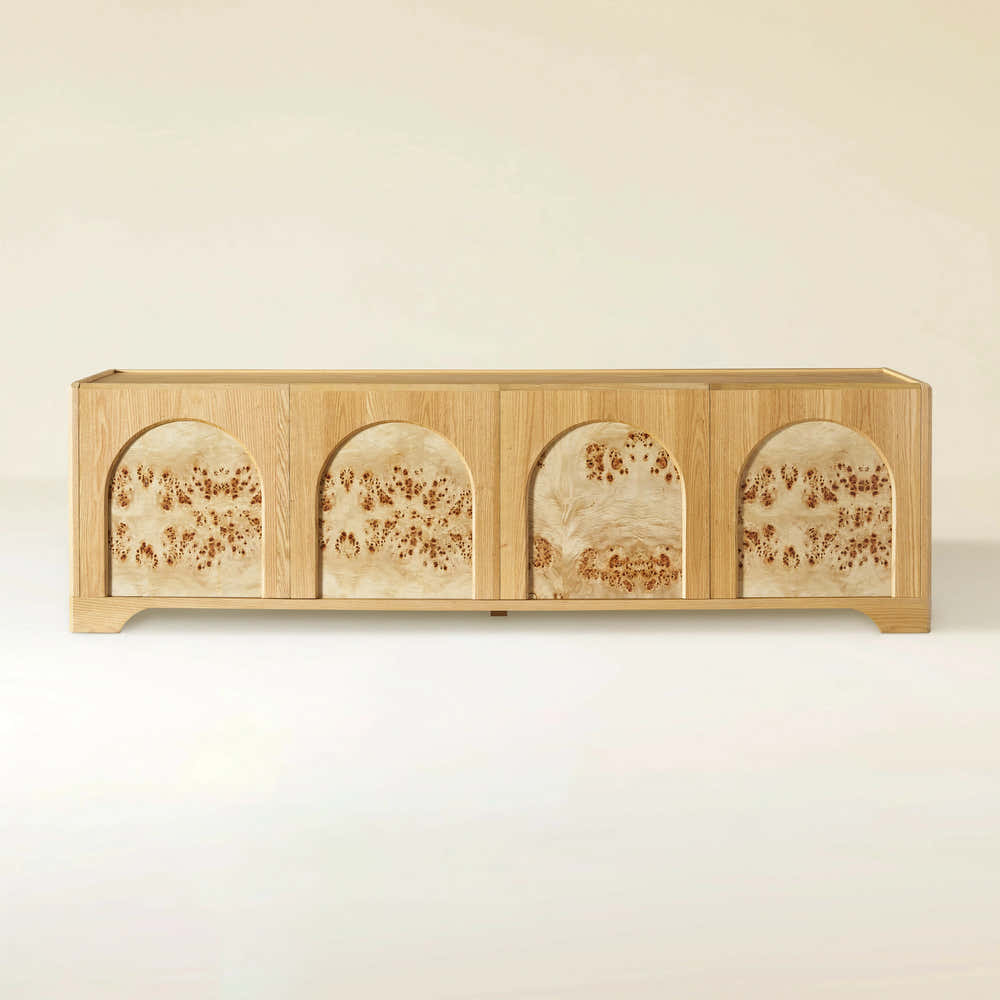
Alvar Arched 61" Oak Sideboard with Drawers(Set of 2)
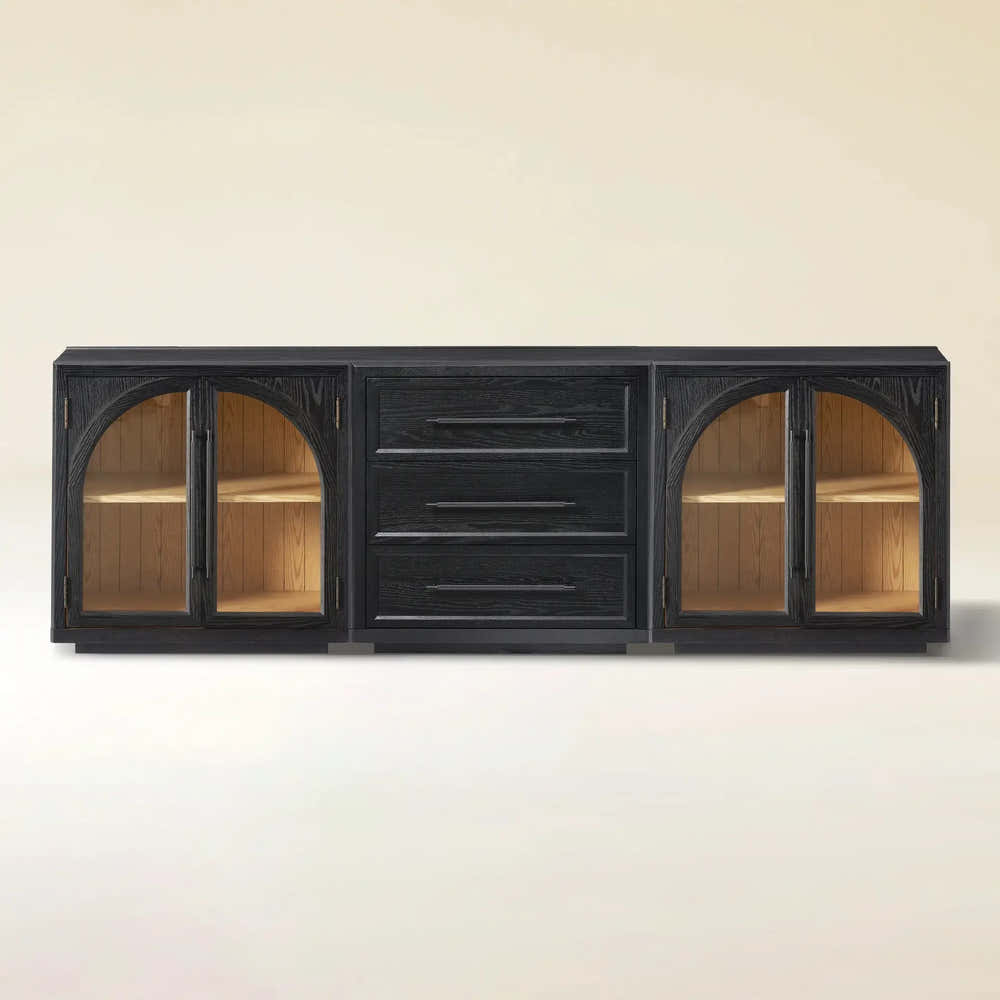


Alvar Arched 91″ Oak Modular Media Console(Set of 3)
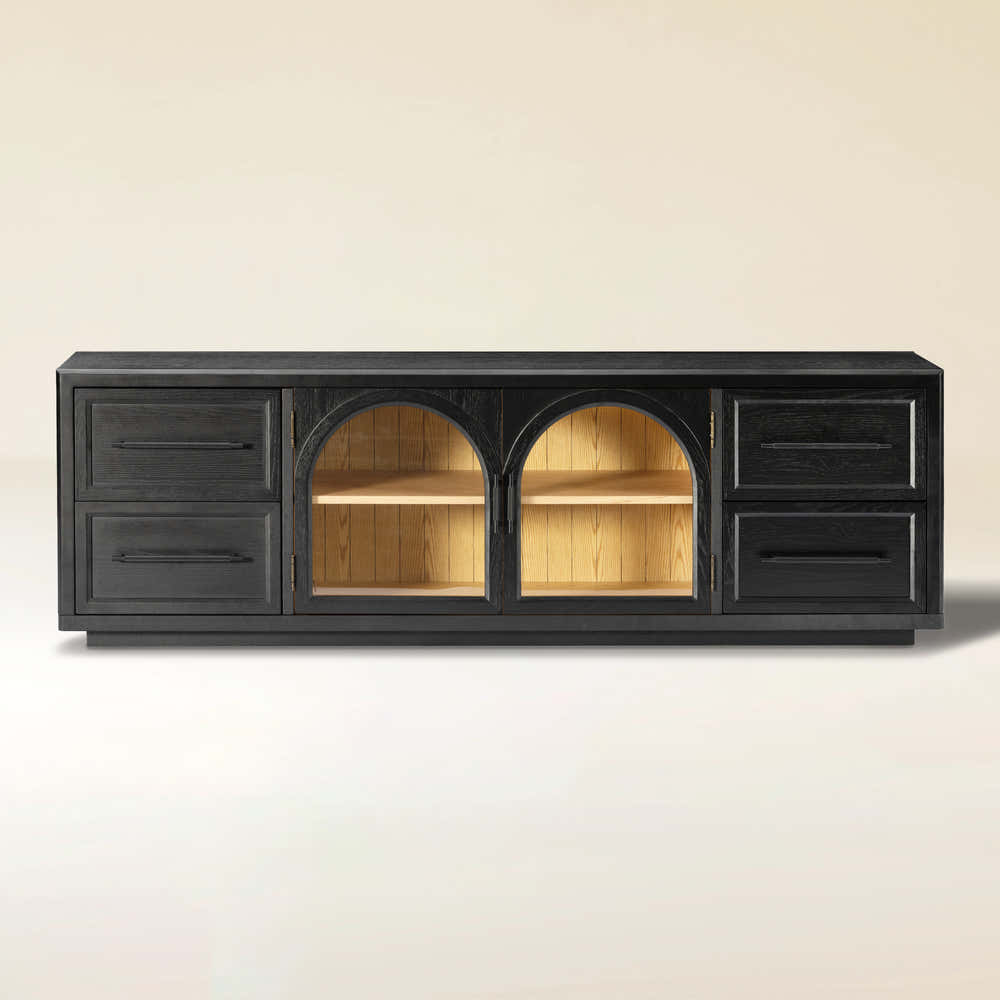
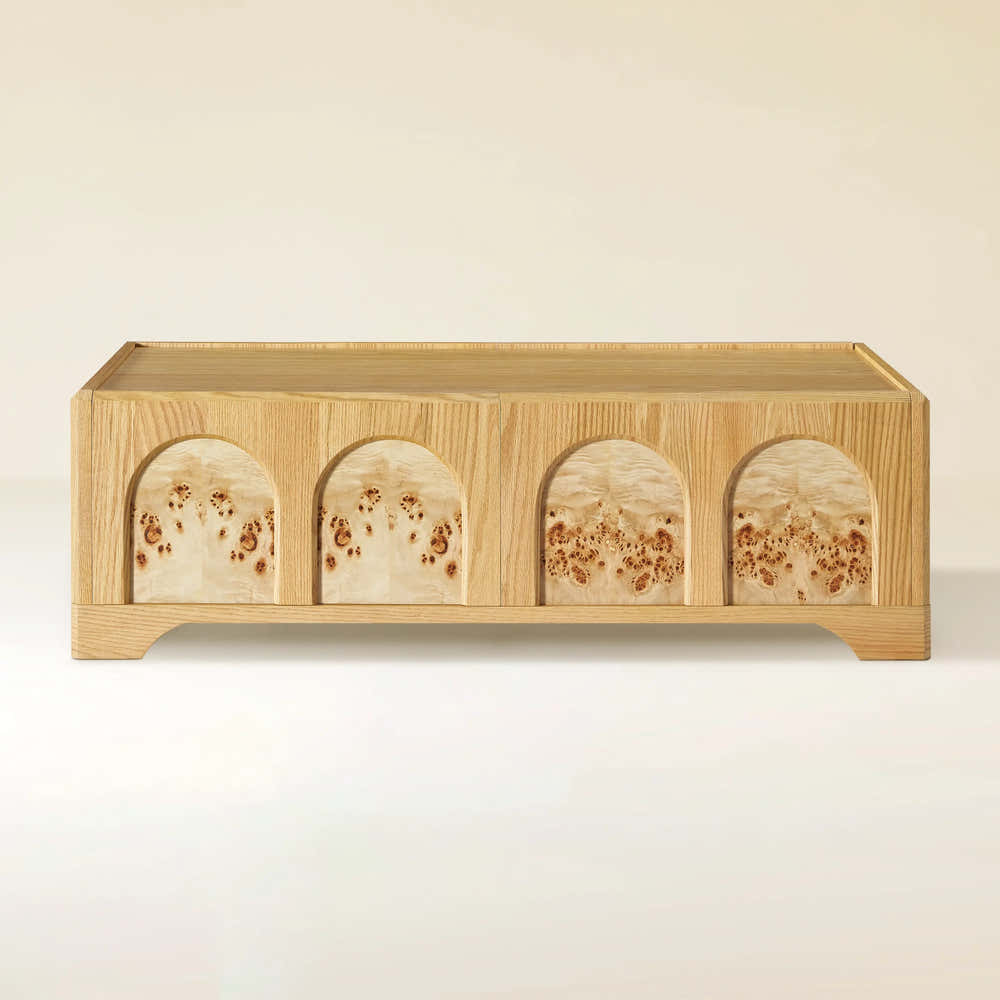
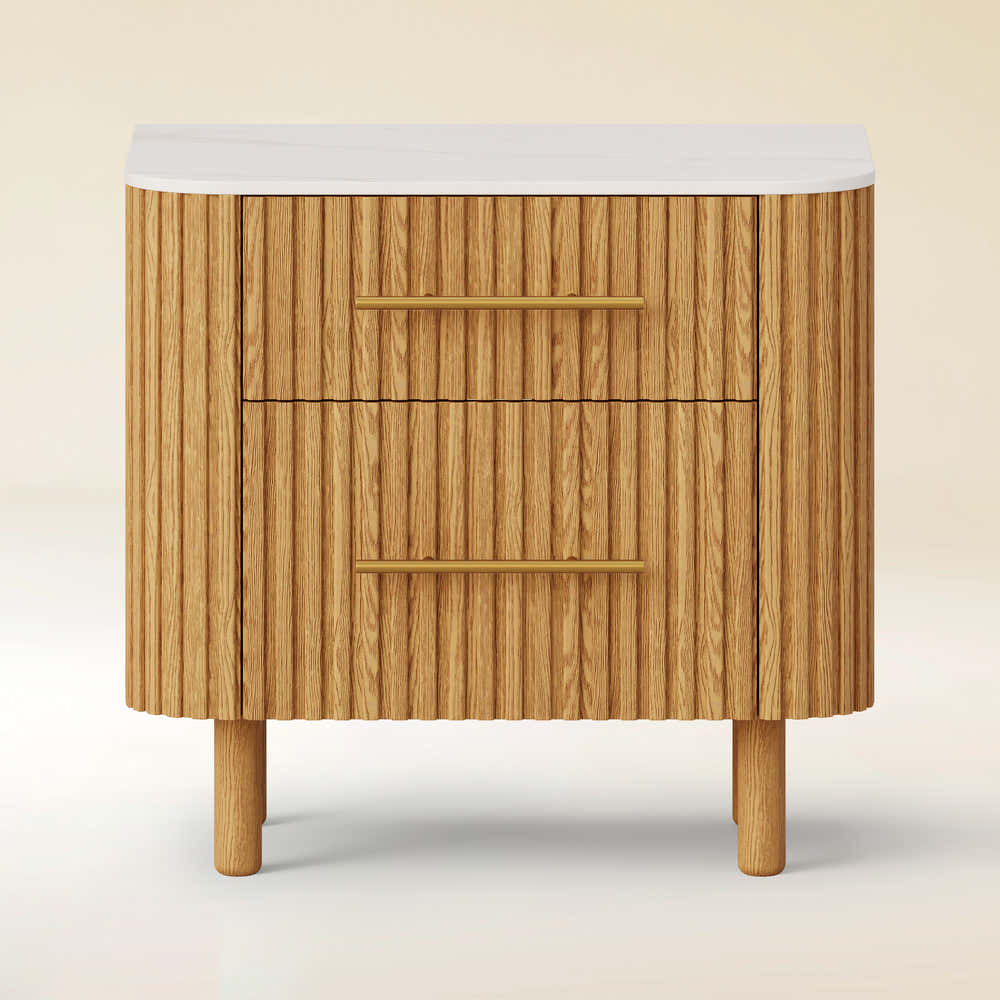
Charlie Sintered Stone Nightstand 26" W
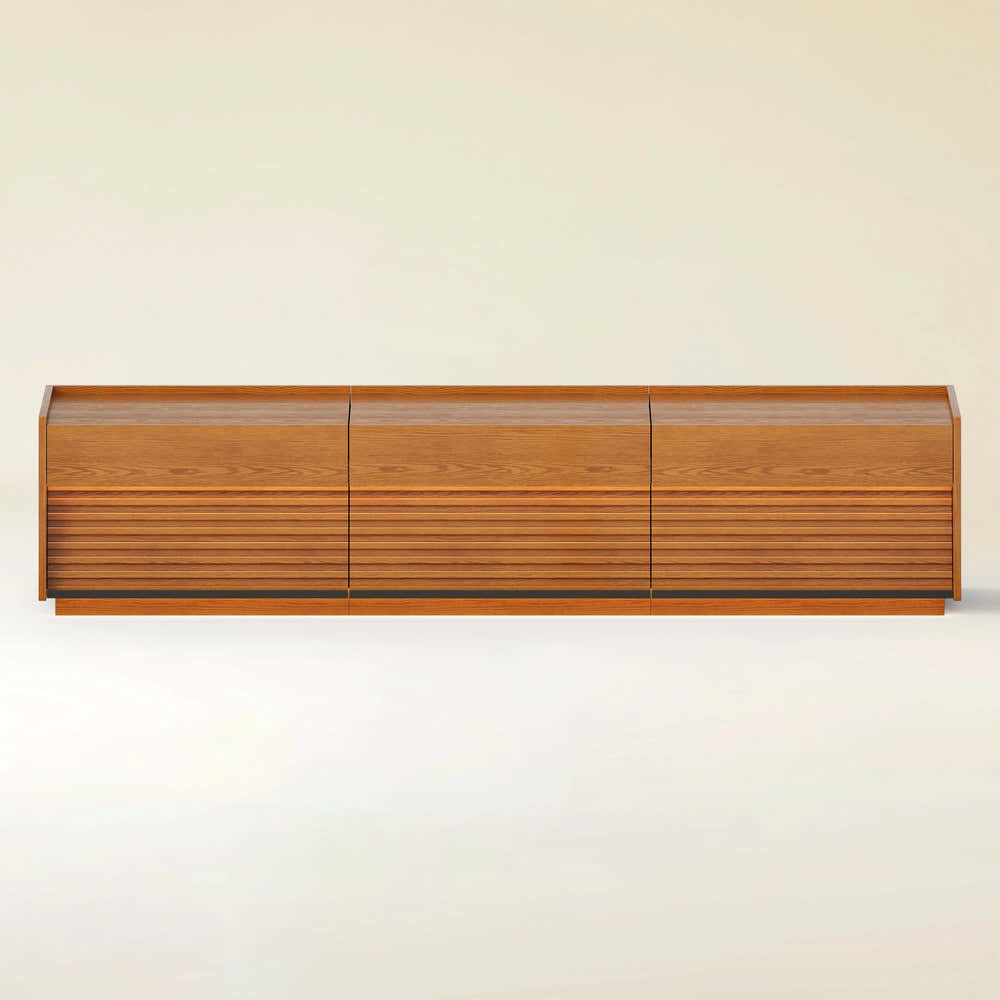
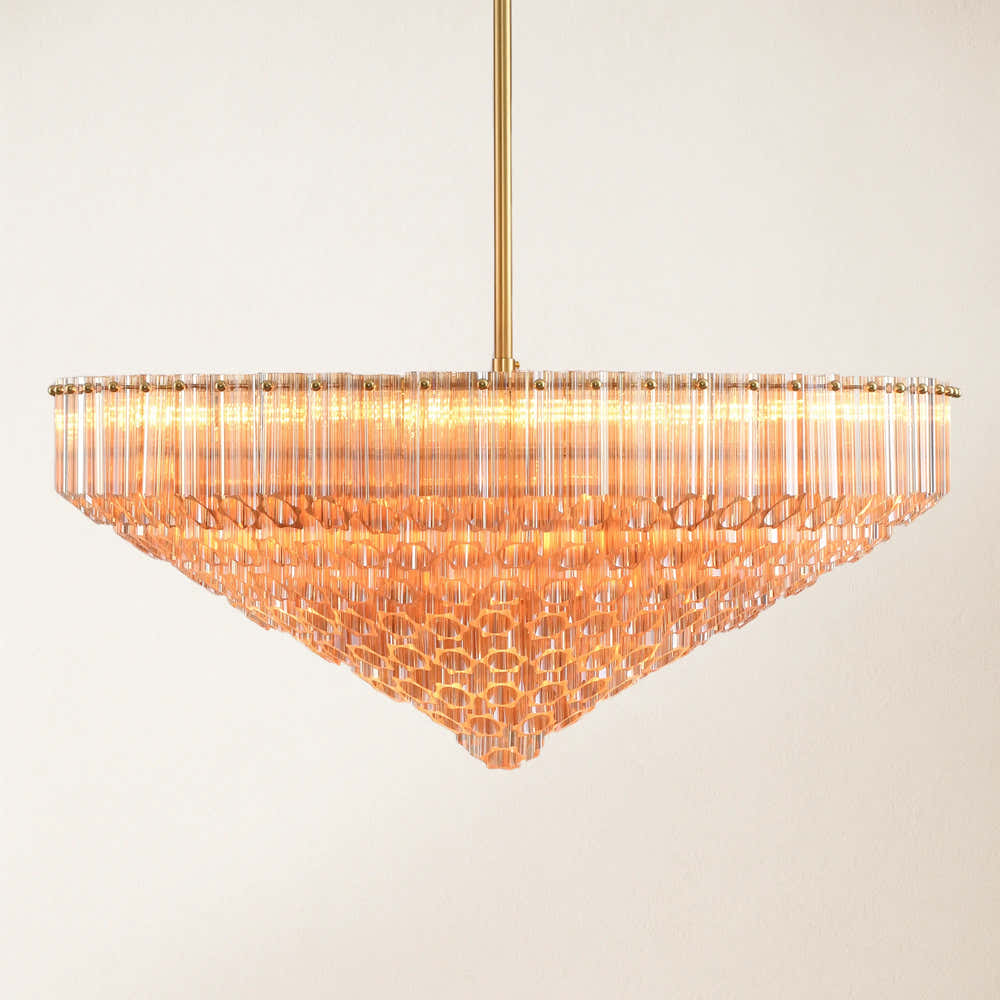


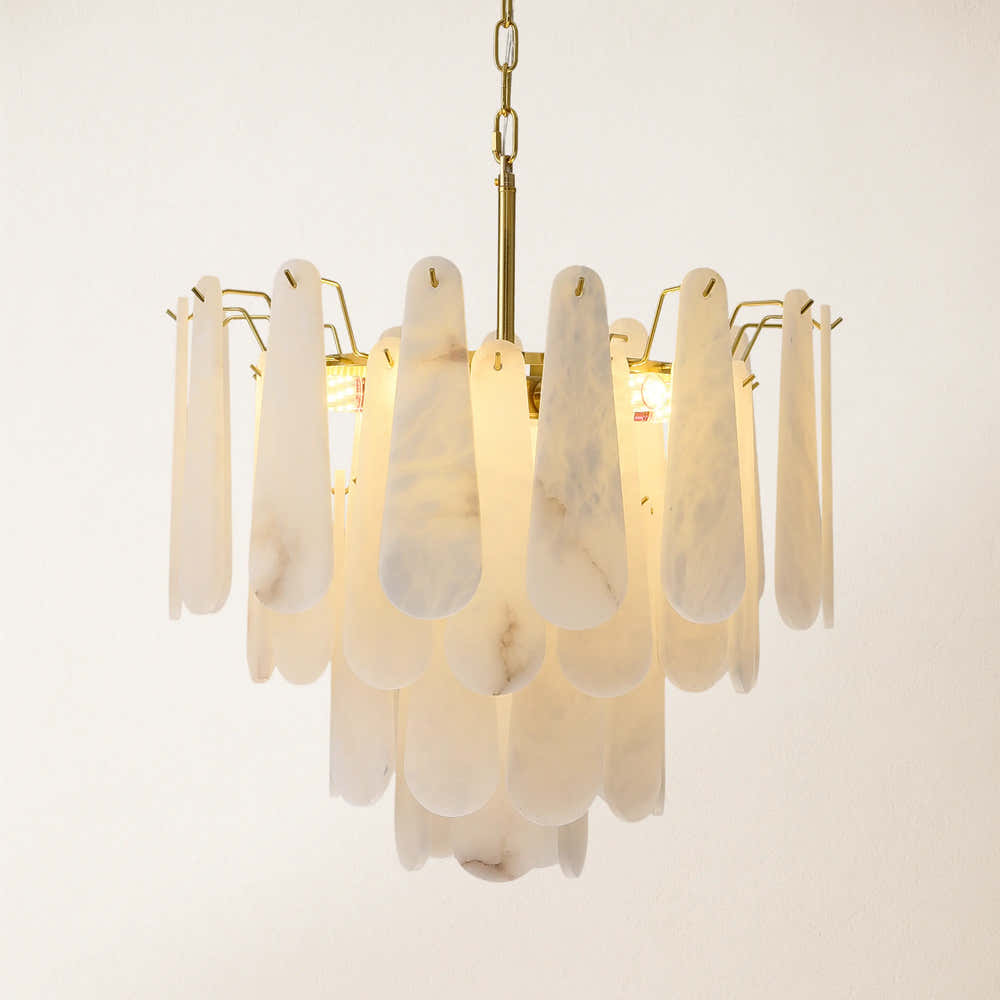
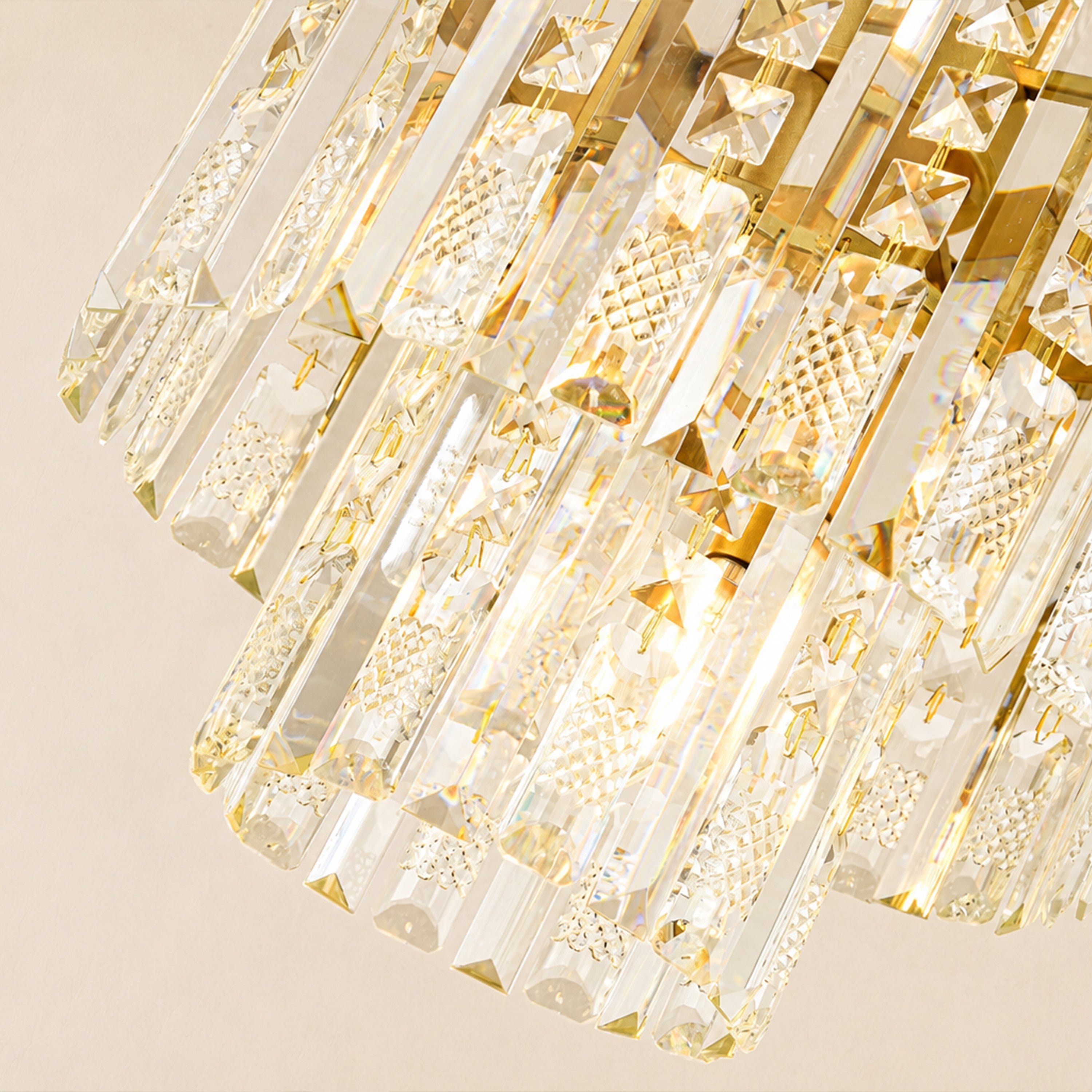
Ethereal Crystal Radiance Round Chandelier 30"D


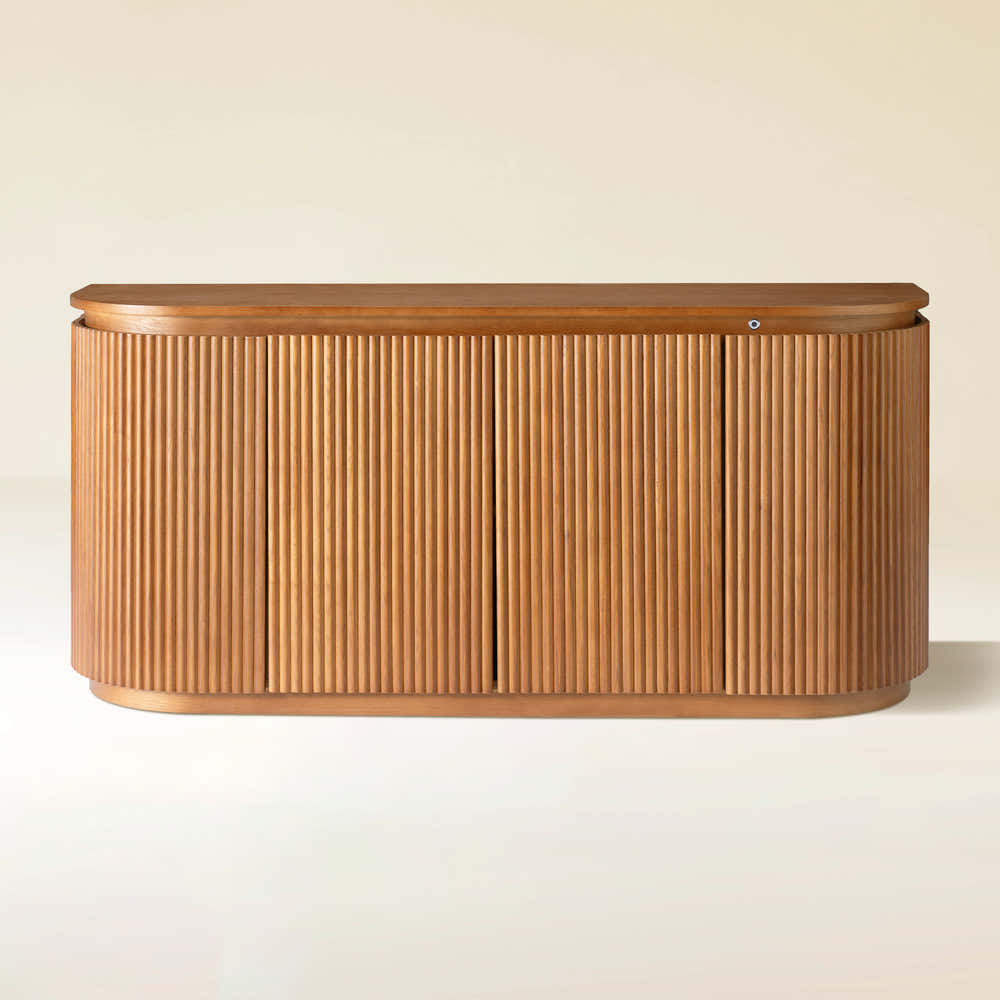
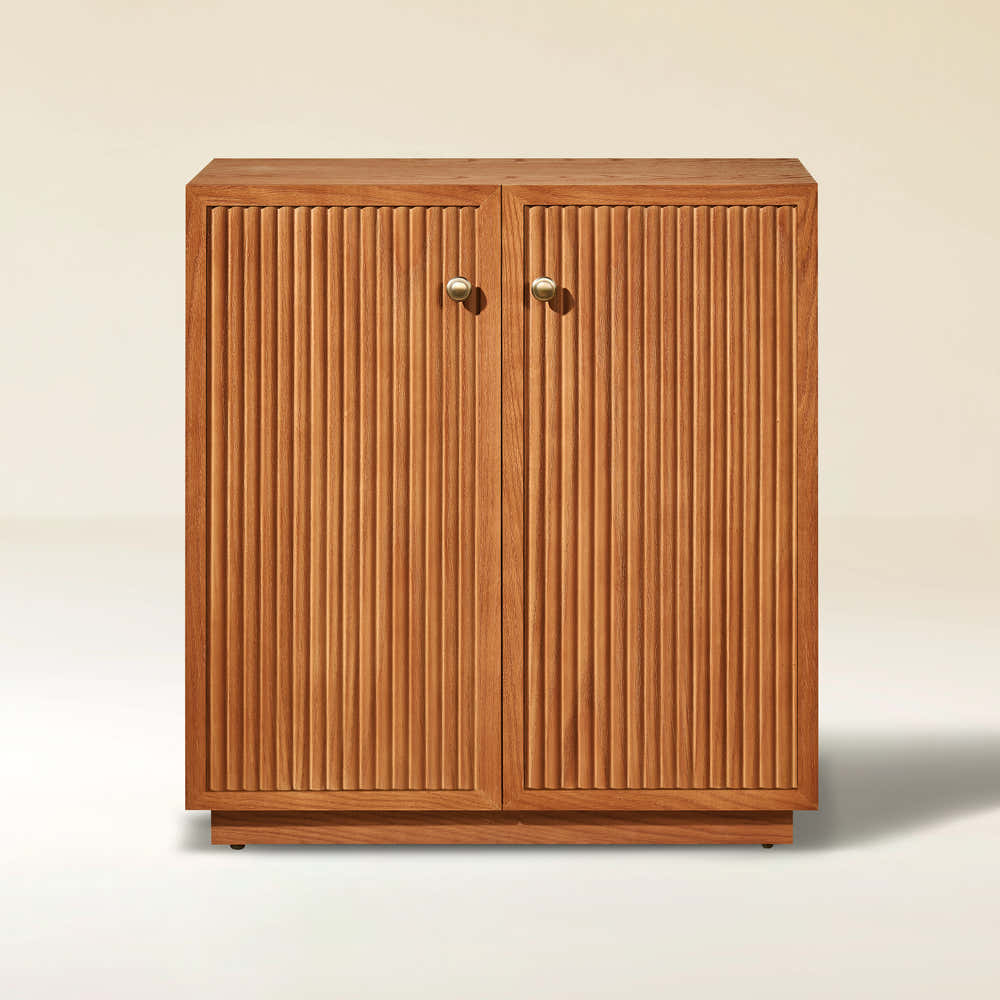
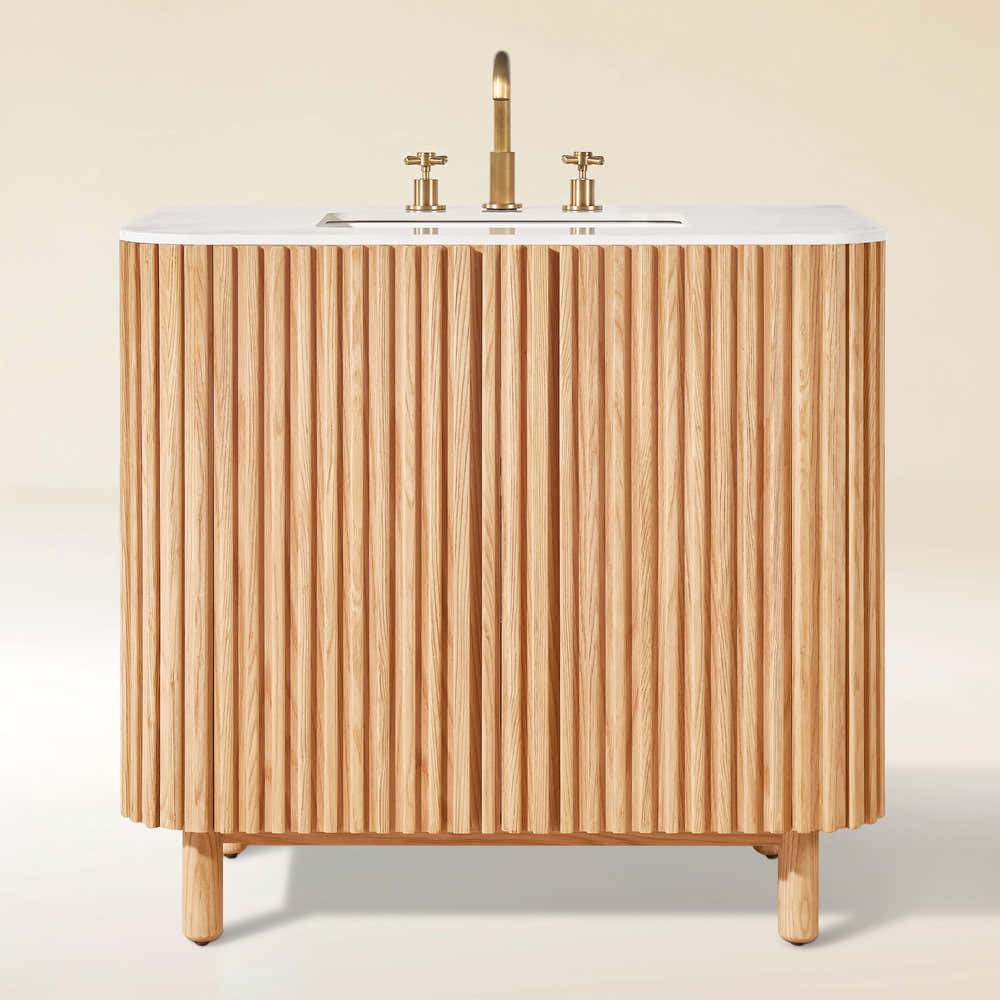
Ewan 63" Oak Slatted Sideboard Buffet Cabinet
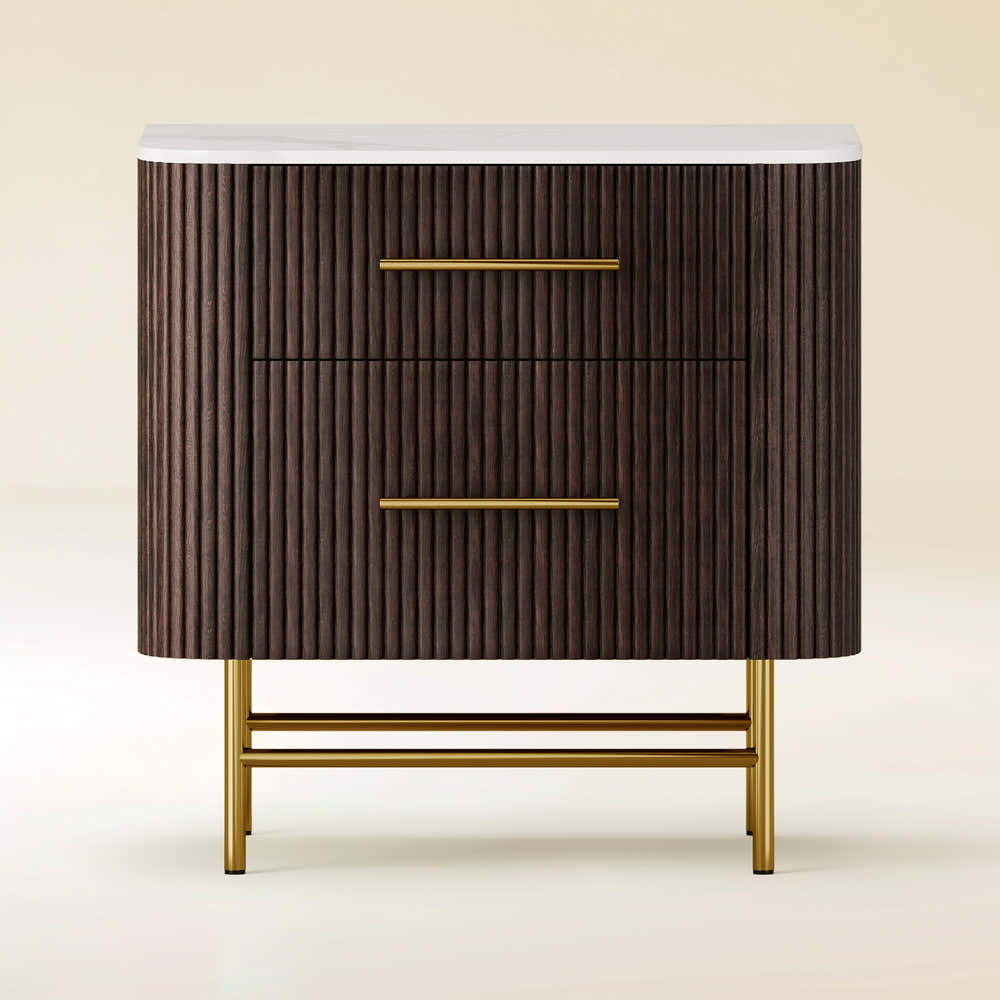


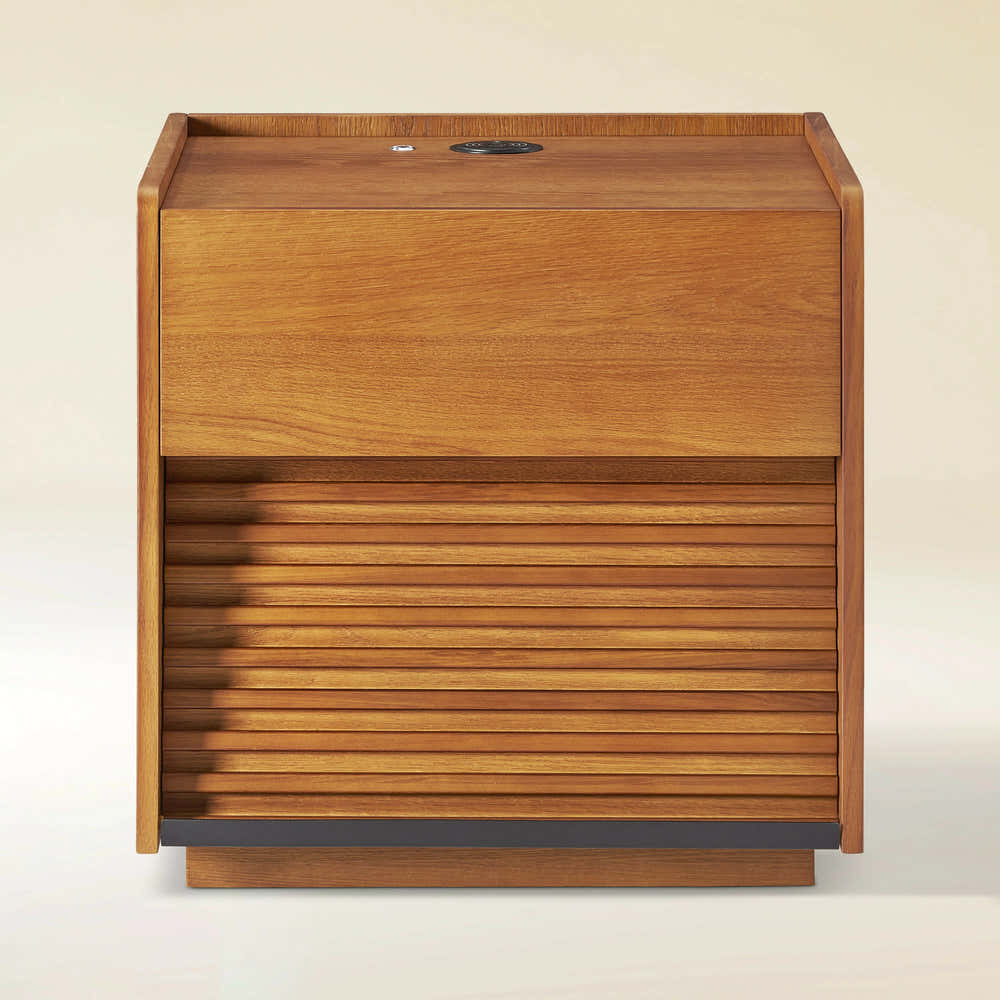
Ewan Sintered Stone Nightstand 26"W
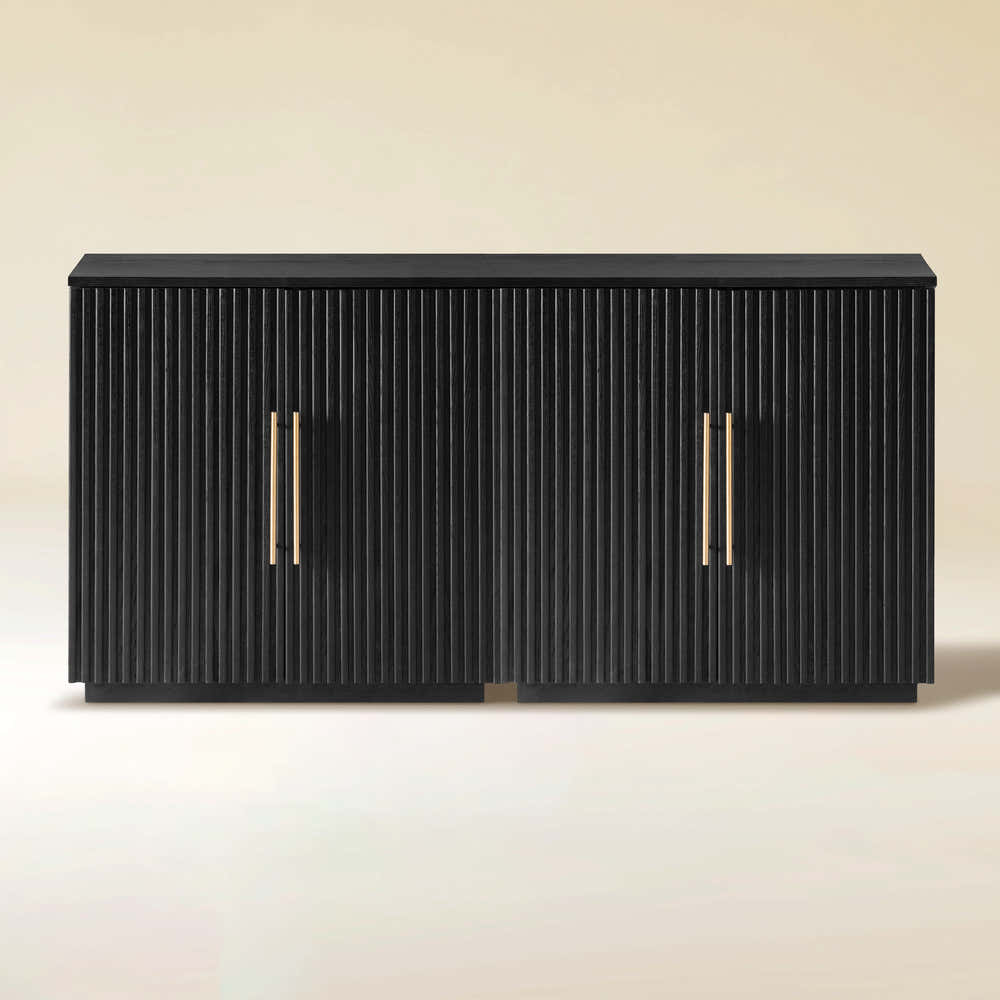


Holt 63″ Solid Oak Console(Set of 2)
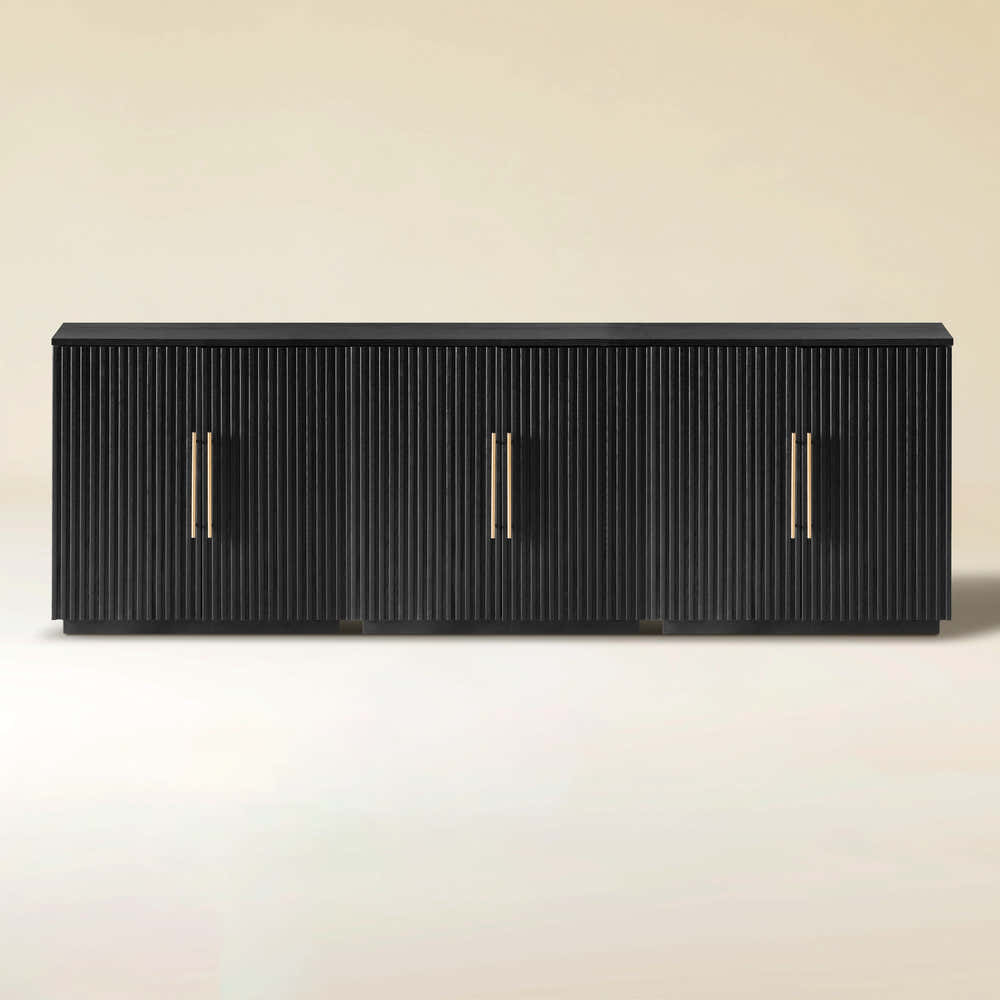


Holt 95″ Solid Oak Console(Set of 3)
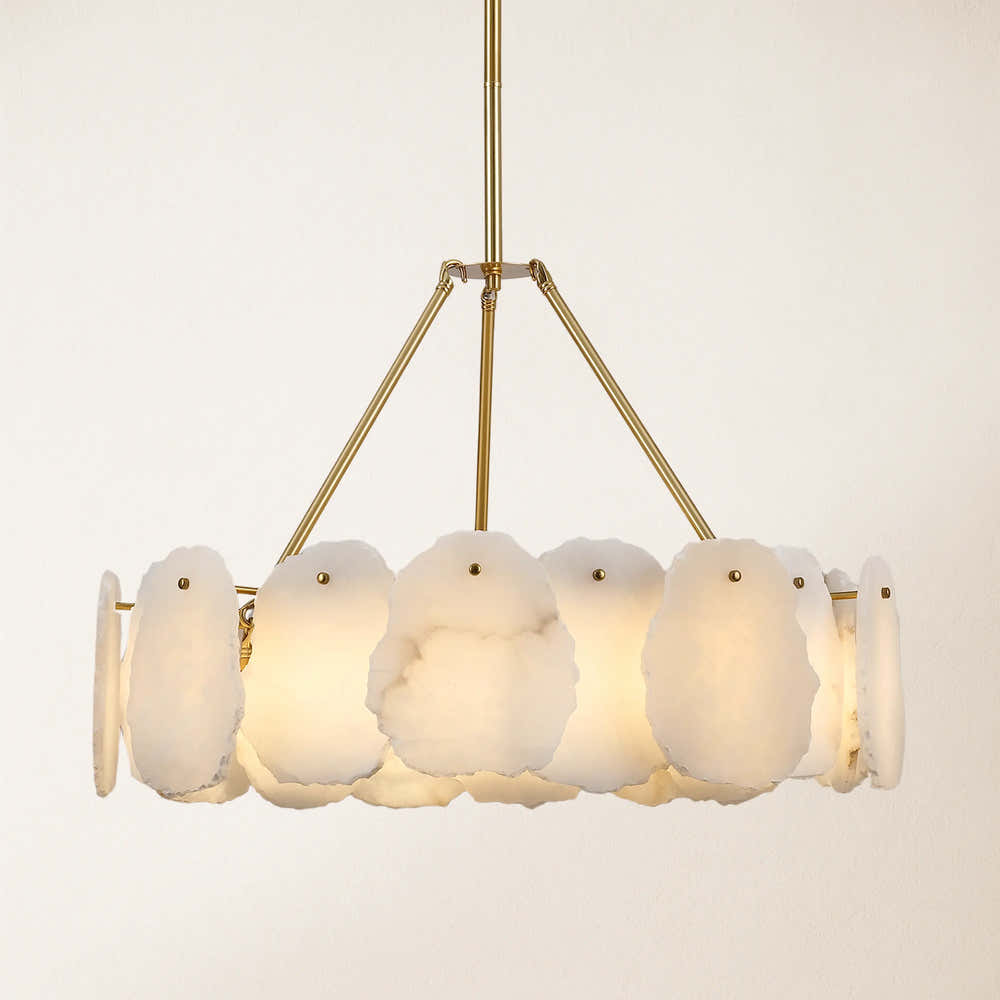


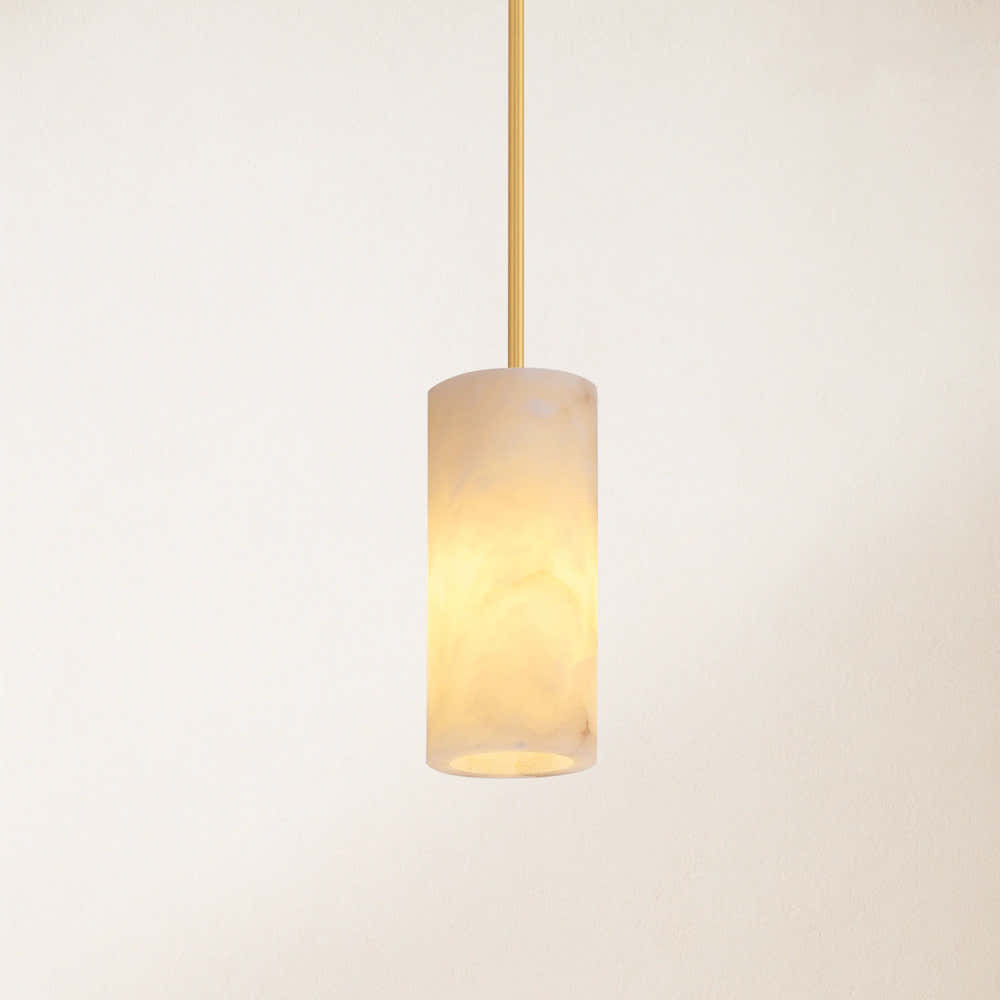
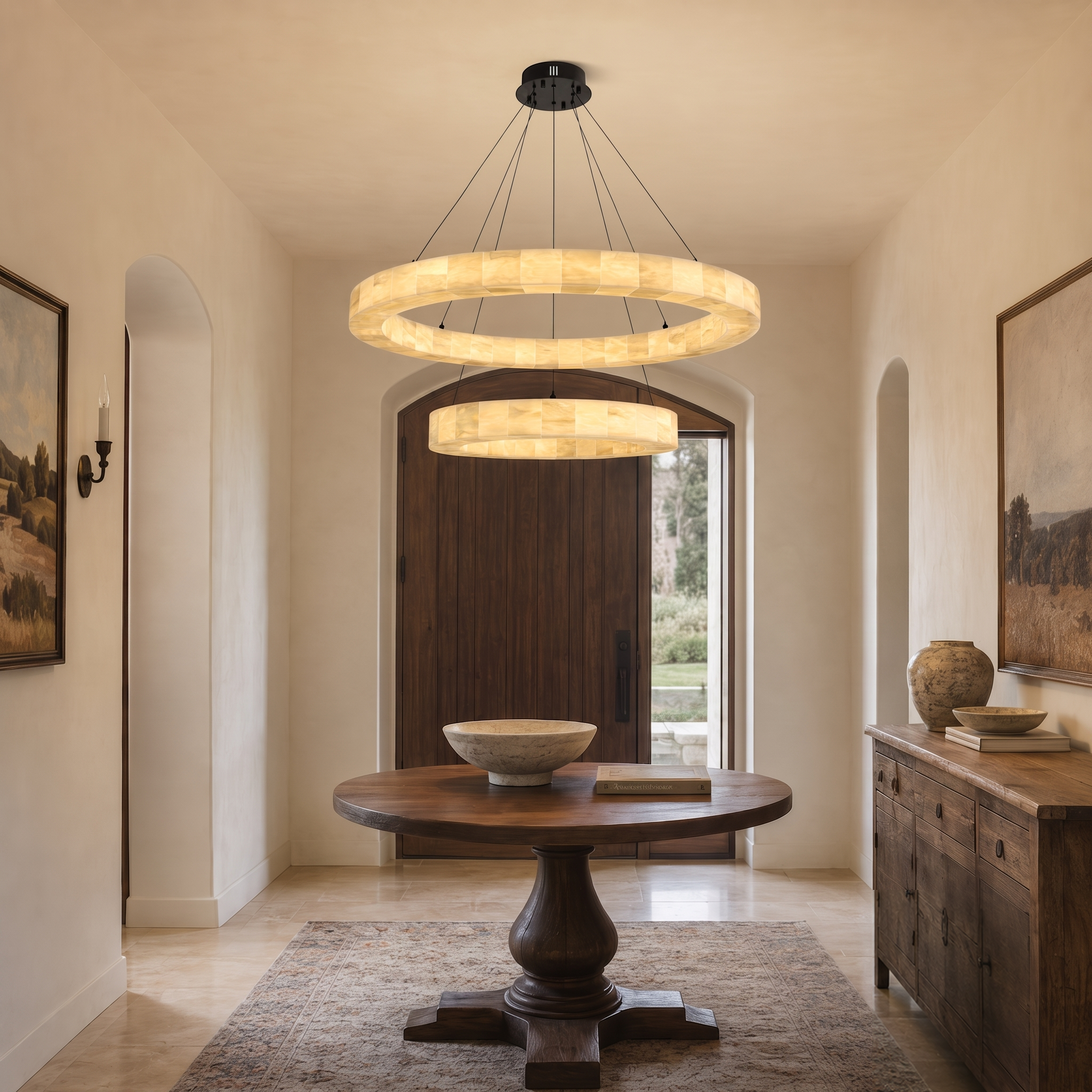
Moira Alabaster Round Chandelier 24"D
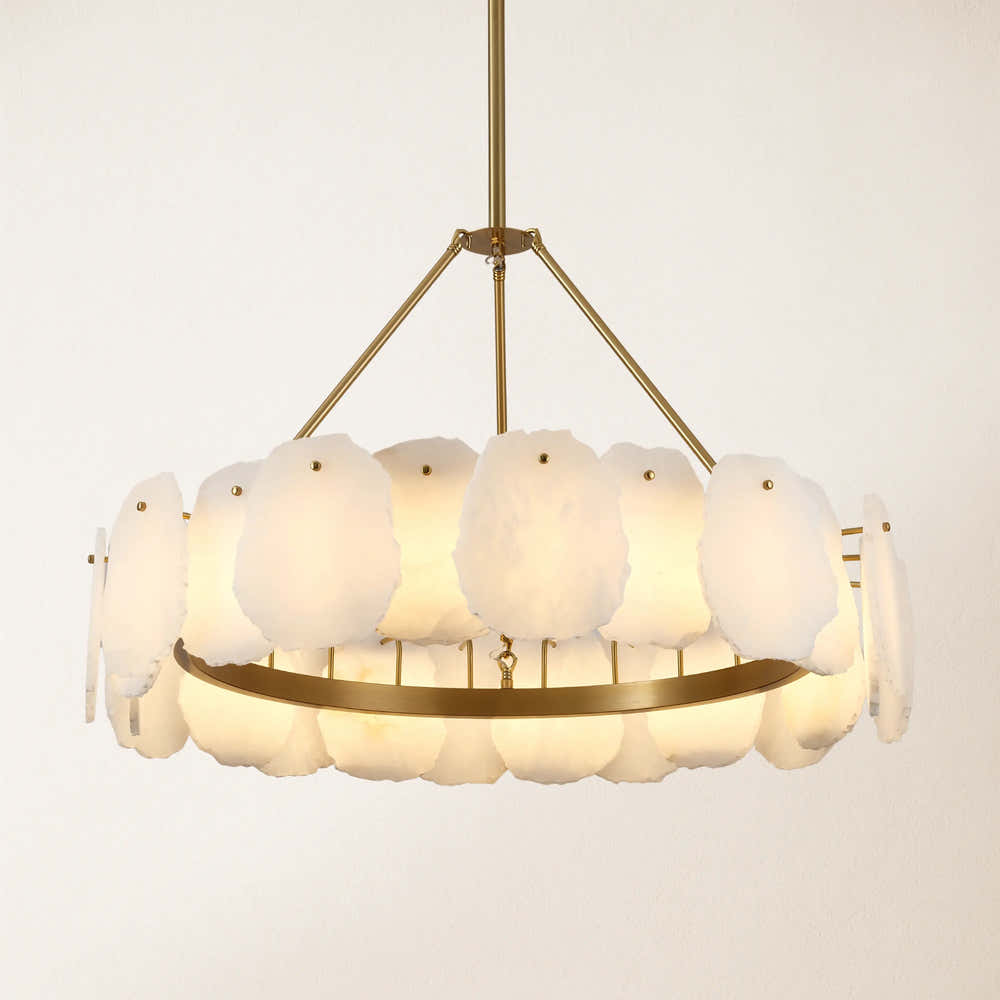


Moira Alabaster Round Chandelier 32"D
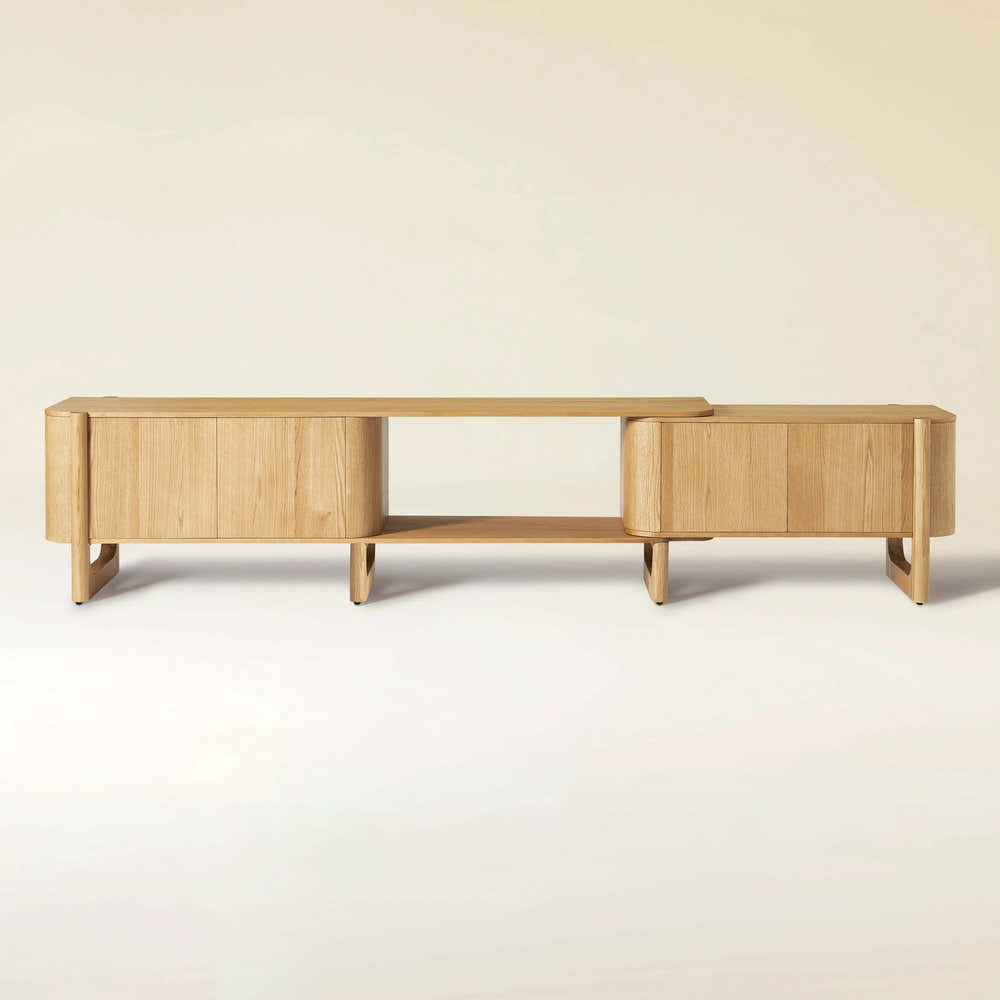
Silas Extendable TV Stand 203cm to 280cm
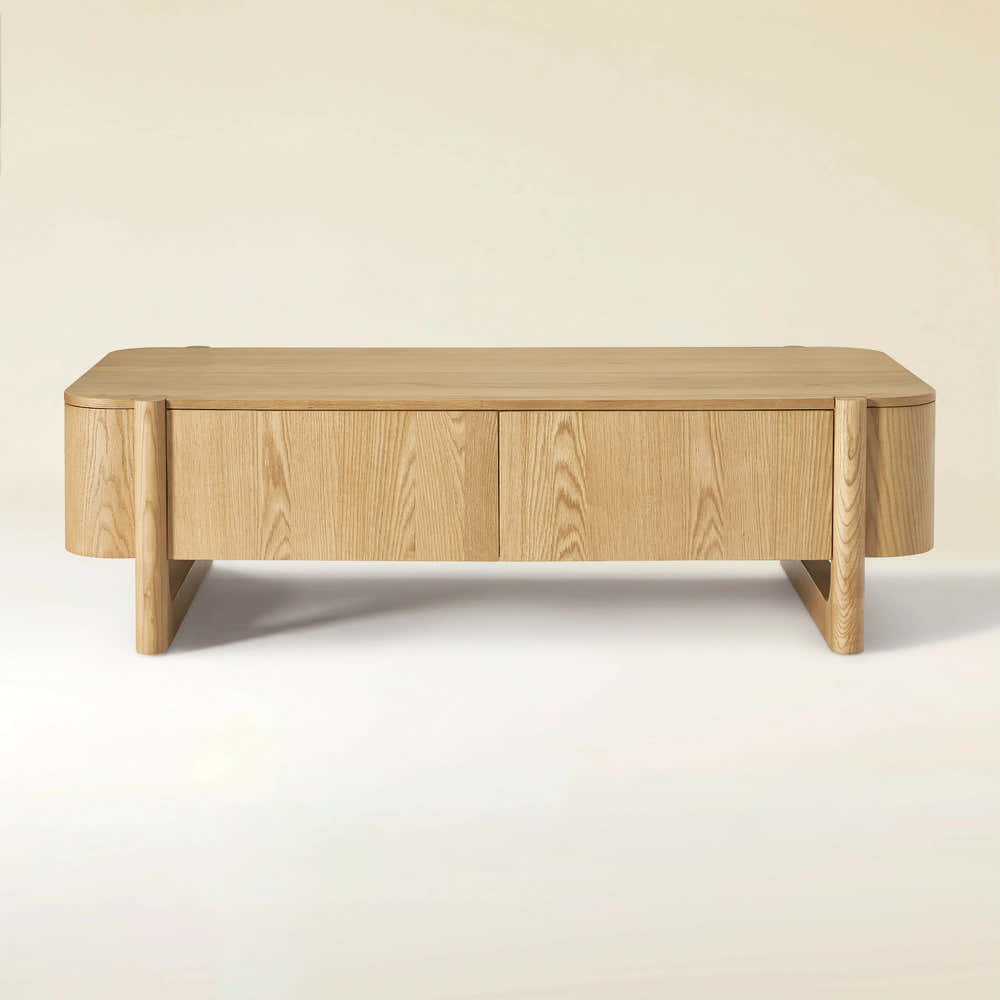
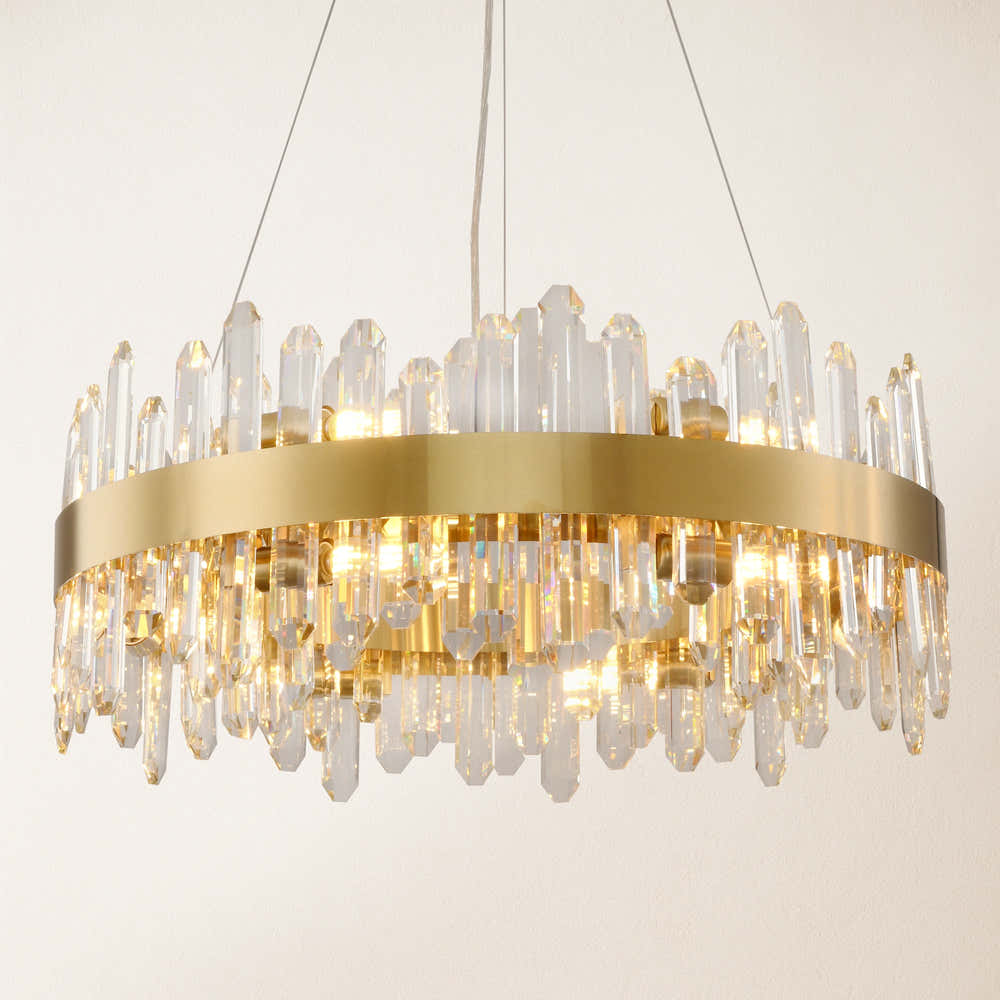
Stellara Crystal Strip Round Chandelier 24"D
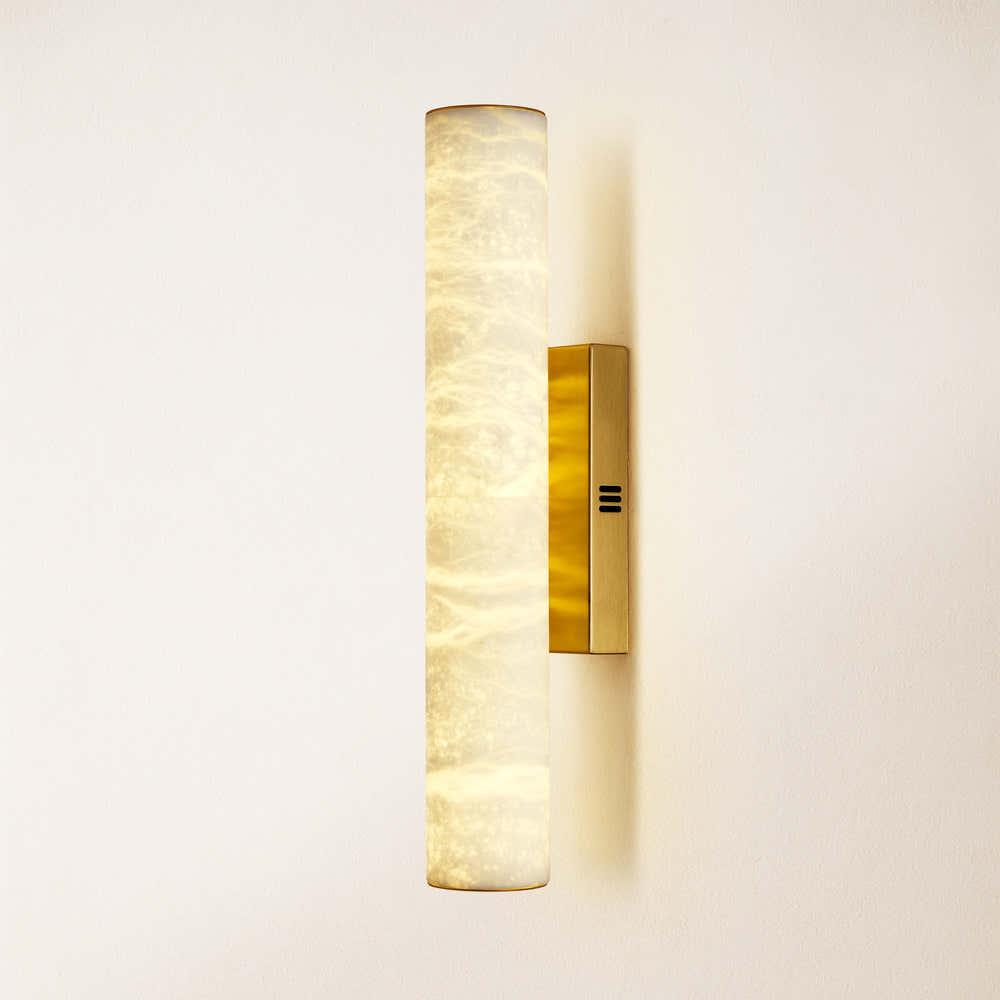


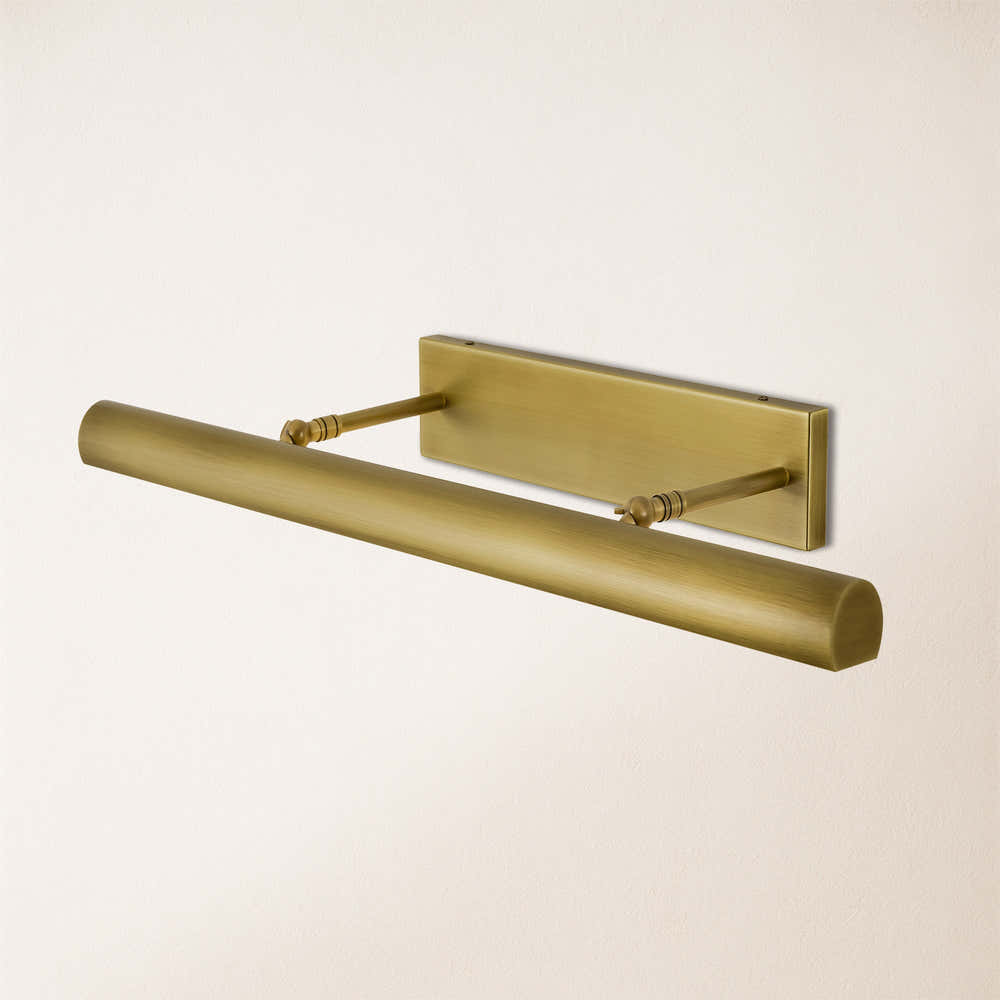
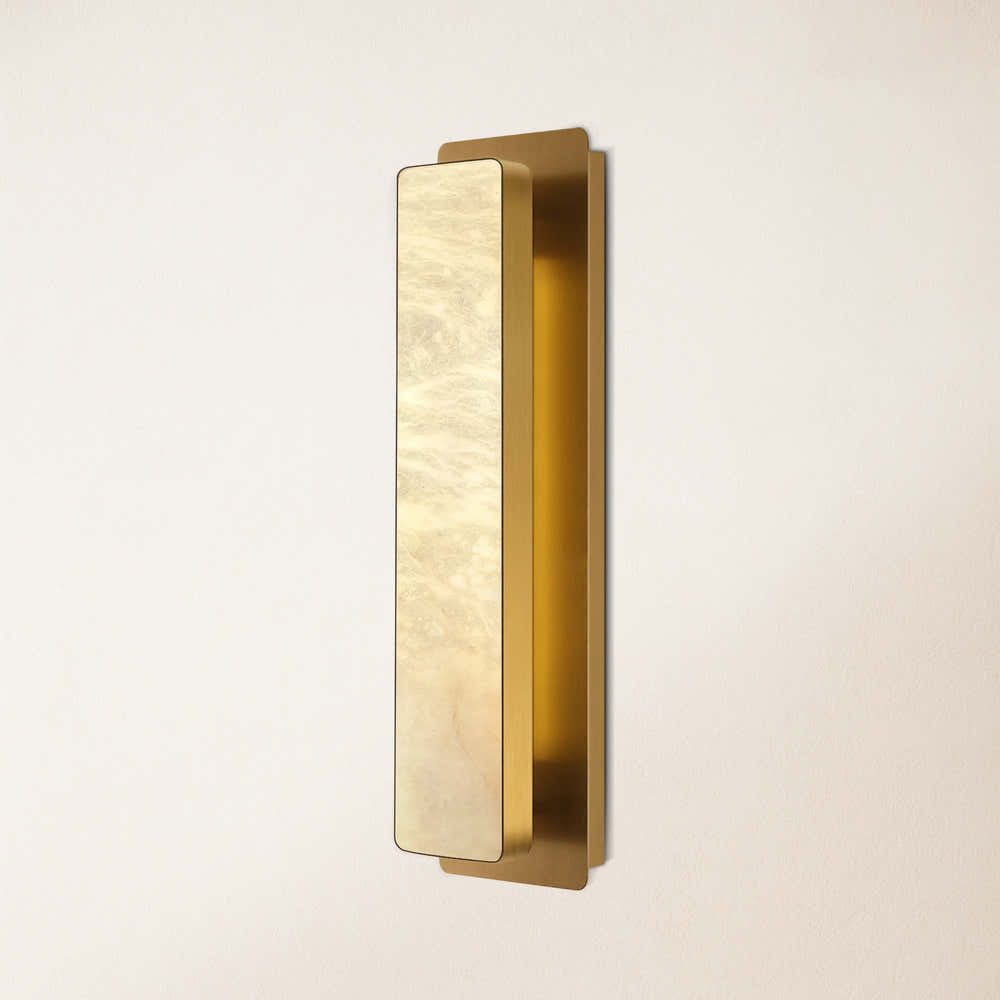
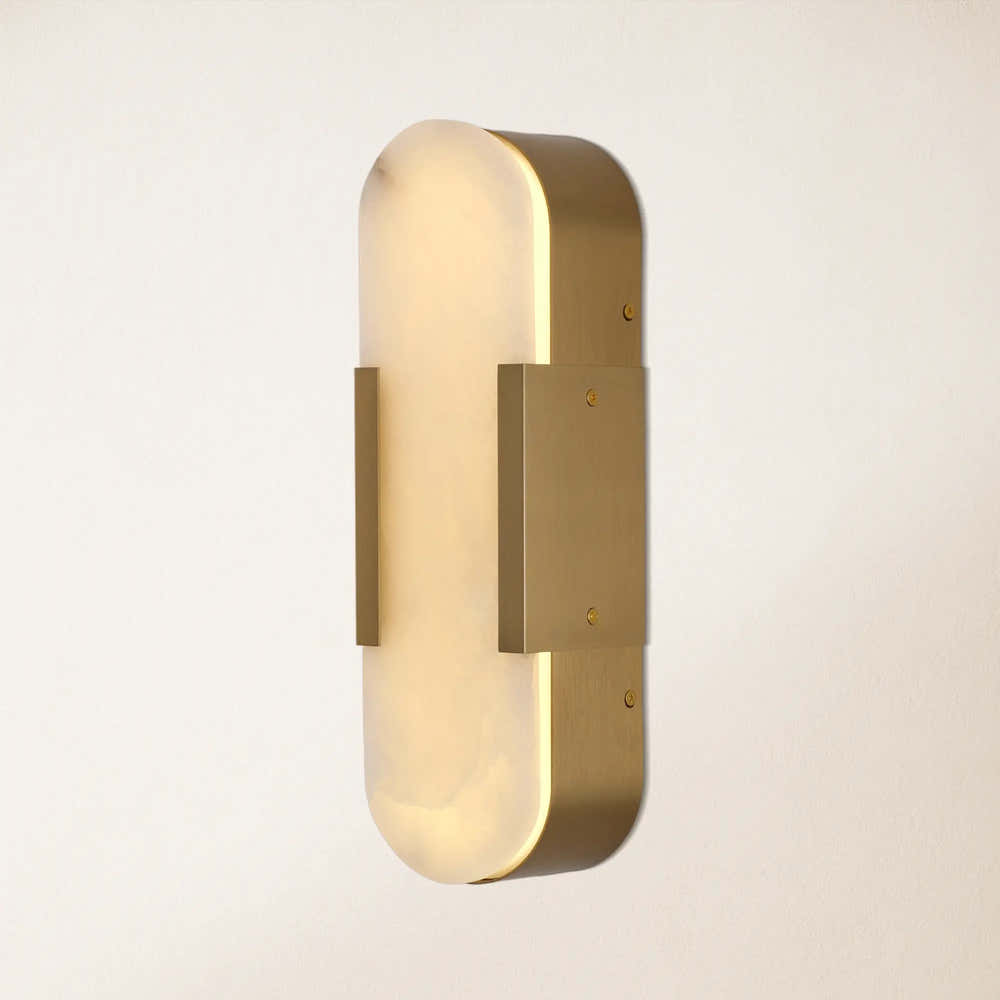
Sylvia Palladian Alabaster Wall Sconce 20"H
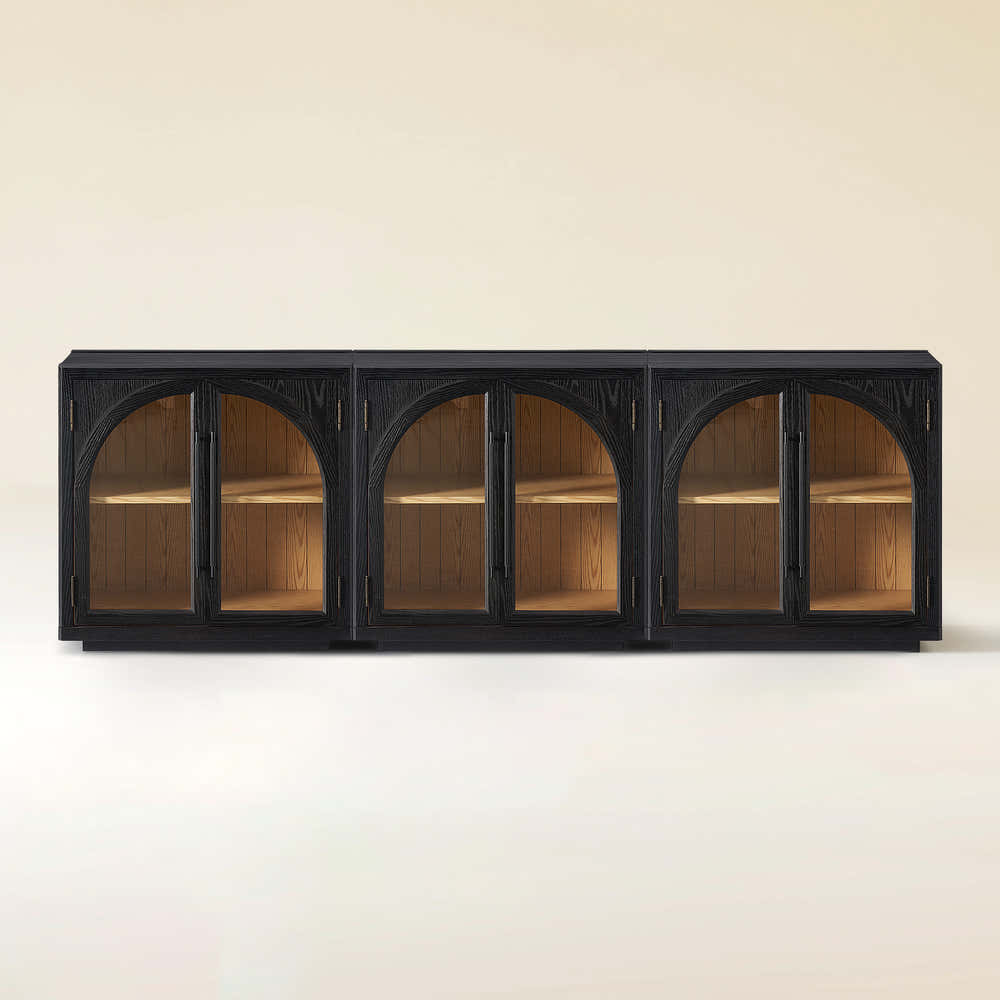


Alvar Arched 91″ Oak Media Console(Set of 3)
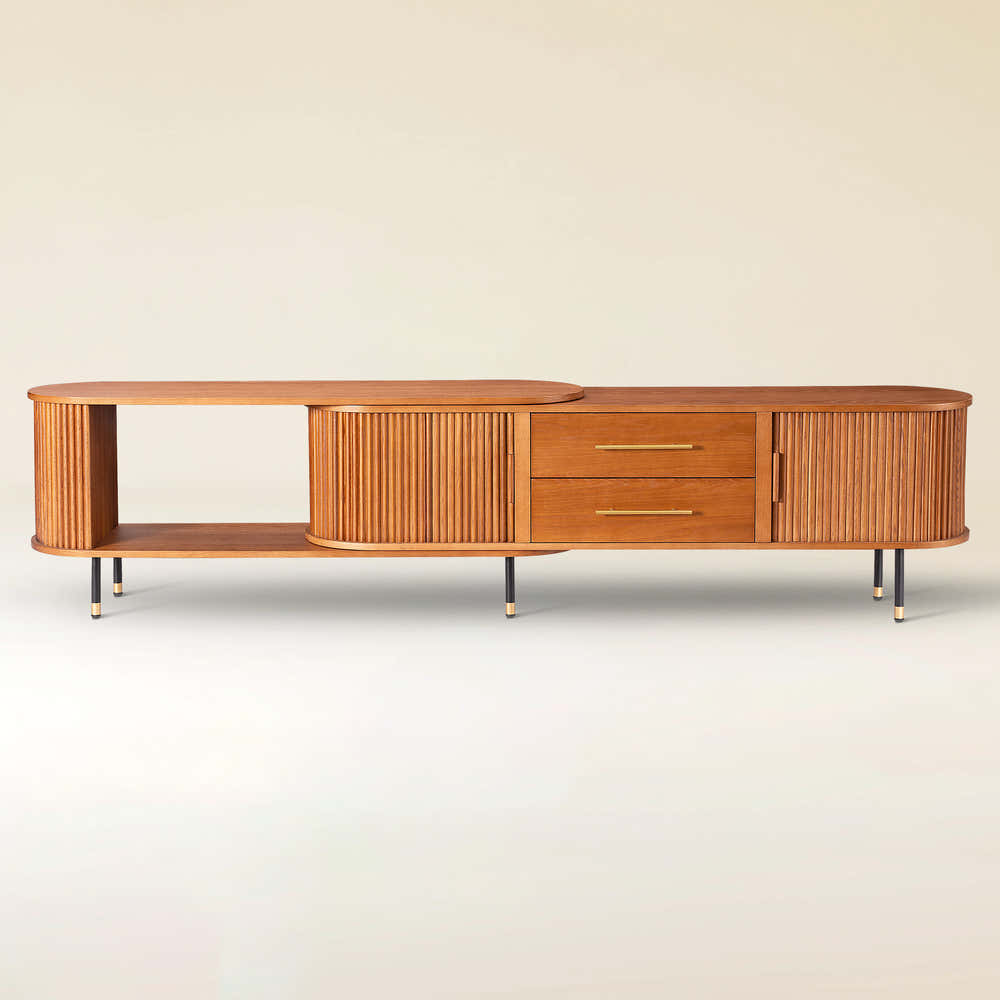
Ewan Oak Extendable Media Console 79" to 110"
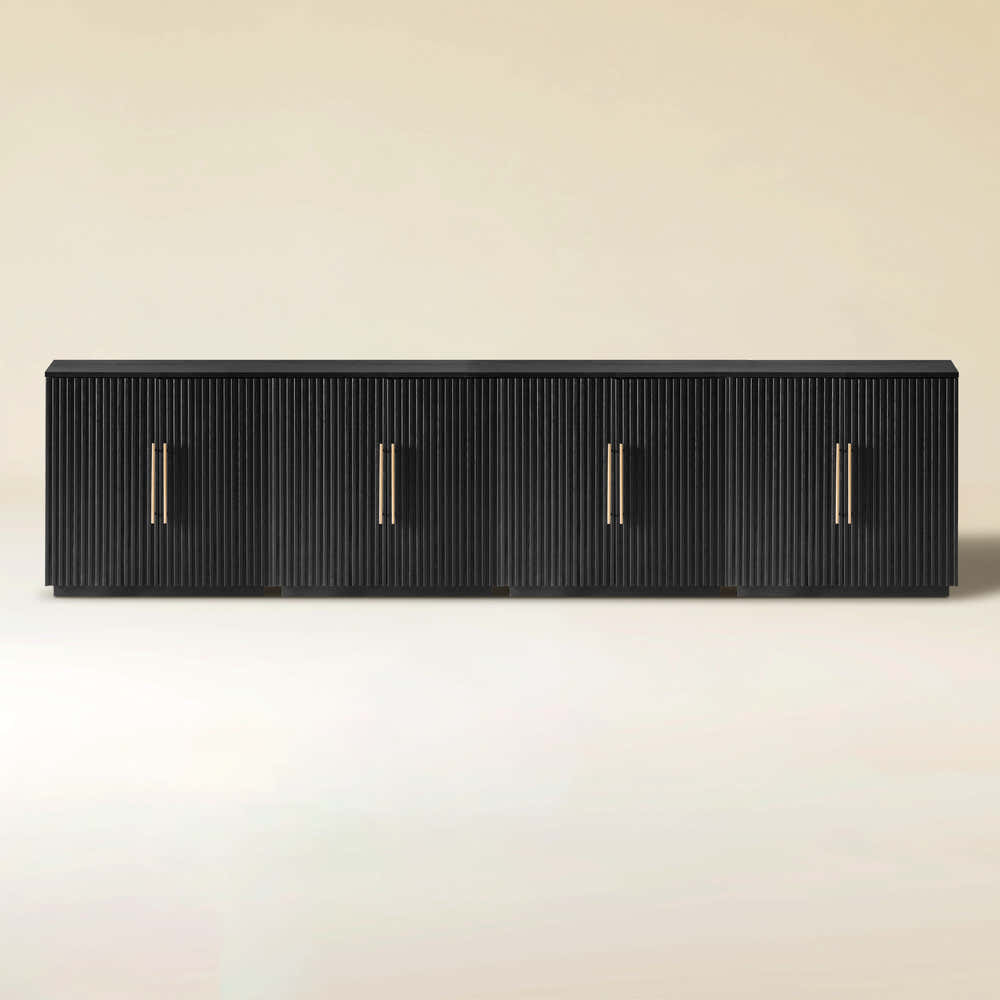


Holt 126″ Solid Oak Console(Set of 4)

FSC FCOC47059 . FSC is dedicated to the promotion of responsible forest management
worldwide. By selecting this product, you help take care of the woorld's forests

UL-certified for indoor drying environments not directly exposed to excessive moisture or water;
Use in the United States and Canada.

Certified to Dry ETL electrical standard: suitable for use indoors in dry locations not directly exposed to excessive moisture and water
Use in the United States

CE-certified drying equipment compliant with electrical standards: Suitable for indoor drying environments not directly exposed to excessive moisture or water;
Tested for use in Europe, the UK, and other regions.


The support center has answers to questions you may have. You can also contact customer service in the support center if you can't find what you're looking for.
Support Center >
At houlte, we are committed to delivering quality, style, and great value to our customers. Our goal is to simplify your shopping experience by providing competitive prices and exceptional service.

If an item you purchased from houlte goes on sale on our website within 30 days of your purchase date, you may request a price match. This policy ensures you always receive the best value when shopping with us.
Houlte reserves the right to interpret and adjust the terms of the Price Match Policy as necessary.
Houlte has partnered with Taskrabbit to make your everyday life at home easier by connecting you with flexible and affordable ways to get your to-do’s done including furniture assembly and mounting.

1. Purchase your furniture at Houlte.
2. Check your order Dispatched and Delivered email and click the
Houlte link. You will be redirected to Taskrabbit's landing page.
3. Post your task on Taskrabbit platform.
4. Pick the best tasker to assemble your furniture.
Houlte has partnered with Taskrabbit to make your everyday life at home easier by connecting you with flexible and affordable ways to get your to-do’s done including furniture assembly and mounting.
Taskrabbit Assembly is available in most metro areas in the US. The availability of Taskers varies based on demand. When placing an order on Taskrabbit, you will need to enter your zip code. If the service is not supported in your area, you will not be able to place an order.
You can book assembly for your Houlte furniture as early as the next day after your delivery, and up to 14 days in advance, giving you flexibility to choose a time that works best for you.

Ready to use out of the box; minimal installation may be required (e.g., handles).

Main structure is pre-built; minor components require attachment (e.g., legs).

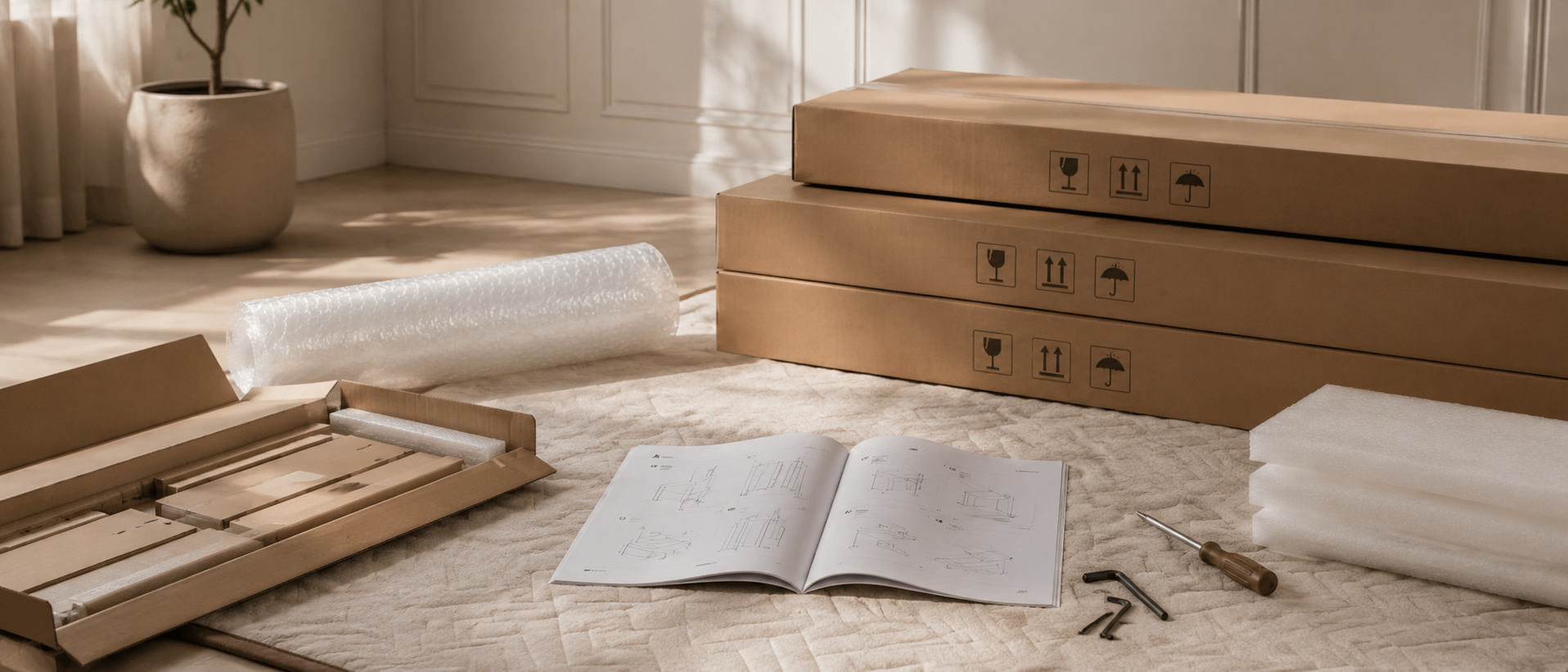
Assembly required; multiple parts must be assembled before use.
Our furniture is built with a combination of core boards, real wood veneers, and selected solid wood parts. Each material is used for a different purpose—structure, surface appearance, or visible strength—so the final piece feels balanced in performance, finish, and cost.
Core boards form the internal foundation of the furniture. They provide structure, stability, and efficiency across large surfaces and cabinet bodies.

Stable structural board

Smooth and consistent

Functional internal board
Selected solid wood parts are used where visible strength, tactile quality, and structural integrity matter most—such as legs, frames, trim, and exposed support details.

Durable and classic

Light and versatile

Premium and elevated
Congratulations! You have finally received the keys to your very first home. The paperwork is signed, the boxes are moving in, and you are standing in the middle of empty rooms, envisioning the life you are going to build. Transitioning from renting to owning is one of the most significant milestones in life. However, once the initial excitement settles, a new challenge emerges: how do you furnish an entire house without making costly mistakes or sacrificing your personal style?
For years, the default approach was to rush to a big-box store and buy matching, mass-produced sets just to fill the space quickly. But in 2026, the interior design landscape has shifted. Homeowners now recognize the immense value of sustainable luxury and intentional design. At HOULTE, our guiding principle is Feel Home, Feel Houlte. We believe your home should be a deeply personal sanctuary, crafted with pieces that offer enduring quality, sophisticated aesthetics, and daily functionality.
Furnishing your first home is a marathon, not a sprint. This comprehensive guide will walk you through the strategic process of buying furniture, room by room, ensuring you invest your budget wisely in pieces that will grow with you for decades to come.
Before you add a single item to your cart, it is crucial to establish a foundational strategy. First-time homeowners often fall into the trap of buying items that look beautiful in a showroom but fail to function in their actual living space.
The most common mistake new homeowners make is ignoring scale. A sofa that looks perfectly sized in a massive warehouse might completely swallow your living room, while a petite dining table might look comically small in an open-concept dining area. Before purchasing, map out your rooms using painter's tape on the floor. This visual trick allows you to feel the footprint of a Sofa, a Coffee Table, or a Dining Table before committing. Ensure you leave at least 30 to 36 inches of walkway space between major pieces of furniture to maintain a natural, comfortable flow.
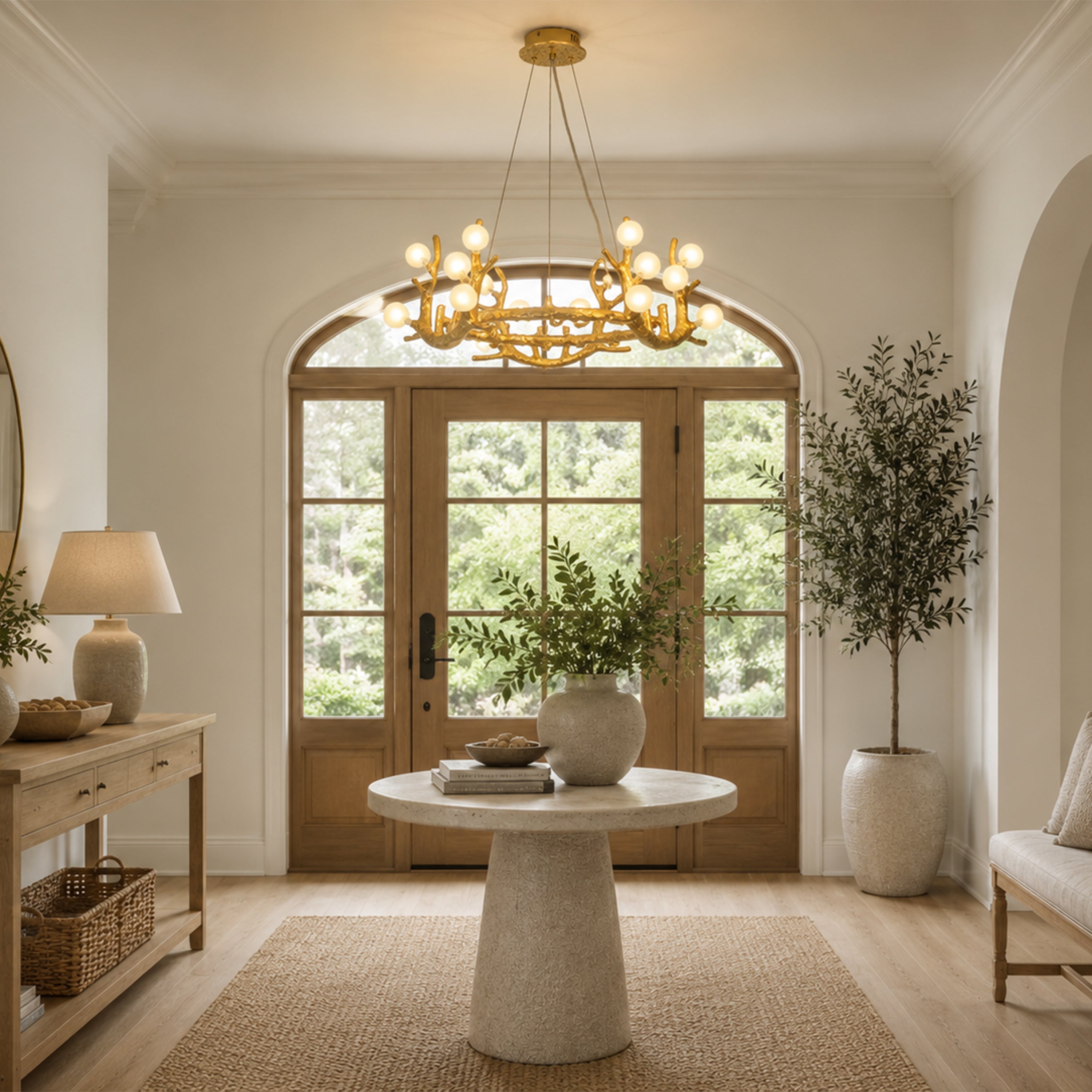
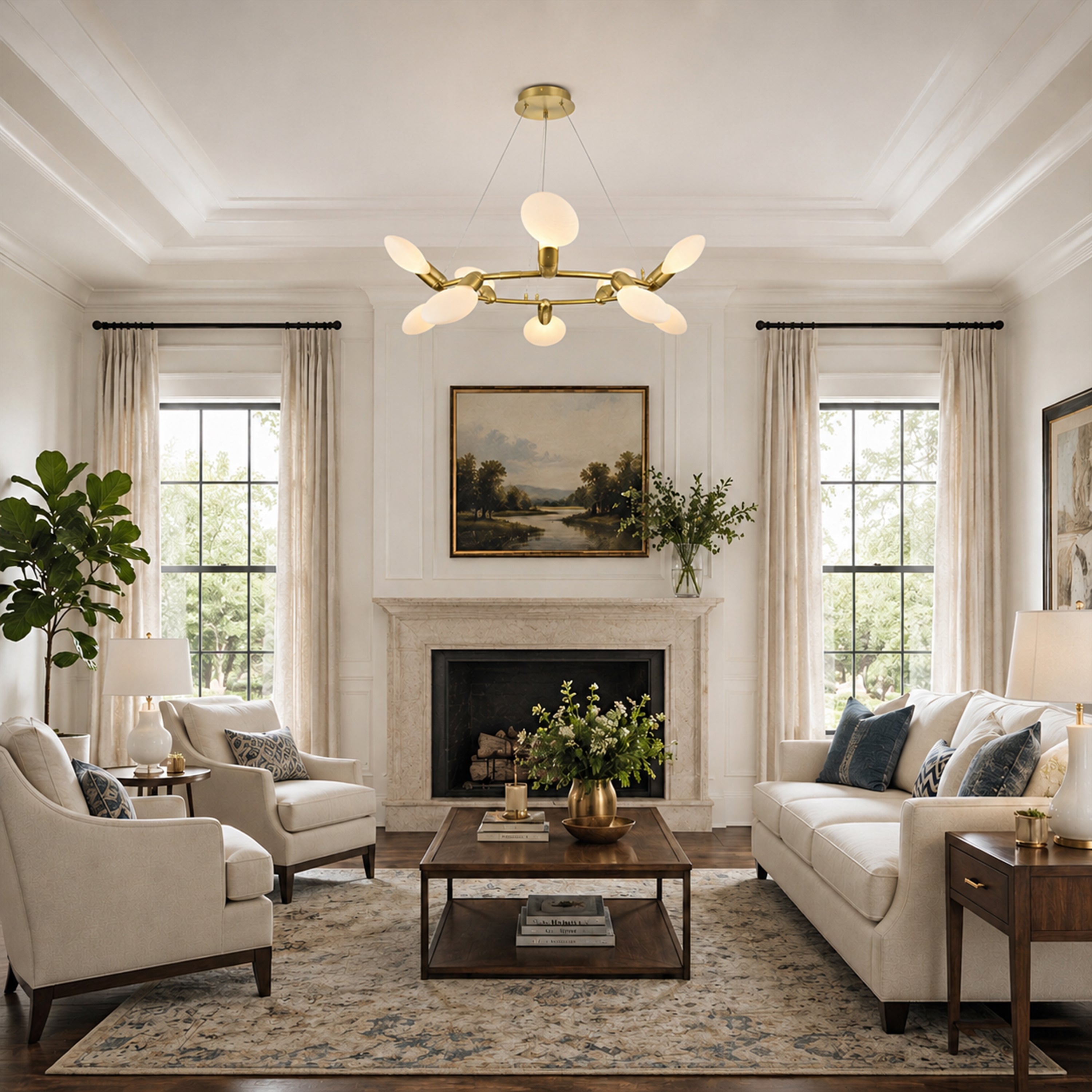
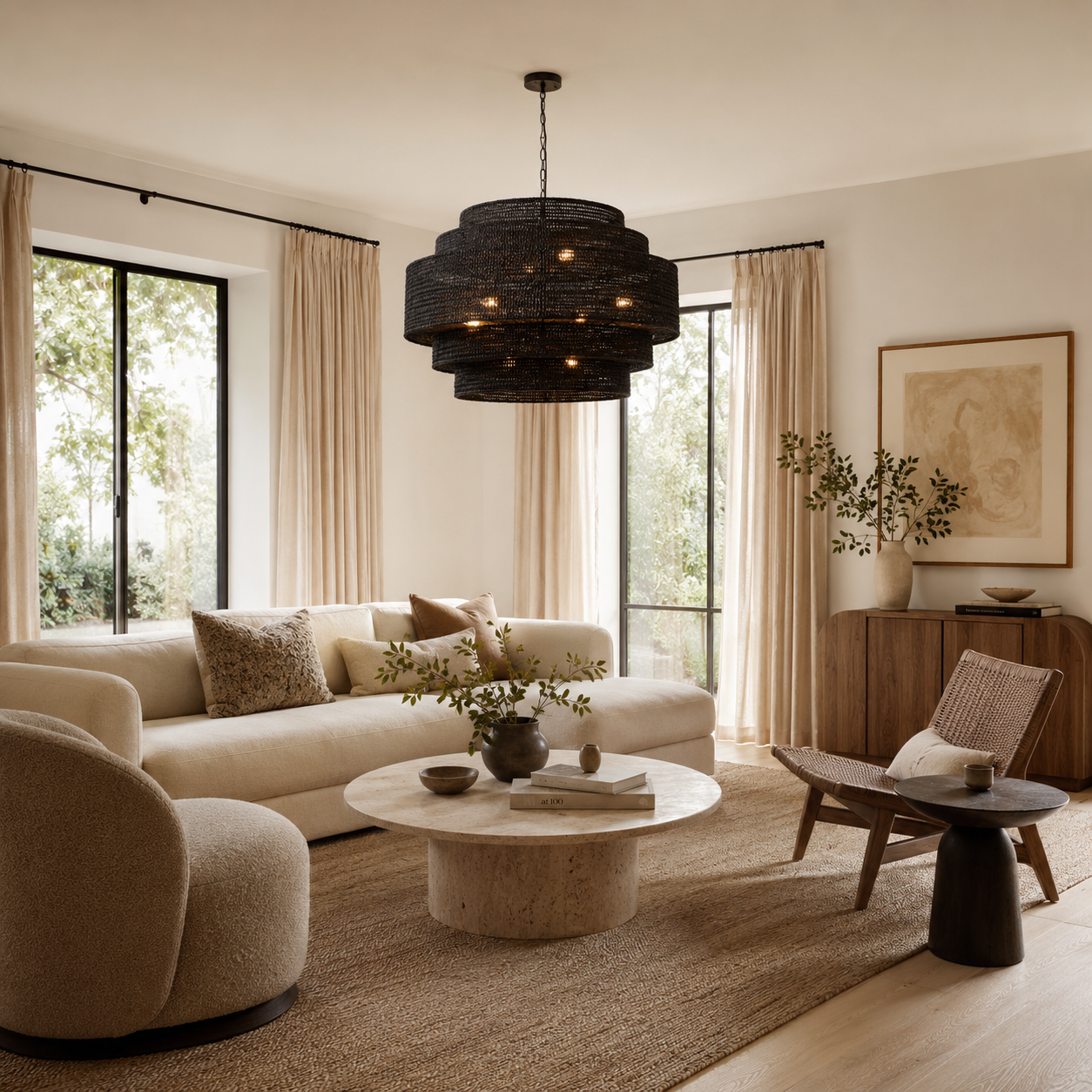
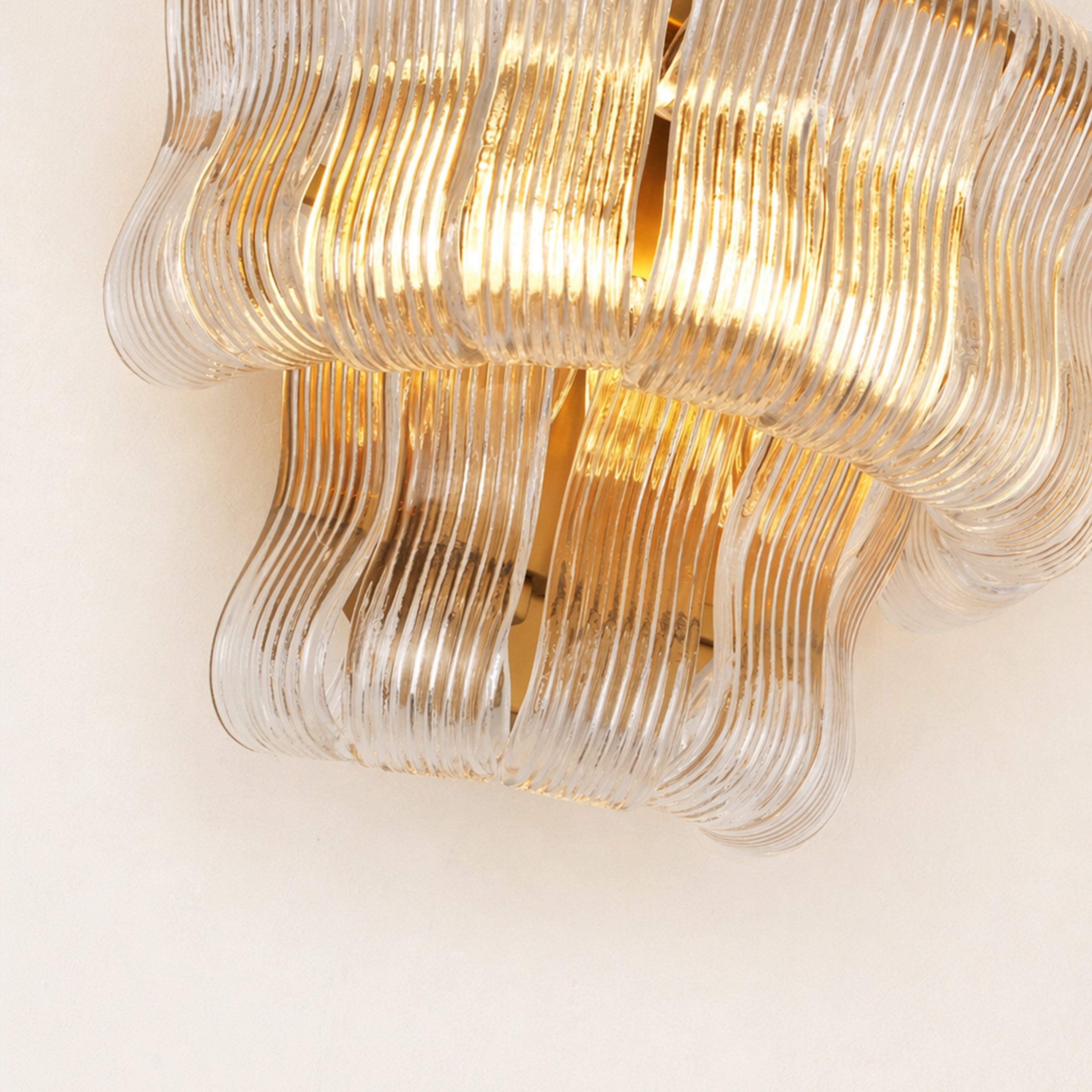
Lighting is the unsung hero of interior design. A beautifully furnished room will fall flat under harsh, builder-grade lighting. Do not treat lighting as an afterthought. From the moment you start planning, think about how natural light moves through your home and where you will need to supplement it with Chandeliers, Wall Sconces, and Pendants. A layered lighting approach is essential for creating the luxurious, welcoming atmosphere that defines a true home.

The living room is the heartbeat of your home. It is where you will entertain guests, unwind after a long workday, and spend lazy weekend mornings. Therefore, your budget should be heavily weighted toward this space, focusing on comfort, durability, and smart organization.
Your Sofa is arguably the most important purchase you will make. Do not compromise on the quality of the frame or the resilience of the upholstery. Look for high-density foam cushions and performance fabrics that can withstand daily life. When placing your sofa, anchor it with a high-quality Rug. A rug that is too small will make the room feel disjointed and cheap. The golden rule for 2026 is that all the front legs of your seating furniture—your sofa and any accent chairs—should sit comfortably on the rug.

Once your seating is established, you need surfaces to support your lifestyle. Coffee Tables are no longer just places to drop a magazine; they are sculptural centerpieces. Whether you choose a solid oak piece with soft, rounded edges or a sleek mix of glass and metal, ensure the table is approximately two-thirds the length of your sofa. To complement the central table, strategically place a Side Table at the end of the sofa or next to a reading chair, providing a convenient spot for a warm cup of tea or a decorative table lamp.

In the modern home, technology is omnipresent, but cables and digital clutter shouldn't be. A premium TV Stand & Media Console is an absolute necessity for the first-time homeowner. Moving away from flimsy, open-shelved units, today’s homeowners are investing in sophisticated media consoles featuring silent-close doors, slatted wood designs for remote sensor passthrough, and built-in cable management. A beautifully crafted media console from HOULTE acts as an architectural focal point, grounding your television while hiding routers, gaming systems, and endless wires behind a facade of modern elegance.

Moving from a cramped apartment to a house usually means upgrading your dining and entertaining capabilities. This is the space where memories are made over shared meals and late-night conversations.
Your Dining Table dictates the dynamic of the room. Rectangular tables are phenomenal for large, dedicated dining rooms, offering a formal and grand aesthetic. However, if your first home features an open floor plan or a more compact dining nook, a round dining table is an incredible choice. Round tables promote conversation, eliminate harsh corners (perfect for future family planning), and allow for a more fluid movement around the room.

Many first-time buyers overlook the dining room's need for storage, focusing only on the table and chairs. Enter the Sideboards & Buffets. These pieces are the ultimate multitaskers. Placed against a dining room wall, a beautifully crafted sideboard provides essential storage for your fine china, seasonal table linens, and serving platters. During dinner parties or holiday gatherings, the top surface transforms into a magnificent buffet station or a sophisticated home bar, keeping the main dining table free of clutter.

If your new kitchen lacks counter space or a natural gathering spot, adding a freestanding Kitchen Island is a transformative upgrade. It provides crucial extra prep space for cooking, deep drawers for heavy pots and pans, and, when paired with the right counter stools, becomes the casual, everyday dining spot for morning coffee or quick breakfasts.
The entryway is the first impression your home makes on guests and the welcoming embrace you receive when you return from work. Yet, it is often the most neglected space in a first home.
A narrow, elegant Console Table is the perfect solution for an entryway. It provides a designated "drop zone" for your keys, mail, and sunglasses, preventing these everyday items from migrating to your kitchen counters. Style your console table with a beautifully framed mirror above it—which bounces light and makes the entryway feel larger—and a small catch-all tray.
Nothing ruins the aesthetic of a beautiful home faster than a chaotic pile of shoes by the front door. Dedicated Shoe Storage is a non-negotiable for the organized homeowner. Modern shoe storage cabinets are designed to be incredibly slim, tilting outward to hide dozens of pairs of shoes while looking like a high-end, minimalist console from the outside.
Your bedroom should be a retreat from the world—a place of unparalleled peace and intentional design.
Symmetrical Nightstands instantly elevate a bedroom from a haphazard collection of furniture to a designed suite. When choosing a nightstand, height is critical; the top surface should be level with, or slightly lower than, the top of your mattress. Opt for nightstands with at least one or two enclosed drawers to hide personal items, charging cables, and reading glasses, maintaining a visually serene environment for sleep.
First-time homeowners quickly discover that closets are rarely as spacious as they seemed during the open house. Supplemental clothing storage is vital. Tall Cabinets & Chests utilize vertical space brilliantly, making them ideal for smaller bedrooms. They provide deep, substantial space for bulky sweaters and denim. Meanwhile, a wide, multi-Drawer dresser not only offers expansive storage for lighter clothing but also provides a wide top surface perfect for displaying art, jewelry boxes, or leaning a large floor mirror.
Builder-grade bathrooms often lack personality and functional storage. While a full bathroom renovation might not be in your immediate budget, upgrading specific elements can completely change the room's dynamic.
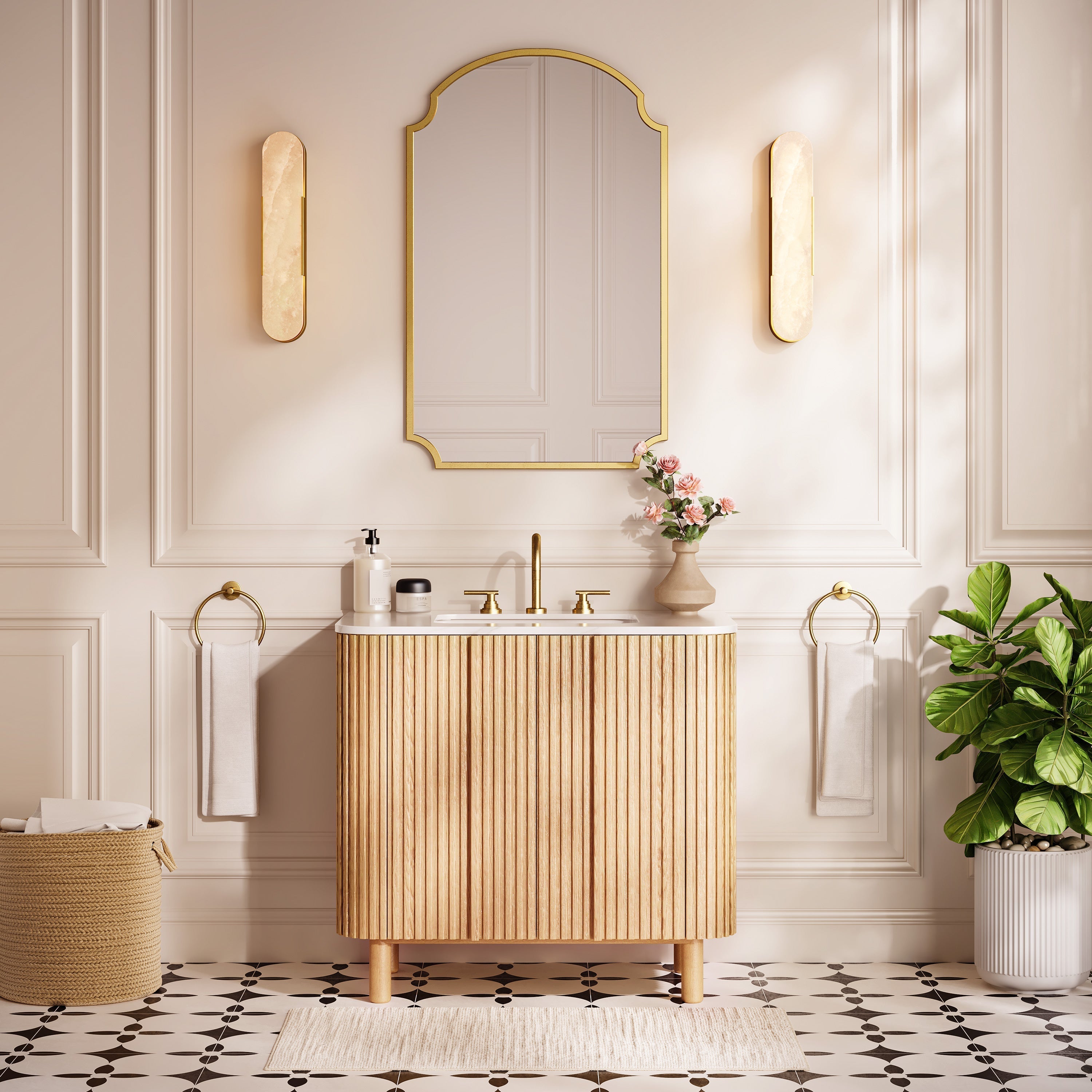
Replacing a generic pedestal sink or a cheap, laminated cabinet with a premium Bathroom Vanity is one of the highest-ROI upgrades a new homeowner can make. A high-quality vanity offers solid wood construction, durable stone or composite countertops, and, most importantly, deeply functional storage. With smartly designed drawers that wrap around plumbing, a new vanity instantly hides toiletries and cleaning supplies, bringing a spa-like serenity to your daily routine.
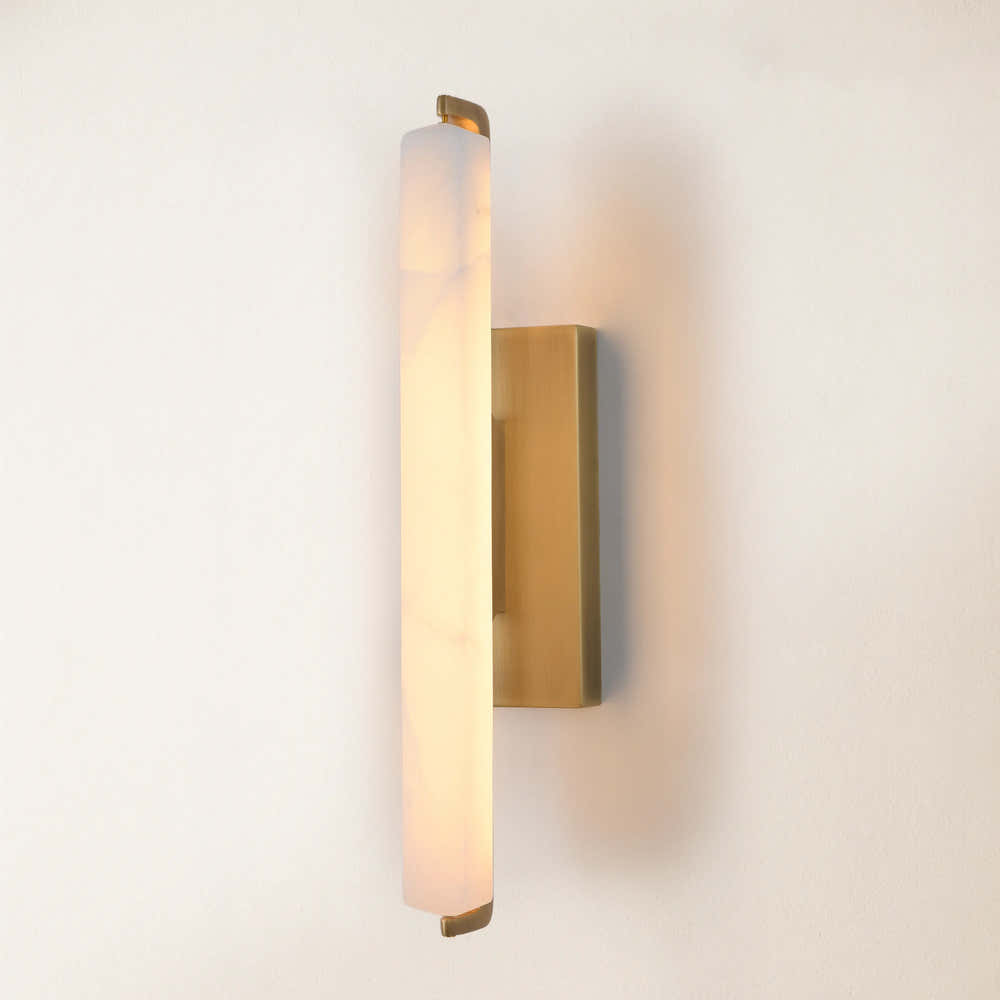
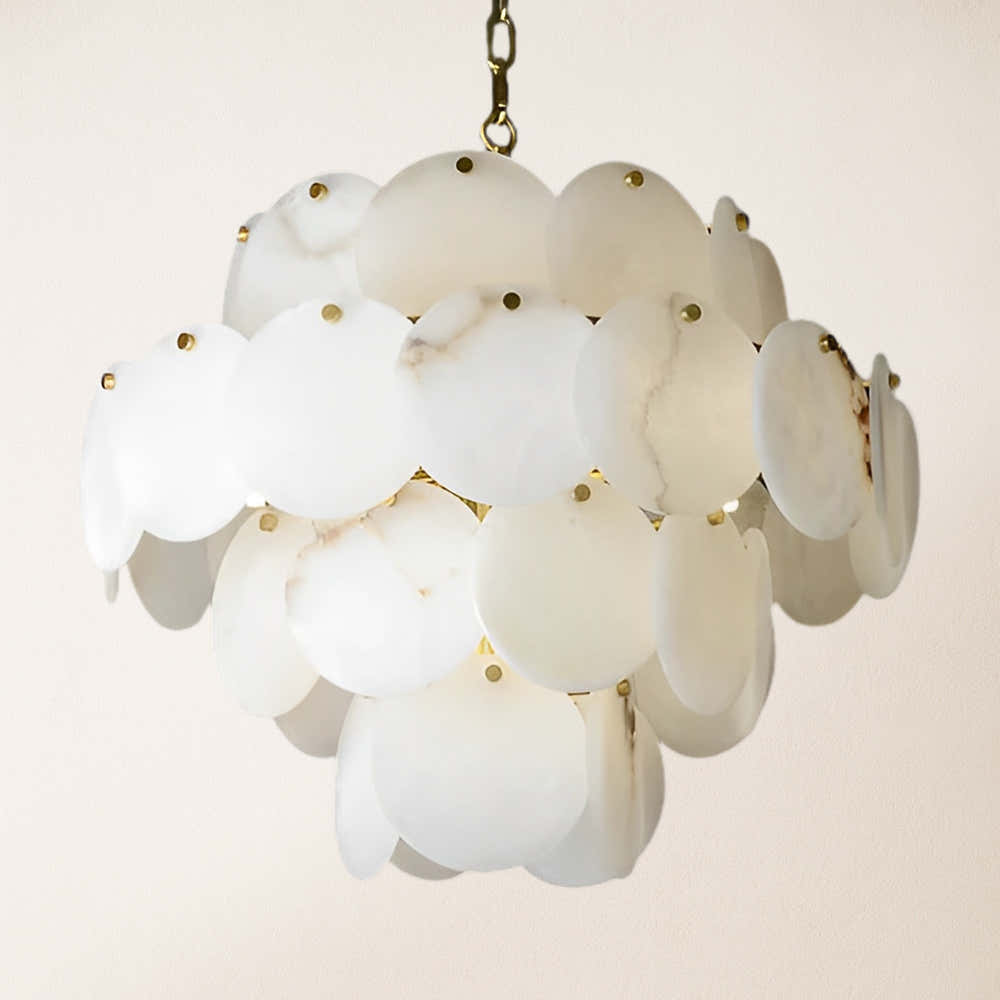
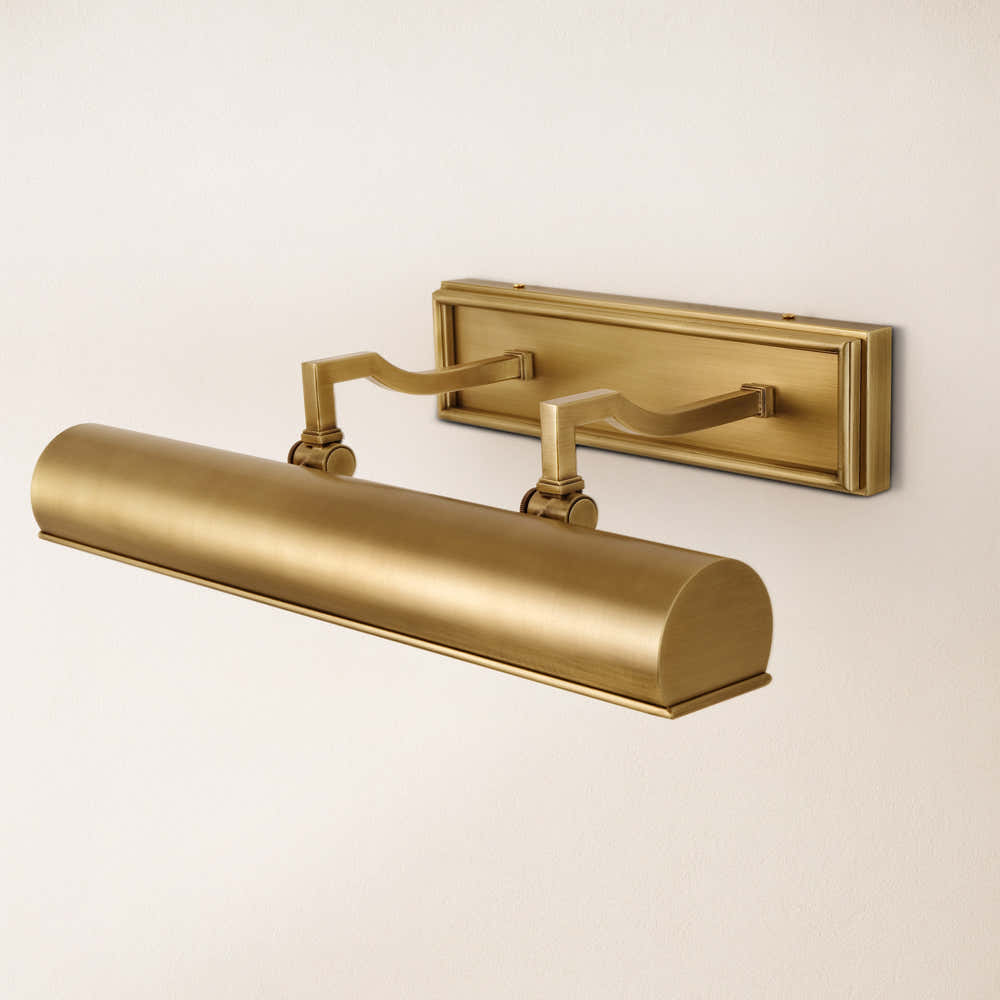
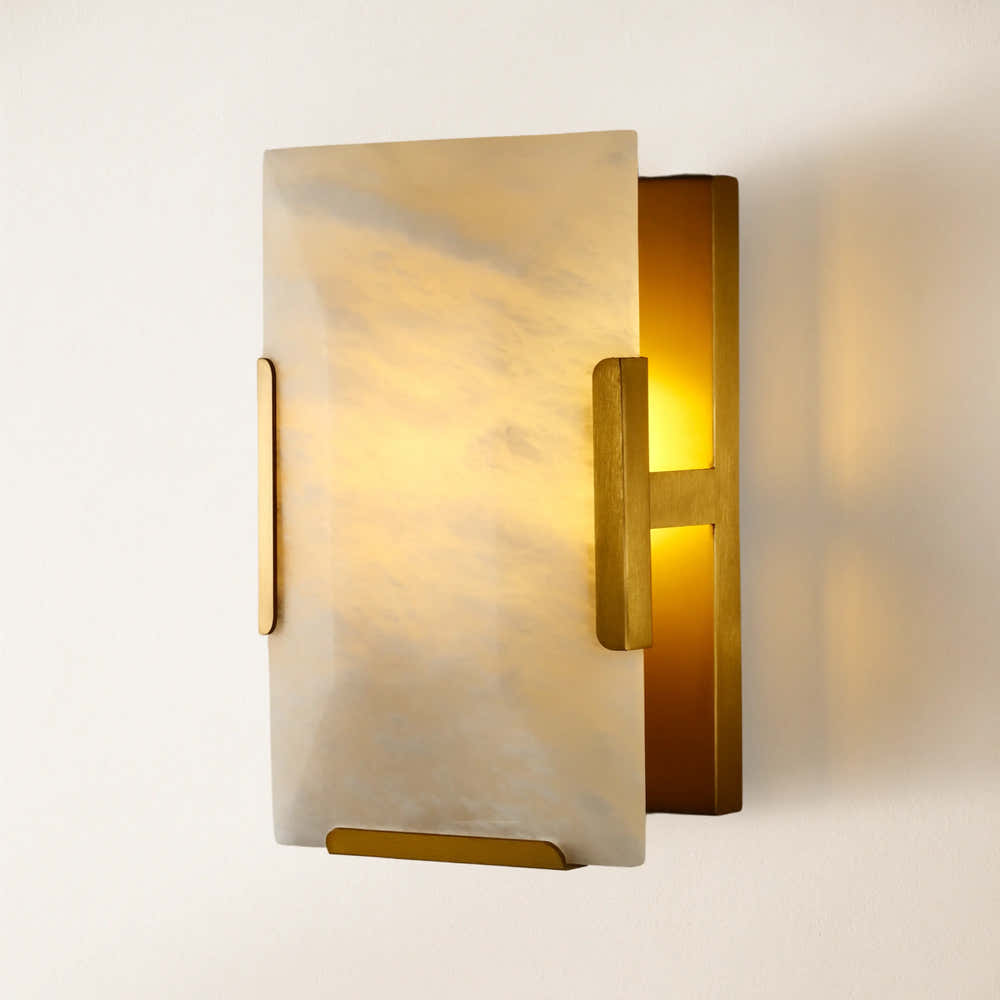
As mentioned in the planning phase, lighting is what truly brings your furniture to life. At HOULTE, we view lighting as the jewelry of the home. Here is how to deploy different fixtures across your new house:
Furnishing your first home is a deeply rewarding journey, but it requires patience. Do not feel pressured to have every single room perfectly finished within the first month. The most beautiful, character-rich homes are curated over time.
Start with the essential investment pieces—a supportive bed, a high-quality sofa, a robust dining table, and a premium media console. From there, slowly layer in your lighting, rugs, and accent tables as you learn how you actually live in the space.
By focusing on exceptional craftsmanship, timeless design, and intelligent storage solutions, you will create a living environment that is not just a house, but a true home. Explore the masterfully crafted collections at HOULTE to find the foundational pieces that will elevate your first home into a masterpiece of modern living.
Q1: What is the most important piece of furniture to invest in first? A: The sofa and the mattress are tied for the most important initial investments. You will spend the vast majority of your time at home interacting with these two items. Investing in a high-quality, durable sofa and a premium mattress ensures immediate comfort and sets a high standard for the rest of your home. After these, prioritize a solid TV stand & media console to organize your living space.
Q2: How can I furnish a home nicely on a tight budget? A: The secret is the "High-Low Mix." Invest your core budget into heavy-use, anchor items that need to last: the sofa, the dining table, and significant storage pieces like sideboards or chests. Then, save money on accent pieces. You can mix a premium HOULTE oak coffee table with more budget-friendly decorative items or vintage finds to create a curated, expensive look without overspending.
Q3: Is it okay to mix different wood tones in the same room? A: Absolutely. In fact, perfectly matching all your wood furniture can make a room look flat and reminiscent of a catalogue rather than a lived-in home. The key to mixing wood tones (like an oak dining table with a walnut sideboard) is to ensure they share a similar undertone (warm or cool) and to tie them together with a unifying element, such as a large, textured rug.
Q4: How do I choose the right size chandelier or pendant light? A: For a dining room chandelier, a good rule of thumb is to choose a fixture that is about one-half to two-thirds the width of your dining table. For kitchen island pendants, leave about 30 to 32 inches of space between the bottom of the pendant and the countertop to ensure they don't block your line of sight while cooking or entertaining.
Q5: What is the difference between a sideboard, a buffet, and a console table? A: While the terms are often used interchangeably, there are slight differences. A sideboard typically has short legs and cabinets reaching down to the floor, providing maximum storage for dining rooms. A buffet is essentially a larger sideboard designed specifically for serving food. A console table is usually taller, shallower, and often open underneath, making it ideal for tight spaces like entryways or sitting flush against the back of a floating living room sofa.
Share:
2026 Furniture Trends: The Ultimate Guide to Modern, Elevated Living
The Ultimate Nightstand Buying Guide: Perfect Sizing, Smart Tech, and Enduring Style