


















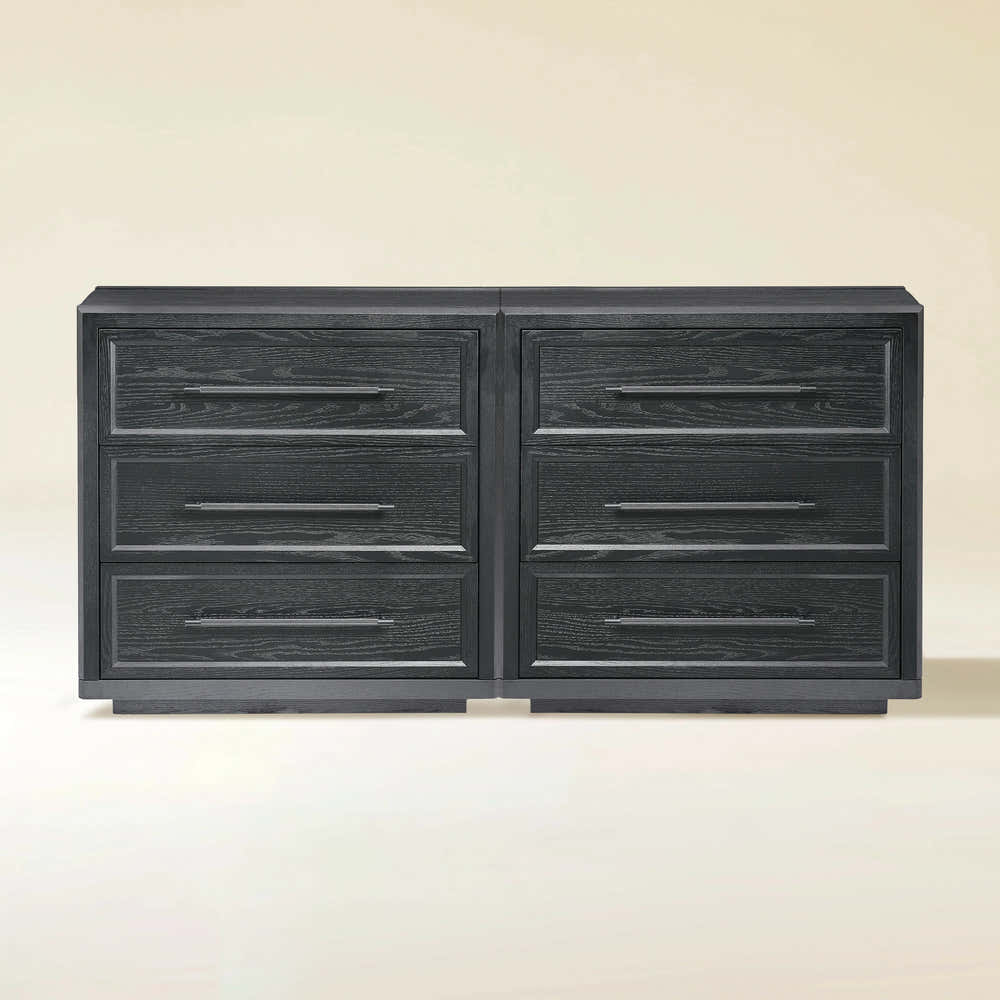


Alvar 61″ Oak 6-Drawer Chest(Set of 2)

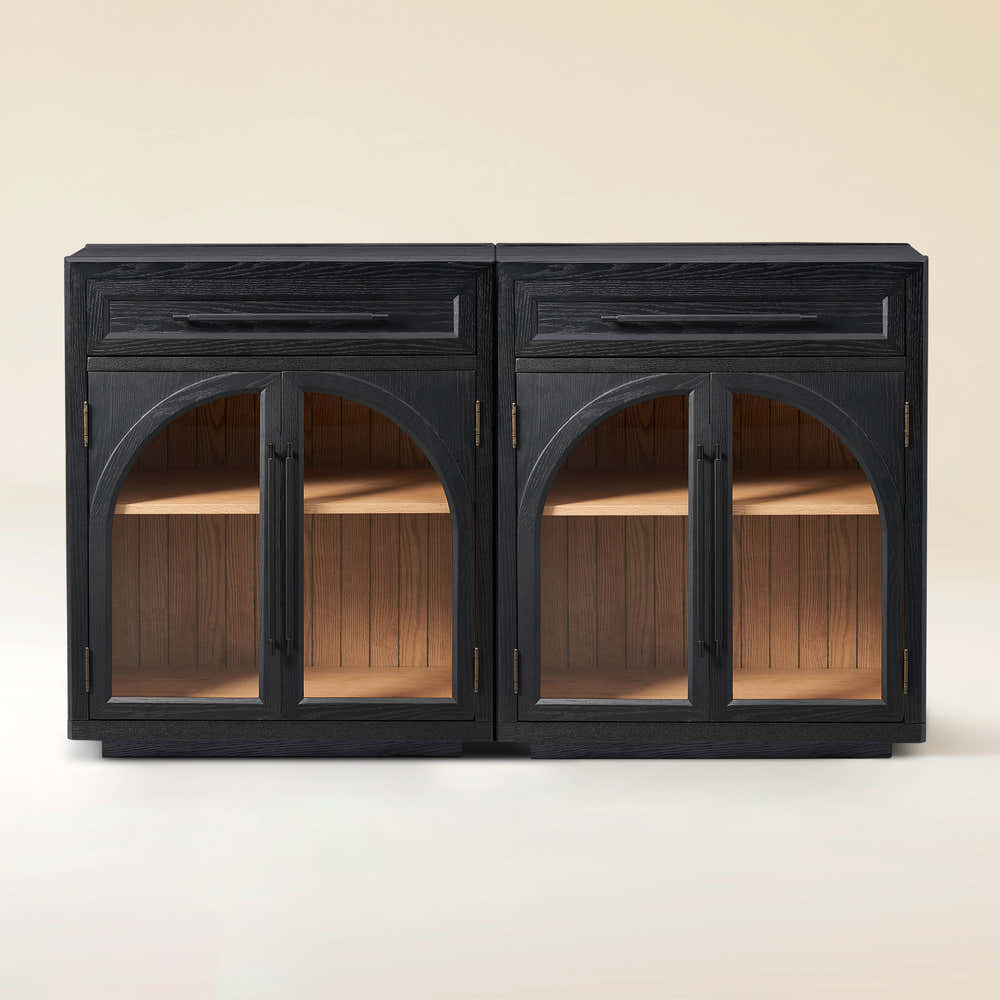


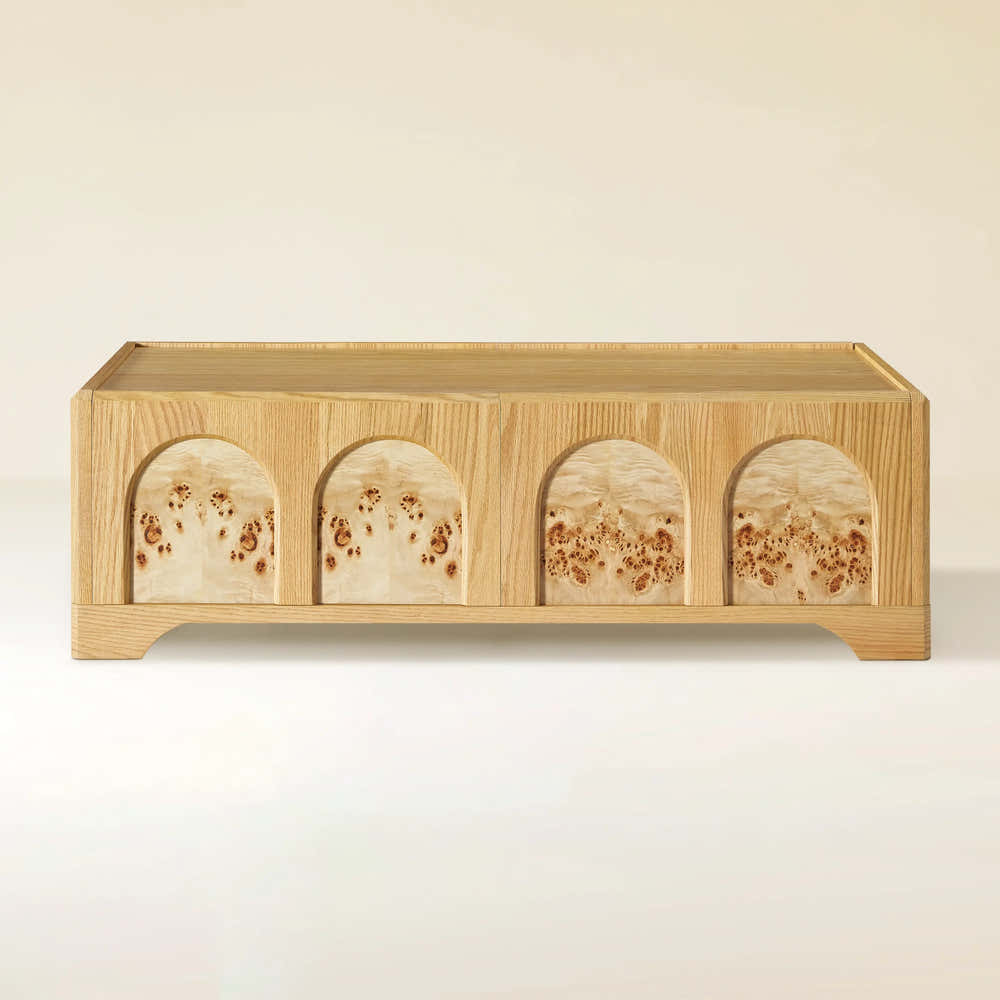
Alvar Arched 61" Oak Sideboard with Drawers(Set of 2)
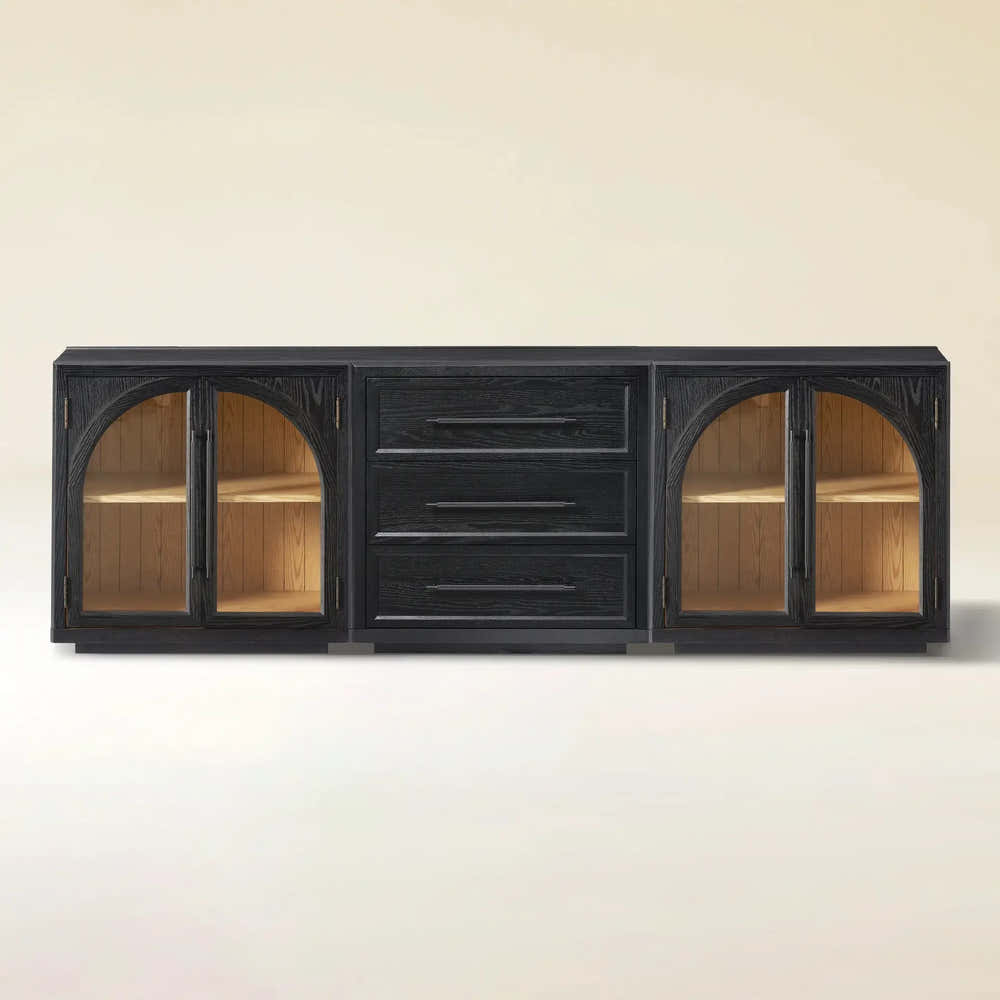


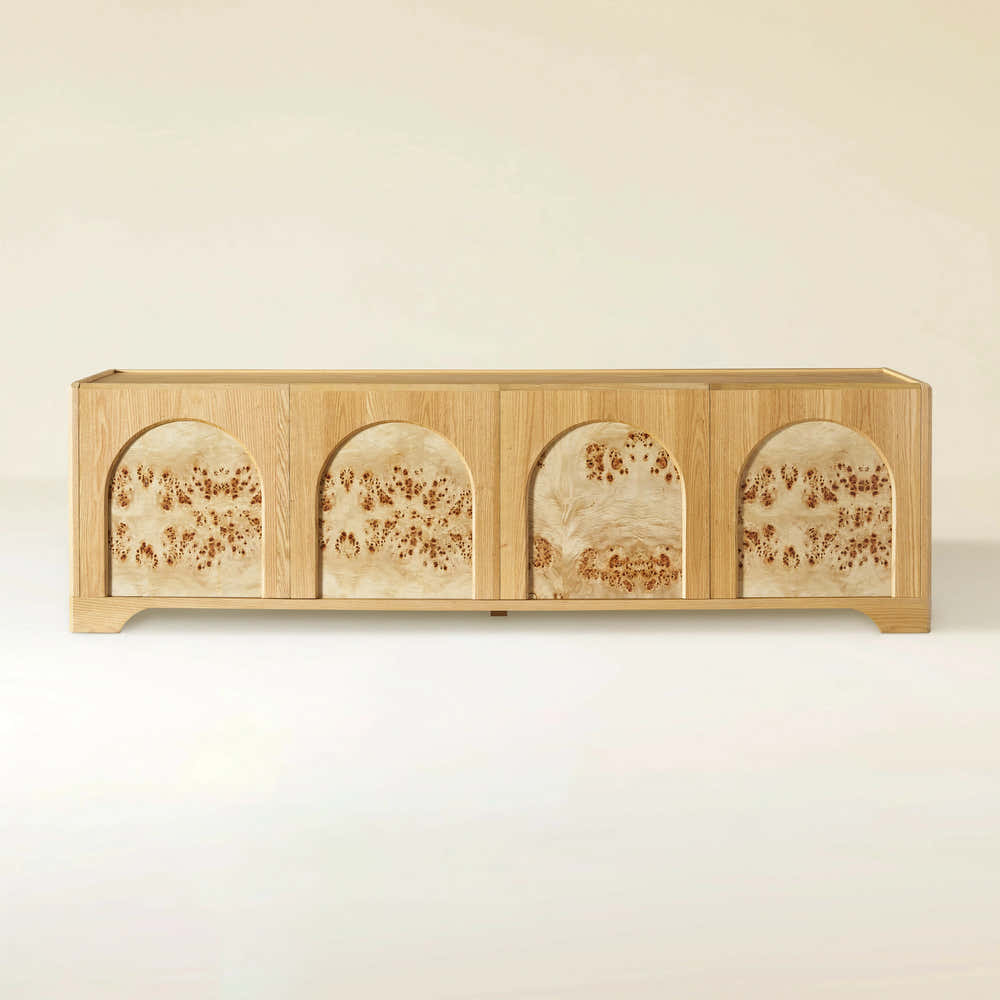
Alvar Arched 91″ Oak Modular Media Console(Set of 3)
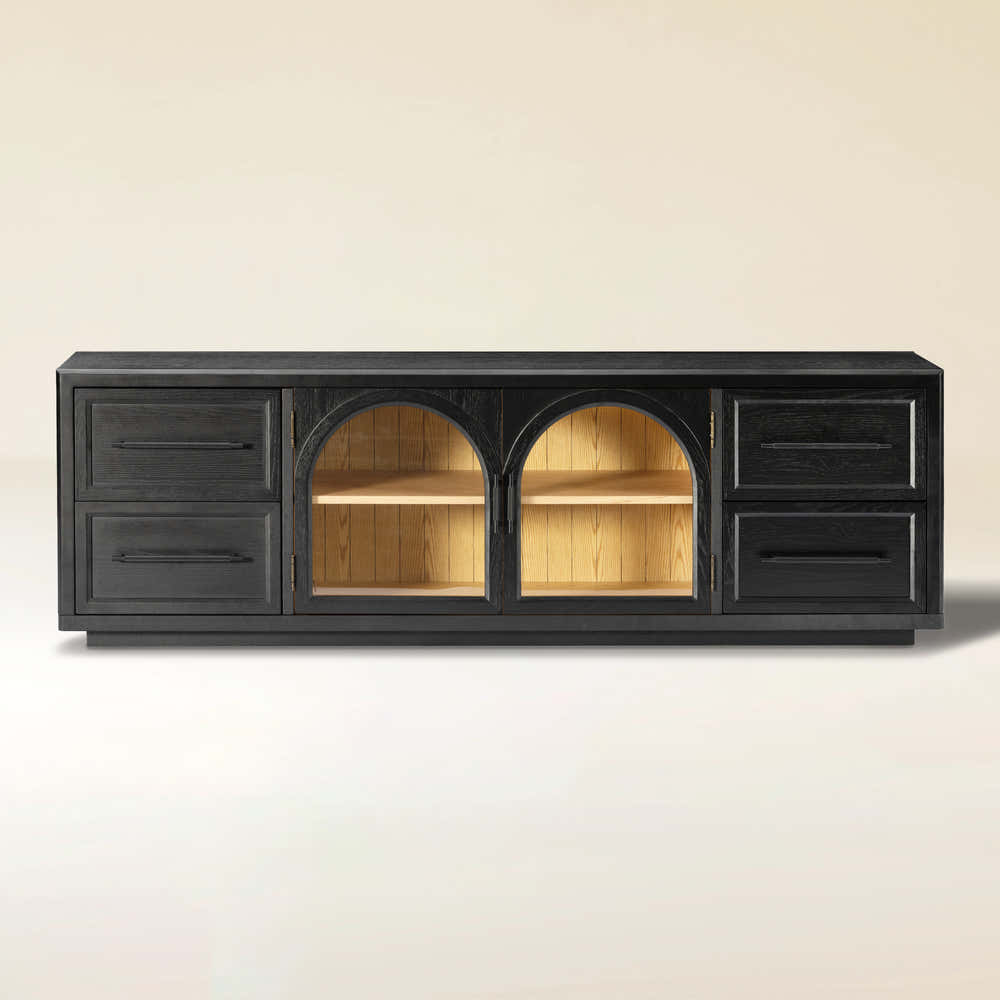
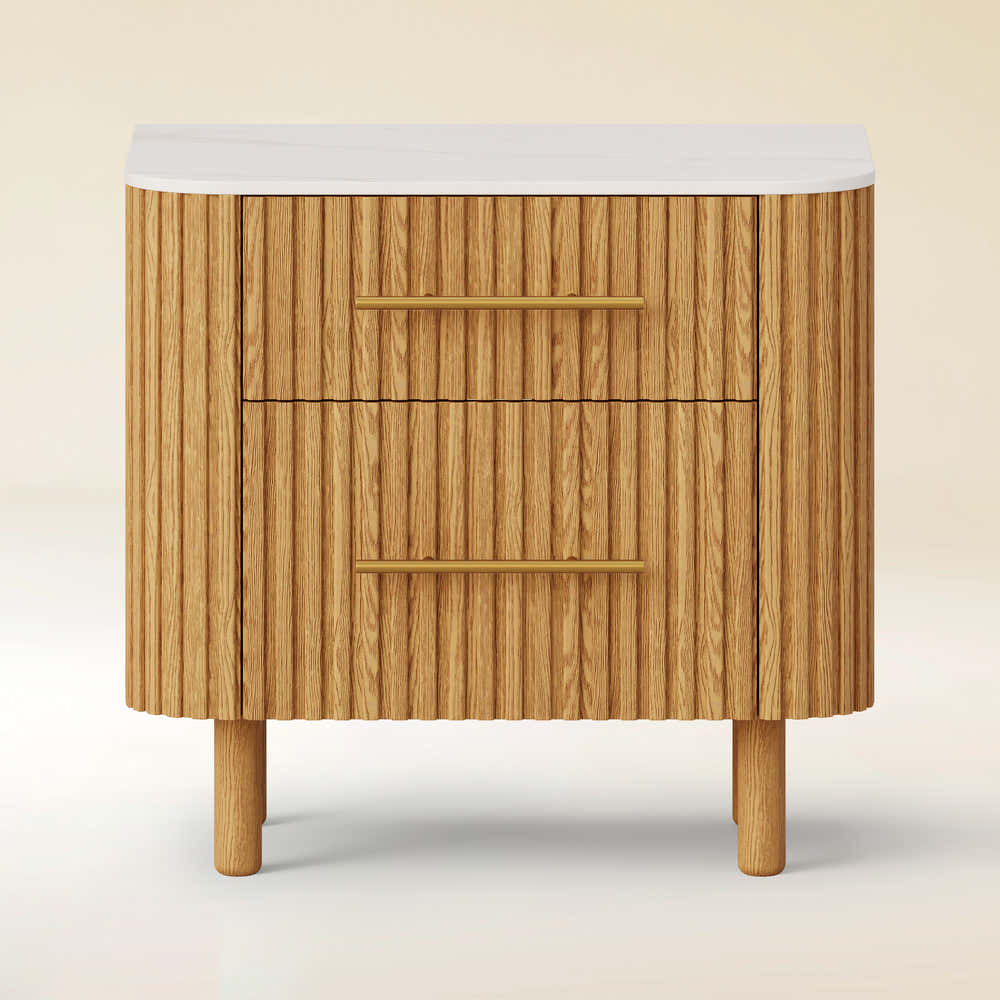
Charlie Sintered Stone Nightstand 26" W
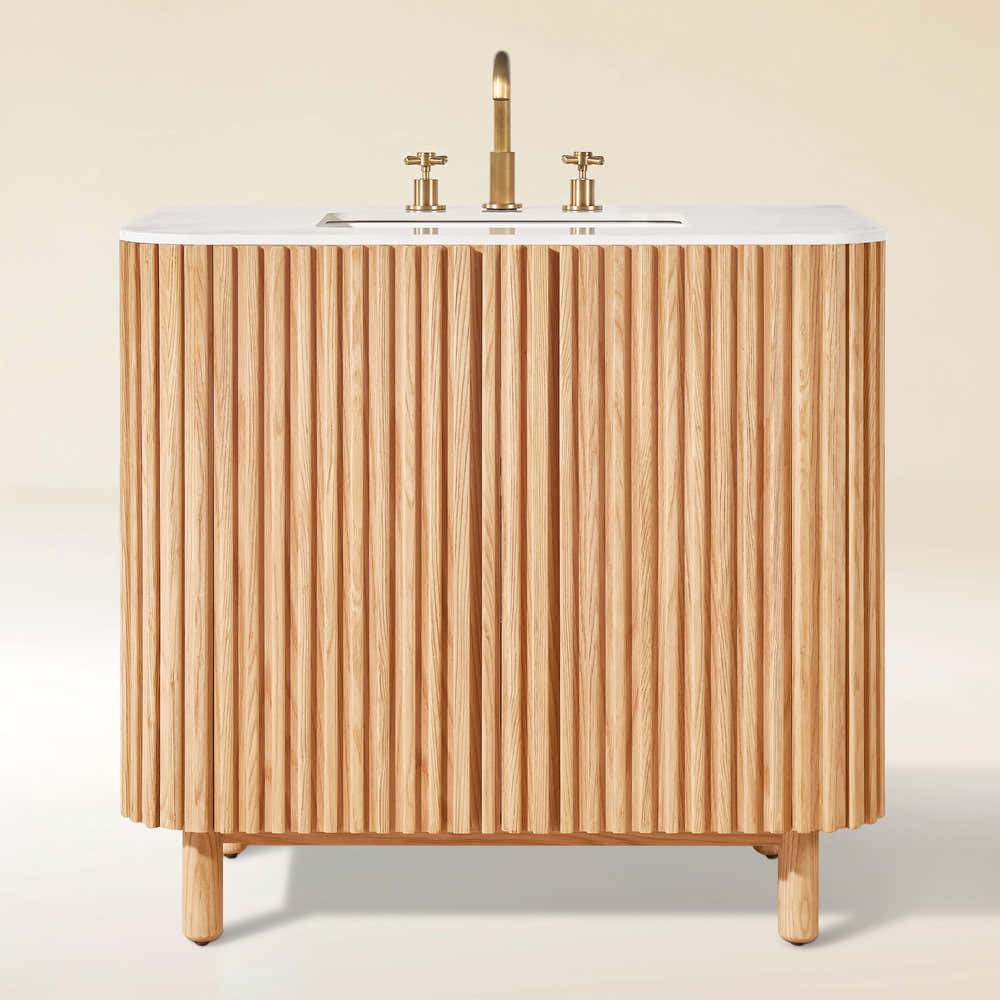
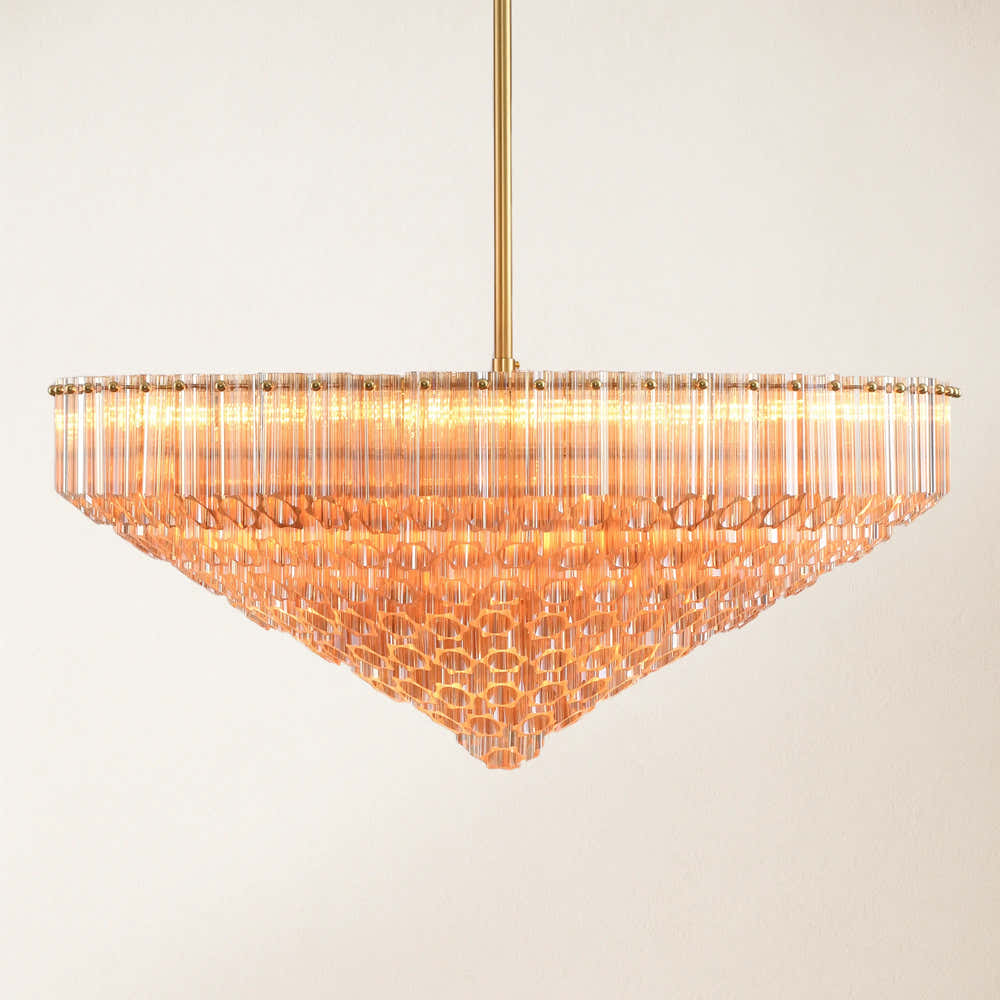


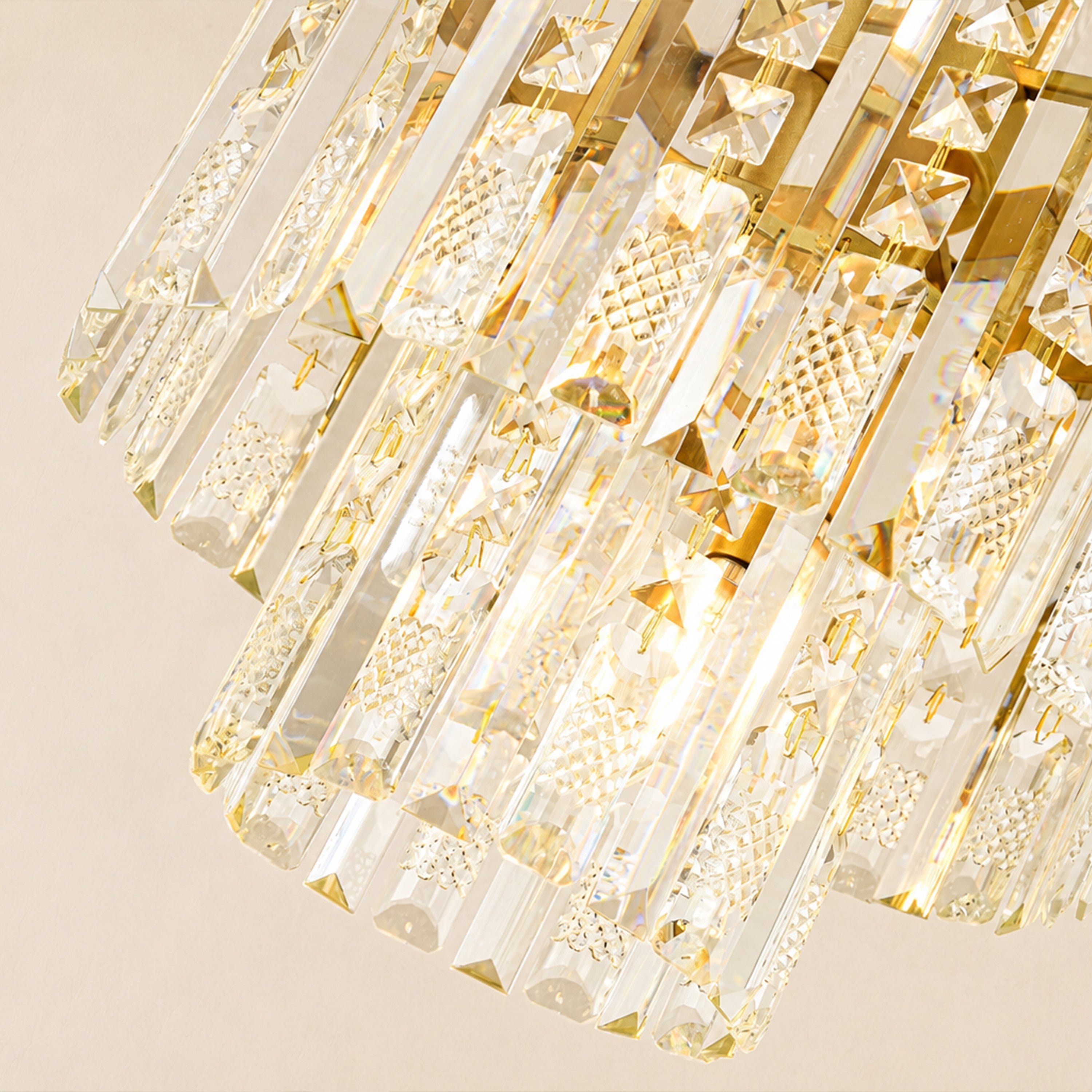
Ethereal Crystal Radiance Round Chandelier 30"D


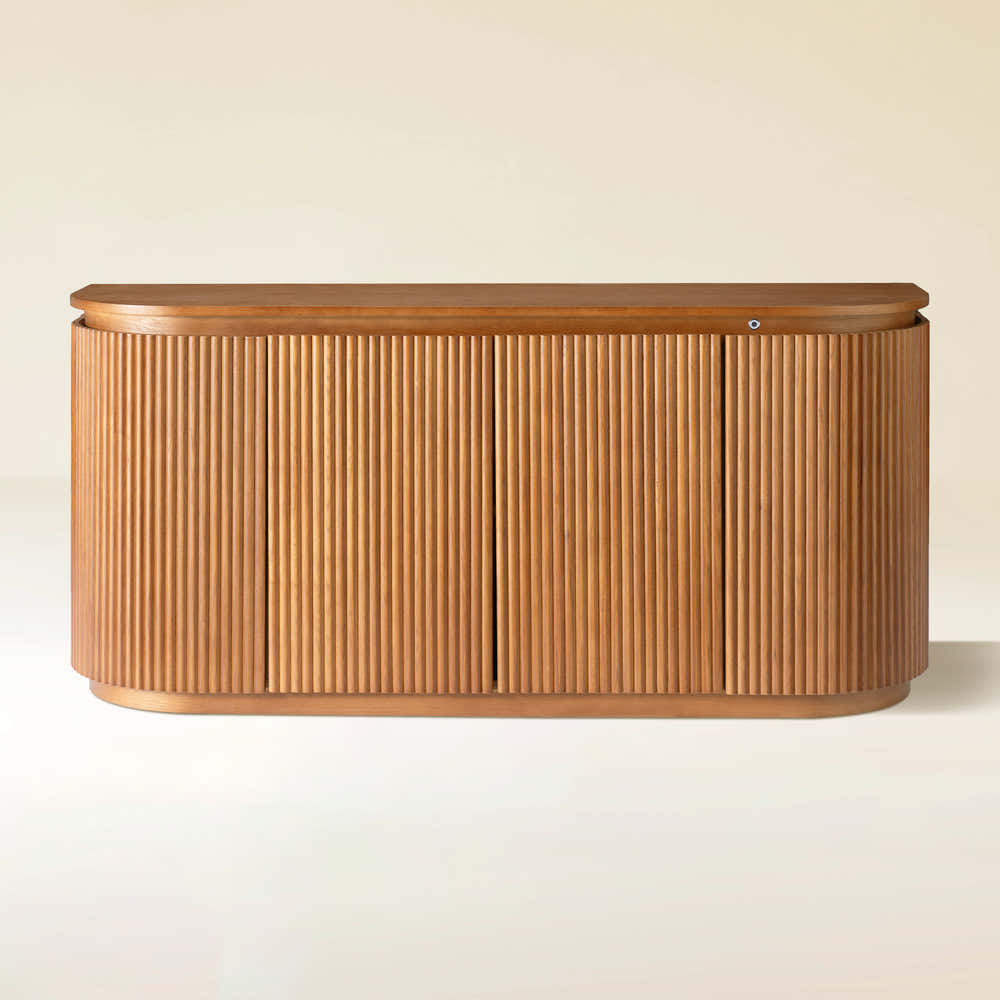
Ewan 63" Oak Slatted Sideboard Buffet Cabinet
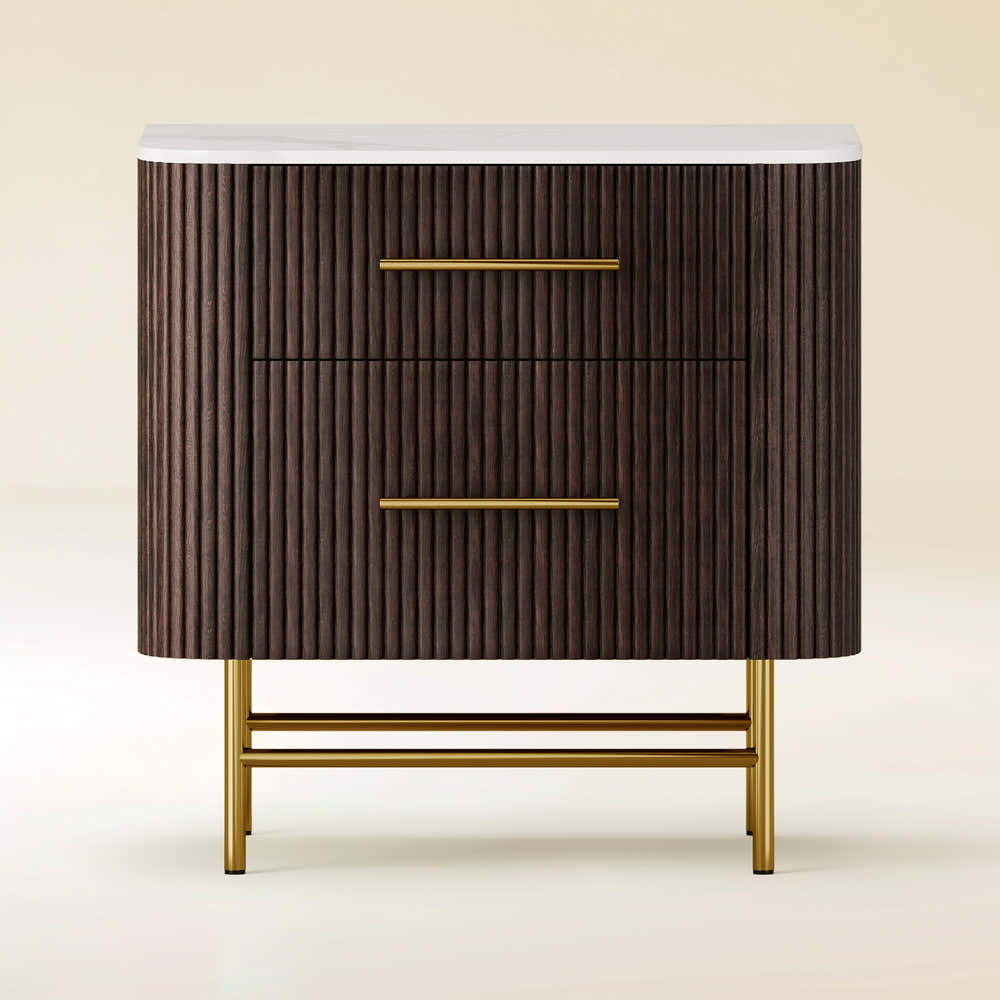


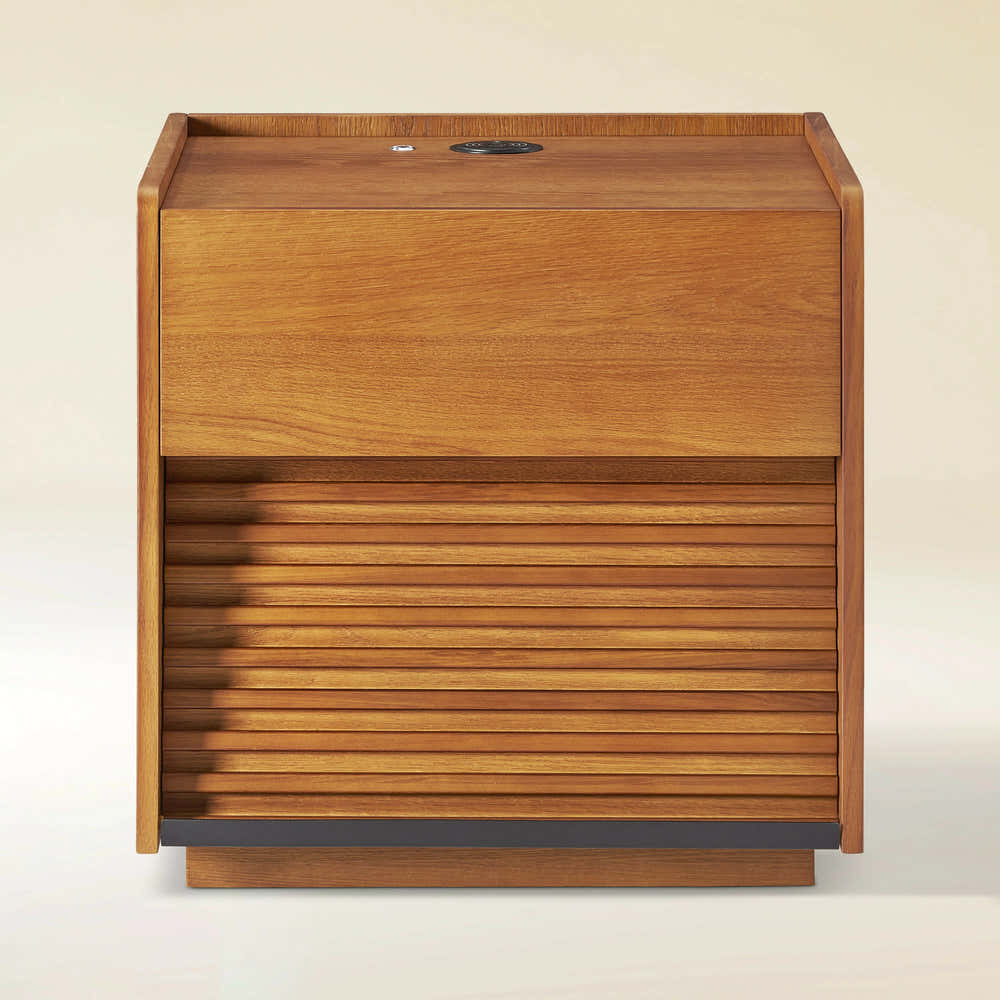
Ewan Sintered Stone Nightstand 26"W
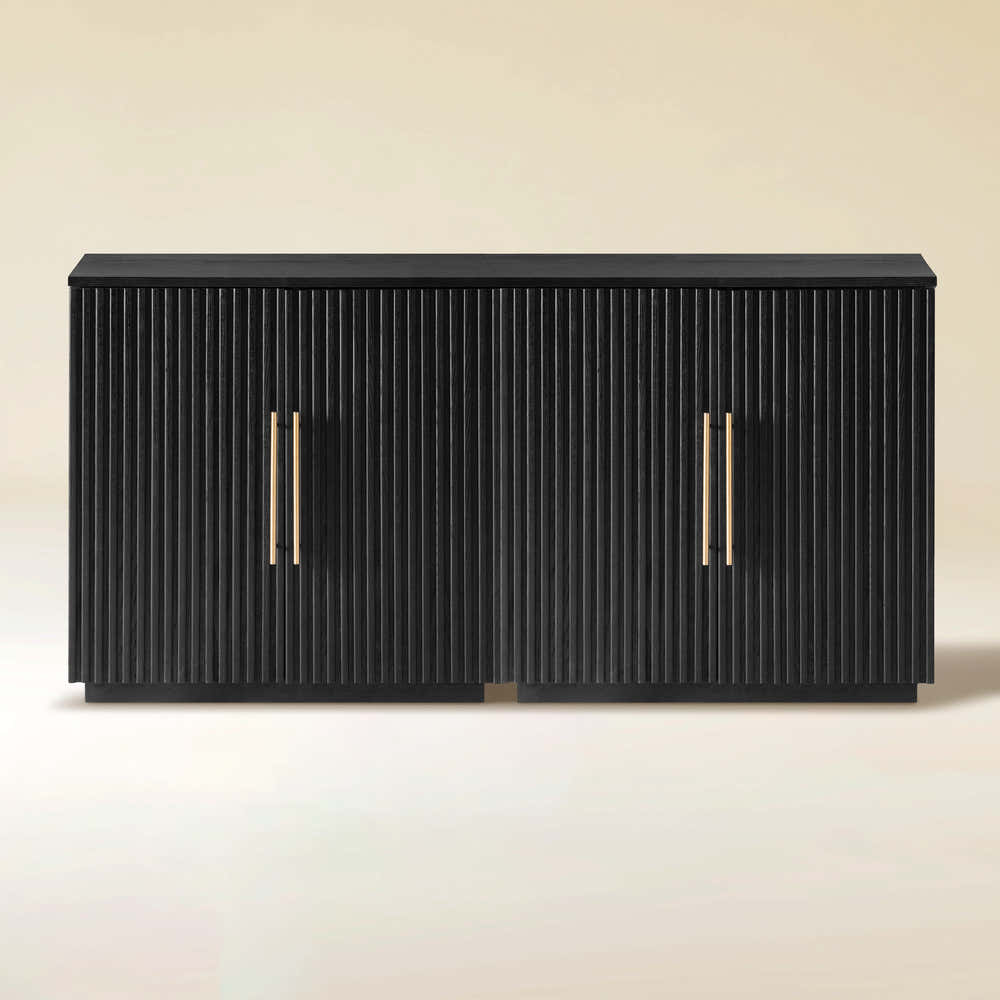


Holt 63″ Solid Oak Console(Set of 2)
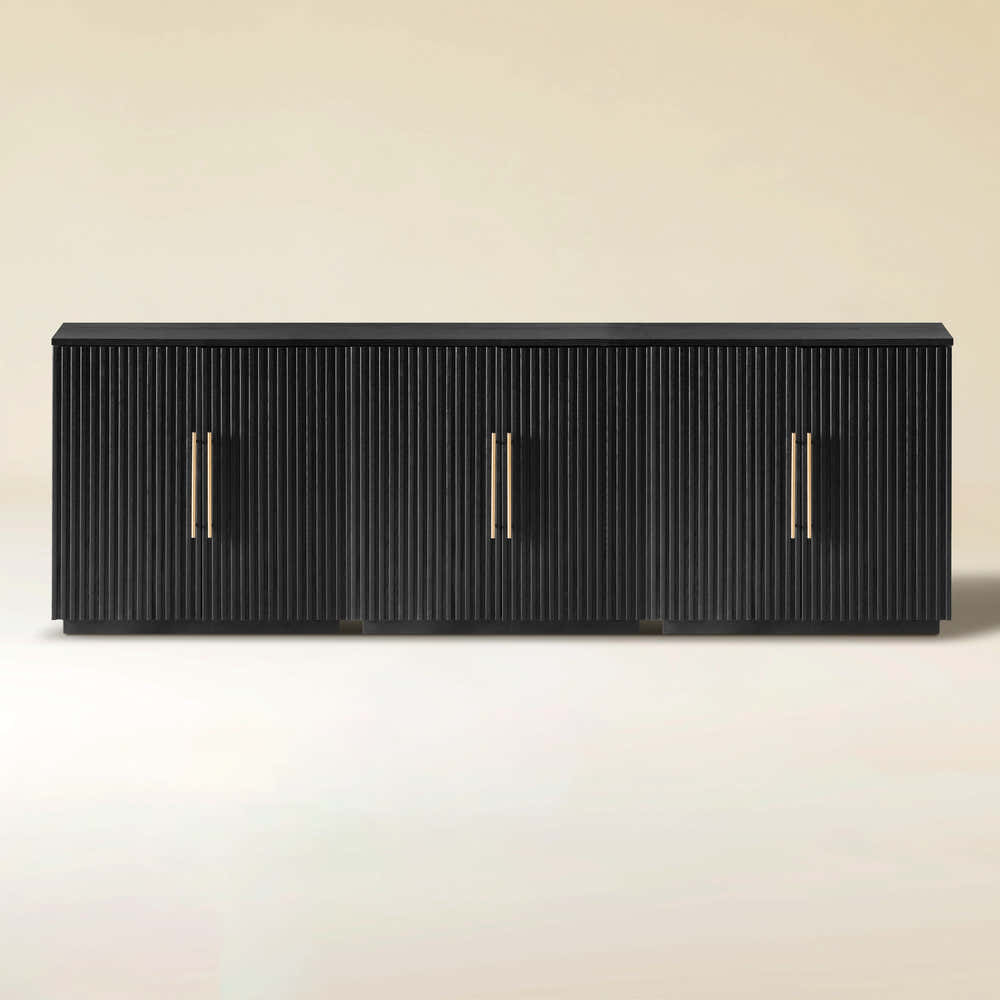


Holt 95″ Solid Oak Console(Set of 3)
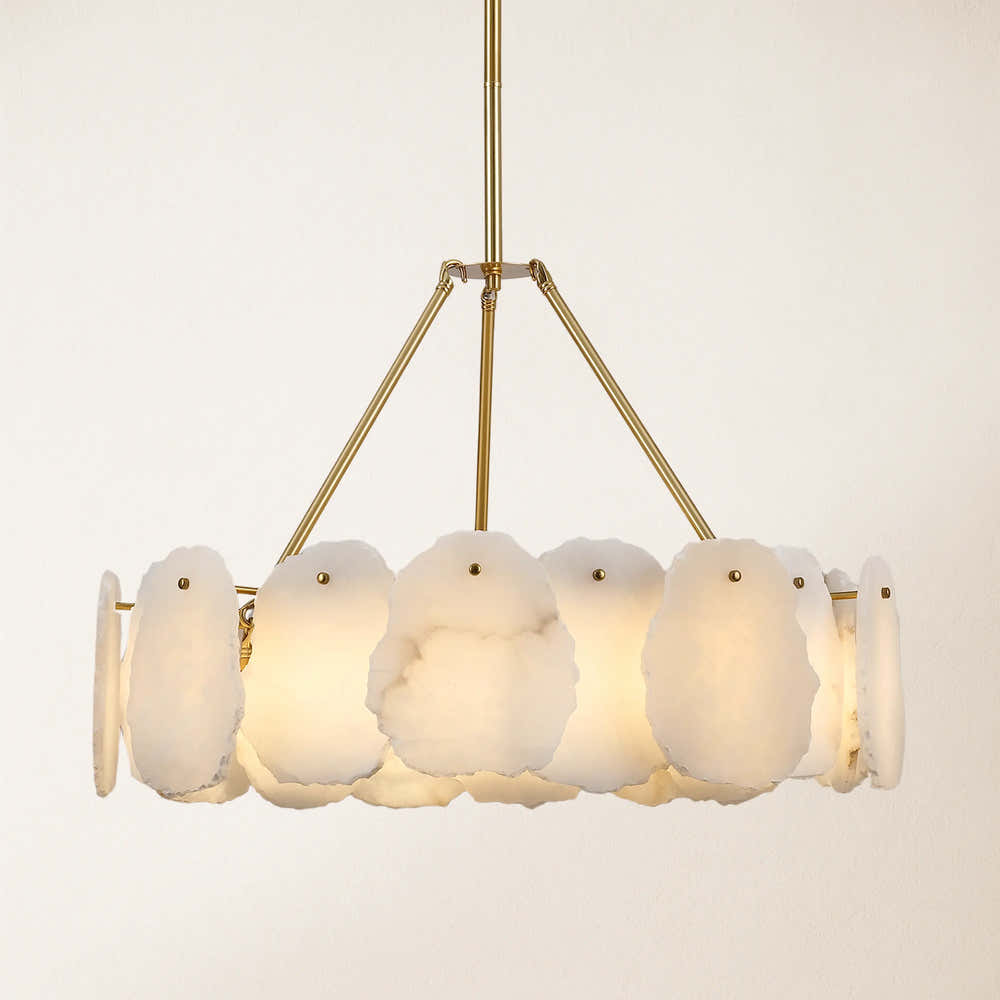


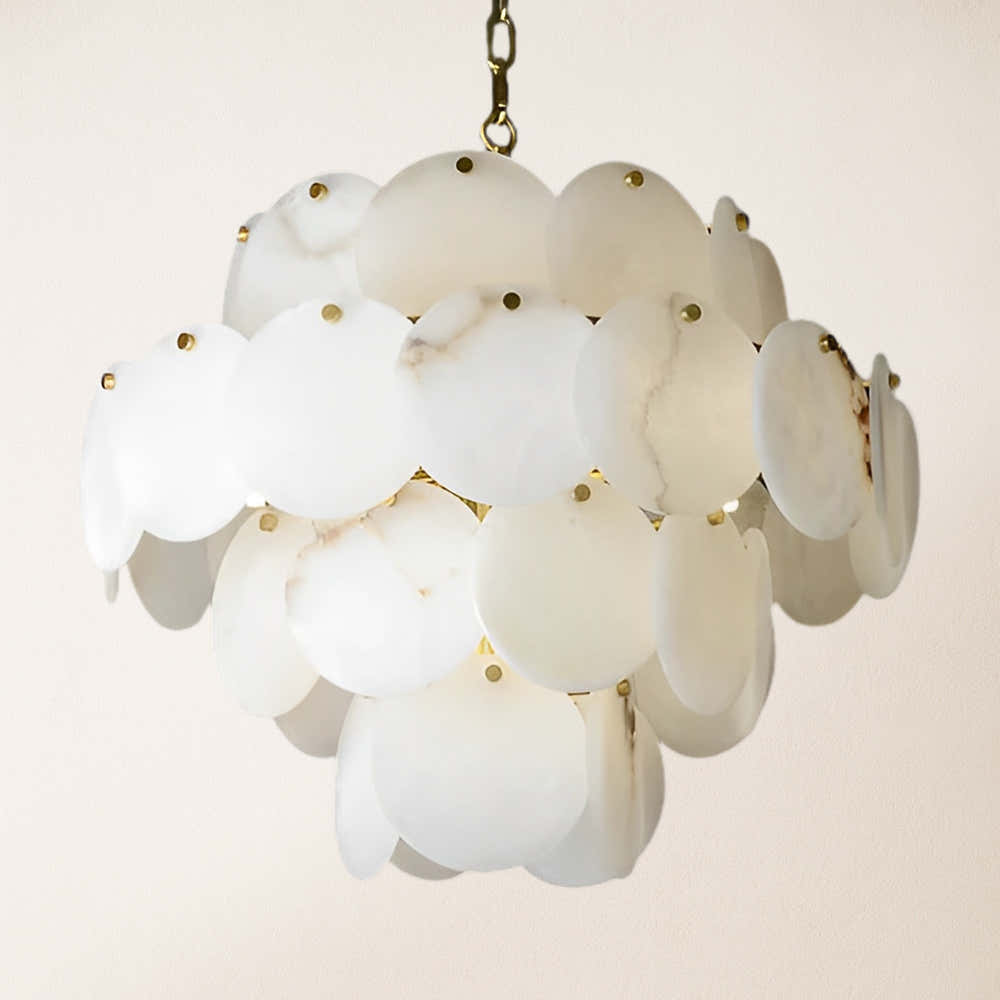
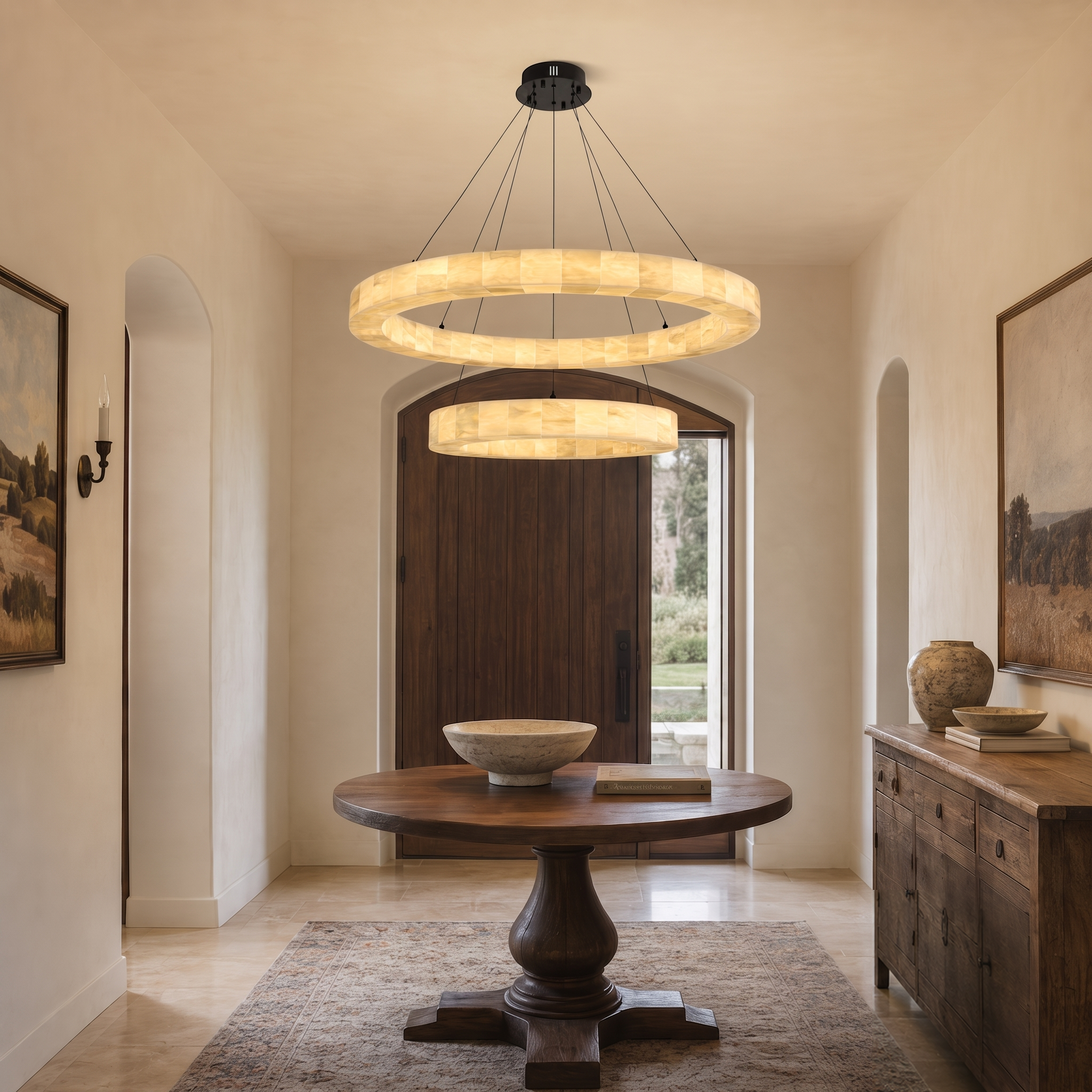
Moira Alabaster Round Chandelier 24"D
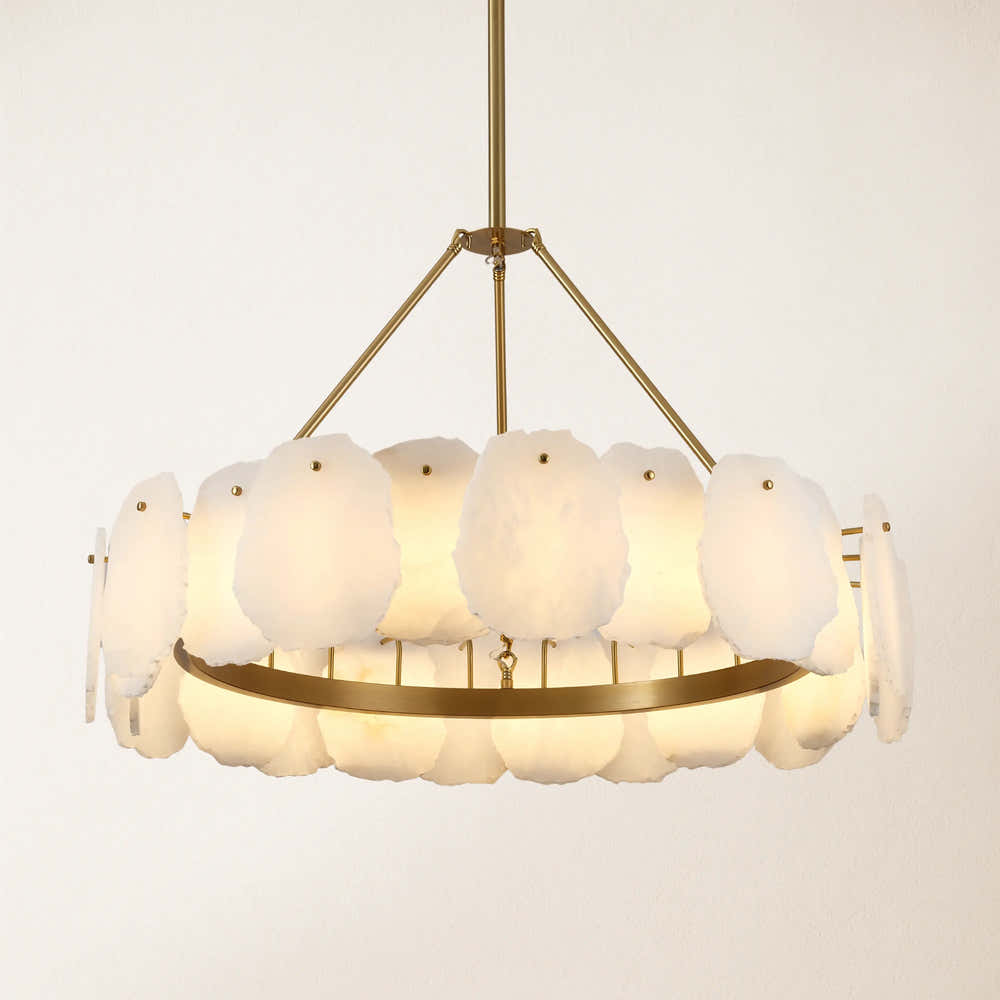


Moira Alabaster Round Chandelier 32"D
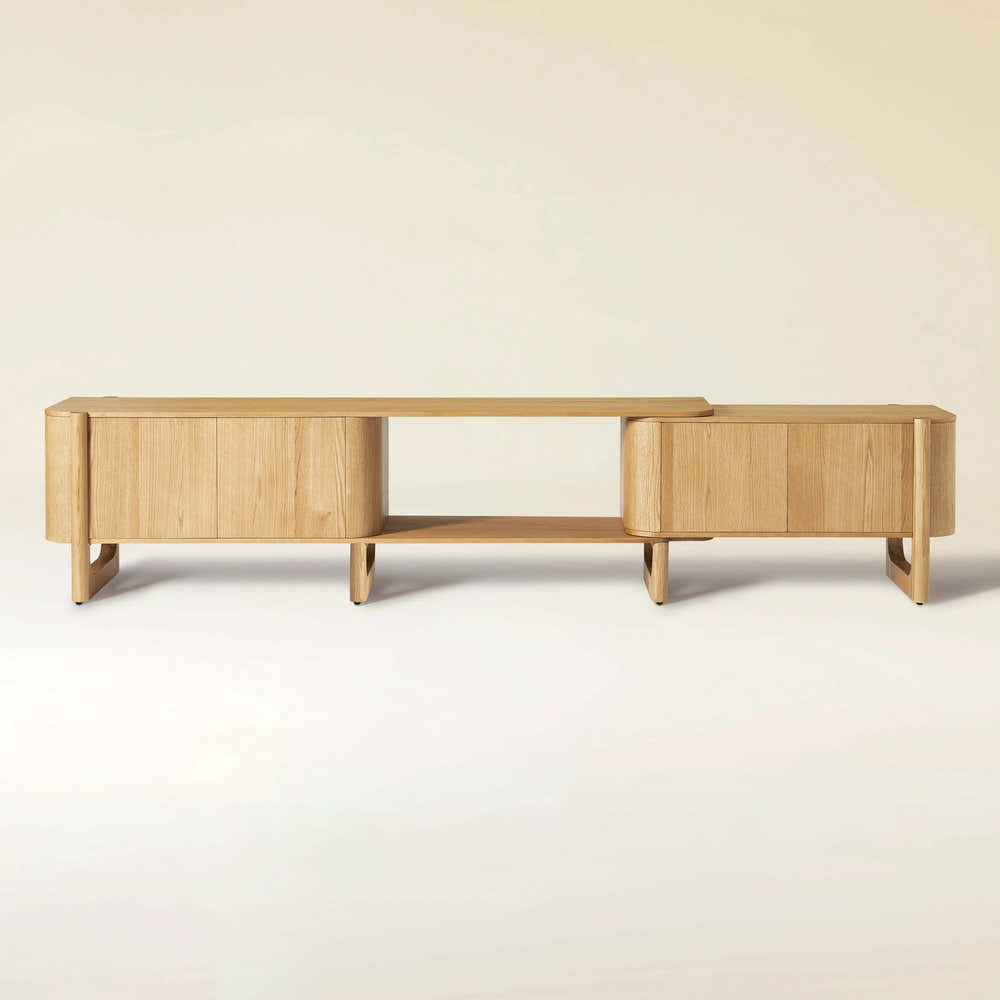
Silas Extendable TV Stand 203cm to 280cm
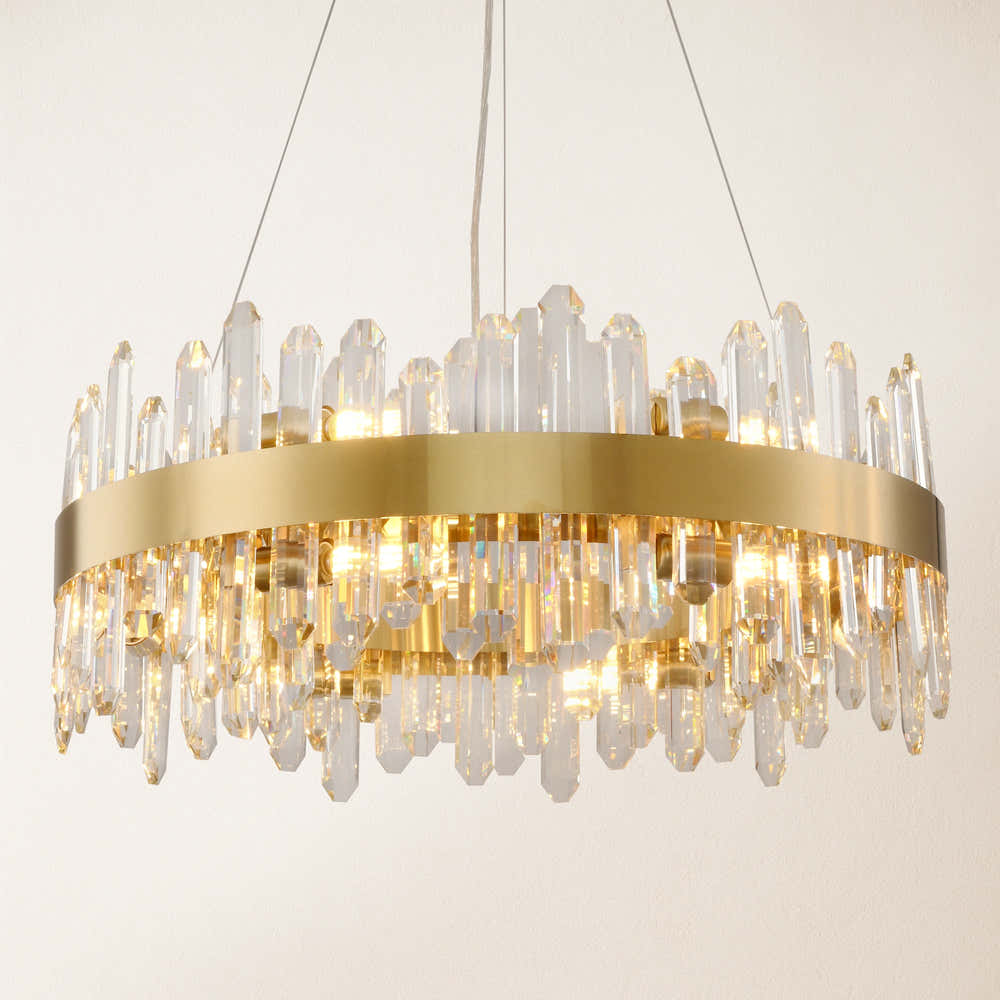
Stellara Crystal Strip Round Chandelier 24"D
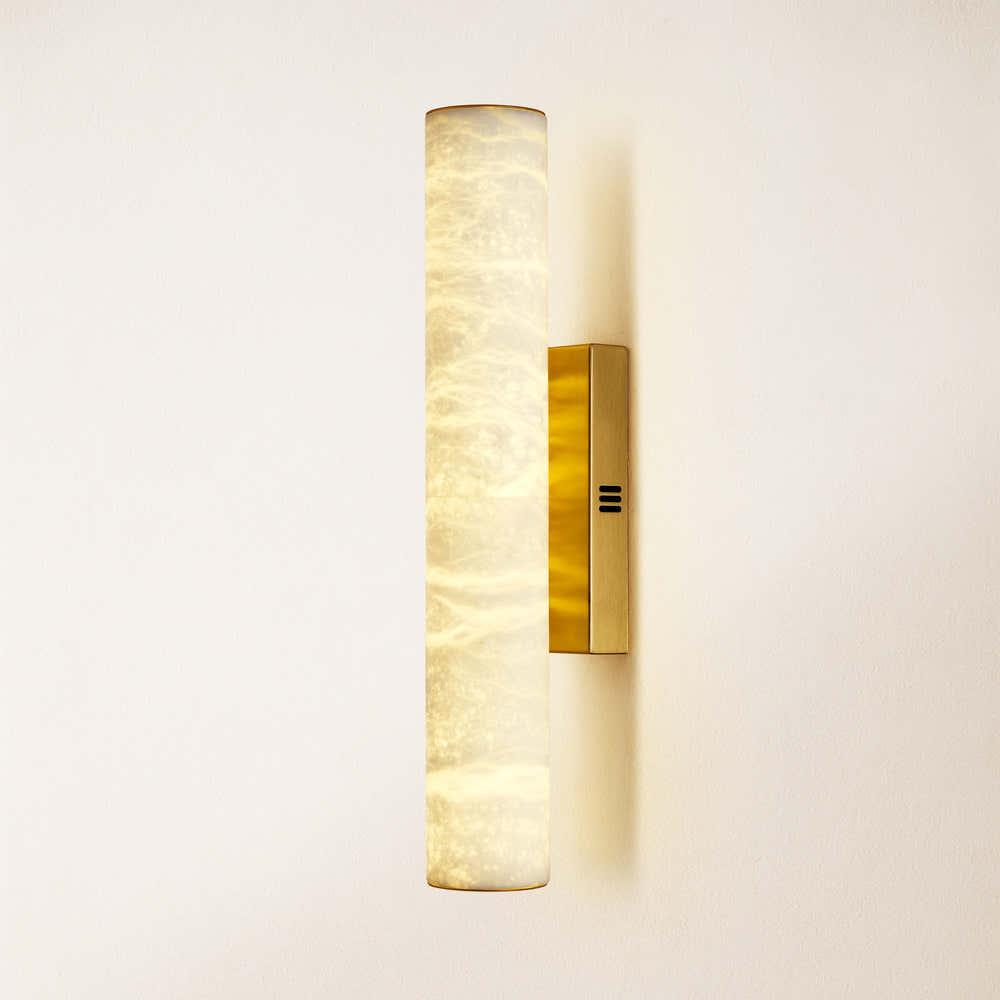


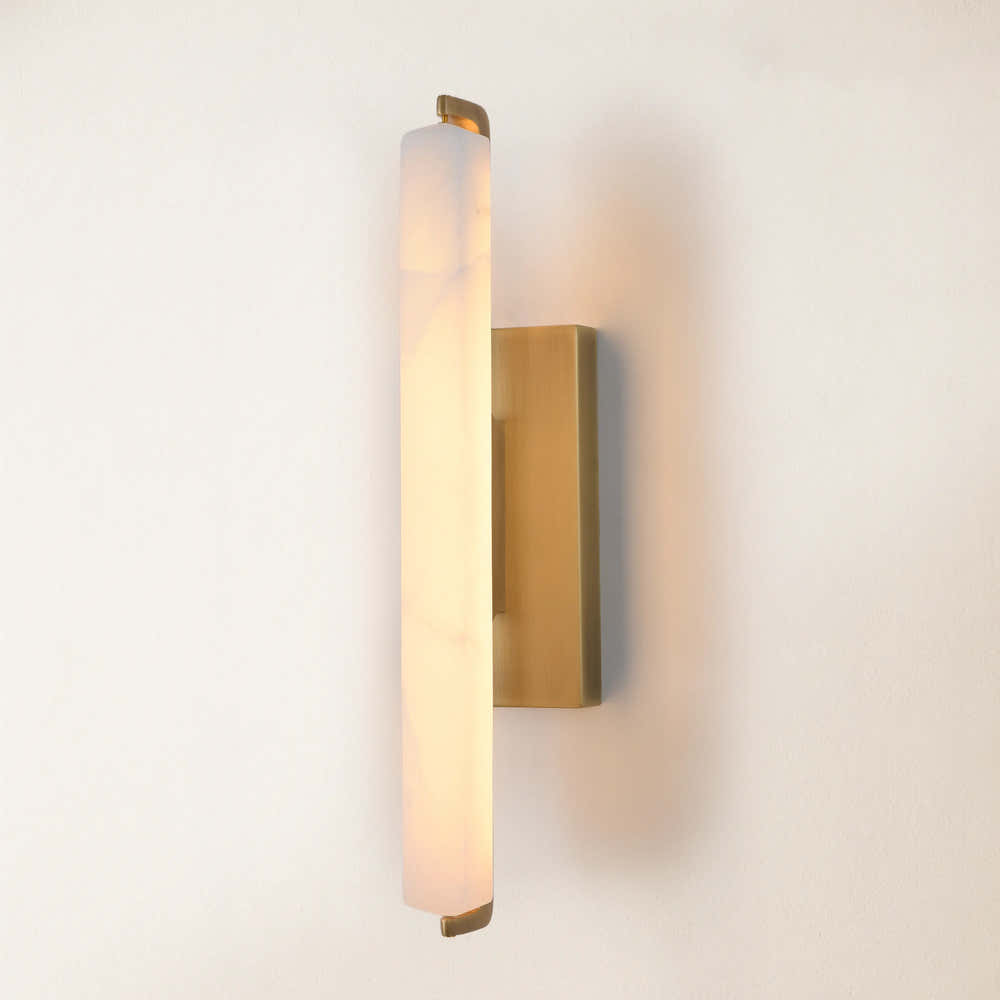
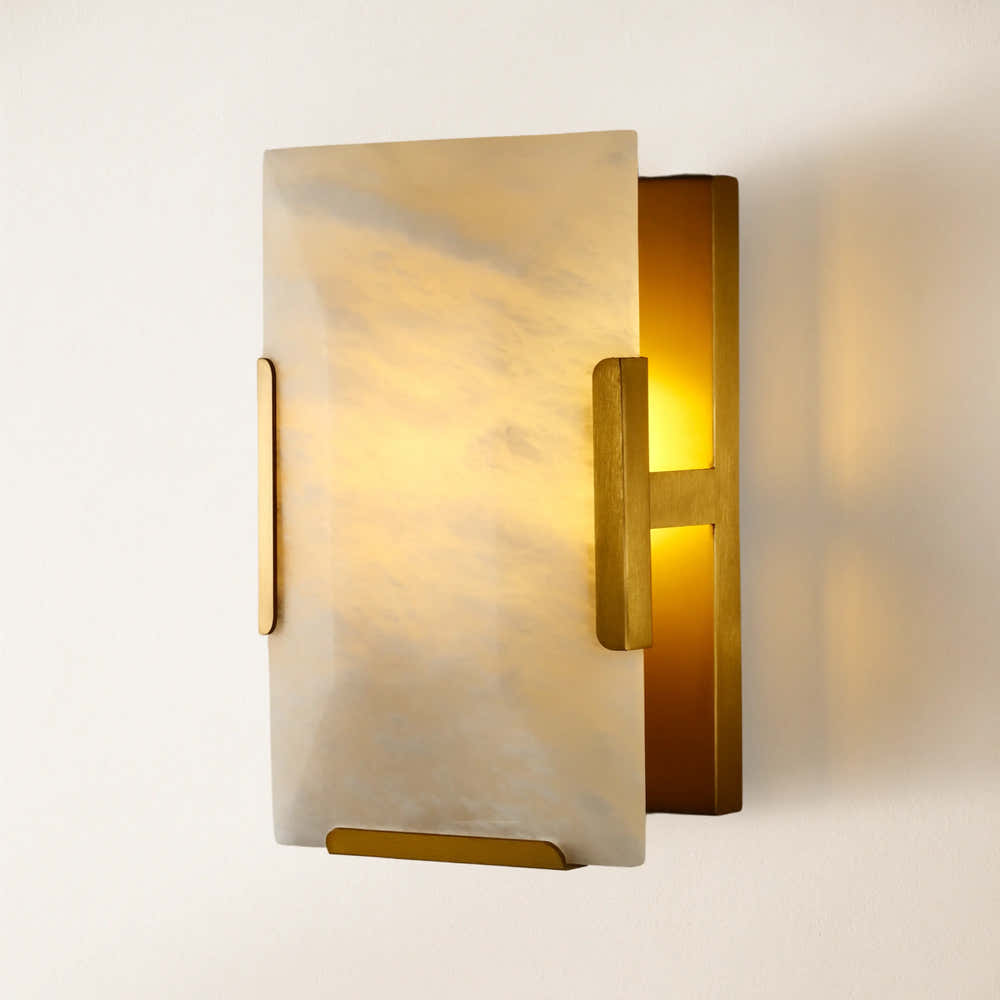
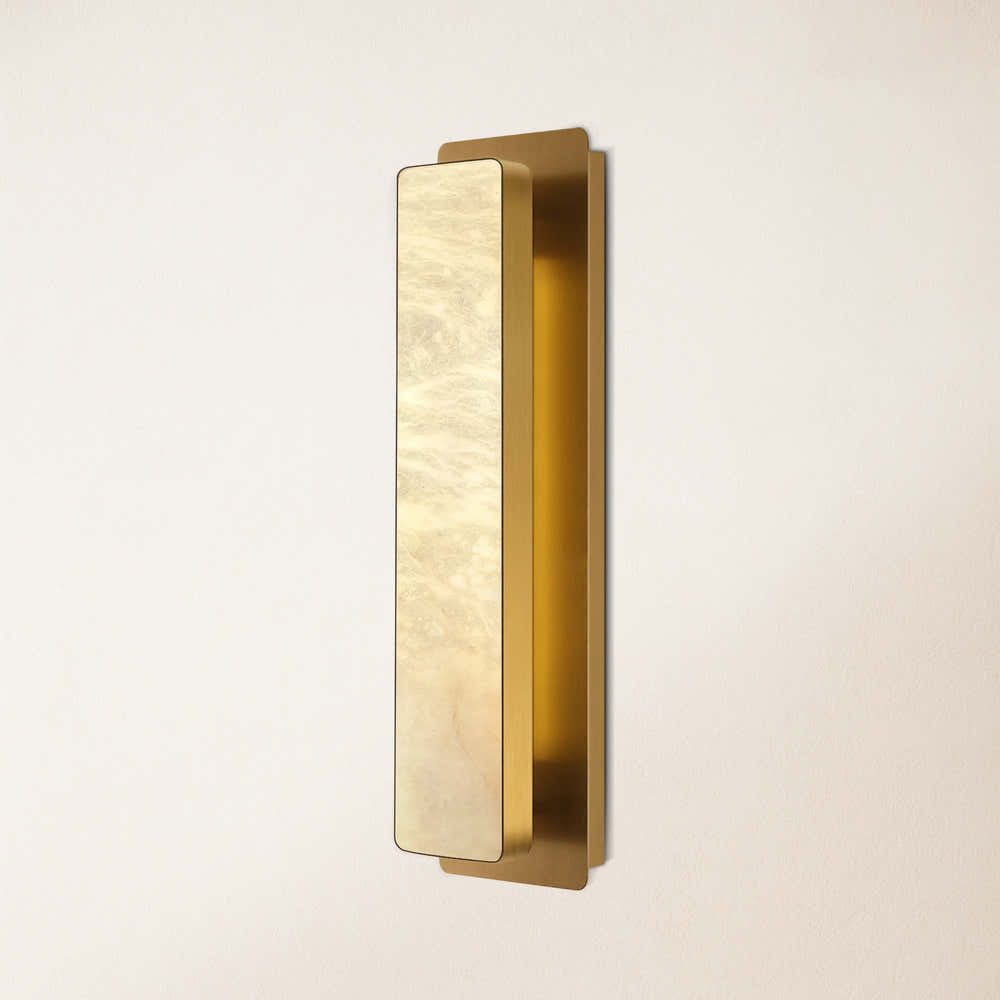
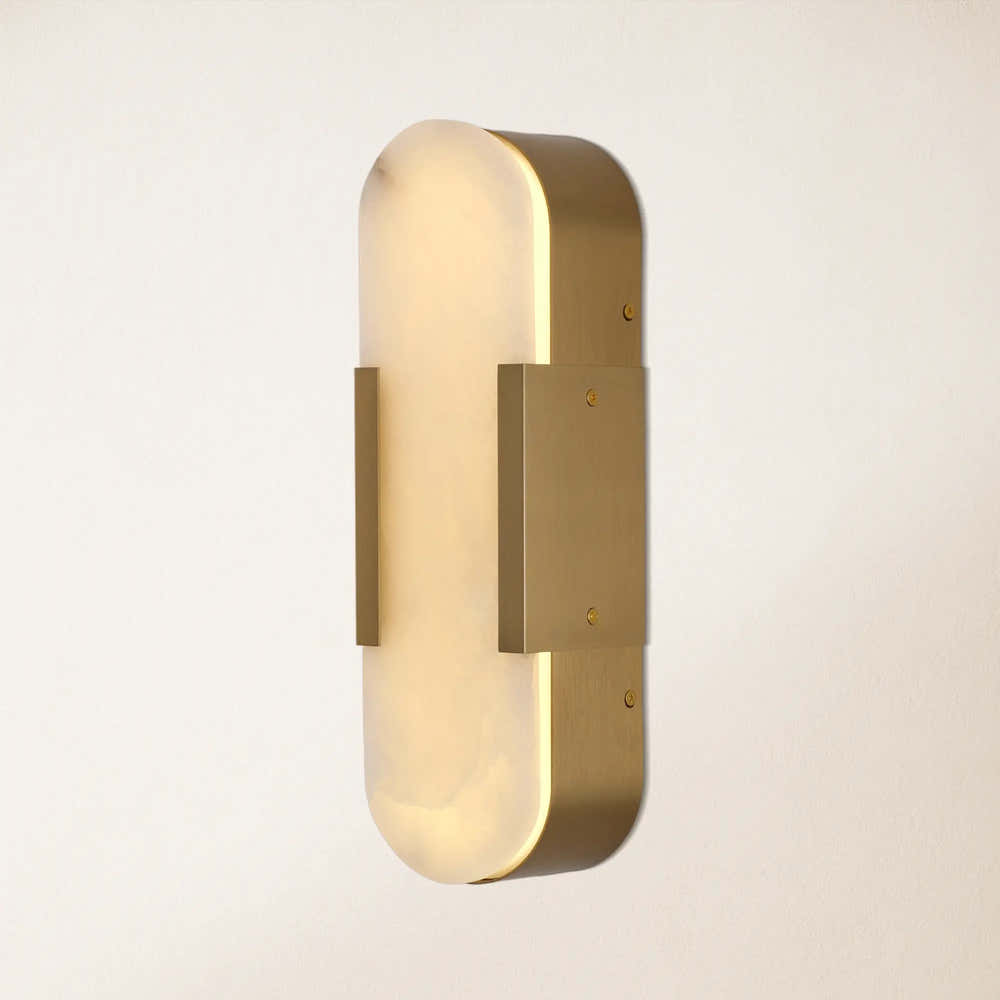
Sylvia Palladian Alabaster Wall Sconce 20"H
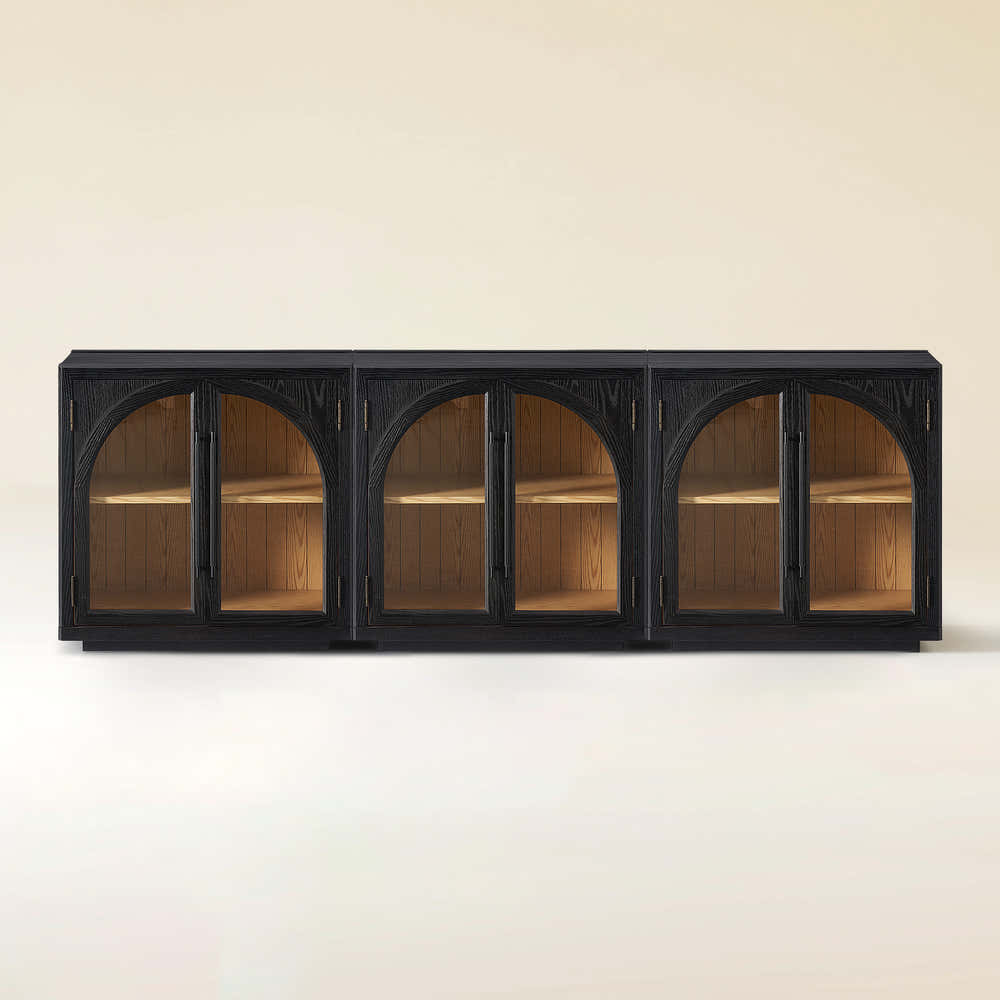


Alvar Arched 91″ Oak Media Console(Set of 3)
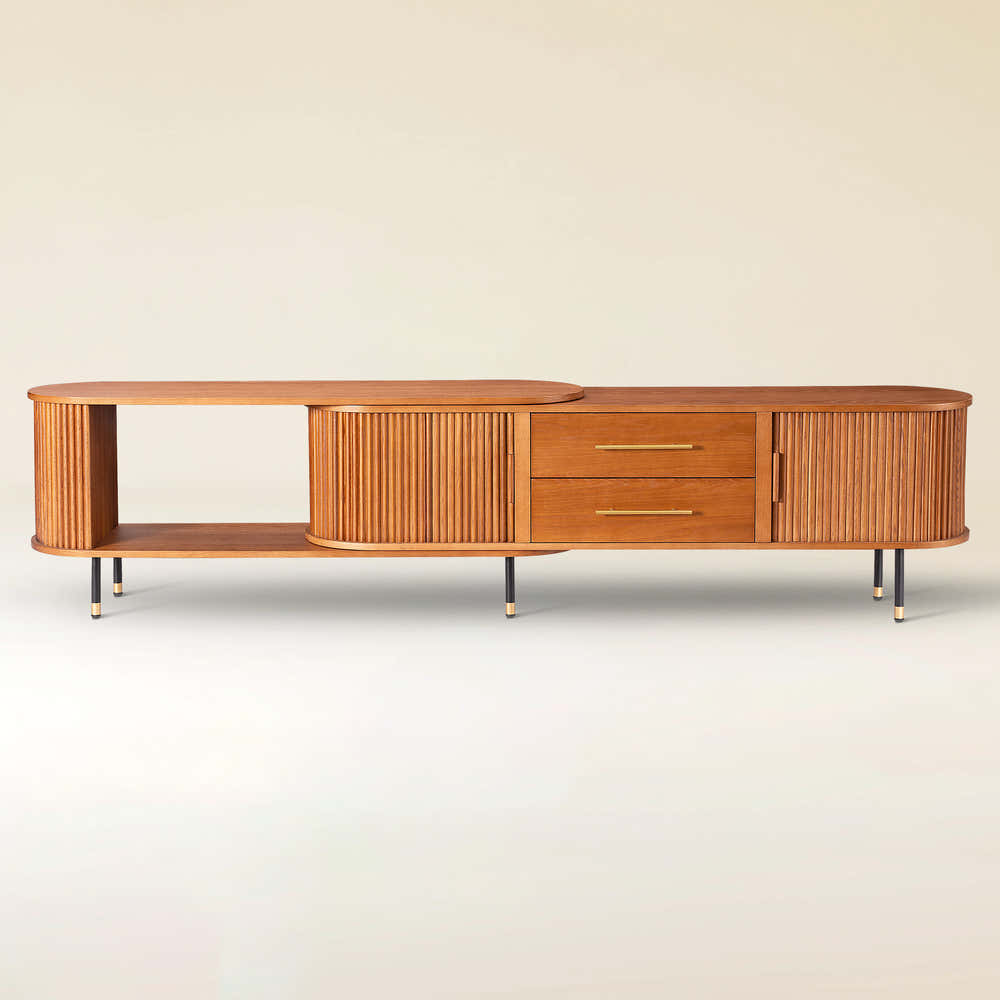
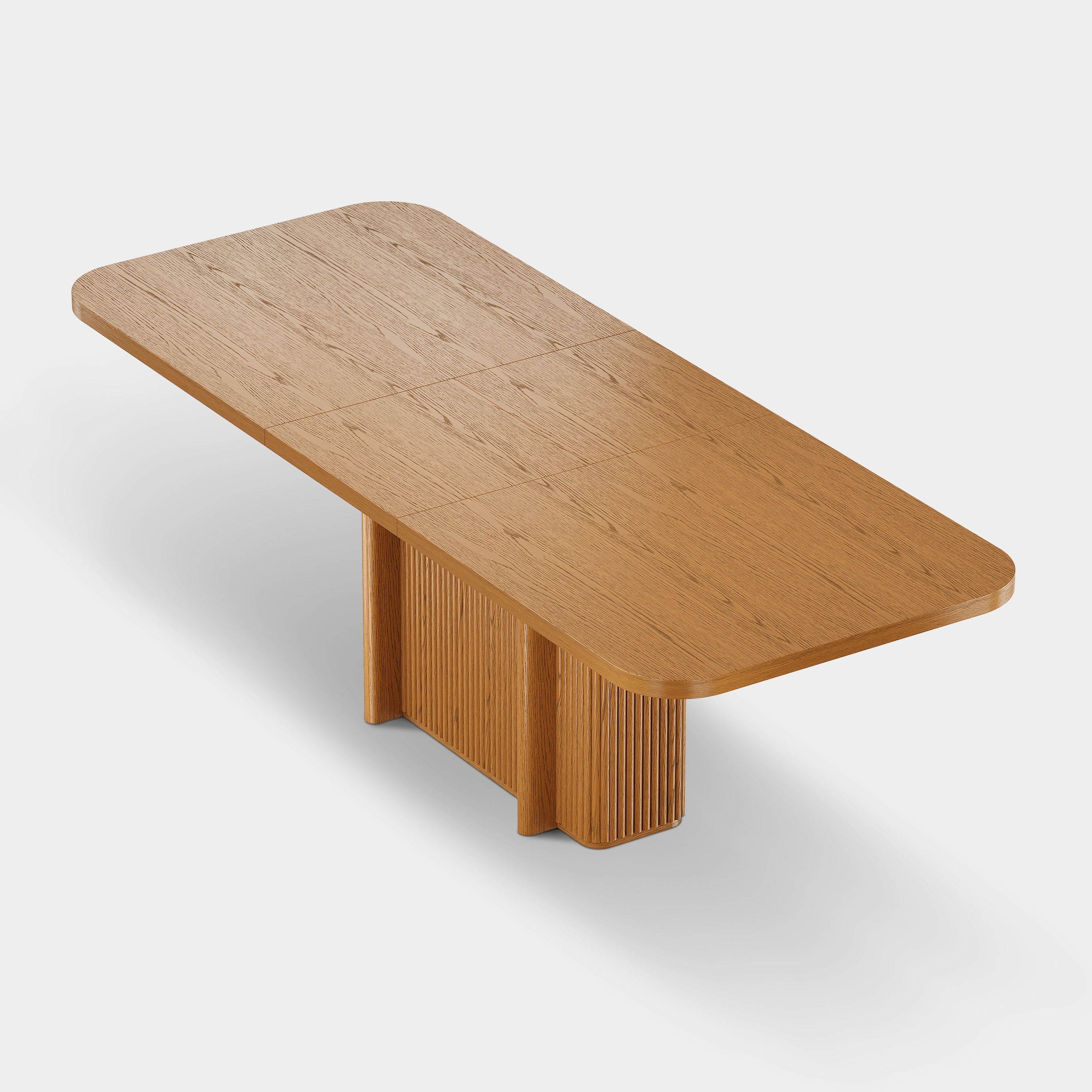
Ewan Oak Extendable Media Console 79" to 110"
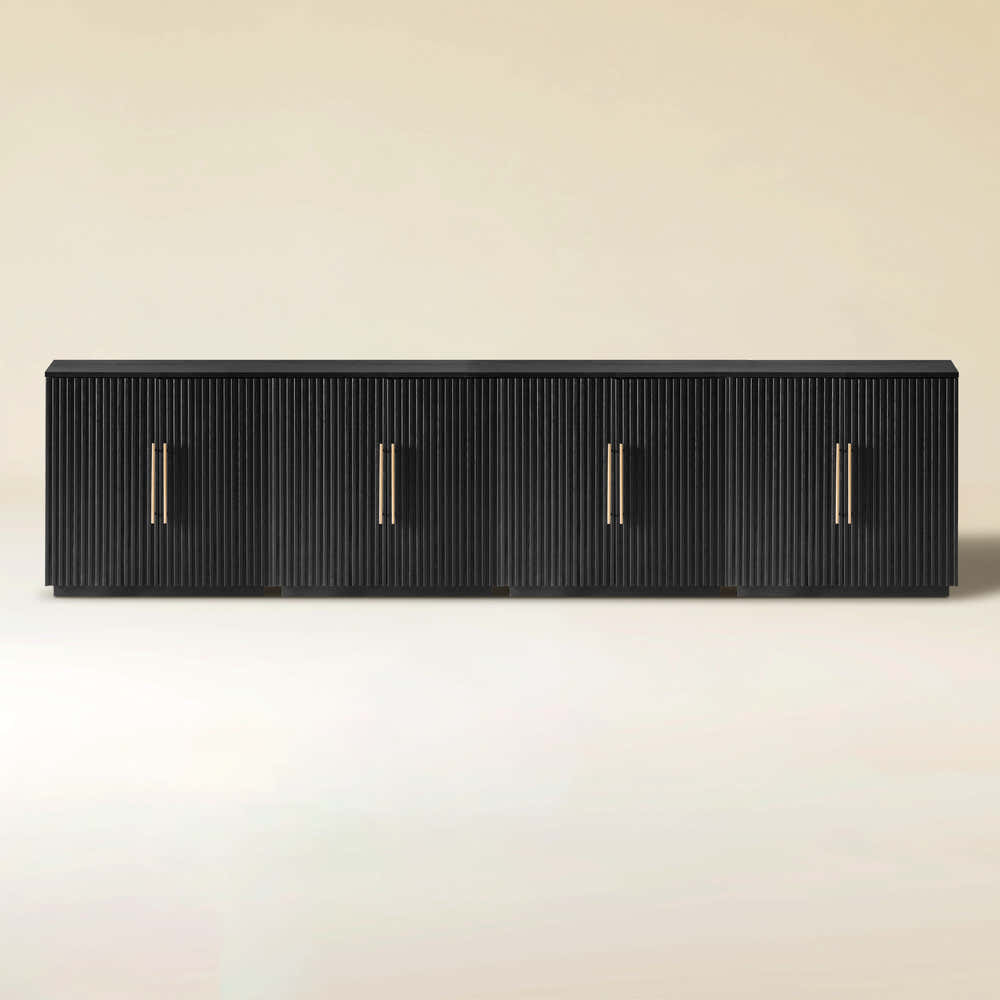


Holt 126″ Solid Oak Console(Set of 4)

FSC FCOC47059 . FSC is dedicated to the promotion of responsible forest management
worldwide. By selecting this product, you help take care of the woorld's forests

UL-certified for indoor drying environments not directly exposed to excessive moisture or water;
Use in the United States and Canada.

Certified to Dry ETL electrical standard: suitable for use indoors in dry locations not directly exposed to excessive moisture and water
Use in the United States

CE-certified drying equipment compliant with electrical standards: Suitable for indoor drying environments not directly exposed to excessive moisture or water;
Tested for use in Europe, the UK, and other regions.


The support center has answers to questions you may have. You can also contact customer service in the support center if you can't find what you're looking for.
Support Center >
At houlte, we are committed to delivering quality, style, and great value to our customers. Our goal is to simplify your shopping experience by providing competitive prices and exceptional service.

If an item you purchased from houlte goes on sale on our website within 30 days of your purchase date, you may request a price match. This policy ensures you always receive the best value when shopping with us.
Houlte reserves the right to interpret and adjust the terms of the Price Match Policy as necessary.
Houlte has partnered with Taskrabbit to make your everyday life at home easier by connecting you with flexible and affordable ways to get your to-do’s done including furniture assembly and mounting.

1. Purchase your furniture at Houlte.
2. Check your order Dispatched and Delivered email and click the
Houlte link. You will be redirected to Taskrabbit's landing page.
3. Post your task on Taskrabbit platform.
4. Pick the best tasker to assemble your furniture.
Houlte has partnered with Taskrabbit to make your everyday life at home easier by connecting you with flexible and affordable ways to get your to-do’s done including furniture assembly and mounting.
Taskrabbit Assembly is available in most metro areas in the US. The availability of Taskers varies based on demand. When placing an order on Taskrabbit, you will need to enter your zip code. If the service is not supported in your area, you will not be able to place an order.
You can book assembly for your Houlte furniture as early as the next day after your delivery, and up to 14 days in advance, giving you flexibility to choose a time that works best for you.

Ready to use out of the box; minimal installation may be required (e.g., handles).

Main structure is pre-built; minor components require attachment (e.g., legs).

Assembly required; multiple parts must be assembled before use.
Our furniture is built with a combination of core boards, real wood veneers, and selected solid wood parts. Each material is used for a different purpose—structure, surface appearance, or visible strength—so the final piece feels balanced in performance, finish, and cost.
Core boards form the internal foundation of the furniture. They provide structure, stability, and efficiency across large surfaces and cabinet bodies.

Stable structural board

Smooth and consistent

Functional internal board
Selected solid wood parts are used where visible strength, tactile quality, and structural integrity matter most—such as legs, frames, trim, and exposed support details.

Durable and classic

Light and versatile

Premium and elevated
The choice between sintered stone and oak comes down to your lifestyle and aesthetic preferences:
The dining table is more than just a piece of furniture; it is the absolute heart of the home. It is where holiday feasts are carved, late-night conversations unfold, and children finish their homework. Because it acts as the central command station of your dining room, choosing the right tabletop material is a decision that impacts both your daily routine and your home's long-term aesthetic.
In 2026, the interior design world is heavily focused on two dominant, high-performance materials: the classic, organic warmth of Oak and the ultra-modern, indestructible nature of Sintered Stone. Both materials offer distinct advantages, but they cater to very different lifestyles and design philosophies.
In this comprehensive guide, we will break down the exact differences in durability, maintenance, and style between sintered stone and oak dining tables, helping you make the perfect investment for your dining space.
Oak has been the gold standard for high-quality furniture for centuries. It is a dense, hard-wearing wood that brings an immediate sense of nature, warmth, and groundedness into a room. Modern oak dining tables often utilize a combination of solid oak and high-grade engineered wood with thick wood-grain veneers. This hybrid construction prevents the warping and splitting that can happen to massive slabs of solid wood due to seasonal humidity changes.
Oak requires a mindful owner. You must use coasters and trivets for hot items to prevent heat rings. Spills should be wiped up immediately to prevent moisture from penetrating the finish. For daily care, dusting with a soft microfiber cloth and using mild, pH-neutral soap is all that is required.
If you are drawn to the warmth of wood, the Casey Dining Table masterfully combines functional versatility with refined craftsmanship. Designed to adapt seamlessly from intimate family dinners to large holiday gatherings, it represents the pinnacle of modern wood engineering.

The Casey Dining Table: Featuring a rich brown oak finish and an ingenious extendable design.
If oak is the classic, sintered stone is the future. Sintered stone is a highly advanced manufactured material made from natural minerals (like granite, quartz, and glass) that are subjected to extreme heat and pressure—mimicking the natural process of tectonic rock formation, but completed in hours rather than millennia.
The result is a surface that is virtually indestructible, bringing industrial strength to the elegance of the dining room.
Sintered stone tables are incredibly heavy, requiring sturdy, well-engineered bases. Because the stone itself is cold to the touch, it offers a more industrial, sleek vibe rather than the cozy warmth of wood. Maintenance is incredibly easy—just wipe with a damp cloth.
For those who want zero-compromise durability wrapped in a sophisticated package, the Marley Dining Table seamlessly marries natural wood textures with industrial elements. It is a commanding centerpiece that makes a powerful style statement.

The Marley Dining Table: A 12mm sintered stone top resting on a robust, stylish oak base.
Still undecided? Let us align these materials with your specific lifestyle needs:
| Feature | Oak (e.g., Casey Table) | Sintered Stone (e.g., Marley Table) |
|---|---|---|
| Best For... | Those who love traditional warmth, frequent hosts who need extendable tables, and classic/rustic interiors. | Busy families with kids, those who want zero-maintenance surfaces, and modern/industrial interiors. |
| Scratch Resistance | Moderate. Keys and sharp objects can scratch the wood veneer. | Extremely High. Practically immune to daily scratches. |
| Heat Resistance | Low. Always use trivets to prevent white heat rings. | Extremely High. Can handle hot pots directly from the stove. |
| Flexibility | High. Often features hidden leaf extensions (70.9" to 90.6"). | Low. Due to weight and material, usually comes in fixed sizes (84"). |
Ultimately, neither material is objectively "better"—they simply serve different purposes. If your dining room is a place of refined, warm gatherings and you need the spatial flexibility of an extendable design, the Houlte Casey Oak Dining Table is a timeless investment that will age beautifully with your home.
However, if your dining table serves as an art project station, a homework desk, and a heavy-duty family dining area, the absolute invincibility and striking modern aesthetics of the Houlte Marley Sintered Stone Table will provide decades of stress-free, luxurious utility.
It depends on your priorities. Sintered stone is "better" in terms of raw durability—it is scratch-proof, stain-proof, and heat-resistant, requiring almost zero maintenance. Wood is "better" if you prefer organic warmth, lighter furniture, and the ability to have an extendable table design for varying guest counts.
Maintain oak tables by dusting with a soft, dry microfiber cloth. Wipe up any liquid spills immediately with a damp cloth and dry thoroughly to prevent moisture from warping the veneer. Always use coasters for drinks and trivets for hot plates, and avoid placing the table in direct, harsh sunlight to prevent fading.
While sintered stone is incredibly hard and scratch-resistant, it is still a stone product. It can chip if the edges are struck with heavy, hard objects (like a cast-iron pan dropping against the side). This is why high-quality tables, like the Houlte Marley, feature safely rounded edges and are mounted on multi-layer boards to absorb shock and prevent edge chipping.
Share:
How to Clean a Fabric Sofa (Without Water Rings): The 2026 Ultimate Guide
The Complete Buying Guide to Sintered Stone Dining Tables — Plus the Best Picks from HOULTE