


















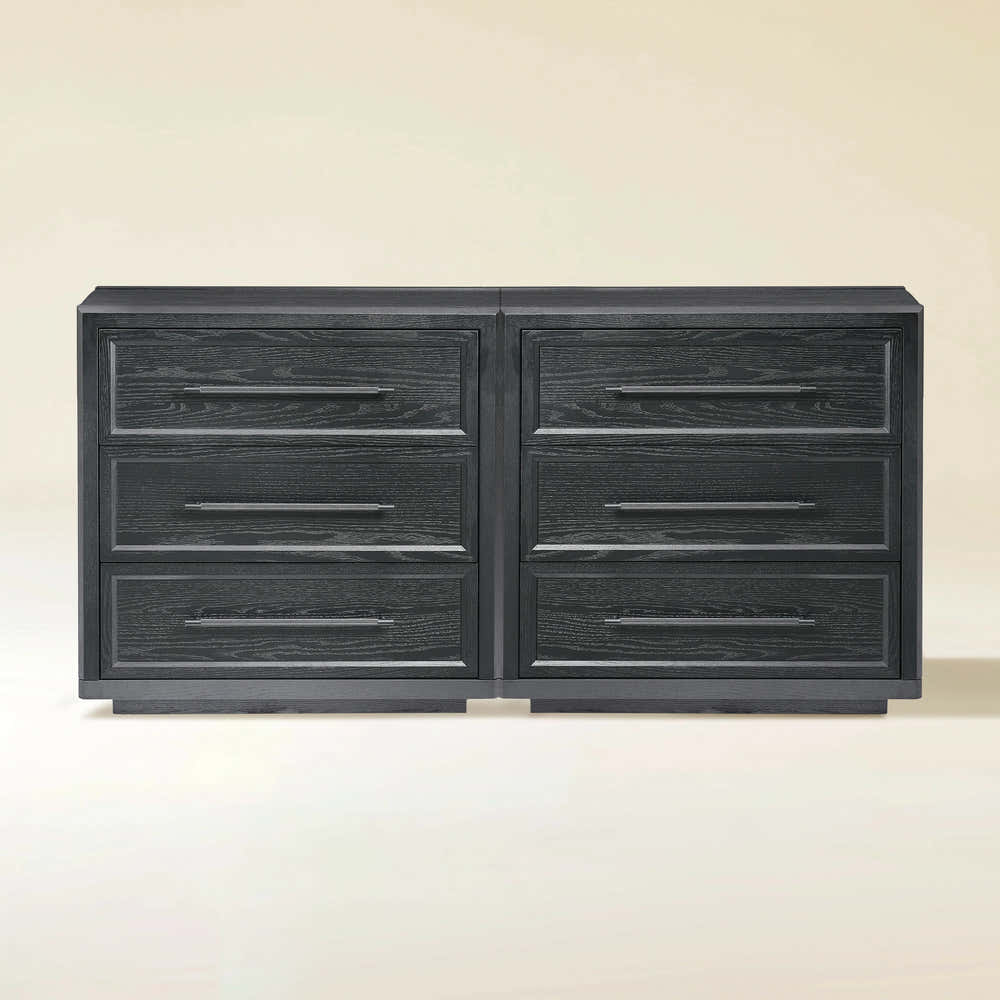


Alvar 63″ Oak 6-Drawer Chest(Set of 2)

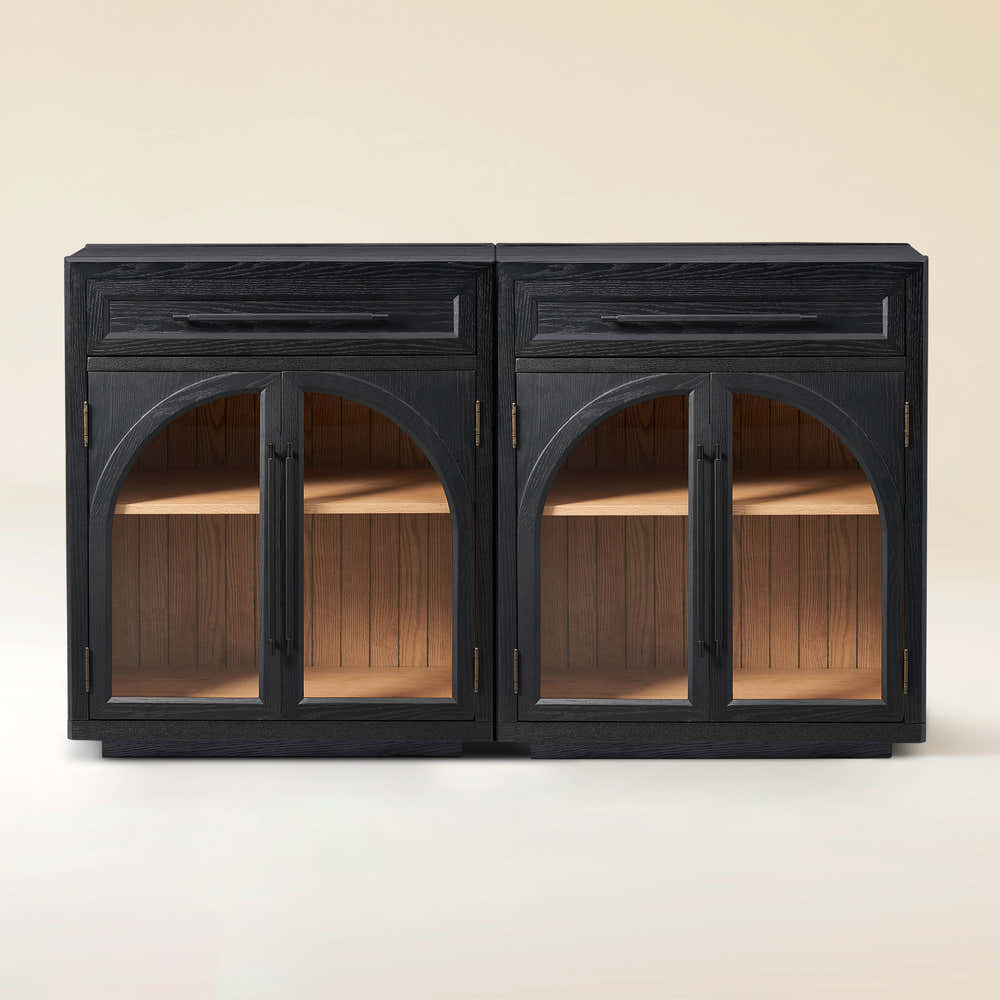


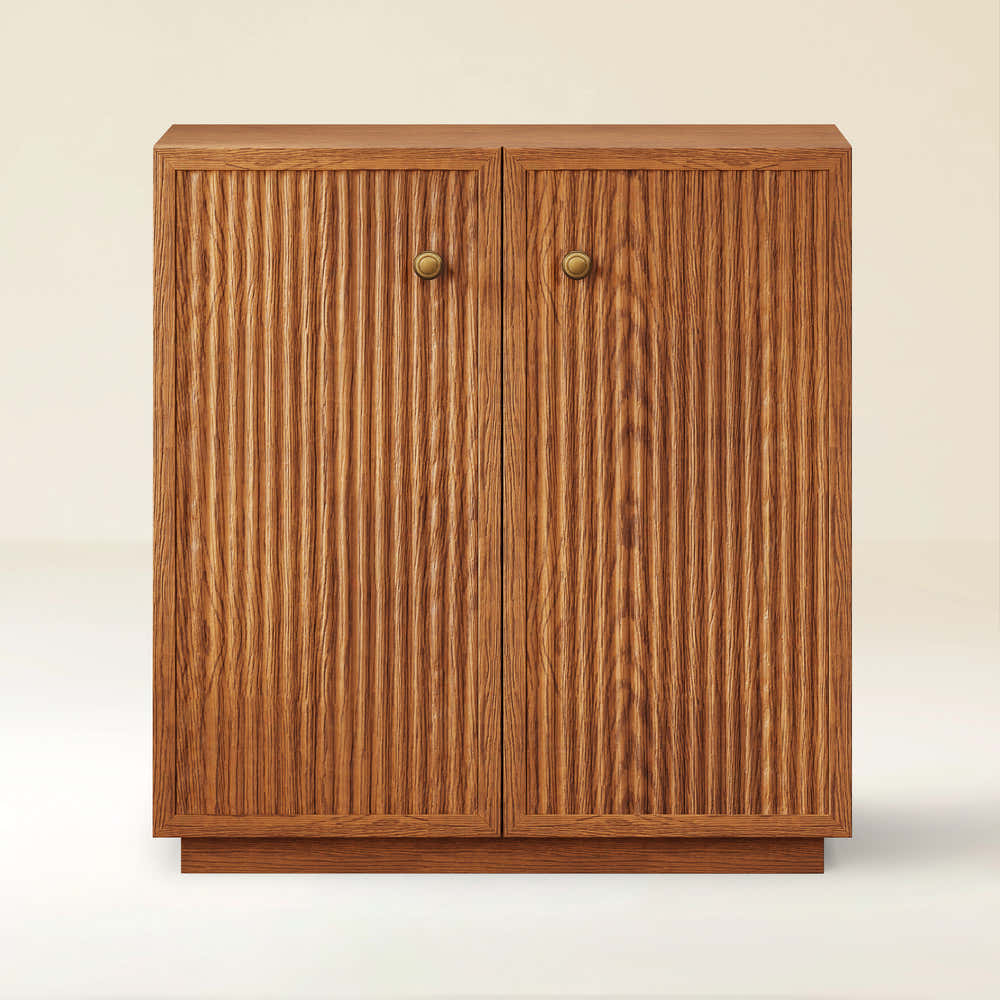
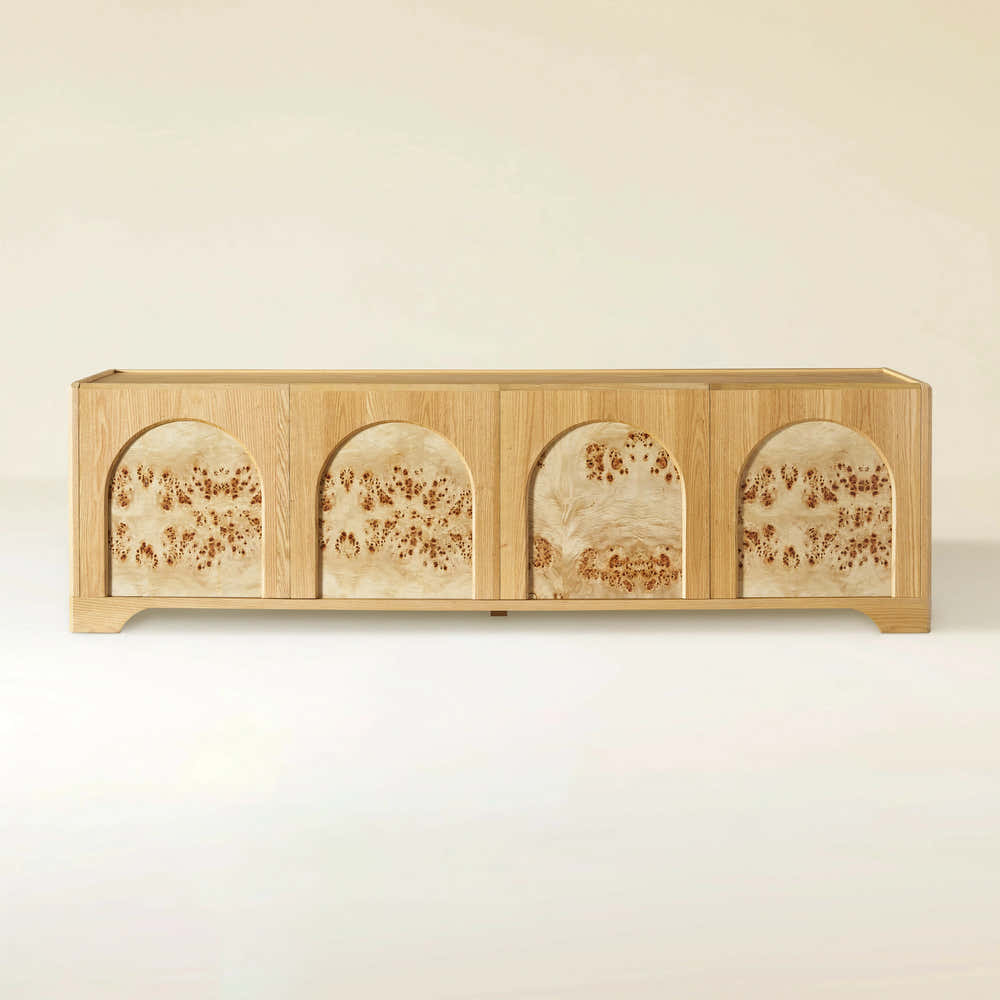
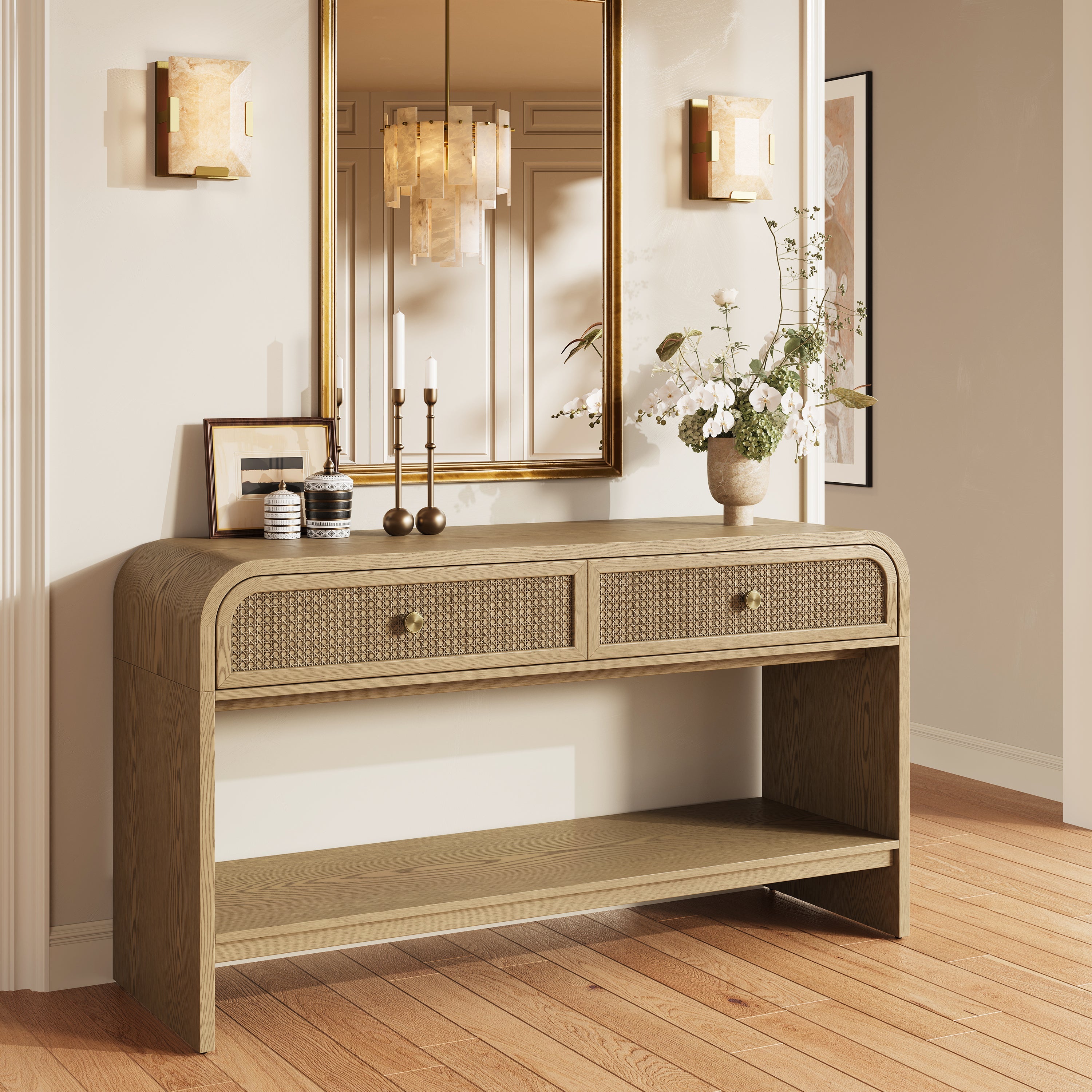
Alvar Arched 61" Oak Sideboard with Drawers(Set of 2)
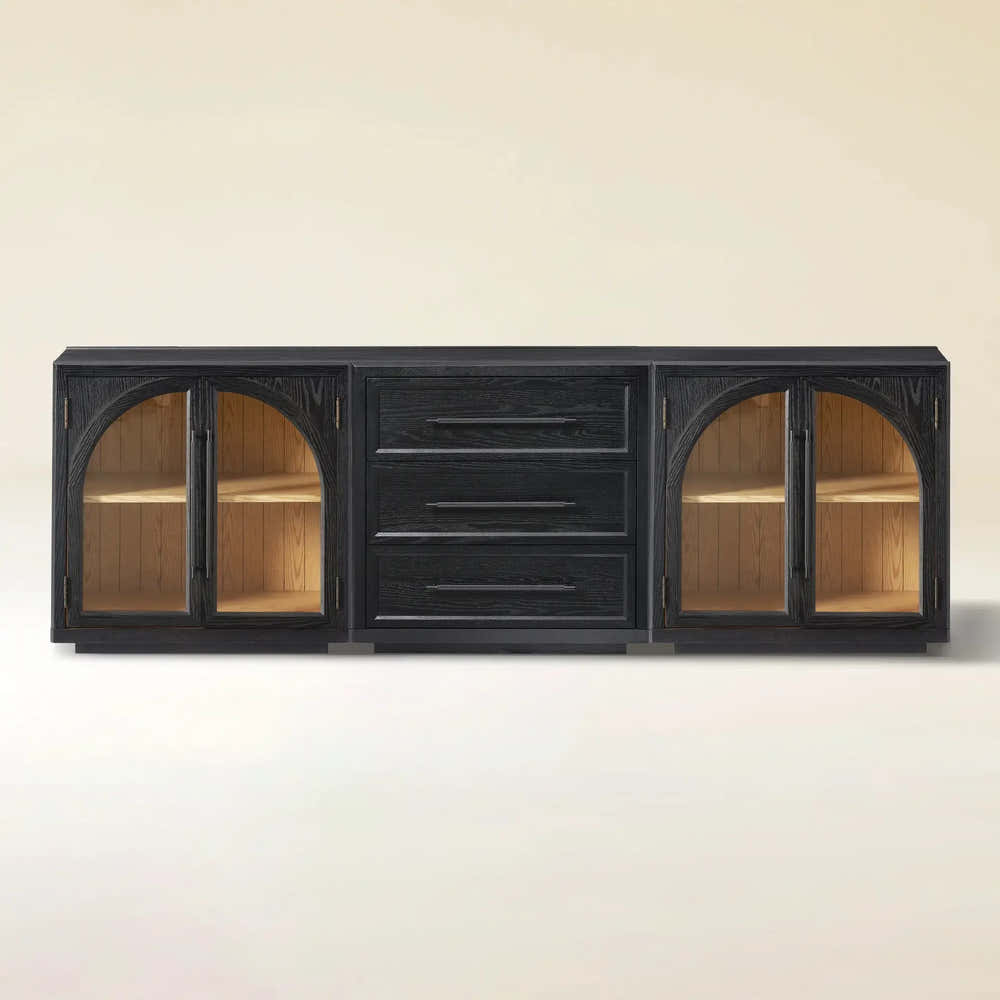


Alvar Arched 94.5″ Oak Modular Media Console(Set of 3)
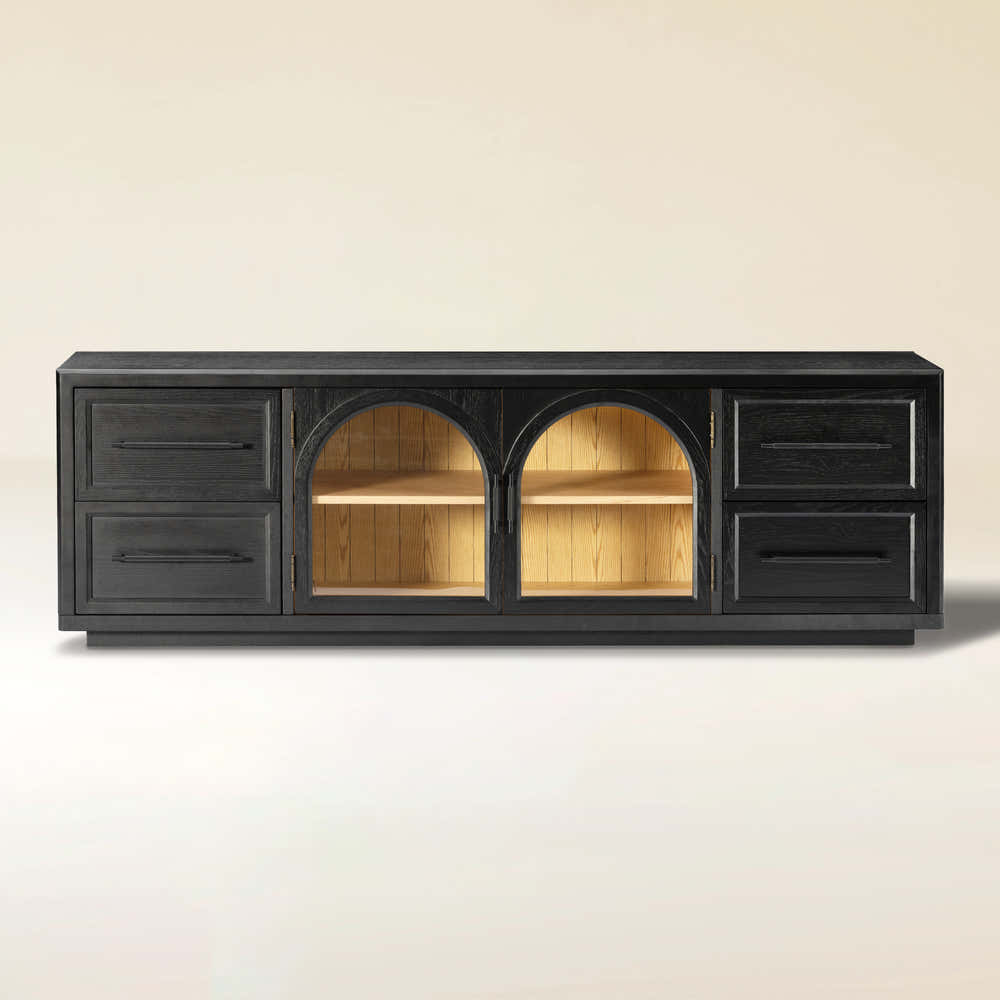
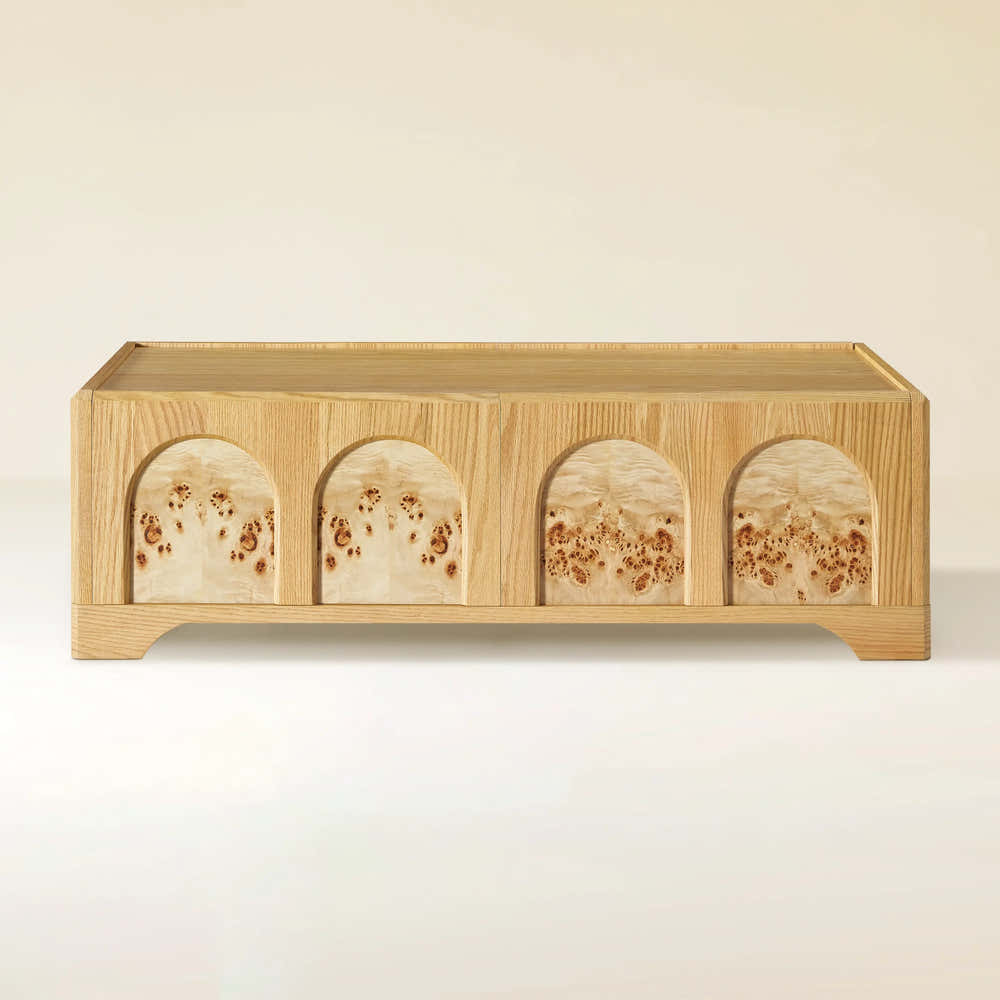
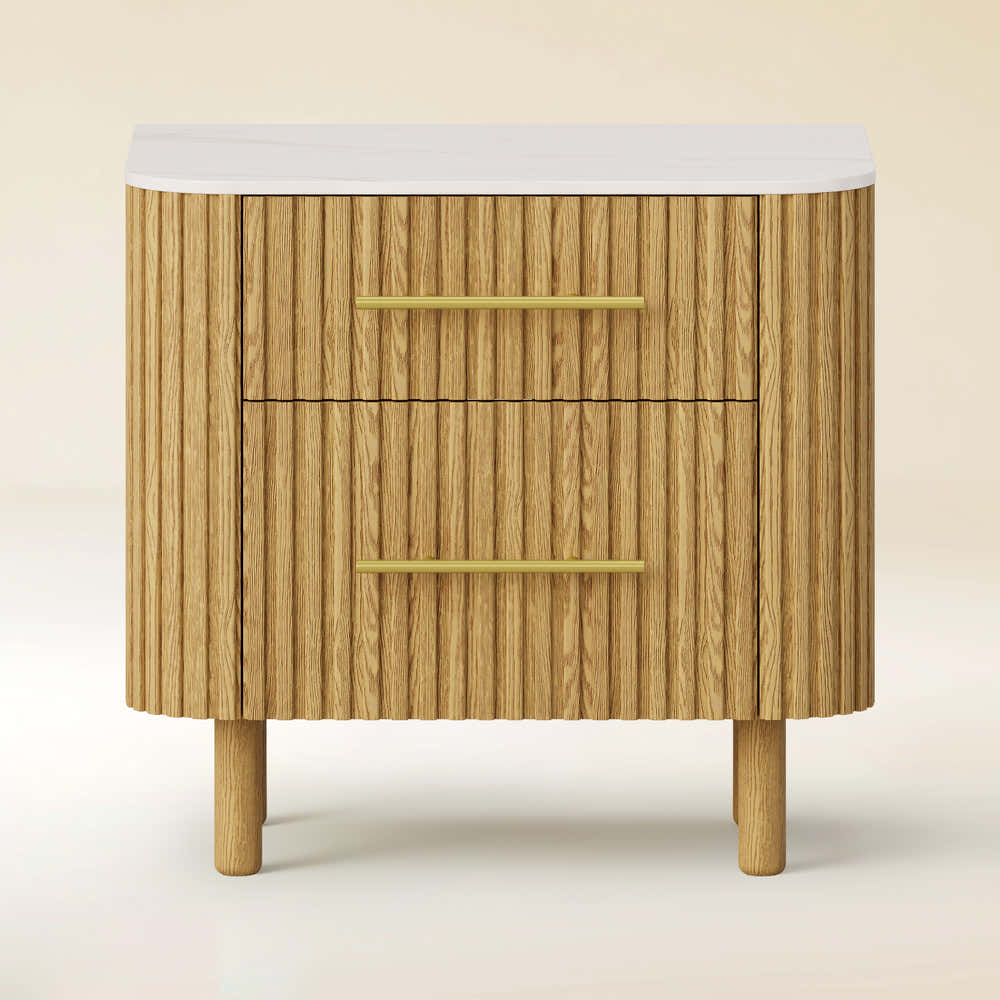


Charlie Sintered Stone Nightstand 26" W
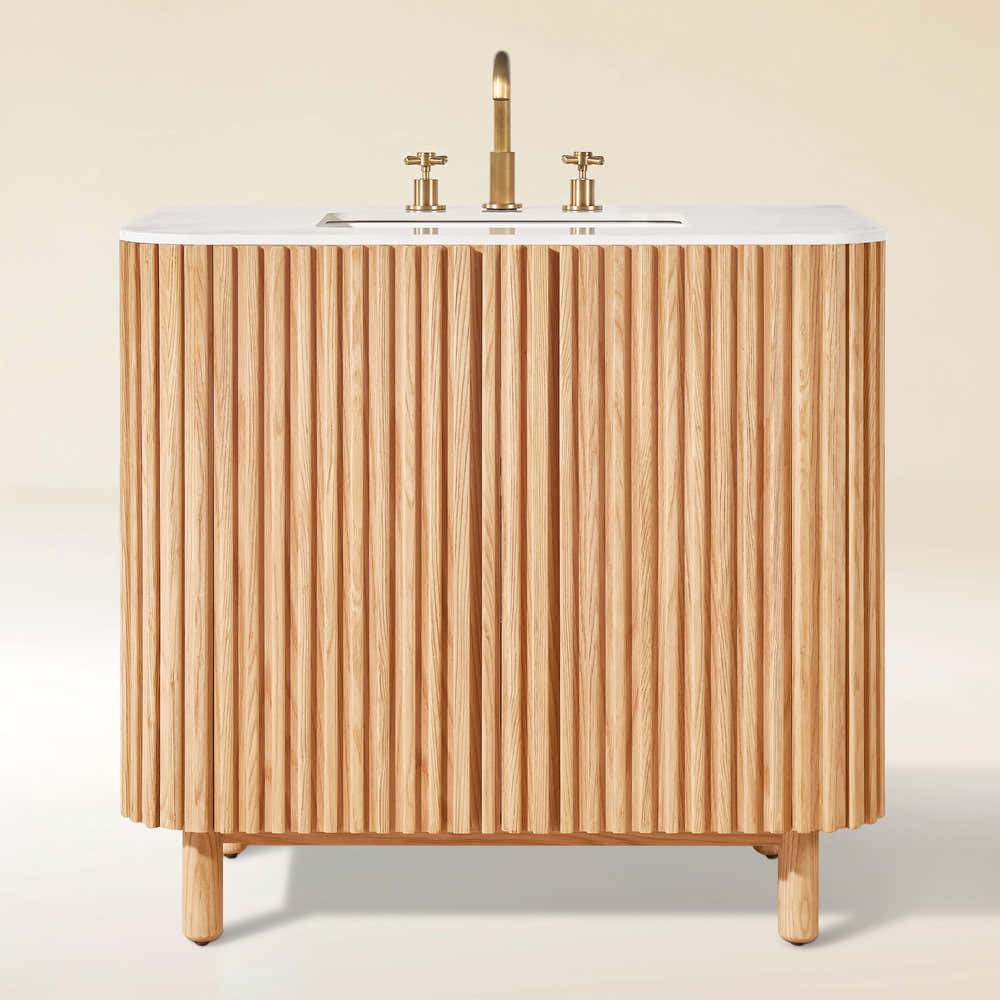

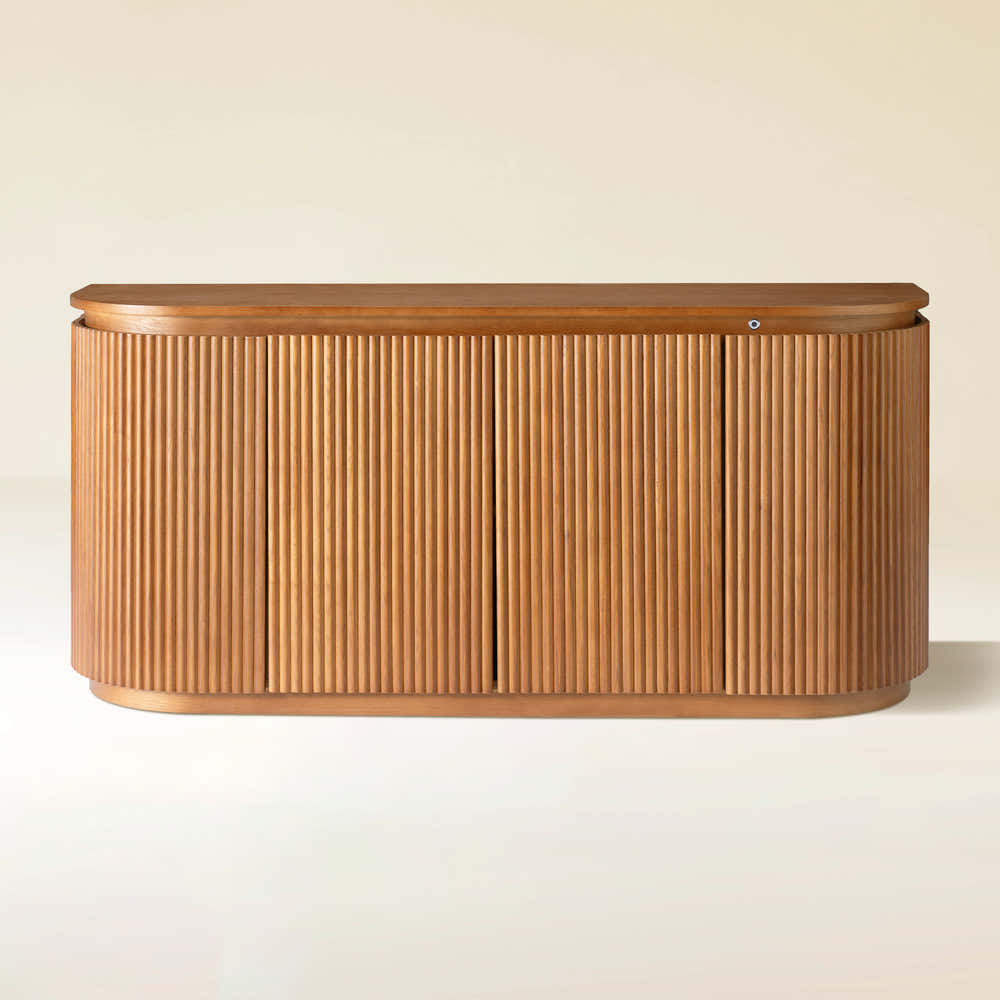
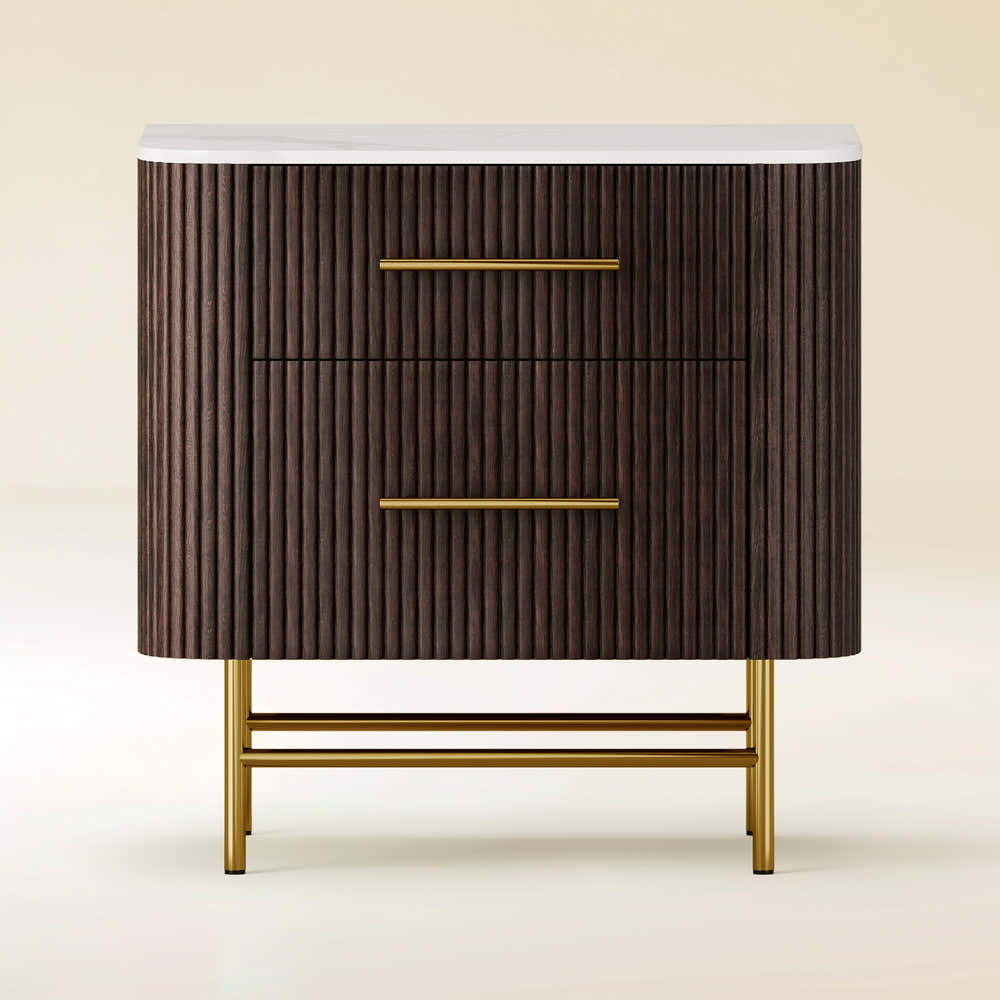


Ewan Sintered Stone Nightstand 26"W
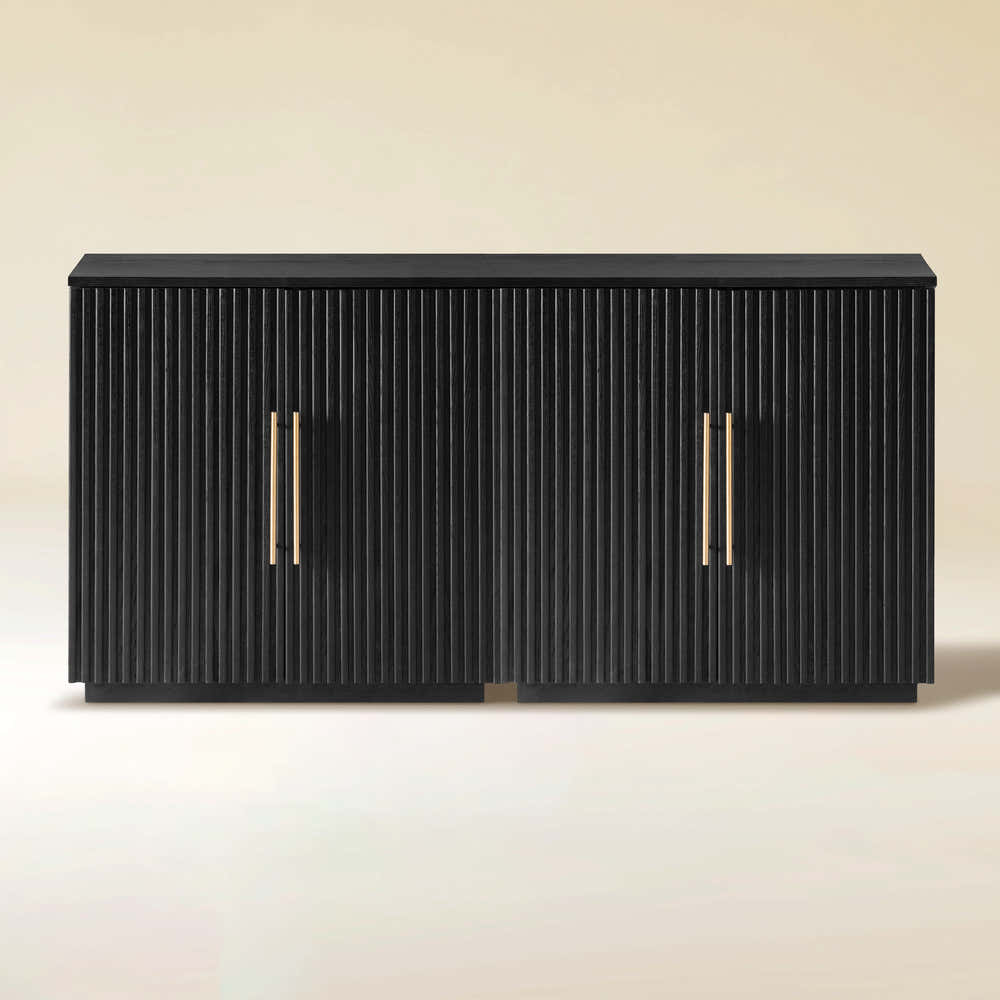


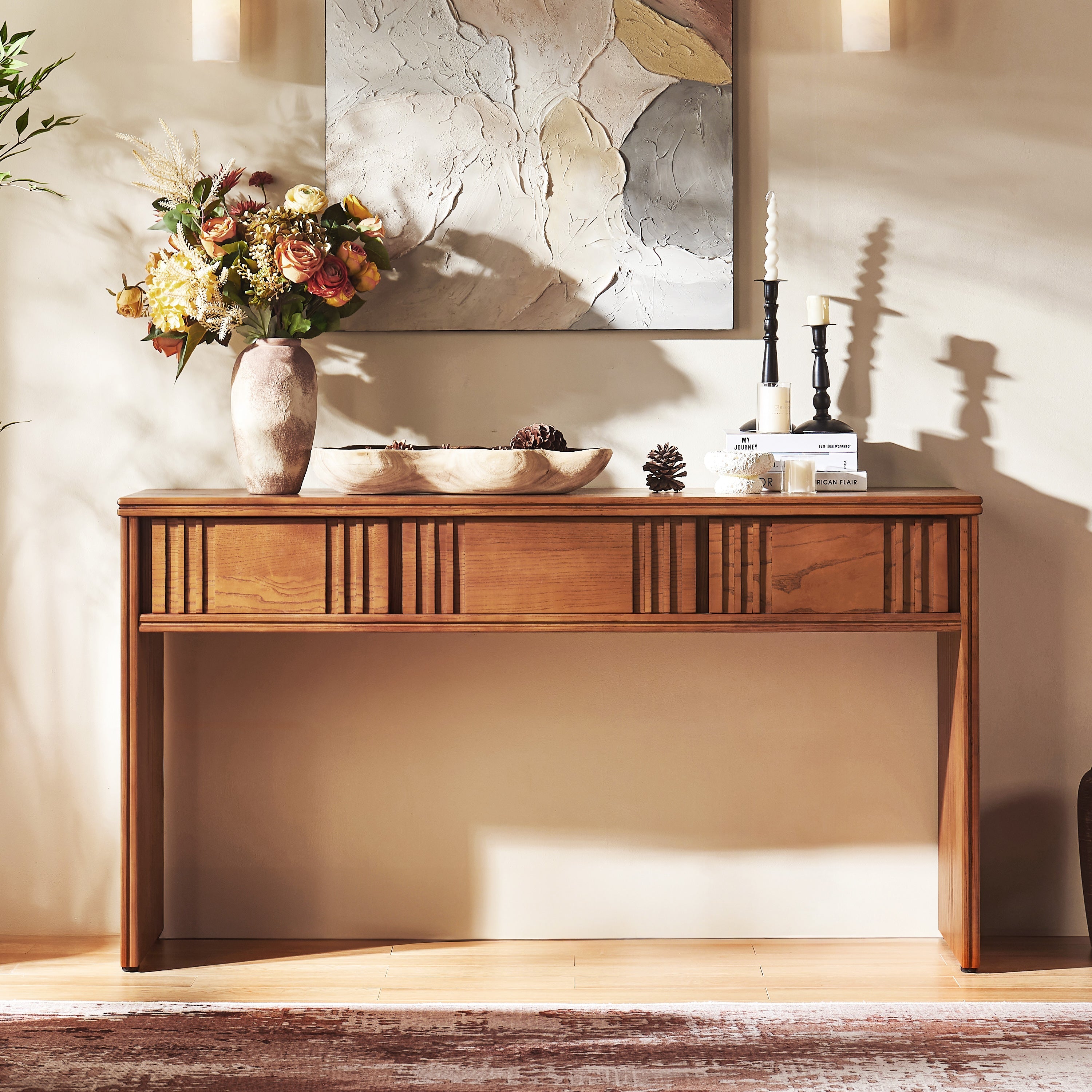
Holt 63″ Solid Oak Console(Set of 2)
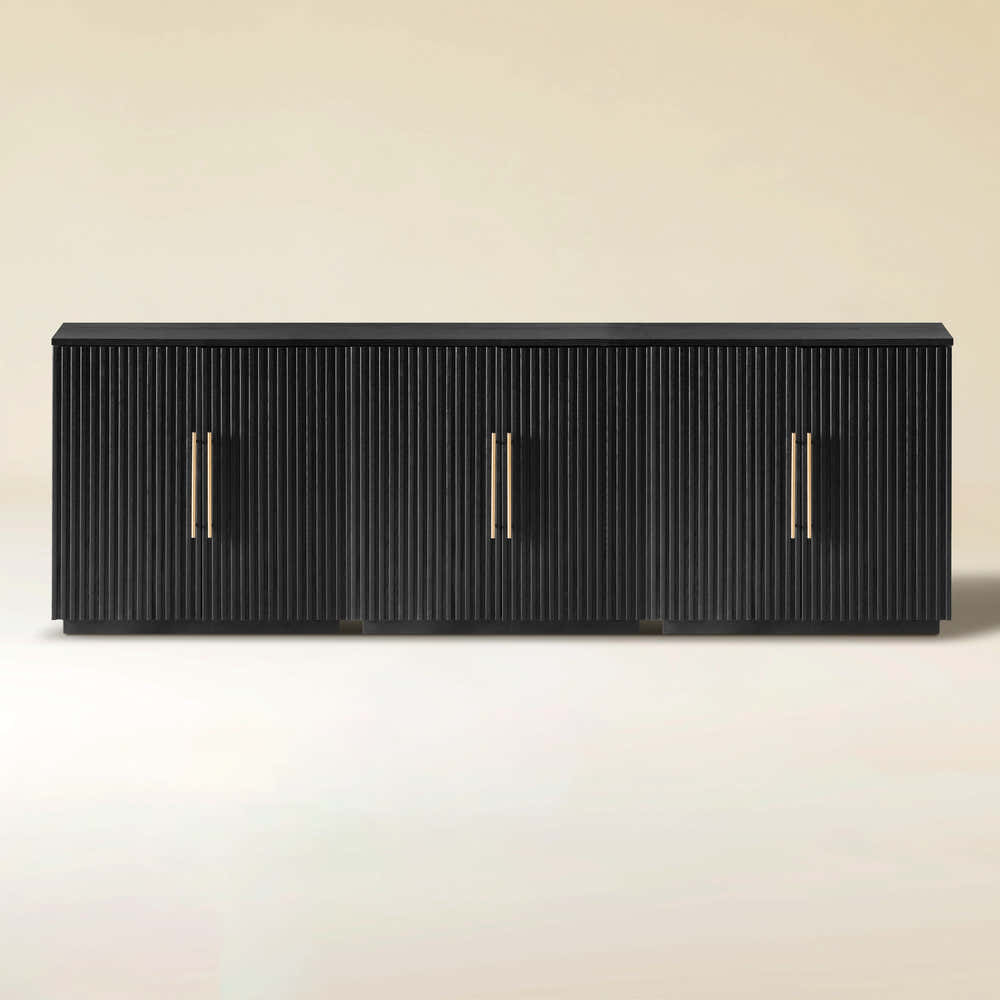


Holt 95″ Solid Oak Console(Set of 3)
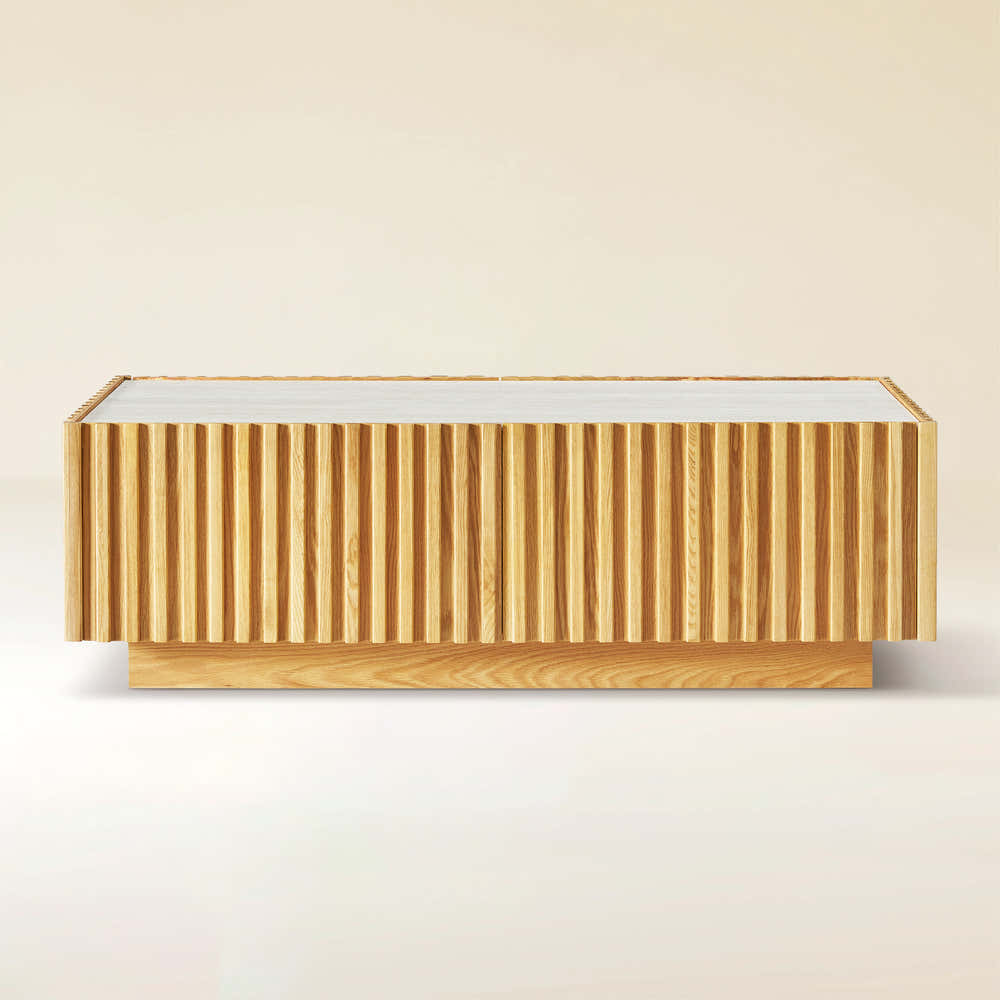
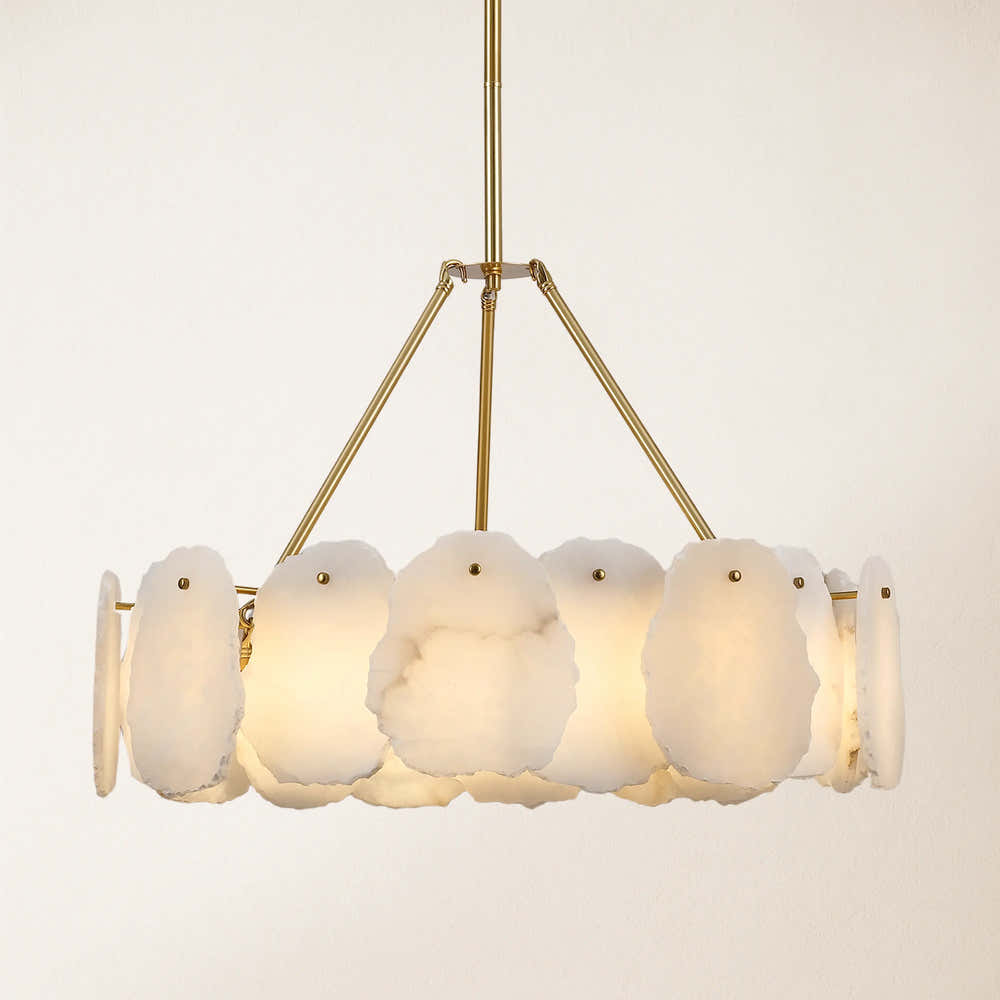


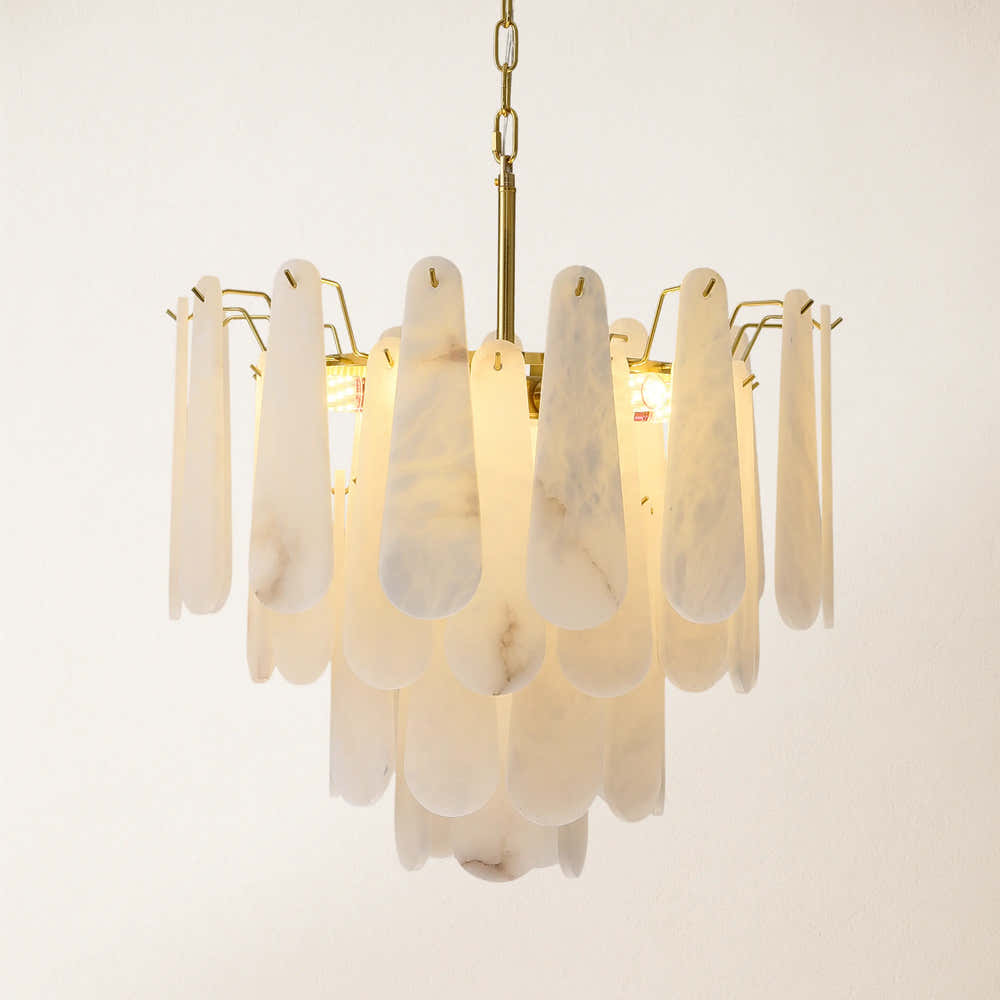
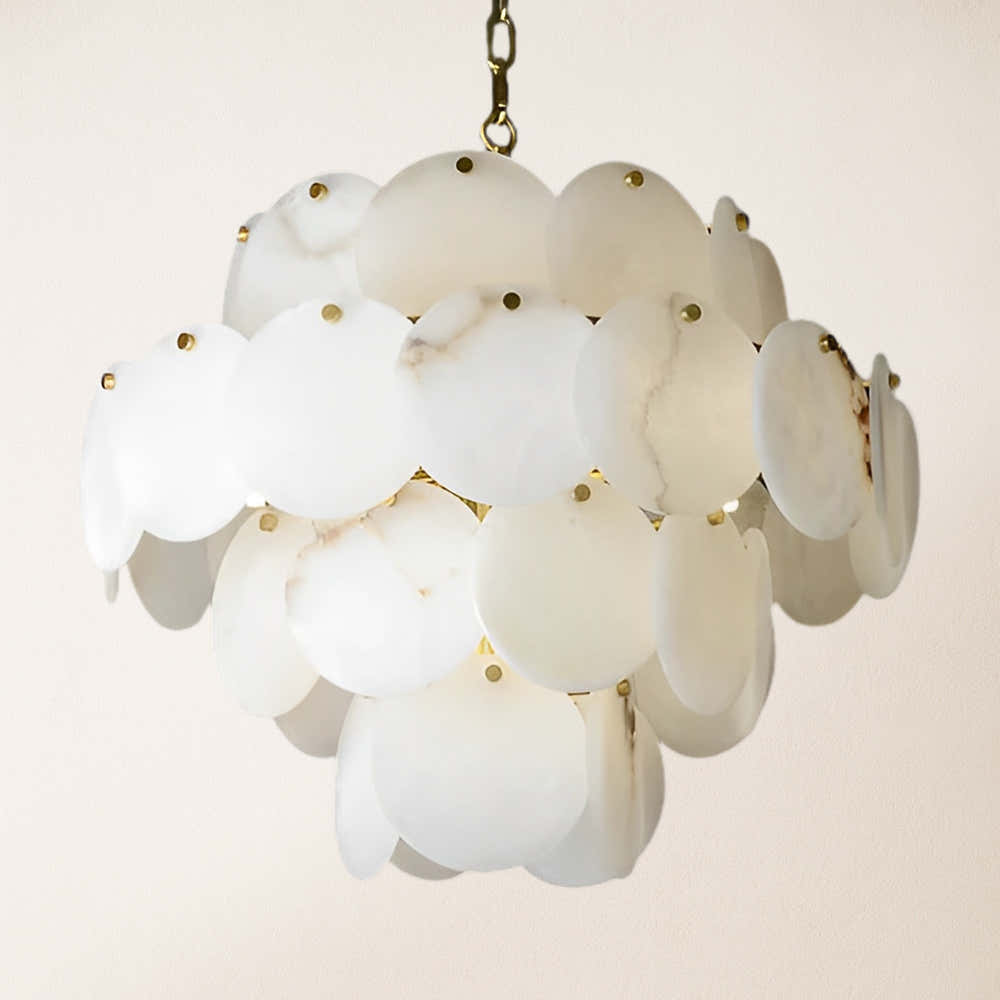
Moira Alabaster Round Chandelier 24"D


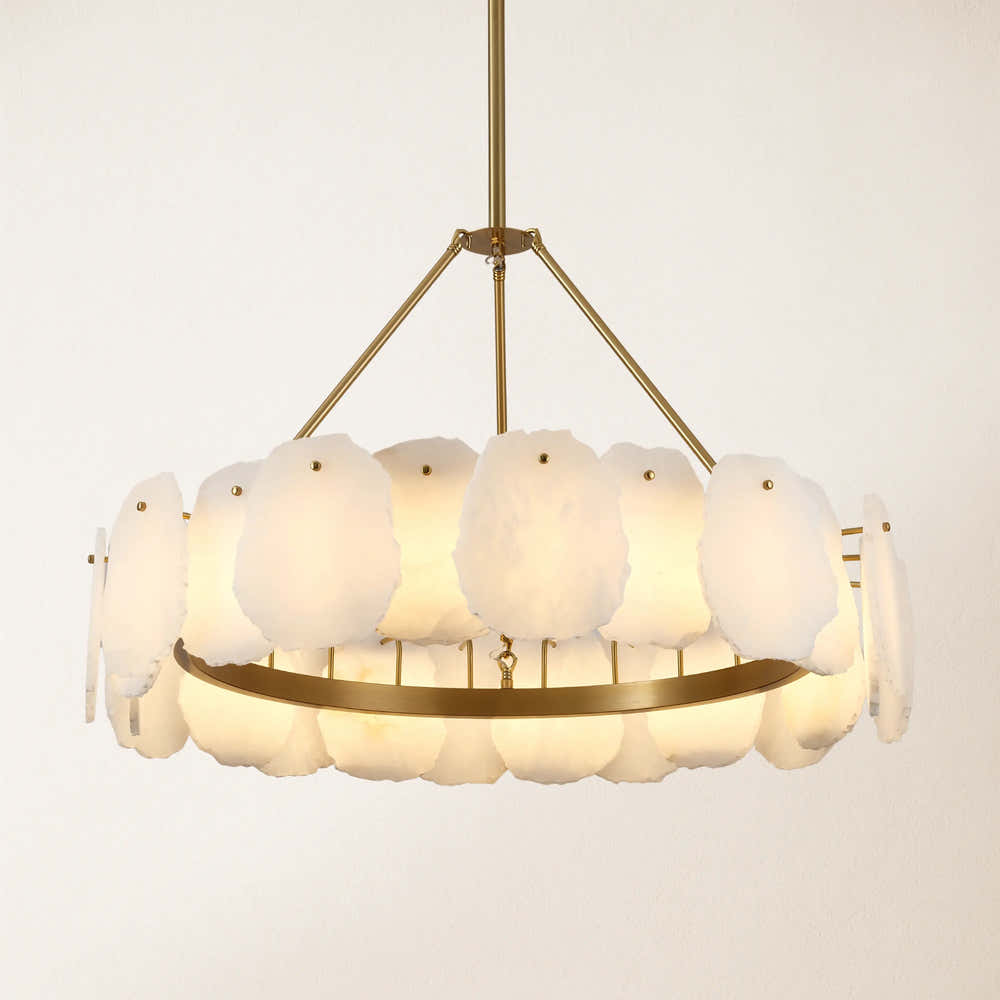


Moira Alabaster Round Chandelier 32"D
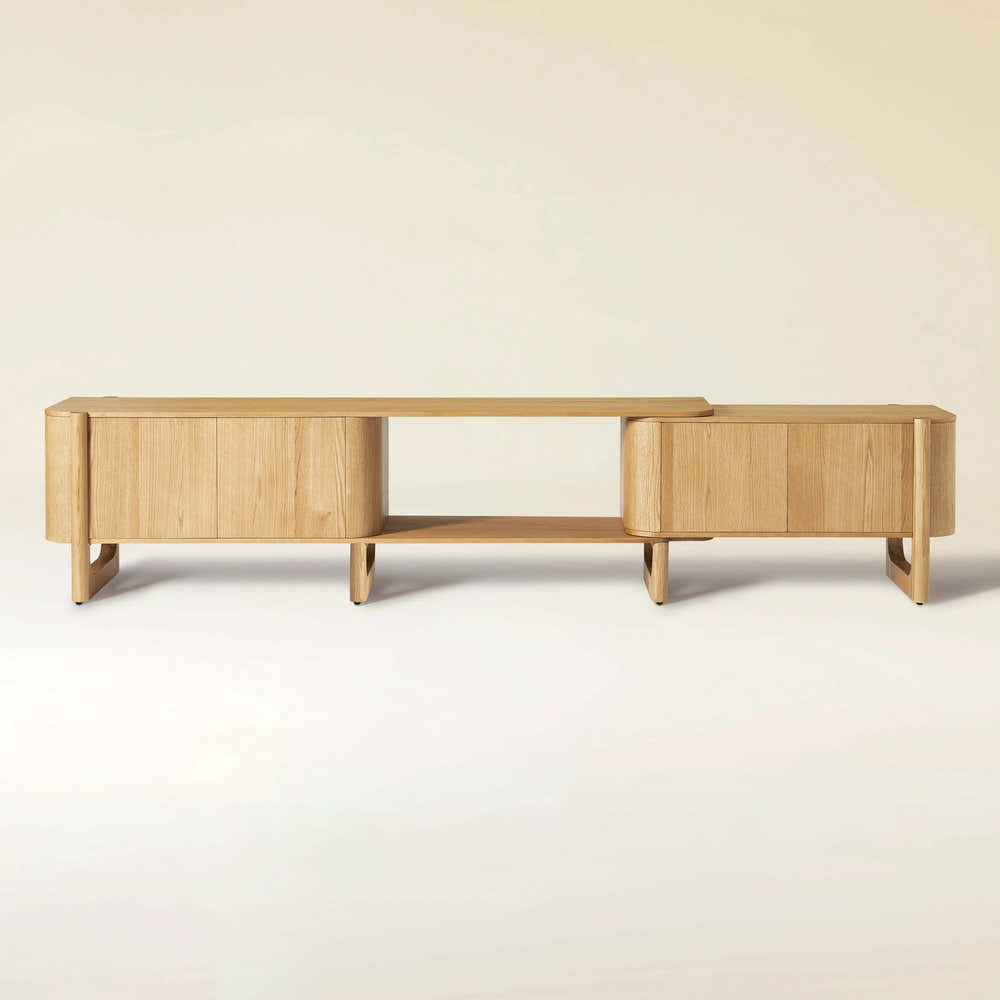
Silas Extendable TV Stand 203cm to 280cm
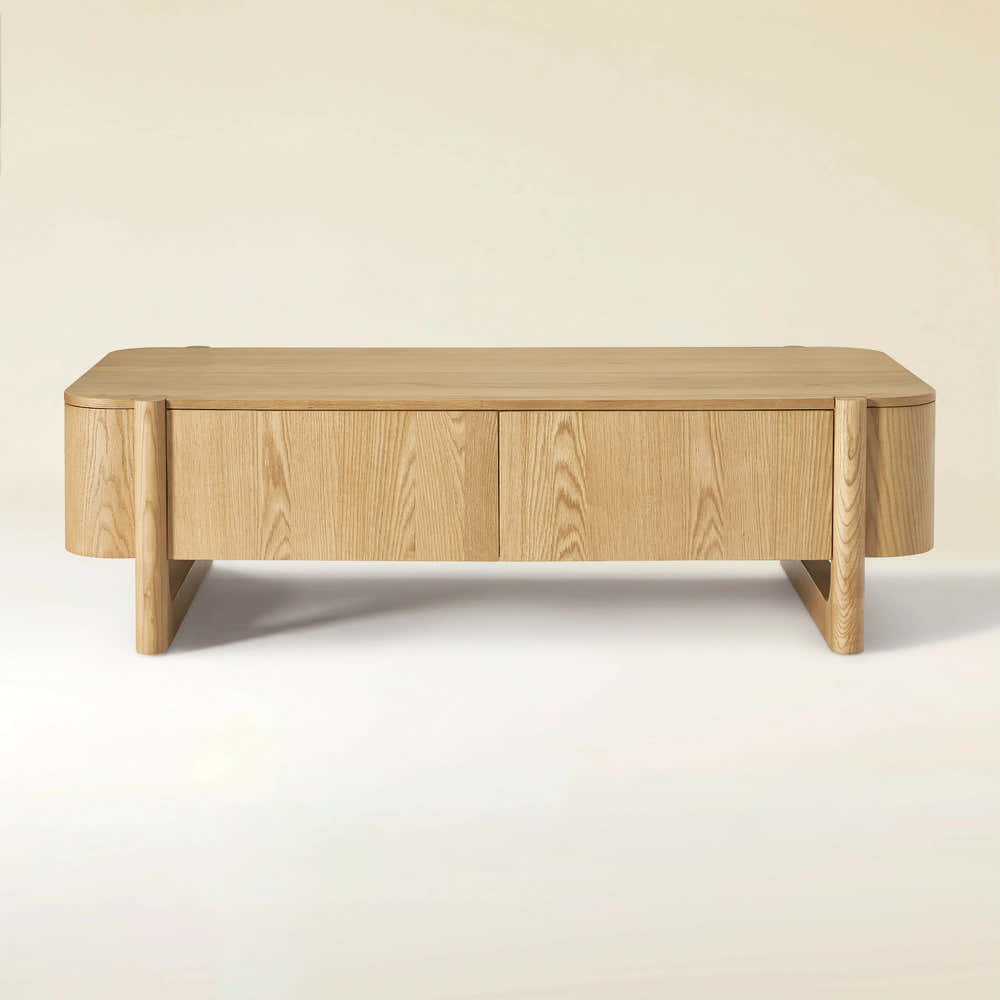
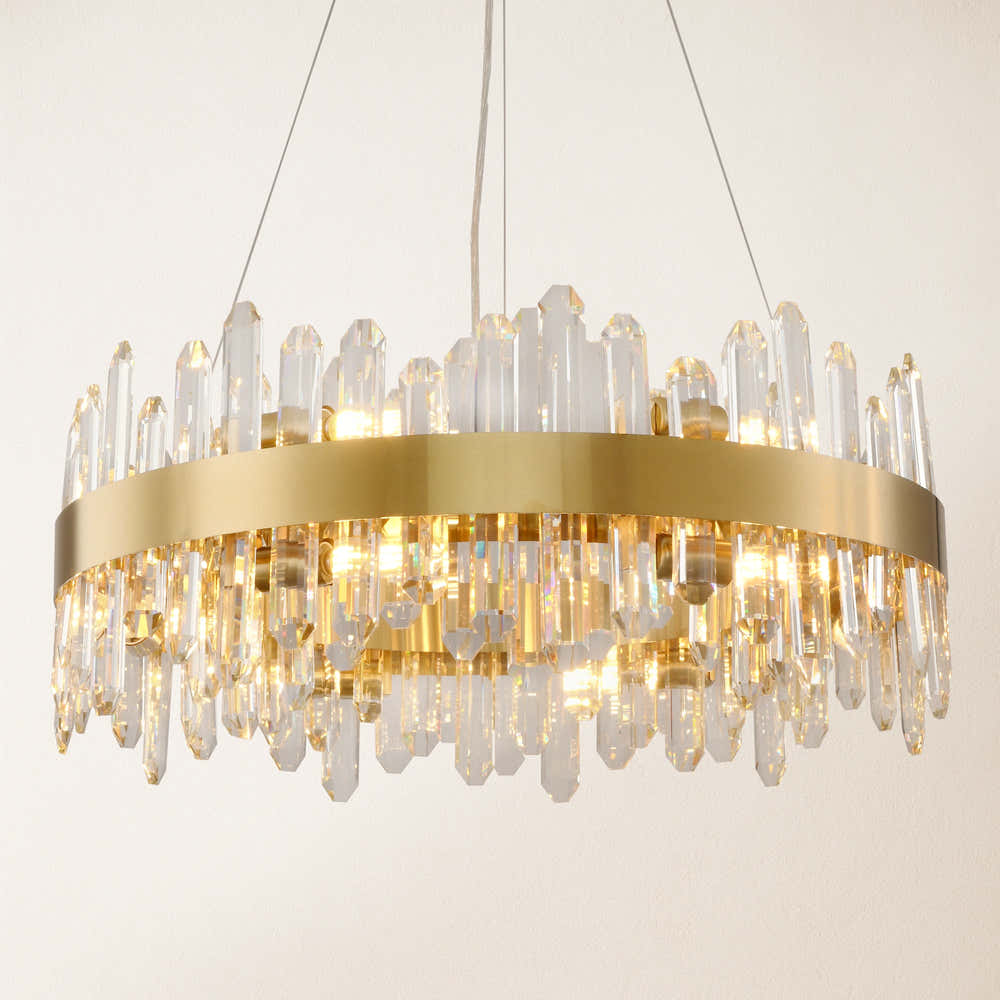
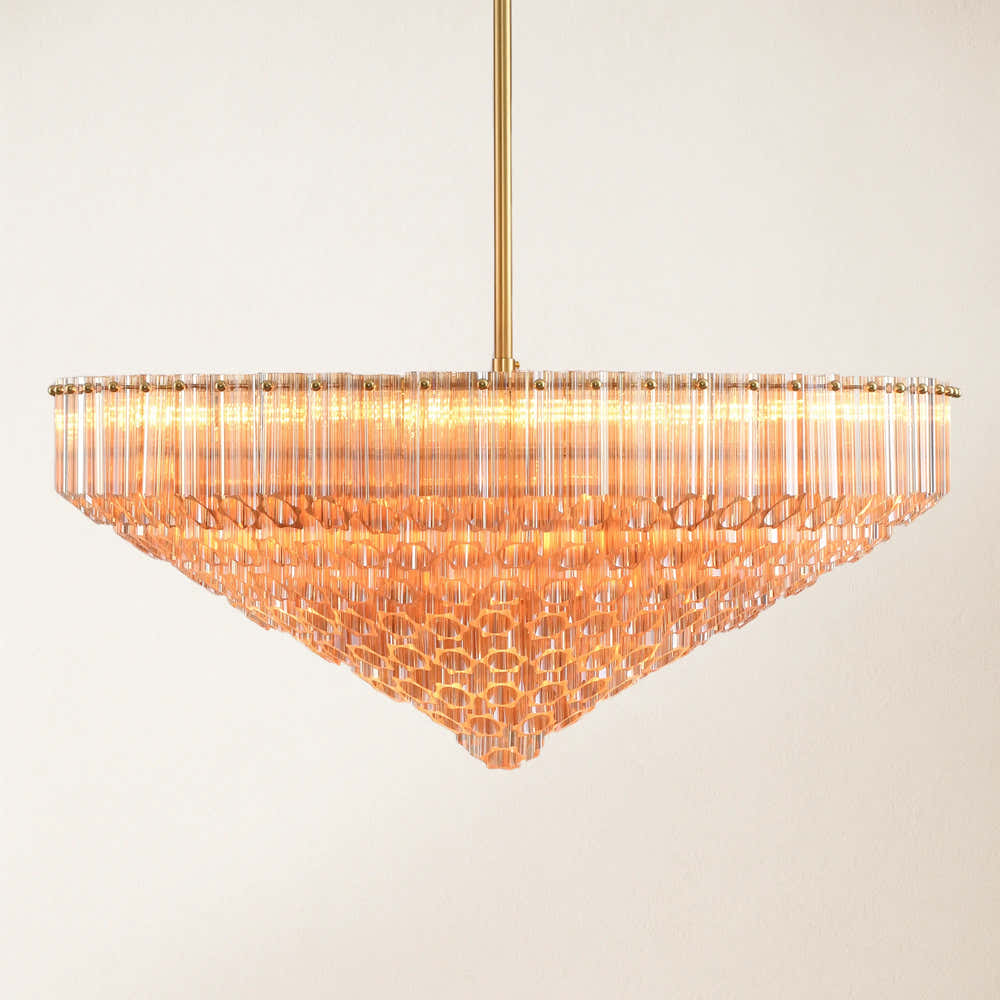
Stellara Crystal Strip Round Chandelier 24"D
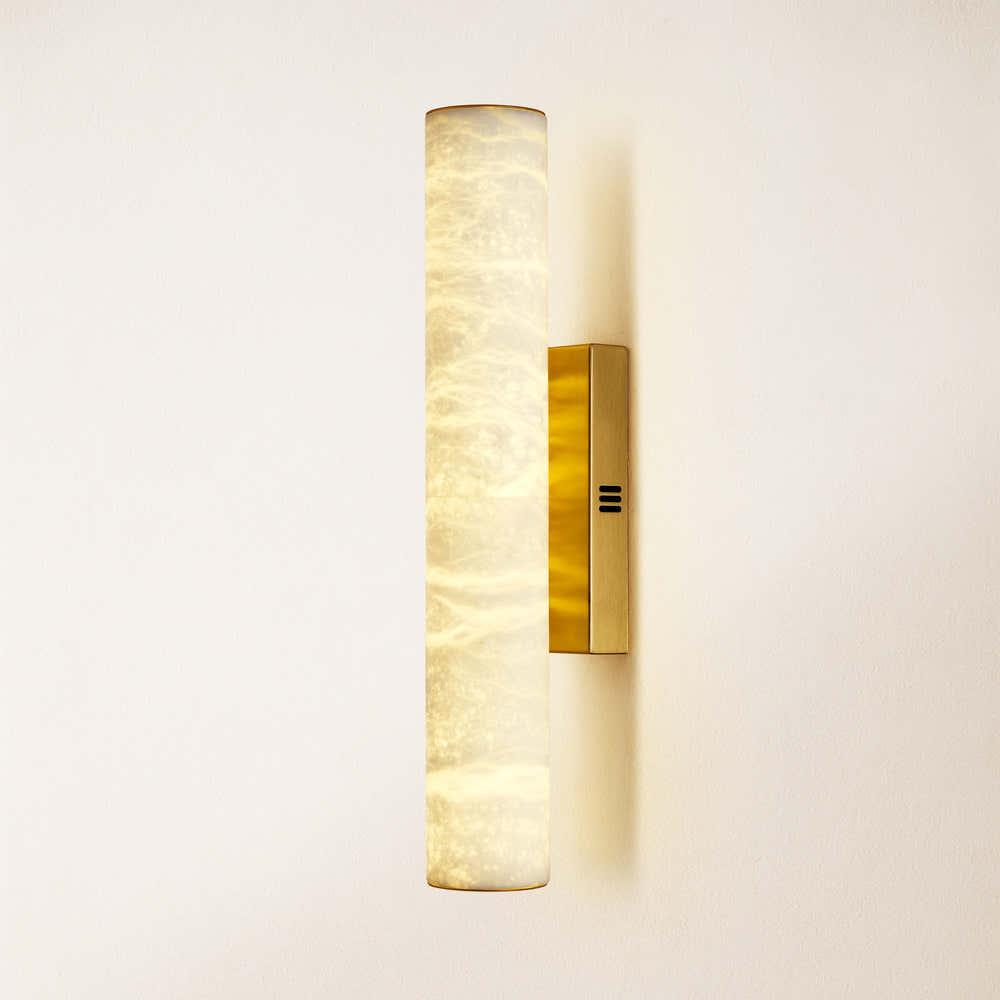


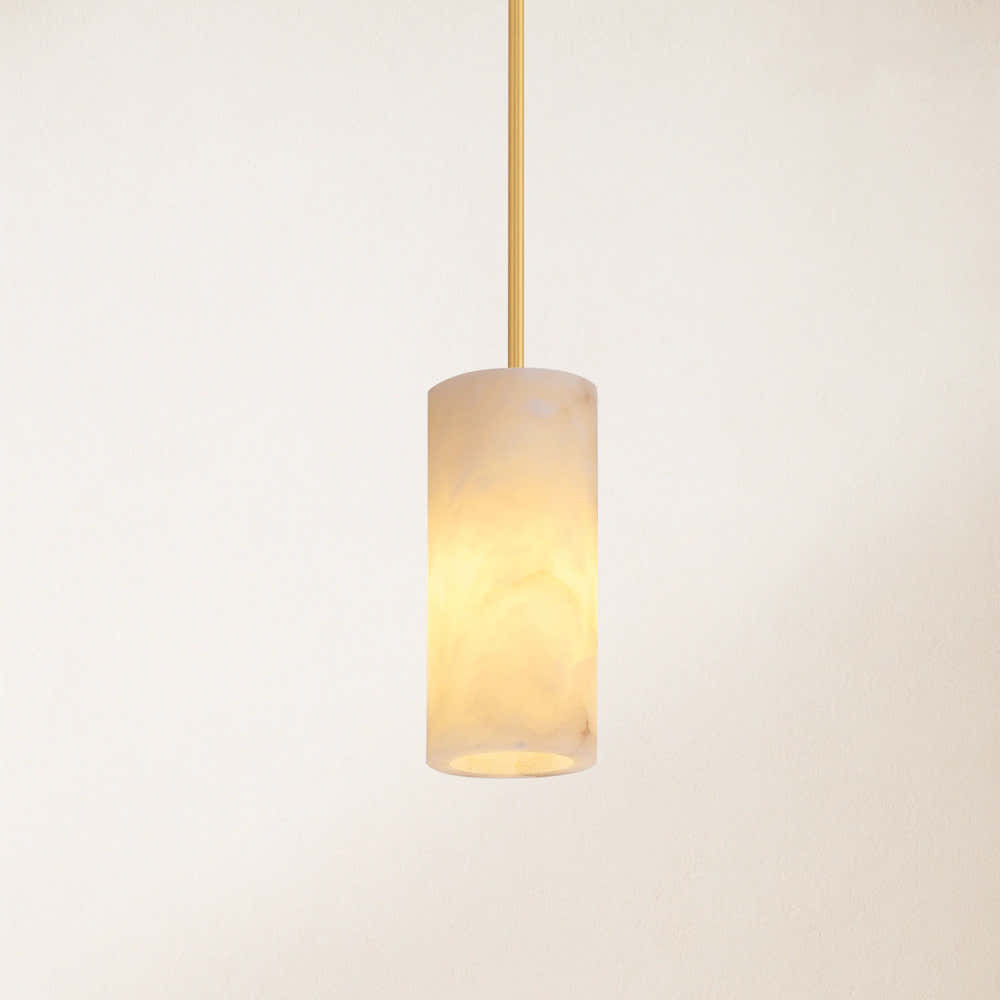
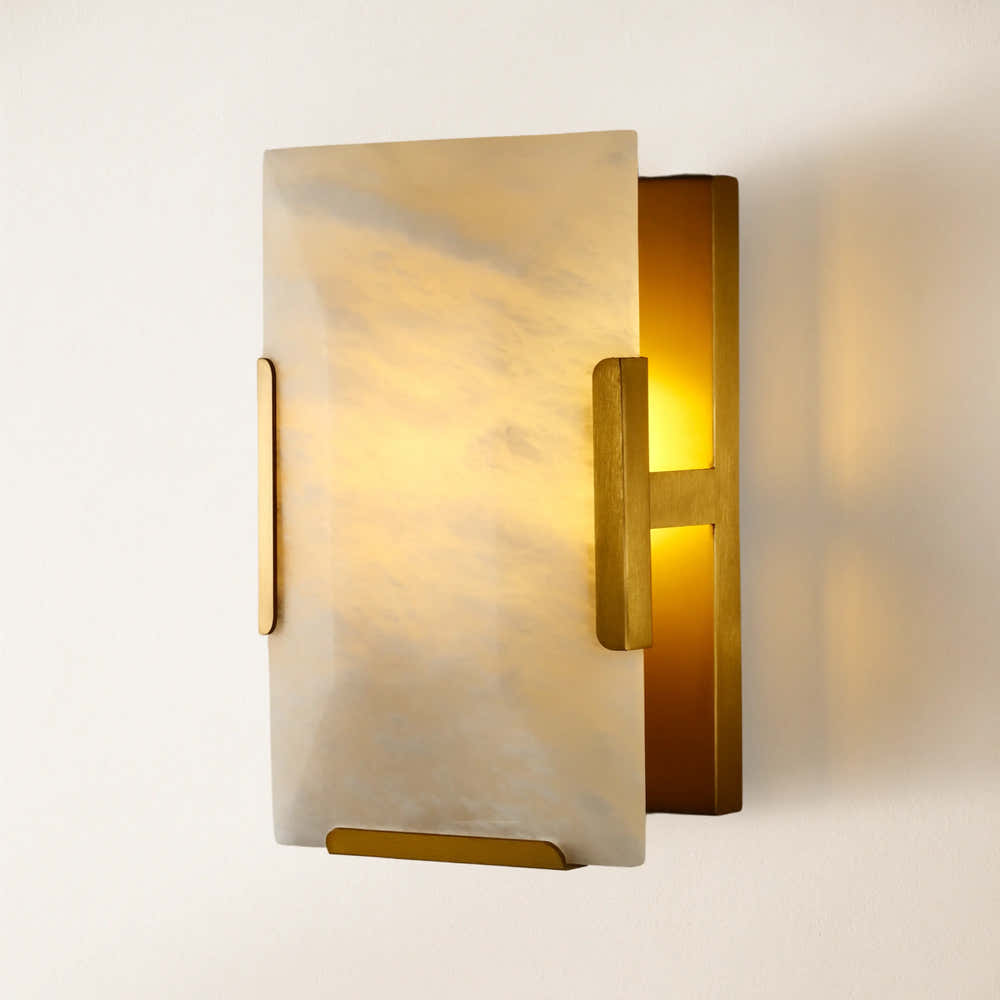
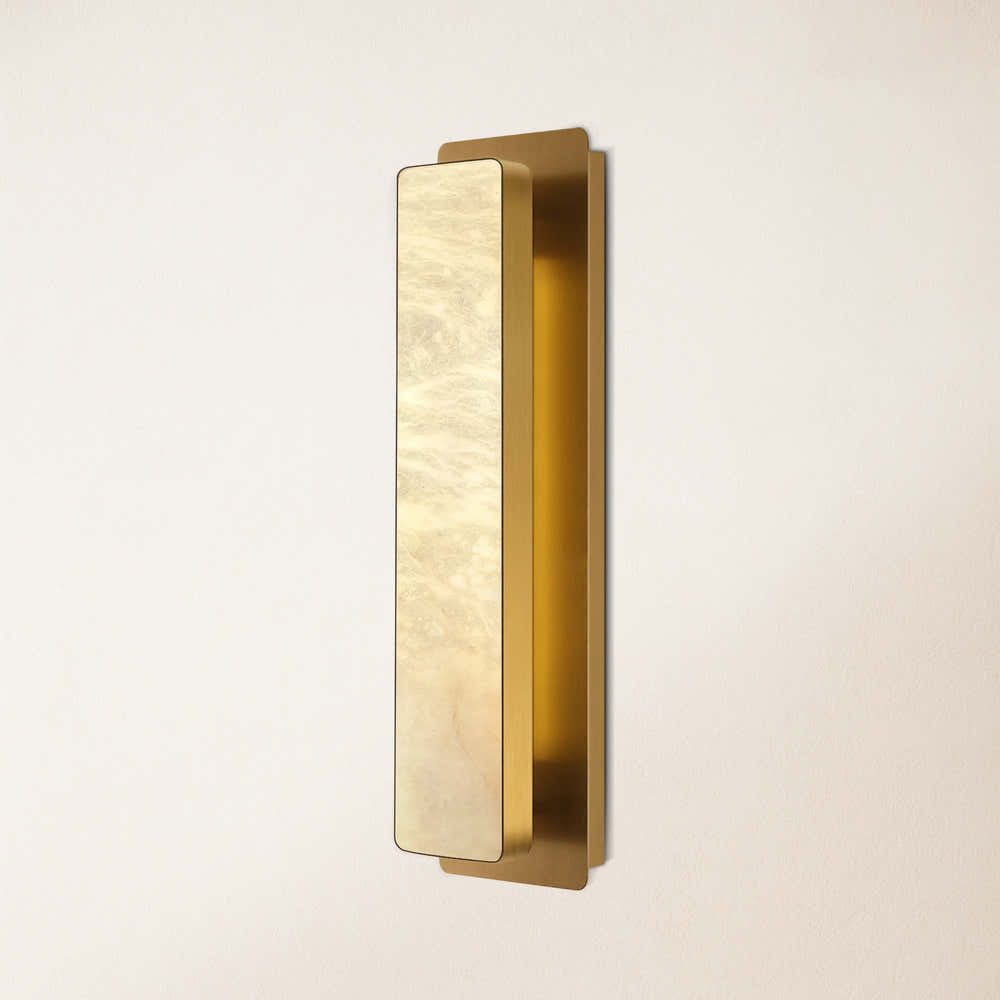
Sylvia Palladian Alabaster Wall Sconce 20"H
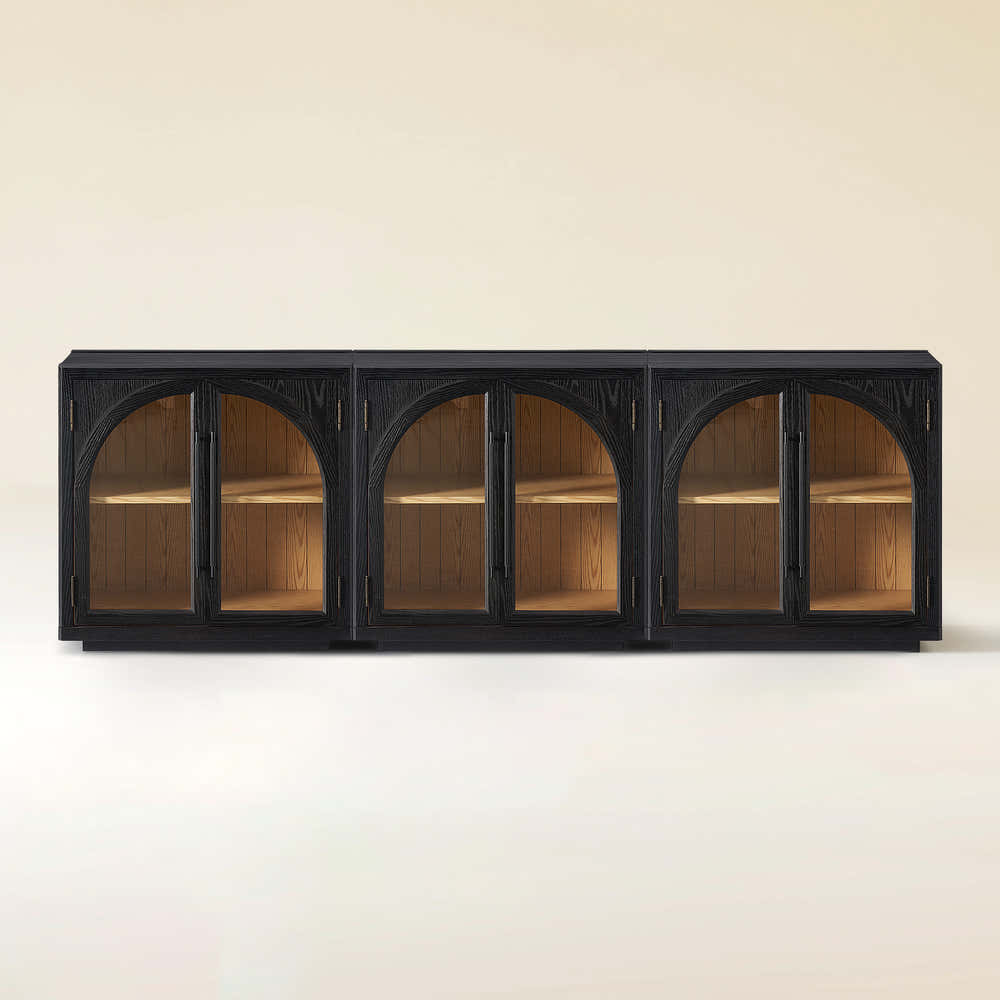


Alvar Arched 95″ Oak Media Console(Set of 3)
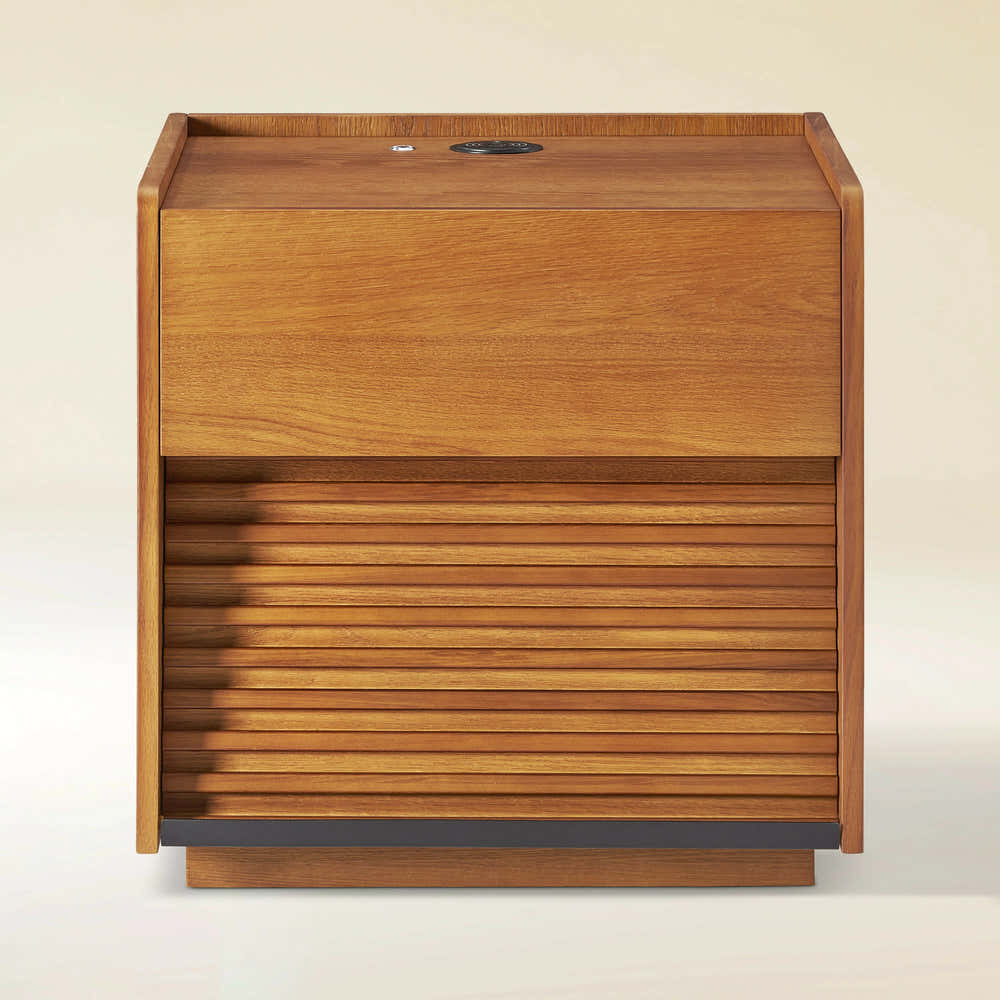


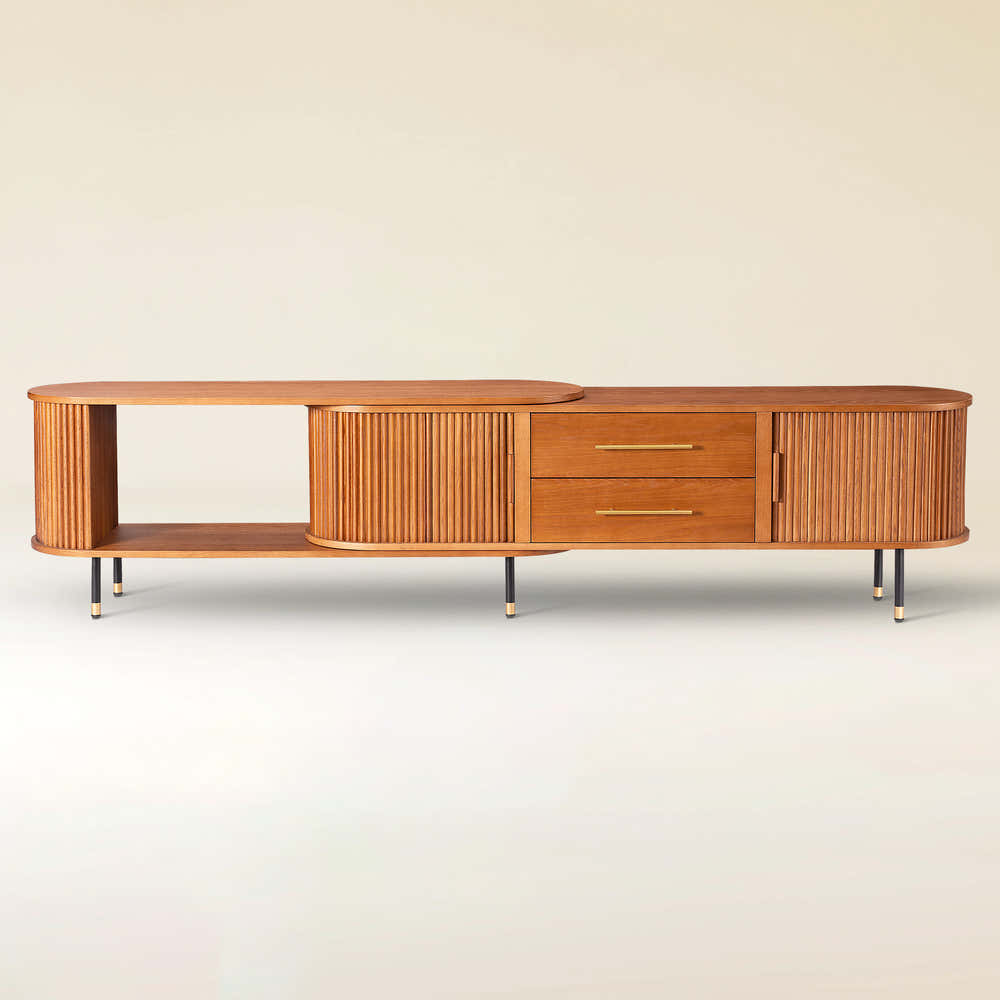
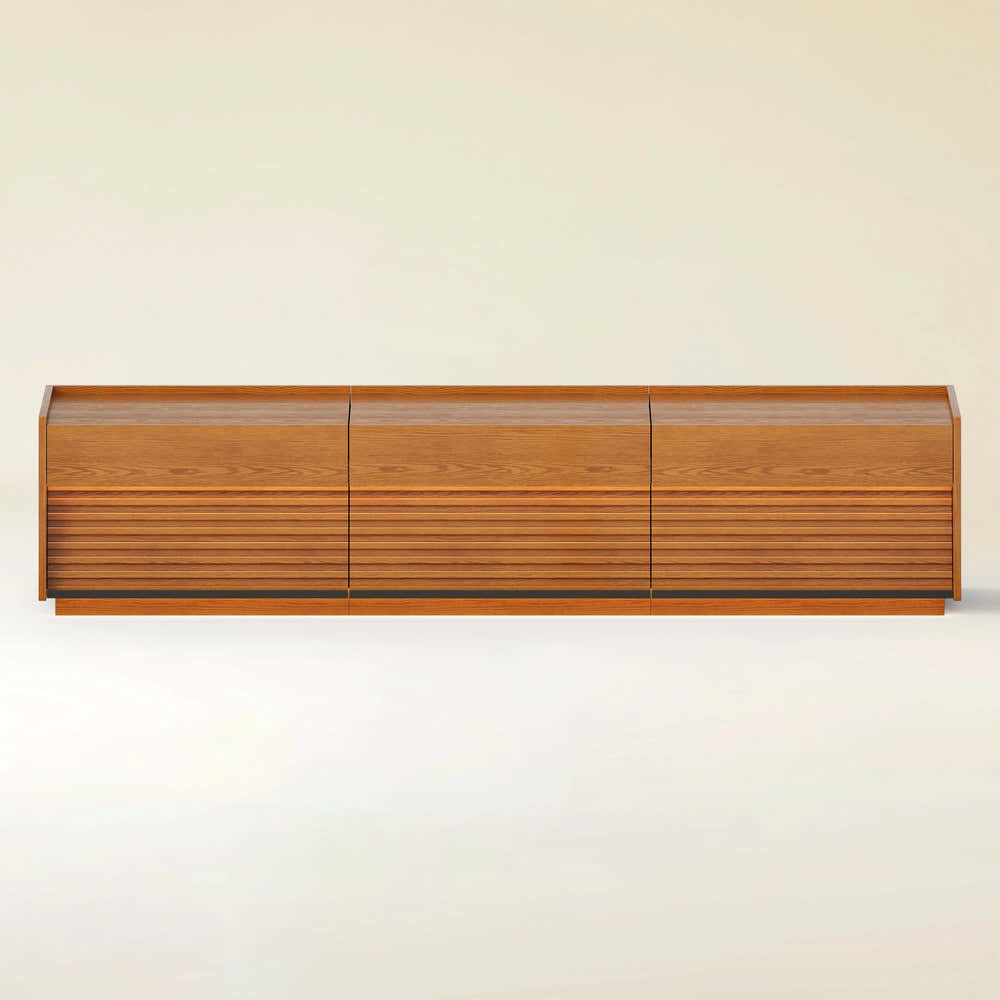
Ewan Oak Extendable Media Console 79" to 110"
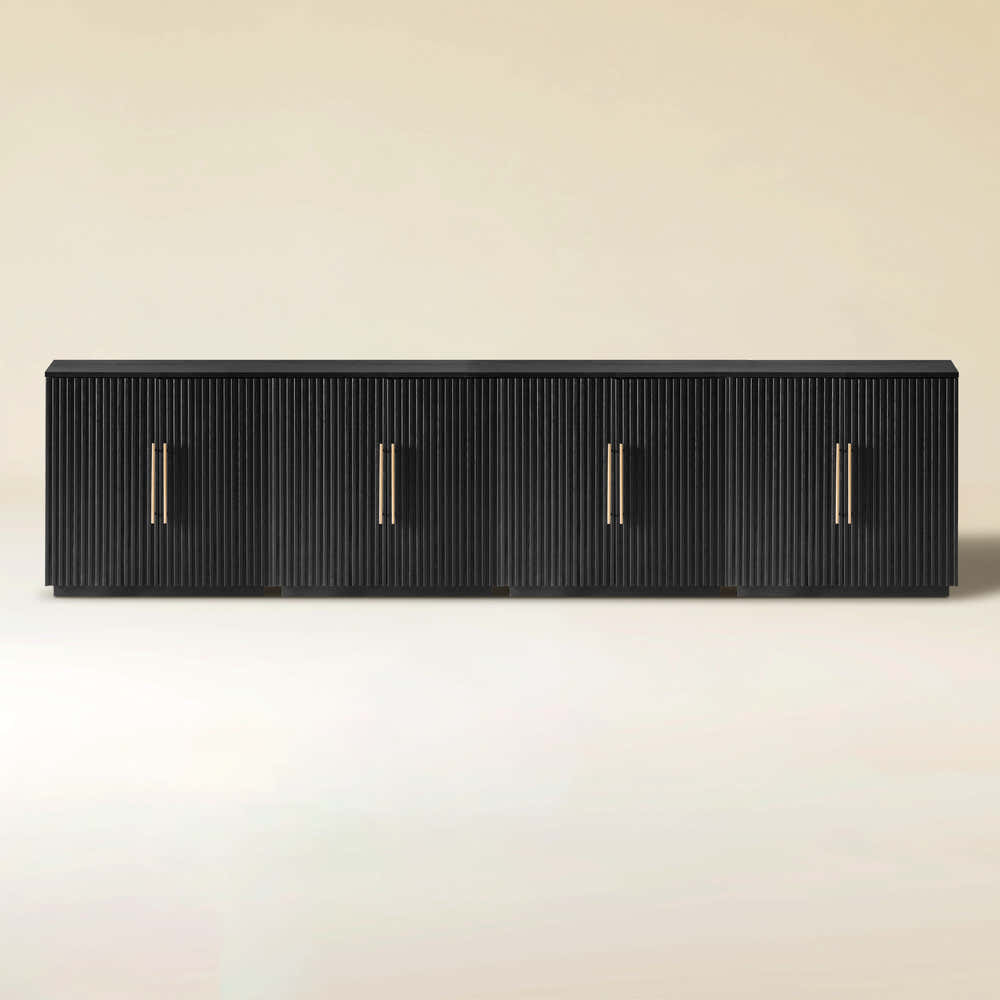


Holt 126″ Solid Oak Console(Set of 4)
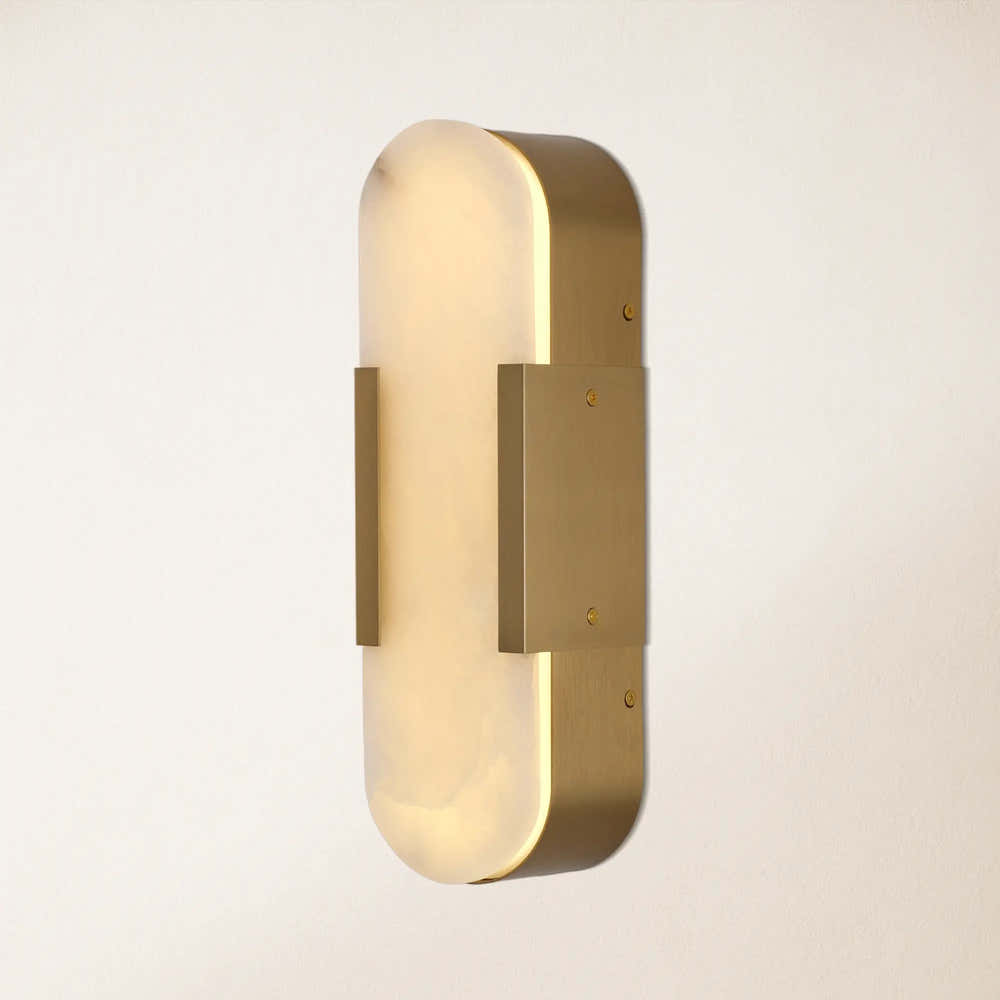


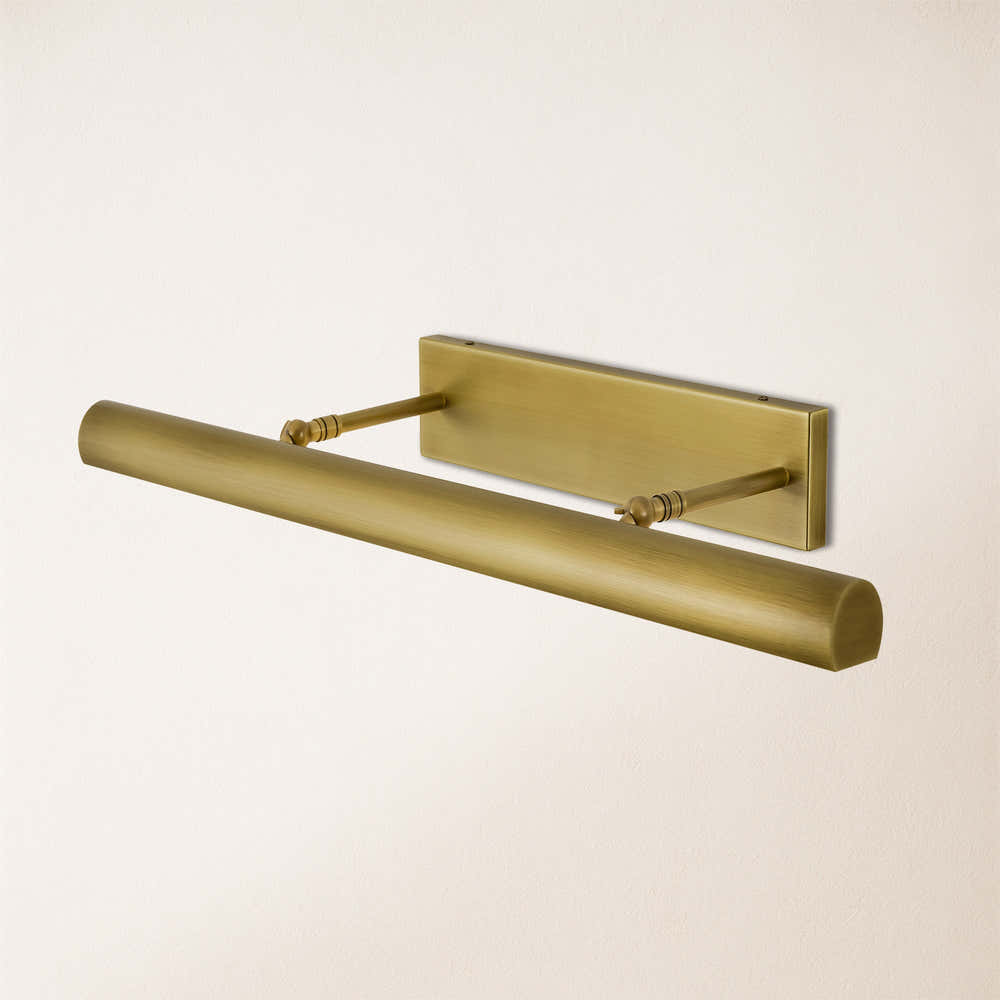
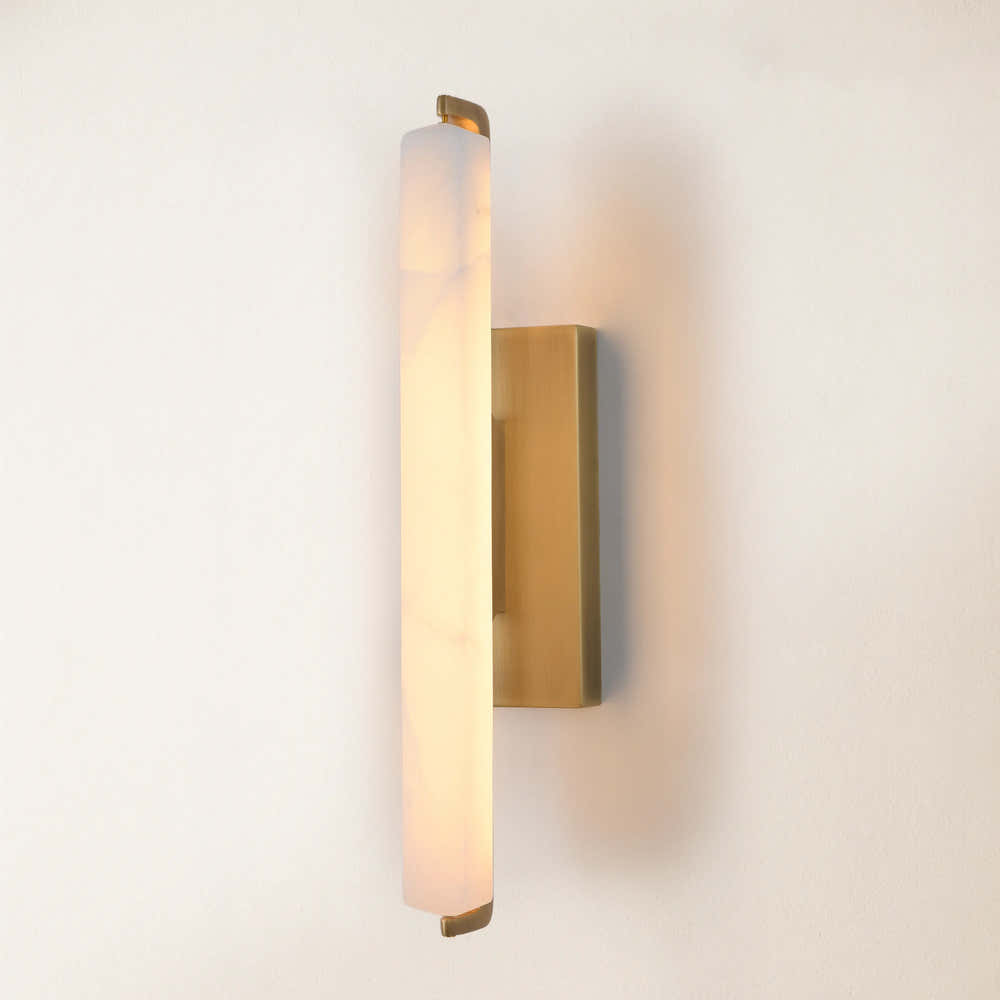
OpalEdge Alabaster Wall Sconce 14"H

FSC FCOC47059 . FSC is dedicated to the promotion of responsible forest management
worldwide. By selecting this product, you help take care of the woorld's forests

UL-certified for indoor drying environments not directly exposed to excessive moisture or water;
Use in the United States and Canada.

Certified to Dry ETL electrical standard: suitable for use indoors in dry locations not directly exposed to excessive moisture and water
Use in the United States

CE-certified drying equipment compliant with electrical standards: Suitable for indoor drying environments not directly exposed to excessive moisture or water;
Tested for use in Europe, the UK, and other regions.


The support center has answers to questions you may have. You can also contact customer service in the support center if you can't find what you're looking for.
Support Center >
At houlte, we are committed to delivering quality, style, and great value to our customers. Our goal is to simplify your shopping experience by providing competitive prices and exceptional service.

If an item you purchased from houlte goes on sale on our website within 30 days of your purchase date, you may request a price match. This policy ensures you always receive the best value when shopping with us.
Houlte reserves the right to interpret and adjust the terms of the Price Match Policy as necessary.
Houlte has partnered with Taskrabbit to make your everyday life at home easier by connecting you with flexible and affordable ways to get your to-do’s done including furniture assembly and mounting.

1. Purchase your furniture at Houlte.
2. Check your order Dispatched and Delivered email and click the
Houlte link. You will be redirected to Taskrabbit's landing page.
3. Post your task on Taskrabbit platform.
4. Pick the best tasker to assemble your furniture.
Houlte has partnered with Taskrabbit to make your everyday life at home easier by connecting you with flexible and affordable ways to get your to-do’s done including furniture assembly and mounting.
Taskrabbit Assembly is available in most metro areas in the US. The availability of Taskers varies based on demand. When placing an order on Taskrabbit, you will need to enter your zip code. If the service is not supported in your area, you will not be able to place an order.
You can book assembly for your Houlte furniture as early as the next day after your delivery, and up to 14 days in advance, giving you flexibility to choose a time that works best for you.

Ready to use out of the box; minimal installation may be required (e.g., handles).

Main structure is pre-built; minor components require attachment (e.g., legs).

Assembly required; multiple parts must be assembled before use.
Our furniture is built with a combination of core boards, real wood veneers, and selected solid wood parts. Each material is used for a different purpose—structure, surface appearance, or visible strength—so the final piece feels balanced in performance, finish, and cost.
Core boards form the internal foundation of the furniture. They provide structure, stability, and efficiency across large surfaces and cabinet bodies.

Stable structural board

Smooth and consistent

Functional internal board
Selected solid wood parts are used where visible strength, tactile quality, and structural integrity matter most—such as legs, frames, trim, and exposed support details.

Durable and classic

Light and versatile

Premium and elevated
Quick answer: A slightly larger piece of furniture often creates the best balance in a living room. A well-proportioned stand anchors the setup, offers storage, and keeps a screen stable when not wall-mounted.

We focus on real-world size, ergonomics, and storage so you can turn measurements into a calm, confident layout at home. Small spacing rules of thumb—like adding a few inches to a screen’s width—help the look feel intentional and steady.
Details matter: screen height affects viewing comfort, and width pairs with height to shape room decor. We’ll also cover device allowances, ventilation, and cable routing so your setup stays tidy and performs well over time.
Houlte designs furniture with comfort, beauty, and harmony in mind. In the sections ahead you’ll find clear, adaptable rules for rooms large and small, whether a screen sits on a stand or hangs above a piece of furniture.
Start by reading the measurement, layout, and style sections in order. Each part builds on the last so you can lock in dimensions, check ergonomics, and choose finishes that match your furniture and room layout.
This guide explains actual TV width (not the diagonal), recommended stand add-on inches, comfortable viewing height, and depth ranges for devices. Use these numbers to select a stand that supports devices and offers ventilation and cable routing.
A slightly larger piece adds stability and reduces tipping risk while creating visual balance in the living space. Practical size and depth choices help storage plans work without crowding the room.
At Houlte, design-first pieces simplify these choices, aligning proportions, storage, and cable-ready details with real-world use.
A properly sized stand gives a room instant balance and protects your screen from accidental knocks.
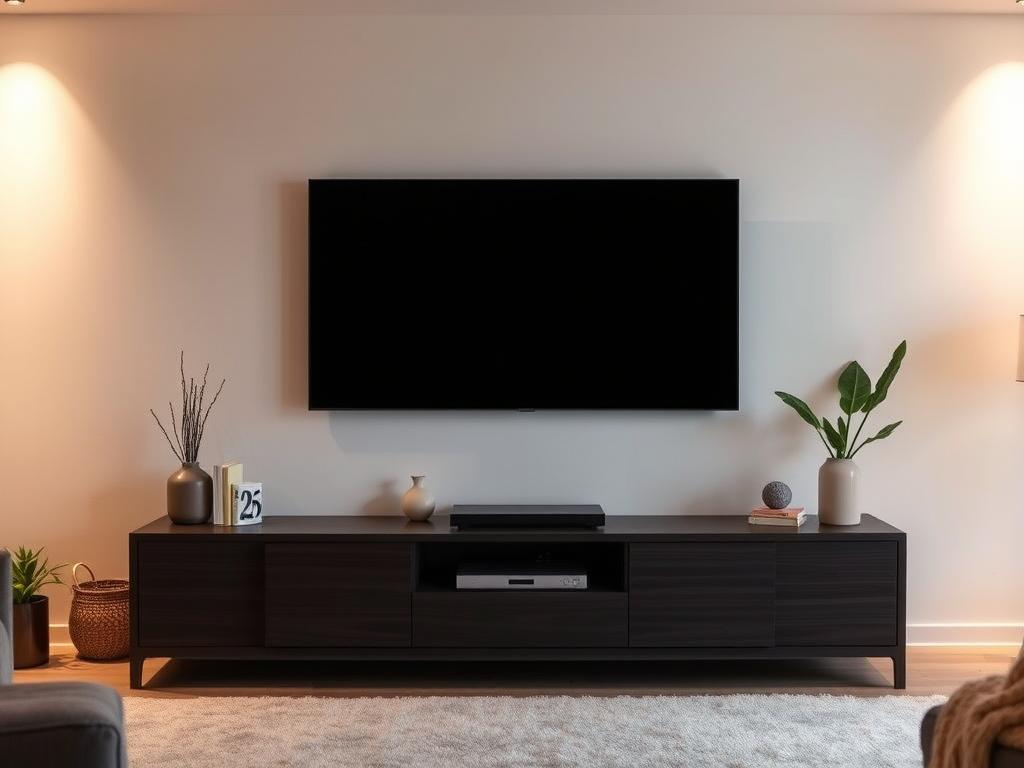
In most cases, a console that is wider than the screen looks better and improves safety. Aim for 2–6 extra inches on each side. A quick formula works well: take the TV’s actual width and add 8–12 inches for the recommended stand width.
The extra inches create breathing room for a soundbar, small devices, and cable access. They also reduce tipping risk when the screen sits on a stand rather than being wall-mounted. Check the foot or leg span to confirm the feet sit fully on the top surface.
| TV Actual Width | Recommended Stand Width | Why |
|---|---|---|
| 48 inches | 56–60 inches | Room for soundbar and 2–6 in. each side for balance |
| 64 inches | 72–76 inches | Better stability and visual proportion in larger rooms |
| 36 inches | 44–48 inches | Low profile widens wall without crowding small rooms |
Houlte designs consoles with balanced proportions so your screen feels anchored and secure. Quick checklist: confirm actual width, add the extra inches, verify foot spacing, and review side clearances before buying.
Accurate measurements transform guesswork into a setup that looks balanced and functions day to day.

Tvs are listed by diagonal, but pick the actual width for the horizontal fit. Confirm the spacing of the legs or pedestal so the top fully supports the screen base.
Use the TV’s width plus 8–12 inches. That gives about 4–6 inches of clearance per side for a soundbar or small gear and improves balance.
Target a screen center roughly 42–48 inches from the floor. Lower seating pairs well with 20–25 inch stands, taller seating with 30–36 inch options.
Choose 12–15 inches for tight rooms, 15–20 inches for most setups, and 20+ inches if you have bulky devices or need storage and ventilation.
Houlte’s proportion-driven designs make hitting these dimensions simple while keeping storage and style intact.
Match stand dimensions to your layout so the setup reads as a natural part of the room. Pick a profile that keeps sightlines clear and traffic paths open.
In compact rooms, choose a low, slightly wider piece of furniture to visually stretch the wall. That creates the feeling of more space and offers surface area without crowding.
Keep depth shallow if walkways are tight. Verify leg placement so support sits fully on the top and does not overhang the edge.
Larger rooms handle taller, fuller designs that add storage and make a focal point. Aim for a width near two-thirds of the wall for balanced proportion.
Use the extra surface for devices and decor while keeping viewing angles centered to the main seating area.
Houlte’s approach helps scale dimensions to your home so form, storage, and everyday use stay balanced.
Positioning matters for comfort and safety. A well-placed screen reduces neck strain and feels natural in the room.
Align the screen center roughly 42–48 inches from the floor to match seated eye level. Measure with cushions and recline in mind so the center lands where viewers look most often.
Lower seating pairs with a shorter height; taller chairs need a higher top. If glare appears, tweak angle rather than raise the display above comfortable eye alignment.
Mounting on a wall can relax the need for a wide console. Still, keep the piece centered beneath the screen so the wall area reads as a cohesive unit.
Houlte centers comfort in every design, balancing proportions and stable construction so stands and wall setups both support healthy posture and calm living spaces.
Designing storage around actual devices prevents surprises at setup time.

Start by inventorying every device: soundbar, streaming box, game console, and AVR. Record each unit’s width and depth so shelves fit without crowding.
Leave 3–5 inches between hot-running devices and 1–2 inches at the back for airflow. Depths of 15–20 inches suit most gear; choose 20+ inches for deep AV units.
Keep the stand top clear for a centered soundbar so ends do not overhang. Adjustable shelves help fit new models over time.
"Ventilated compartments and cable pass-throughs turn practical needs into refined design."
Pick furniture with rear cutouts and channels. Route power and signal cables together and label them for easier upgrades.
| Item | Recommended Clearance | Notes |
|---|---|---|
| Streaming box | 3–5 inches side clearance | Ventilate and use adjustable shelf height |
| Game console | 3–5 inches around, 1–2 inches back | Deep shelf (20+ inches) if vertical cooling vents present |
| Soundbar | Centered on top; 2–4 inches each side | Avoid front overhang to keep viewing sightlines clean |
| AV receiver | 20+ inches depth, 1–2 inches back | Prefer ventilated compartments and rear cutouts |
Confirm leg placement and stability if the stand uses splayed or inset legs, and add small tables nearby for remotes to keep surfaces tidy. Houlte’s ventilated backs and cable-ready builds blend storage and functionality for everyday home use.
Style and material choices turn a practical stand into a defining element of your living room.
Modern minimal pieces use clean lines and spare hardware to keep focus on the screen and surrounding decor. Scandinavian options pair light wood and open shelves for airy rooms.
Wood offers lasting warmth and can adapt across styles. Lighter wood finishes expand small rooms visually, while darker grains add presence to larger layouts.
Metal and glass lend a modern edge. Note that some metal finishes need periodic care to stay crisp.
Pick engineered surfaces for budget flexibility and reliable size tolerances. Balance silhouette and proportion so the piece fits the wall and aligns with eye level and seating.
"At Houlte, we believe home is a feeling."
Houlte’s consoles and lighting are designed to bring comfort, beauty, and harmony to your daily life. We ship reliably across North America and the UK to serve customers worldwide.
Houlte makes choosing the right stand quick by pairing clear size guides with thoughtful design features.
Use Houlte’s sizing guidance to match console width to your screen and room scale. Practical steps include adding a few inches to the screen width and checking foot span so the stand supports the base safely.
Heights aim to place the screen center near 42–48 inches from the floor. Depth ranges from 12–20+ inches depending on devices and storage needs.
Houlte ships from North American and UK hubs, serving customers in 200+ countries. That network speeds delivery across the US, Canada, and the UK, while keeping fulfillment steady worldwide.
Design meets function in features like ventilated compartments, adjustable shelves, and integrated pass-throughs. These details make device swaps and cable routing simple over time.
"Balanced proportions and built-in functionality simplify setup and daily use."
Wrap up with a final pass on leg support, side clearances, and screen center to lock in a safe, comfortable setup.
Measure the actual width, add the recommended inches, and confirm foot span so the stand sits fully on the top. Aim for a screen center near 42–48 inches for relaxed viewing and check depth against your devices: 12–15, 15–20, or 20+ inches as needed.
Scale the piece to your room and wall. In small rooms pick a low, wide profile; larger spaces can host taller furniture that anchors the center. Keep storage, ventilation, and cable routing in mind so shelves hold devices cleanly.
Houlte believes home is a feeling—comfort, beauty, and harmony. With clear dimensions and careful checks, your setup will look intentional, perform well, and arrive hassle-free.
Share:
How to Style a Media Console for a Modern Home
Understanding What is a Media Console for Home Entertainment