


















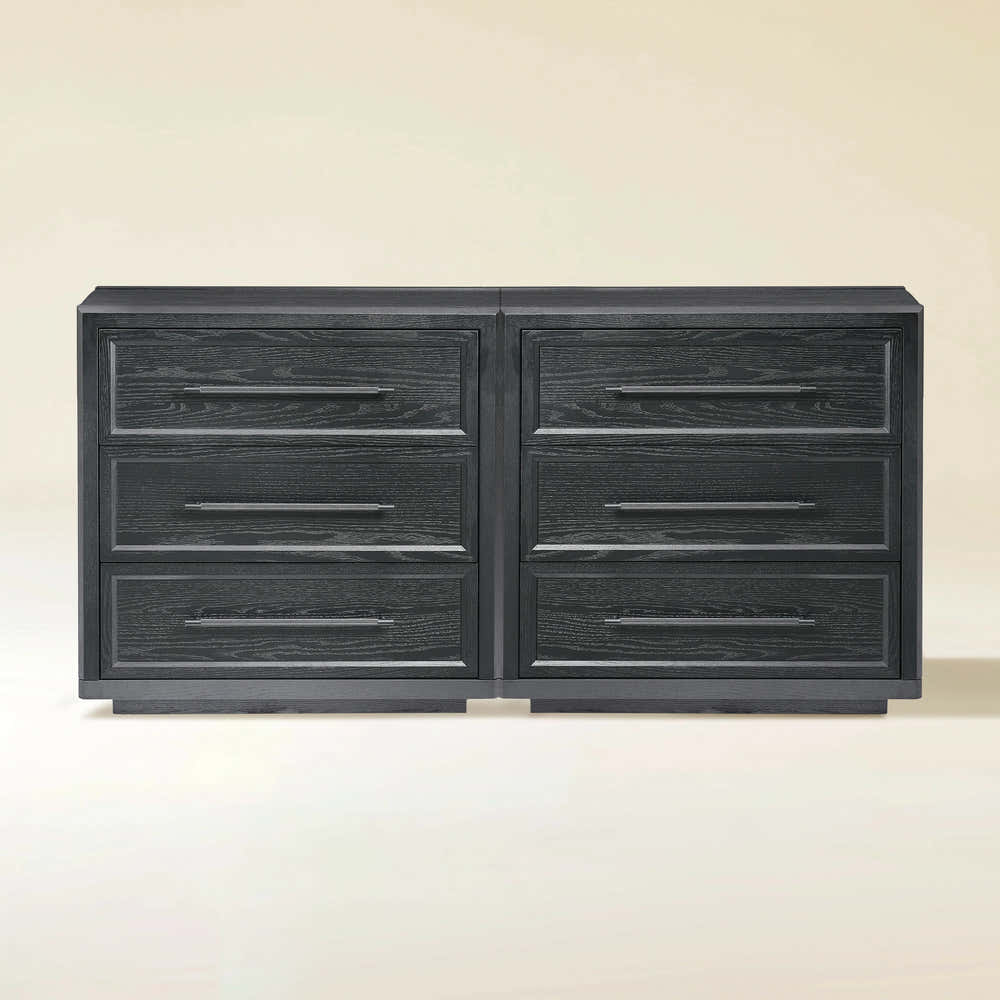


Alvar 61″ Oak 6-Drawer Chest(Set of 2)

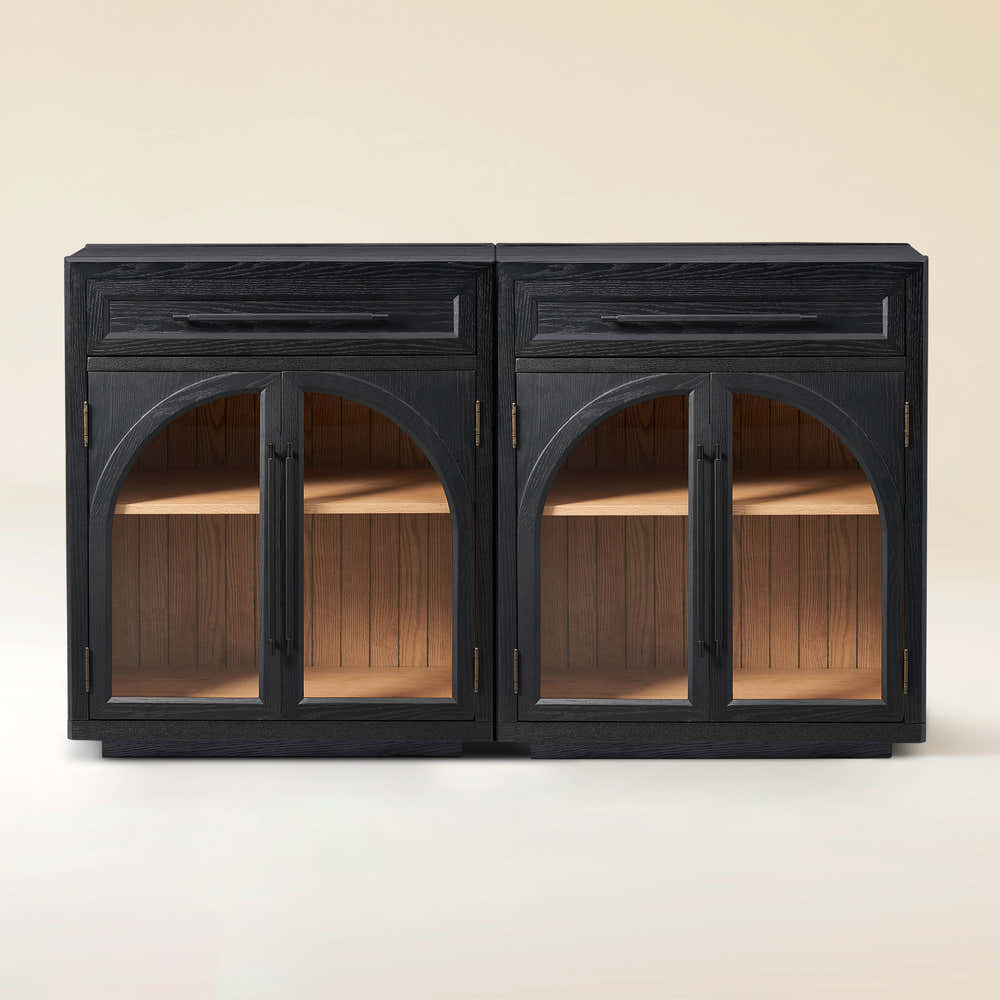


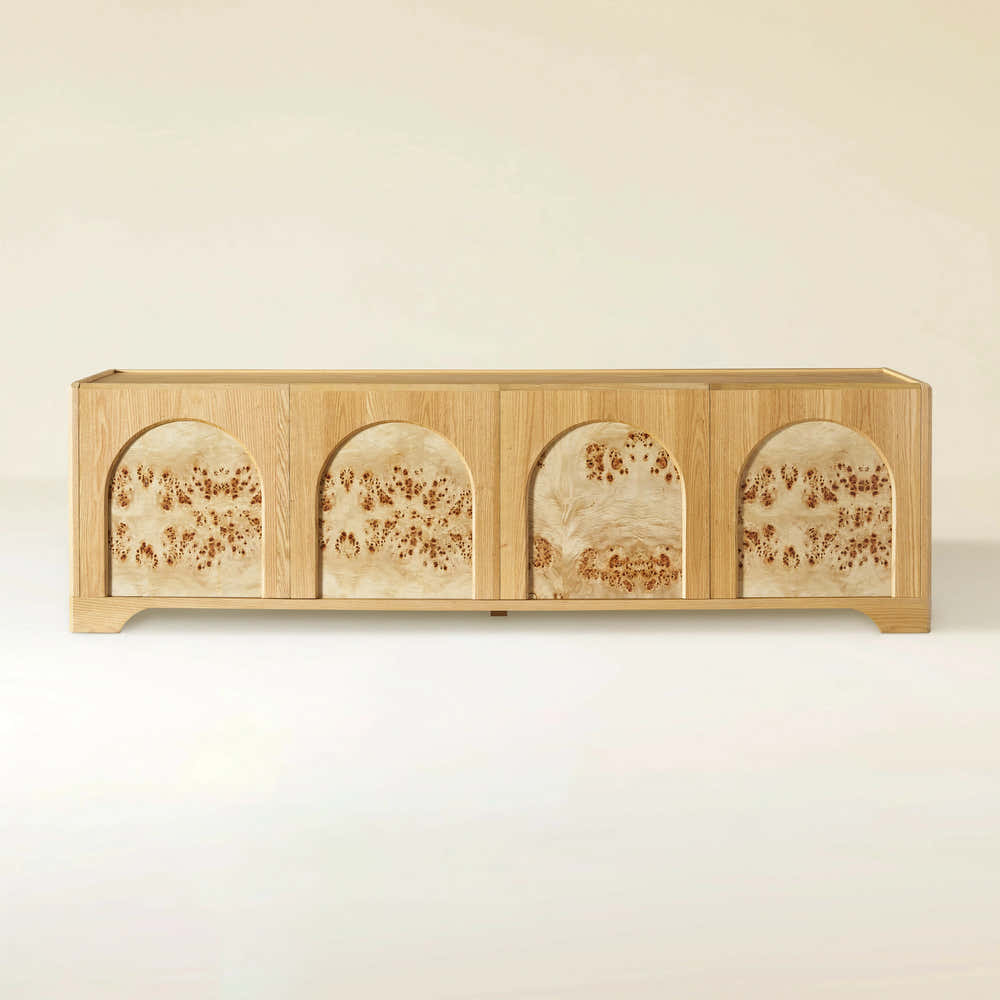
Alvar Arched 61" Oak Sideboard with Drawers(Set of 2)
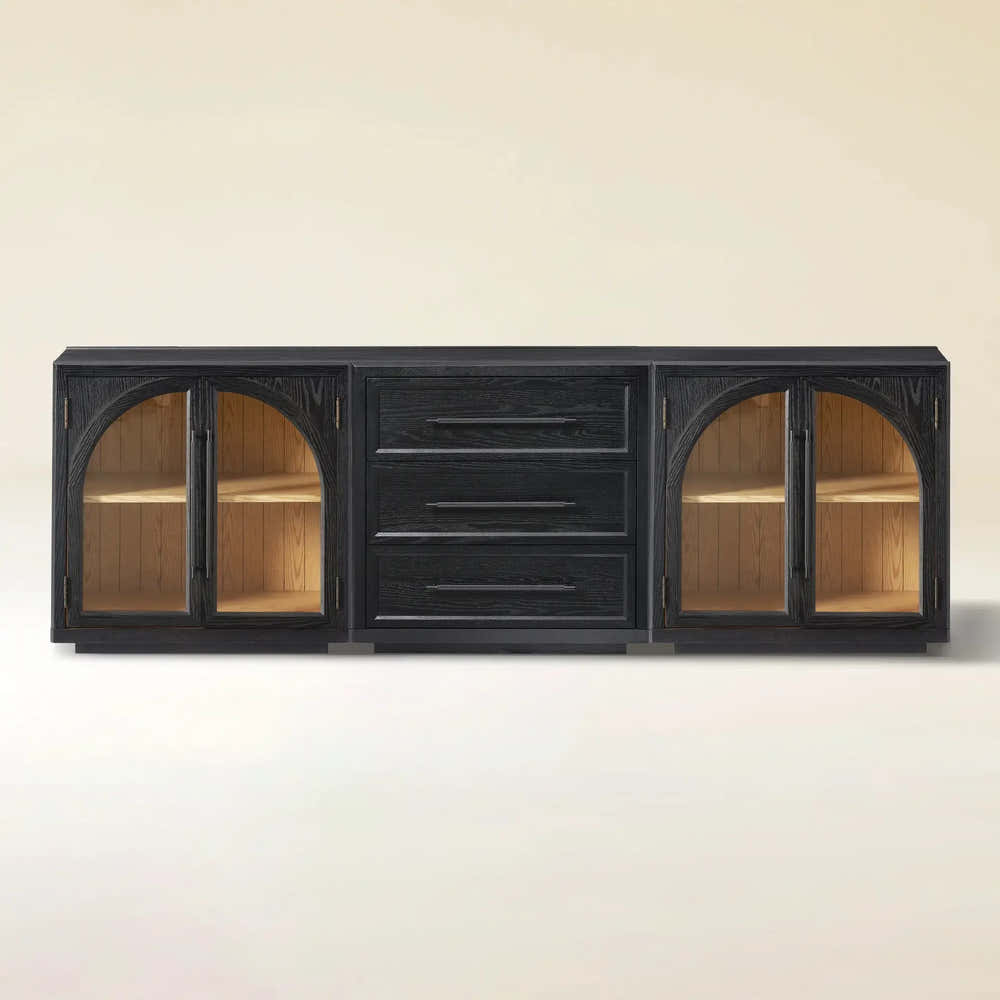


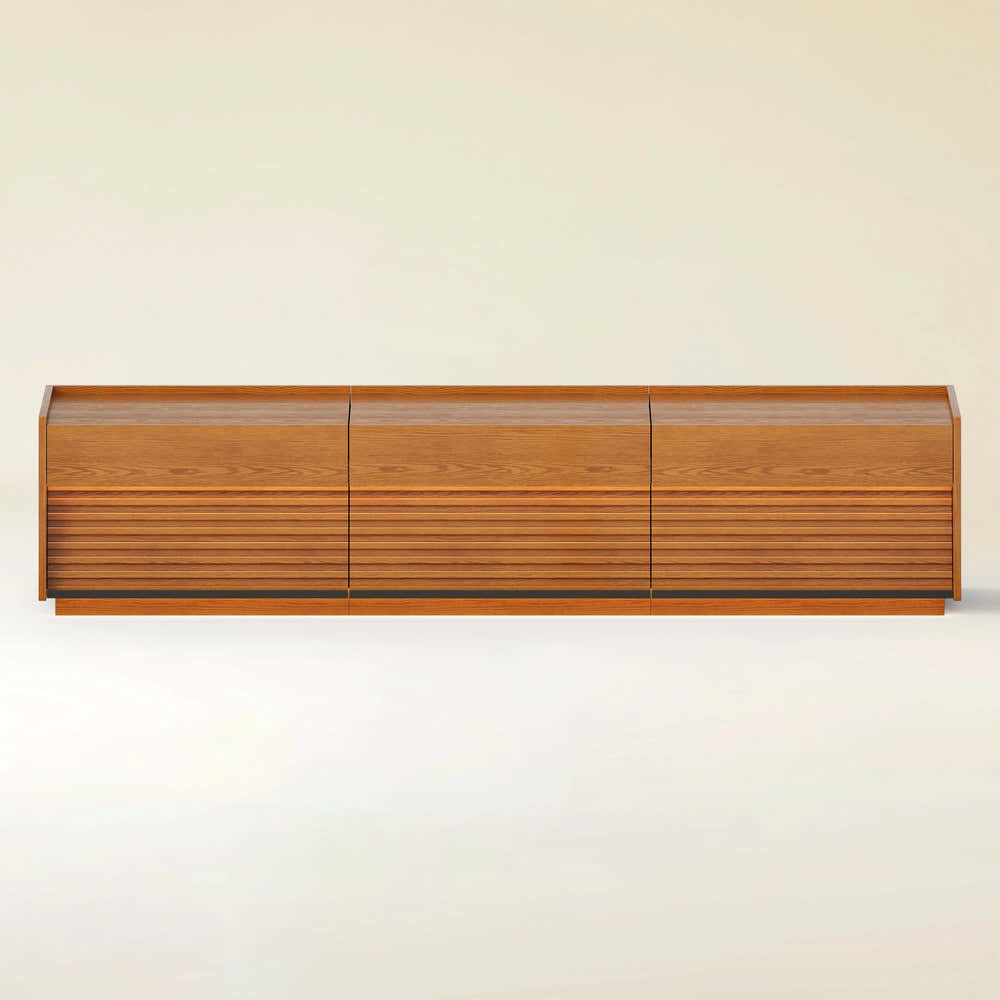
Alvar Arched 91″ Oak Modular Media Console(Set of 3)
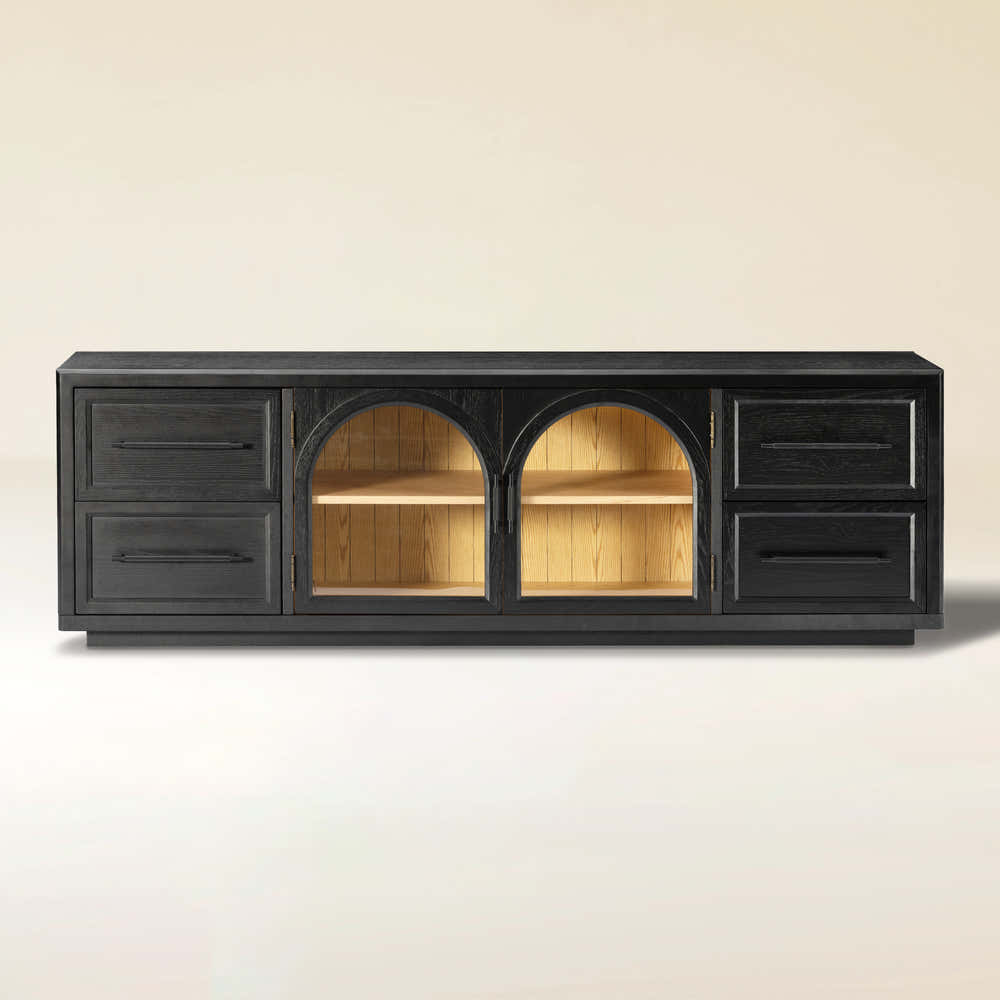
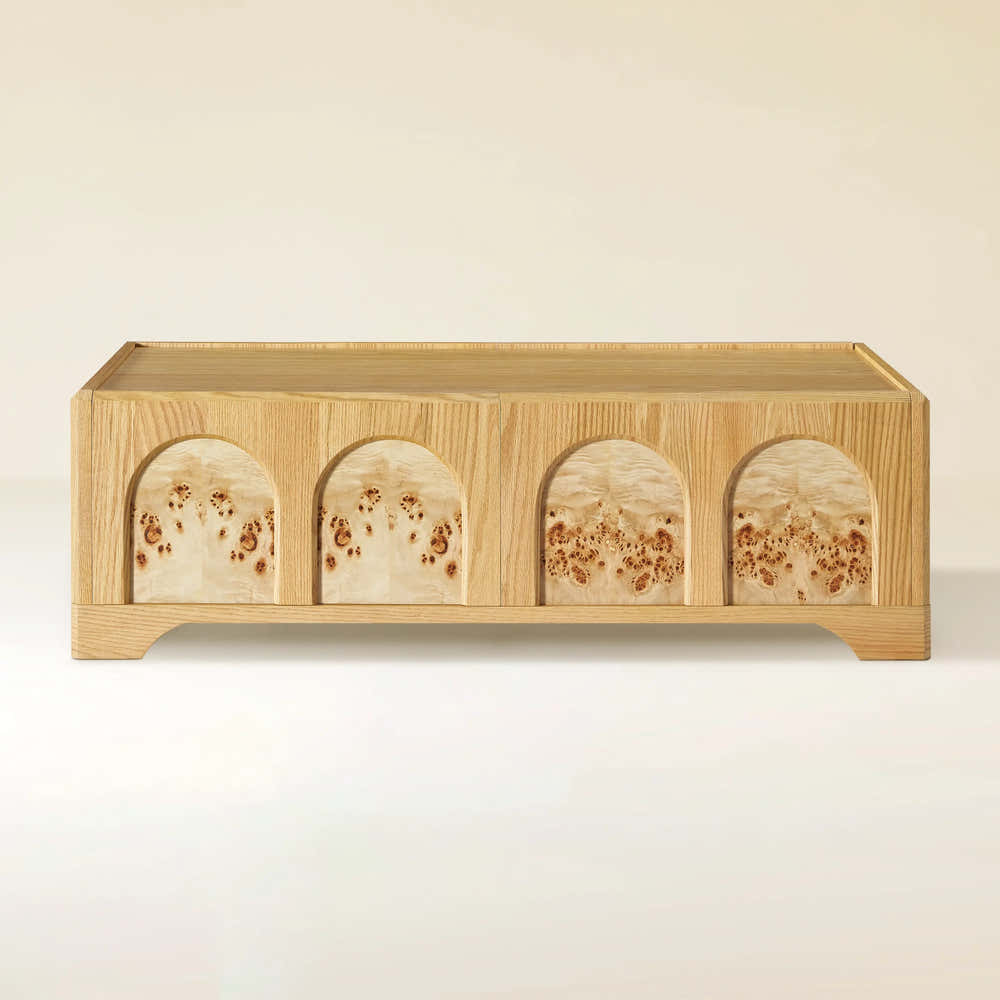
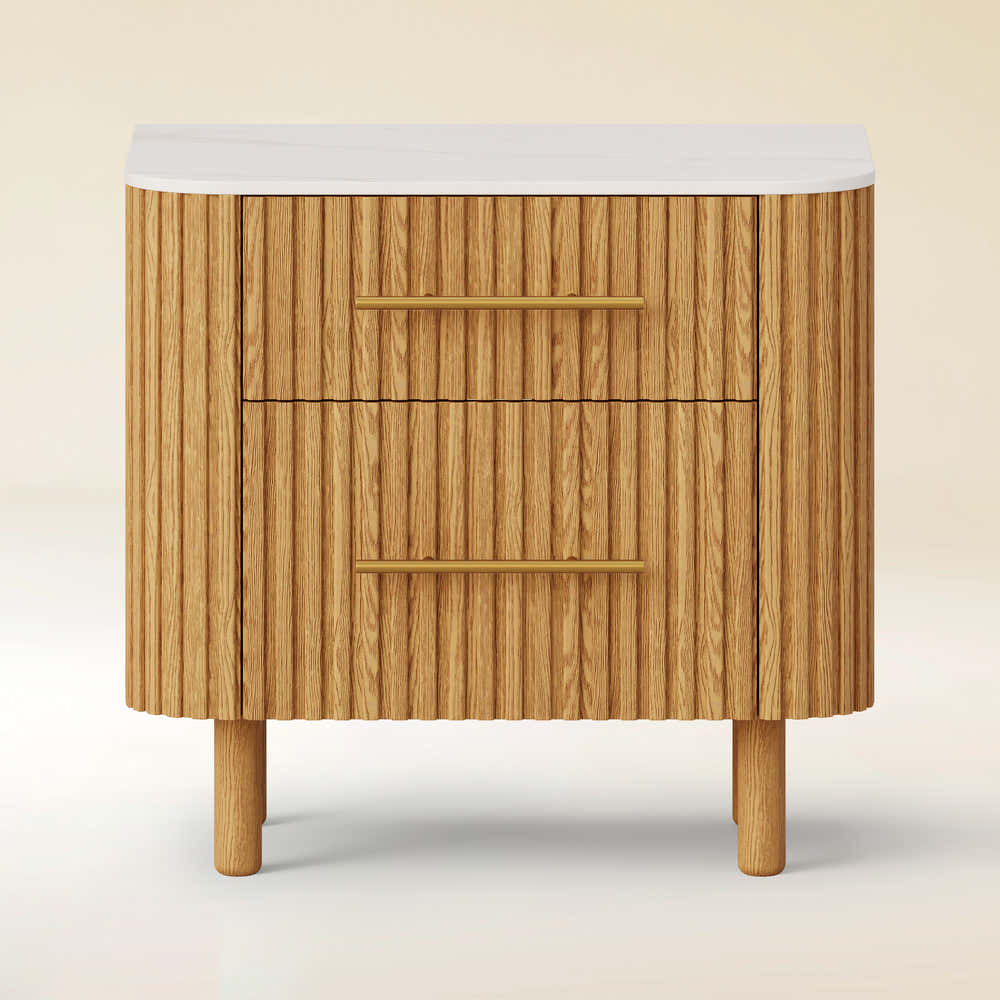


Charlie Sintered Stone Nightstand 26" W

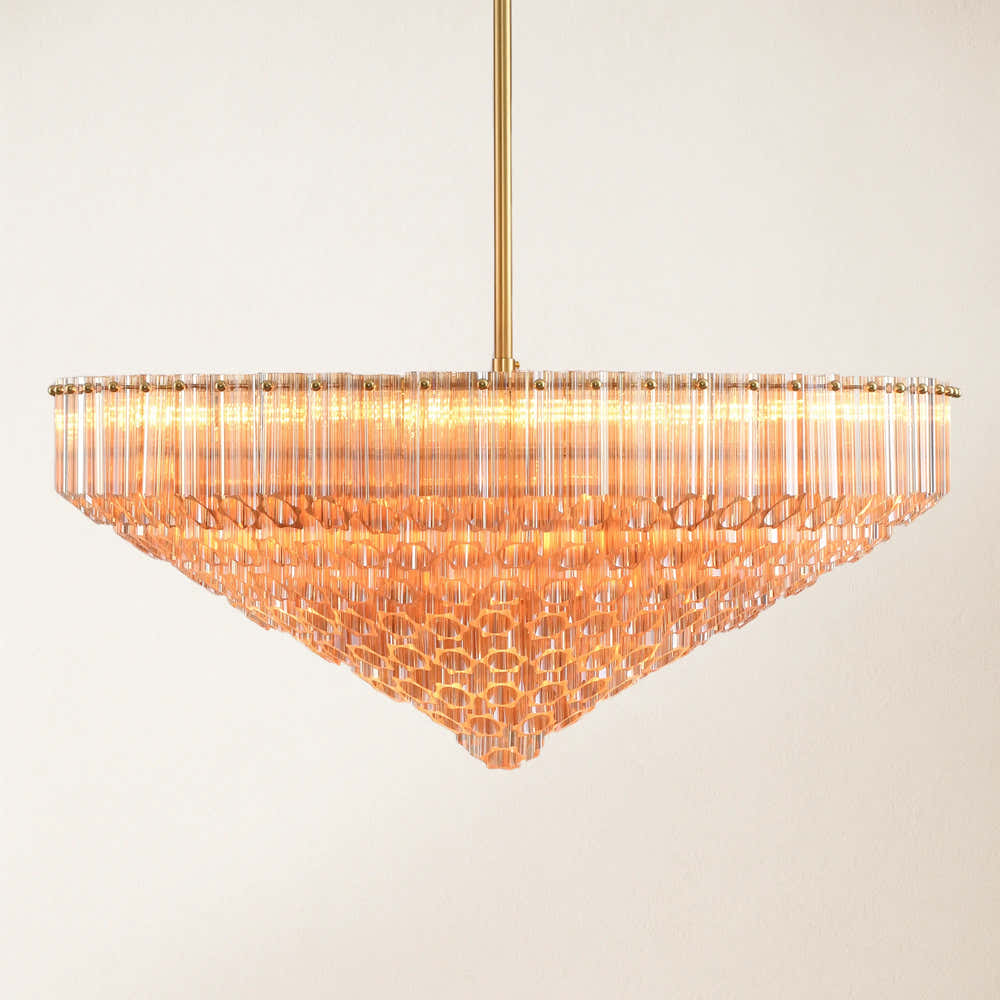


Ethereal Crystal Radiance Round Chandelier 30"D


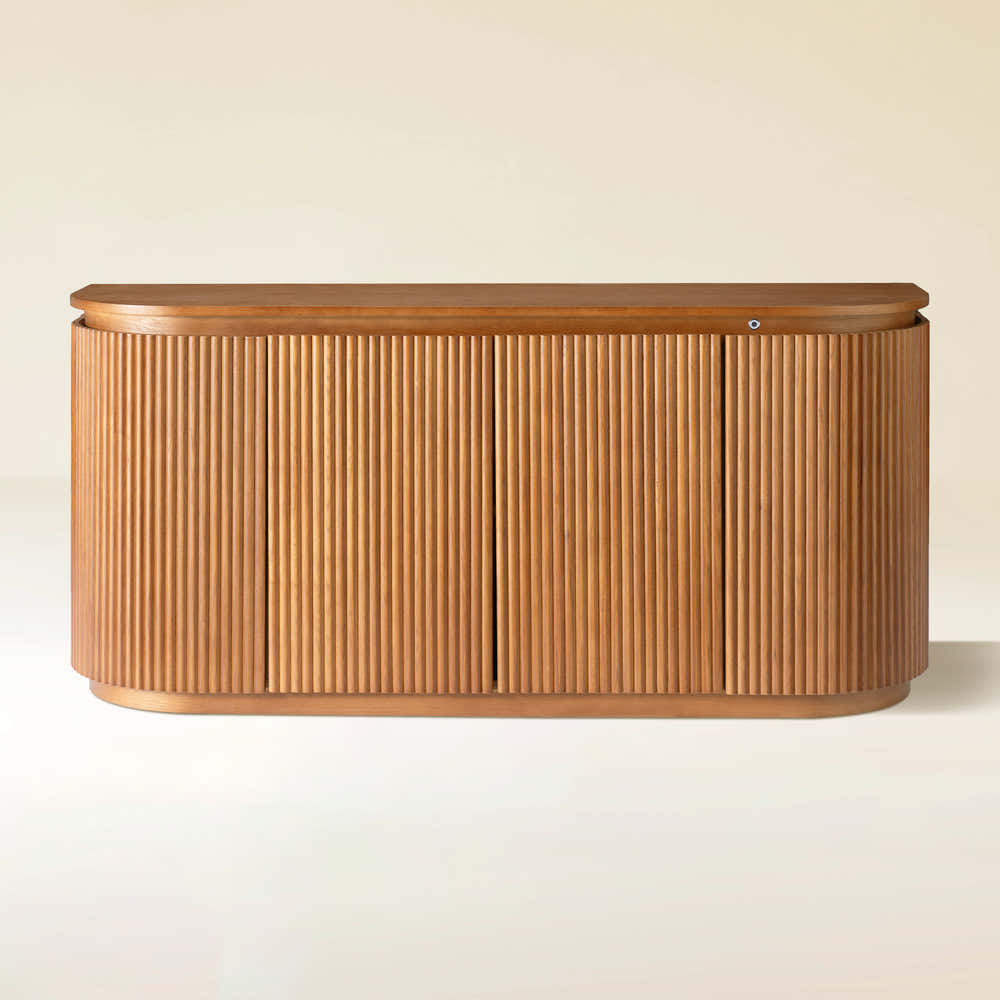
Ewan 63" Oak Slatted Sideboard Buffet Cabinet
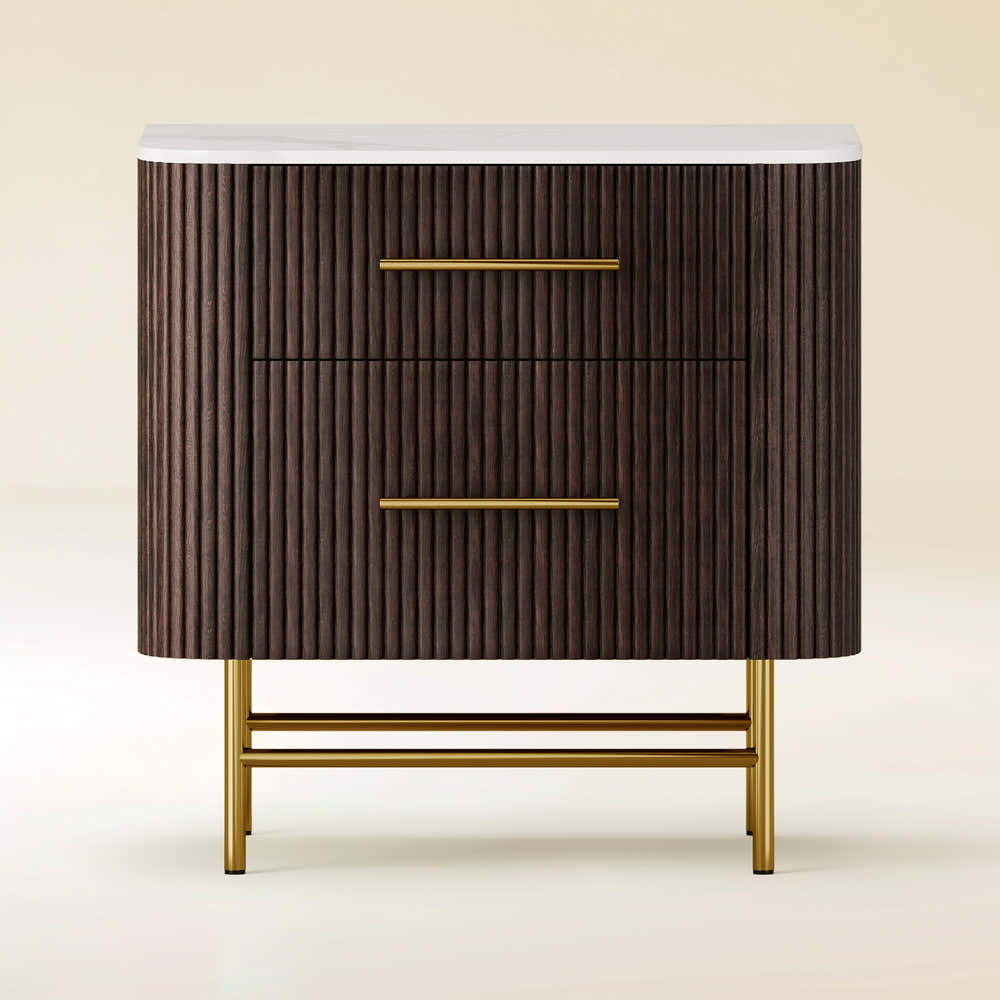


Ewan Sintered Stone Nightstand 26"W
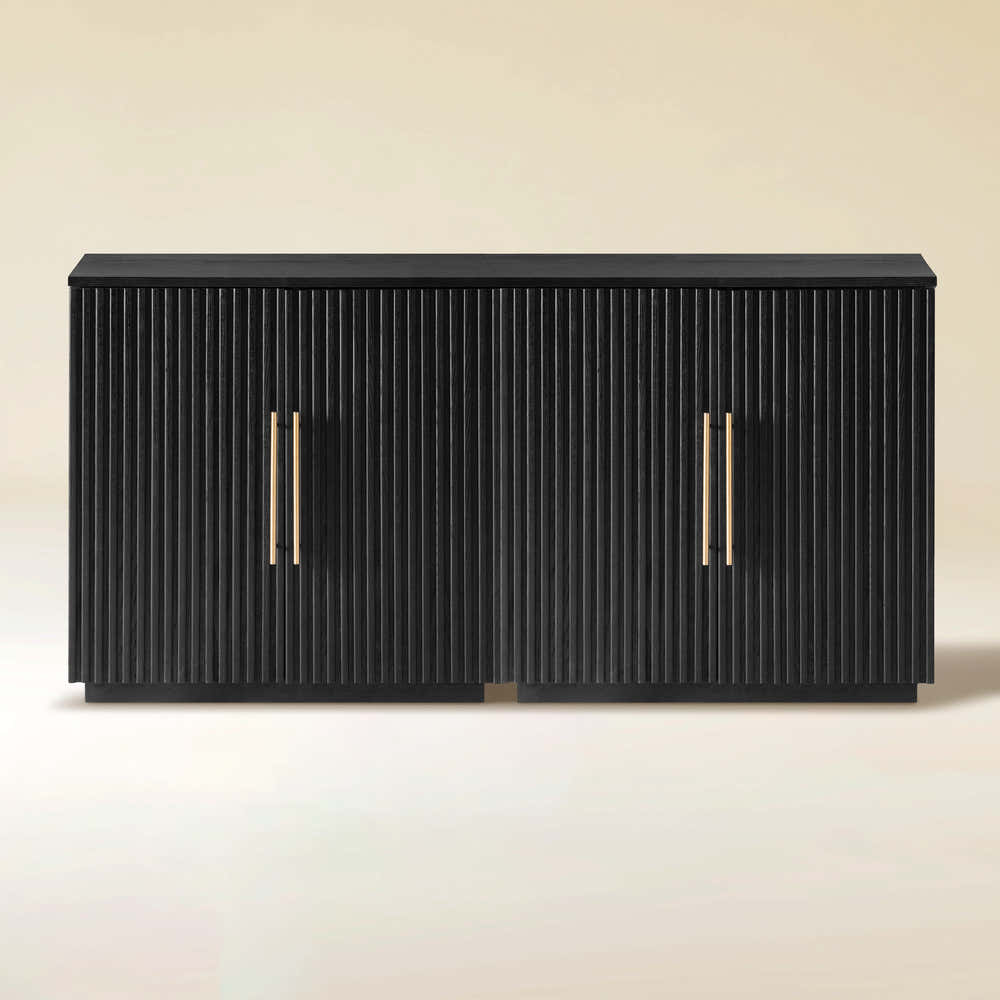


Holt 63″ Solid Oak Console(Set of 2)
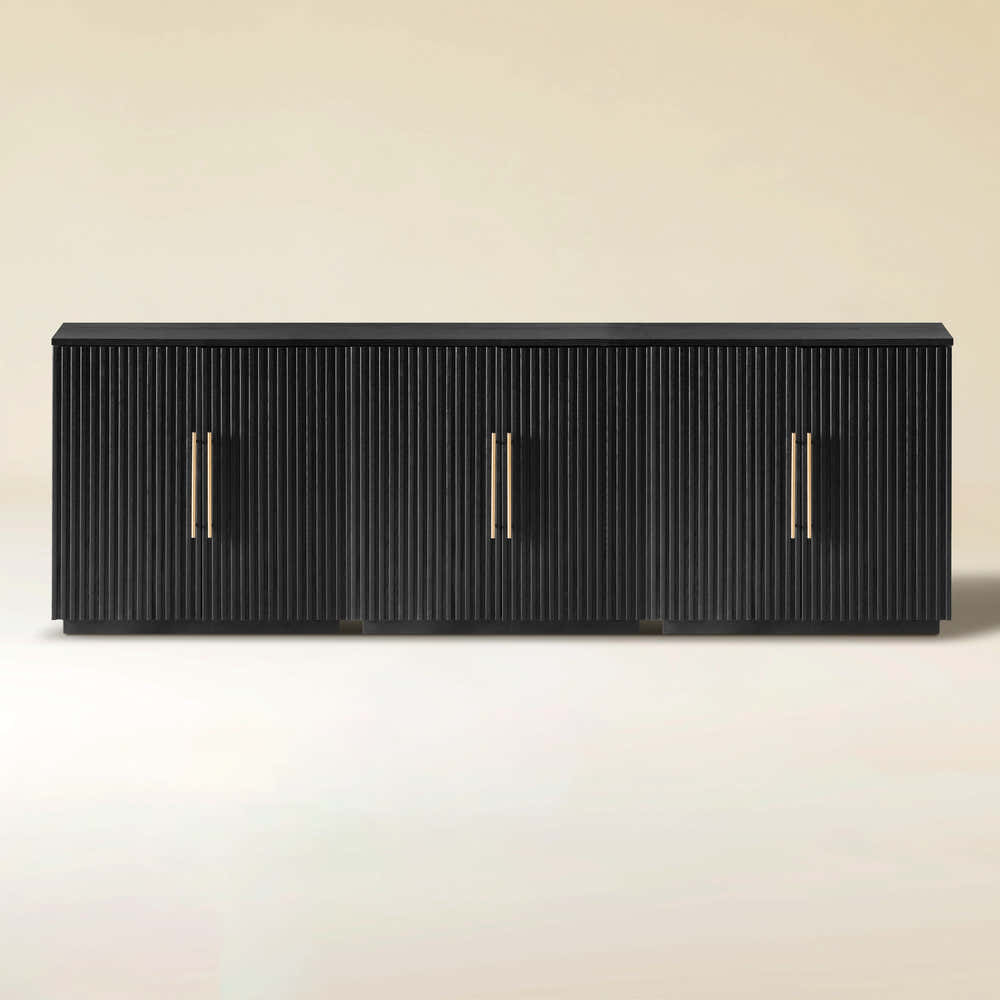


Holt 95″ Solid Oak Console(Set of 3)
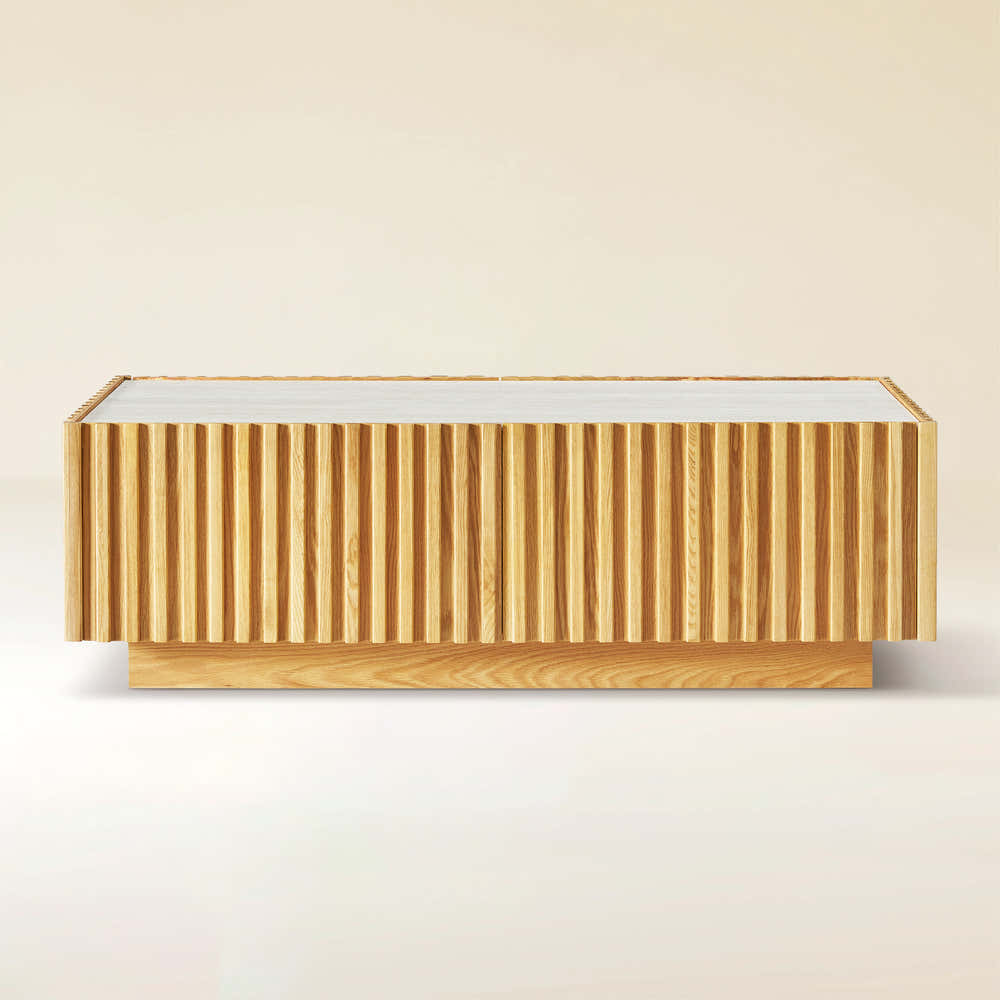
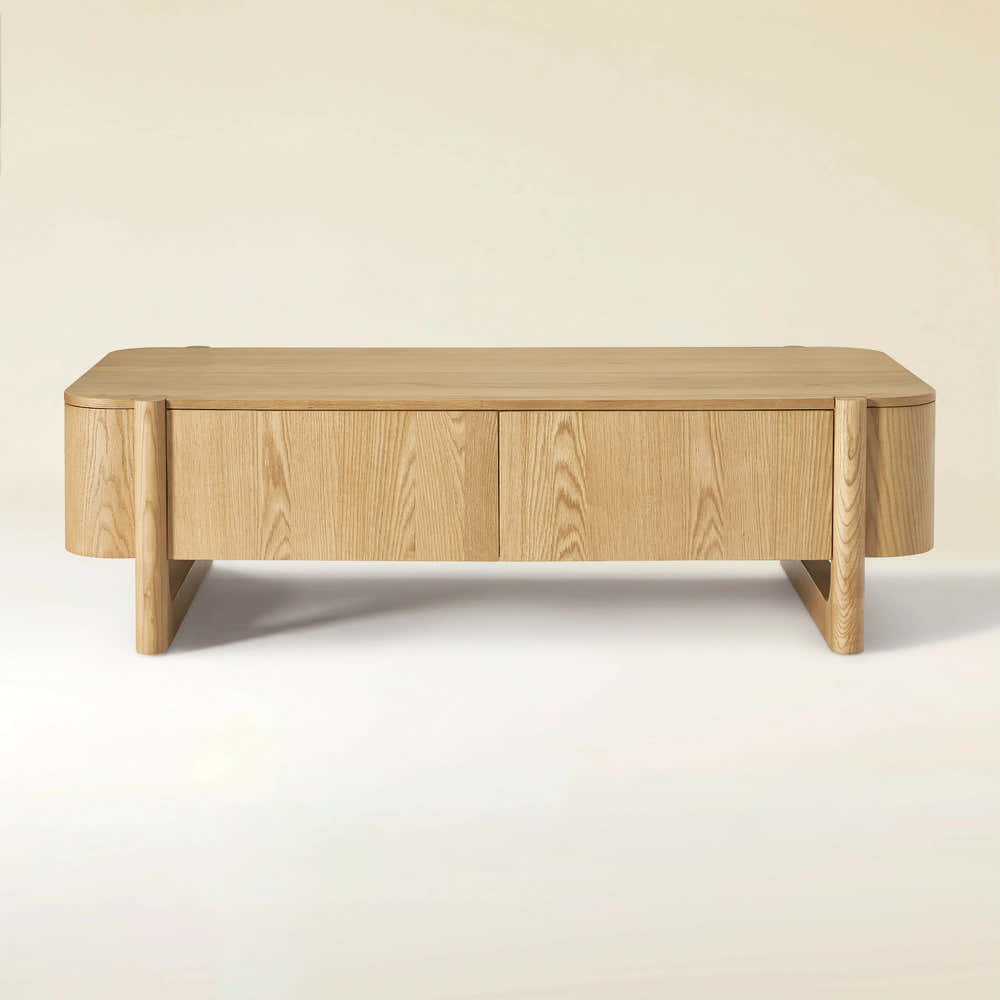
Isla Oak Sintered Stone Rectangle Coffee Table 120cm
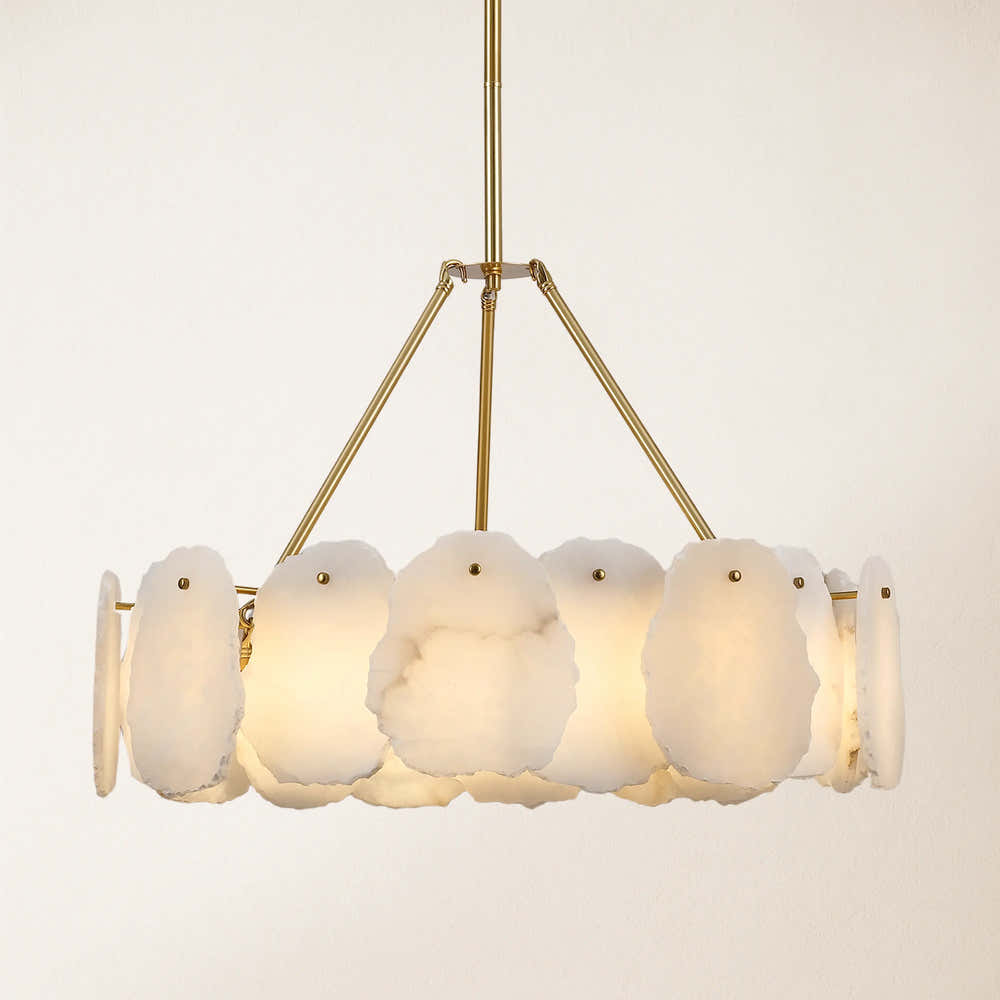


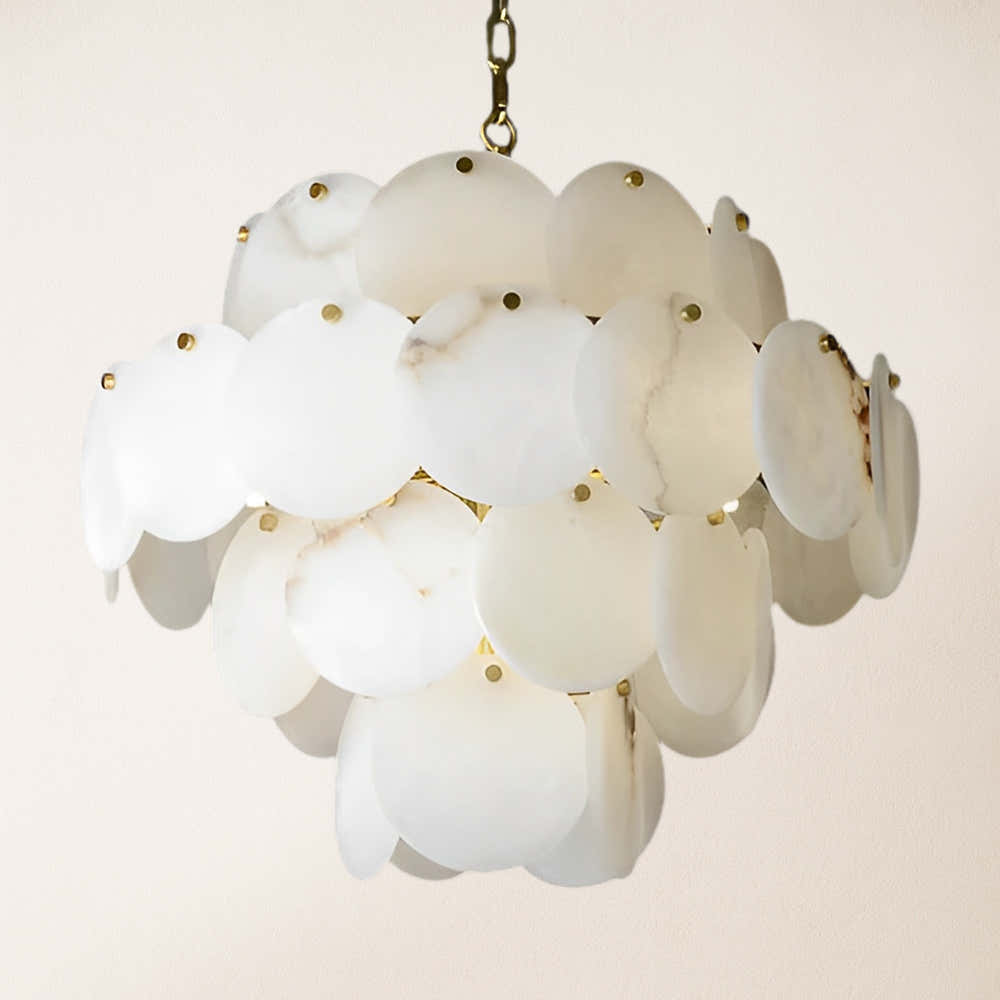
Moira Alabaster Round Chandelier 24"D
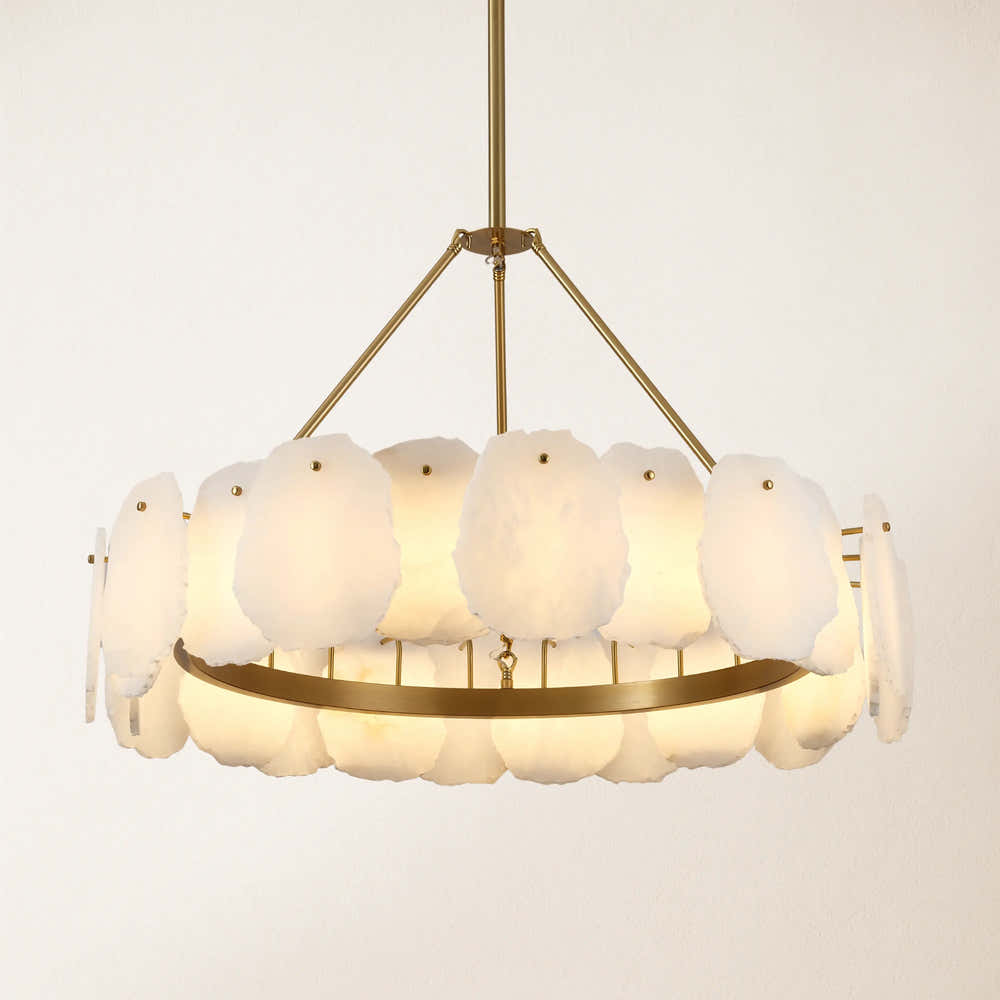


Moira Alabaster Round Chandelier 32"D
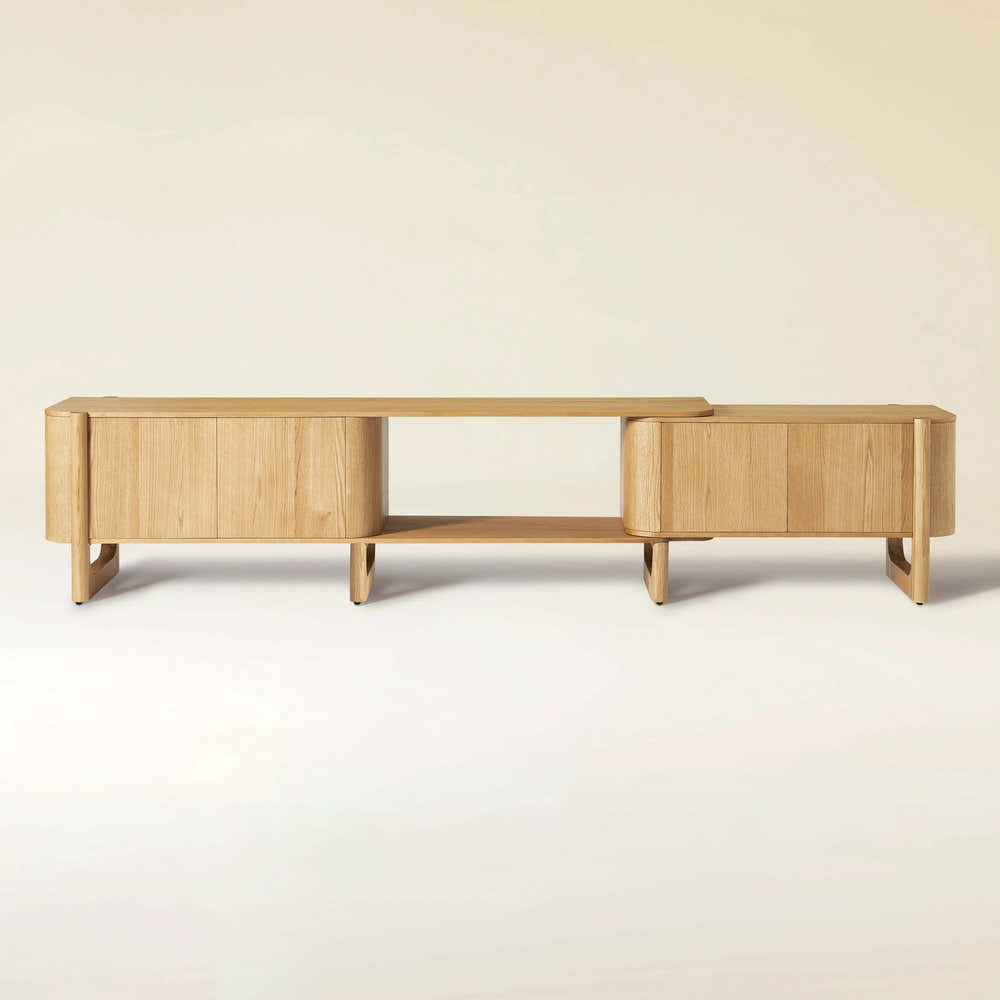
Silas Extendable TV Stand 203cm to 280cm
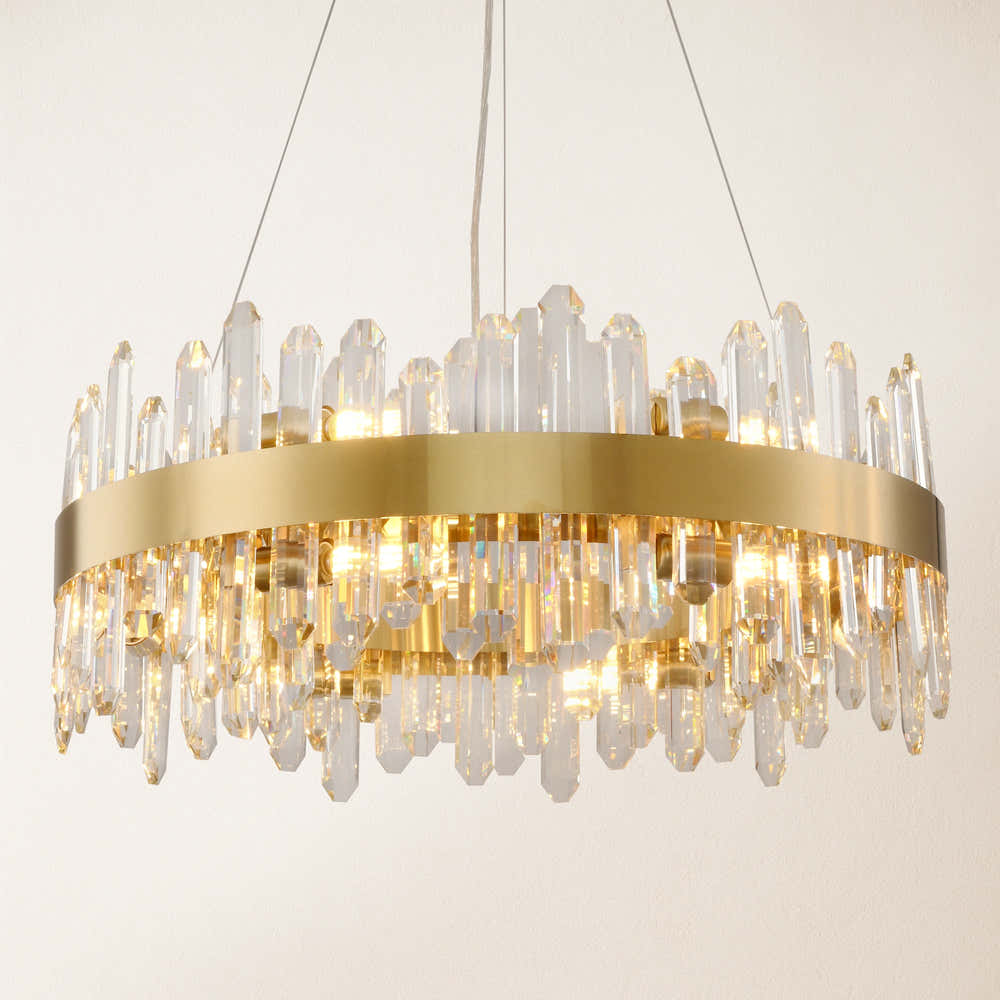
Stellara Crystal Strip Round Chandelier 24"D
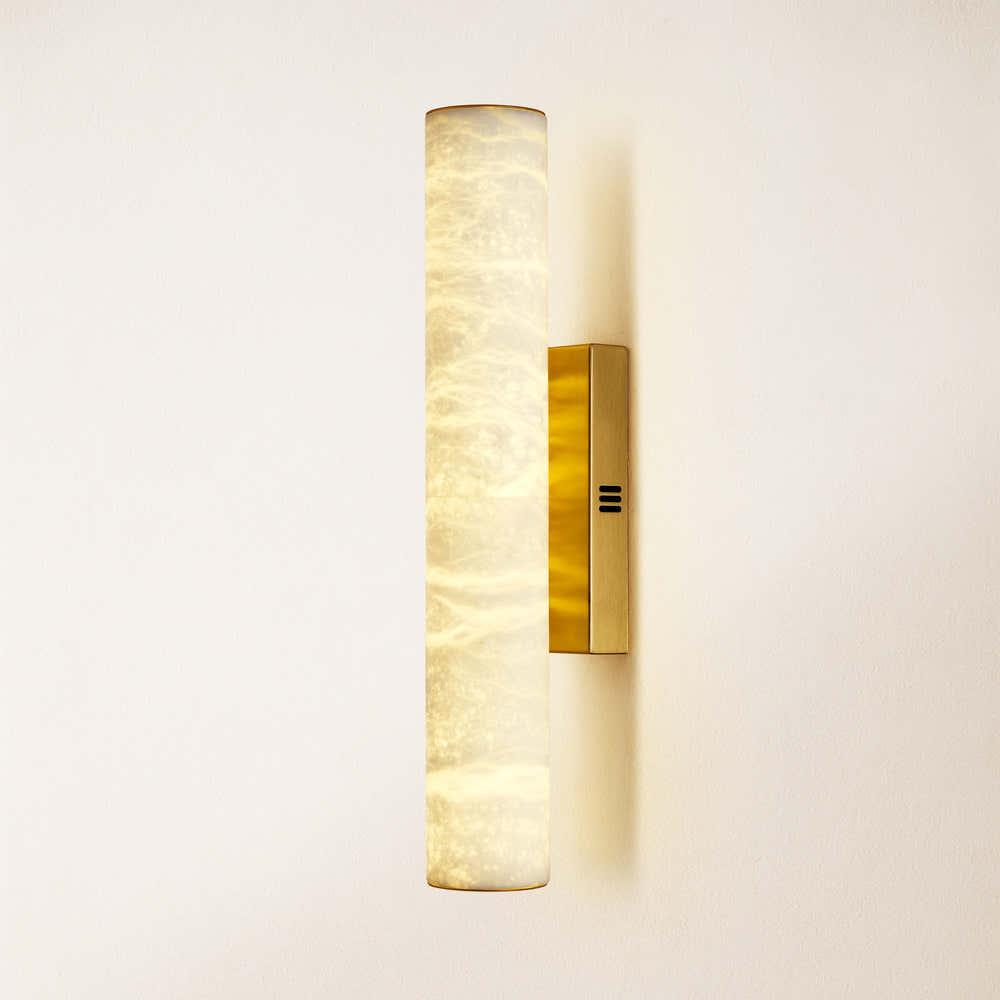


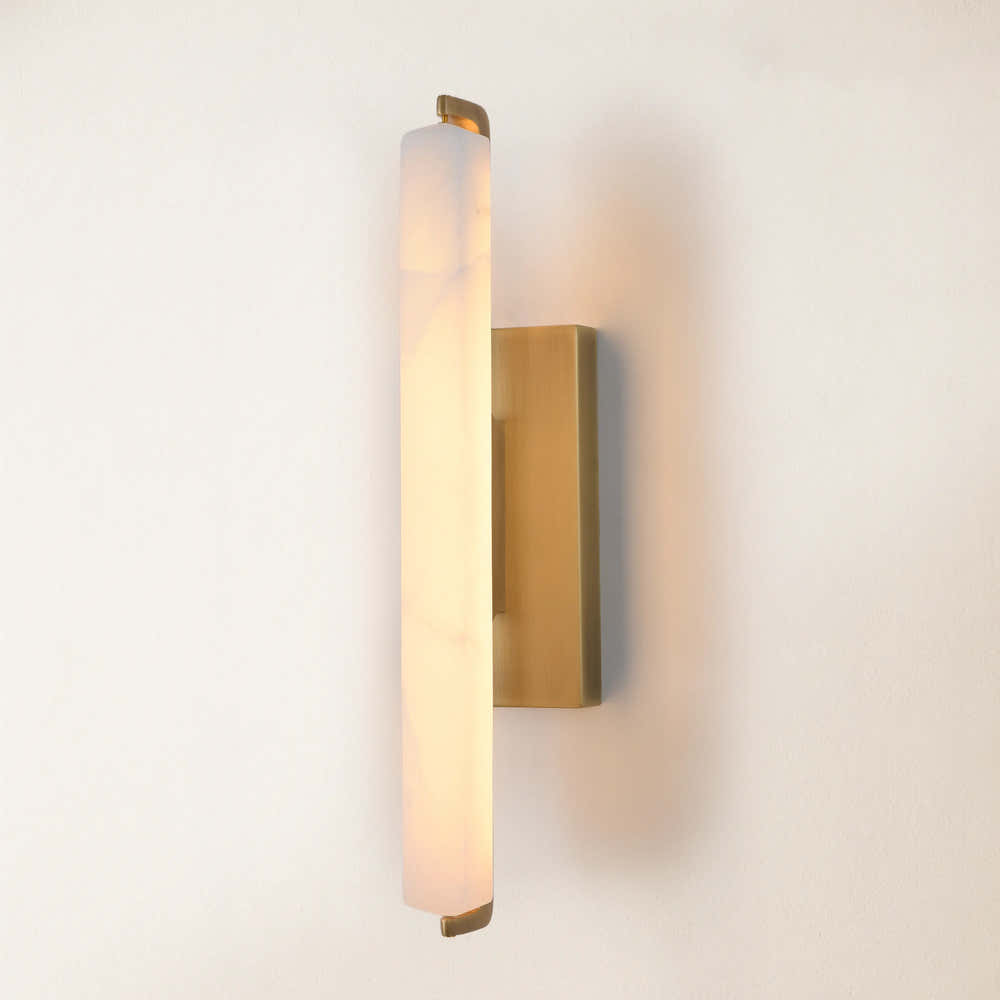
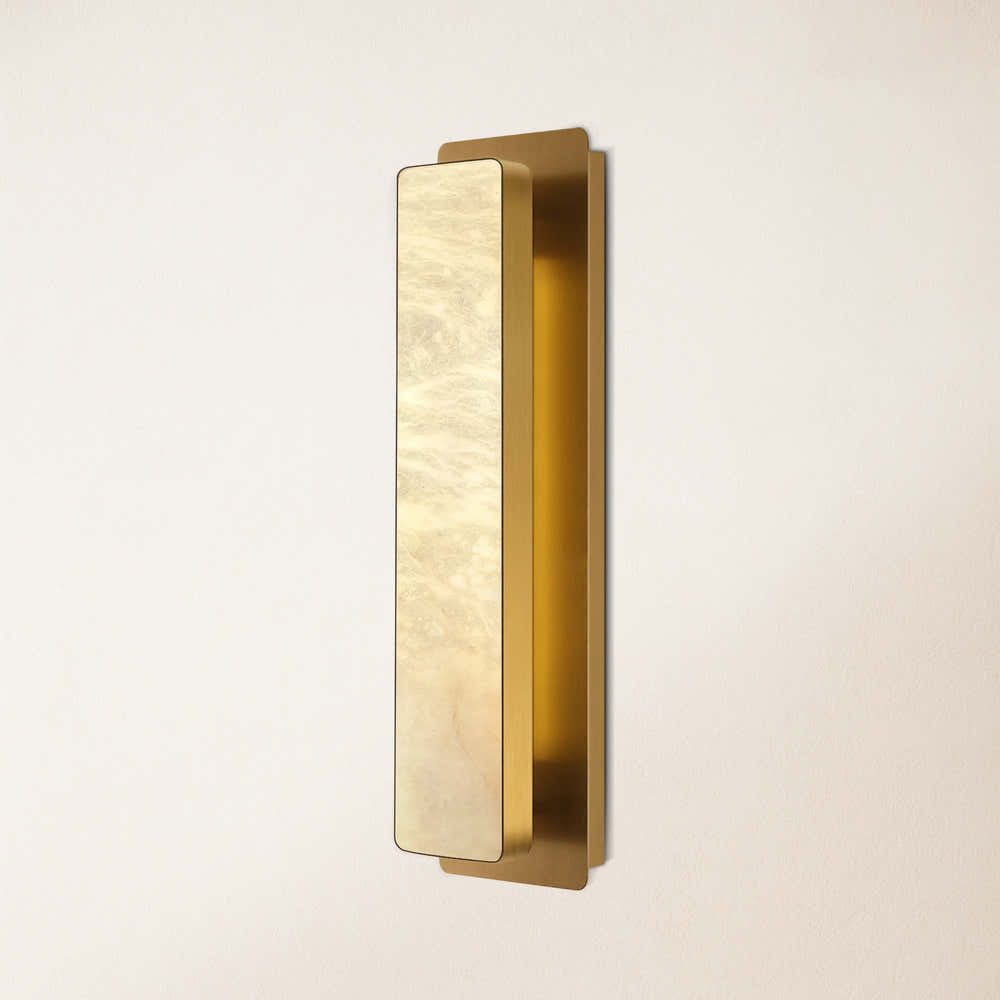
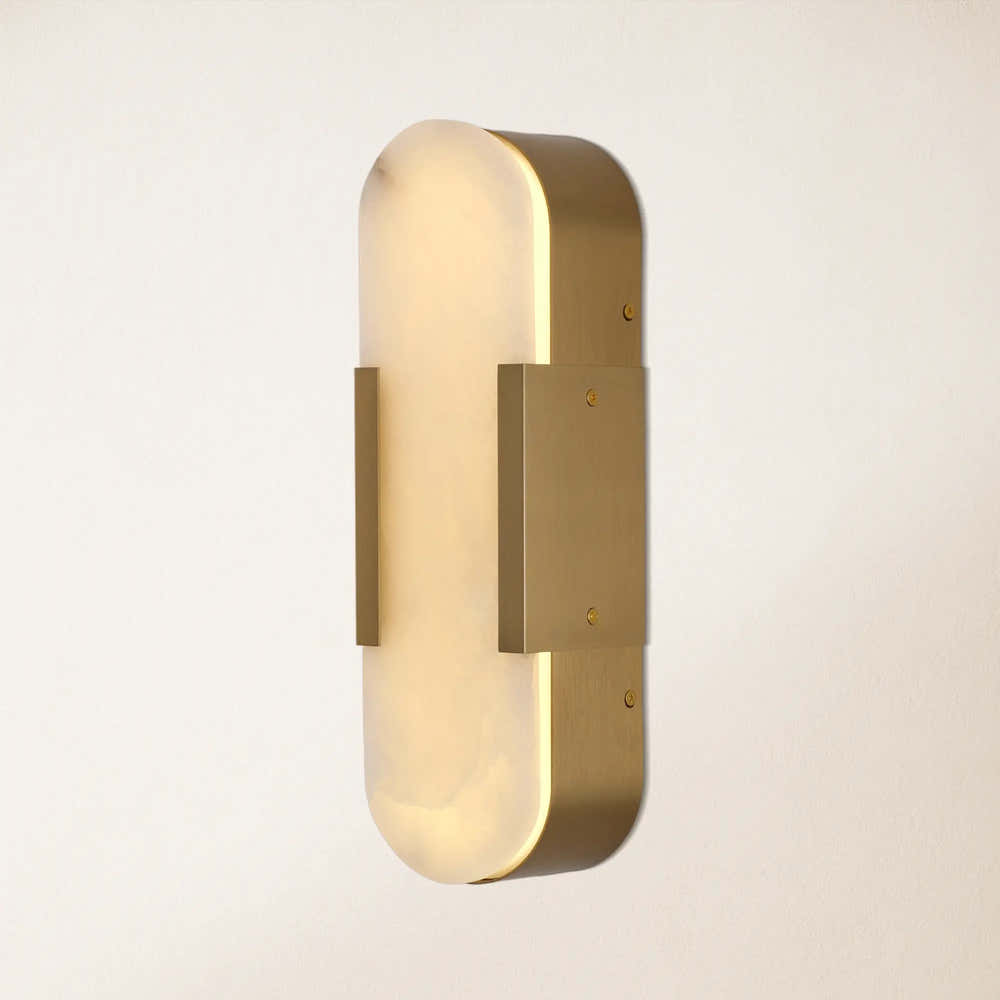
Sylvia Palladian Alabaster Wall Sconce 20"H
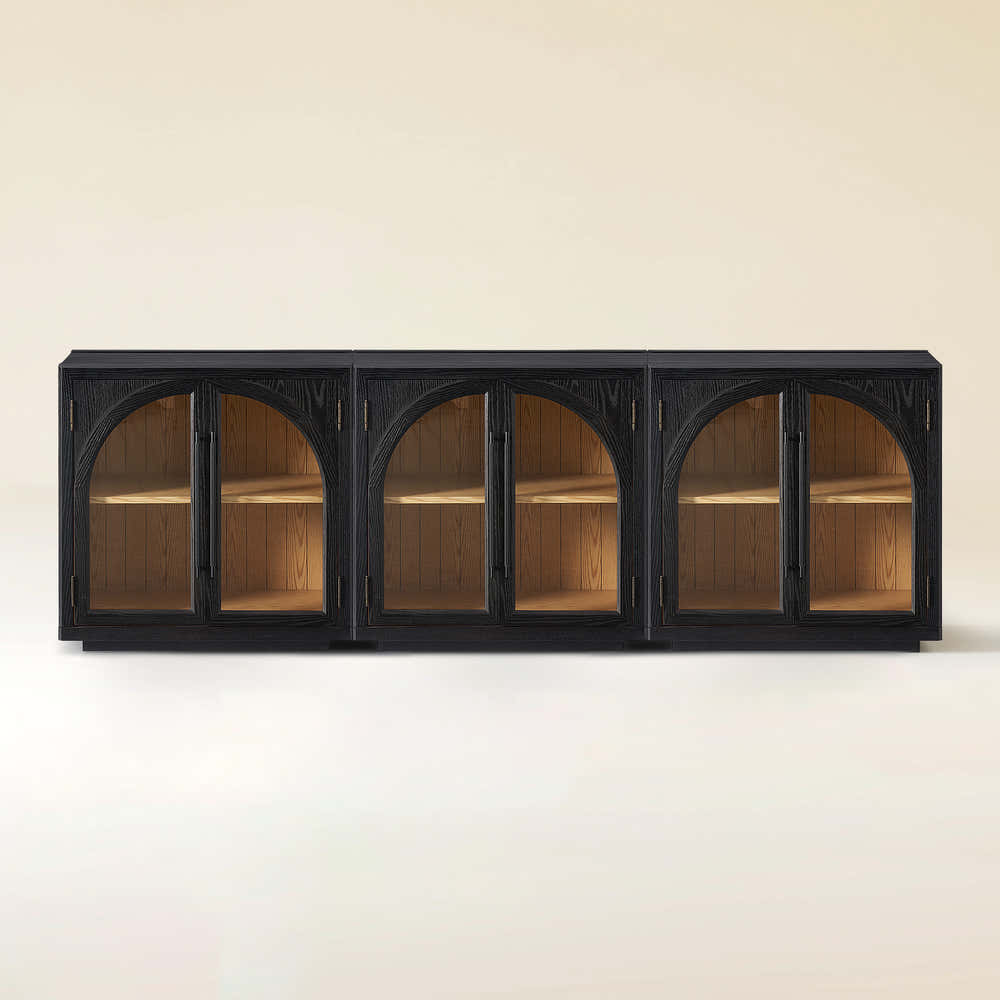


Alvar Arched 91″ Oak Media Console(Set of 3)
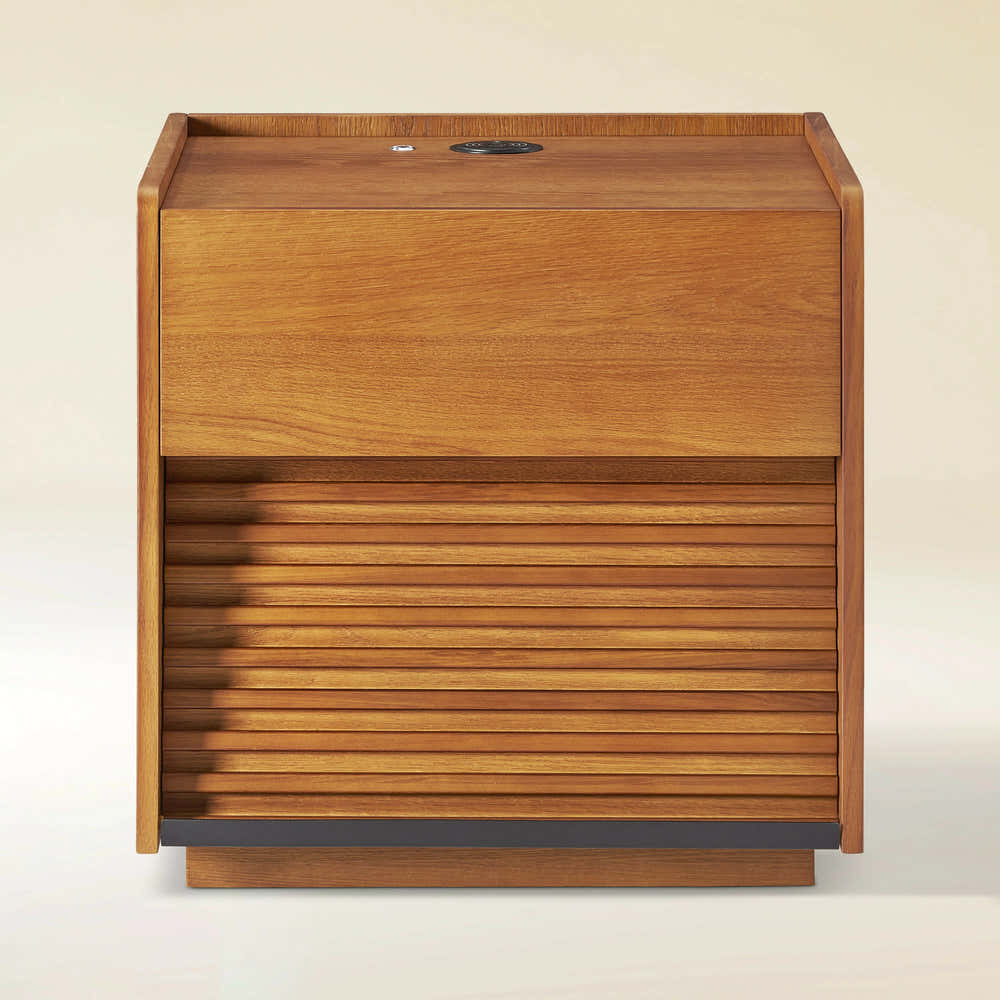


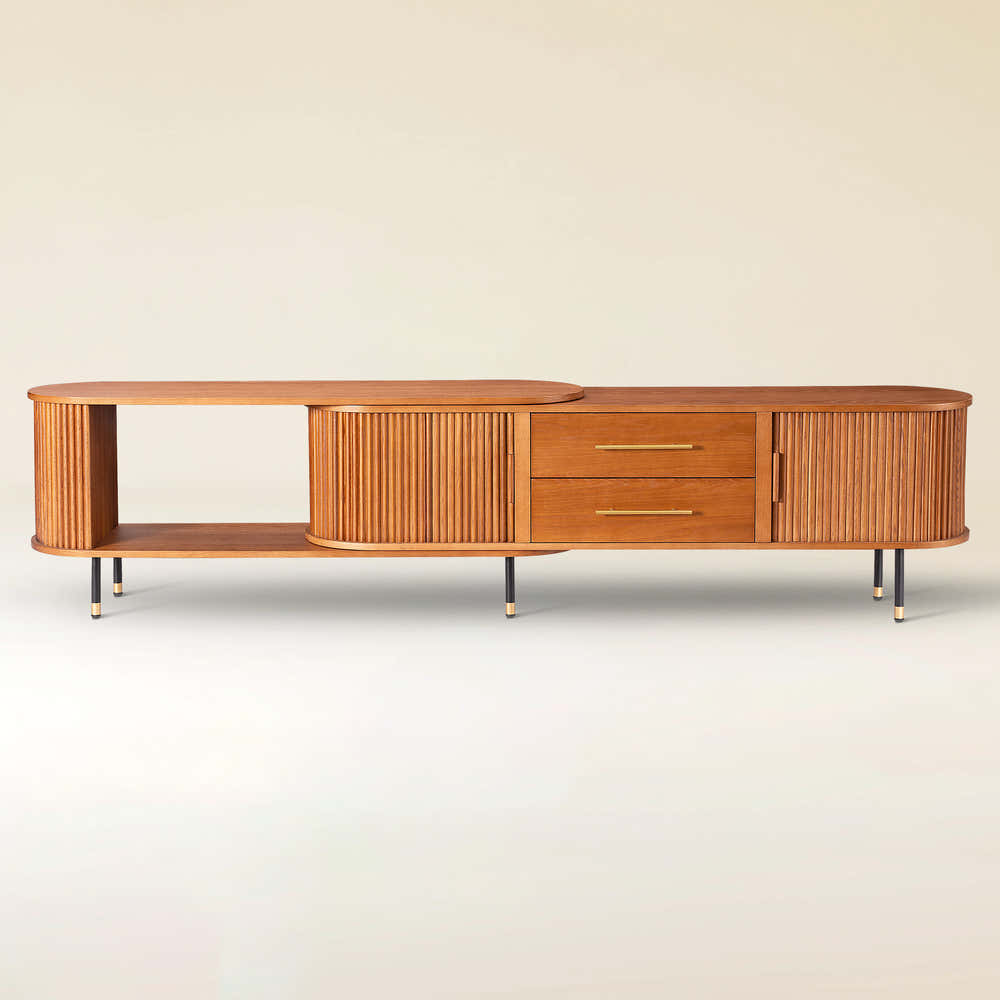
Ewan Oak Extendable Media Console 79" to 110"
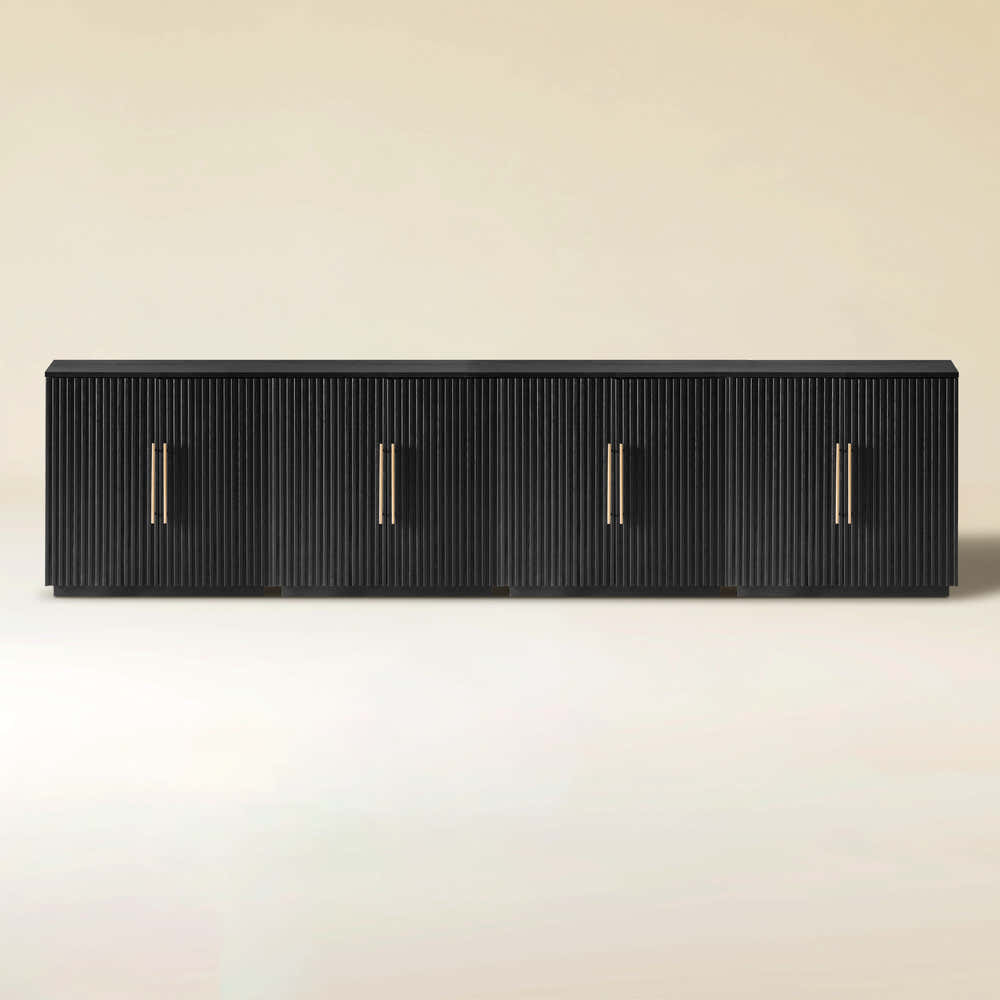


Holt 126″ Solid Oak Console(Set of 4)

FSC FCOC47059 . FSC is dedicated to the promotion of responsible forest management
worldwide. By selecting this product, you help take care of the woorld's forests

UL-certified for indoor drying environments not directly exposed to excessive moisture or water;
Use in the United States and Canada.

Certified to Dry ETL electrical standard: suitable for use indoors in dry locations not directly exposed to excessive moisture and water
Use in the United States

CE-certified drying equipment compliant with electrical standards: Suitable for indoor drying environments not directly exposed to excessive moisture or water;
Tested for use in Europe, the UK, and other regions.


The support center has answers to questions you may have. You can also contact customer service in the support center if you can't find what you're looking for.
Support Center >
At houlte, we are committed to delivering quality, style, and great value to our customers. Our goal is to simplify your shopping experience by providing competitive prices and exceptional service.

If an item you purchased from houlte goes on sale on our website within 30 days of your purchase date, you may request a price match. This policy ensures you always receive the best value when shopping with us.
Houlte reserves the right to interpret and adjust the terms of the Price Match Policy as necessary.
Houlte has partnered with Taskrabbit to make your everyday life at home easier by connecting you with flexible and affordable ways to get your to-do’s done including furniture assembly and mounting.

1. Purchase your furniture at Houlte.
2. Check your order Dispatched and Delivered email and click the
Houlte link. You will be redirected to Taskrabbit's landing page.
3. Post your task on Taskrabbit platform.
4. Pick the best tasker to assemble your furniture.
Houlte has partnered with Taskrabbit to make your everyday life at home easier by connecting you with flexible and affordable ways to get your to-do’s done including furniture assembly and mounting.
Taskrabbit Assembly is available in most metro areas in the US. The availability of Taskers varies based on demand. When placing an order on Taskrabbit, you will need to enter your zip code. If the service is not supported in your area, you will not be able to place an order.
You can book assembly for your Houlte furniture as early as the next day after your delivery, and up to 14 days in advance, giving you flexibility to choose a time that works best for you.

Ready to use out of the box; minimal installation may be required (e.g., handles).

Main structure is pre-built; minor components require attachment (e.g., legs).

Assembly required; multiple parts must be assembled before use.
Our furniture is built with a combination of core boards, real wood veneers, and selected solid wood parts. Each material is used for a different purpose—structure, surface appearance, or visible strength—so the final piece feels balanced in performance, finish, and cost.
Core boards form the internal foundation of the furniture. They provide structure, stability, and efficiency across large surfaces and cabinet bodies.

Stable structural board

Smooth and consistent

Functional internal board
Selected solid wood parts are used where visible strength, tactile quality, and structural integrity matter most—such as legs, frames, trim, and exposed support details.

Durable and classic

Light and versatile

Premium and elevated
Crystal and glass chandeliers can both make a room feel more refined, but they create very different effects. One brings sparkle and brilliance; the other brings softness, clarity, and sculptural atmosphere.
Choosing between a crystal chandelier and a glass chandelier is not only about material. It is about how you want light to behave in the room. Crystal tends to catch and reflect light, creating shimmer and visual energy. Glass can diffuse, soften, or shape light depending on its texture and form.
The right choice depends on the room’s style, ceiling height, furniture, natural light, and how formal or relaxed you want the space to feel.
Do you want the chandelier to sparkle?
Should it feel soft and cloud-like?
Is the room formal, casual, modern, or transitional?
Do you want a statement piece or a quieter layer of light?
The main difference is how each material handles light. Crystal is known for brilliance and reflection. When light passes through or bounces off crystal details, it can create sparkle, highlights, and a more glamorous effect.
Glass is more flexible in mood. Clear glass can feel light and transparent, frosted glass can soften brightness, and textured glass can create shadows, movement, and a more artistic glow.
Crystal works well when the chandelier is meant to be noticed. It often feels elegant, decorative, and more dramatic, especially in dining rooms, foyers, bedrooms, or formal living spaces.
Glass works well when the goal is atmosphere. It can be clean and minimal, cloudy and diffused, or textured and artistic, depending on the shape and finish.
Choose a crystal chandelier when you want the lighting to become a focal point. Crystal is especially effective in rooms that benefit from reflection, sparkle, and a sense of occasion.
Crystal catches light and makes the fixture feel more decorative and eye-catching.
A crystal fixture can add dimension, brightness, and a more finished look.
Dining rooms, entries, and bedrooms often benefit from the polished quality of crystal.
Choose a glass chandelier when you want the fixture to feel lighter, softer, or more sculptural. Glass can still be dramatic, but the mood is usually less glittering and more atmospheric.
Textured or layered glass is especially useful when you want the chandelier to add visual movement without feeling too formal. It works beautifully in modern, organic, transitional, and relaxed interiors.
| Feature | Crystal Chandelier | Glass Chandelier |
|---|---|---|
| Light effect | Sparkling, reflective, bright | Soft, diffused, shaped by texture |
| Best mood | Elegant, formal, glamorous | Airy, sculptural, relaxed |
| Design impact | More decorative and eye-catching | More atmospheric and flexible |
| Best fit | Dining rooms, foyers, bedrooms | Living rooms, dining rooms, bedrooms, open spaces |
The best material often depends on how the room is used. Some rooms need sparkle and presence, while others need softer light and a calmer visual rhythm.
Crystal works well for a more formal dining room. Glass works better when you want the table area to feel softer, lighter, or more modern.
Glass is often easier to style in casual living rooms because it can add atmosphere without feeling too formal.
Crystal can add elegance, while glass can create a softer, more calming mood. Choose based on how quiet or glamorous you want the room to feel.
Crystal can create a stronger first impression, while glass can feel more architectural and contemporary.
If you are comparing crystal and glass chandeliers, it helps to look at how each material changes the mood of the room. The following two styles show the difference between a more brilliant crystal direction and a softer sculptural glass direction.

GlowMuse works well when you want a chandelier that feels refined and visually expressive. Its adjustable brightness and color modes make it useful for creating different moods in living rooms, dining rooms, or bedrooms.
This is the direction to consider when you want more sparkle, flexibility, and a decorative focal point.
View product →
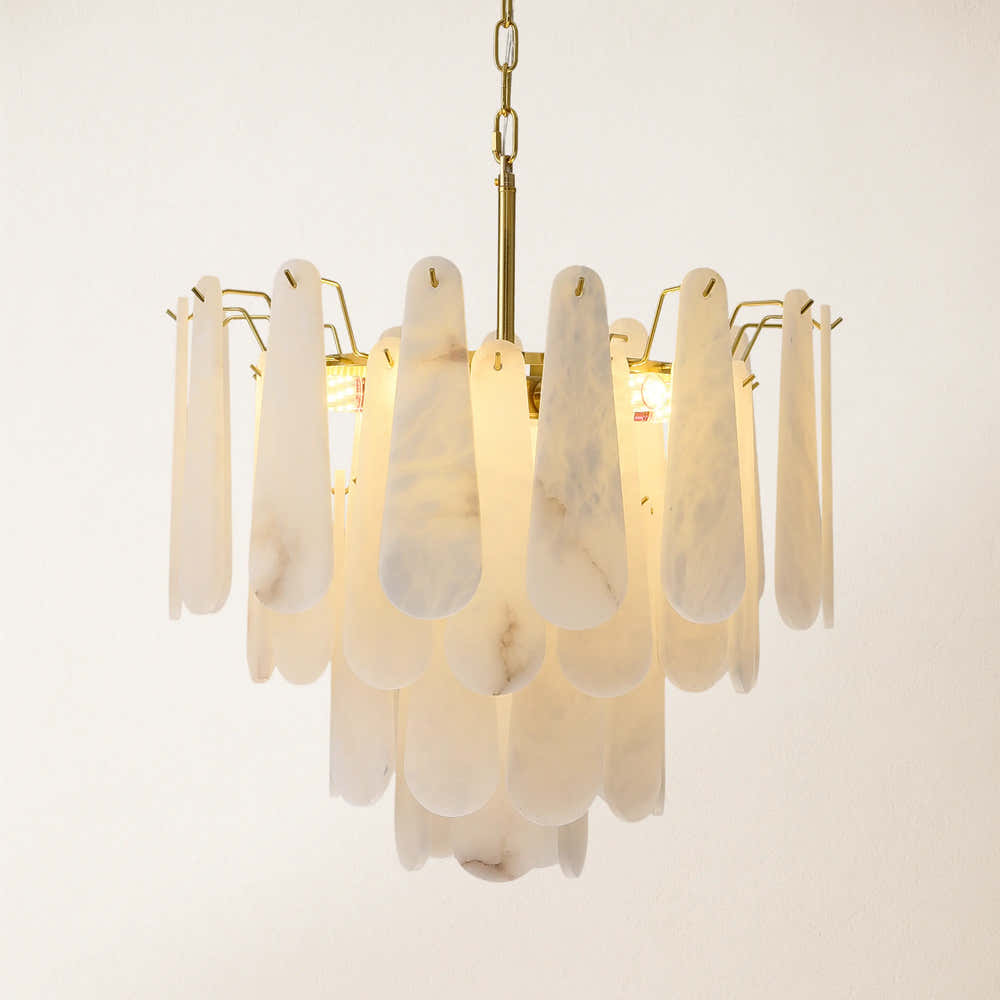
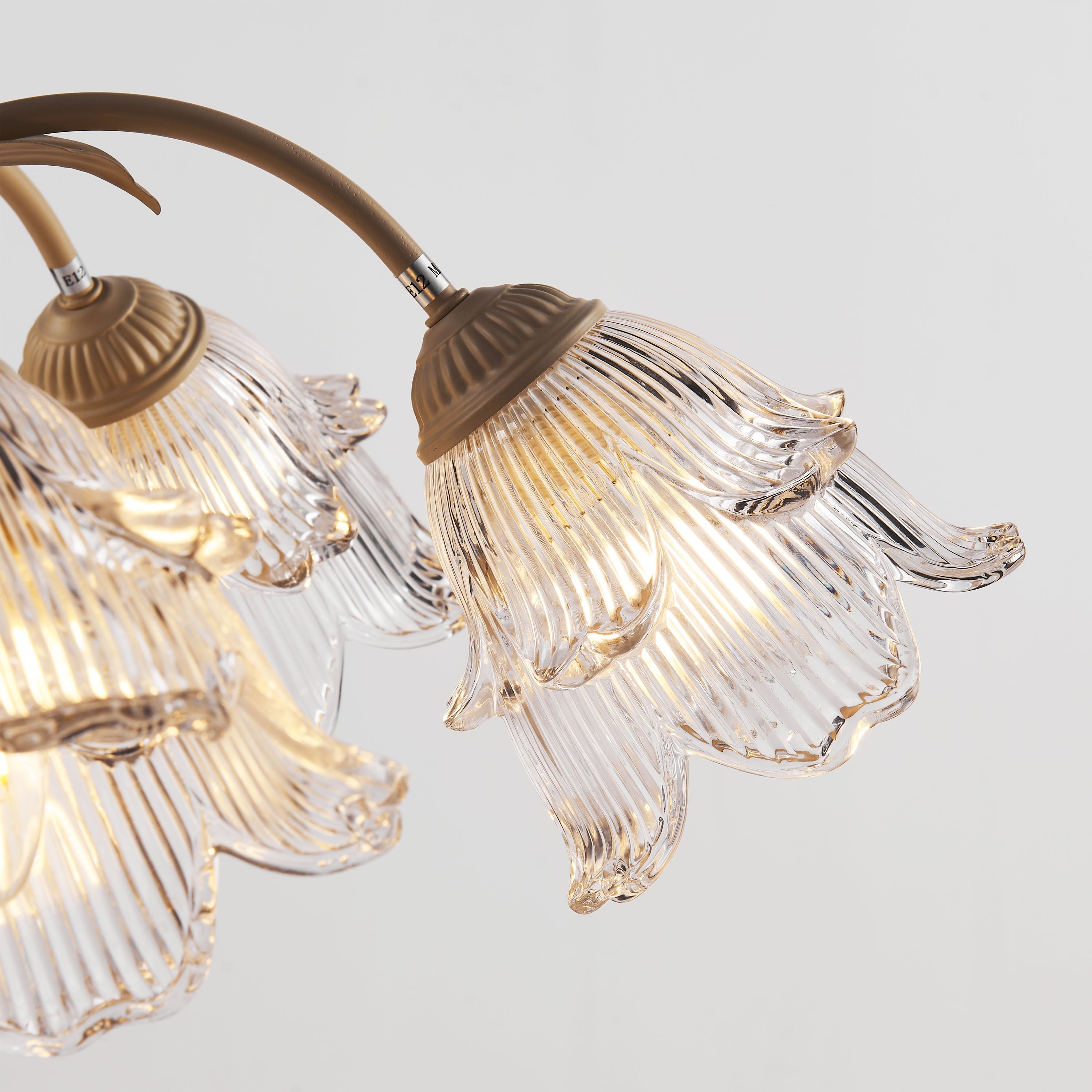
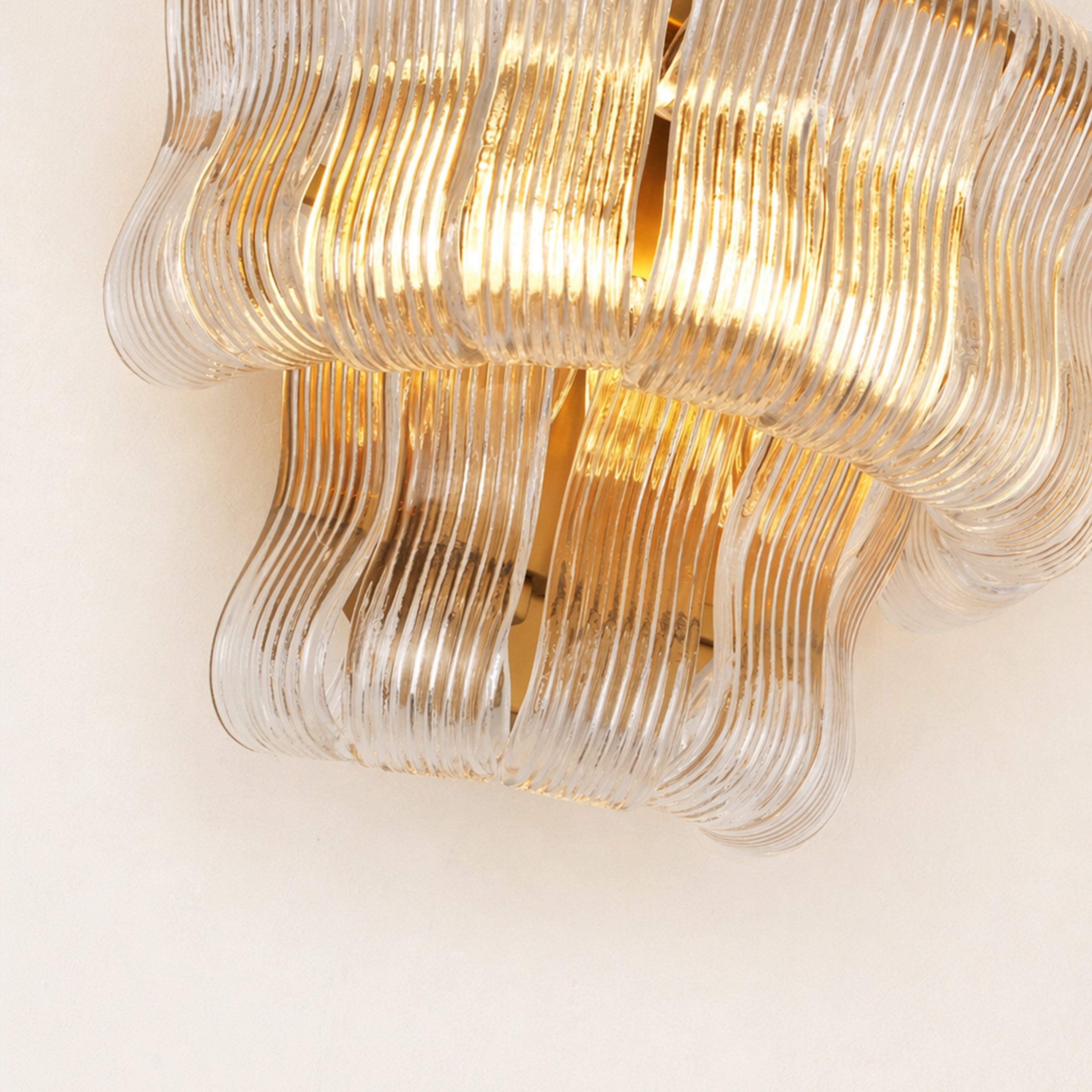
Avelis shows how glass can feel artistic without becoming too sharp or formal. Its layered feather-inspired glass elements create soft diffusion and a cloud-like ambiance.
This is a strong choice when you want a chandelier that feels sculptural, calm, and atmospheric.
View product →Crystal can look beautiful, but too much brilliance may feel overly formal in a relaxed space.
If the room already feels simple, clear glass may disappear. Textured or layered glass can add more depth.
Both crystal and glass chandeliers need enough breathing room. Check hanging height before choosing a statement fixture.
Crystal and glass both need cleaning, but detailed crystal elements can require more careful upkeep.
Not always. Crystal chandeliers are better for sparkle, reflection, and formal drama. Glass chandeliers are better for softer light, sculptural shapes, and more relaxed modern interiors.
Yes. Glass chandeliers can look very modern, especially when they use clear, frosted, textured, or layered glass forms with simple metal frames.
Crystal chandeliers work well in dining rooms, foyers, bedrooms, and formal living spaces where you want a more polished and eye-catching focal point.
Glass chandeliers work well in living rooms, dining rooms, bedrooms, and open spaces where you want softer light, a sculptural shape, or a more relaxed modern look.
Crystal and glass can both feel beautiful, but they do different jobs. Crystal brings sparkle and visual energy. Glass brings softness, texture, and atmosphere.
The best choice is the one that supports the way your home already feels — or the way you want it to feel after the light is on.
Explore Avelis →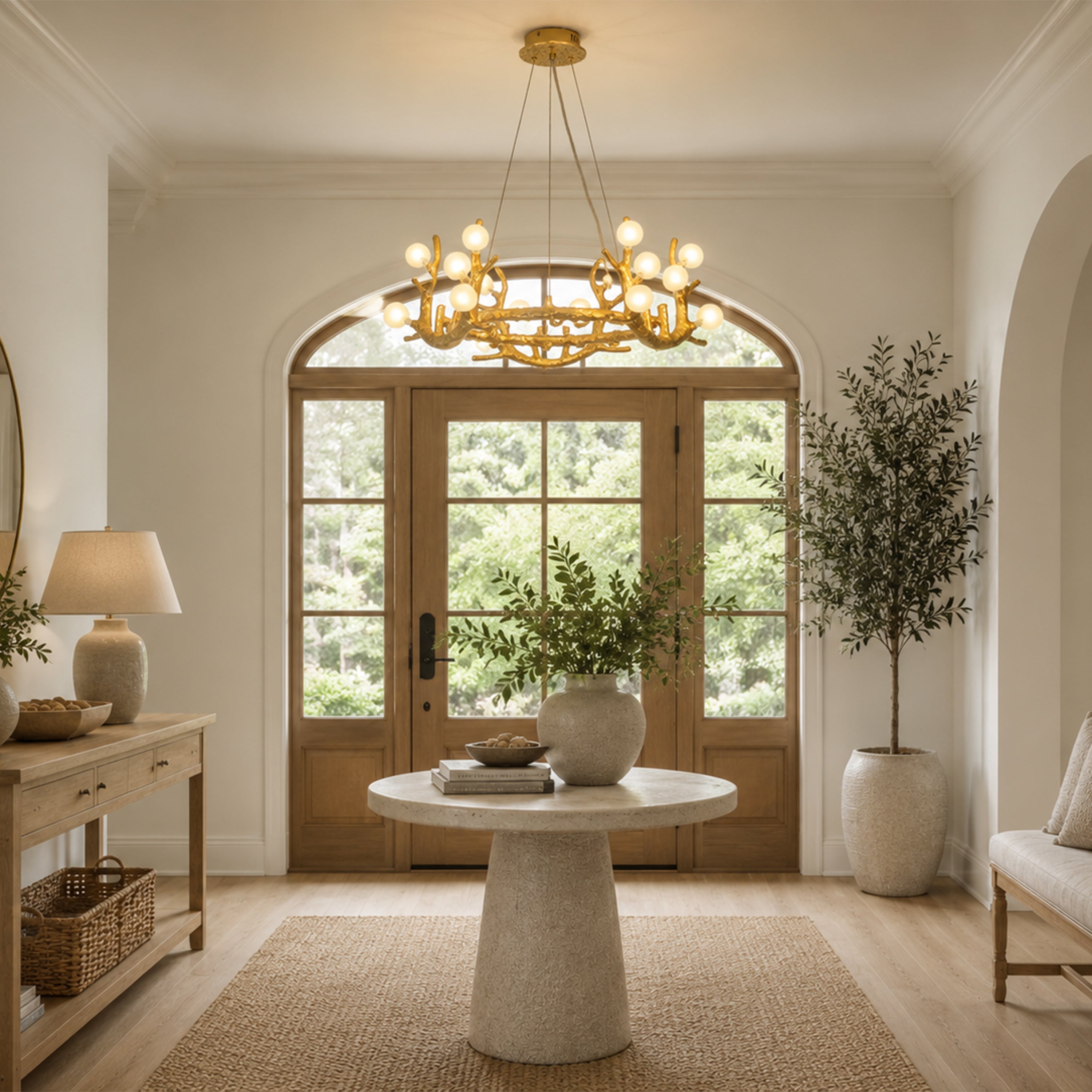
Share:
Outdoor Wall Sconces: How to Choose the Right Style for Modern Homes
Best Chandelier Styles for High Ceilings in 2026