


















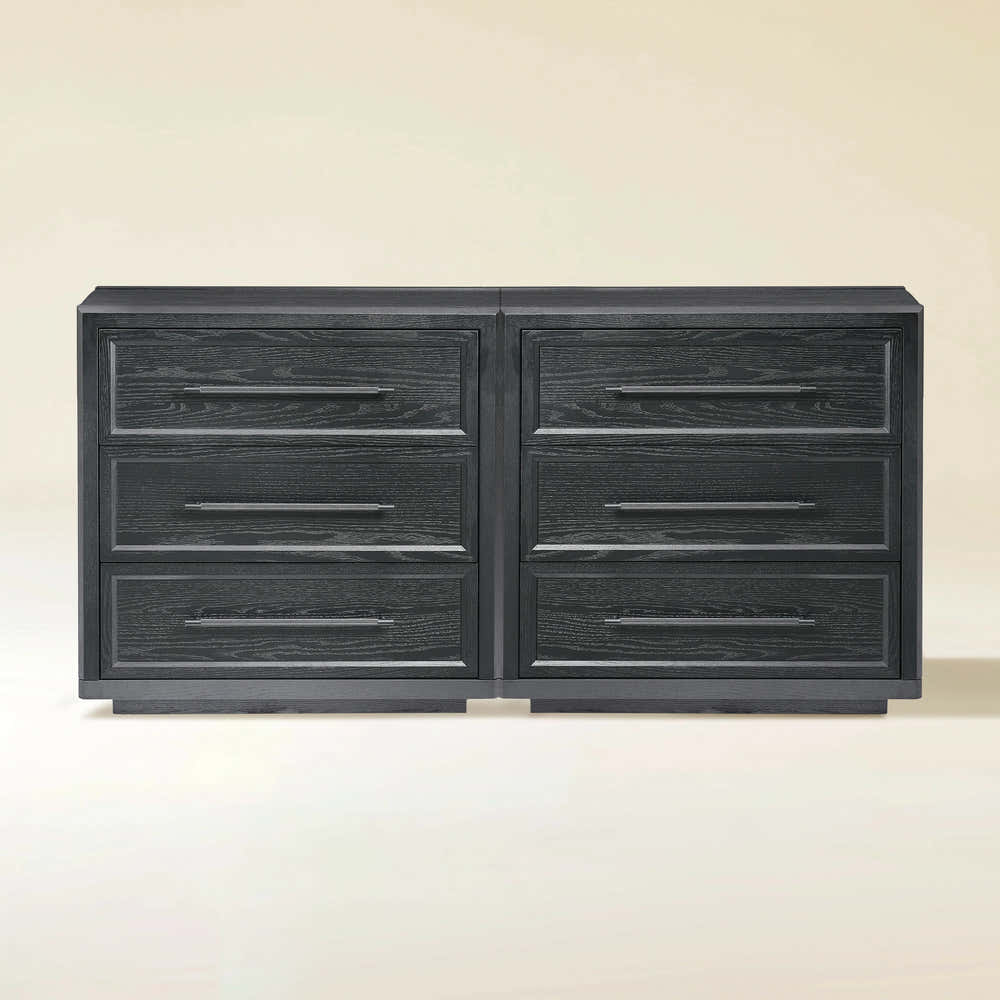


Alvar 61″ Oak 6-Drawer Chest(Set of 2)

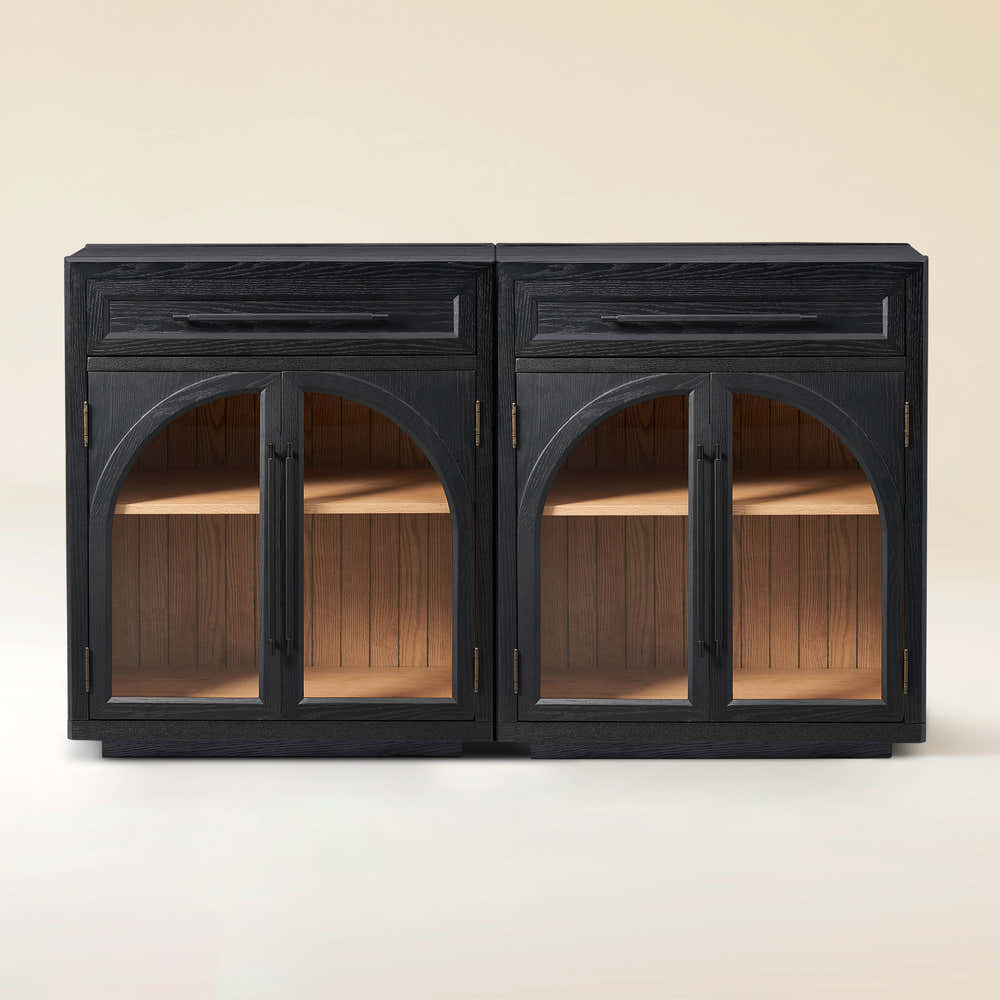


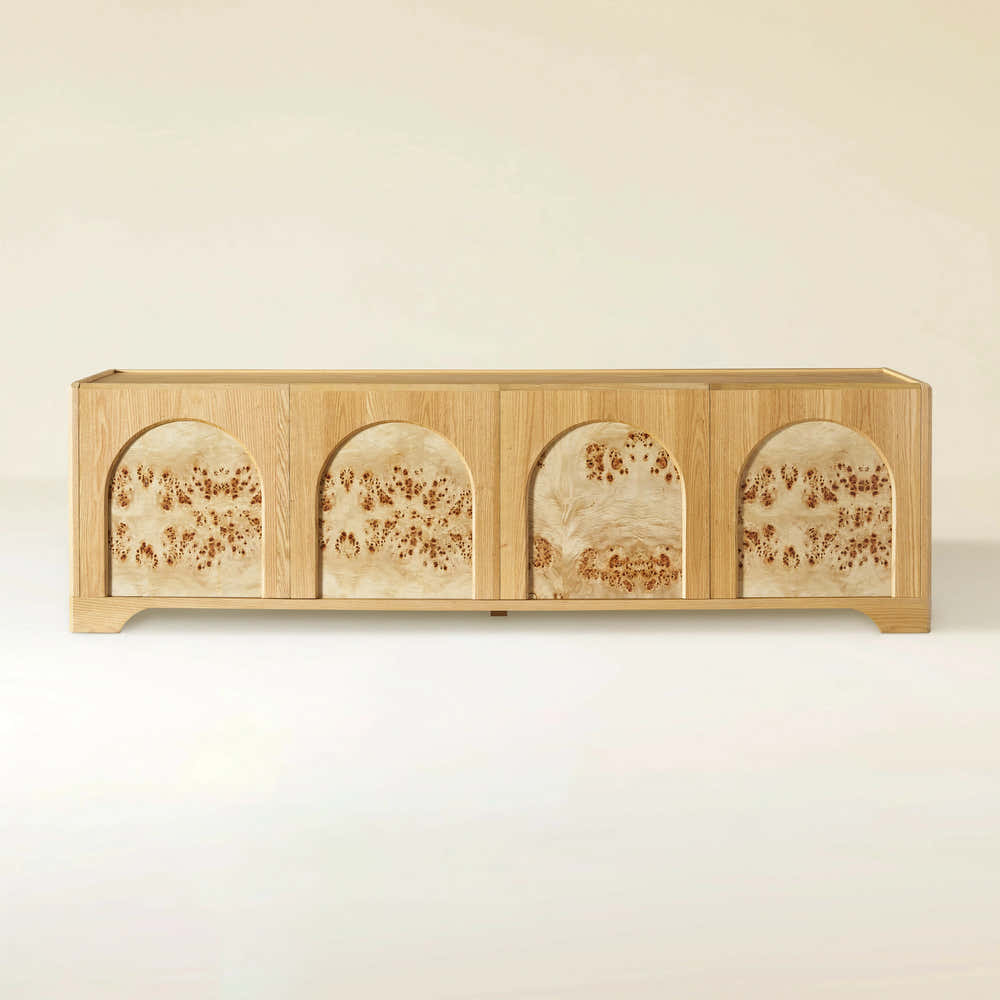
Alvar Arched 61" Oak Sideboard with Drawers(Set of 2)
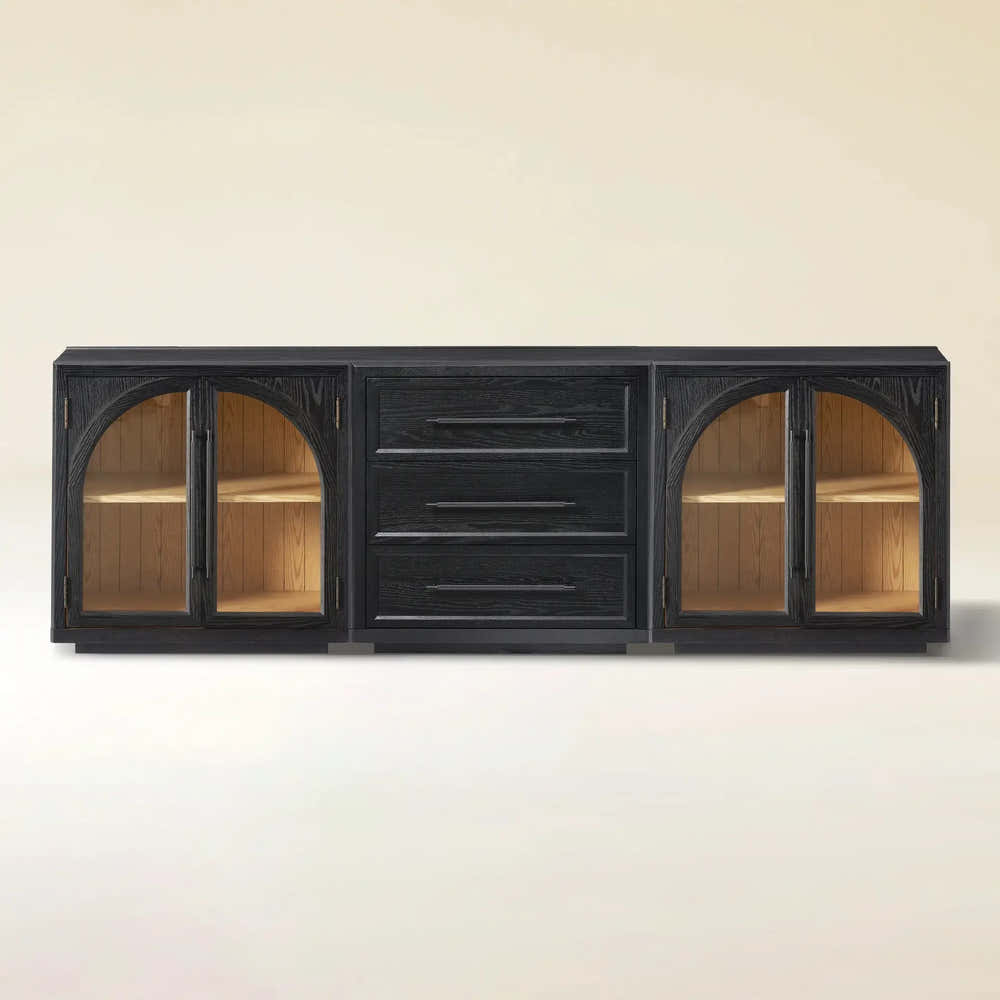


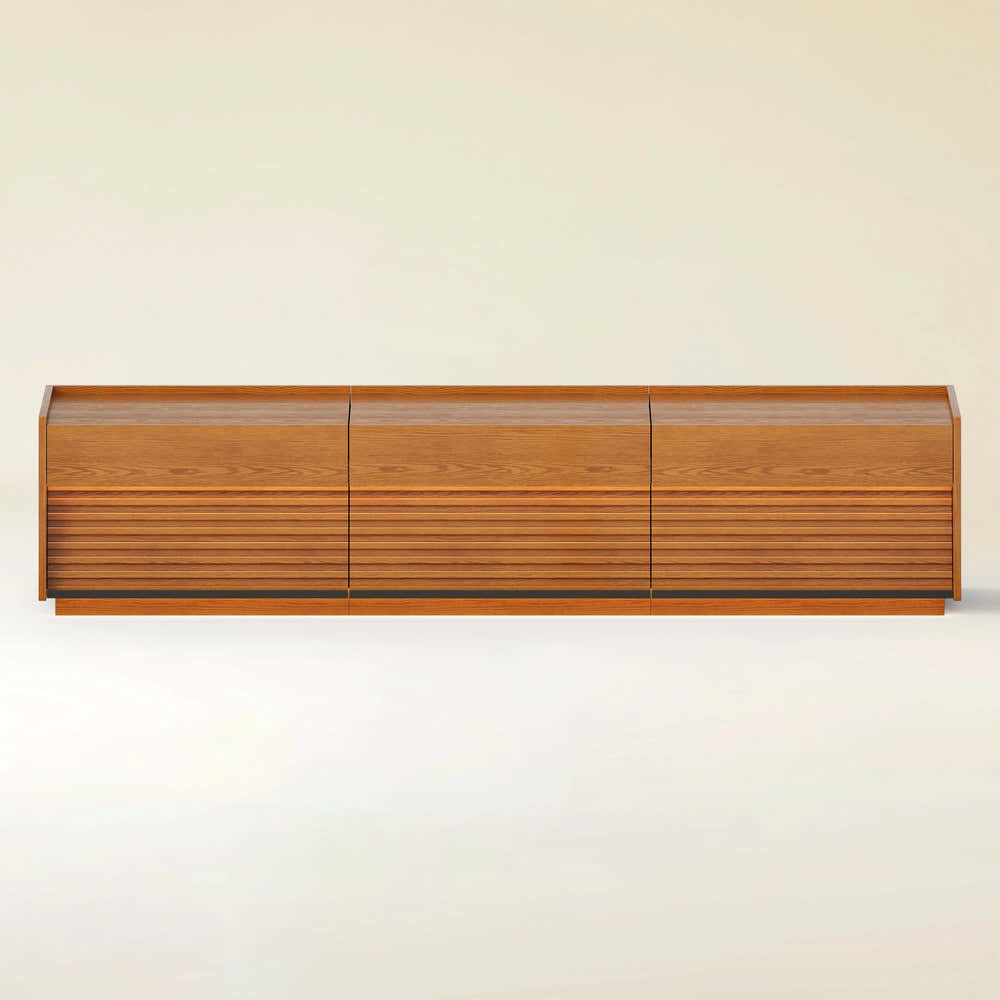
Alvar Arched 91″ Oak Modular Media Console(Set of 3)
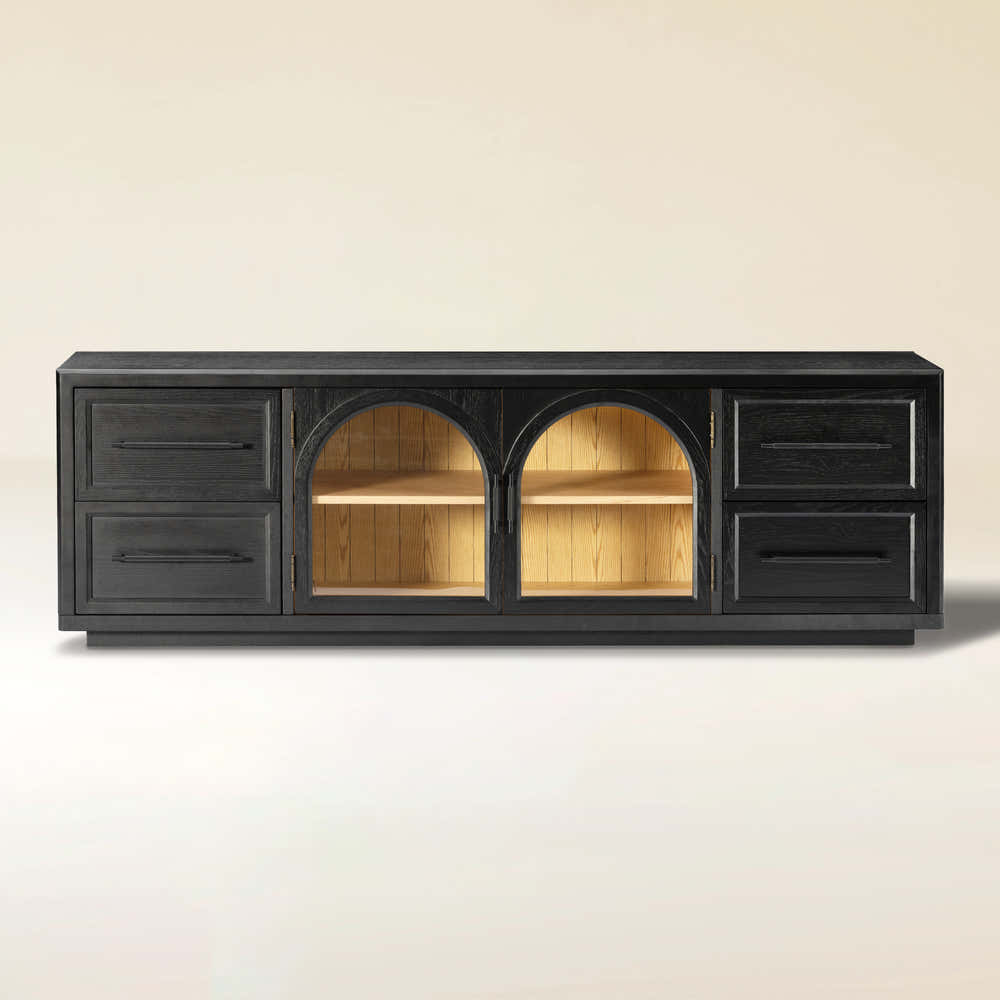
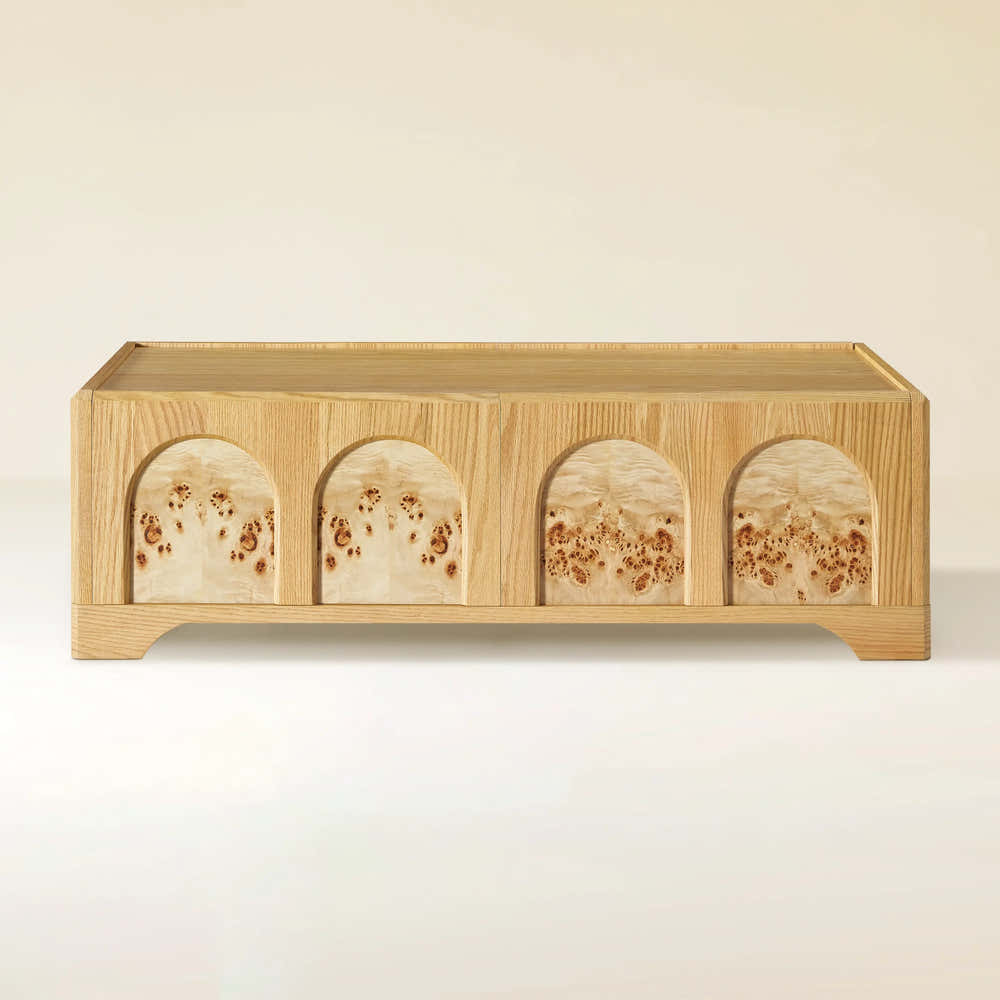
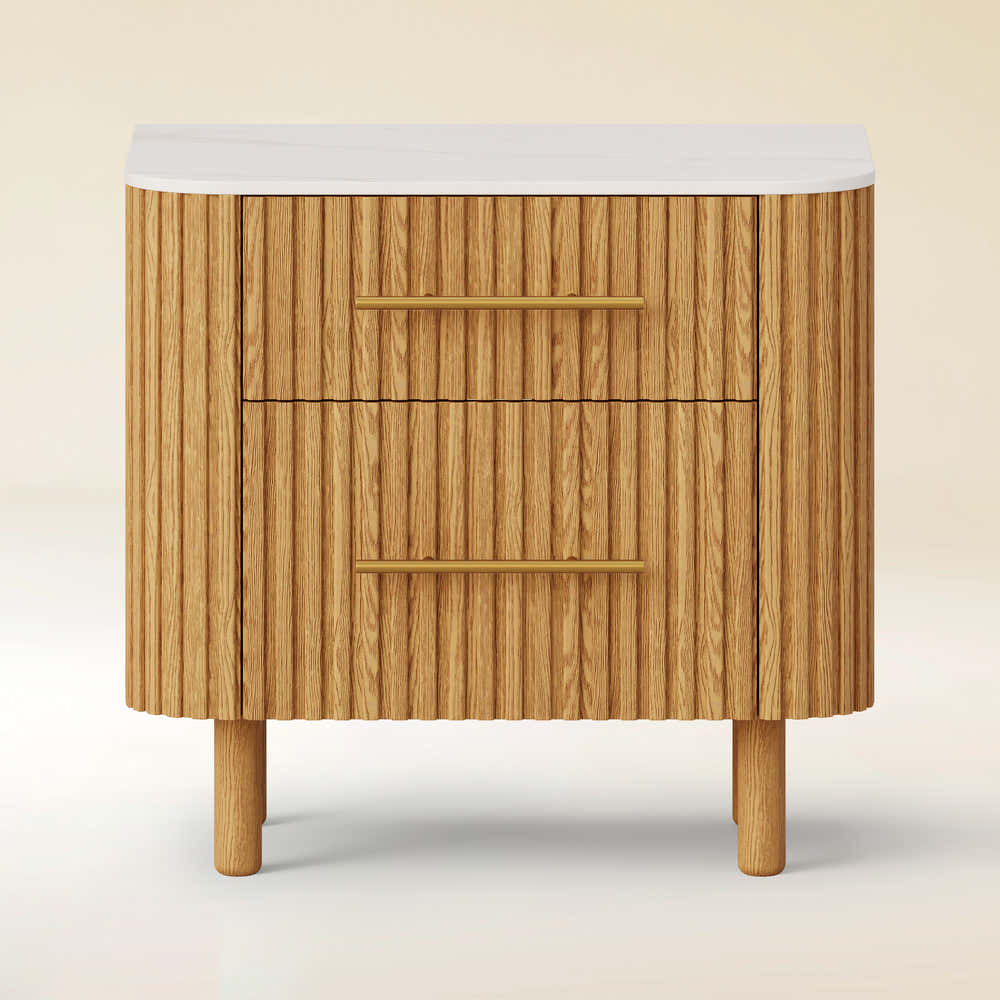
Charlie Sintered Stone Nightstand 26" W
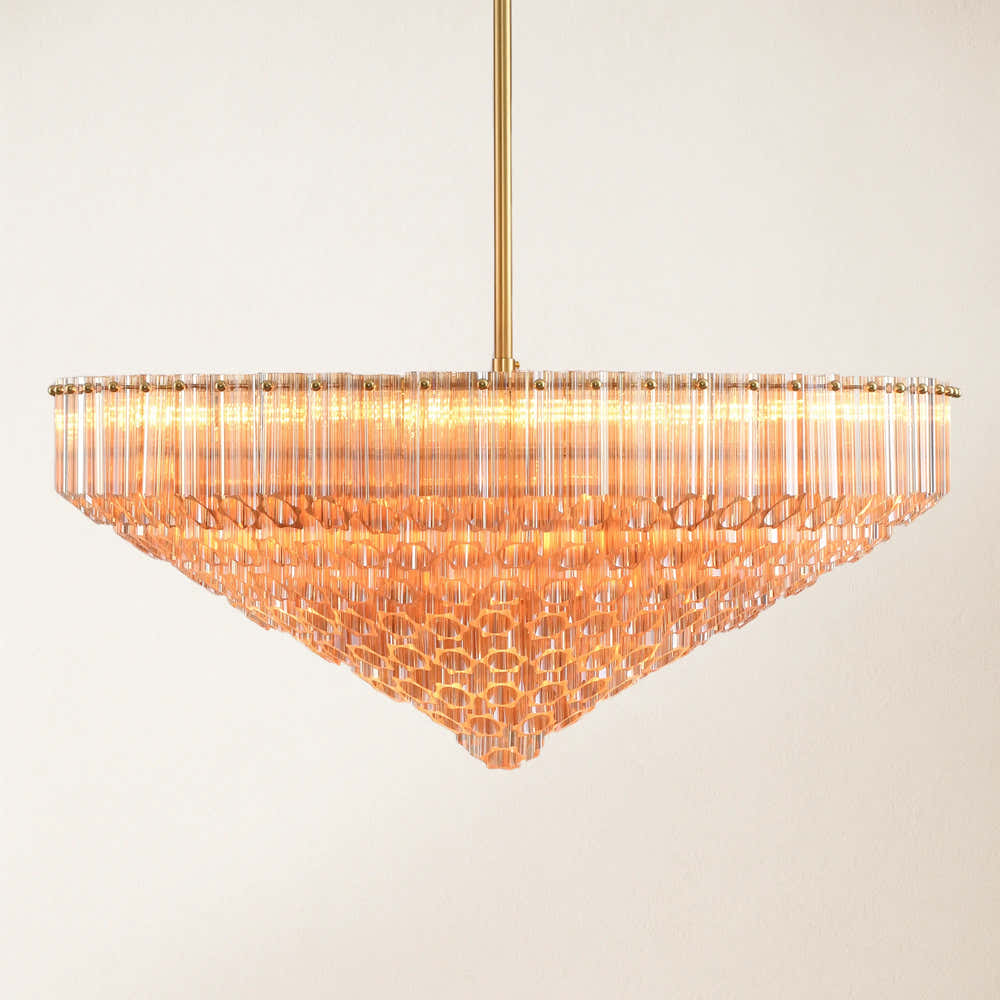


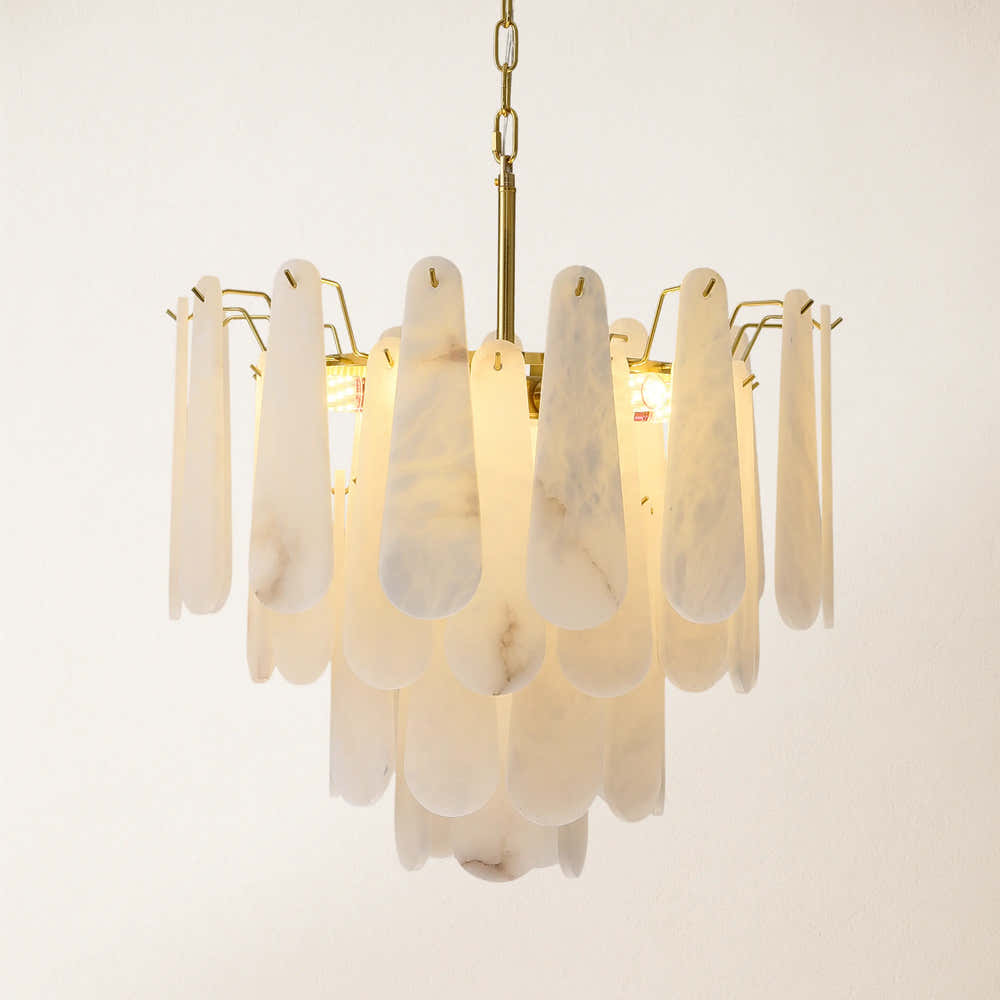
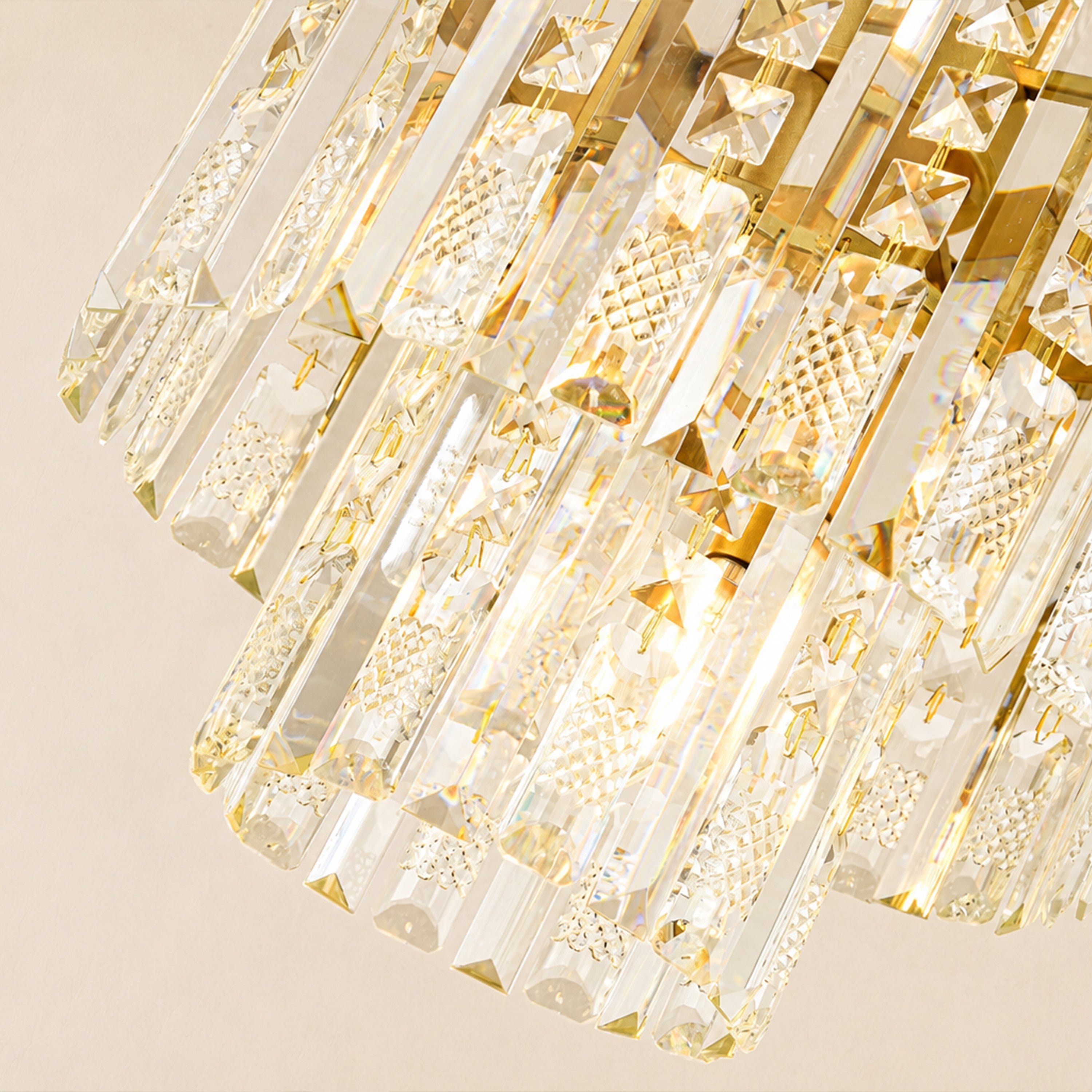
Ethereal Crystal Radiance Round Chandelier 30"D


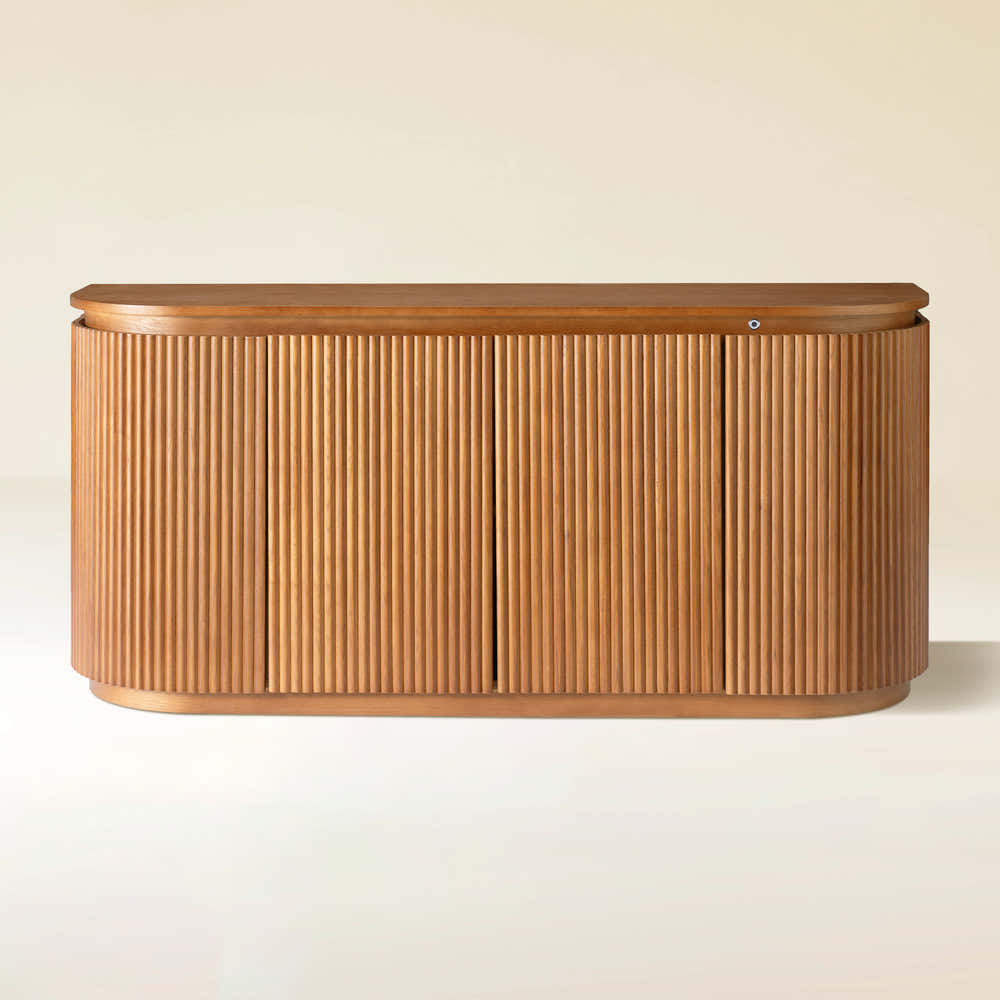
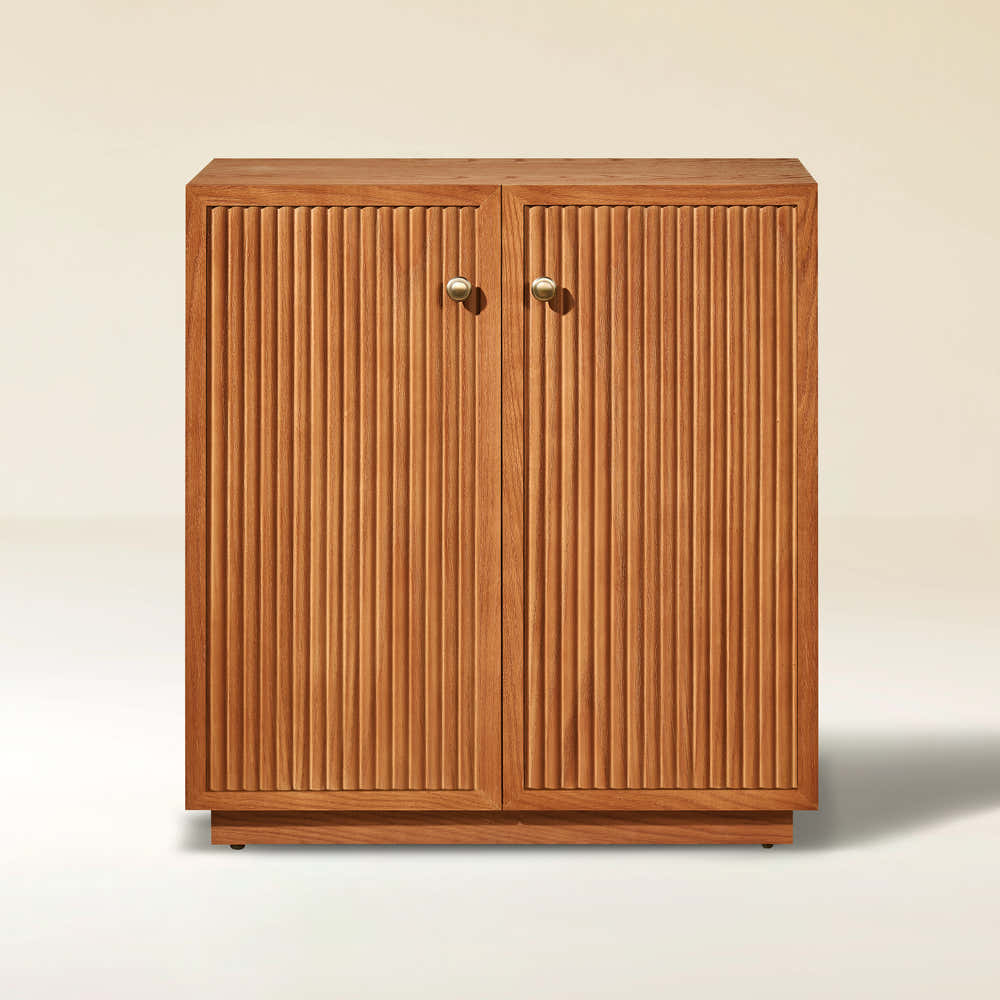
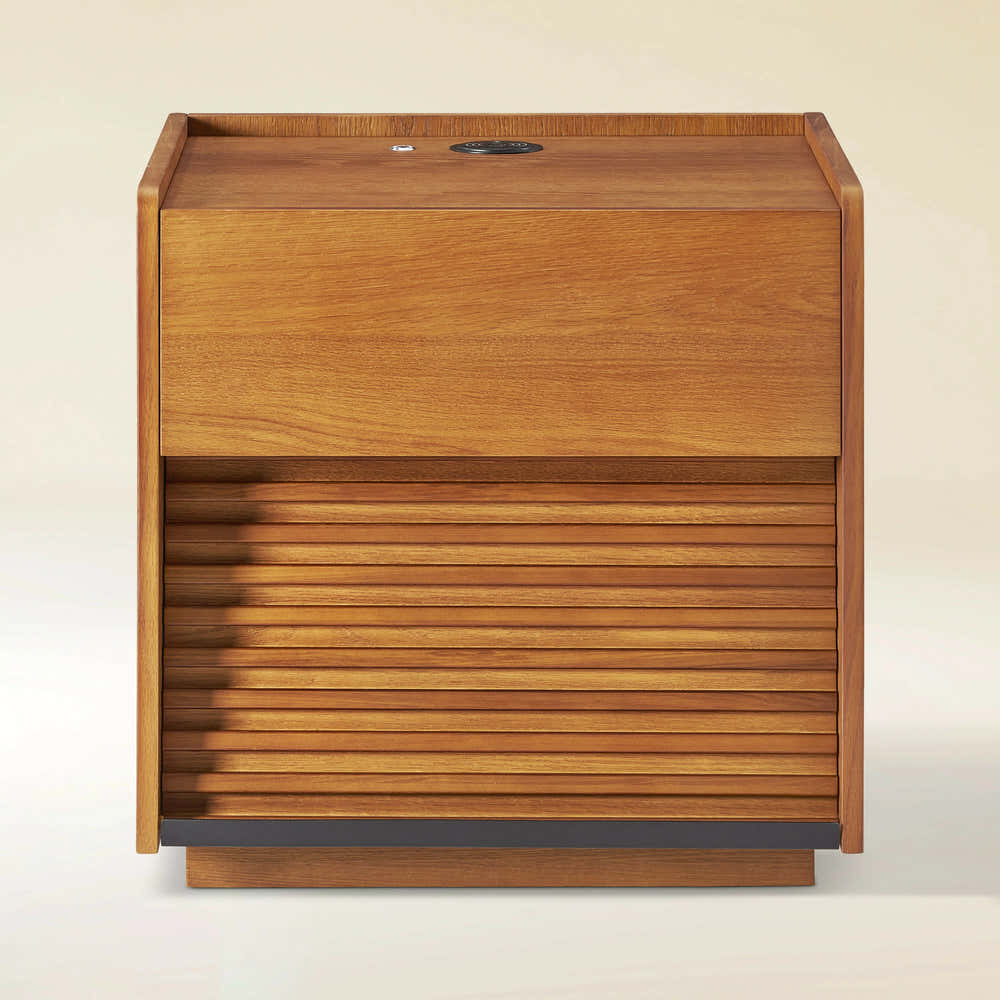
Ewan 63" Oak Slatted Sideboard Buffet Cabinet
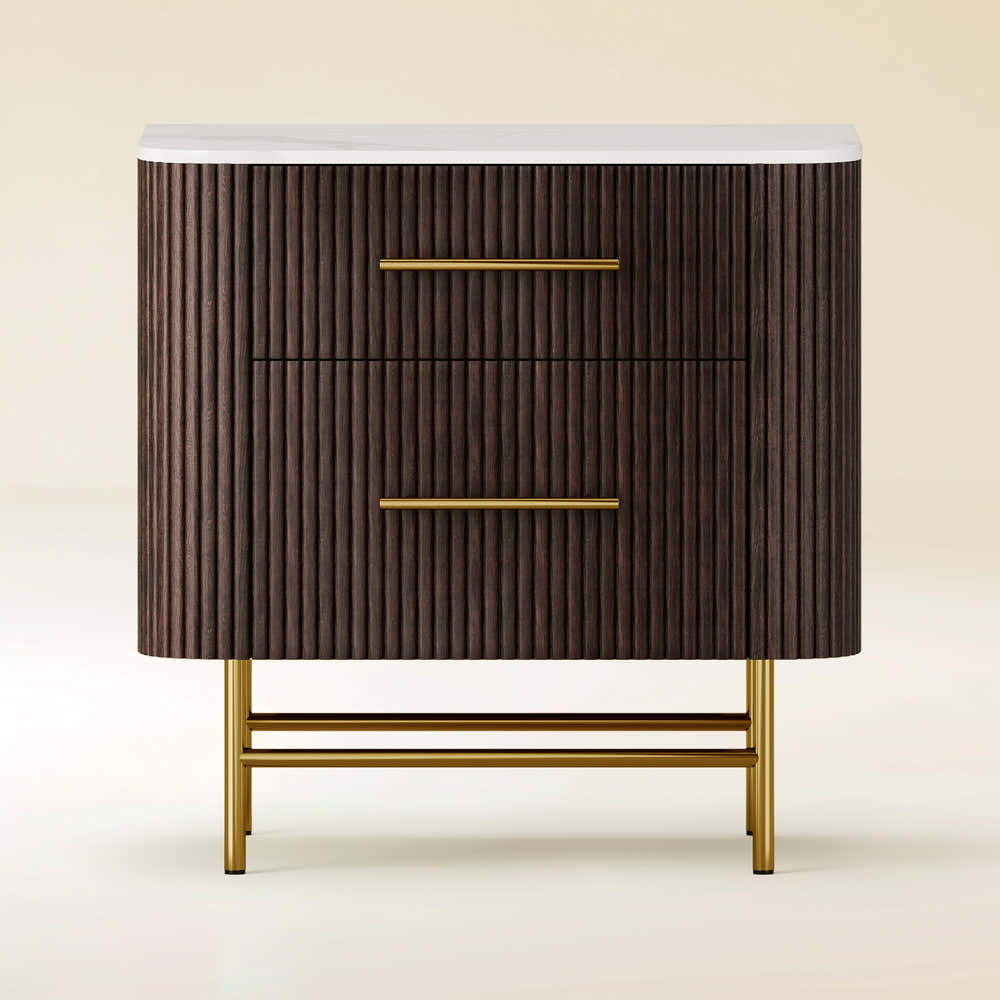


Ewan Sintered Stone Nightstand 26"W
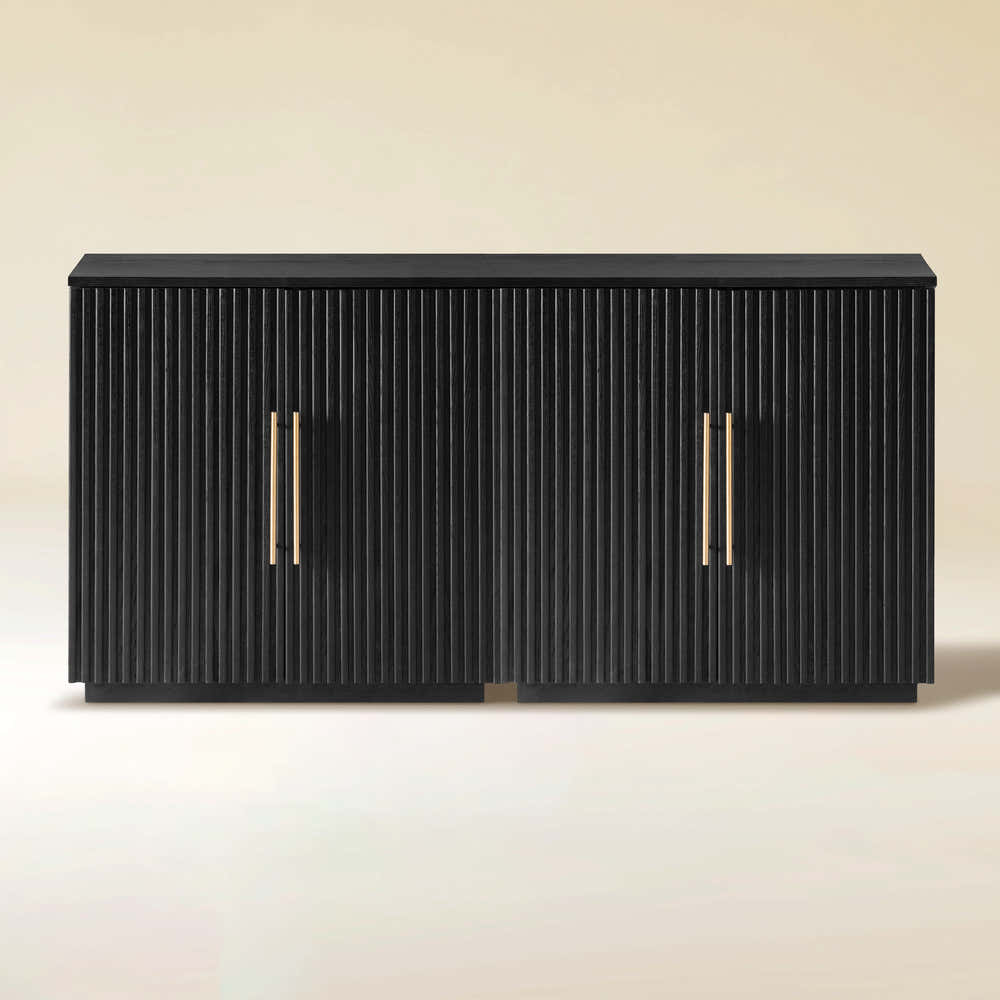


Holt 63″ Solid Oak Console(Set of 2)
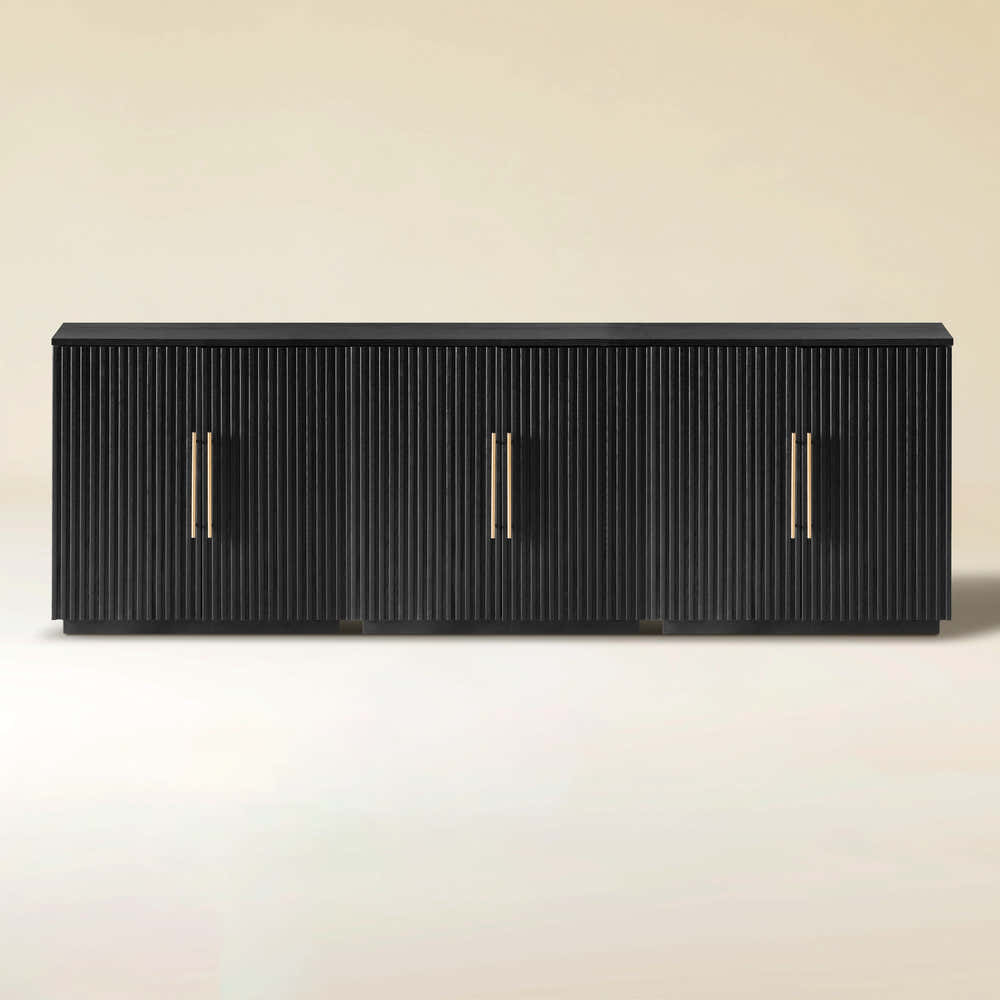


Holt 95″ Solid Oak Console(Set of 3)
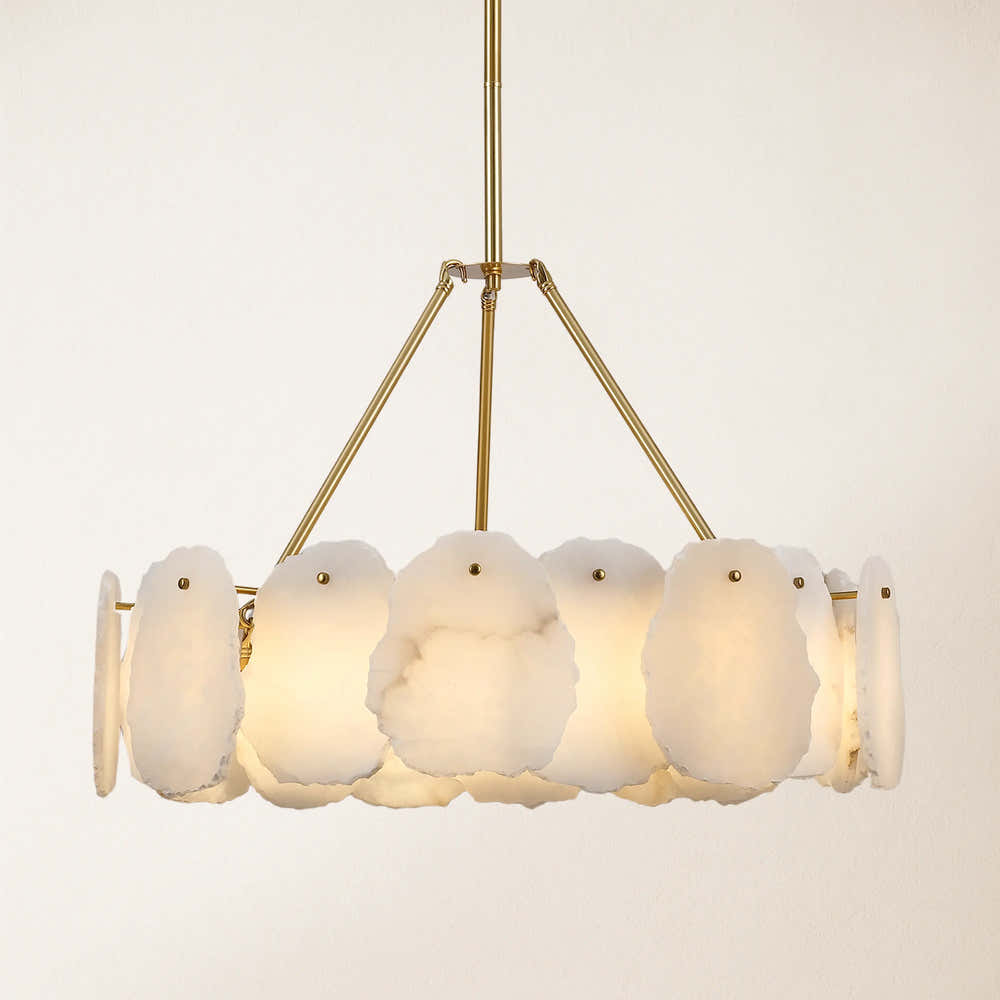


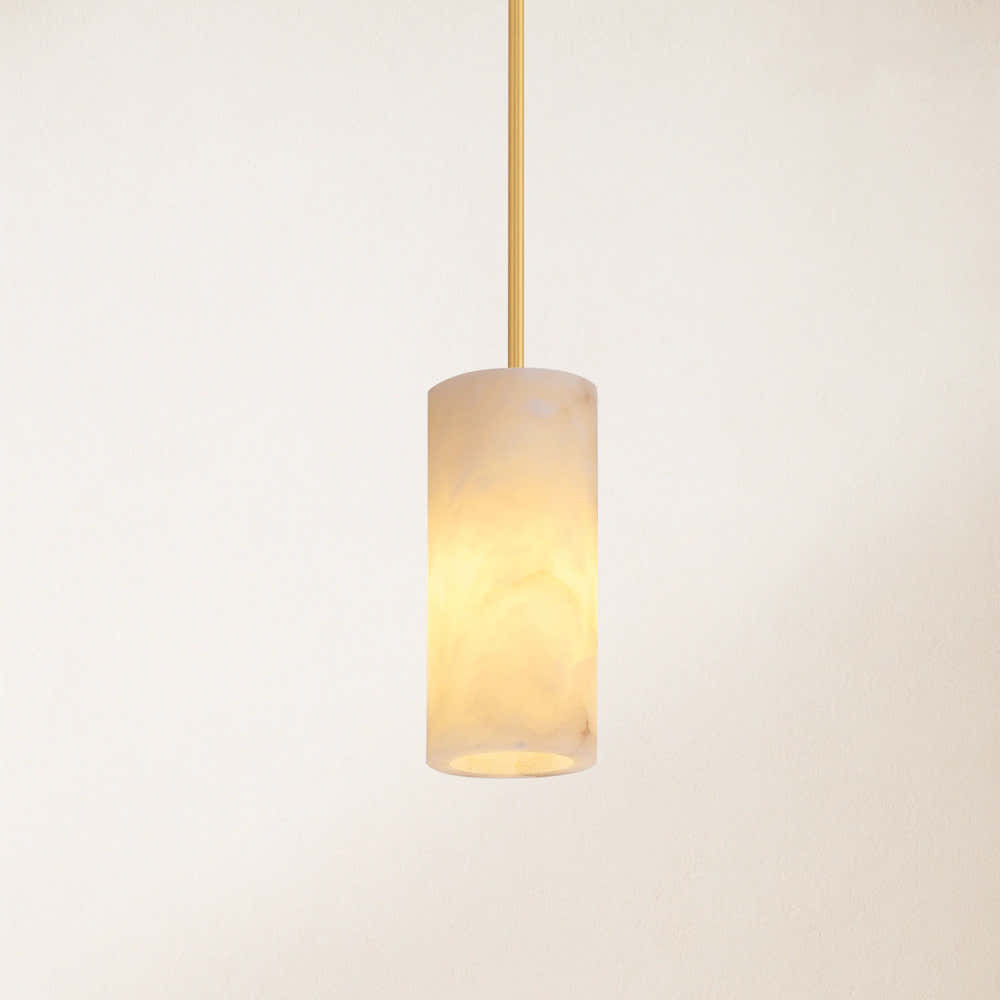
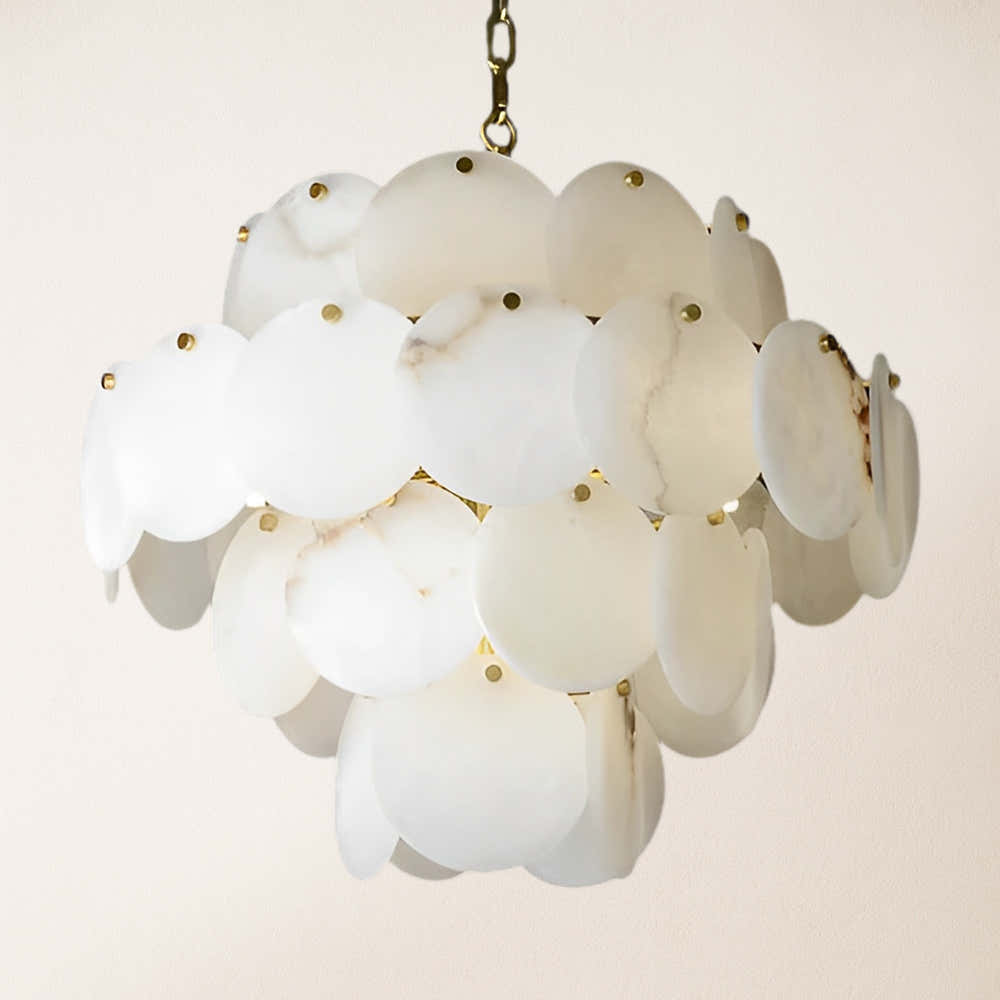
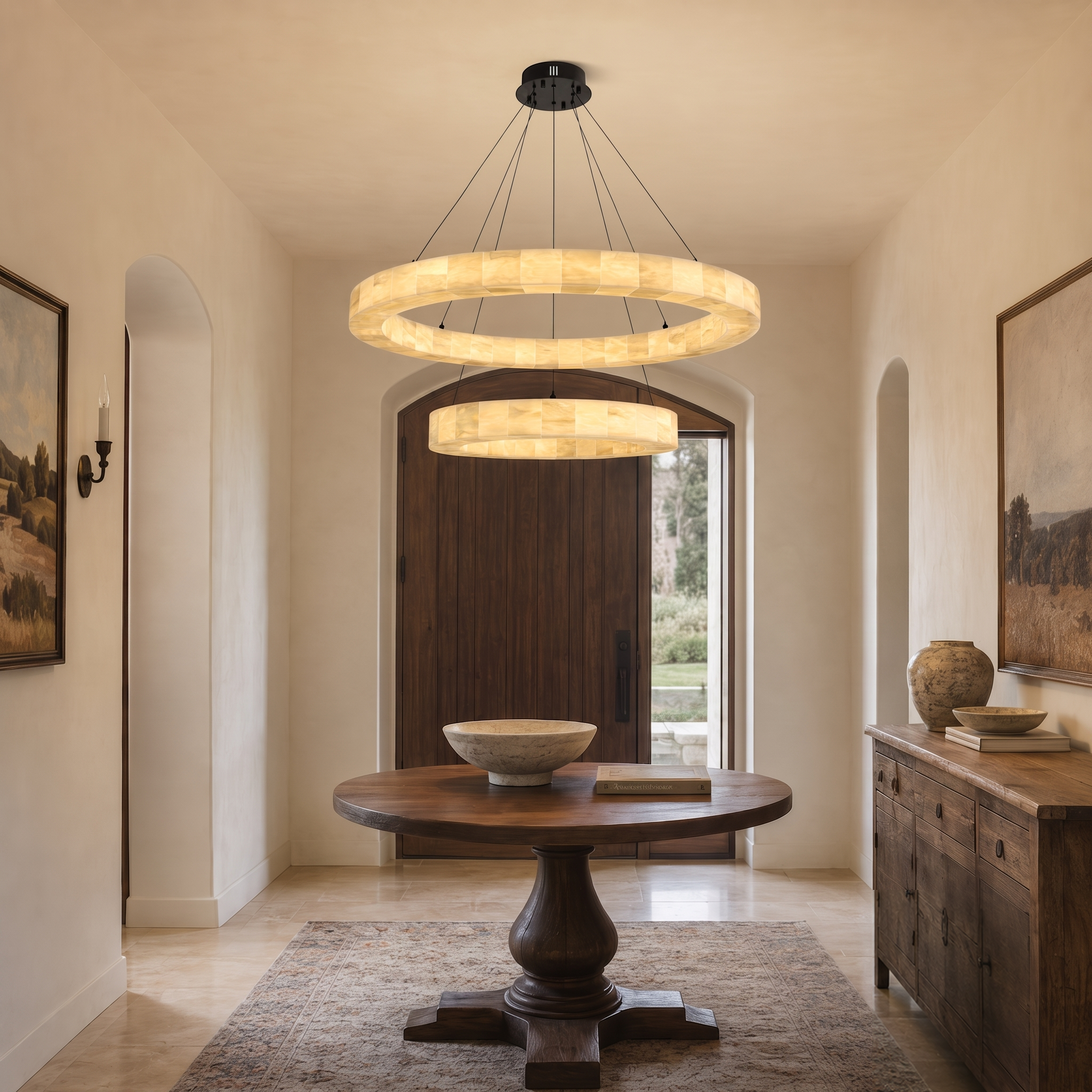
Moira Alabaster Round Chandelier 24"D
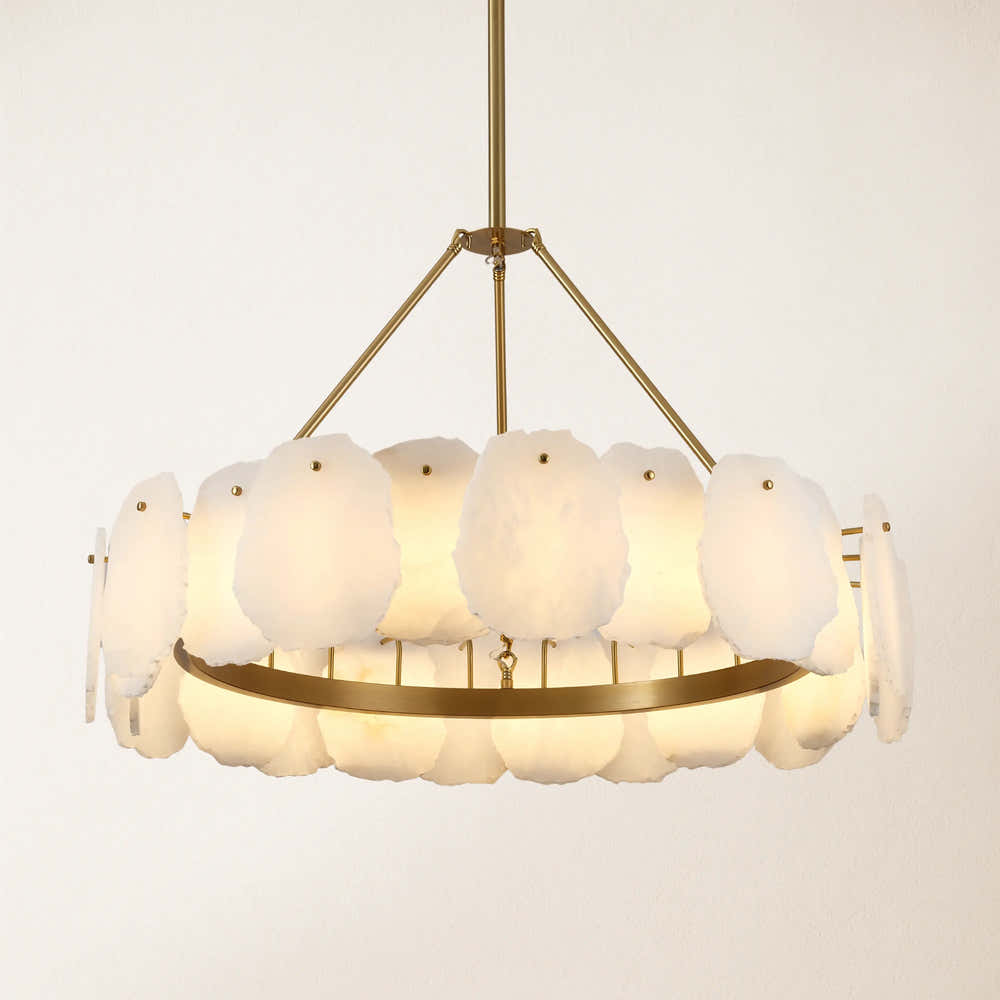


Moira Alabaster Round Chandelier 32"D
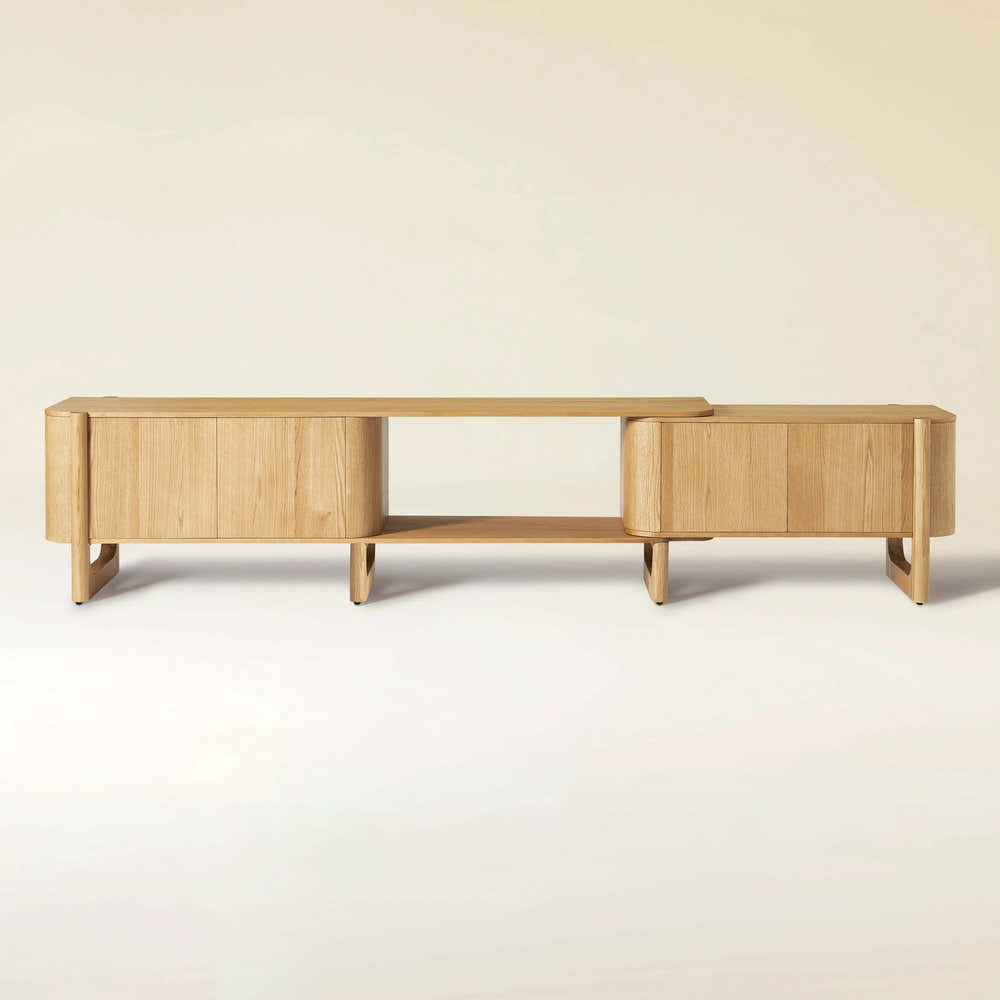
Silas Extendable TV Stand 203cm to 280cm
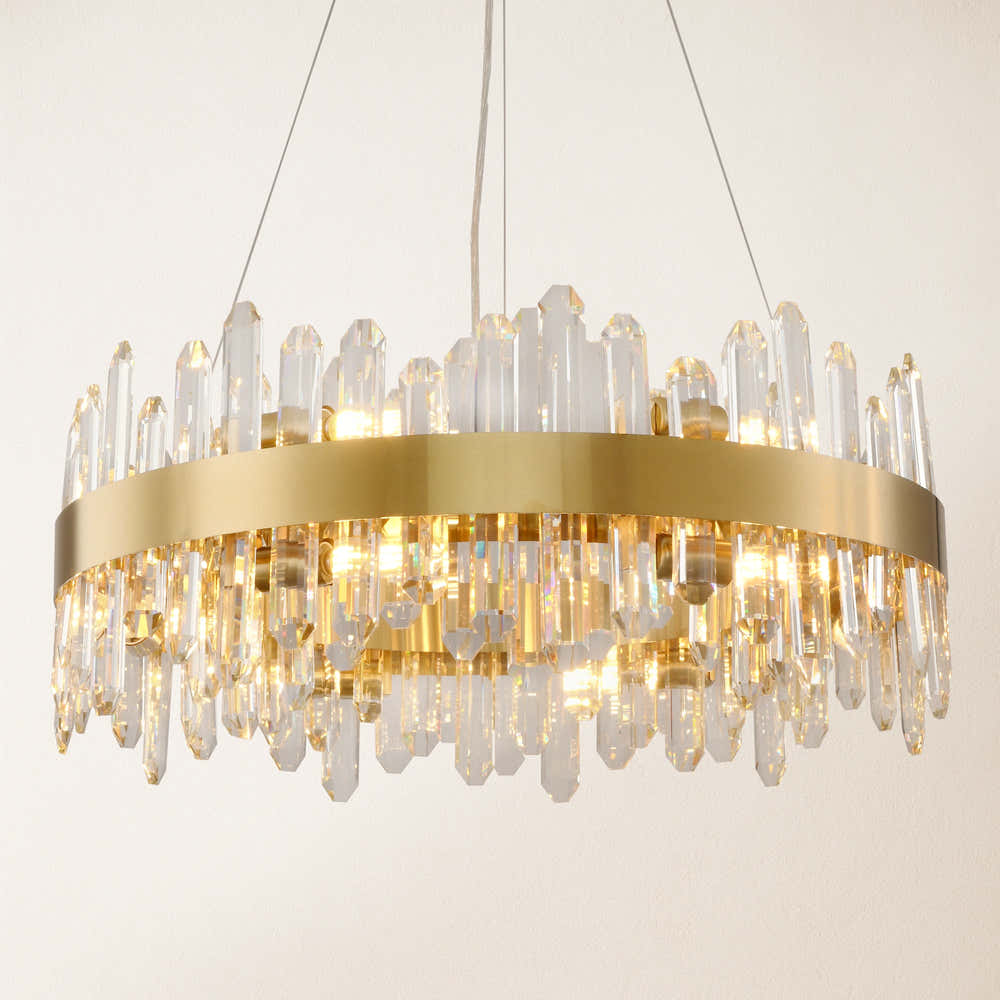
Stellara Crystal Strip Round Chandelier 24"D
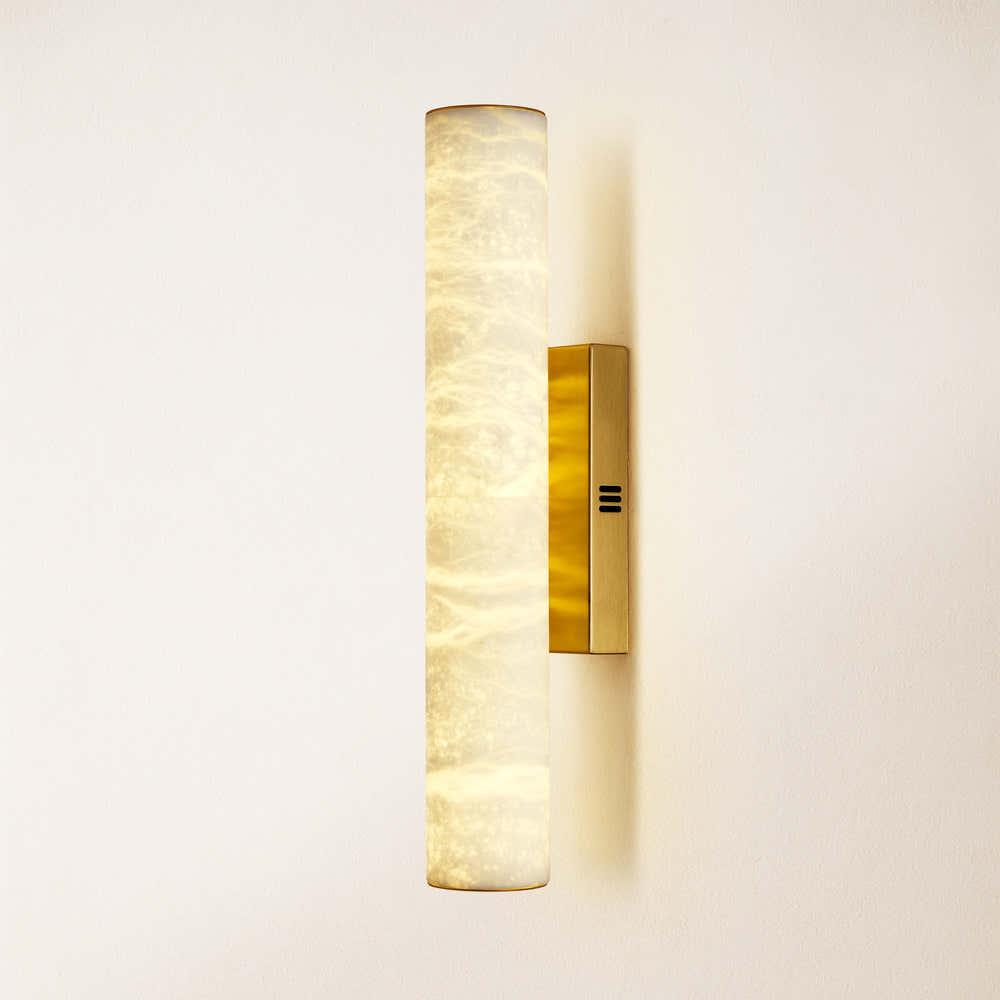


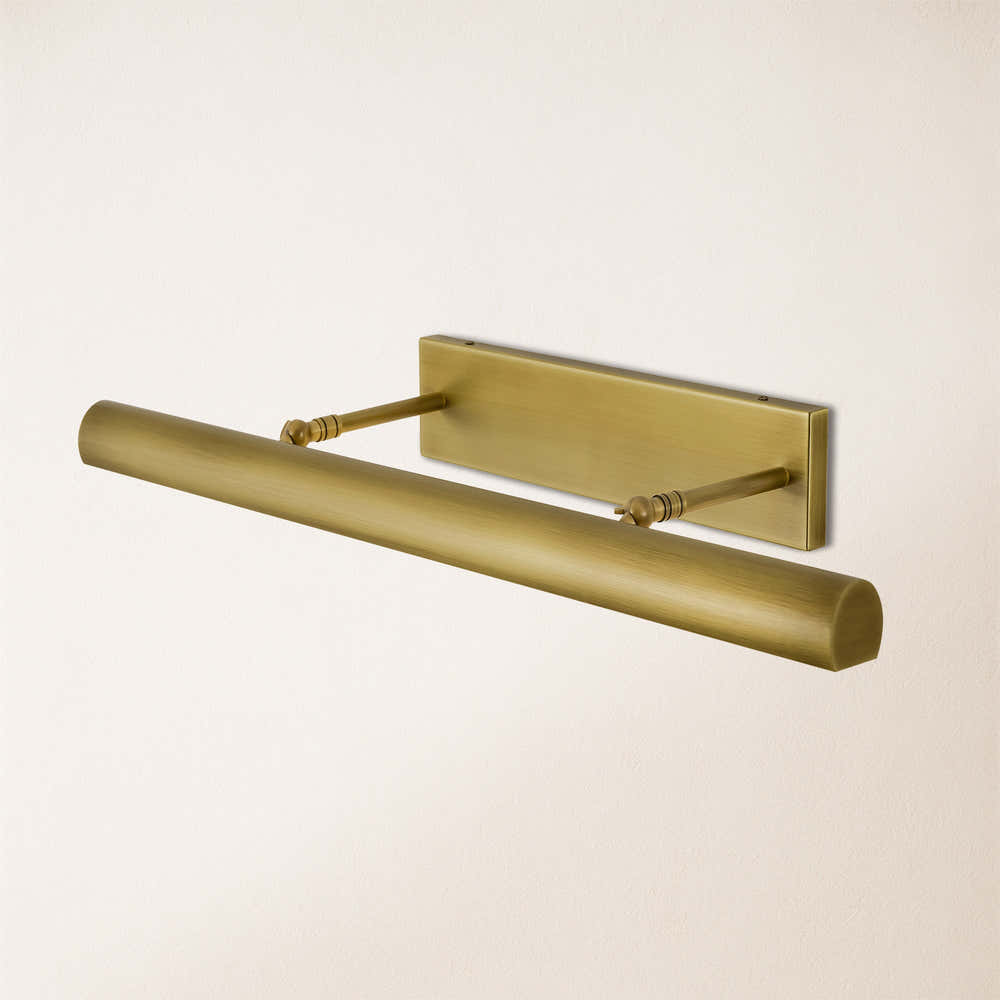
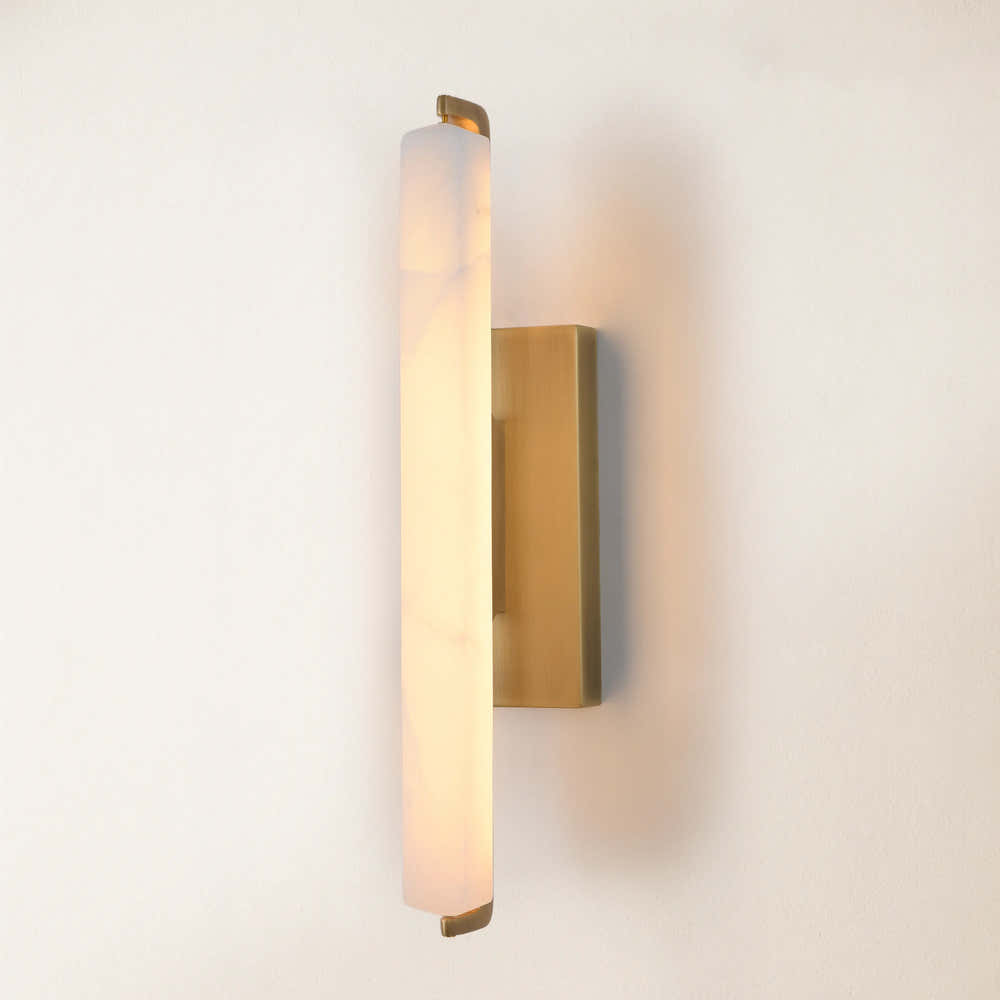
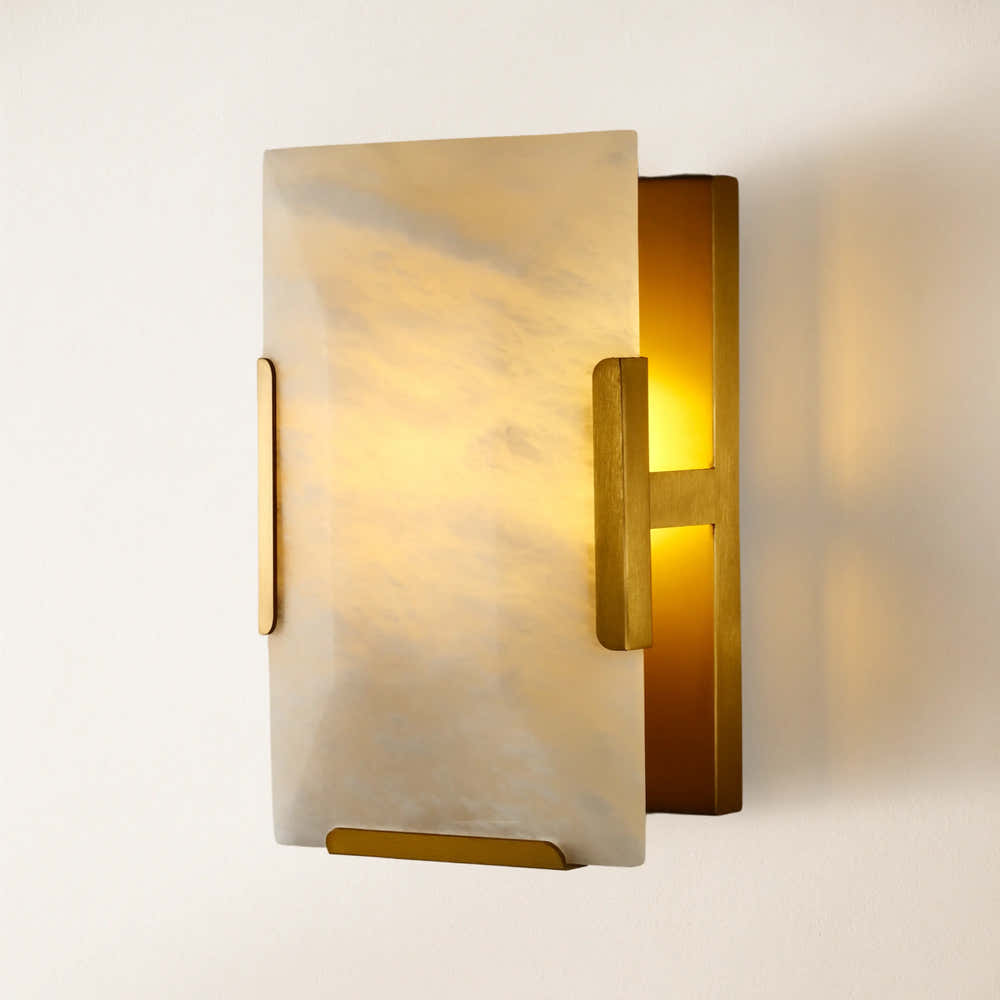
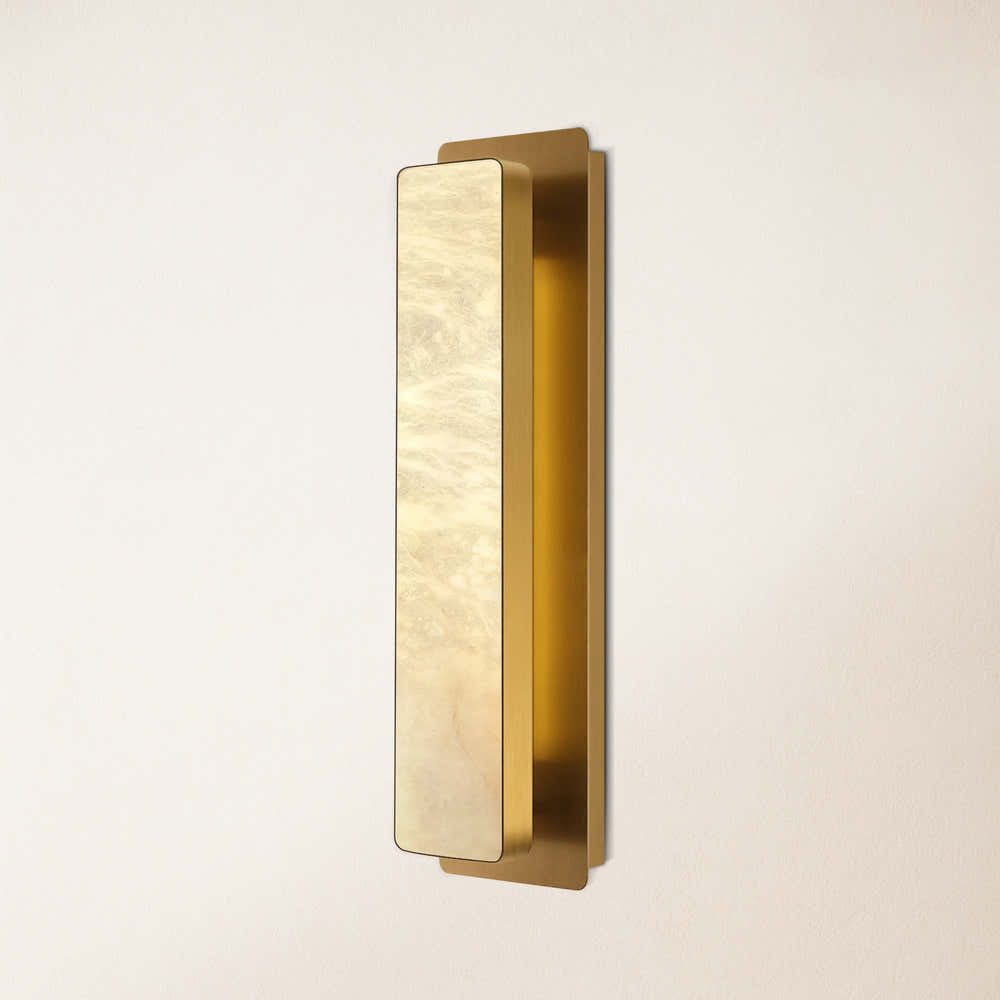
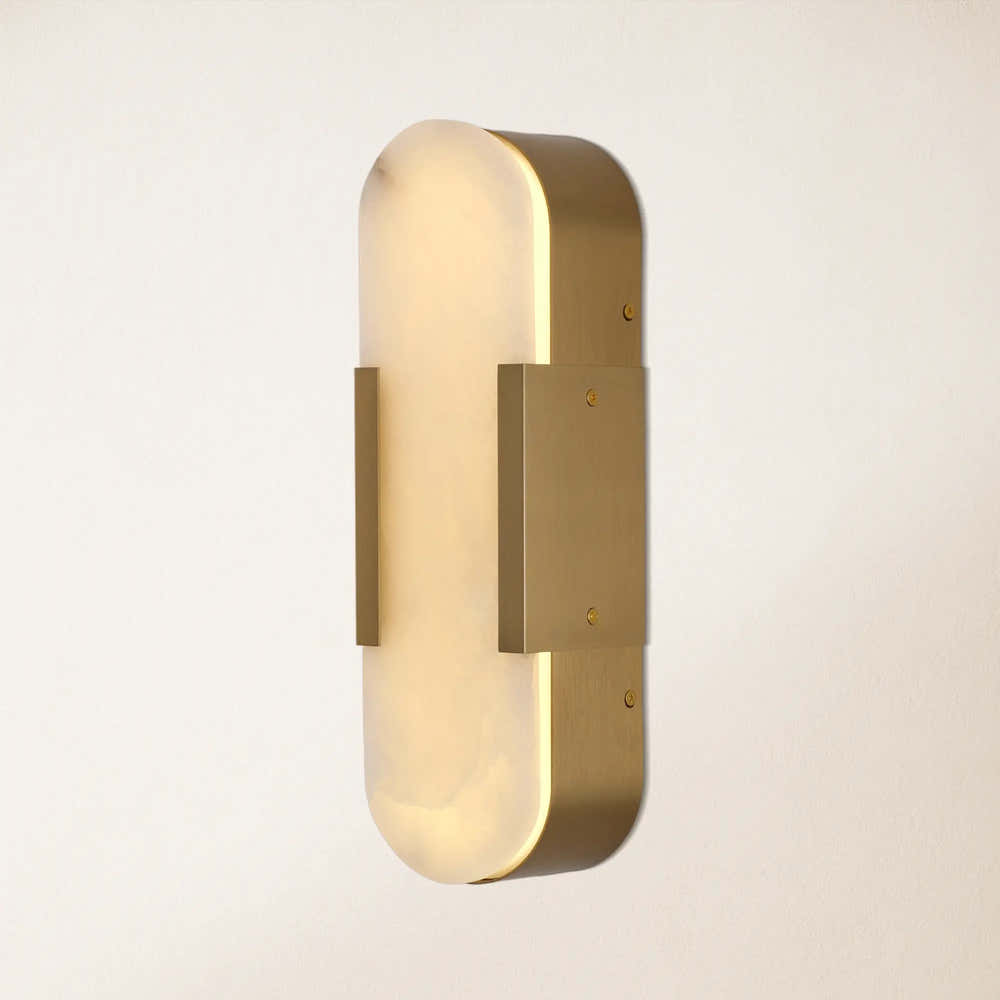
Sylvia Palladian Alabaster Wall Sconce 20"H
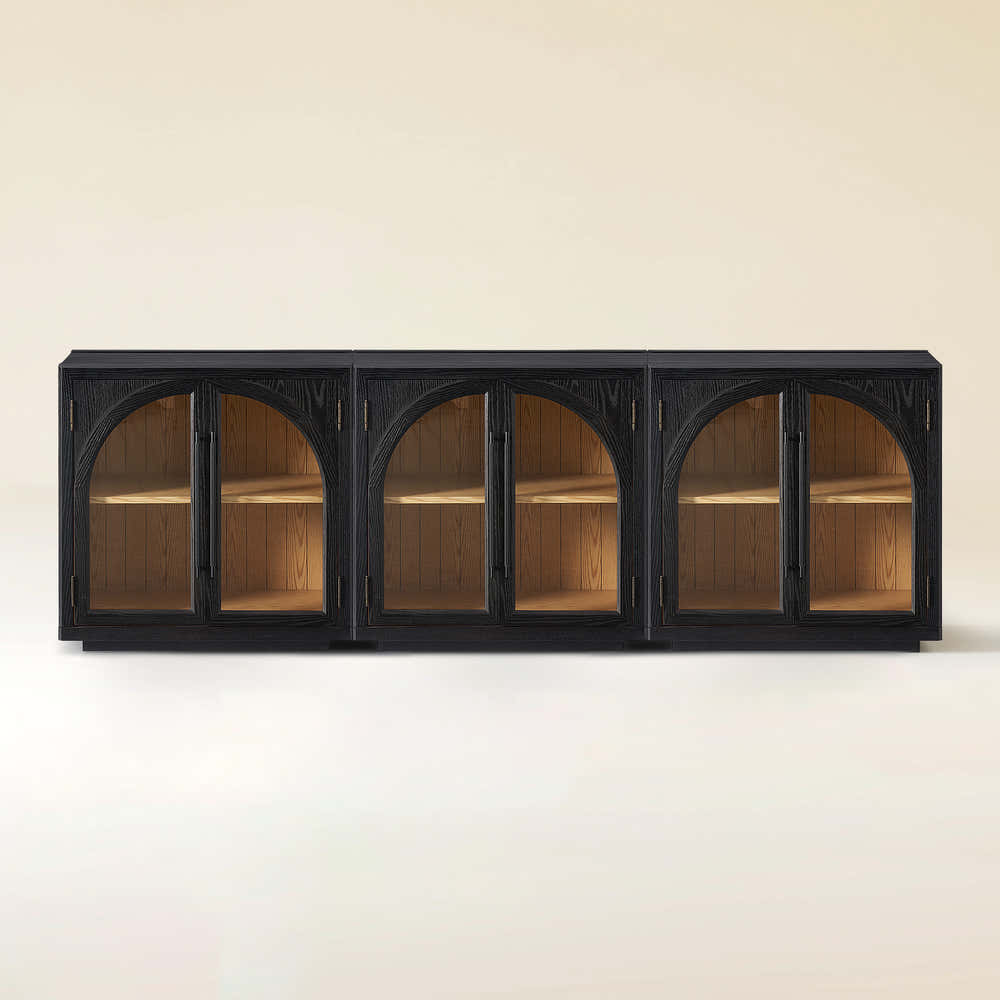


Alvar Arched 91″ Oak Media Console(Set of 3)
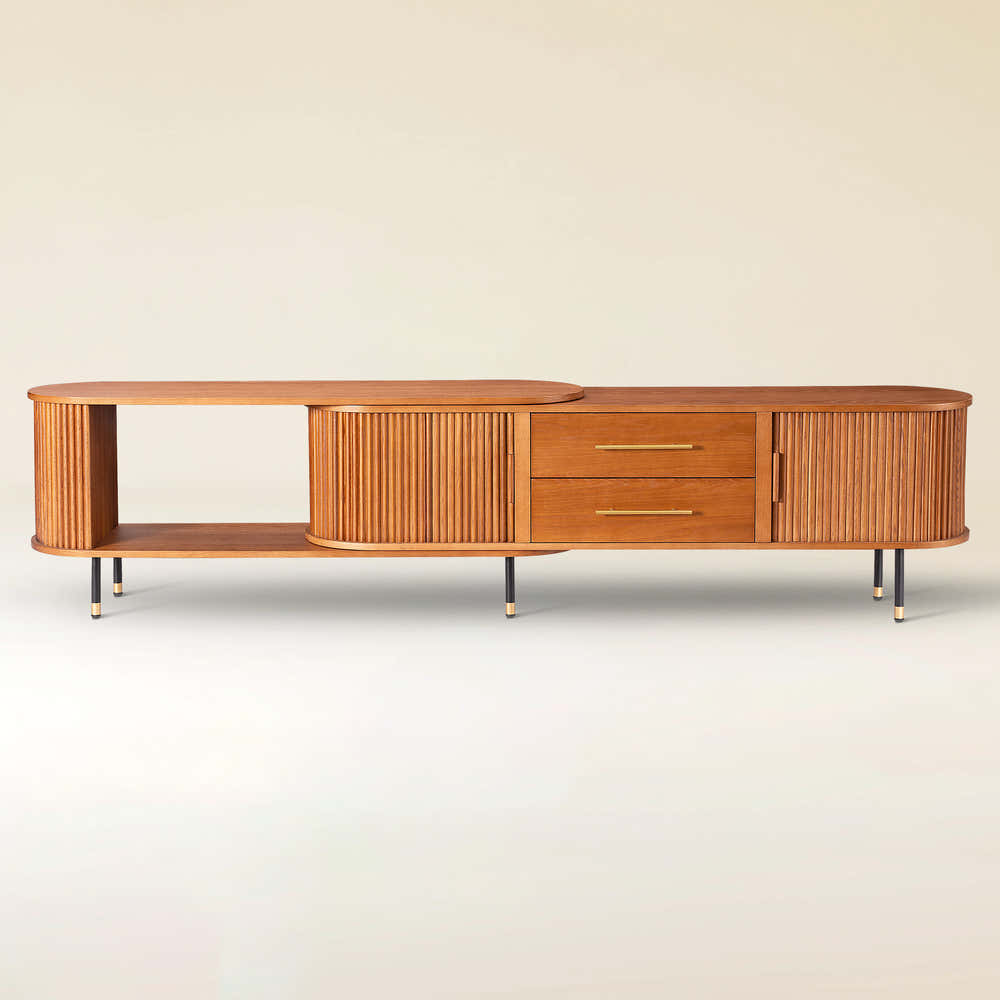
Ewan Oak Extendable Media Console 79" to 110"
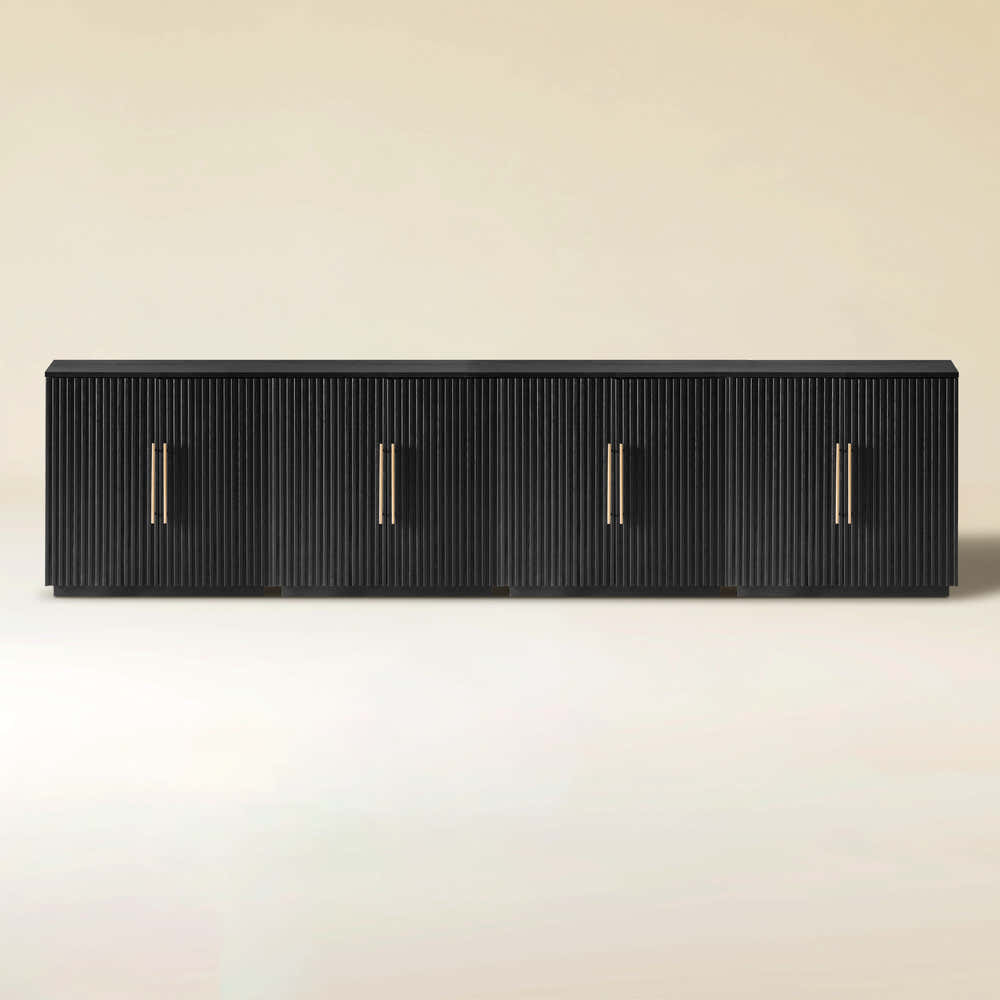


Holt 126″ Solid Oak Console(Set of 4)

FSC FCOC47059 . FSC is dedicated to the promotion of responsible forest management
worldwide. By selecting this product, you help take care of the woorld's forests

UL-certified for indoor drying environments not directly exposed to excessive moisture or water;
Use in the United States and Canada.

Certified to Dry ETL electrical standard: suitable for use indoors in dry locations not directly exposed to excessive moisture and water
Use in the United States

CE-certified drying equipment compliant with electrical standards: Suitable for indoor drying environments not directly exposed to excessive moisture or water;
Tested for use in Europe, the UK, and other regions.


The support center has answers to questions you may have. You can also contact customer service in the support center if you can't find what you're looking for.
Support Center >
At houlte, we are committed to delivering quality, style, and great value to our customers. Our goal is to simplify your shopping experience by providing competitive prices and exceptional service.

If an item you purchased from houlte goes on sale on our website within 30 days of your purchase date, you may request a price match. This policy ensures you always receive the best value when shopping with us.
Houlte reserves the right to interpret and adjust the terms of the Price Match Policy as necessary.
Houlte has partnered with Taskrabbit to make your everyday life at home easier by connecting you with flexible and affordable ways to get your to-do’s done including furniture assembly and mounting.

1. Purchase your furniture at Houlte.
2. Check your order Dispatched and Delivered email and click the
Houlte link. You will be redirected to Taskrabbit's landing page.
3. Post your task on Taskrabbit platform.
4. Pick the best tasker to assemble your furniture.
Houlte has partnered with Taskrabbit to make your everyday life at home easier by connecting you with flexible and affordable ways to get your to-do’s done including furniture assembly and mounting.
Taskrabbit Assembly is available in most metro areas in the US. The availability of Taskers varies based on demand. When placing an order on Taskrabbit, you will need to enter your zip code. If the service is not supported in your area, you will not be able to place an order.
You can book assembly for your Houlte furniture as early as the next day after your delivery, and up to 14 days in advance, giving you flexibility to choose a time that works best for you.

Ready to use out of the box; minimal installation may be required (e.g., handles).

Main structure is pre-built; minor components require attachment (e.g., legs).

Assembly required; multiple parts must be assembled before use.
Our furniture is built with a combination of core boards, real wood veneers, and selected solid wood parts. Each material is used for a different purpose—structure, surface appearance, or visible strength—so the final piece feels balanced in performance, finish, and cost.
Core boards form the internal foundation of the furniture. They provide structure, stability, and efficiency across large surfaces and cabinet bodies.

Stable structural board

Smooth and consistent

Functional internal board
Selected solid wood parts are used where visible strength, tactile quality, and structural integrity matter most—such as legs, frames, trim, and exposed support details.

Durable and classic

Light and versatile

Premium and elevated
A sliding sofa can quickly become a daily frustration. Whether your couch shifts every time someone sits down or your sectional slowly drifts apart after a few movie nights, the issue usually comes down to floor surface, furniture design, and everyday use.
The good news is that there are several simple and effective ways to stop sofa sliding. From rubber grippers to rug placement strategies, the right solution can help protect your floors, improve comfort, and keep your living room looking polished.
If you own a modular, reclining, or oversized design, choosing the right stabilization method is especially important. Sofas such as the Elara Arched 110" Modular Electric Recliner Sofa may benefit from a combination of anti-slip accessories and layout planning for best results.

Hardwood, tile, laminate, polished concrete, and vinyl floors often provide less traction than carpet. If your sofa has smooth wood, plastic, or metal legs, it can gradually move across the room with repeated use.
Lightweight sofas are naturally easier to shift, but modular sofas can also move over time because the seating is divided into separate sections rather than one fixed frame. Flexible layouts are great for adapting to different spaces, but they can also make alignment more difficult to maintain.
For example, a sofa like the Lyra Arched Modular Sectional Sofa (3-Seat) works beautifully in modern living rooms, but modular pieces often benefit from extra stabilization to keep sections neatly in place.

Without anything between the sofa legs and the floor, movement can lead to scratches, scuffs, and less grip. Bare sofa feet may look clean and minimal, but they do little to prevent sliding on slick surfaces.
Kids jumping onto the sofa, pets running through the living room, regular vacuuming, or simply sitting down with force can all contribute to gradual sofa movement. Over time, even small shifts can make your room feel less tidy and your seating less secure.
Rubber grippers are one of the easiest and most affordable fixes. They add friction between your sofa legs and the floor, helping reduce unwanted movement. They work especially well on hardwood, tile, laminate, and vinyl surfaces.
Choose dense rubber pads rather than felt-only pads if grip is your main priority. Felt can help prevent scratches, but it may not provide enough traction on smoother floors.
Furniture cups create a stable base under each sofa leg and can be especially effective for larger or heavier sofas. They also help distribute weight more evenly and reduce pressure marks on flooring.
This can be a smart option for statement pieces like the Alpine Modular Sectional Sofa (3-Seat), where maintaining a grounded and balanced look is part of the overall living room design.

If your sofa tends to shift on a rug or against a wall, heavy-duty Velcro strips or removable double-sided anti-slip tape may help. These options can provide extra hold, but they should be used carefully to avoid damaging delicate flooring or finishes.
Always test a small hidden area first before applying any adhesive-based solution.
If your modular sofa sections separate from one another, sectional connectors are often the most effective solution. These hardware pieces attach underneath adjoining sections to keep them aligned and help the sofa feel more like one cohesive unit.
This is particularly useful in open-plan homes or busy family spaces where movement happens more often.
Non-slip mats can be cut to size and placed under sofa feet for a quick, low-cost fix. Shelf liners with a grippy rubber texture can also work well, especially if you want a temporary solution that does not involve adhesives.
A well-placed area rug can add both style and stability to your living room. However, a rug alone may still slide if it does not have a proper rug pad underneath it. The combination of a rug and rug pad can create additional friction that helps hold your sofa in place.
For best results, choose a rug large enough to support the sofa footprint while also anchoring the seating area visually.
One of the simplest ways to reduce sofa movement is to place at least the front legs of the sofa on the rug. If possible, placing the entire sofa on a large rug creates even better stability and gives the room a more cohesive, designer-finished look.
This approach also works well with more compact silhouettes like the Muse Waterfall Sofa (2-Seat), which pairs beautifully with layered living room textures and can be easily anchored with the right rug setup.

If you are selecting a new sofa, stability can be improved by looking for features such as a heavier frame, a wider base, balanced proportions, and thoughtful modular construction. The right design can make daily use feel more secure while helping your living room stay neat and comfortable.
As smart living continues to evolve, homeowners are increasingly thinking about furniture performance in addition to style. While sofa stabilization is still mostly solved through physical accessories, sensor-based technologies may eventually help detect movement, imbalance, or repeated shifting in high-use areas.
Looking ahead, powered seating and modular furniture may continue to integrate more intelligent systems for convenience and safety. While not yet a standard feature in most homes, future furniture technology may include smarter motion control and more advanced stabilization support.
If sustainability matters to you, look for anti-slip accessories made from materials such as natural rubber, cork, or recycled felt. These options can help improve traction while supporting a more mindful approach to home design.
You can also create simple DIY anti-slip solutions by cutting leftover non-slip matting, repurposing cork material, or using durable rubber-backed padding under sofa legs. These methods can be especially useful for renters or for anyone who wants a quick fix using materials already at home.
You can place rubber grippers, furniture pads, furniture cups, castor cups, or non-slip mats under your sofa legs. If the sofa sits on a rug, adding a rug pad underneath can also help improve stability.
Clean both the sofa feet and the floor before applying grippers. Make sure each contact point has the correct size pad, and replace worn grippers over time to maintain traction.
Yes. Shelf liner, cork pads, repurposed rubber material, and custom-cut non-slip matting can all work as simple DIY solutions. Just make sure the material is safe for your floor type.
Smart home technology may support furniture stability in the future through better motion sensing, monitoring, and integrated control systems. While most current solutions are physical rather than digital, innovation in home furnishings continues to move in that direction.
Eco-friendly options include natural rubber pads, cork-based grippers, recycled felt protectors, and reusable non-slip liners. These materials can help stabilize your sofa while supporting a more sustainable home setup.
Keeping your sofa from sliding is a simple way to improve comfort, protect your floors, and make your space feel more polished. The best approach depends on your floor type, sofa design, and daily routine, but even small adjustments can make a noticeable difference.
Whether you prefer a compact profile, a modular sectional, or a reclining design, the right anti-slip solution can help your sofa stay exactly where it belongs.
Share:
How High Is a Bathroom Vanity? Standard Height Guide + Best Houlte Picks
The Ultimate Guide to Measuring Your Sofa