


















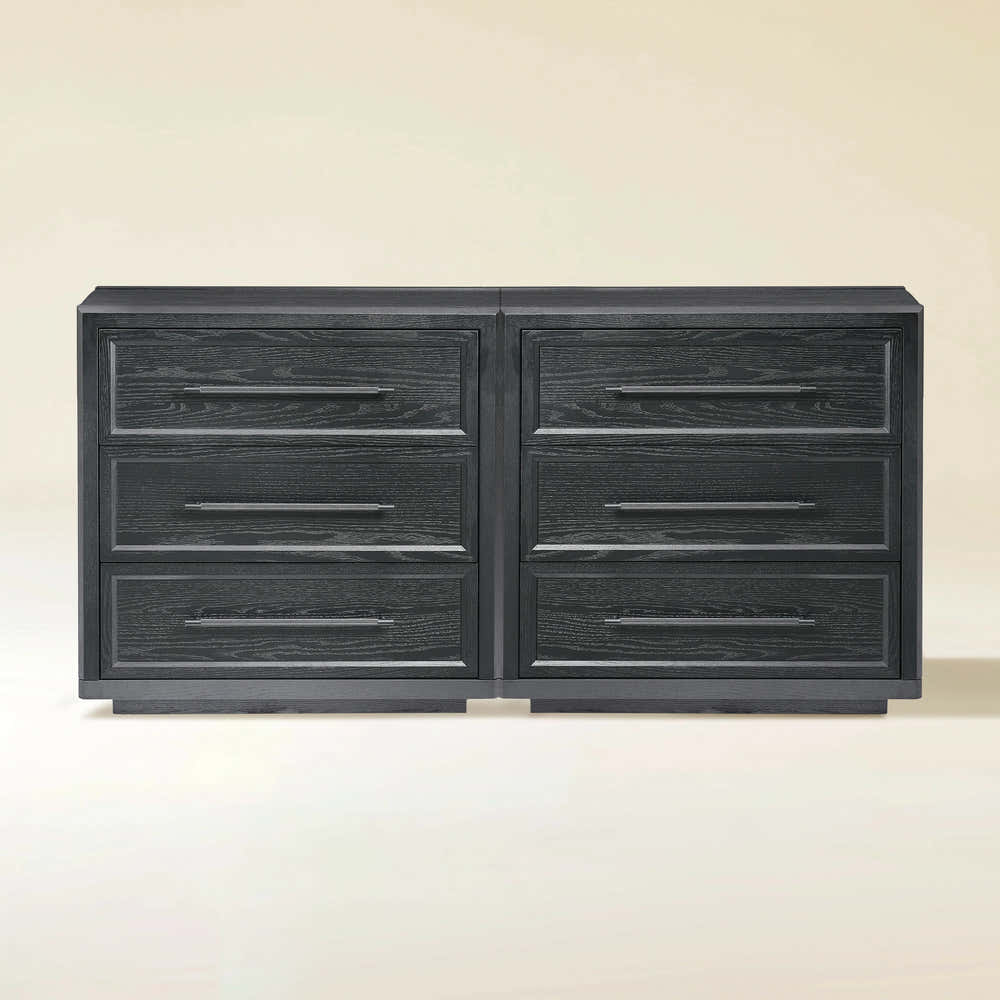


Alvar 61″ Oak 6-Drawer Chest(Set of 2)

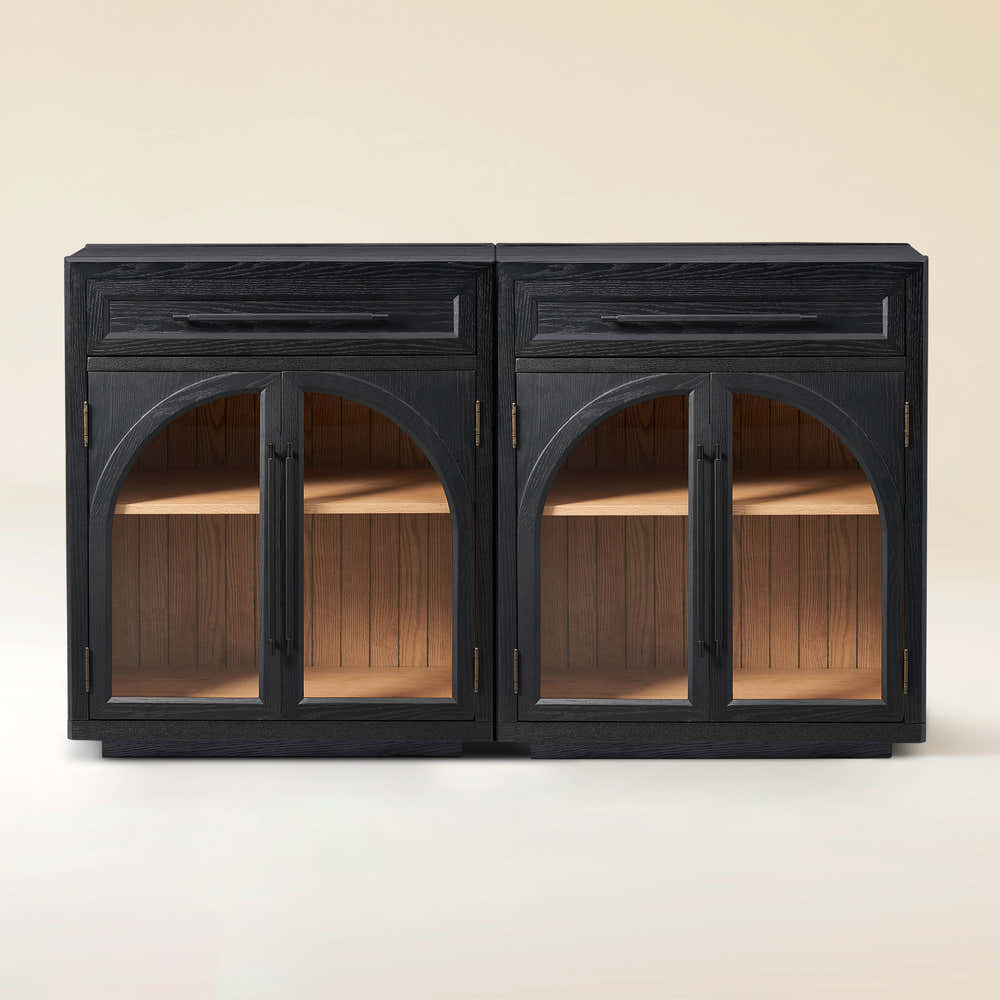


Alvar Arched 61" Oak Sideboard with Drawers(Set of 2)
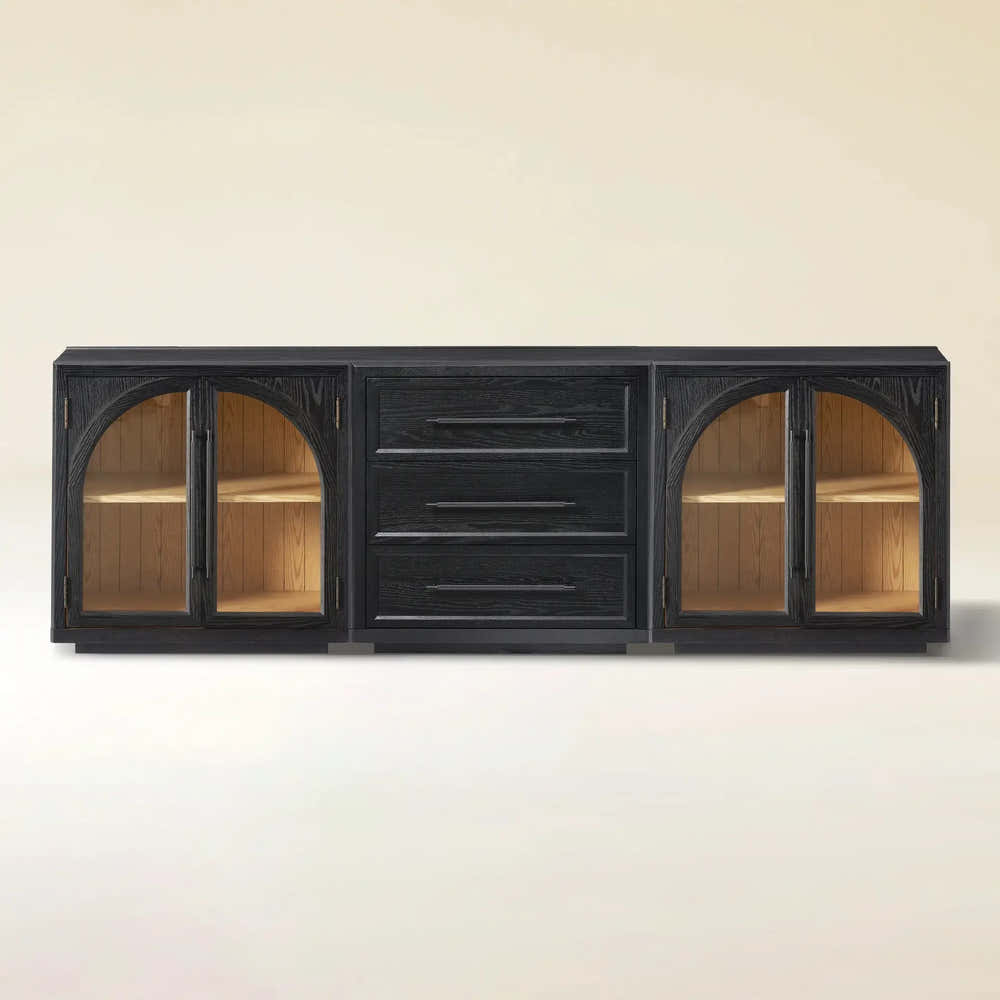


Alvar Arched 91″ Oak Modular Media Console(Set of 3)
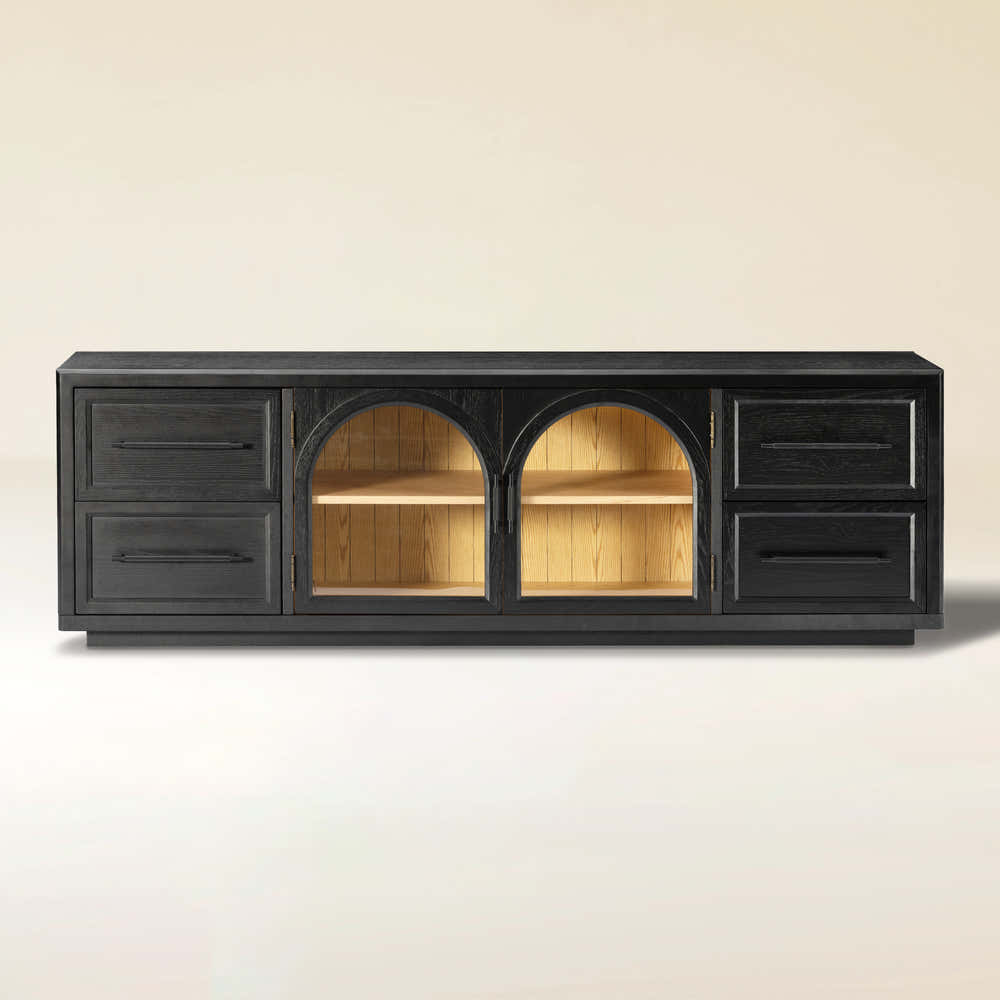
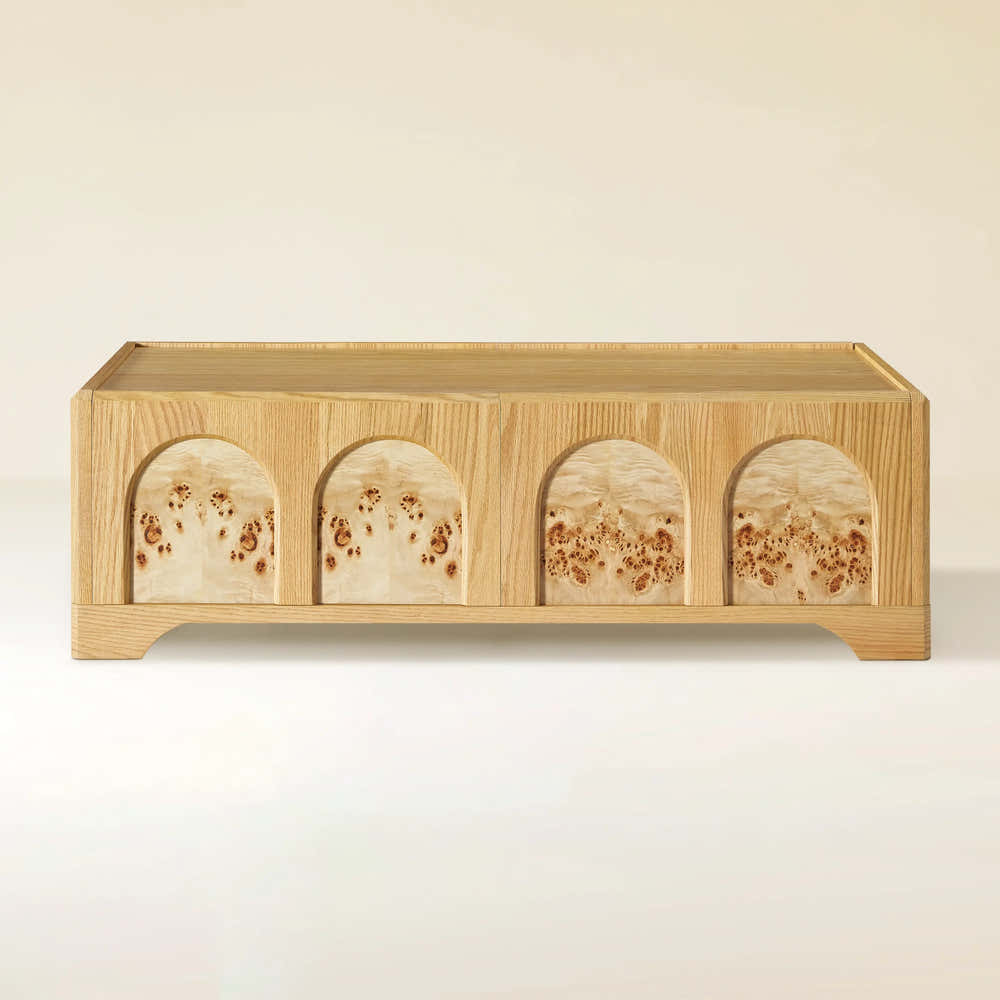
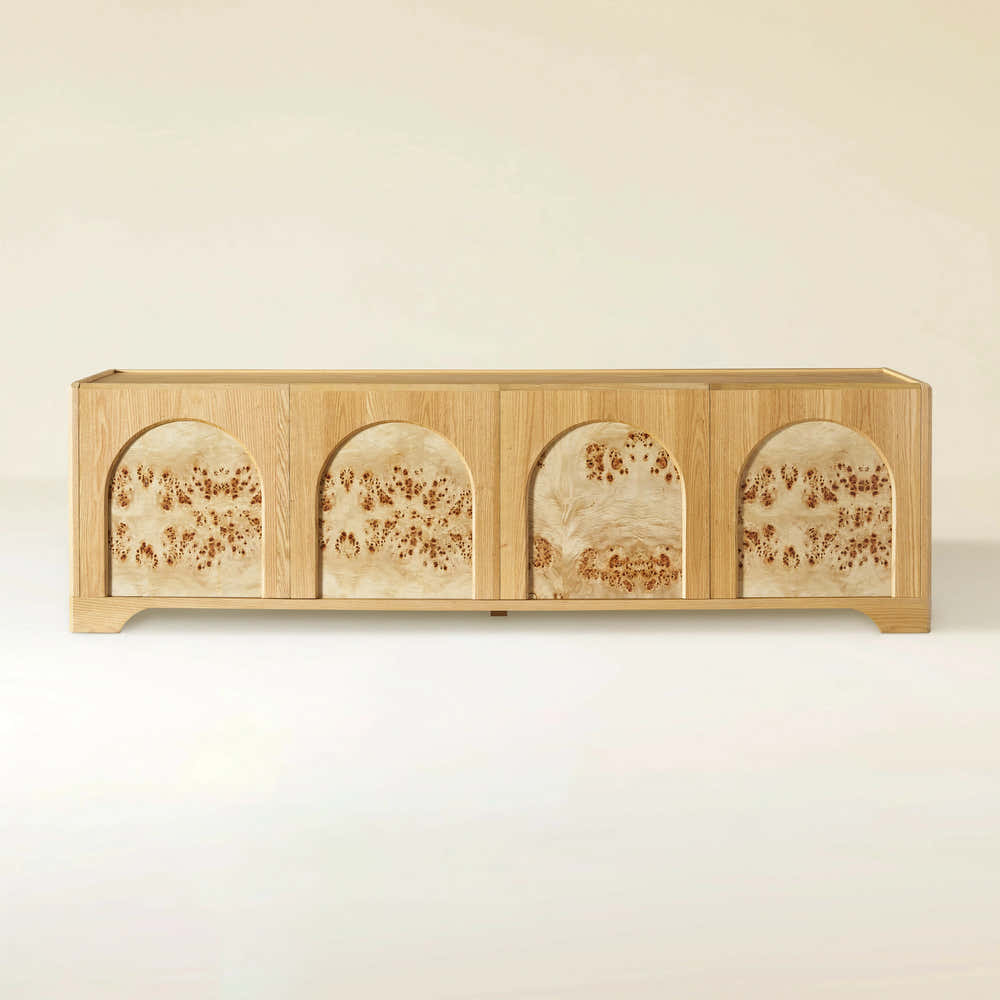
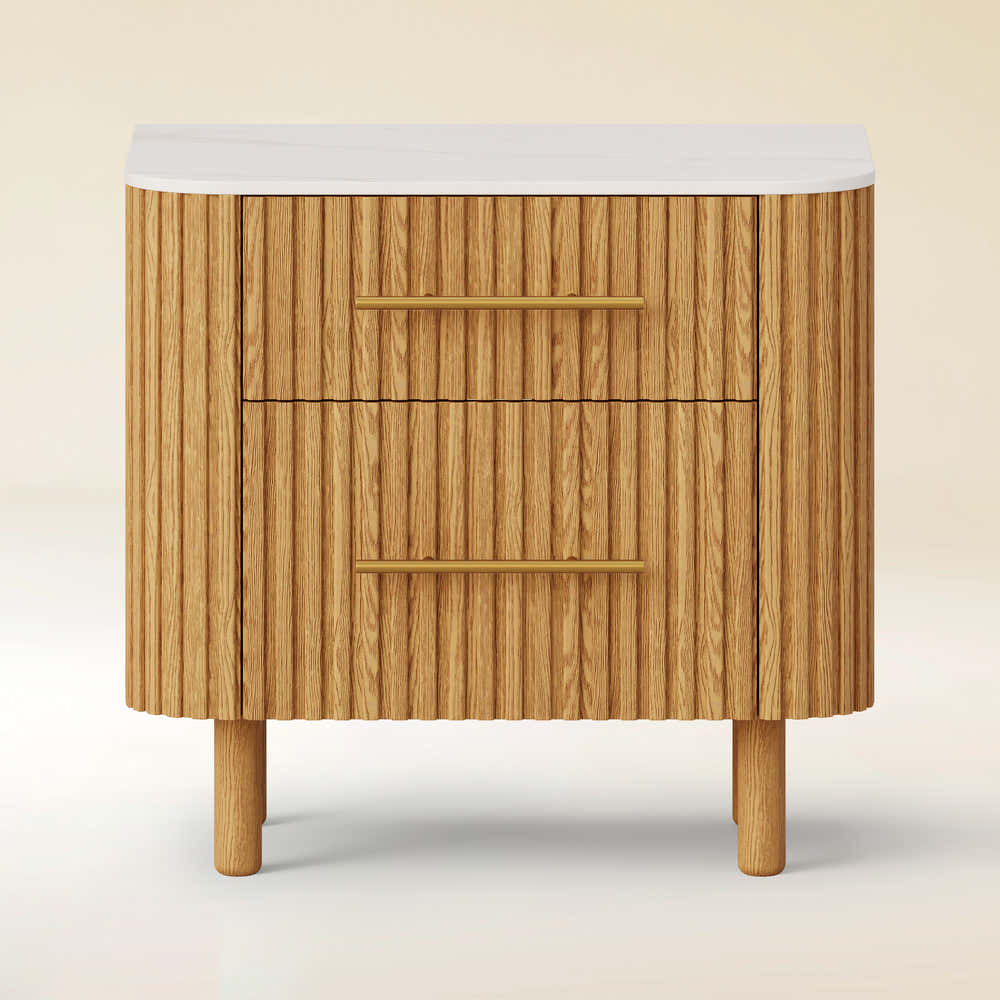
Charlie Sintered Stone Nightstand 26" W
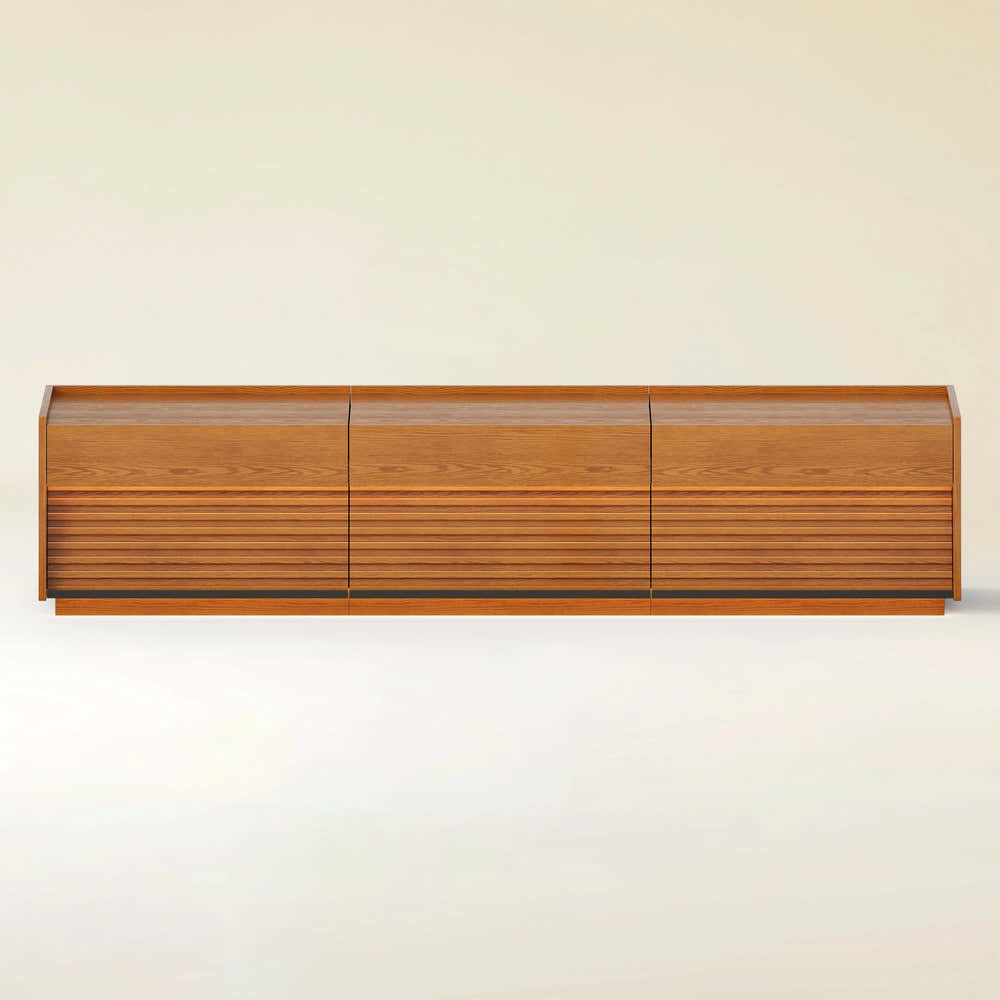
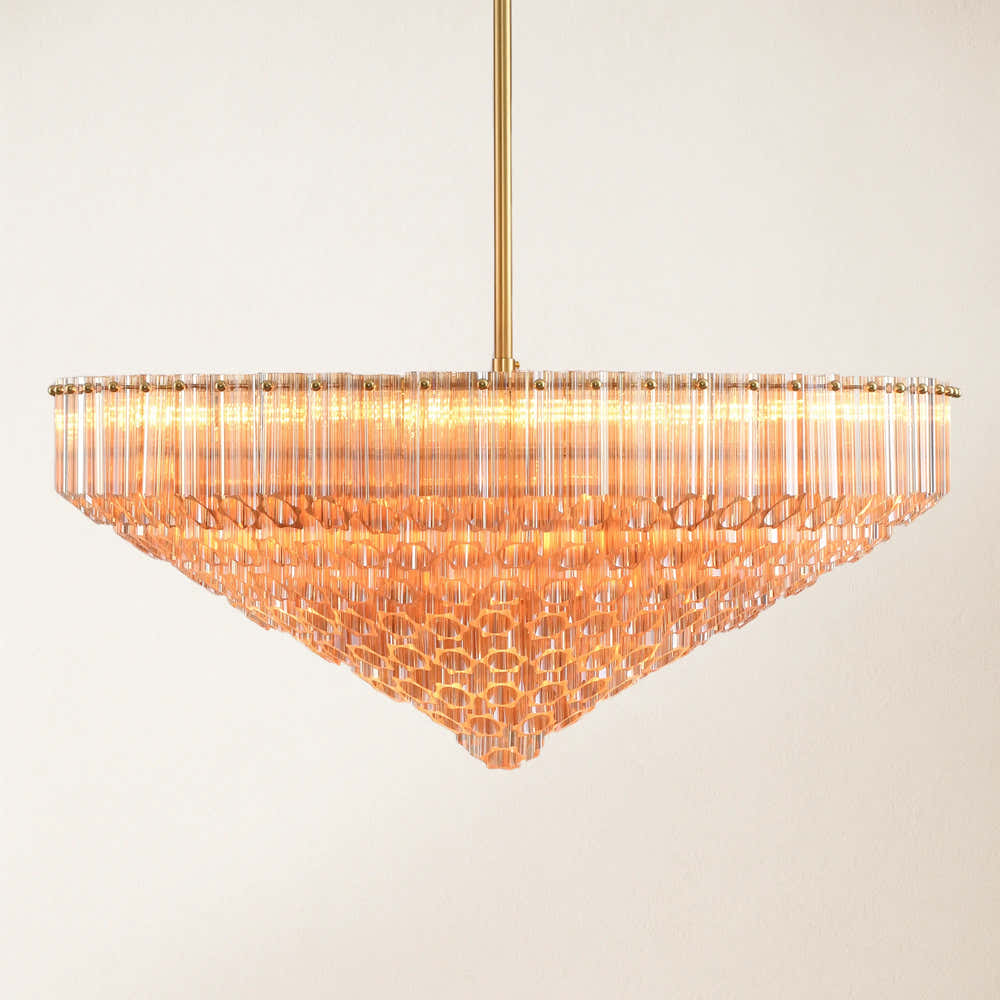


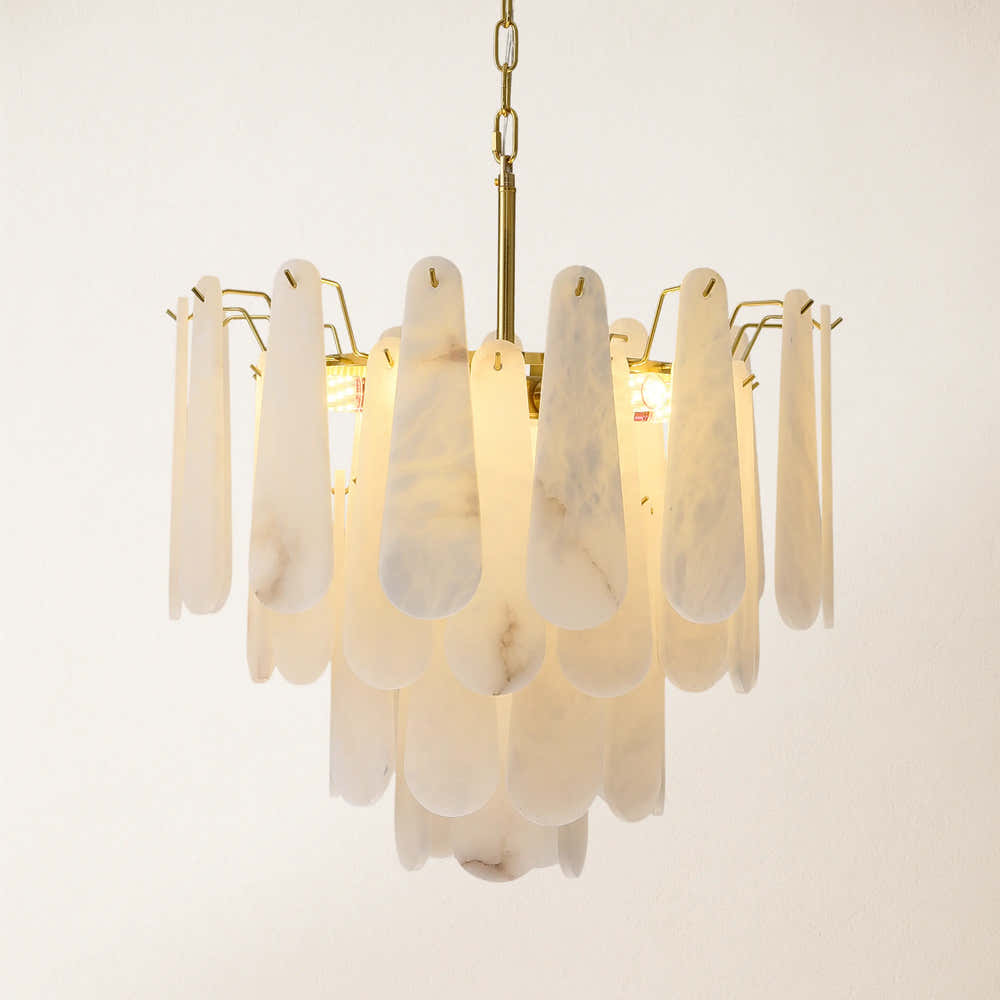
Ethereal Crystal Radiance Round Chandelier 30"D


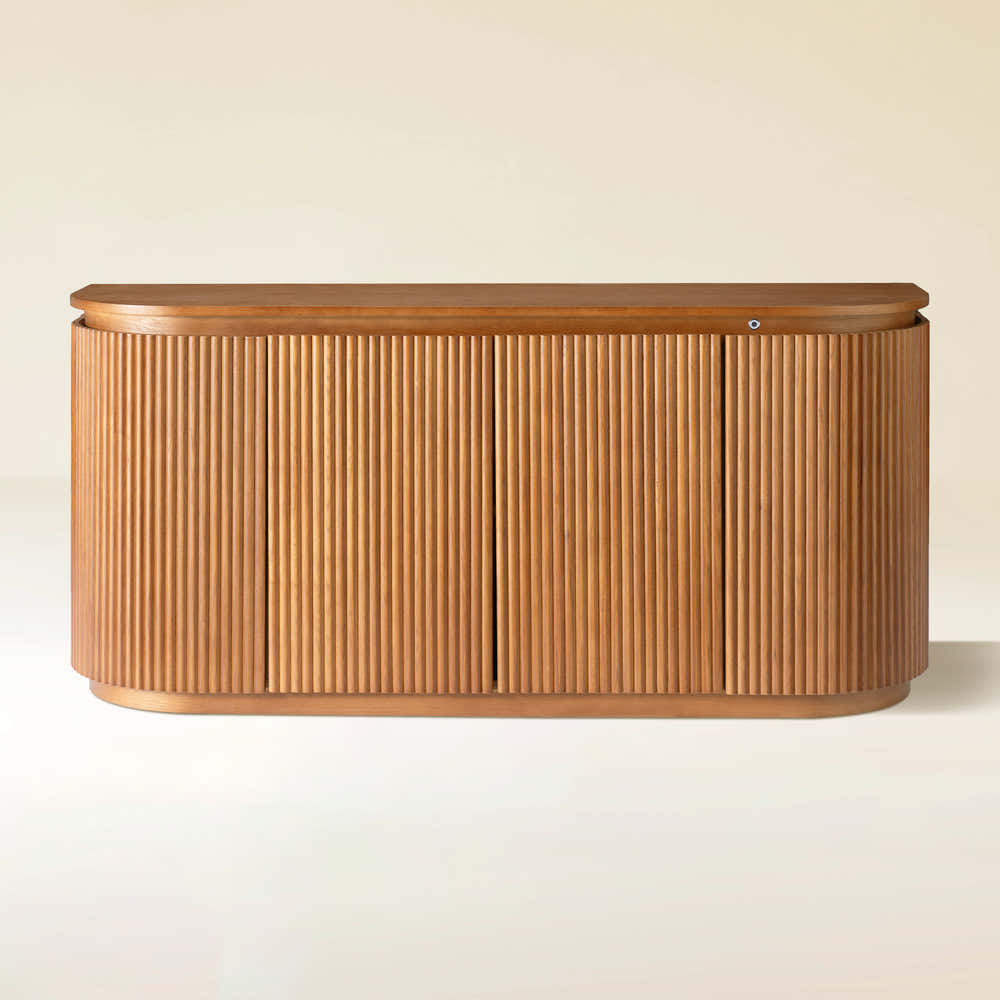
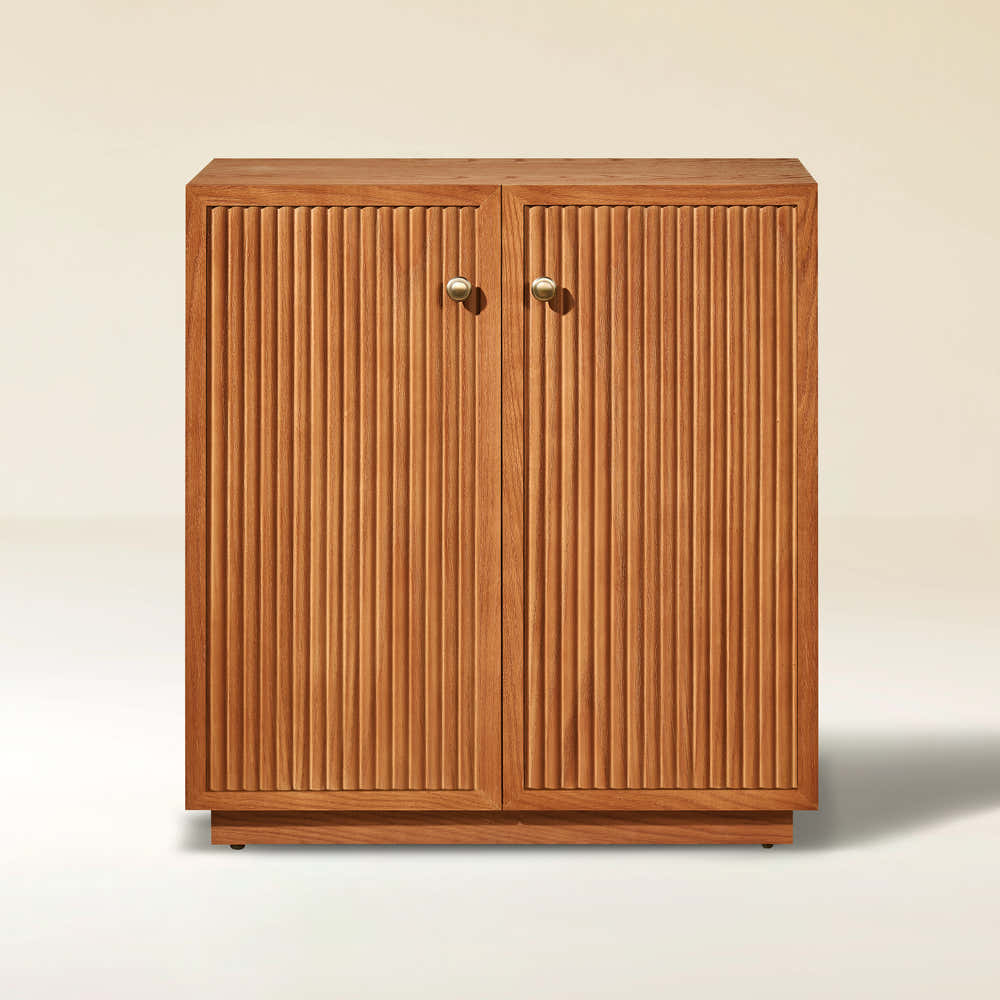
Ewan 63" Oak Slatted Sideboard Buffet Cabinet
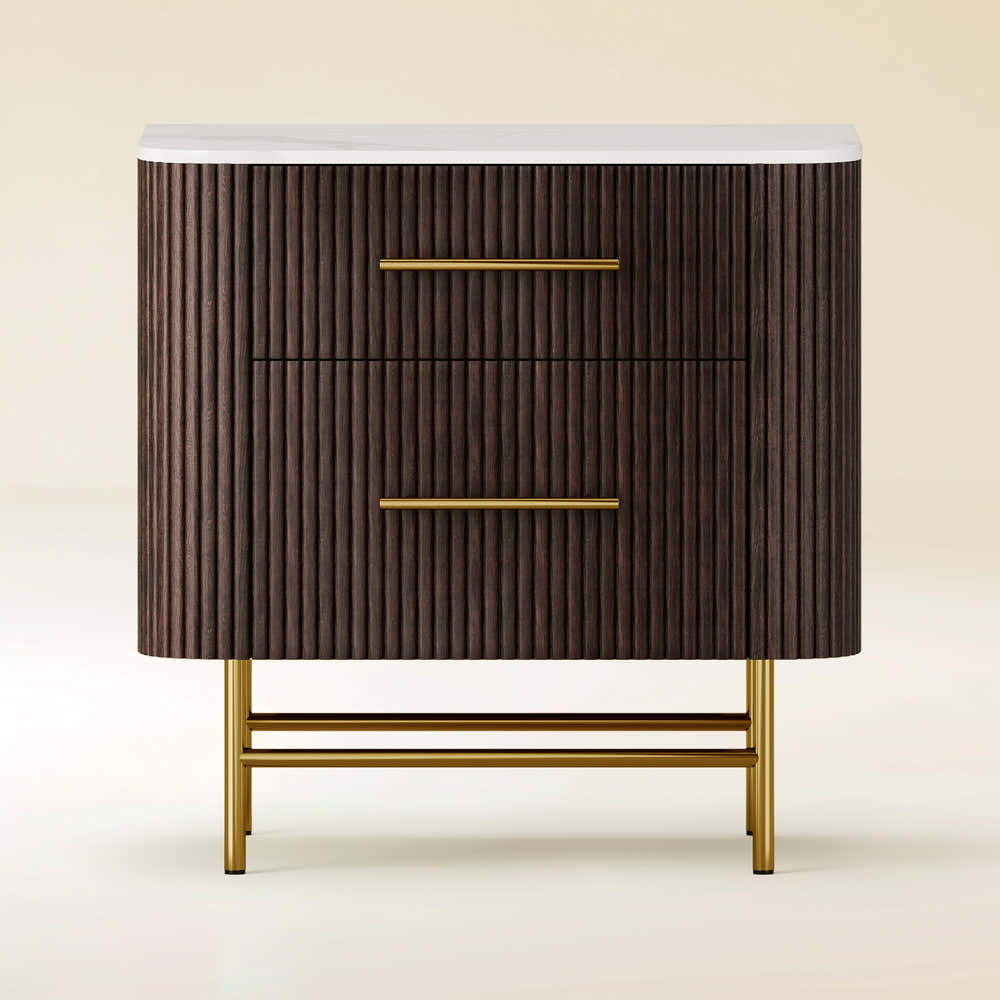


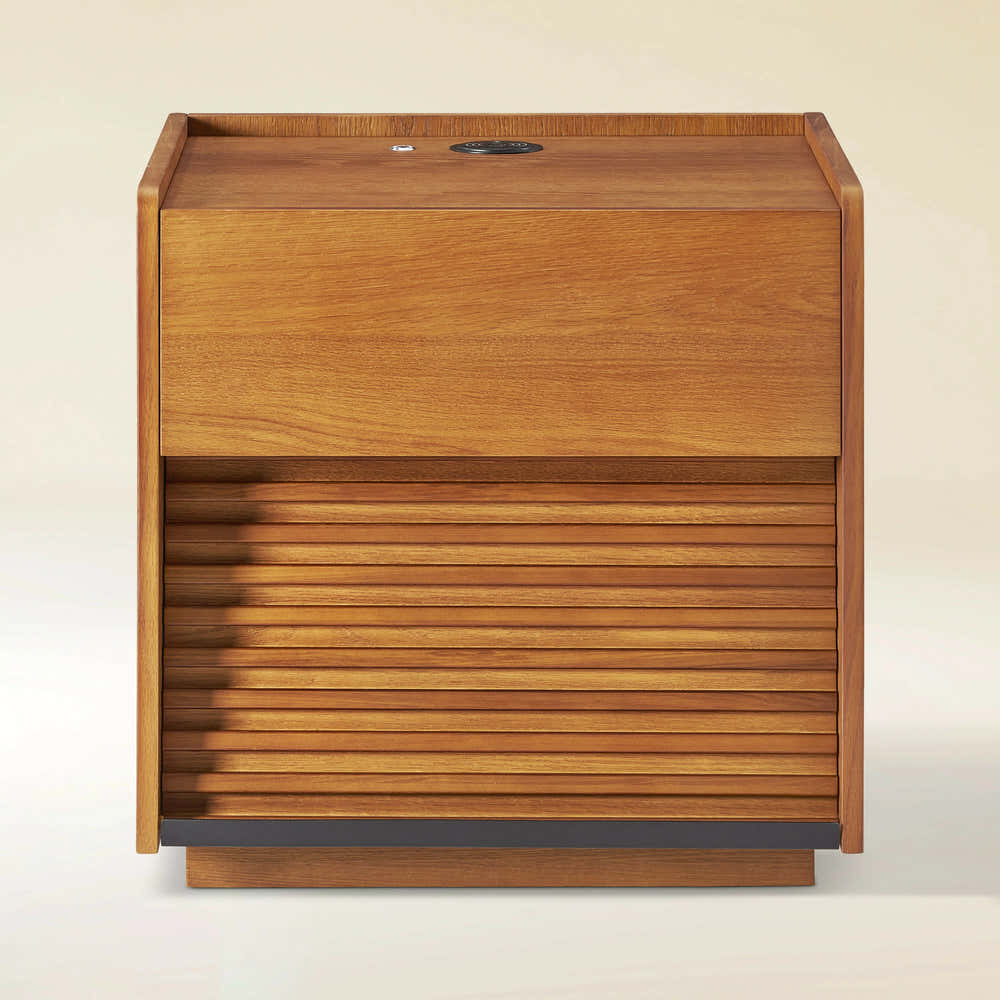
Ewan Sintered Stone Nightstand 26"W
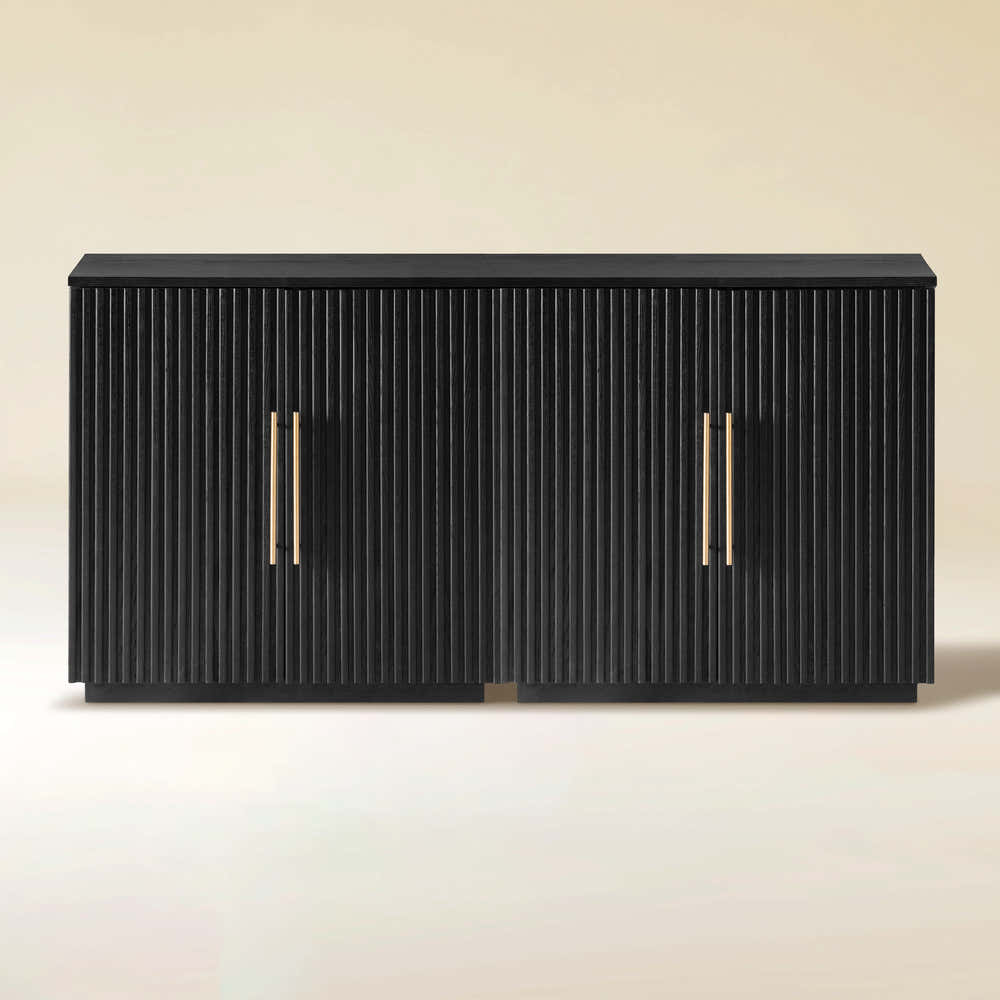


Holt 63″ Solid Oak Console(Set of 2)
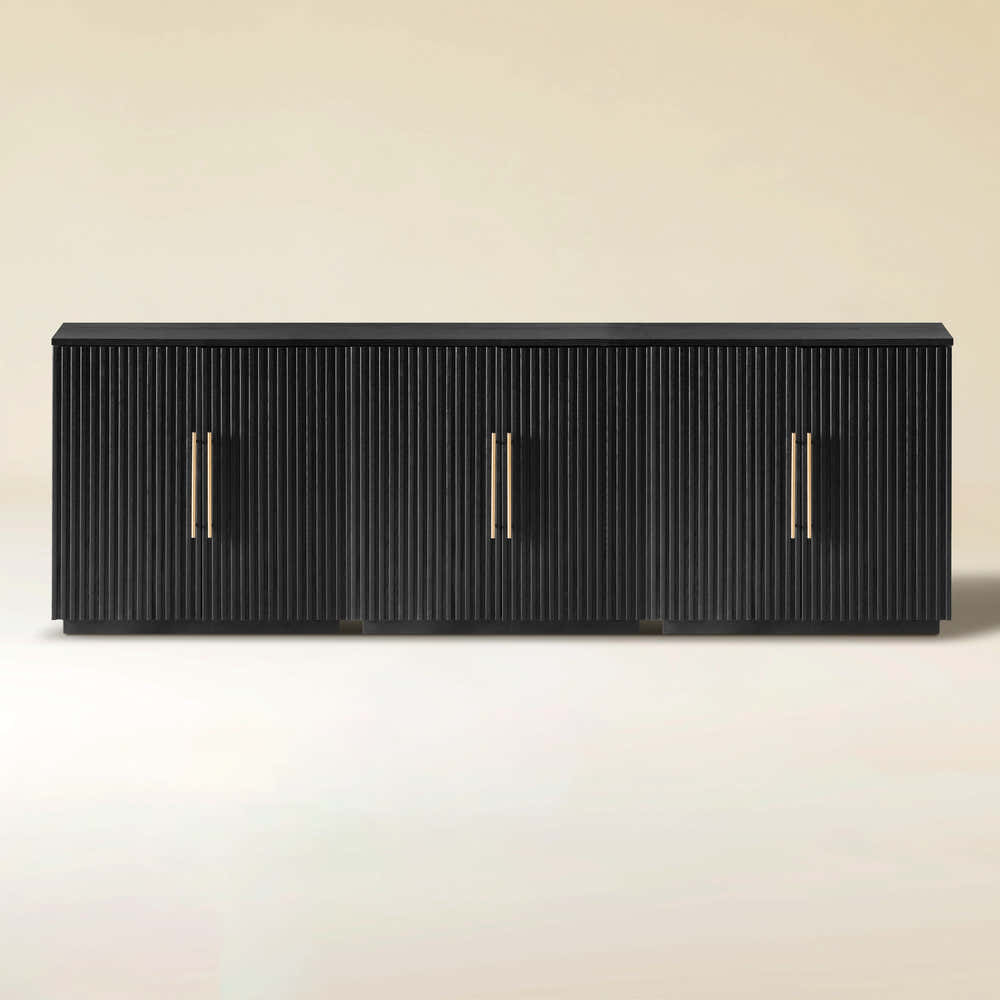


Holt 95″ Solid Oak Console(Set of 3)
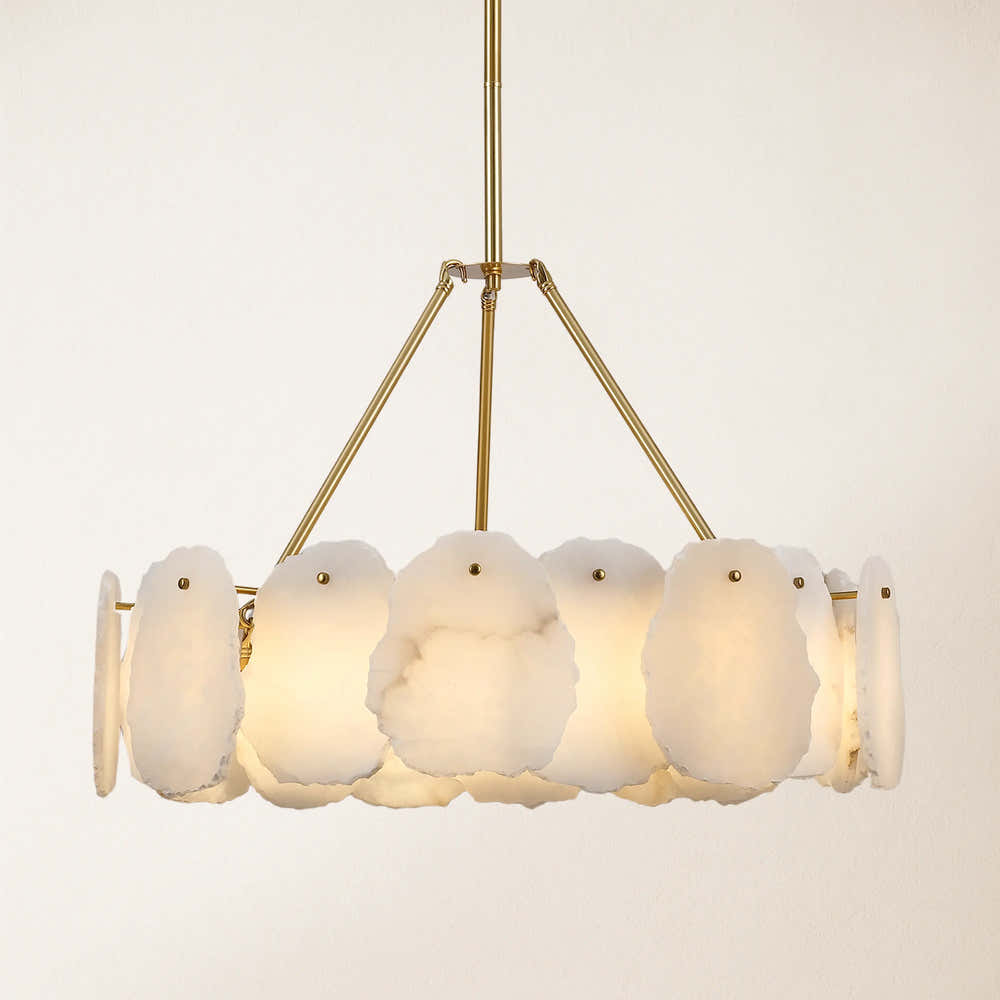


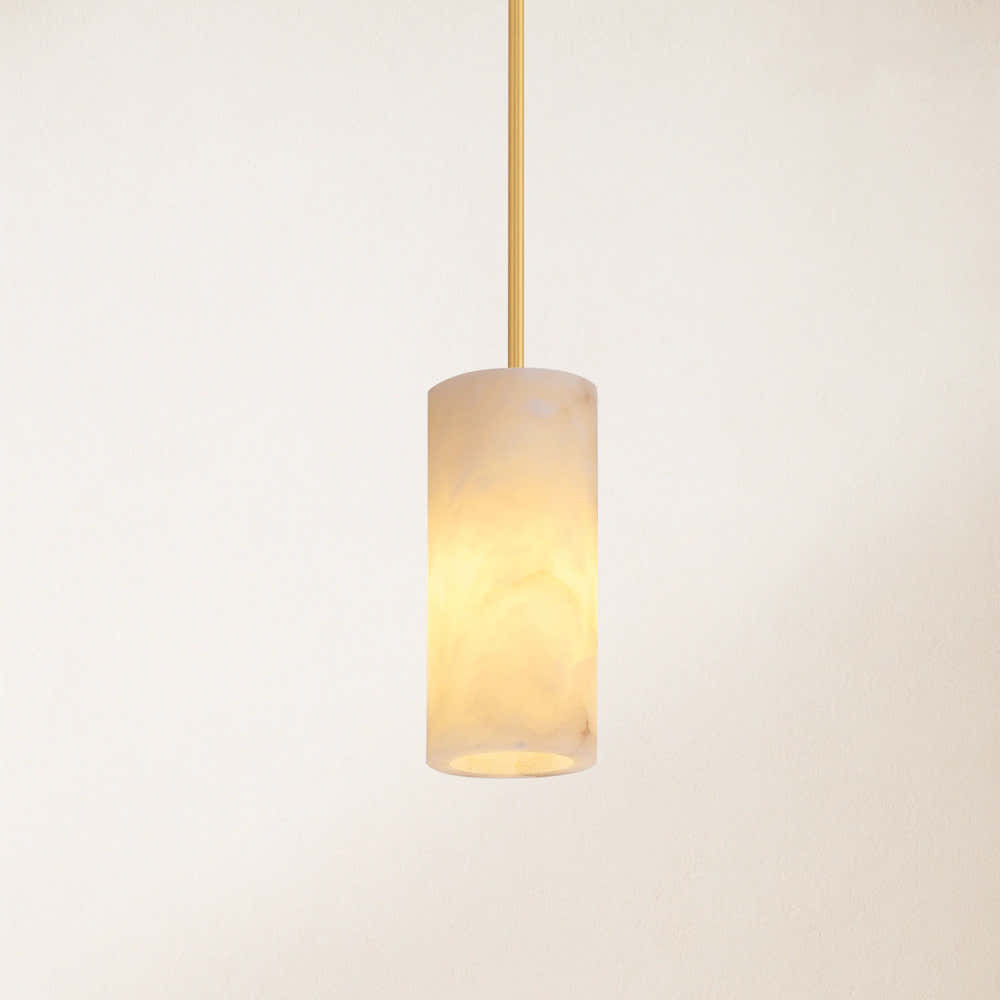
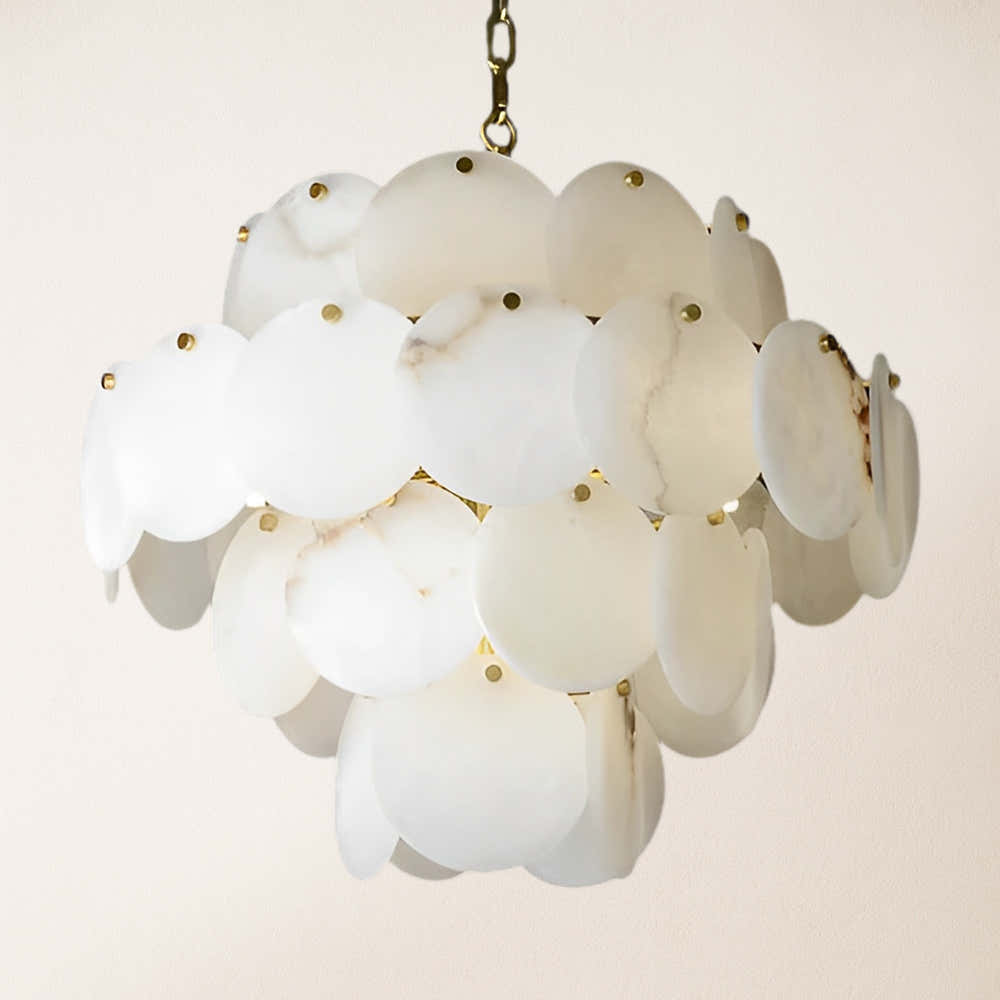
Moira Alabaster Round Chandelier 24"D
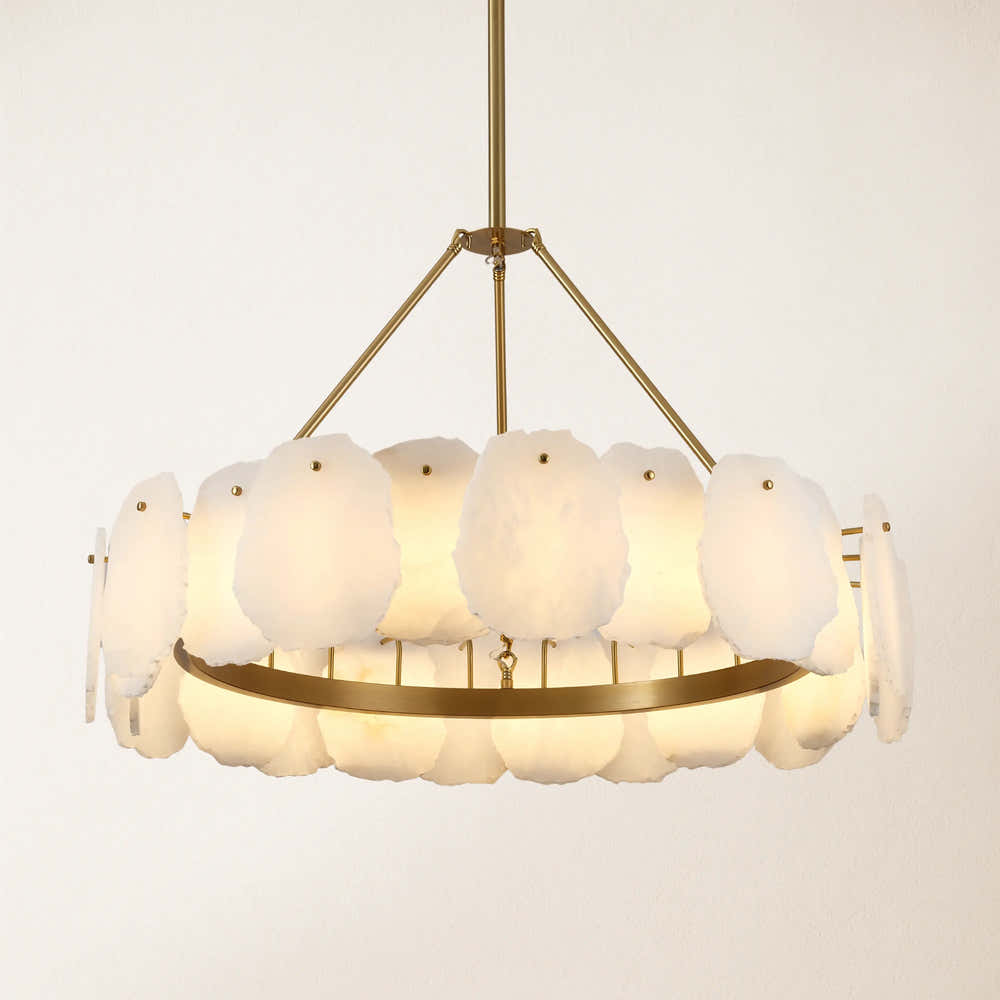


Moira Alabaster Round Chandelier 32"D
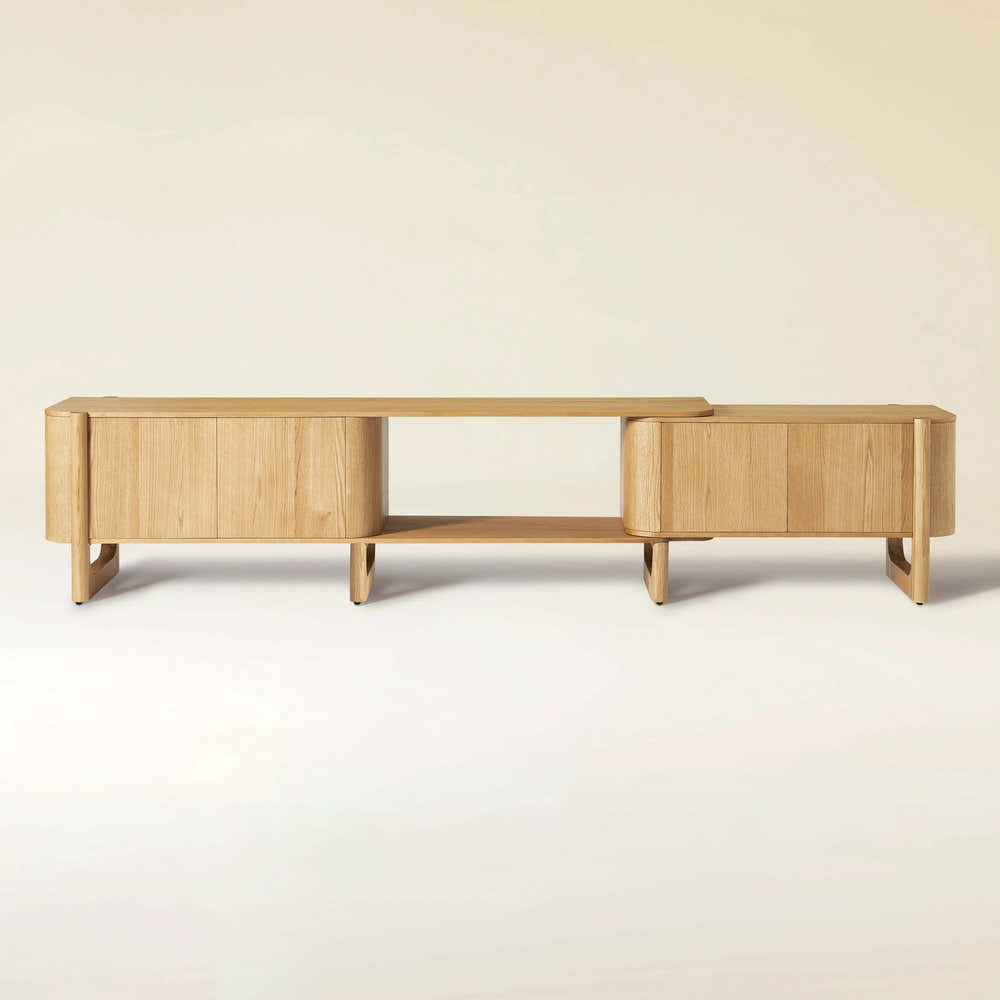
Silas Extendable TV Stand 203cm to 280cm

Stellara Crystal Strip Round Chandelier 24"D
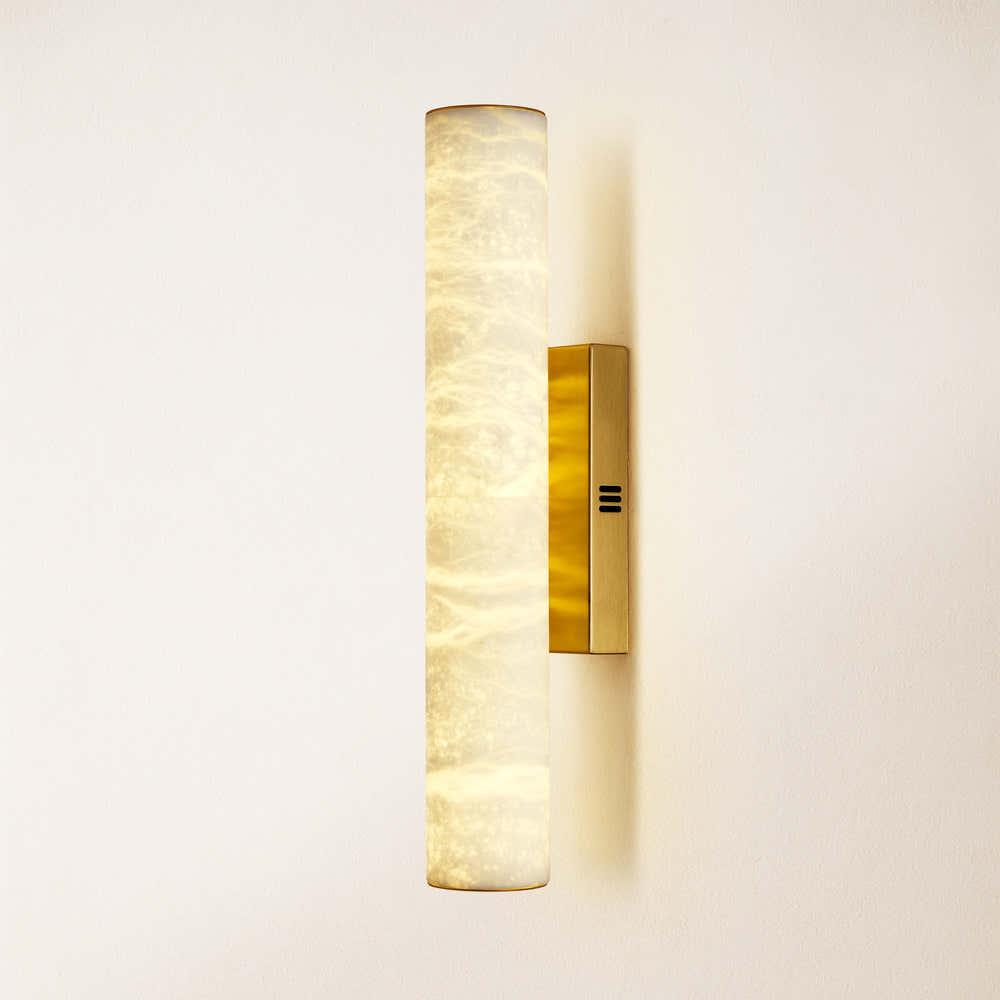


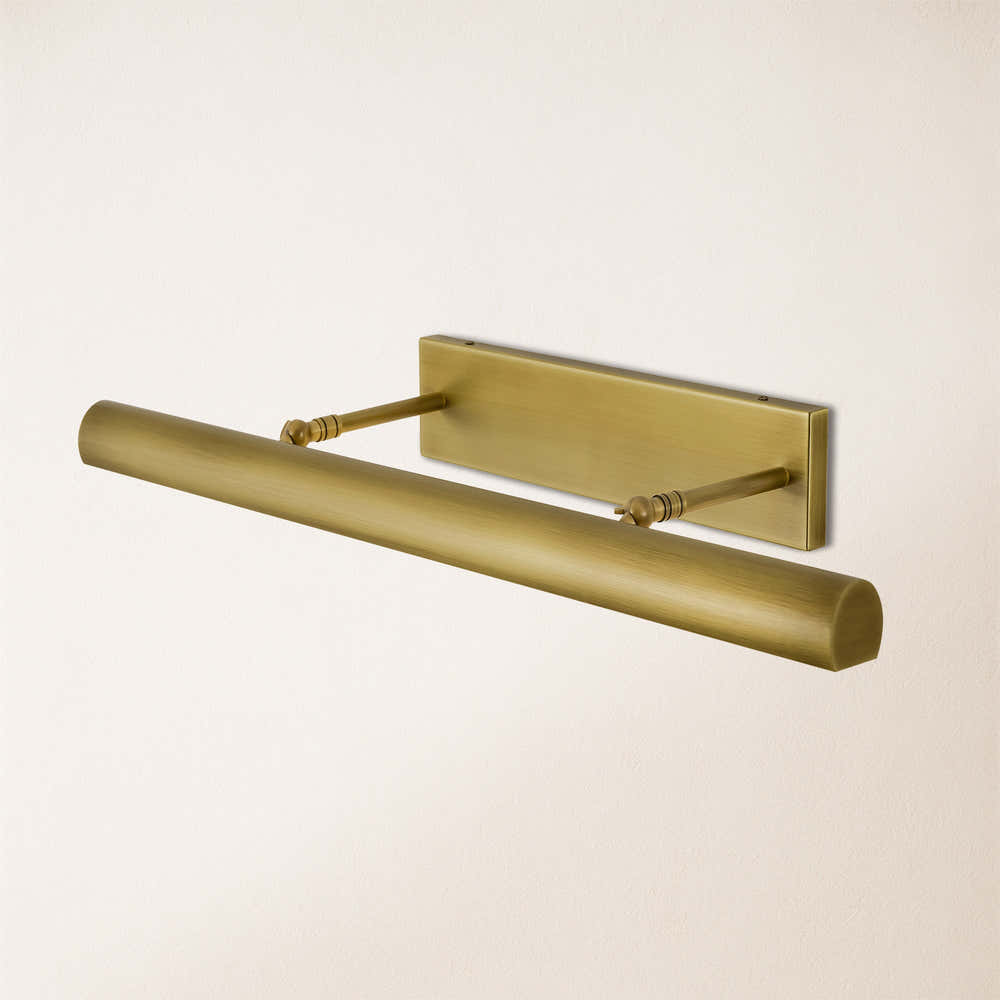
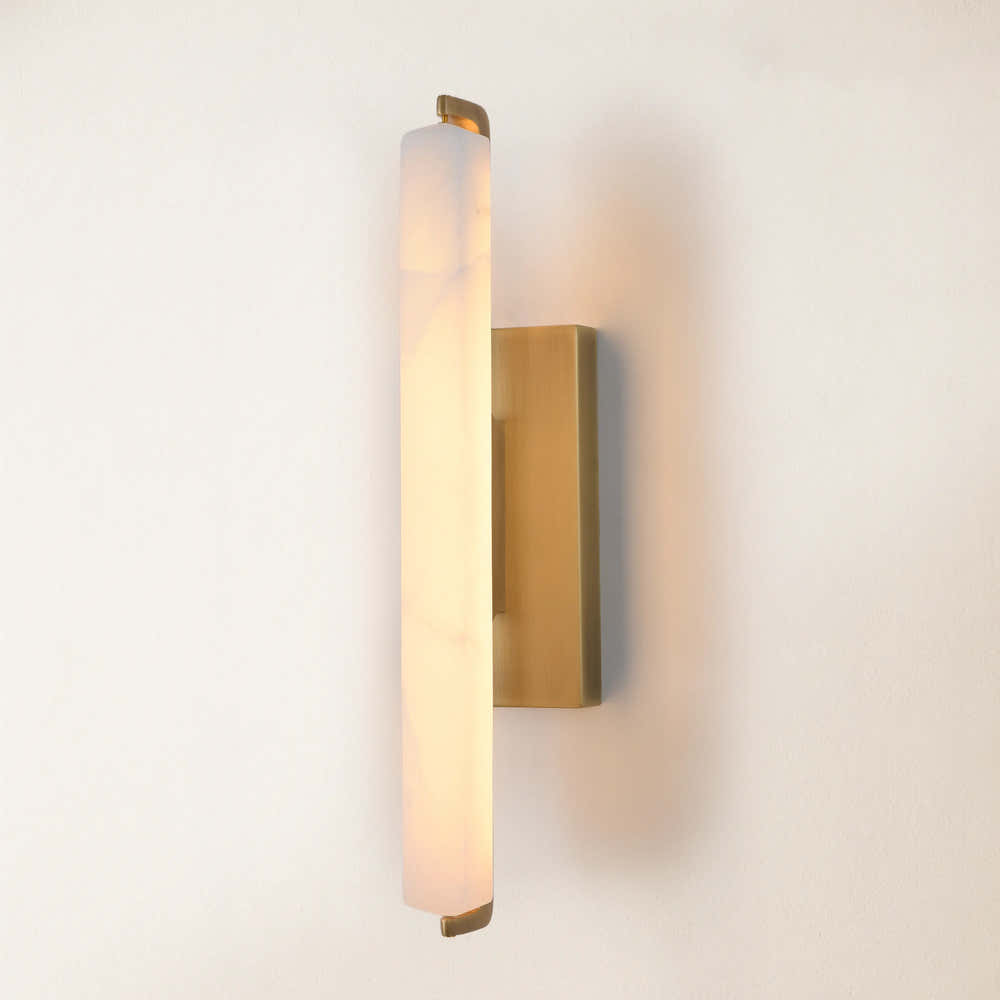
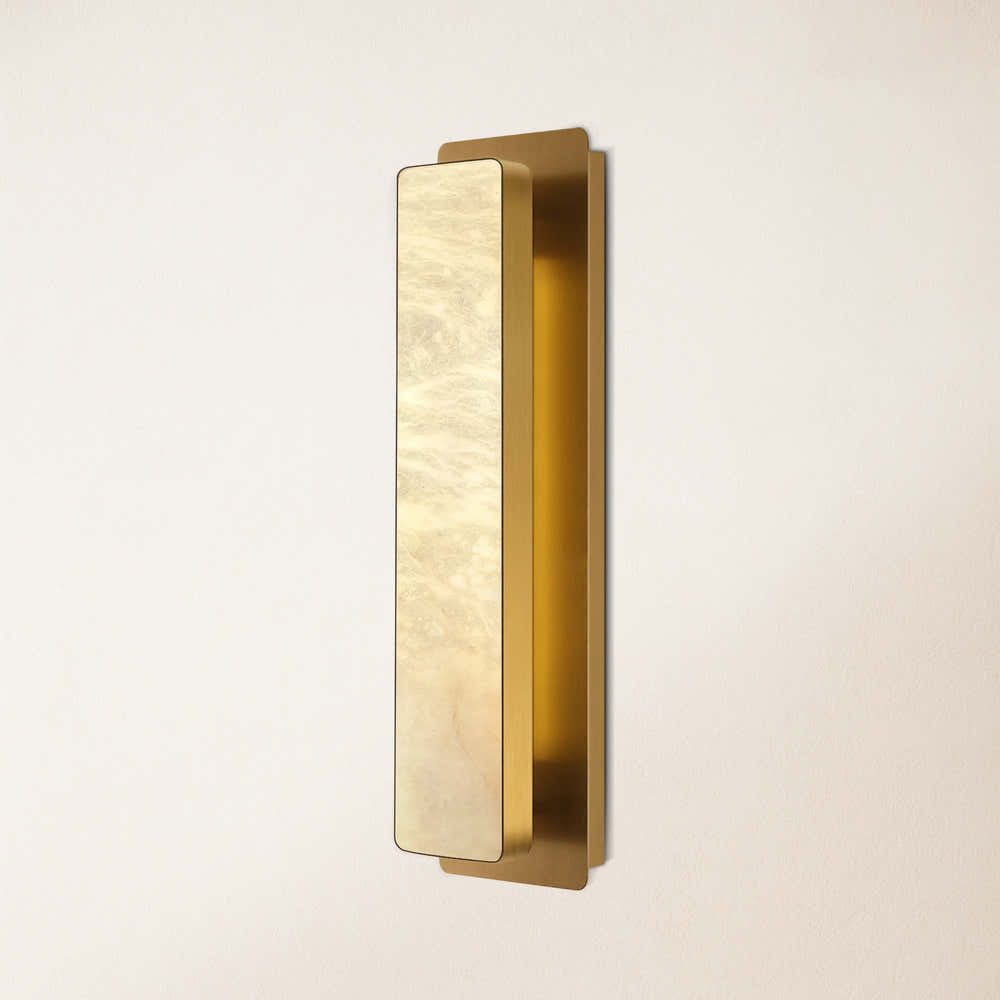
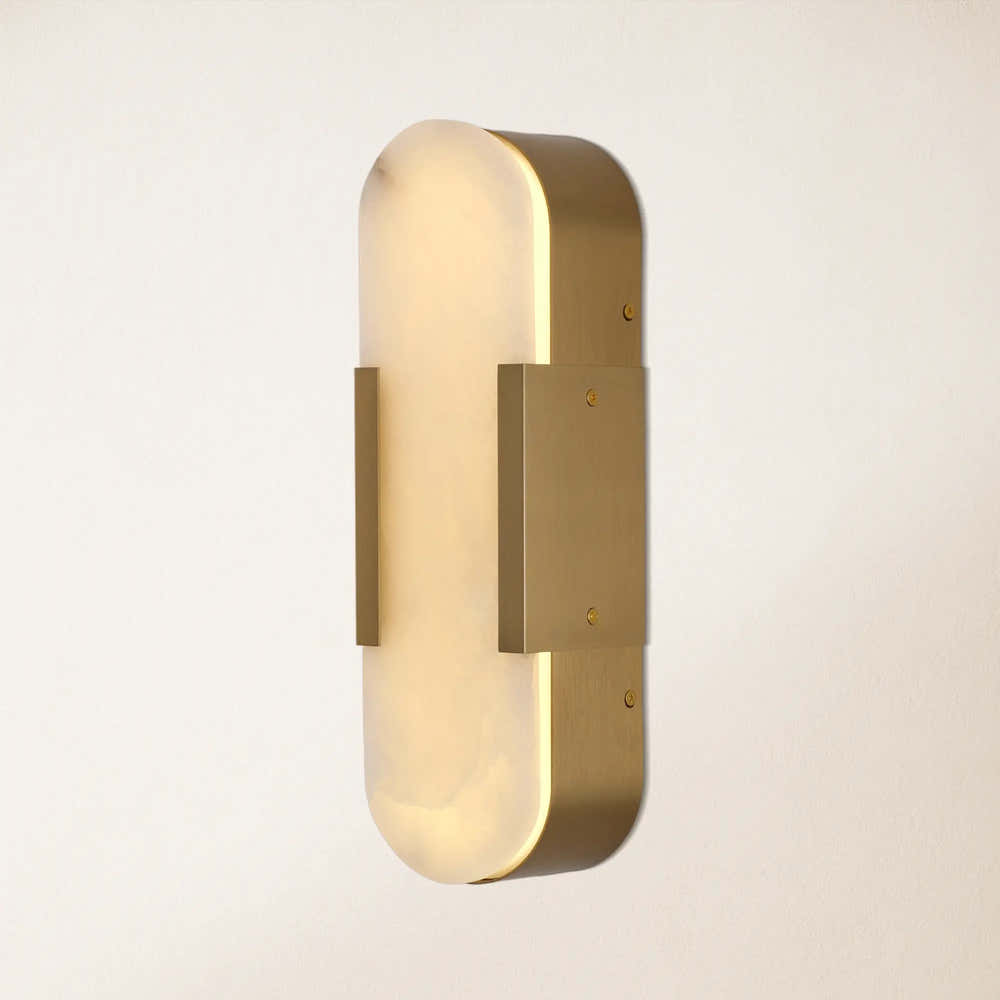
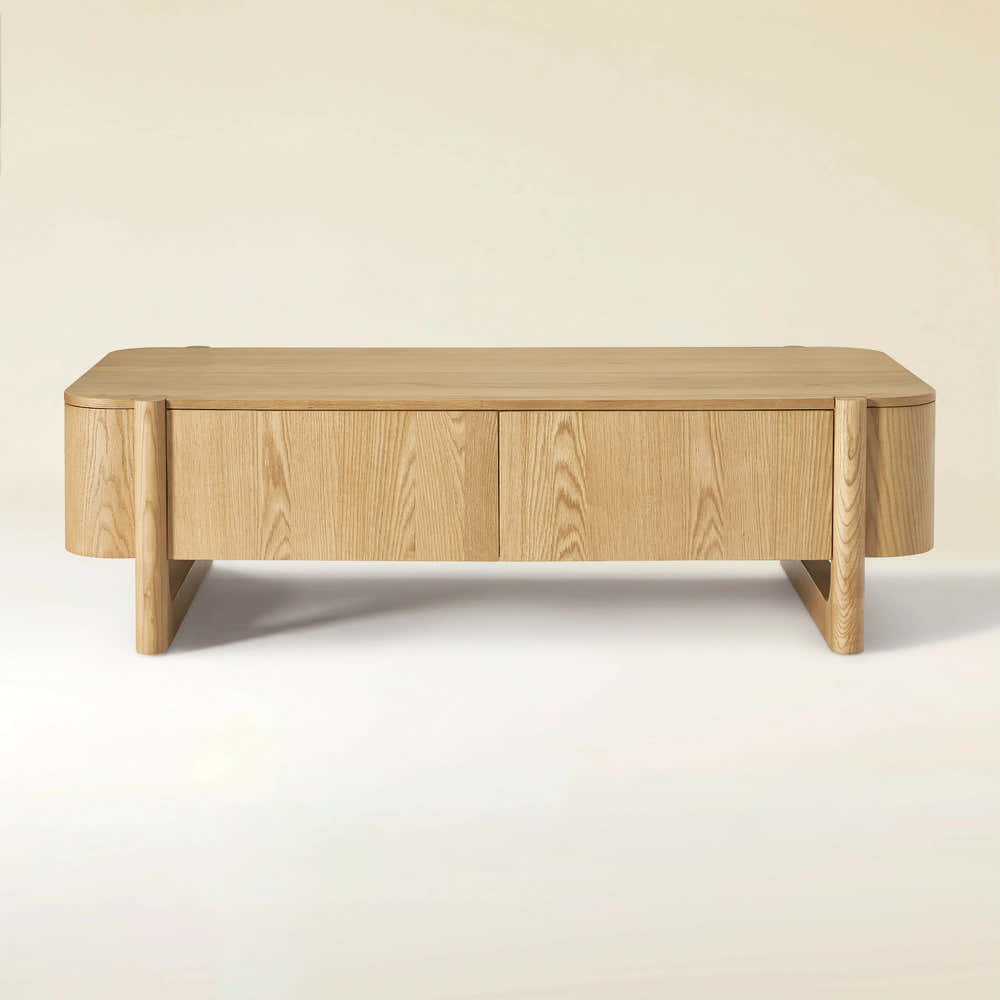
Sylvia Palladian Alabaster Wall Sconce 20"H
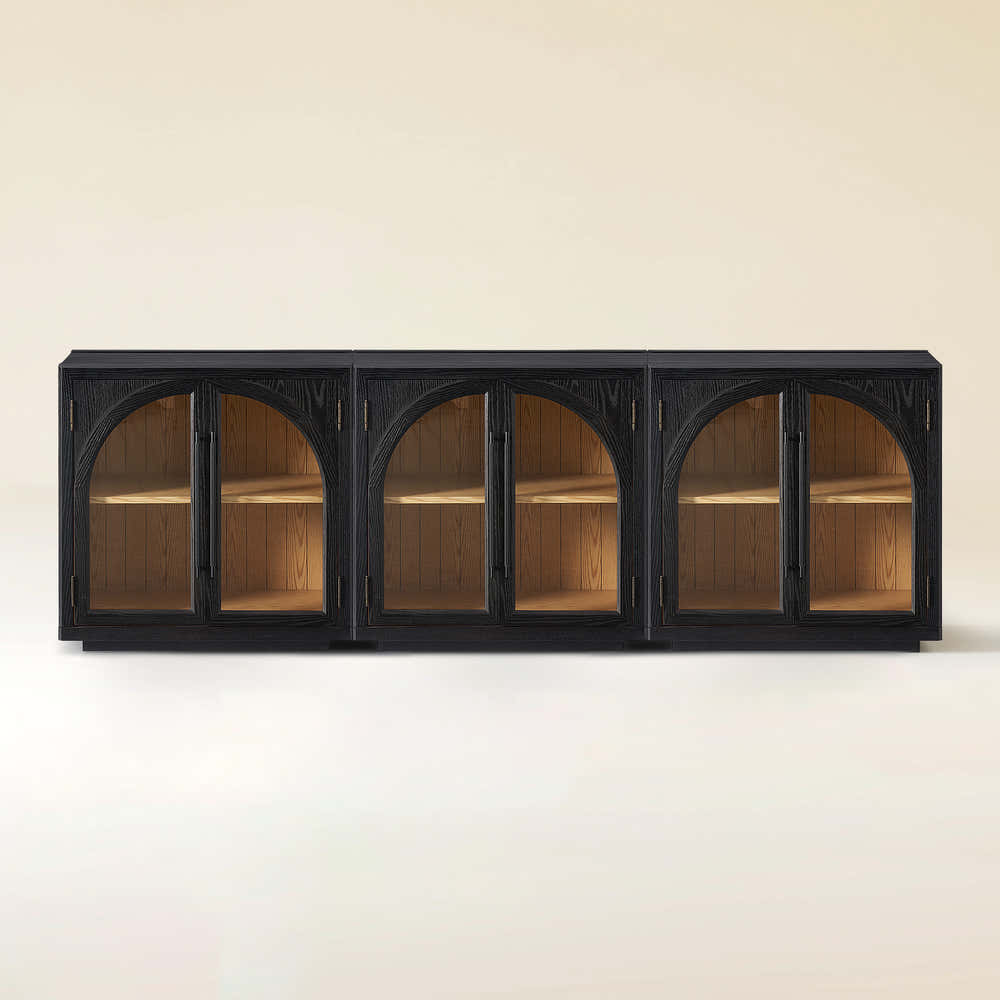


Alvar Arched 91″ Oak Media Console(Set of 3)
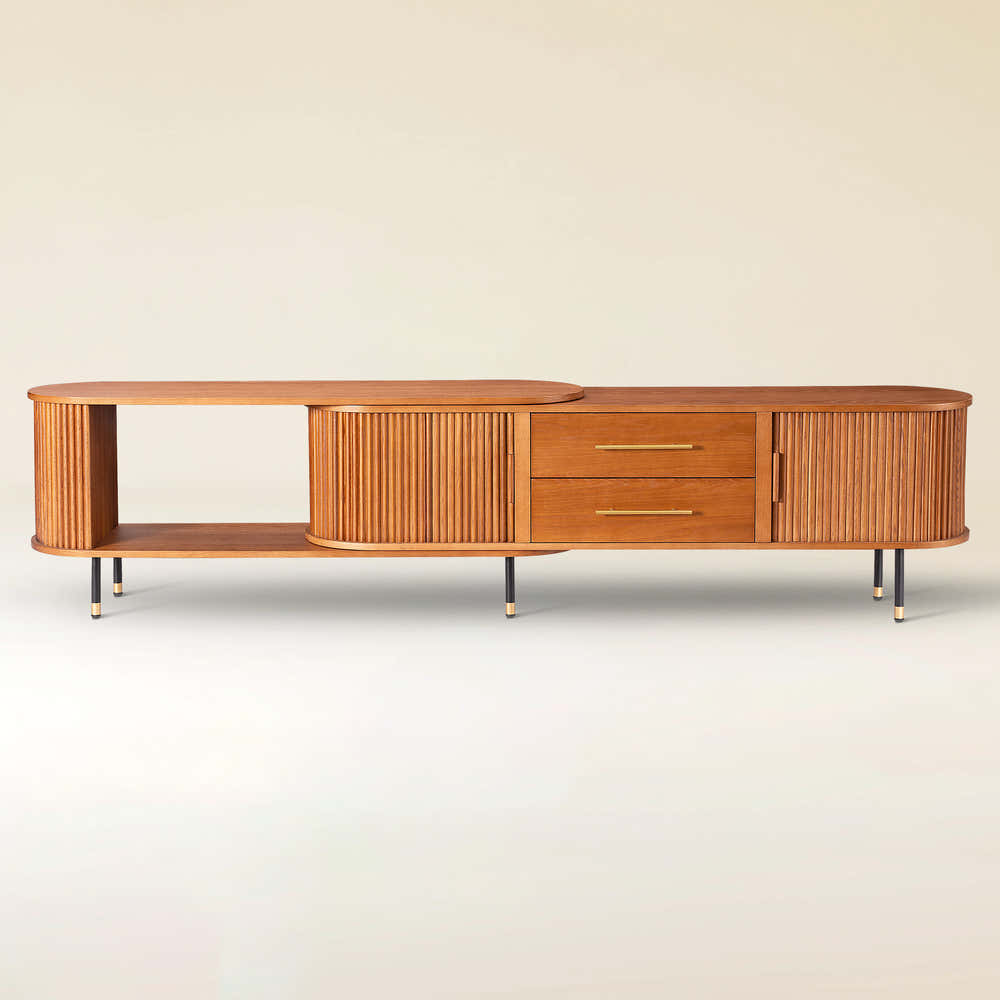
Ewan Oak Extendable Media Console 79" to 110"
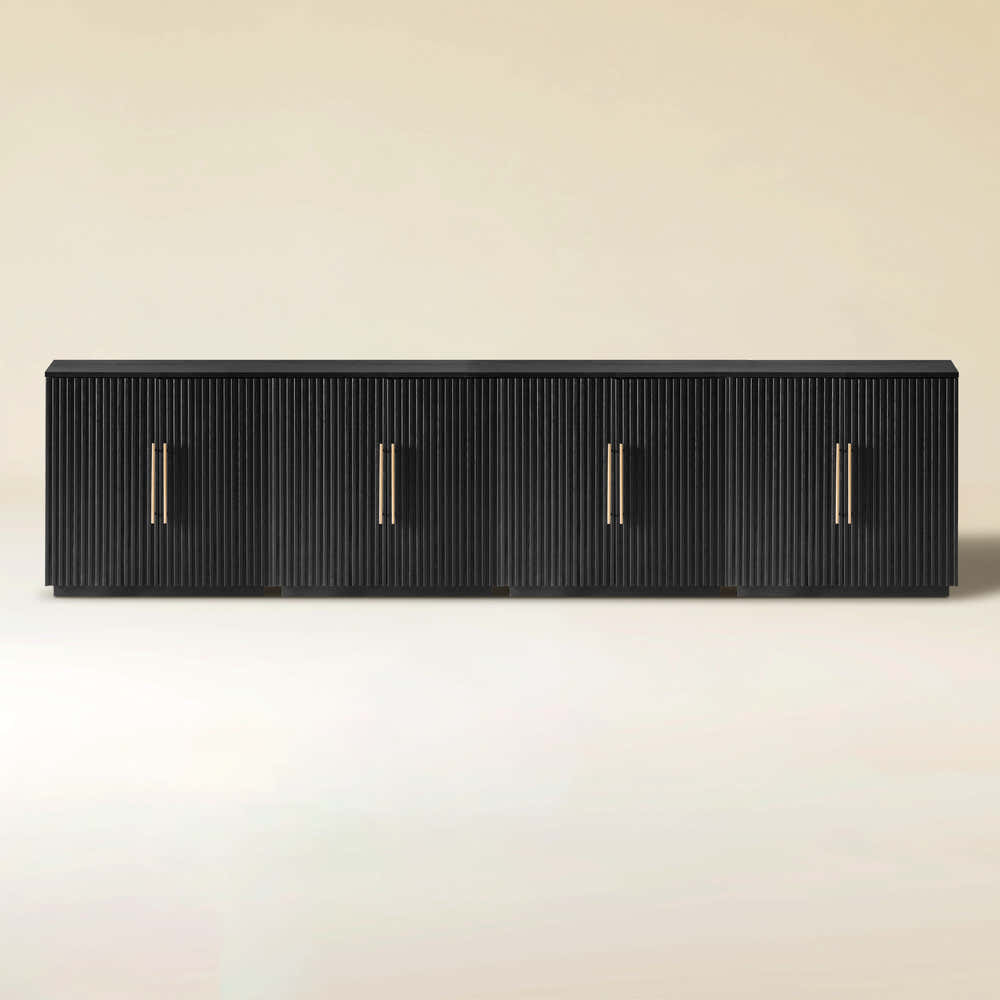


Holt 126″ Solid Oak Console(Set of 4)

FSC FCOC47059 . FSC is dedicated to the promotion of responsible forest management
worldwide. By selecting this product, you help take care of the woorld's forests

UL-certified for indoor drying environments not directly exposed to excessive moisture or water;
Use in the United States and Canada.

Certified to Dry ETL electrical standard: suitable for use indoors in dry locations not directly exposed to excessive moisture and water
Use in the United States

CE-certified drying equipment compliant with electrical standards: Suitable for indoor drying environments not directly exposed to excessive moisture or water;
Tested for use in Europe, the UK, and other regions.


The support center has answers to questions you may have. You can also contact customer service in the support center if you can't find what you're looking for.
Support Center >
At houlte, we are committed to delivering quality, style, and great value to our customers. Our goal is to simplify your shopping experience by providing competitive prices and exceptional service.

If an item you purchased from houlte goes on sale on our website within 30 days of your purchase date, you may request a price match. This policy ensures you always receive the best value when shopping with us.
Houlte reserves the right to interpret and adjust the terms of the Price Match Policy as necessary.
Houlte has partnered with Taskrabbit to make your everyday life at home easier by connecting you with flexible and affordable ways to get your to-do’s done including furniture assembly and mounting.

1. Purchase your furniture at Houlte.
2. Check your order Dispatched and Delivered email and click the
Houlte link. You will be redirected to Taskrabbit's landing page.
3. Post your task on Taskrabbit platform.
4. Pick the best tasker to assemble your furniture.
Houlte has partnered with Taskrabbit to make your everyday life at home easier by connecting you with flexible and affordable ways to get your to-do’s done including furniture assembly and mounting.
Taskrabbit Assembly is available in most metro areas in the US. The availability of Taskers varies based on demand. When placing an order on Taskrabbit, you will need to enter your zip code. If the service is not supported in your area, you will not be able to place an order.
You can book assembly for your Houlte furniture as early as the next day after your delivery, and up to 14 days in advance, giving you flexibility to choose a time that works best for you.

Ready to use out of the box; minimal installation may be required (e.g., handles).

Main structure is pre-built; minor components require attachment (e.g., legs).

Assembly required; multiple parts must be assembled before use.
Our furniture is built with a combination of core boards, real wood veneers, and selected solid wood parts. Each material is used for a different purpose—structure, surface appearance, or visible strength—so the final piece feels balanced in performance, finish, and cost.
Core boards form the internal foundation of the furniture. They provide structure, stability, and efficiency across large surfaces and cabinet bodies.

Stable structural board

Smooth and consistent

Functional internal board
Selected solid wood parts are used where visible strength, tactile quality, and structural integrity matter most—such as legs, frames, trim, and exposed support details.

Durable and classic

Light and versatile

Premium and elevated
If you’re buying a new sofa, planning a move, or trying to figure out whether your apartment floor can handle a large sectional, one practical question matters more than many people expect: how much does a sofa weigh?
The answer depends on the type of sofa, its materials, its internal construction, and whether it includes built-in features like reclining mechanisms or modular connectors. A compact loveseat may be manageable for two people to move, while a large recliner sectional can weigh several hundred pounds before packaging.

Looking at real product examples helps put those numbers into perspective. For instance, the Houlte Elara Arched 110" Modular Electric Recliner Sofa is listed at 356.9 lbs, while the Houlte Kylix 5-Piece L-Shaped Sectional Sofa is listed at 293 lbs. Meanwhile, some modular pieces such as the Houlte Lyra Arched Modular Sectional Sofa use separate sections that can make delivery and room-to-room setup much easier even when the overall footprint is large.
This guide breaks down average sofa weights by type, explains what makes one sofa heavier than another, and shows how to estimate and move sofa weight more safely in 2026.
Sofa weight affects more than just moving day. It also impacts floor loading, delivery logistics, apartment access, and long-term practicality.
If you live in an apartment, condo, or upper-floor home, sofa weight matters because it contributes to the live load placed on the floor. In the U.S., residential floors are commonly designed around a 40 pounds per square foot (psf) live load standard. That does not mean every square foot should be loaded equally with heavy furniture, but it gives a useful baseline for thinking about placement.
The good news is that most sofas, even heavier ones, spread their weight across a relatively large footprint. For example, a 300-pound sofa placed across roughly 20 to 30 square feet typically distributes far less pressure per square foot than many people assume. The main concern is usually not a standard sofa on a typical floor, but very heavy furniture combined with other concentrated loads in older buildings or small areas.
If you are unsure, it is smart to:
Weight also affects:
This is especially relevant for larger pieces. Houlte’s Elara Arched 110" Modular Electric Recliner Sofa not only weighs 356.9 lbs, but its packaging weight is listed at 493.8 lbs, showing how much crating and protection can add during shipment. That matters if you’re coordinating freight delivery, apartment elevator access, or final-mile setup.
Below are realistic weight ranges for common sofa categories. Actual numbers vary by brand, frame, upholstery, and built-in features, but these ranges are useful starting points.
Typical weight: 90 to 150 lbs
Loveseats are usually among the lightest upholstered seating options because they are compact and designed for two people. They are easier to fit into apartments, upstairs rooms, and tighter layouts.
A minimalist loveseat with foam cushions and fabric upholstery will usually be lighter than one with a hardwood frame or built-in reclining features.
Typical weight: 100 to 180 lbs
Two-seater sofas are slightly larger than loveseats and may include deeper seating, broader arms, or a heavier internal frame. Their weight can rise quickly if they use dense cushioning or oversized silhouettes.
Some modular 2-seat pieces can weigh more than expected because each unit is built to connect securely and support long-term reconfiguration.
Typical weight: 150 to 250 lbs
This is the most common range for a standard three-seater. Weight depends heavily on whether the sofa is a fixed-frame design or a more substantial statement piece.
For example, the Houlte Alpine Modular Sectional Sofa (3-Seat) is designed as a larger visual anchor for the living room, and pieces in this category often weigh more than compact apartment sofas simply because of their scale and cushioning volume.
Typical weight: 180 to 300+ lbs
Sleeper sofas are usually much heavier than standard sofas because they include a folding bed mechanism, additional metal support, and often a mattress. Even a modest sleeper can become challenging to move because the weight is both higher and less evenly distributed.
If you need a guest-ready piece, always factor in the extra difficulty of moving and stair access.
Typical weight: 60 to 150 lbs per module, or 150 to 400+ lbs total
Modular sofas are interesting because total weight can be high, but transport is often easier since each section can be moved separately.
Houlte provides good examples of this:
This shows why modular seating is often easier to live with logistically even when the finished arrangement is large.
Typical weight: 60 to 120 lbs
Futons are often lighter than traditional sofas because of their simpler structure and convertible design. Many use metal or wood frames with thinner mattress-style cushions rather than fully built-out upholstered construction.
That makes them more practical for small apartments, short-term rentals, or rooms where lightweight flexibility matters.
Typical weight: 200 to 500+ lbs
Sectionals are usually the heaviest sofa category because they combine multiple seating sections, larger footprints, and sometimes reclining or chaise components.
A good real-world example is the Houlte Kylix 5-Piece L-Shaped Sectional Sofa, listed at 293 lbs with a packaging weight of 374.5 lbs. That places it firmly in the heavier end of residential seating while still being manageable in pieces compared with one rigid oversized frame.
Not all sofas of the same size weigh the same. These are the biggest reasons why.
The frame is one of the largest contributors to total weight.
Common frame materials include:
Solid hardwood and steel-reinforced frames tend to be heavier but often feel sturdier. Engineered wood can reduce weight and cost, though overall construction quality matters more than material alone.
Cushion composition changes both comfort and mass.
Common fillings include:
Dense foam and layered cushion systems typically weigh more than looser fiber-fill cushions.
Fabric choice can make a noticeable difference, though less than the frame.
Common options include:
Leather sofas can weigh more than fabric sofas in some cases, but the bigger weight difference usually comes from the frame and internal mechanism rather than the upholstery alone.
Suspension systems such as sinuous springs, webbing, or reinforced seating platforms all contribute to total mass. Stronger internal support often improves longevity and comfort, but it may also increase weight.
Built-in features are one of the biggest reasons modern sofas get heavy.
Examples include:
This is why a powered recliner sectional like the Houlte Elara is much heavier than a simple fixed sofa of similar size.
If your manufacturer doesn’t list the weight clearly, there are still a few smart ways to estimate and plan.
Start with the product page, dimensions page, or packaging details. Many brands publish:
If exact specs are unavailable, estimate based on category:
You can also estimate by materials and construction. A deep, oversized, recliner-equipped modular sofa will almost always weigh more than a slim fixed-frame sofa.
If you’re moving a sofa, good packing reduces damage and makes handling easier.
Best practices:
For modular sofas, pack and move each piece separately rather than trying to handle the entire setup at once.
A few basic safety rules matter:
If a sofa is over 250 lbs or has an awkward recliner mechanism, professional movers are often worth the cost.
When loading a sofa into a trailer or truck:
For sectionals, load the largest base pieces first and use soft materials to protect finished surfaces.
Not always—but sometimes.
A heavier sofa can indicate:
However, weight alone is not proof of quality. A poorly made sofa can still be heavy if it uses bulky materials inefficiently. On the other hand, a well-engineered sofa can be relatively lightweight and still perform beautifully.
The better question is not “Is it heavy?” but:
In general, well-constructed heavier sofas often feel more substantial, but smart design matters more than raw pounds.
Most residential floors can support a normal sofa without any issue, especially when the weight is spread over a broad footprint.
A quick way to think about it:
For example:
Still, use extra caution if:
If you are concerned, use wider furniture cups and place heavier seating closer to structural walls.
One of the biggest furniture shifts in 2026 is the push toward designs that are easier to move, easier to adapt, and more thoughtful in their material use.
More modern sofas are incorporating:
The sustainability conversation is no longer just about “green” marketing. It is increasingly about creating furniture that lasts longer, ships more efficiently, and adapts to changing homes instead of being discarded.
Modular seating is one of the clearest examples of practical innovation. Even when a sofa is large overall, separate modules make it easier to:
That’s one reason modular collections continue to gain traction. A piece like Houlte’s Lyra line shows how sectional living can feel substantial in the room while remaining easier to transport than a single oversized frame.
In other words, the future of sofa design is not just lighter—it is smarter in how weight is distributed and managed.
Yes, many are. Large sectionals, sleeper sofas, and powered recliner sofas can easily exceed 300 lbs. For example, the Houlte Elara Arched 110" Modular Electric Recliner Sofa is listed at 356.9 lbs.
Start by identifying the sofa type, dimensions, and materials. Compare it to typical category ranges:
If it includes power recline, a sleeper mechanism, or very deep modular construction, estimate toward the higher end.
Sometimes, but not always. Leather upholstery can add weight, but the biggest factors are usually the frame, cushions, and built-in features. A fabric recliner sectional may weigh more than a leather fixed-frame sofa.
In most homes, the heaviest sofas are:
These combine larger dimensions with more hardware and internal support.
Major trends include:
So, how much does a sofa weigh?
For most homes, the answer falls somewhere between 90 and 500+ pounds, depending on the type. A compact loveseat may be easy to move, while a sectional or powered recliner can become a major logistics project. Real product examples show how wide the range can be: Houlte’s Kylix 5-Piece L-Shaped Sectional Sofa is listed at 293 lbs, while the Elara Arched 110" Modular Electric Recliner Sofa reaches 356.9 lbs.
The most important thing is not just knowing the number—it’s understanding what that number means for delivery, layout, floor load, and everyday living.





Share:
How Big is a Standard Sofa? Understanding Dimensions and Trends
Can You Use Outdoor Lights Indoors? A Comprehensive Guide