














































💡 Watts to Lumens Calculator
Instantly convert watts to lumens for LED, incandescent, CFL, and halogen bulbs — and find the perfect light for every room.
⚡ Watt to Lumen Converter
Luminous Output
—
Lumens (lm)
Efficacy
—
lm/W
What Is the Difference Between Watts and Lumens?
When shopping for light bulbs or lighting fixtures, two terms appear constantly: watts and lumens. Understanding the distinction between them is the single most important step toward choosing the right lighting for your home — and avoiding the common mistake of overpaying for energy you don't need.
Watts (W) measure how much electrical power a bulb consumes. For decades, watts were used as a proxy for brightness because all bulbs on the market were incandescent and shared a roughly consistent relationship between power use and light output. A 60W incandescent produced around 800 lumens; a 100W one produced around 1,600 lumens.
Today, that relationship has been completely disrupted by modern LED technology. A high-quality LED bulb can produce 800 lumens while consuming only 8–10W — roughly one-eighth the electricity of the equivalent incandescent. Lumens (lm) are the true unit of brightness, measuring the total visible light output of a source regardless of how much energy was used to generate it.
In short: watts measure energy, lumens measure light. When choosing a bulb, always buy by lumens and compare watts only to judge efficiency.
The Watts to Lumens Formula
Converting watts to lumens requires knowing the luminous efficacy of the light source — expressed in lumens per watt (lm/W). This value varies widely by bulb technology:
Lumens = Watts × Luminous Efficacy (lm/W)
Example: A 10W LED bulb with an efficacy of 100 lm/W produces 10 × 100 = 1,000 lumens — enough to brightly illuminate a small bedroom or serve as a pendant over a dining table.
The reverse formula — converting lumens to watts — is equally useful when you know the brightness you need and want to calculate the required wattage:
Watts = Lumens ÷ Luminous Efficacy (lm/W)
Watts to Lumens Conversion Chart (2025)
A complete reference table across all major bulb types. Use this chart to find the lumen equivalent of any wattage.
| Lumens (lm) | LED (W) ~100 lm/W | Incandescent (W) ~15 lm/W | CFL (W) ~65 lm/W | Halogen (W) ~22 lm/W | Best For |
|---|---|---|---|---|---|
| 250 lm | 2.5W LED | 16W | 4W | 11W | Night lights, accent |
| 450 lm | 4.5W LED | 40W | 7W | 20W | Closets, small lamps |
| 800 lm | 8W LED | 60W | 12W | 36W | Bedrooms, dining rooms |
| 1,100 lm | 11W LED | 75W | 17W | 50W | Living rooms, kitchens |
| 1,600 lm | 16W LED | 100W | 25W | 72W | Bright workspaces |
| 2,600 lm | 26W LED | 150W | 40W | 118W | Large open-plan rooms |
| 3,000 lm | 30W LED | ~200W | 46W | 136W | High-ceiling chandeliers |
| 5,000 lm | 50W LED | ~333W | 77W | 227W | Commercial, garage |
How Many Lumens Do You Need per Room?
The ideal lumen level for a room depends on its size, purpose, and the mood you want to create. Interior designers and lighting architects work with a metric called foot-candles (for imperial) or lux (metric), where 1 foot-candle ≈ 10.76 lux. For practical home planning, the table below uses total lumens needed for a typical room at standard ceiling height (8–9 ft).
Living Room
1,500–3,000 lm
General ambient lighting
Kitchen
3,000–4,000 lm
Task + ambient combined
Bedroom
1,000–2,000 lm
Soft, relaxing light
Bathroom
2,000–4,000 lm
Bright for grooming tasks
Home Office
3,000–6,000 lm
High task illumination
Dining Room
1,500–3,000 lm
Warm, intimate ambiance
Hallway
500–1,000 lm
Wayfinding, low ambient
Outdoor / Porch
700–2,500 lm
Security + aesthetics
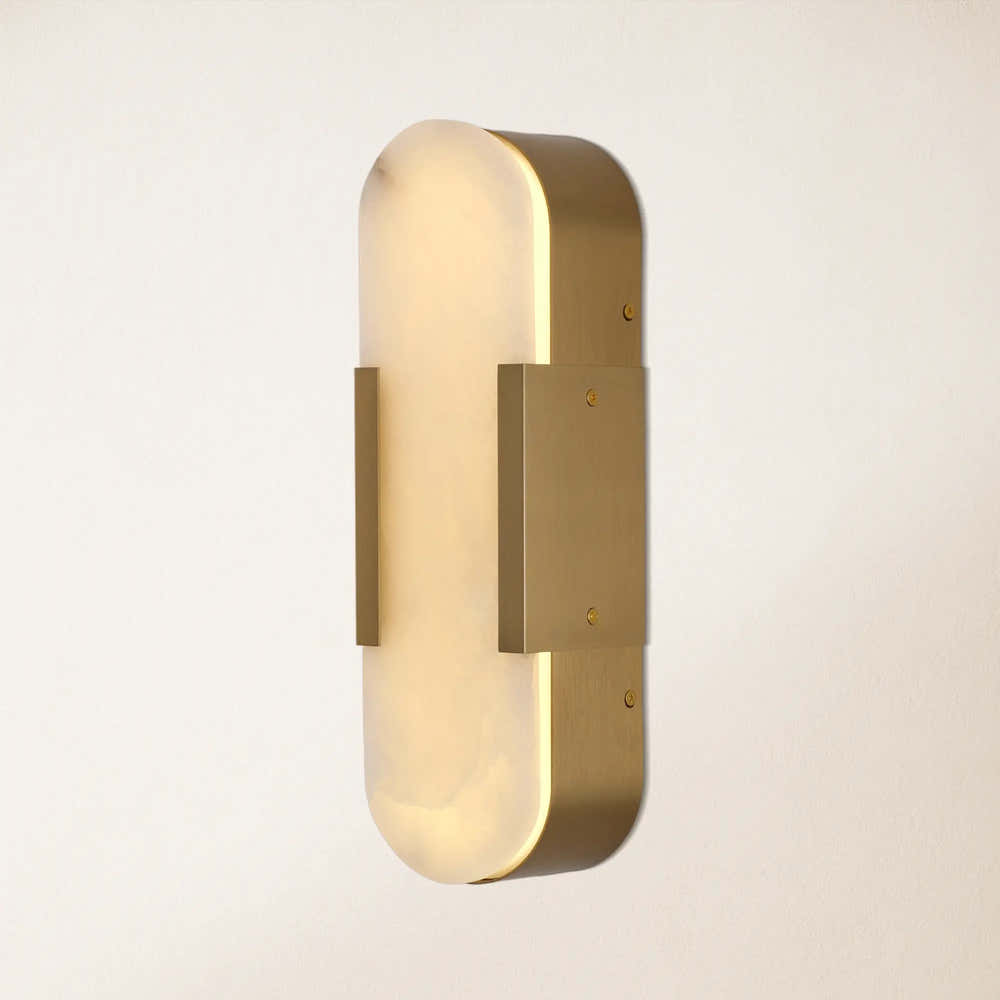
✨ Find Your Perfect Houlte Light
Now that you know exactly how many lumens you need, explore our curated lighting collections — each designed to deliver the right ambiance for every room in your home.
Shop All Houlte Lighting →Complete Bulb Buying Guide: LED vs. Incandescent vs. CFL vs. Halogen
🟢 LED Bulbs — The Modern Standard
LED (Light Emitting Diode) bulbs are the dominant choice for virtually every residential and commercial lighting application in 2025. With efficacies ranging from 80 to over 200 lm/W in premium chips, they consume up to 90% less energy than incandescent equivalents while lasting 15,000–50,000 hours. Modern LEDs are available in a full spectrum of color temperatures, from warm 2,200K candlelight tones to cool 6,500K daylight — making them suitable for every room and mood.
🔴 Incandescent Bulbs — The Legacy Choice
The traditional incandescent bulb — Edison's original design — operates by heating a tungsten filament until it glows. With an efficacy of only 10–17 lm/W, roughly 90% of the energy consumed is released as heat rather than light. Most countries have now phased out or restricted incandescent sales due to energy inefficiency. However, their warm, continuous-spectrum light and flicker-free dimming made them beloved by designers, which is why many LED manufacturers now engineer LEDs to closely mimic incandescent warmth.
🔵 CFL Bulbs — The Transitional Technology
Compact Fluorescent Lamps (CFLs) were introduced in the 1980s as the first widely available energy-efficient alternative to incandescent bulbs. With efficacies of 45–75 lm/W, they offer a significant improvement over incandescent while costing less than LEDs at introduction. However, CFLs contain small amounts of mercury, take time to reach full brightness, and degrade faster with frequent on/off cycling. They have largely been superseded by LED technology and are rarely recommended for new installations.
🟡 Halogen Bulbs — High-Quality Light, High Energy Use
Halogen bulbs are an improved form of incandescent technology, achieving efficacies of 18–28 lm/W through a halogen cycle that extends filament life and produces a brighter, whiter light. They are prized in retail, hospitality, and gallery settings for their excellent color rendering (CRI ≥ 100) and instant full brightness. The trade-off is higher operating temperatures and relatively poor energy efficiency by modern standards.
Color Temperature (Kelvin) Guide
Beyond lumens and watts, color temperature — measured in Kelvin (K) — dramatically affects how a space feels. It is arguably the most underappreciated variable in home lighting design.
Warm white light (2,700K–3,000K) creates a cozy, inviting atmosphere and is the classic choice for bedrooms, living rooms, and dining rooms. Neutral white (3,500K–4,000K) offers a balanced, clean appearance ideal for kitchens and bathrooms. Cool daylight (5,000K–6,500K) provides crisp, alert-promoting light suited for home offices, garages, and task-focused areas.
A common design mistake is mixing color temperatures within the same visual space — for example, placing a 2,700K chandelier alongside 5,000K recessed lights in the same ceiling. Always aim for consistency within a single room or zone, and use dimmer switches to adjust intensity without sacrificing warmth.
How Much Energy (and Money) Do LEDs Save?
The financial case for LED lighting is straightforward and compelling. Replacing a single 60W incandescent bulb with an equivalent 8W LED — both producing around 800 lumens — reduces power consumption by 87%. At an average US electricity rate of $0.17/kWh and 1,000 hours of annual use, the calculation speaks for itself:
Annual savings per bulb = (60W – 8W) × 1,000 hrs ÷ 1,000 × $0.17 = $8.84/year
In a home with 30 light sockets, switching entirely from incandescent to LED saves approximately $265 per year — before accounting for the dramatically lower replacement frequency. A quality LED rated at 25,000 hours will outlast more than 25 incandescent bulbs, most of which fail after only 1,000 hours.
🏠 Illuminate Your Home with Houlte
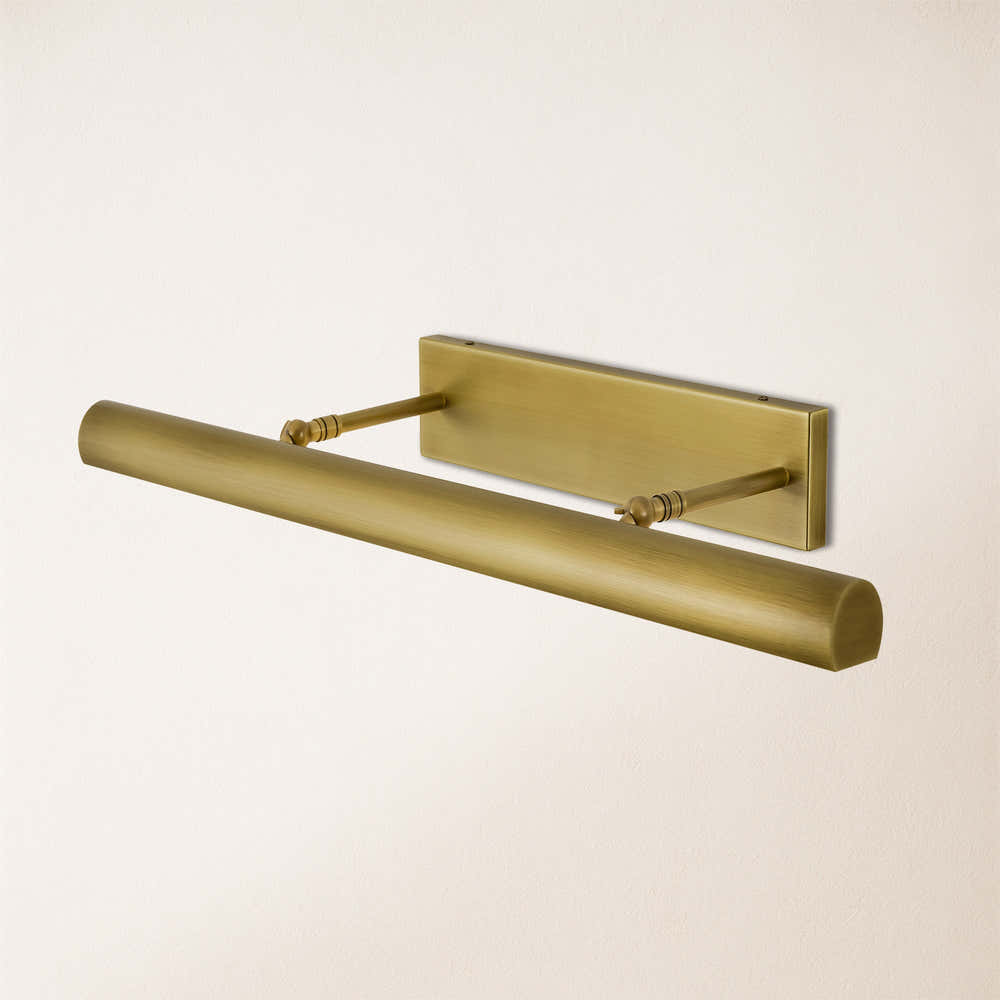
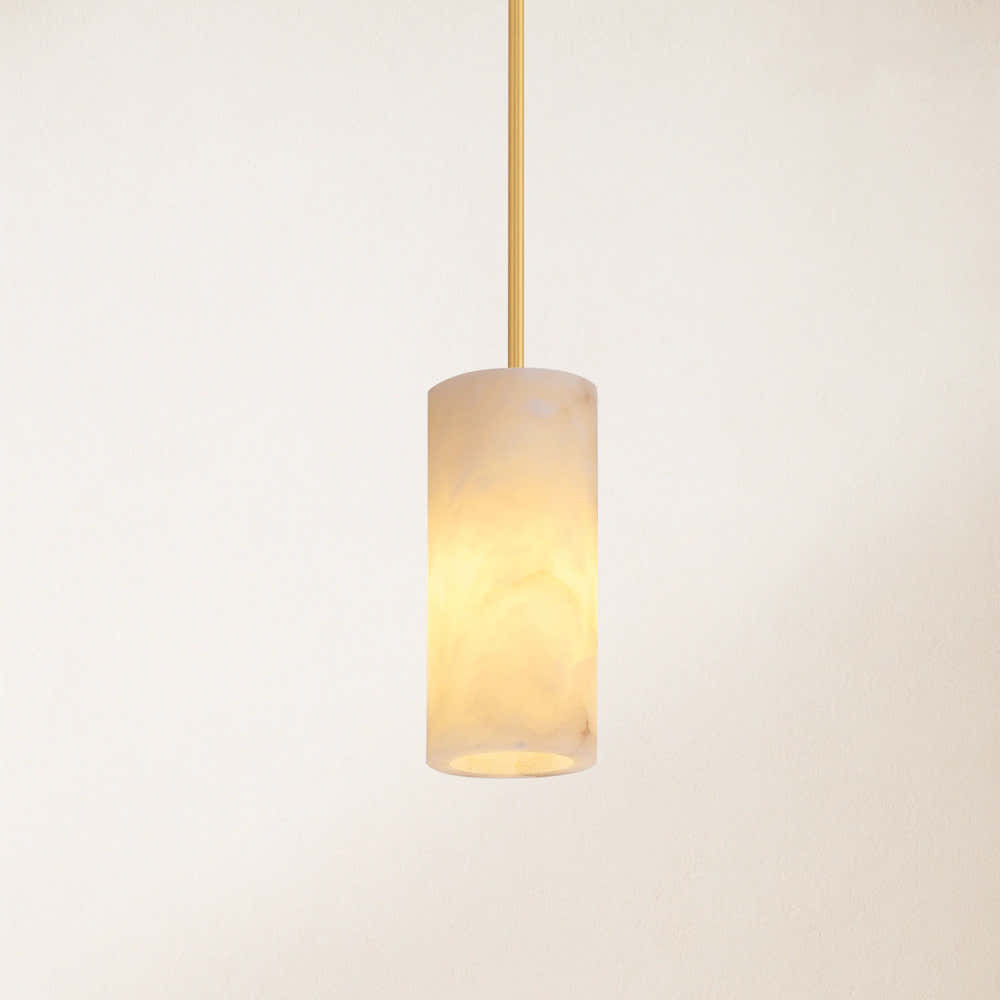
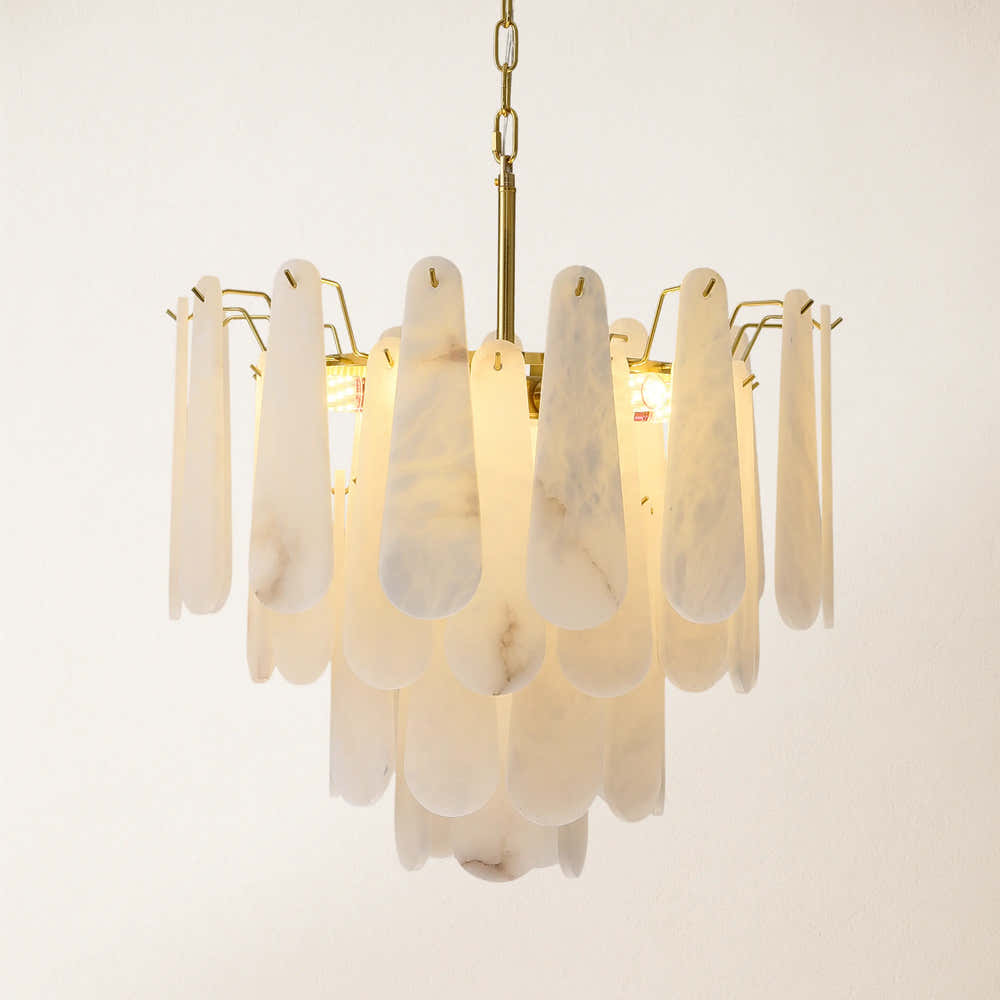
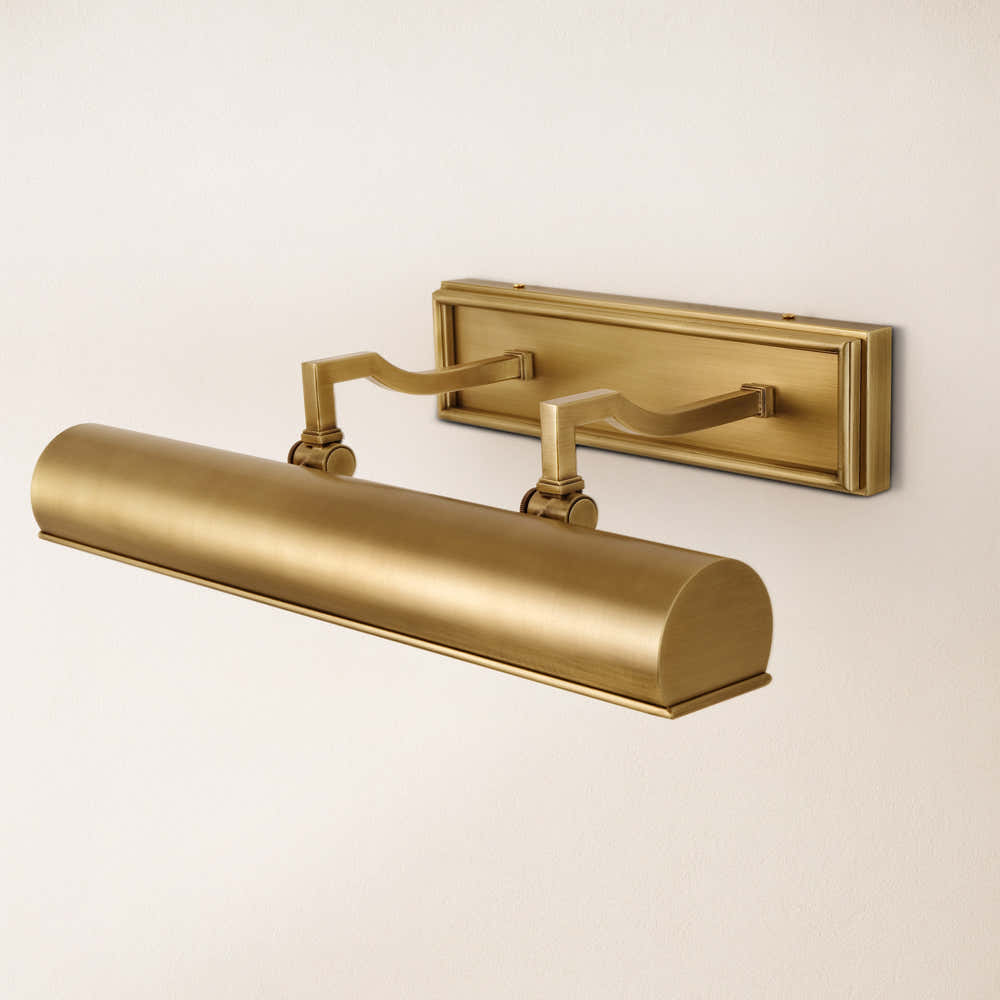
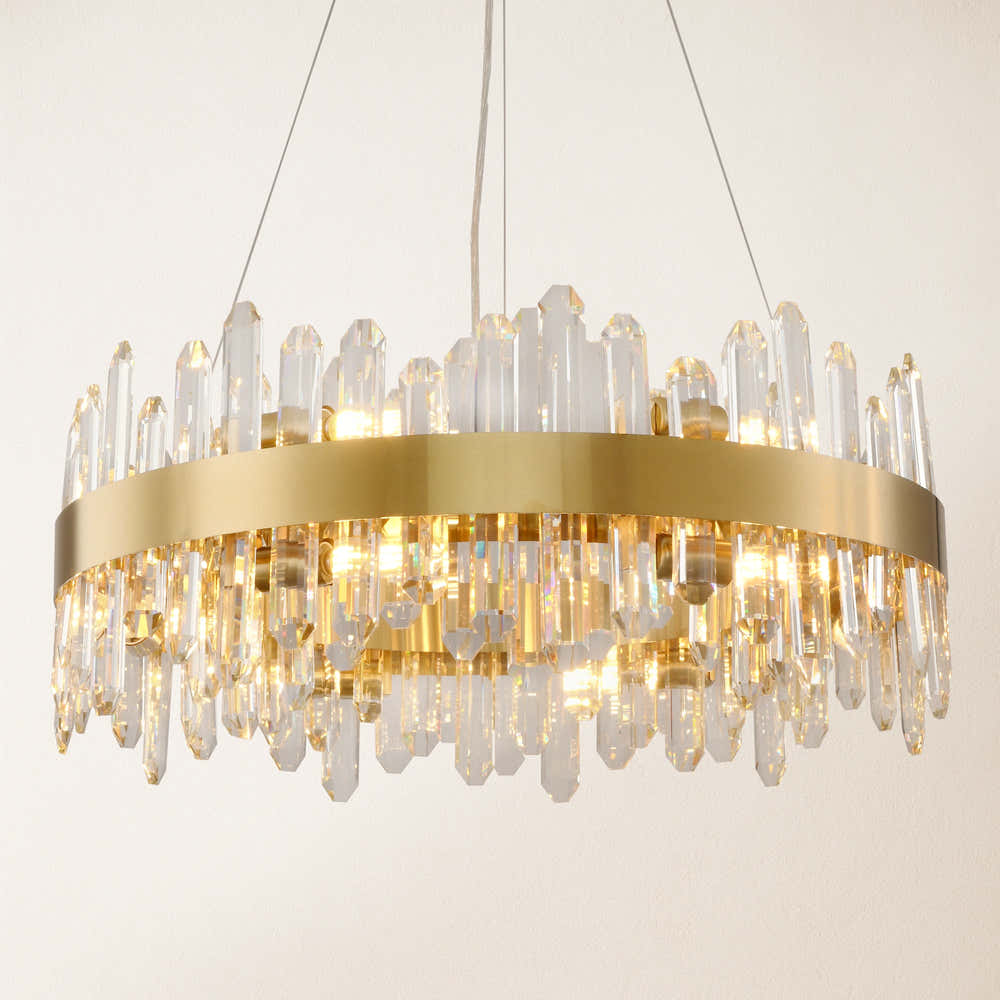
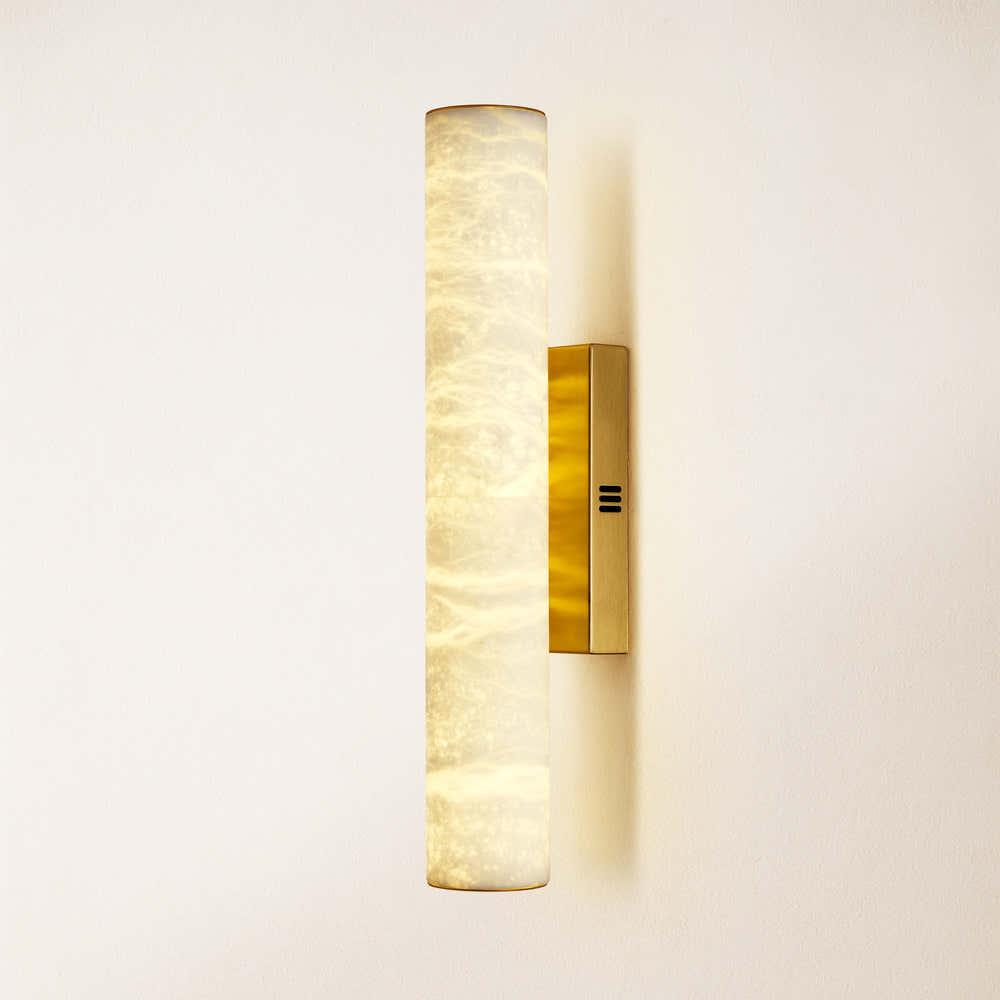
From sculptural crystal chandeliers to warm-glow picture lights, Houlte's lighting collection pairs engineered performance with fine modern design — so your lumens are always delivered beautifully.
Explore Houlte Lighting Collection →Frequently Asked Questions
How many lumens is a 60-watt bulb?
A standard 60-watt incandescent bulb produces approximately 800 lumens. In LED terms, you only need an 8–10W LED bulb to achieve the same 800-lumen output — saving over 85% of the energy. When shopping for a "60-watt replacement" LED, look for any bulb labeled 800 lm.
How many lumens is a 100-watt bulb?
A traditional 100W incandescent produces around 1,600 lumens. The LED equivalent is a 14–16W bulb. Many manufacturers now label such products as "100W replacement" on the packaging, but always verify the lumen count on the label to ensure accurate comparison.
Is higher lumen always better?
Not necessarily. More lumens mean more brightness, but too much light in a bedroom or dining room can feel harsh and clinical. The ideal approach is to layer your lighting: use a lower-lumen ambient source (chandelier or ceiling light) combined with higher-lumen task lighting where needed. Dimmer switches give you the flexibility to dial between the two.
What is lumens per watt (lm/W) and why does it matter?
Lumens per watt (lm/W) is the measure of a bulb's energy efficiency — essentially, how much light you get for each unit of power consumed. A standard incandescent delivers around 15 lm/W; a modern LED can exceed 160 lm/W. When comparing bulbs, a higher lm/W rating means the same light output at lower electricity cost.
What color temperature is best for a living room?
For a living room, a warm white color temperature between 2,700K and 3,000K is widely recommended by interior designers. This range mimics the golden warmth of traditional incandescent light and creates a comfortable, inviting atmosphere for relaxing and socializing. If the room doubles as a workspace, consider 3,000K–3,500K for a slightly crisper feel while maintaining warmth.
How do I calculate lumens needed for a room?
A practical rule of thumb is to multiply the room's square footage by the recommended foot-candles for that activity. For general living areas, aim for 10–20 foot-candles; for kitchens and bathrooms, 30–40 foot-candles. Since 1 foot-candle ≈ 10.76 lux and lumens = lux × area (m²), for a 150 sq ft (≈14 m²) living room at 20 FC, you need approximately 150 × 20 = 3,000 lumens of total light output from all fixtures combined.
Can I use a higher wattage LED in a fixture rated for 60W max?
Yes — generally. The wattage rating on a fixture is based on the heat generated by incandescent bulbs. Since LEDs produce far less heat at the same lumen output, a 15W LED in a 60W-rated socket is perfectly safe. However, always verify the fixture manufacturer's guidelines, especially for enclosed fixtures or ceiling fans, where heat dissipation differs.
What is CRI and should I pay attention to it?
Color Rendering Index (CRI) measures how accurately a light source renders colors compared to natural sunlight, on a scale of 0–100. Standard LED bulbs typically achieve CRI 80+, which is adequate for most home use. For art display, makeup application, or spaces where color accuracy matters, look for CRI 90+ or CRI 95+ bulbs. Houlte's picture lights, for example, are optimized for high CRI to preserve the true colors of displayed artwork.
Ready to light your home with intention?
Browse Houlte's complete lighting range — from elegant chandeliers to energy-efficient LED picture lights — all engineered for the lumens you need and the style you deserve.
Shop Houlte Lighting →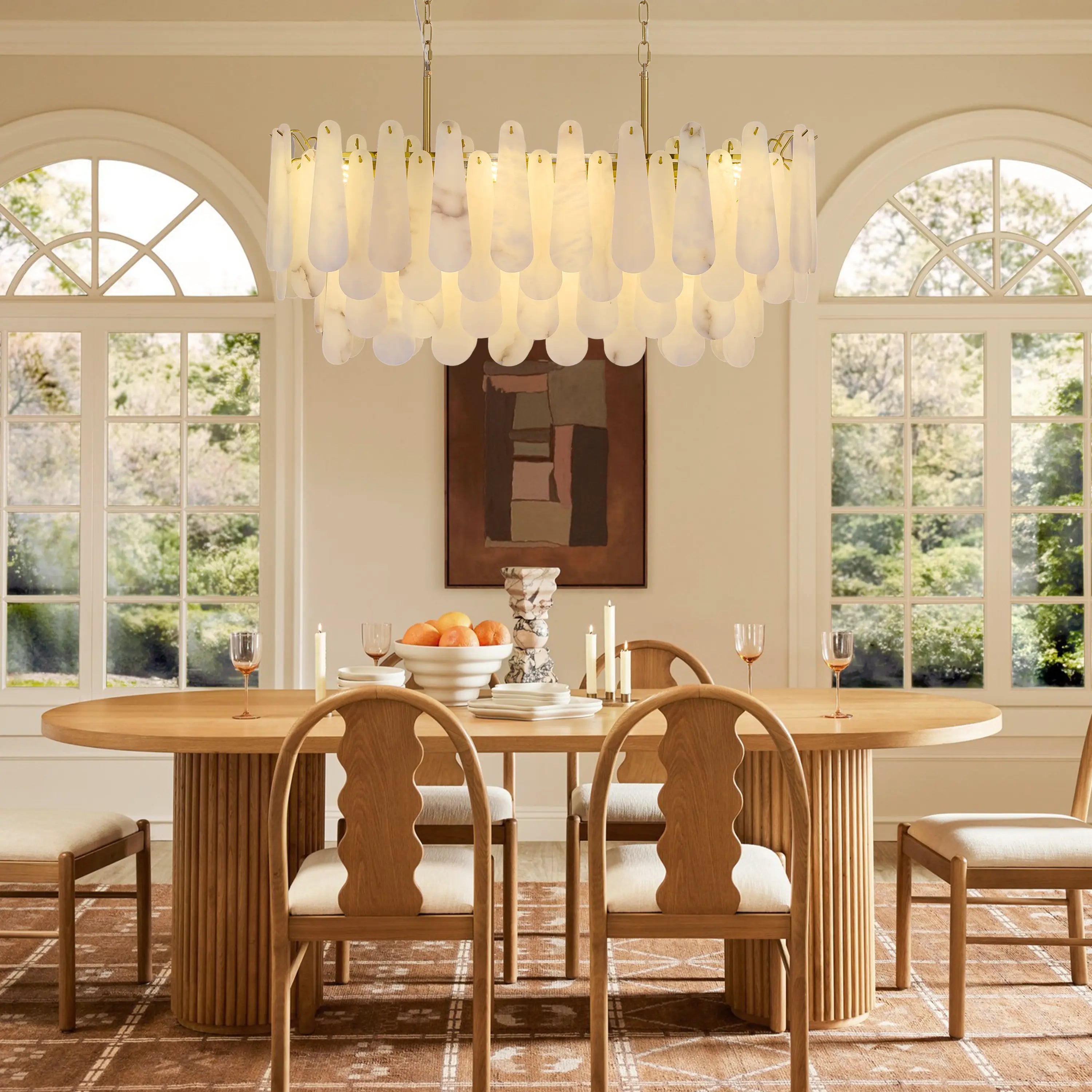
Share:
Lumens Calculator: How Much Light Do You Really Need?
Picture Light Size Calculator – Find the Perfect Art Light