


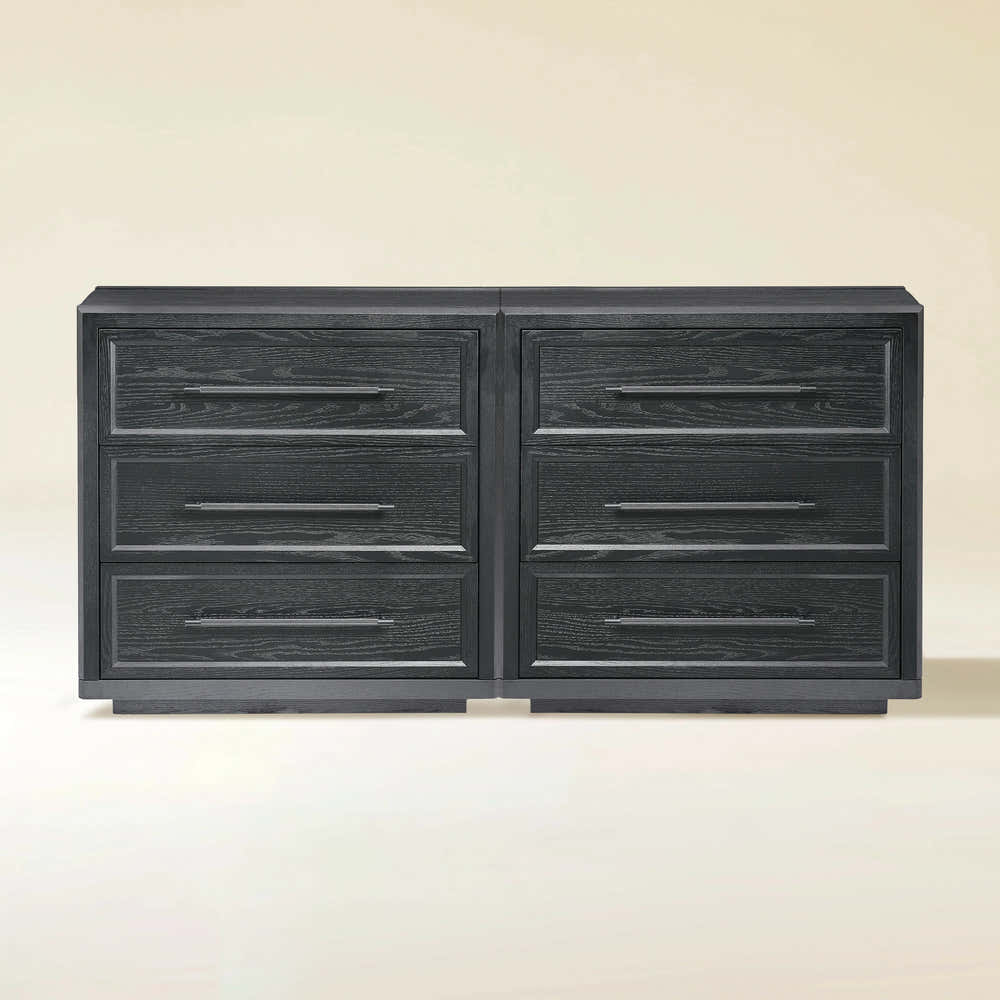


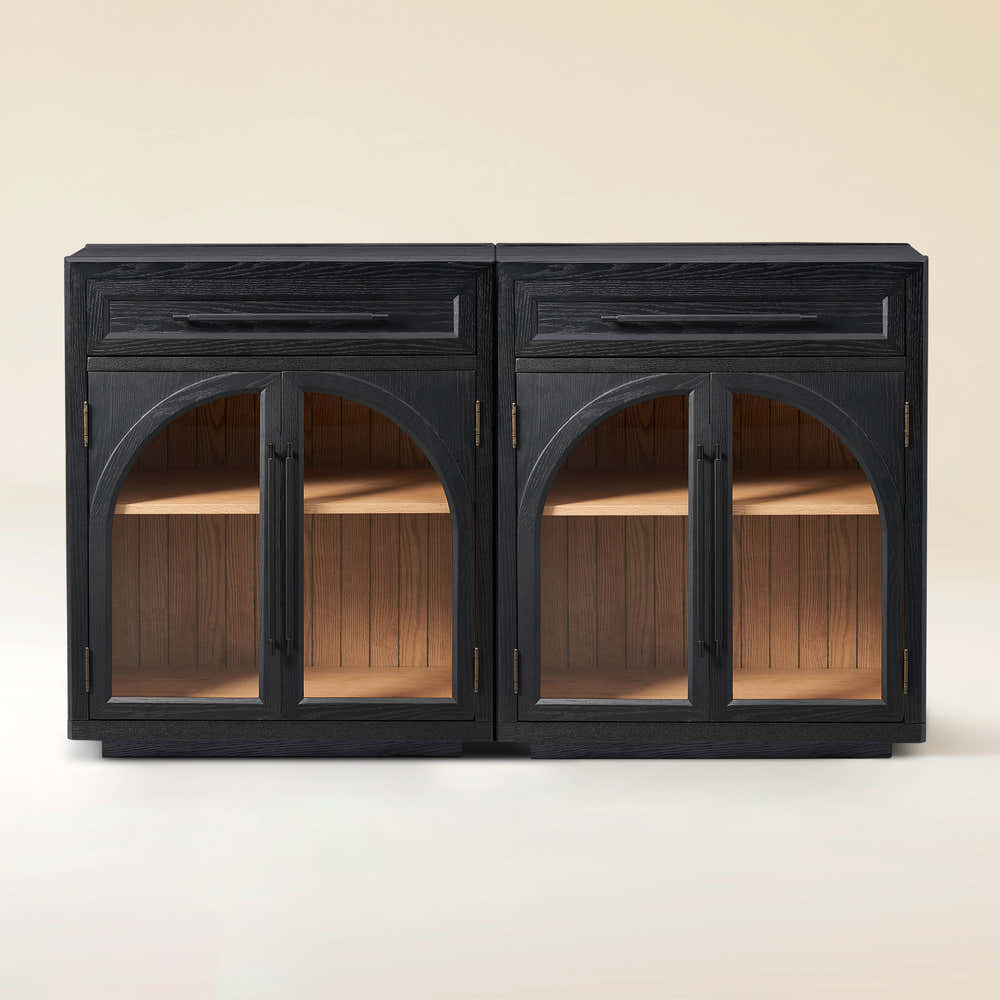


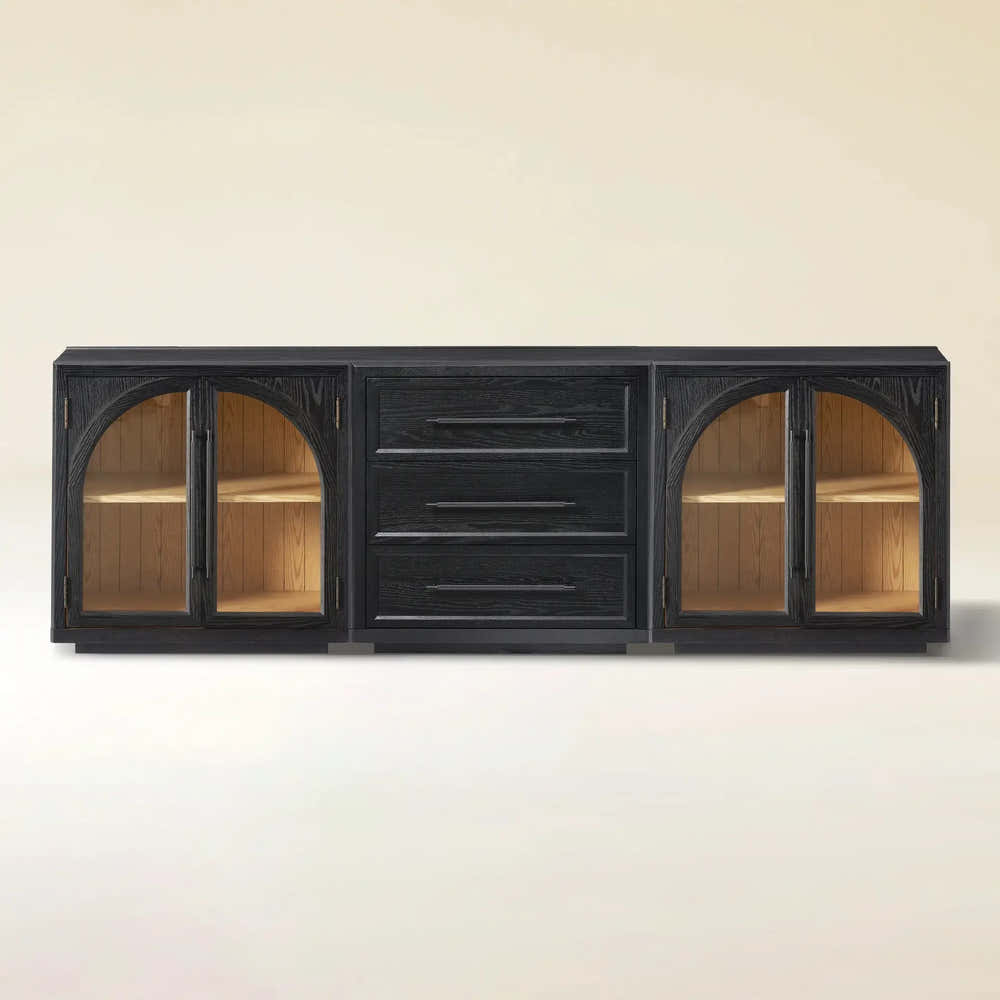


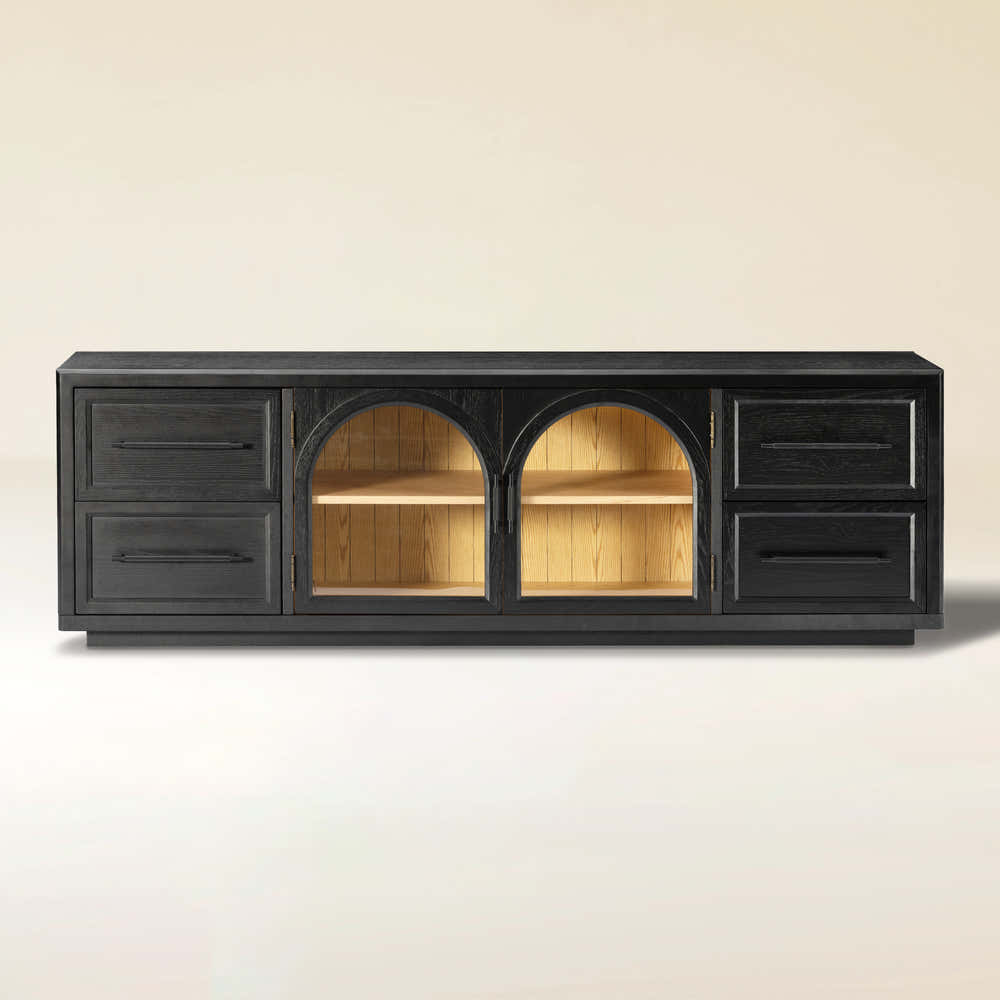




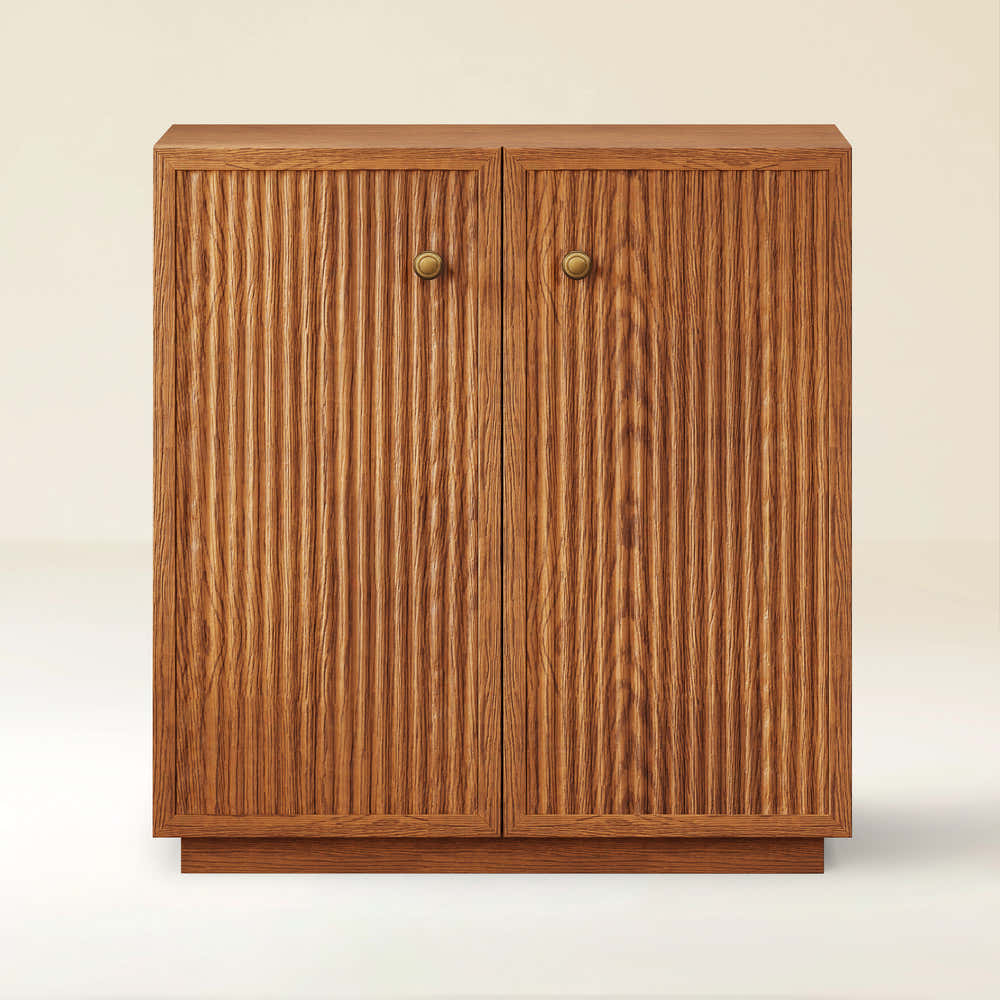
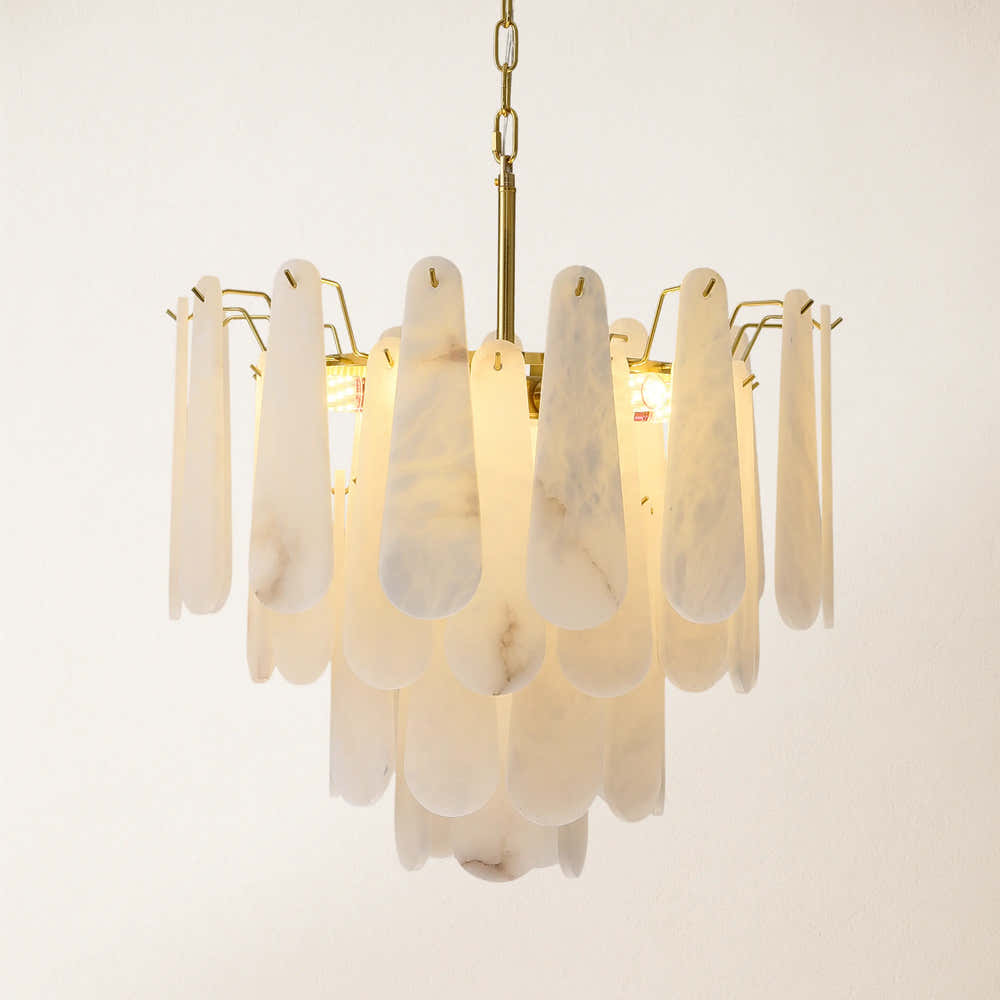


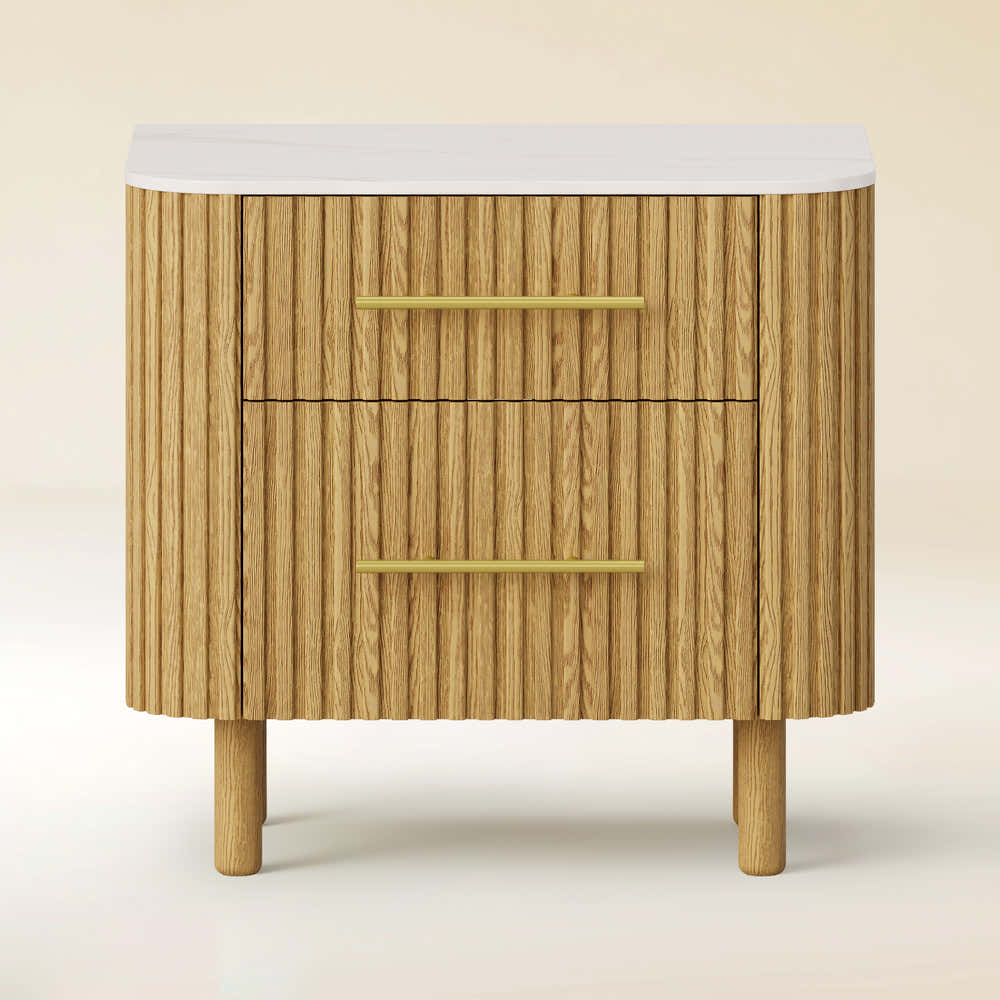


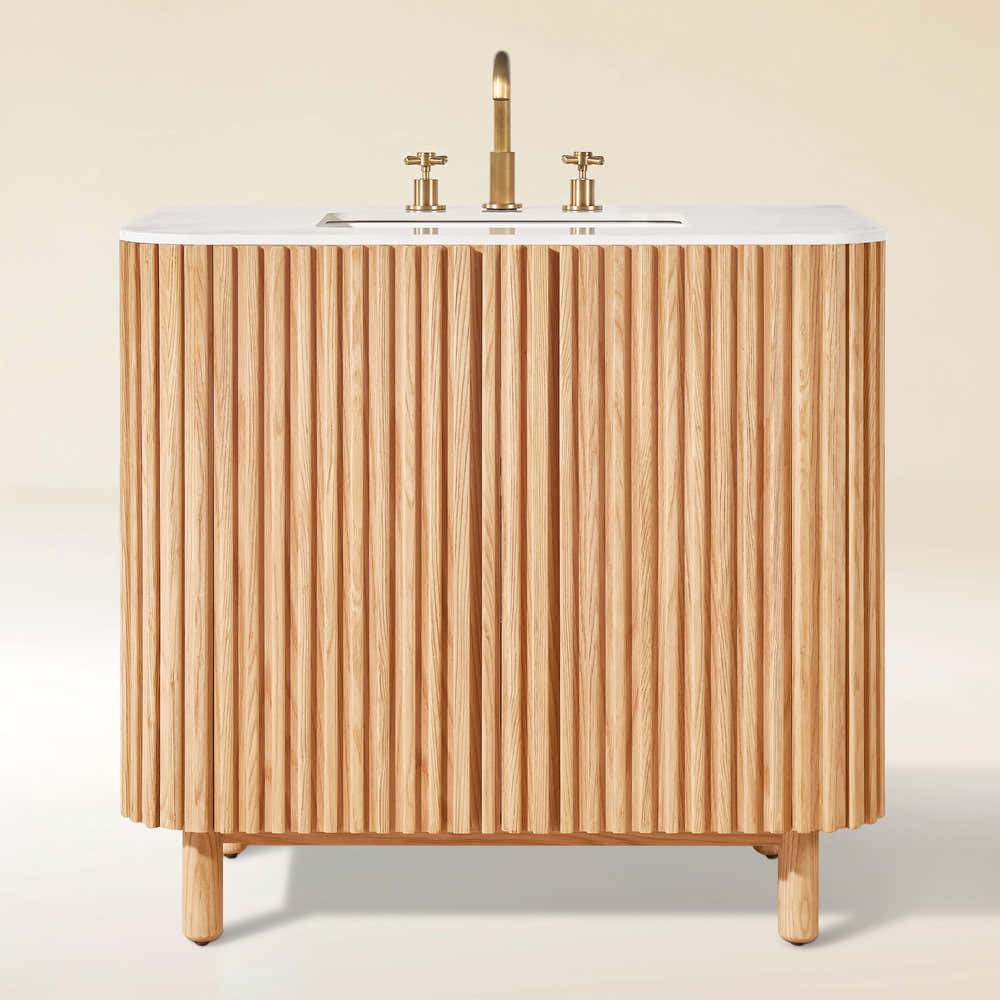



























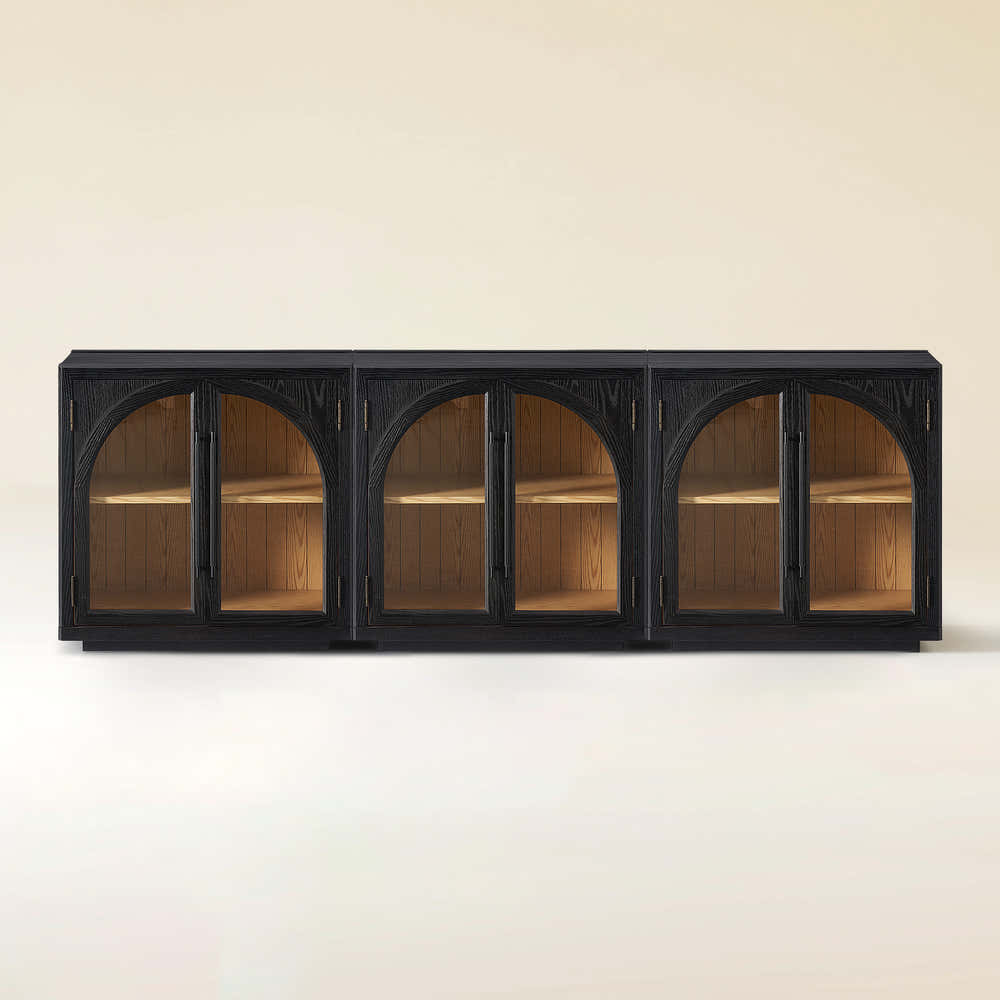




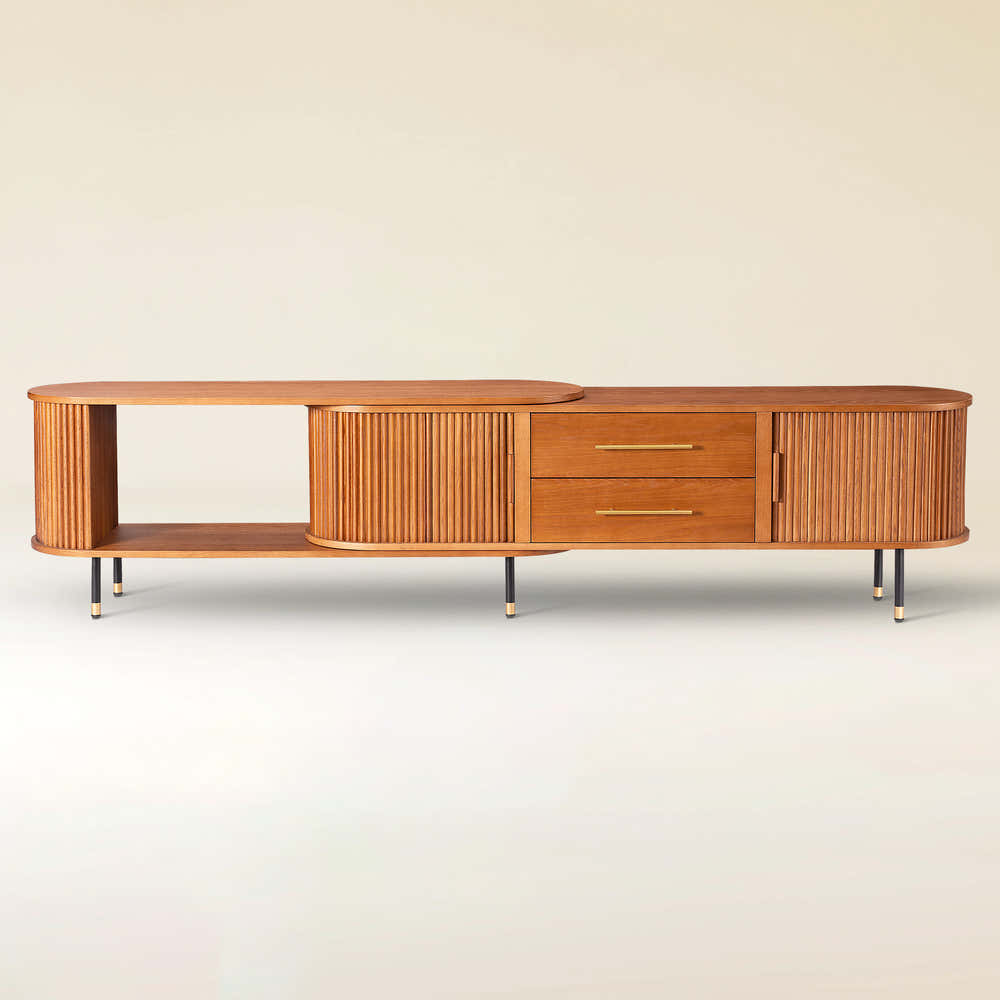
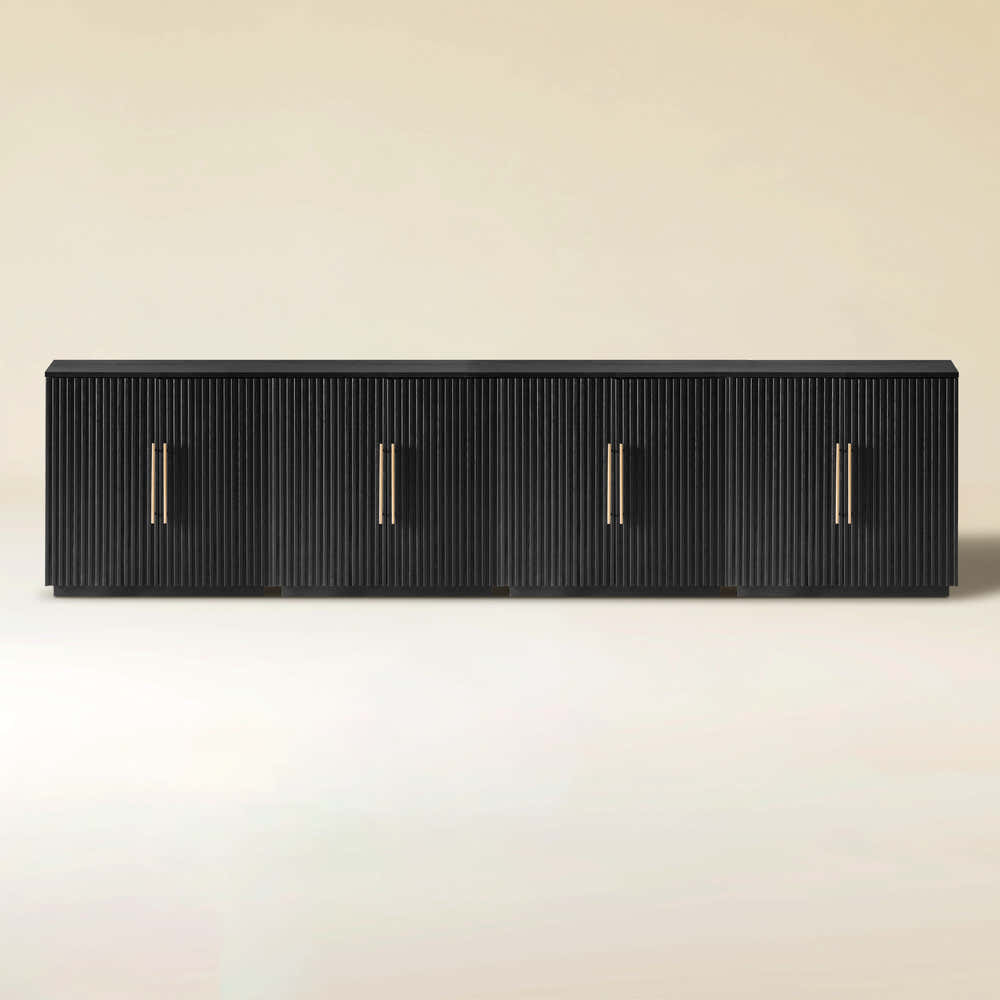




Sideboard Size & Walkway Clearance Calculator
Use this calculator to pick a sideboard that fits your room and keeps a comfortable walkway. Enter your wall length and the space in front of the sideboard (or aisle width), then we’ll recommend a sideboard width range and tell you whether your clearance is comfortable for everyday traffic.
Calculator
How to Choose the Right Sideboard (Quick Guide)
The best sideboard doesn’t just “fit the wall”—it also keeps a smooth path for people to pass, open doors, and serve food without bumping into corners. Follow these steps:
1) Start with wall length Aim for a sideboard that fills 60–85% of the available wall. This looks intentional and leaves breathing room for art, lamps, and outlets.
2) Protect your walkway For comfortable traffic, keep at least 32–36 in (about 81–91 cm) in front of the sideboard. Busy areas may need more.
3) Match depth to the room Smaller spaces do better with 16–18 in depth (40–46 cm). Deeper sideboards store more but steal walkway space quickly.
4) Plan for doors & drawers If your sideboard has doors/drawers, add an extra 10–16 in (25–40 cm) of “opening clearance” so you can actually use it day to day.
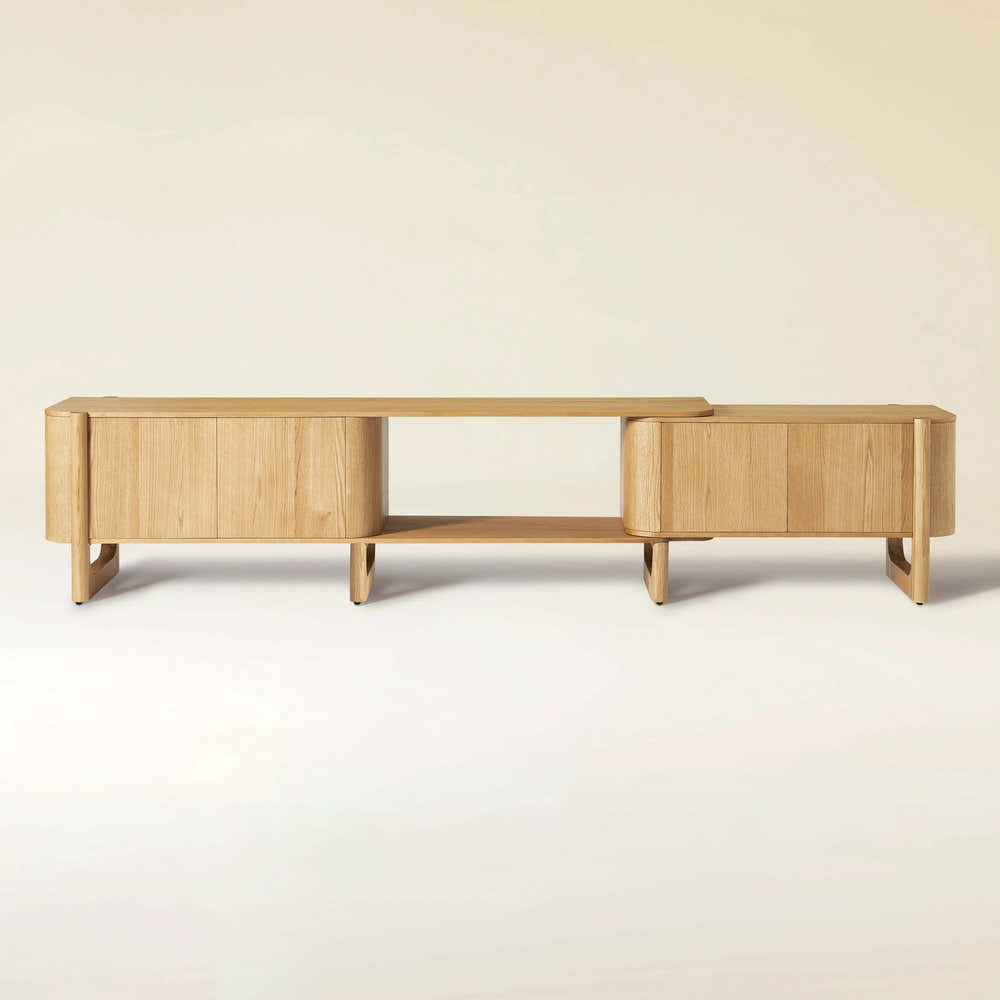
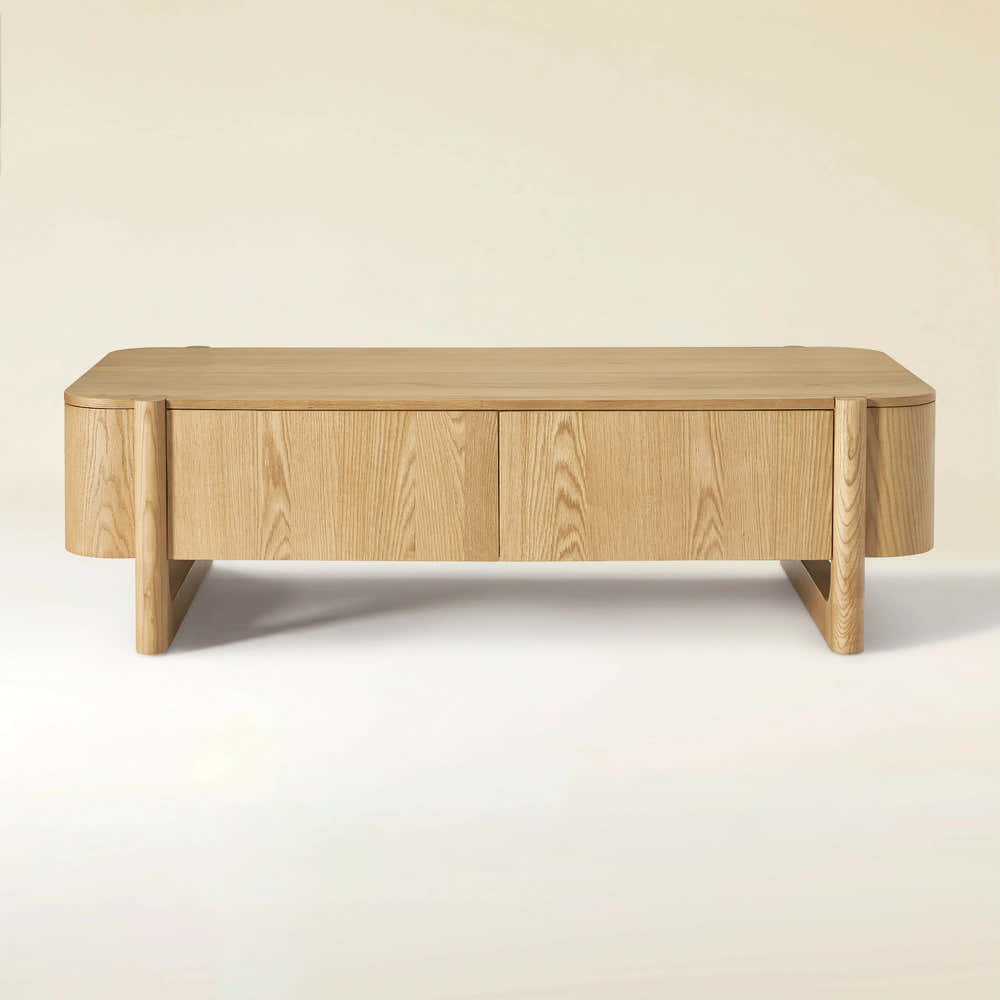
Ready to shop by size & style?
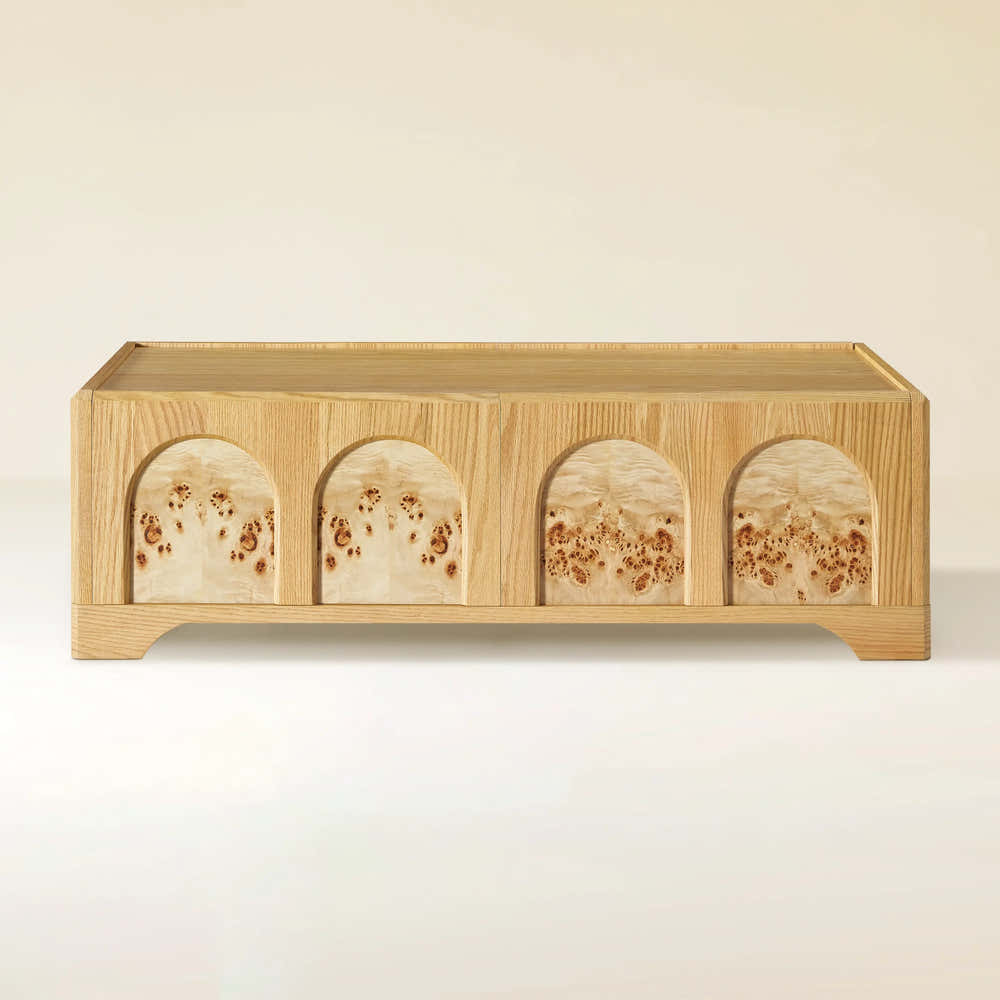
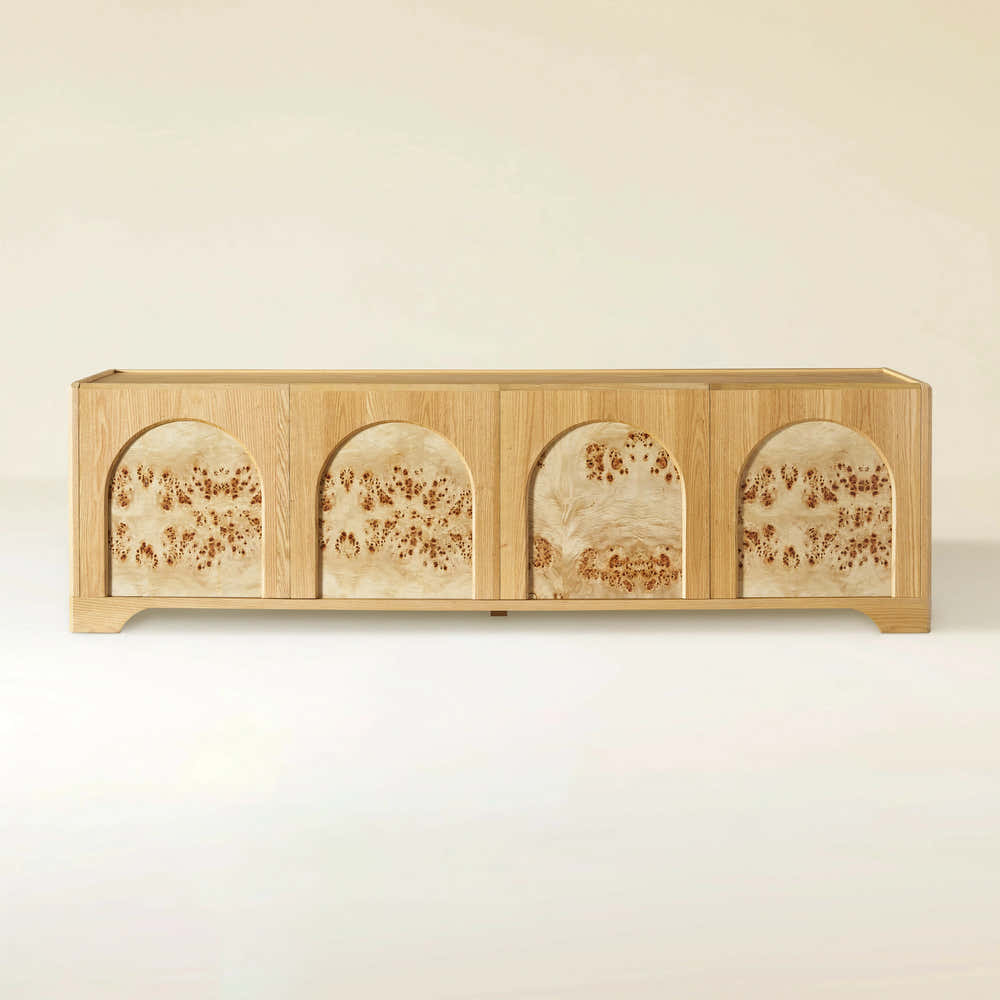
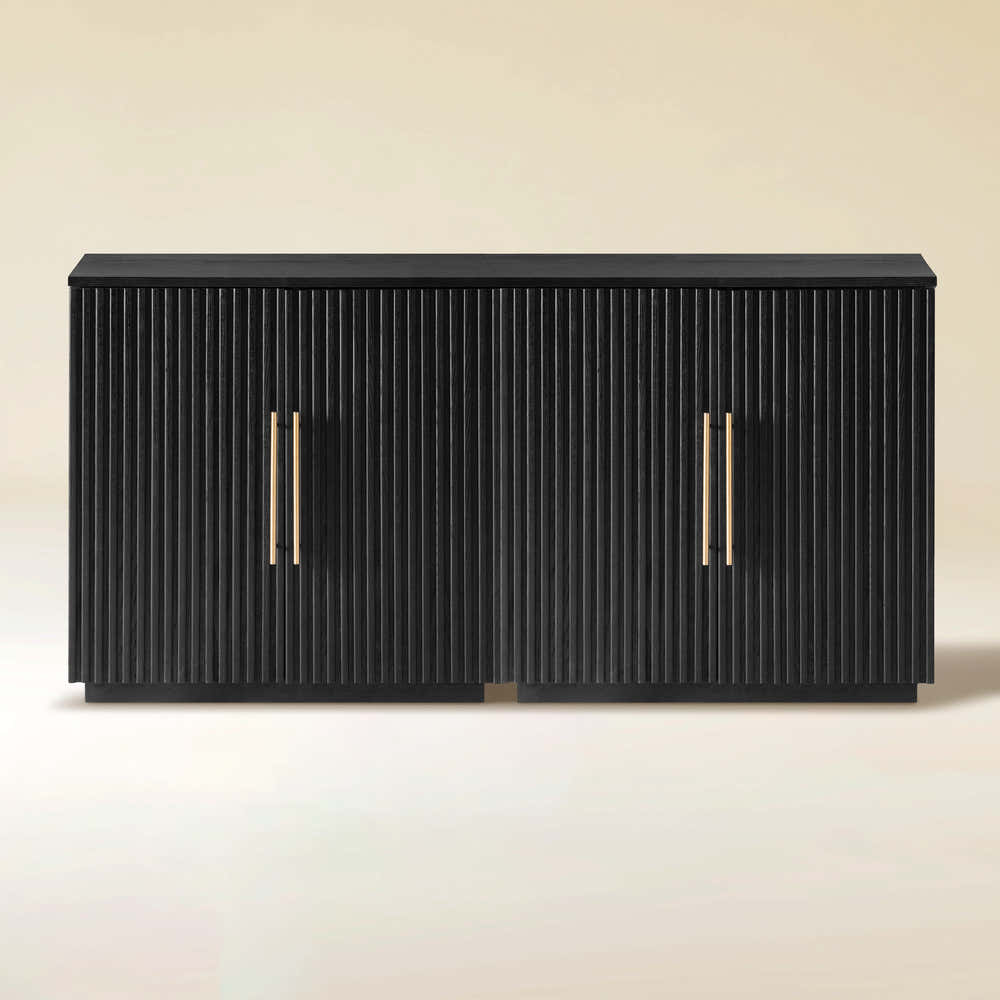
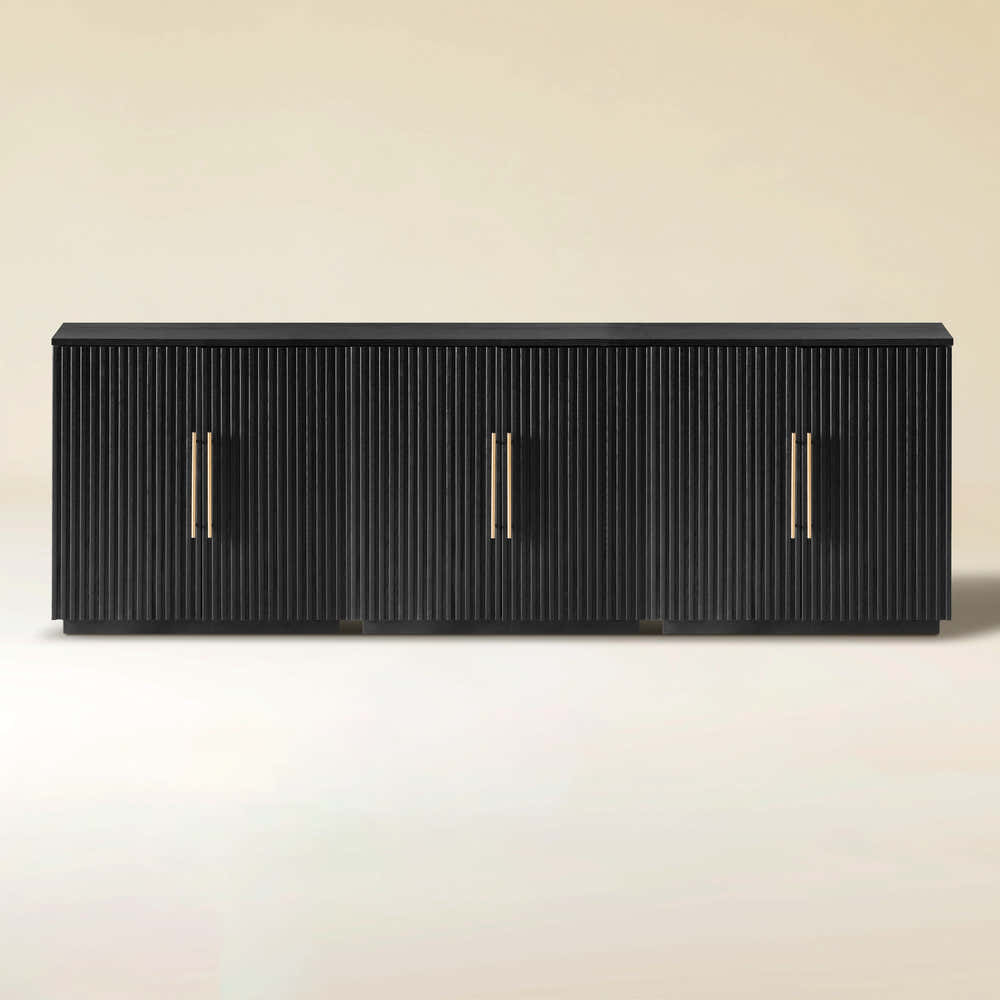
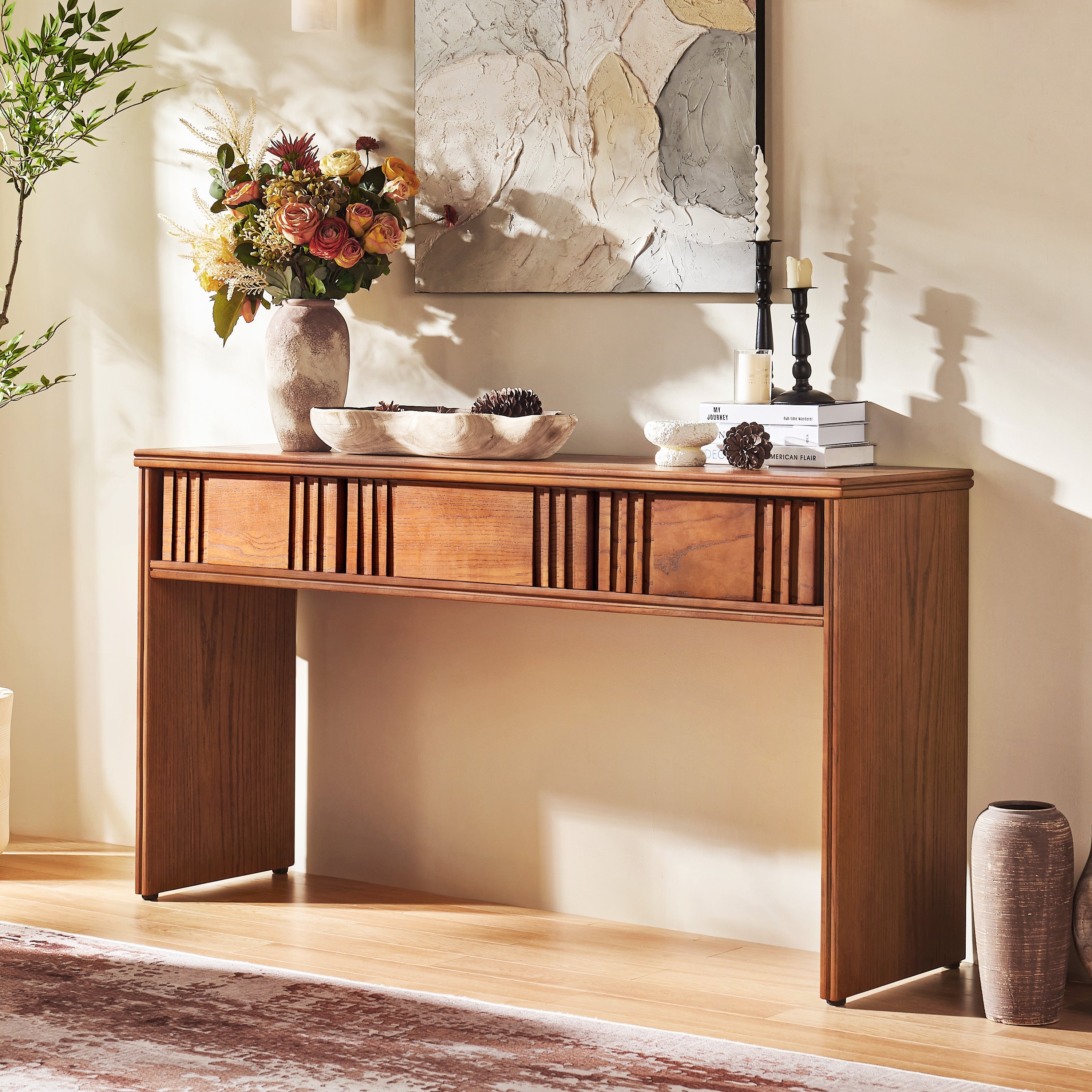
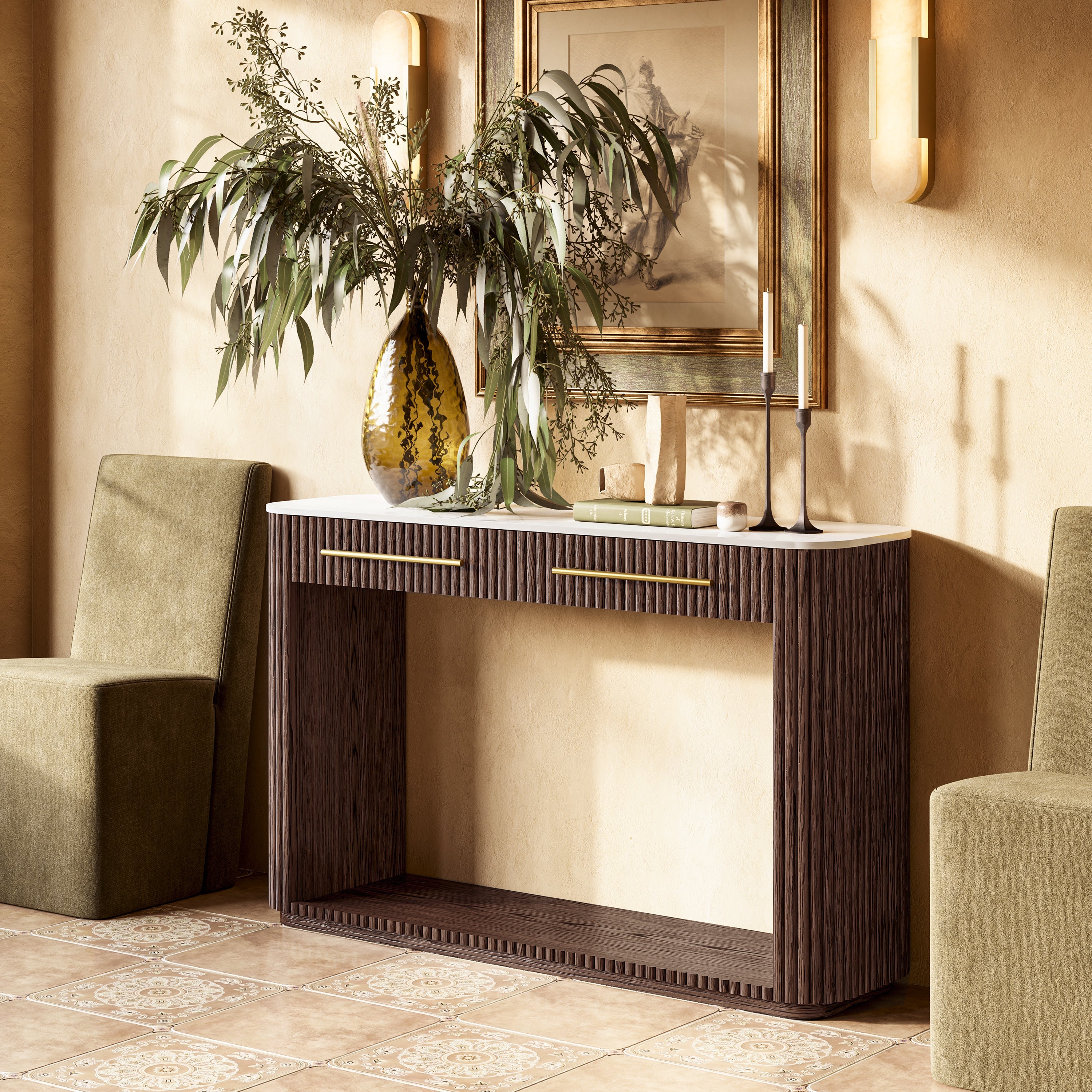
Shop Houlte Sideboards →Tip: Use the calculator above to get your target width range, then browse options that match your space.
Sideboard Walkway Clearance: What’s “Comfortable”?
Walkway clearance is the open space in front of your sideboard—between the sideboard and the next obstacle (like a dining table, sofa, island, or wall). It decides whether your room feels easy to move through or constantly tight.
In most homes, a 32–36 in (81–91 cm) clearance feels comfortable for daily passing. If the area is high-traffic (entry, hallway, behind dining chairs), consider more. If the space is low-traffic (a sideboard against a quiet wall), you may be fine with slightly less—especially if you choose a slimmer depth.
Common mistakes:
• Picking a sideboard that looks good online but is too deep for your aisle.
• Forgetting that drawers/doors need extra space to open.
• Filling 100% of the wall (no breathing room), making the room feel cramped.
Pro tip: If your walkway is tight, prioritize a slightly narrower or slimmer-depth sideboard and use height (taller storage) to keep capacity.
FAQ
How much space should I leave in front of a sideboard?
A good everyday target is 32–36 inches (about 81–91 cm). For busy walkways or behind dining chairs, aim higher. If the area is low-traffic, you may be okay a bit under that—especially with a slim-depth sideboard.
What width should a sideboard be relative to the wall?
Many designers aim for a sideboard that fills roughly 60–85% of the wall length. This keeps proportions balanced and leaves room for lamps, art, and natural spacing.
What’s a typical sideboard depth?
Most sideboards fall around 16–20 inches (40–50 cm). Slimmer designs work better for hallways and tight dining areas.
Do drawers and doors change clearance needs?
Yes. Add 10–16 inches (25–40 cm) of extra “opening clearance” so drawers can pull out and doors can swing without hitting traffic.
Share:
Pendant Height Over Island Calculator
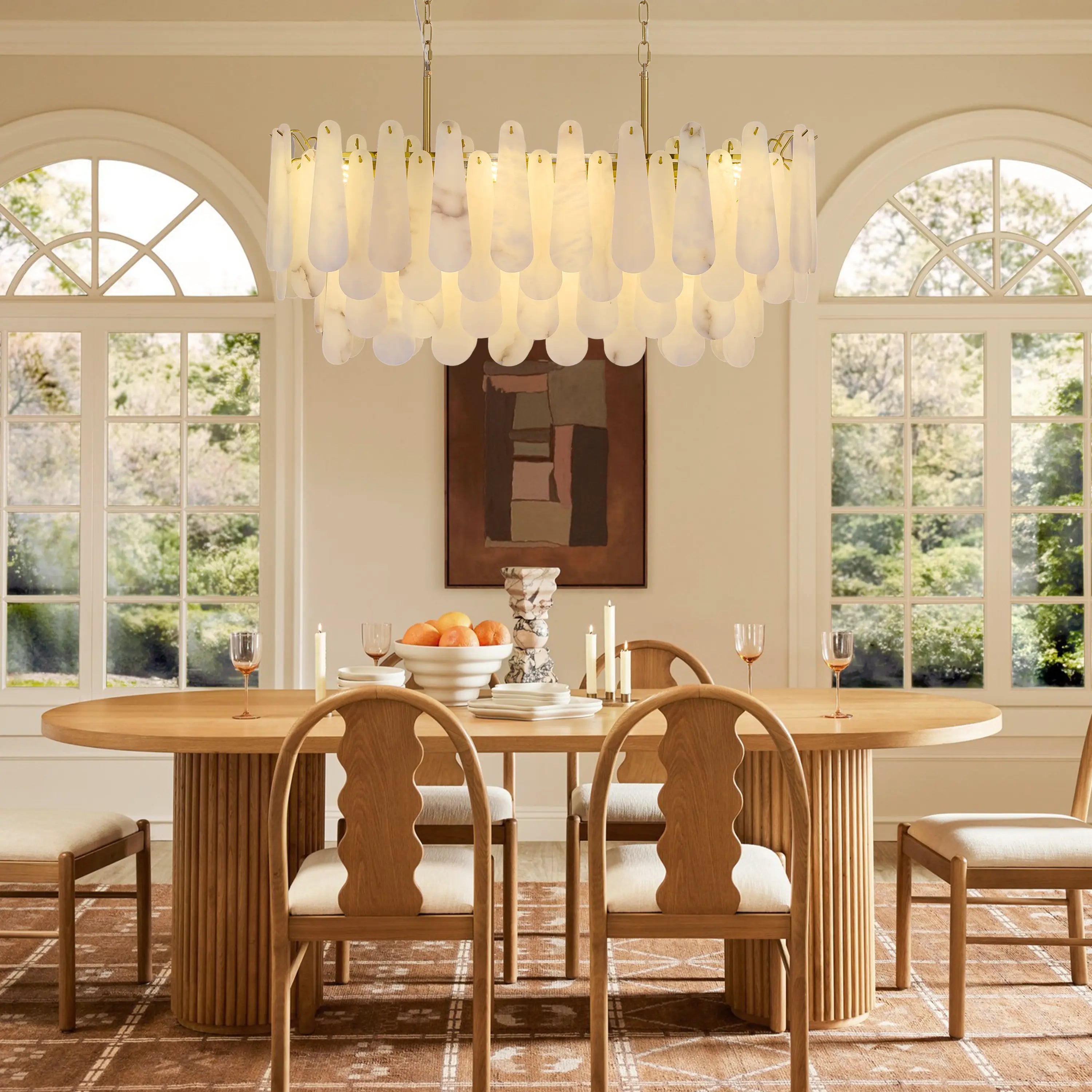
Chandelier Size Calculator